Henri de Régnier

« No fragrance is sweeter than that of a rose
When one remembers having breathed it in
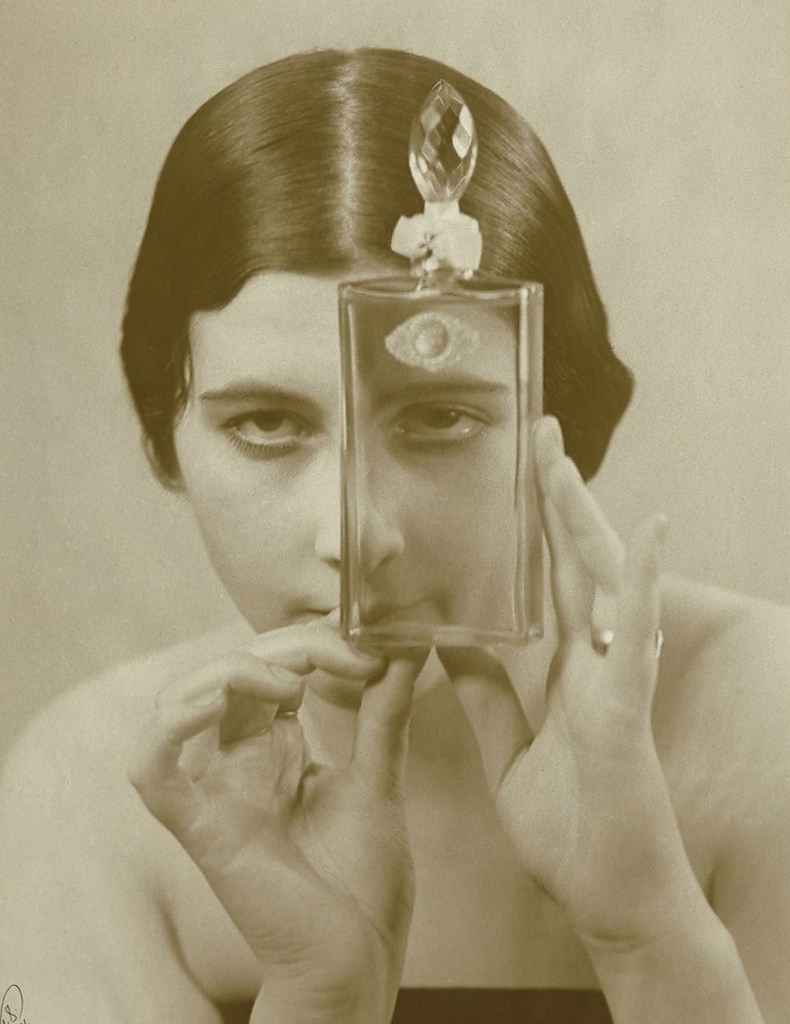
Or when the ardent bottle, where its soul is enclosed,
Preserves in crystal the captured aroma.

That is why, if ever with fever and delight
I felt your body thrust into my arms
After having long suffered the bitter torment
Of my secret desire that you did not know,

If, by turns, silent, urgent, humble, fierce,
Prowling around you in the shadows, suddenly,
I finally plucked the flower from your lips,
O you, my dear pleasure who were my torment.

If I have known through you the unparalleled intoxication
Whose voluptuous or tender fury
Mysteriously reborn and awakens
Each time my heart beats against yours,

However, neither the close caress, nor the embrace
Nor the double kiss that Desire makes things short
Two beautiful eyes whose flame is extinguished are worthless
In that divine rest one tastes after love!. « (Henri de Régnier)

Philip Pullman

« I will always love you, no matter what. Until my death, and after my death, and when I leave the land of the dead, I will wander endlessly, my atoms will drift, until I find you again. » (Philip Pullman)

« It is within the limits of denial that belief begins. »(DantéBéa)

Jules Barbey d’Aurevilly

“Passions do less harm than boredom, because passions always tend to diminish, while boredom always tends to increase.” (Jules Barbey d’Aurevilly)

Unknown photographer

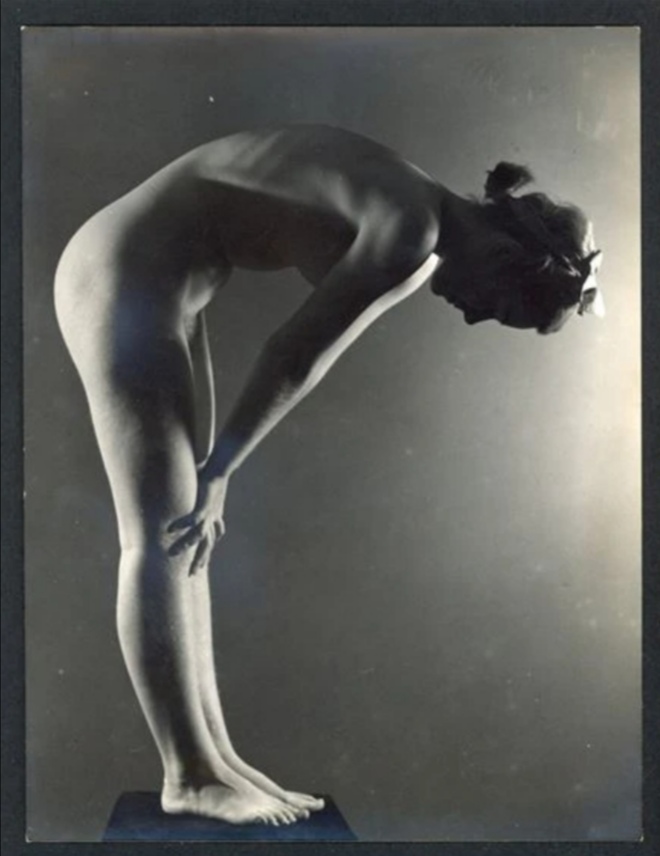
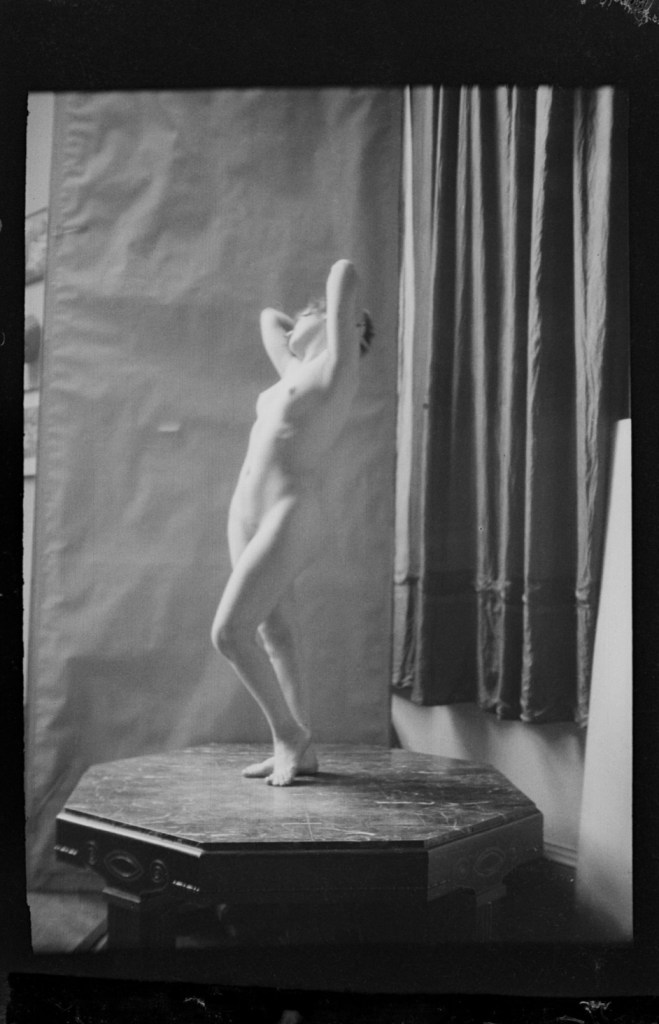
Unknown photographer. Seated nude 1926

Unknown photographer

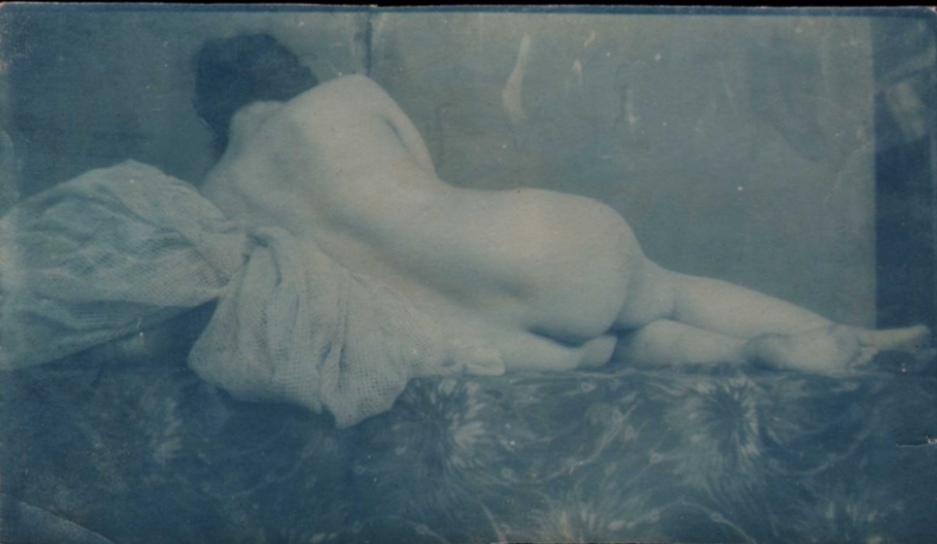
Unknown photographer. Back view of a reclining woman 1926.

Hugo Erfurth

Hugo Erfurth. Nude study 1903

Alfred Schneider

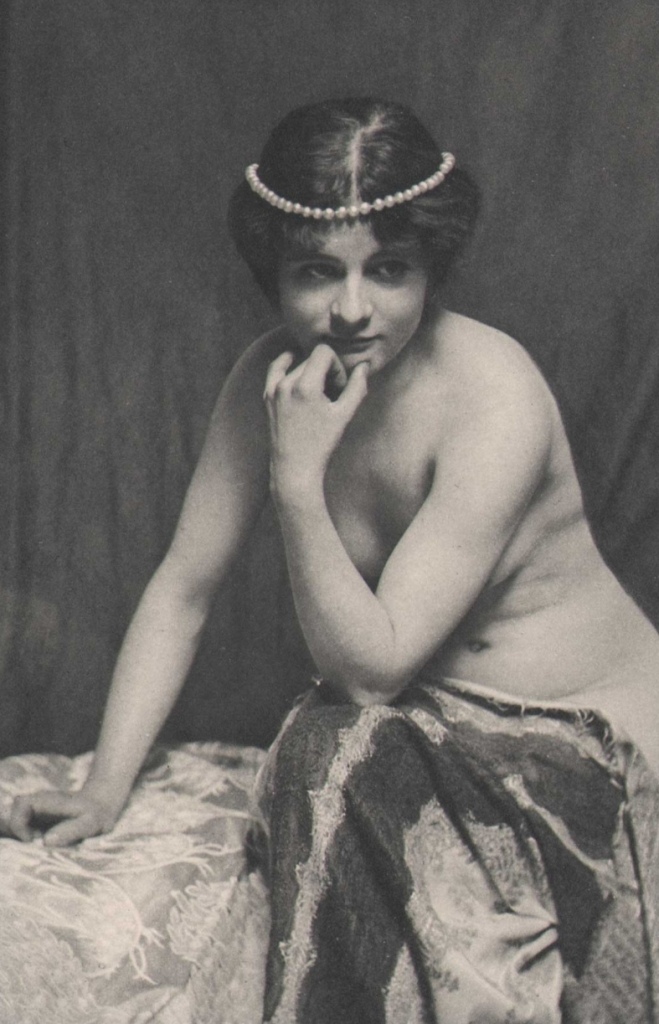
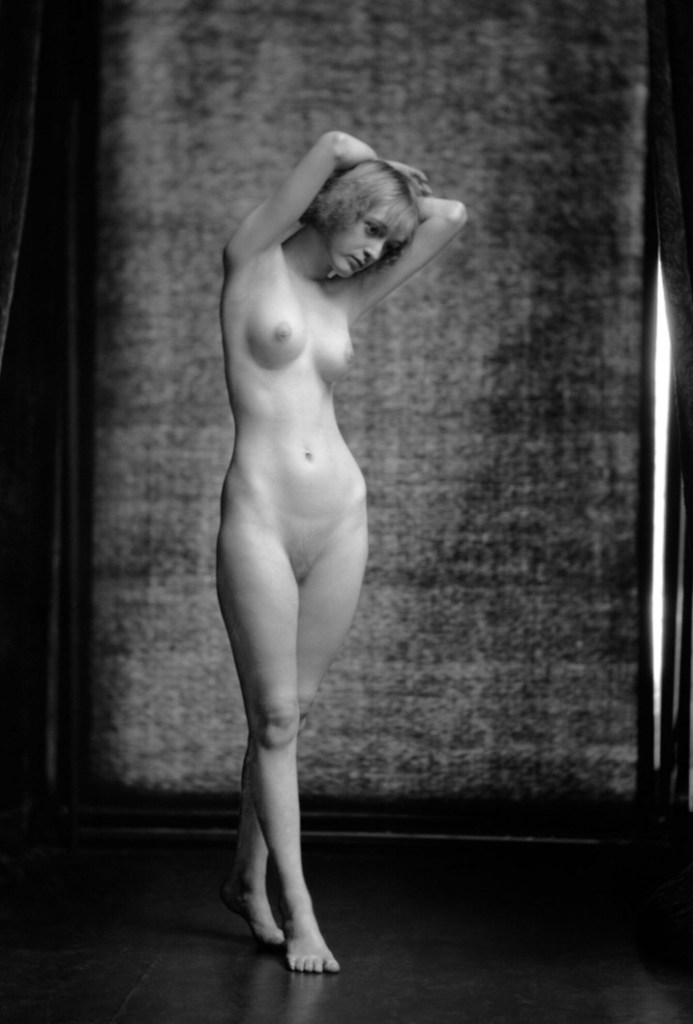
Alfred Schneider. Seated woman 1904.

Curtis Moffatt

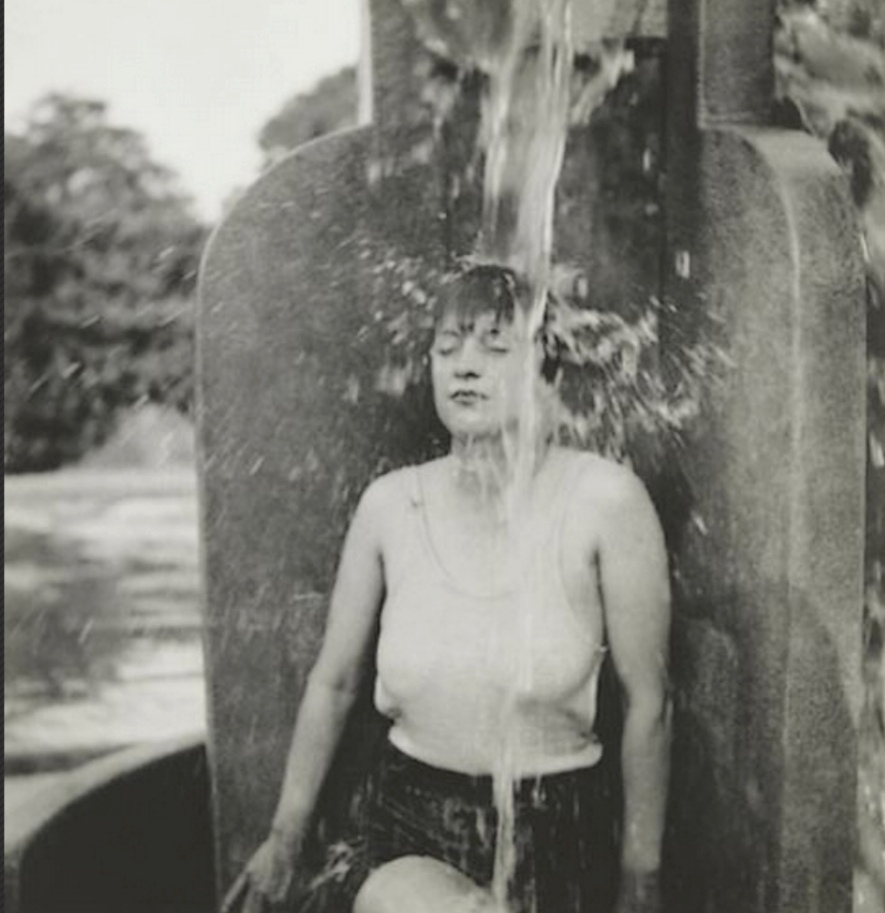
Curtis Moffatt. Woman refreshing under fountain 1925.

Man Ray

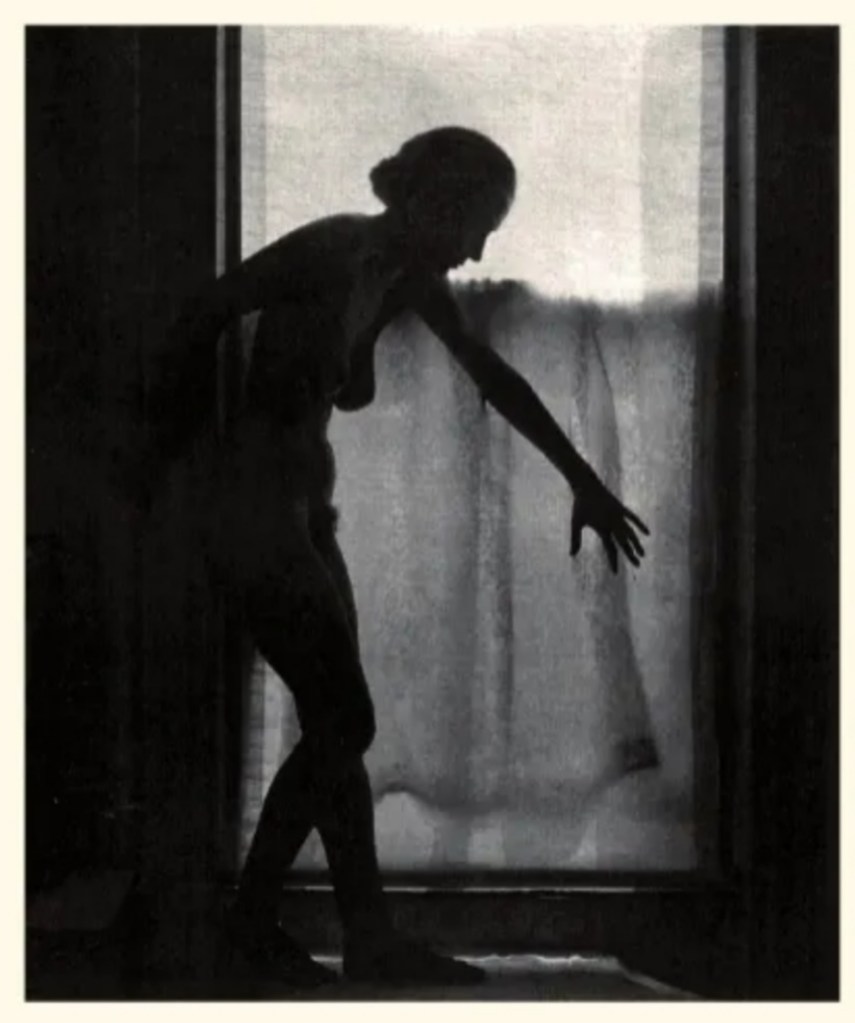
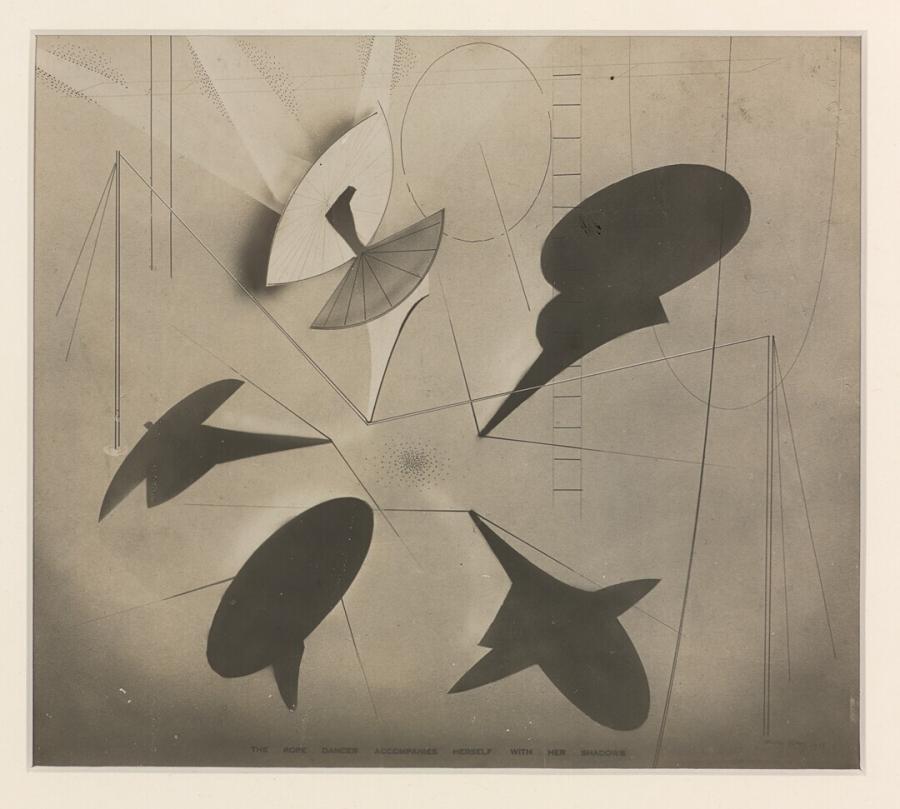
Man Ray. Dancer accompanies herself with her Shadows 1919.

Charles Baudelaire

« I am beautiful, O mortals! Like a dream of stone,
And my breast, where each one has been bruised in turn,
Is made to inspire in the poet a love
Eternal and mute like matter.

I sit enthroned in the azure like a misunderstood sphinx;
I unite a heart of snow with the whiteness of swans;
I hate the movement that displaces lines,
And I never cry and I never laugh.

Poets, before my grand attitudes,
Which I seem to borrow from the proudest monuments,
Will consume their days in austere studies;

For I have, to fascinate these docile lovers,
Pure mirrors that make all things more beautiful:
My eyes, my wide eyes with eternal clarity! » (Charles Baudelaire)

Egon Schiele

Egon Schiele. Reclining woman wearing stripped stockings 1911.

Nikolai Ivanovich Svishtov

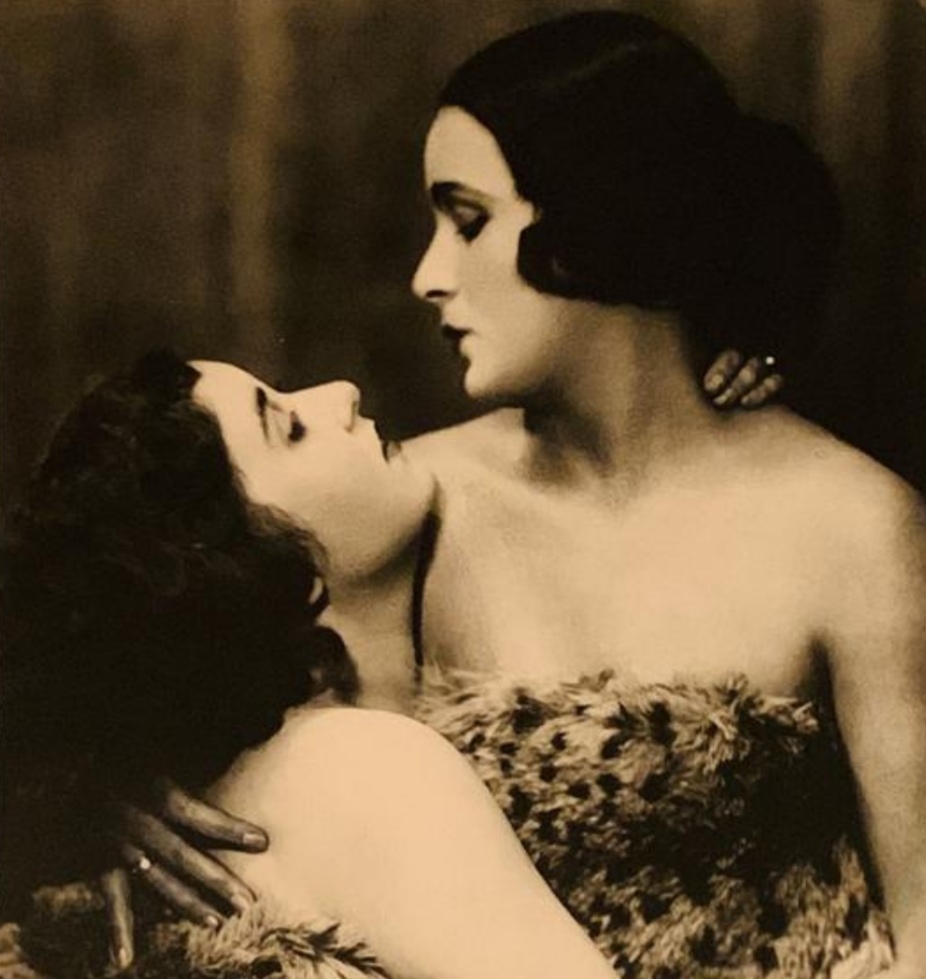
Nikolai Ivanovich Svishtov. Women embracing 1920s

Man Ray

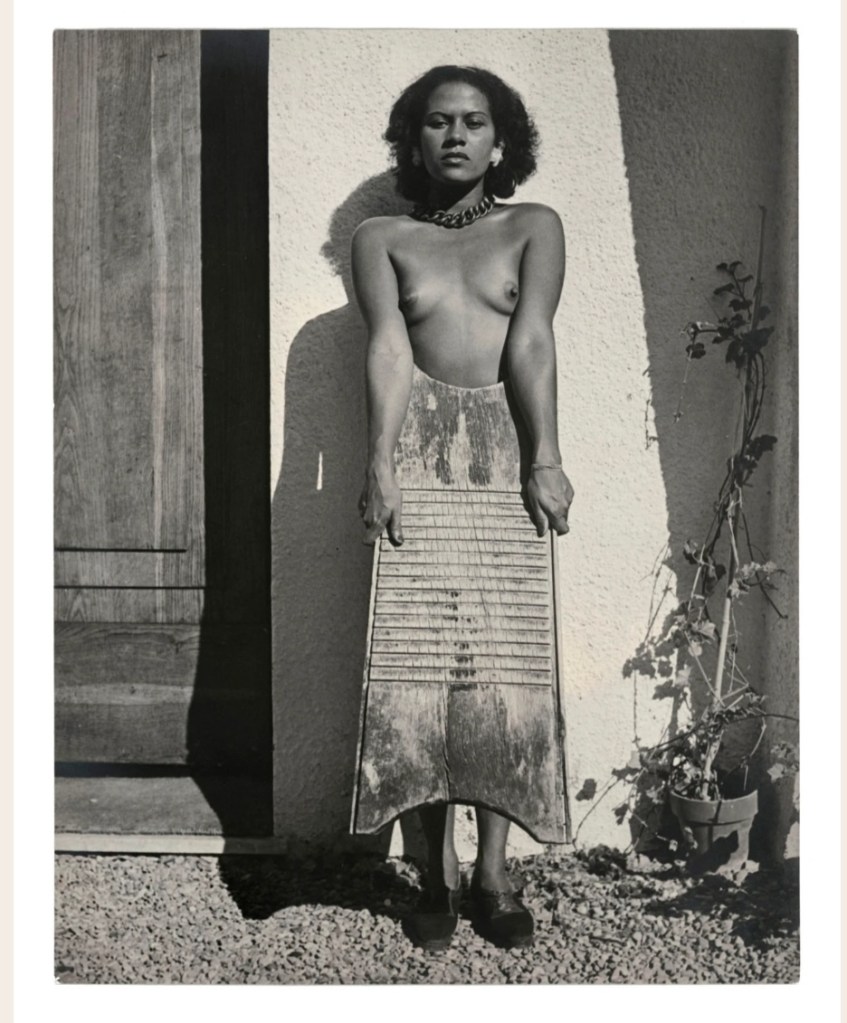
Man Ray. Adrienne Fidelin with washboard 1937

Robert Denos

“I have dreamed of you so much, walked, talked, slept with your ghost so much that perhaps all that remains for me, and yet, is to be a ghost among ghosts and a hundred times more shadow than the shadow that walks and will walk happily on the sundial of your life.” (Robert Denos)

Cecil Beaton

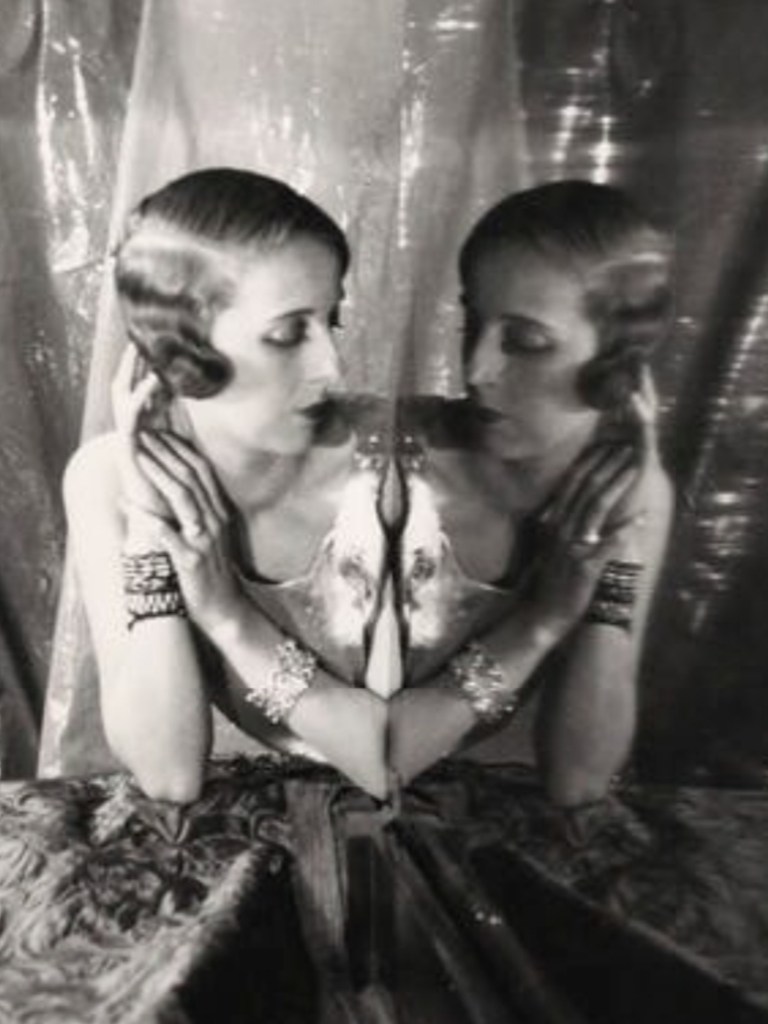
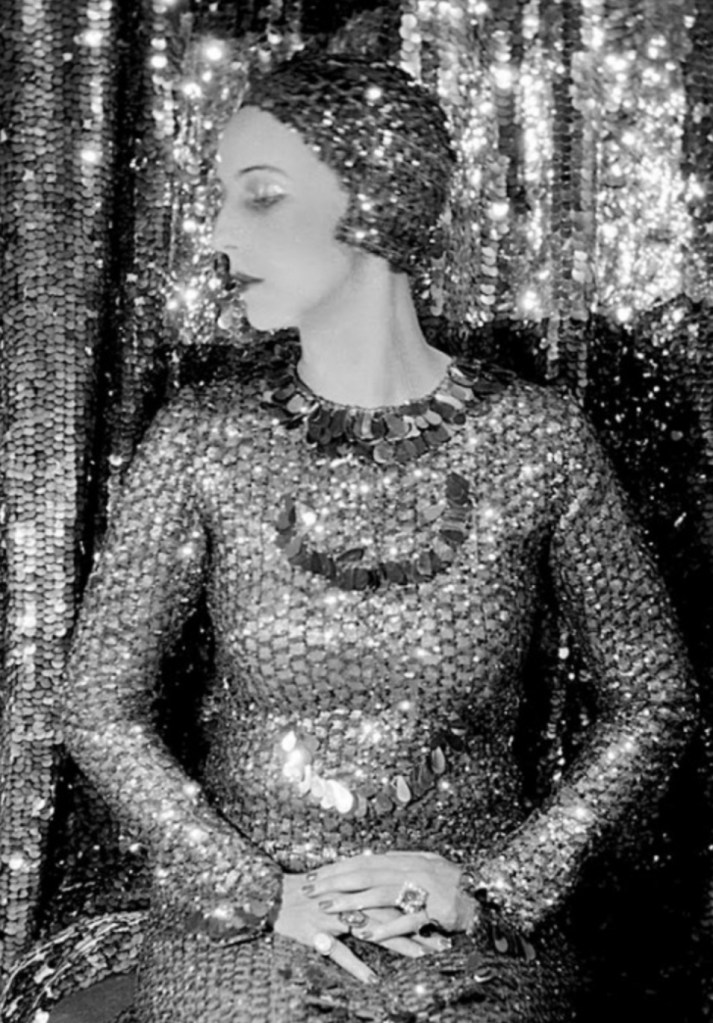
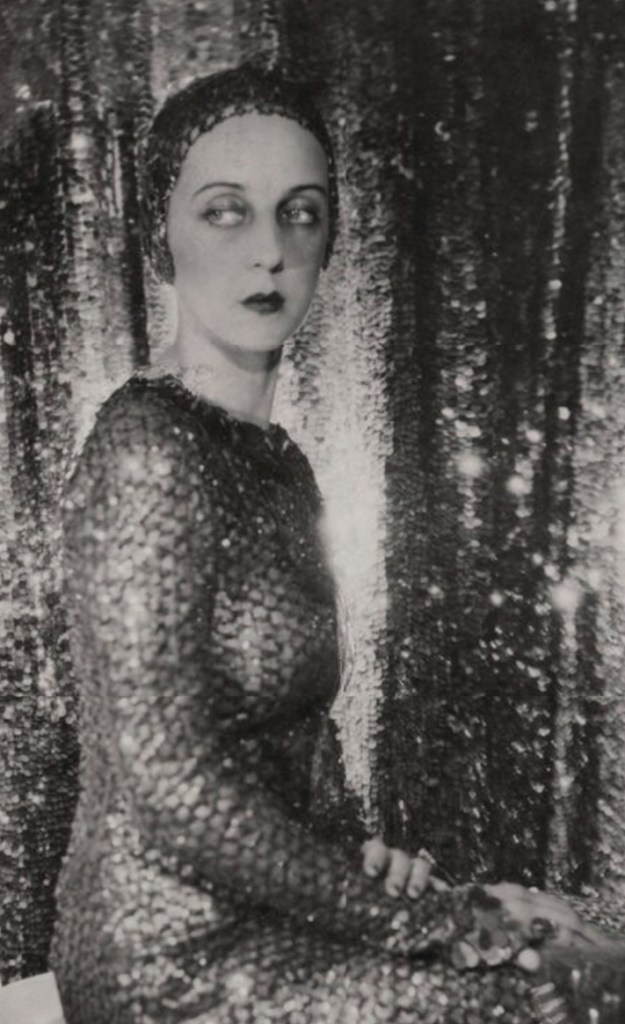
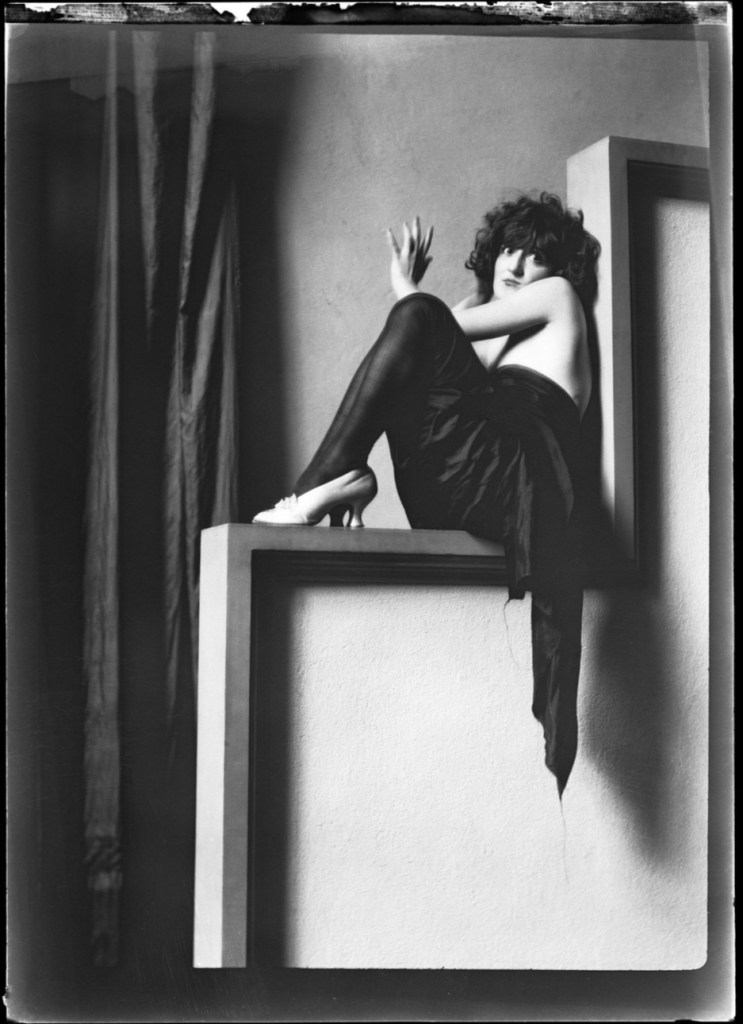
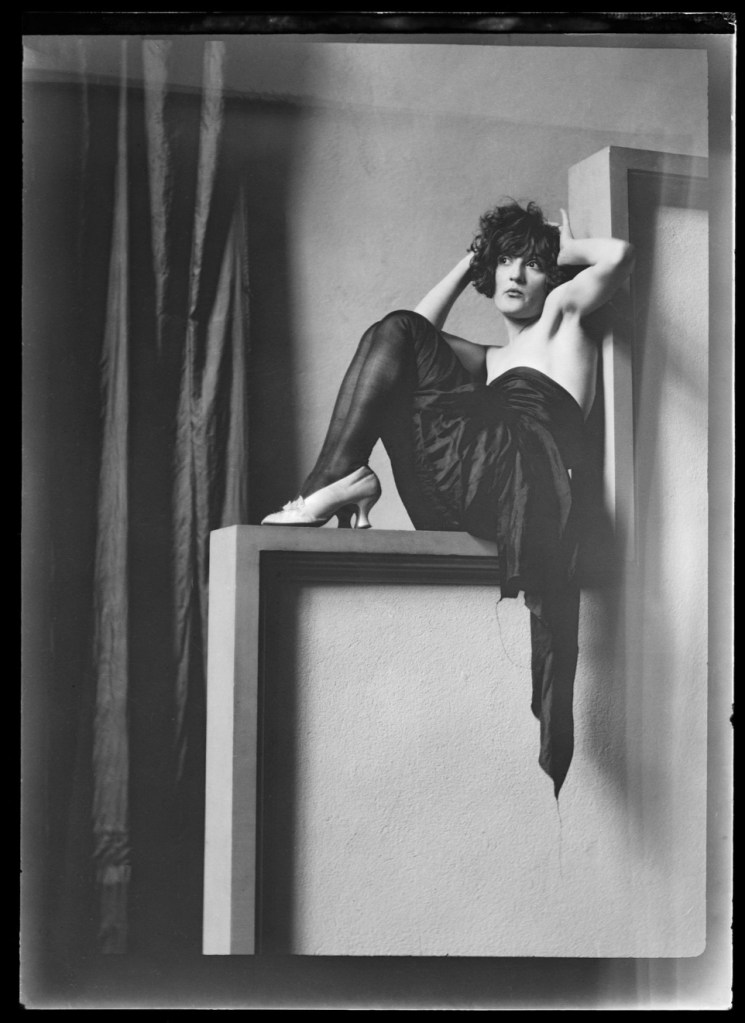
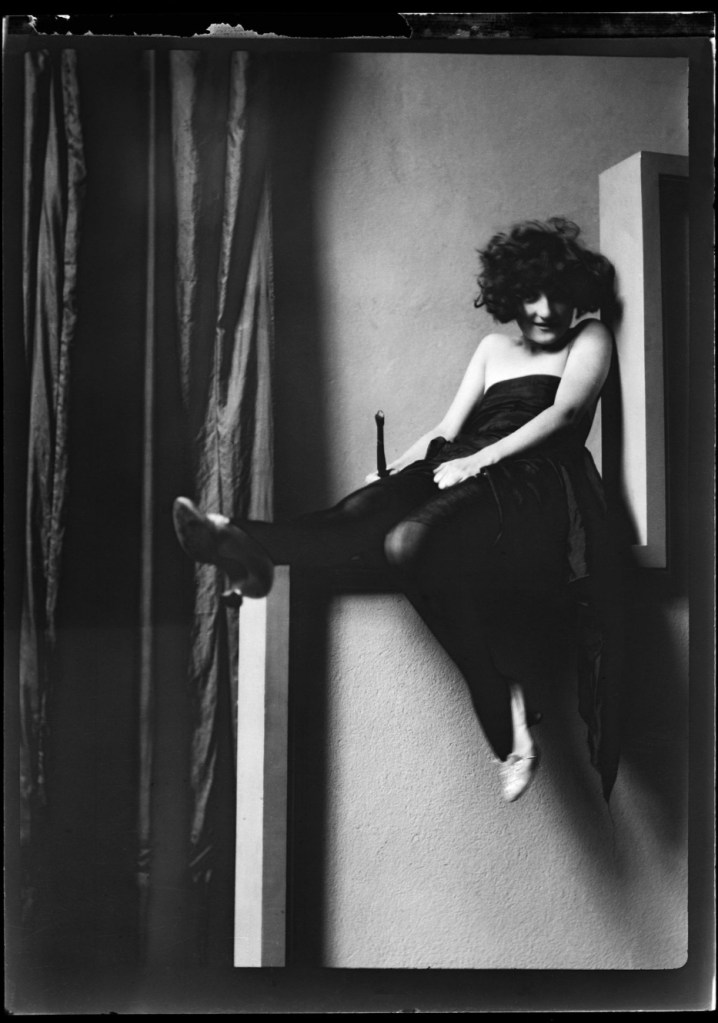
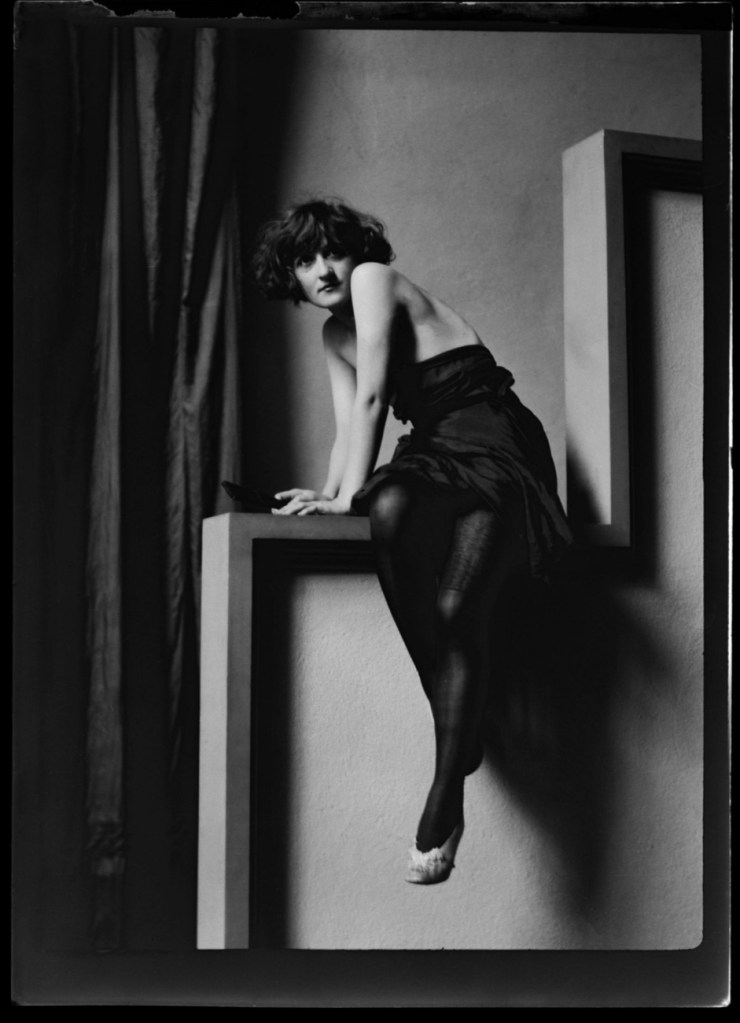
Cecil Beaton. Paula Gellibrand, Marquise de Casa Maury 1928.

Cecil Beaton

Cecil Beaton. Paula Gellibrand, Marquise de Casa Maury 1928.

Cecil Beaton

Cecil Beaton. Paula Gellibrand, Marquise de Casa Maury 1928.

Cecil Beaton. Paula Gellibrand, Marquise de Casa Maury 1928.

Cecil Beaton. Paula Gellibrand, Marquise de Casa Maury 1928.

Charles Cros

« I am a butterfly fleeing from crazy things,
And it is in a supreme kiss that I die. » (Charles Cros)

Edith Södergran

« Don’t get too close to your dreams:
They are smoke that can disperse
They are dangerous and can remain.
Have you looked your dreams in the eyes:
They are sick and understand nothing
They only have their own thoughts. Don’t get too close to your dreams:
They are lies, they should go away
They are madness for those who want to stay. » (Edith Södergran)

Egon Schiele

Egon Schiele. Woman reclining on a pillow 1910

Man Ray

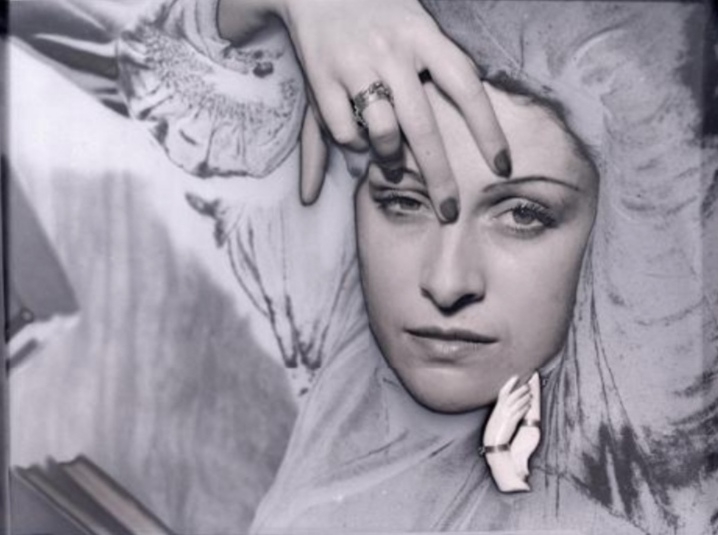
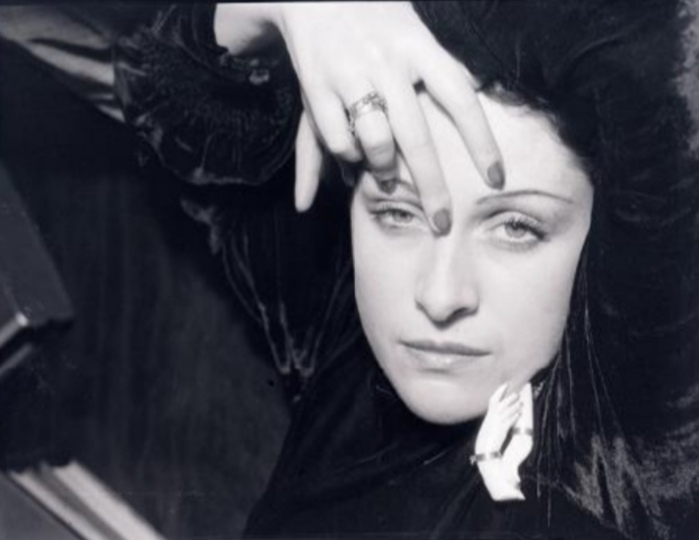
Man Ray. Dora Maar 1936

Man Ray. Dora Maar 1936

Man Ray. Dora Maar 1936

Pierre-Louis Pierson

Pierre-Louis Pierson. Comtesse de Castiglione 1860s

Pierre-Louis Pierson. Comtesse de Castiglione 1860s.


Born into the Italian aristocracy, the Countess of Castiglione experienced the hustle and bustle of imperial festivities and the splendor of the Tuileries court, where she was, for a few seasons, one of the most dazzling and boisterous meteors.
Halfway between the world of aristocracy and that of gallantry, she was both idolized and reviled, a socialite and a recluse, the object of all eyes and the secret photographer of her life.
Like in a fairy tale, Virginia Oldoini, Countess of Castiglione, arrived in Paris on Christmas Eve 1855, at just 18 years old.
She left behind the court of Turin and a rather conventional milieu for a cosmopolitan Paris, the capital of fashion and pleasure. On the instructions of her cousin Camillo Cavour, minister to the King of Piedmont, Victor Emmanuel, she was sent to plead the cause of Italian unity with Napoleon III, who was sensitive to the eloquence of feminine charms. Keeping in mind the letter Cavour had sent her: « Succeed, my cousin, by whatever means you please, but succeed, » she was ready to launch herself into the glittering whirlwind of the Second Empire.

« Anchor is not thrown at the foot of the cradle, it rises, sails, feeds, explores as the ship following the murmur of its scent pushing it towards the perfume of its soul…The shore is found at the real birth. » (DantéBéa)

Vassily Kandinsky

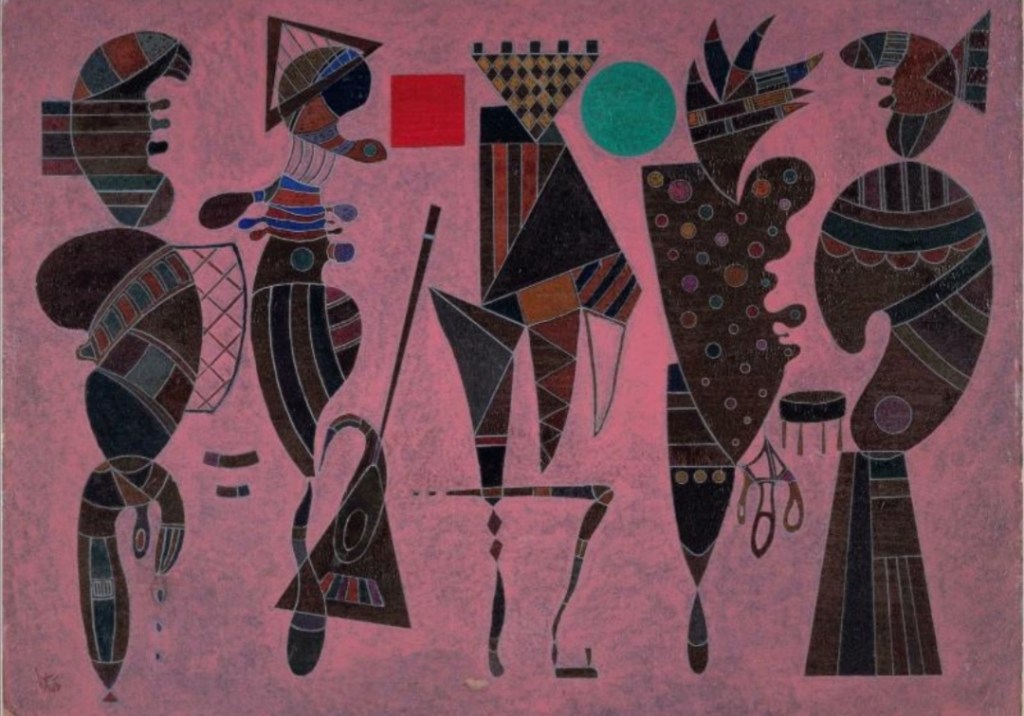
Vassily Kandinsky. Circle and square 1943

Ernest Cormier

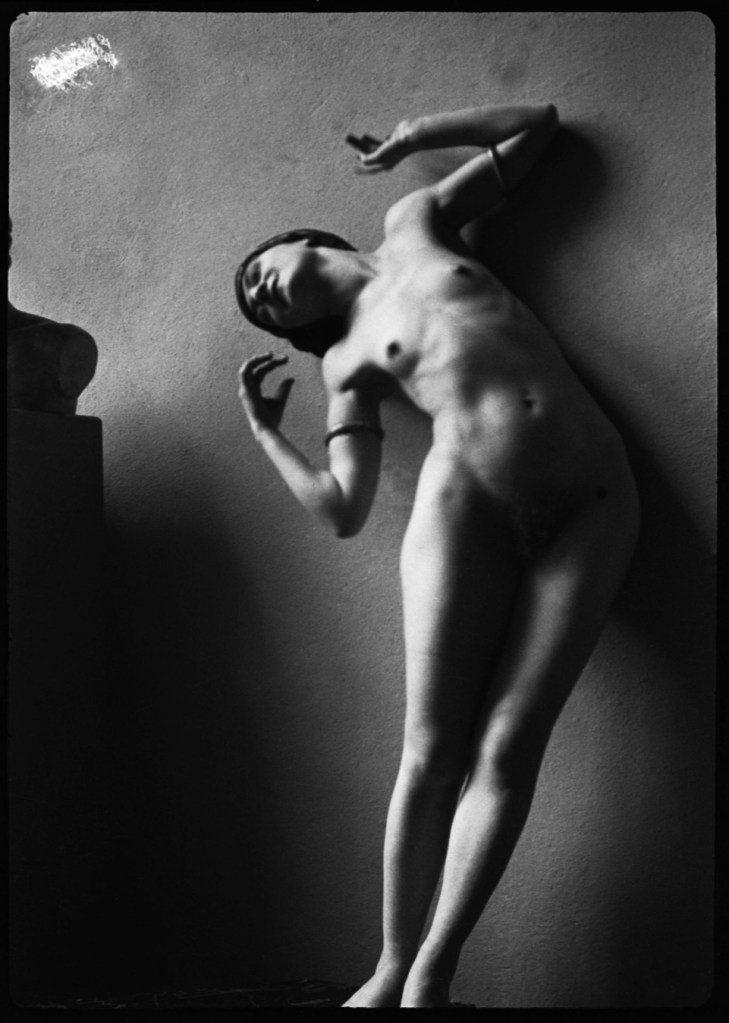
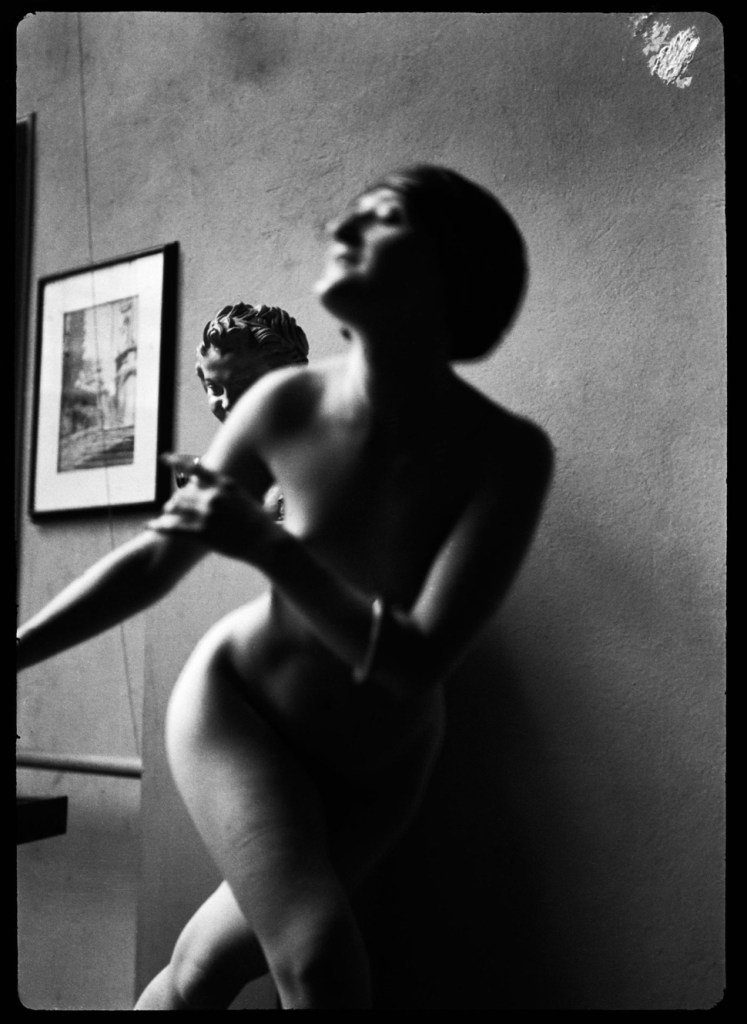
Ernest Cormier. Clorinthe or Cecile Perron posing in Ernest Cormier’s workshop 1923

Man Ray

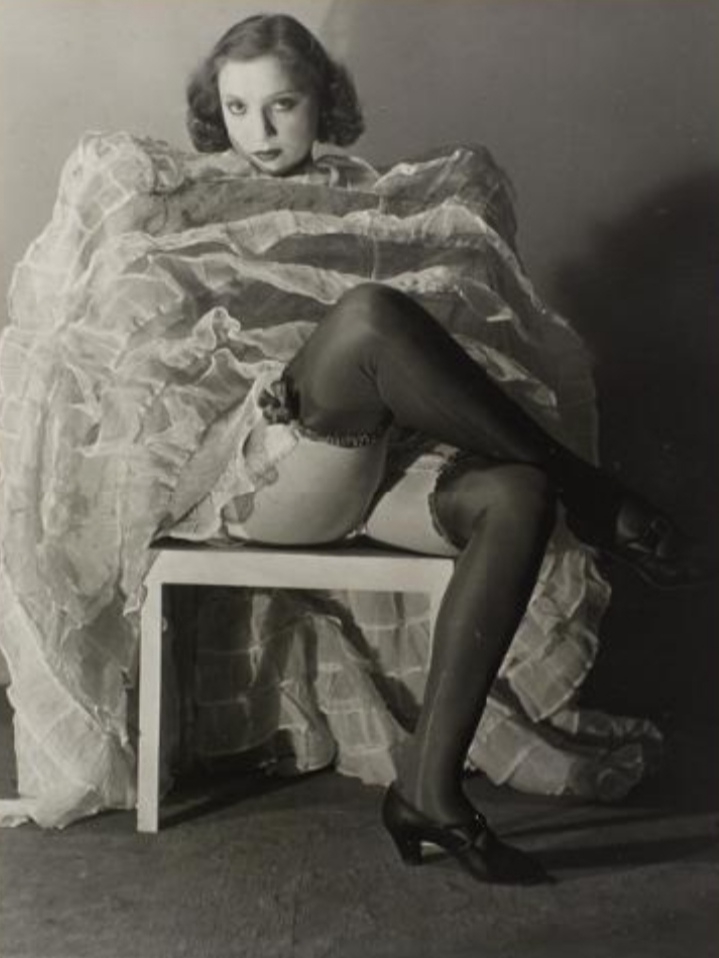
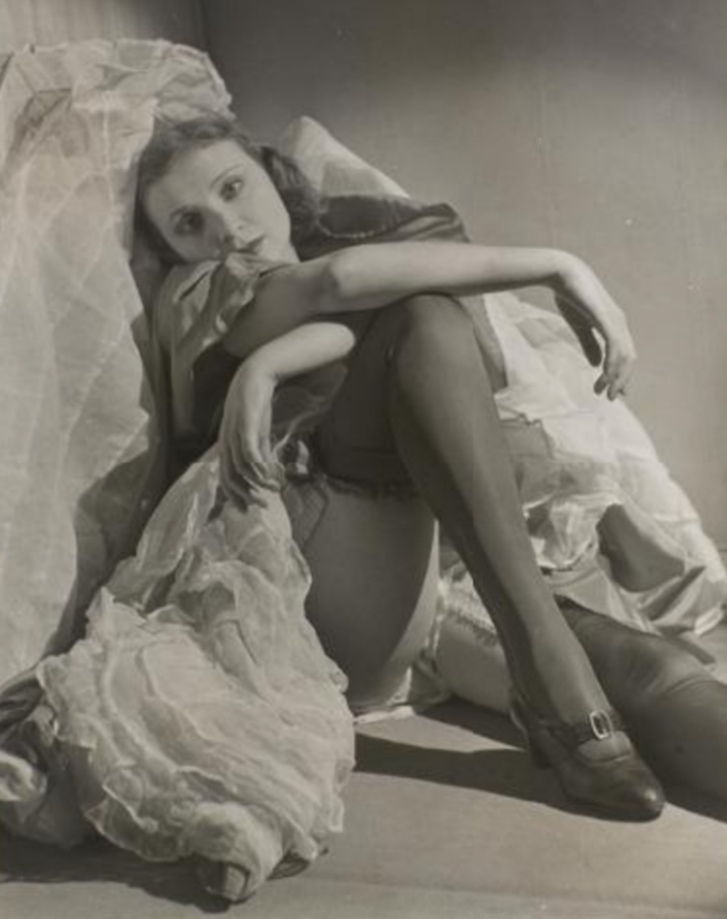
Man Ray. The French Cancan dancer Lydia 1932

Man Ray. The French Cancan dancer Lydia 1932

Man Ray. The French Cancan dancer Lydia 1932

Herbert Matter

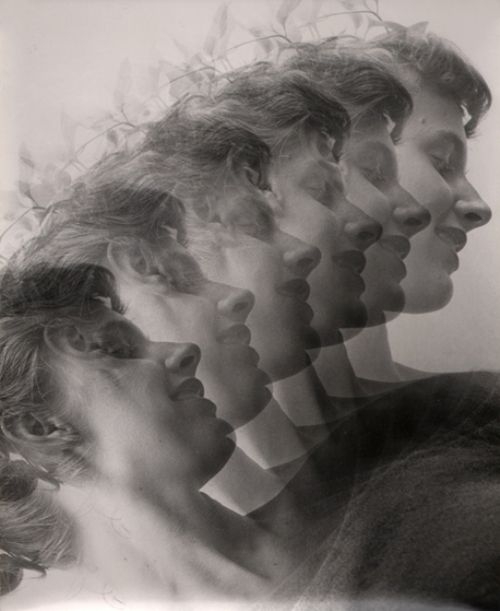
Herbert Matter. Mercedes Matter, multiple exposures 1938

Ernest Cormier

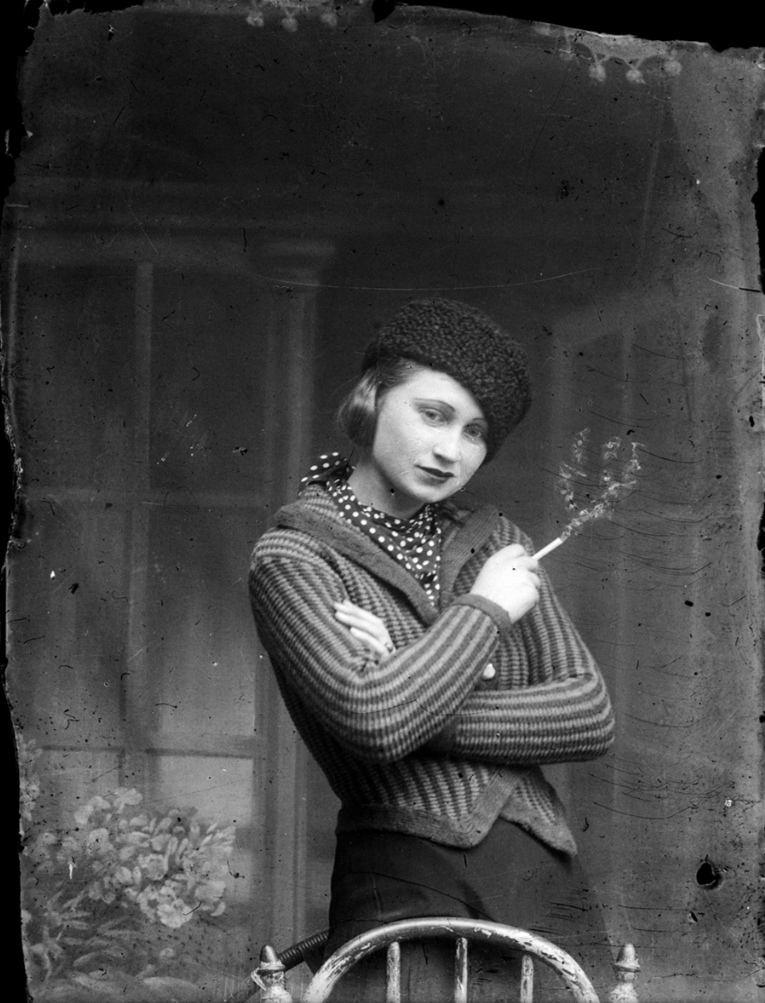
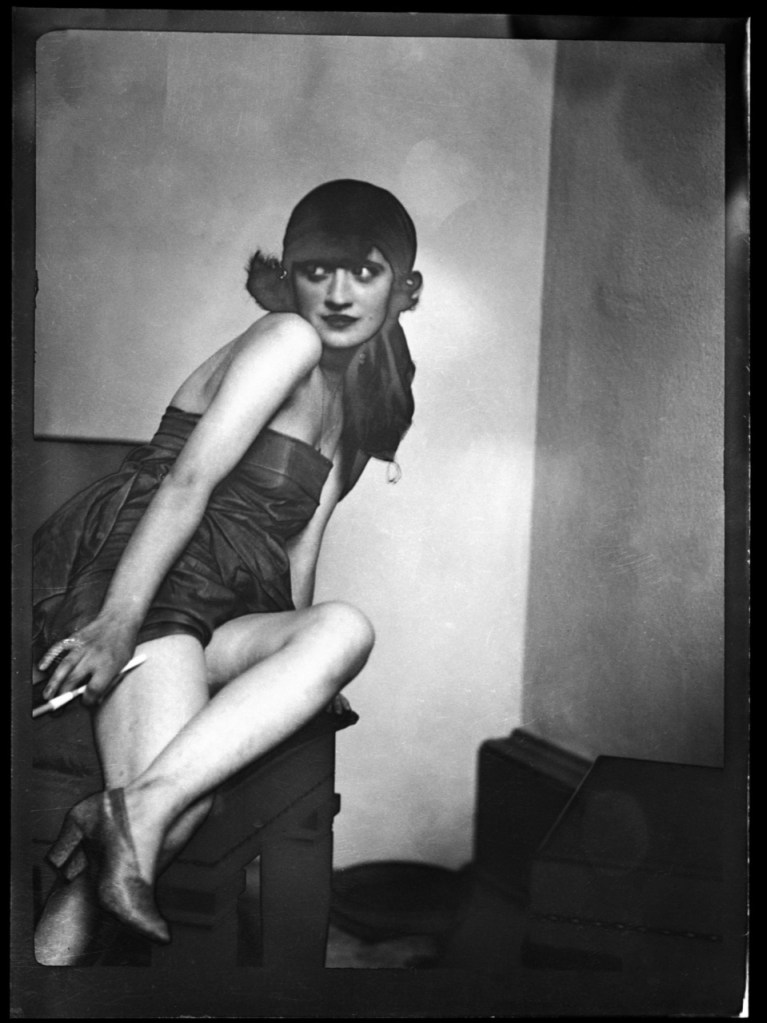
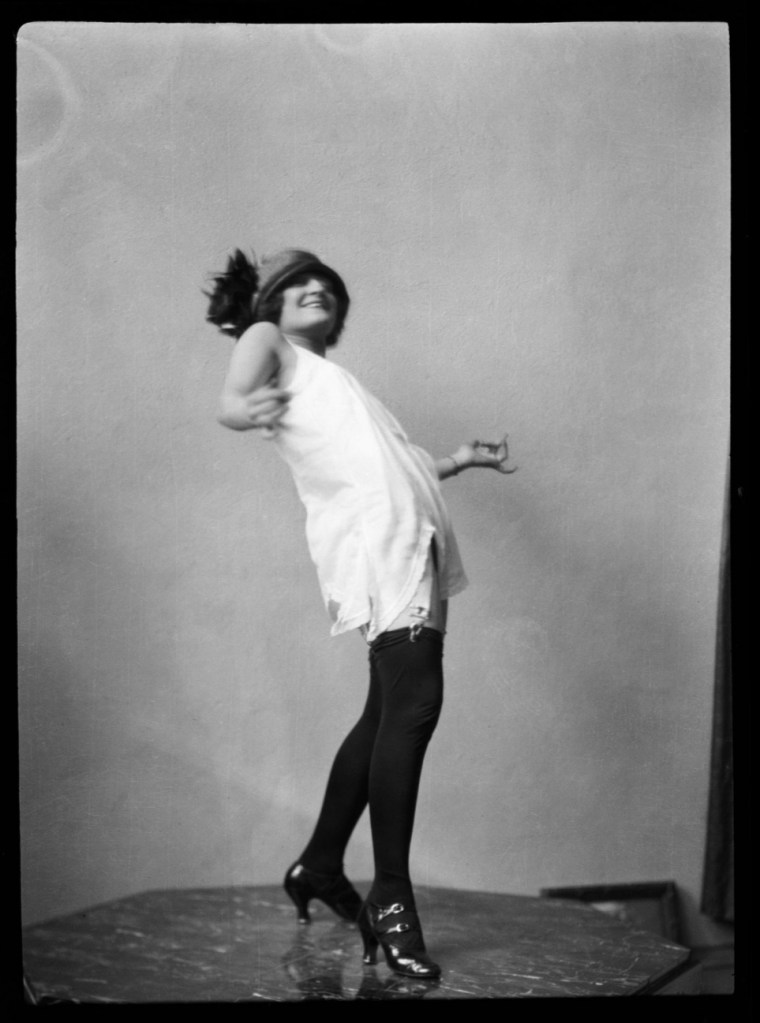
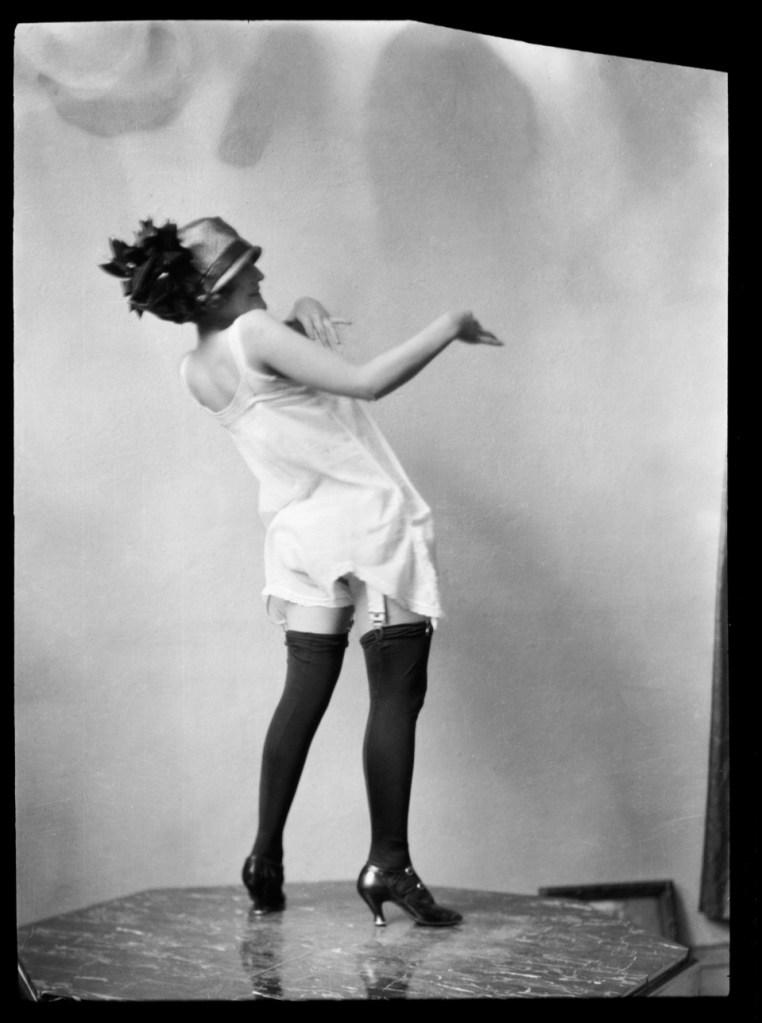
Ernest Cormier. Cecile Perron holding a cigarette 1920-1935

Ernest Cormier. Cecile Perron holding a cigarette 1920-1935

Ernest Cormier

Ernest Cormier. Clorinthe Perron posing in Ernest Cormier’s workshop 1920-1935

Ernest Cormier. Clorinthe Perron posing in Ernest Cormier’s workshop 1920-1935

Ernest Cormier. Clorinthe Perron posing in Ernest Cormier’s workshop 1920-1935

Ernest Cormier. Clorinthe Perron posing in Ernest Cormier’s workshop 1920-1935

Ernest Cormier. Clorinthe Perron posing in Ernest Cormier’s workshop 1920-1935

Ernest Cormier. Clorinthe Perron posing in Ernest Cormier’s workshop 1920-1935

Ernest Cormier. Clorinthe Perron posing in Ernest Cormier’s workshop 1920-1935

Ernest Cormier. Clorinthe Perron posing in Ernest Cormier’s workshop 1920-1935

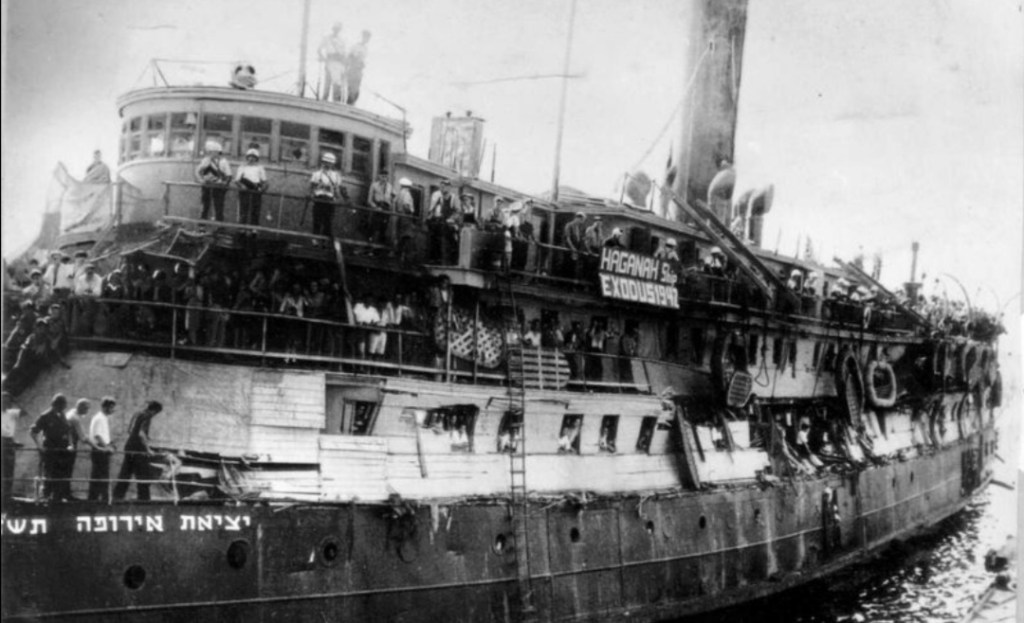
Zionist boat people

Time to give back Palestine to Palestinians! The Jewish refugees should have been grateful and humble for the welcome!
The territories occupied by the Zionists must be denuclearized

Following World War II, many Holocaust survivors sought to emigrate clandestinely from Europe to Palestine, then under British rule. The British restricted Jewish immigration to Palestine to avoid tensions with the Arab population.

Ernest Cormier

Ernest Cormier. Cecile Perron posing in Ernest Cormier’s workshop 1925

Ernest Cormier. Cecile Perron posing in Ernest Cormier’s workshop 1925

Ernest Cormier. Cecile Perron posing in Ernest Cormier’s workshop 1925

Ernest Cormier. Cecile Perron posing in Ernest Cormier’s workshop 1925

Ernest Cormier. Cecile Perron posing in Ernest Cormier’s workshop 1925

Ernest Cormier. Cecile Perron posing in Ernest Cormier’s workshop 1925

Ernest Cormier

Ernest Cormier. Clorinthe and Cecile Perron 1920-1930

Ernest Cormier

Ernest Cormier. Clorinthe Perron posing in Ernest Cormier’s workshop 1923

Ernest Cormier. Clorinthe Perron posing in Ernest Cormier’s workshop 1923

Ernest Cormier. Clorinthe Perron posing in Ernest Cormier’s workshop 1923

Ernest Cormier. Clorinthe Perron posing in Ernest Cormier’s workshop 1923

Ernest Cormier. Clorinthe Perron posing in Ernest Cormier’s workshop 1923

Ernest Cormier

Ernest Cormier. Clorinthe or Cecile Perron 1920-1940

Ernest Cormier. Clorinthe or Cecile Perron 1920-1940

Ernest Cormier

Ernest Cormier. Cecile Perron in Ernest Cormier’s workshop 1925

Ernest Cormier. Cecile Perron in Ernest Cormier’s workshop 1925

Ernest Cormier

Ernest Cormier. Portrait of Clorinthe Perron 1922-1940

Ernest Cormier. Portrait of Clorinthe Perron 1922-1940

Ernest Cormier. Portrait of Clorinthe Perron 1922-1940

Anton Bruehl

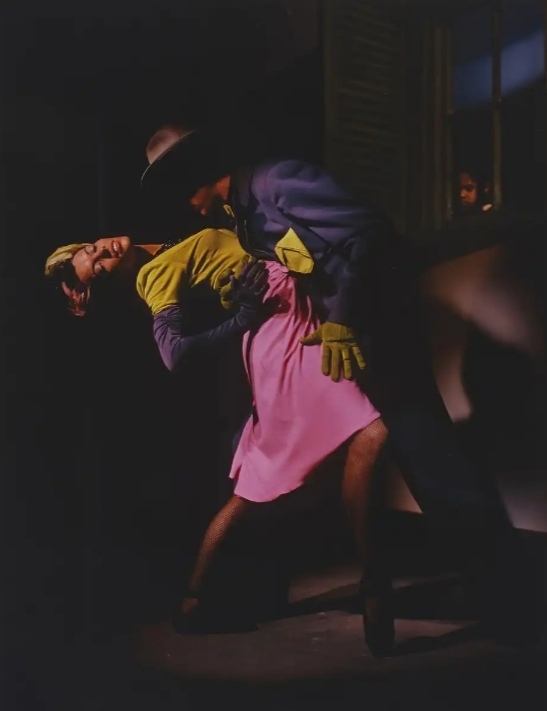
Anton Bruehl. Fashion photography 1937

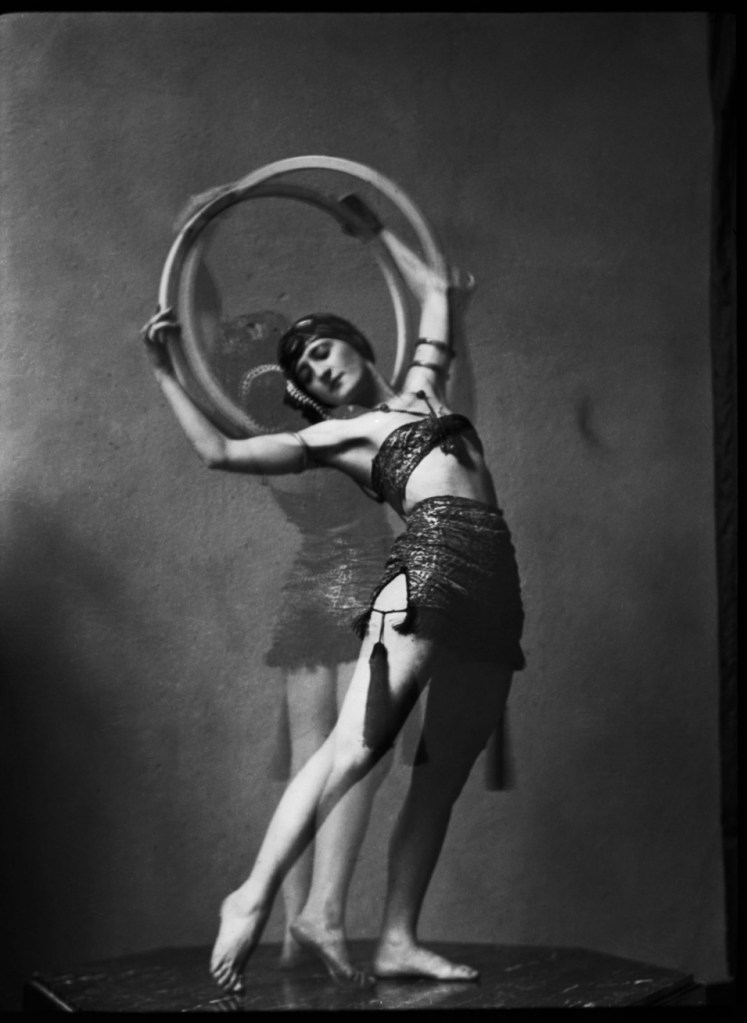
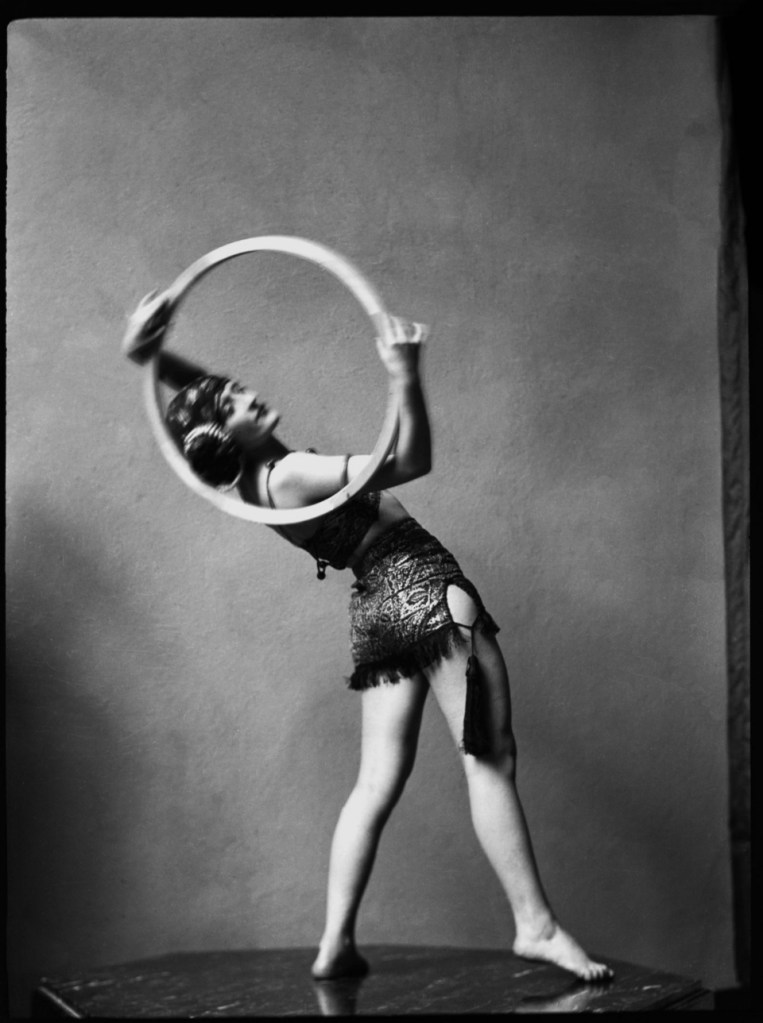
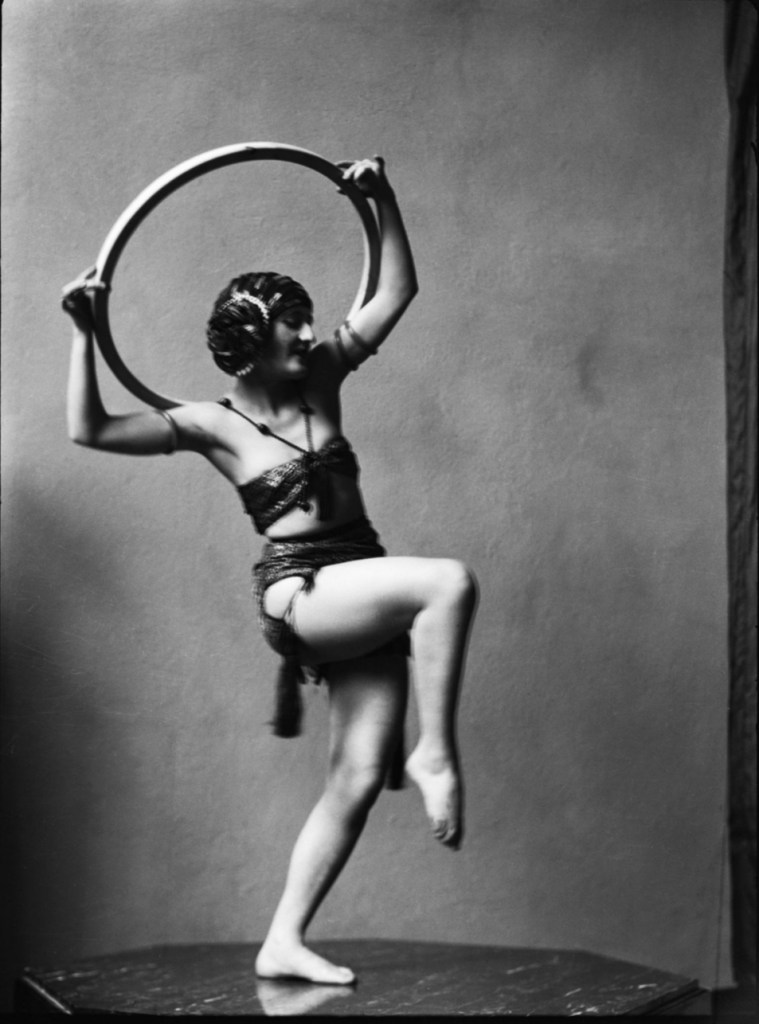
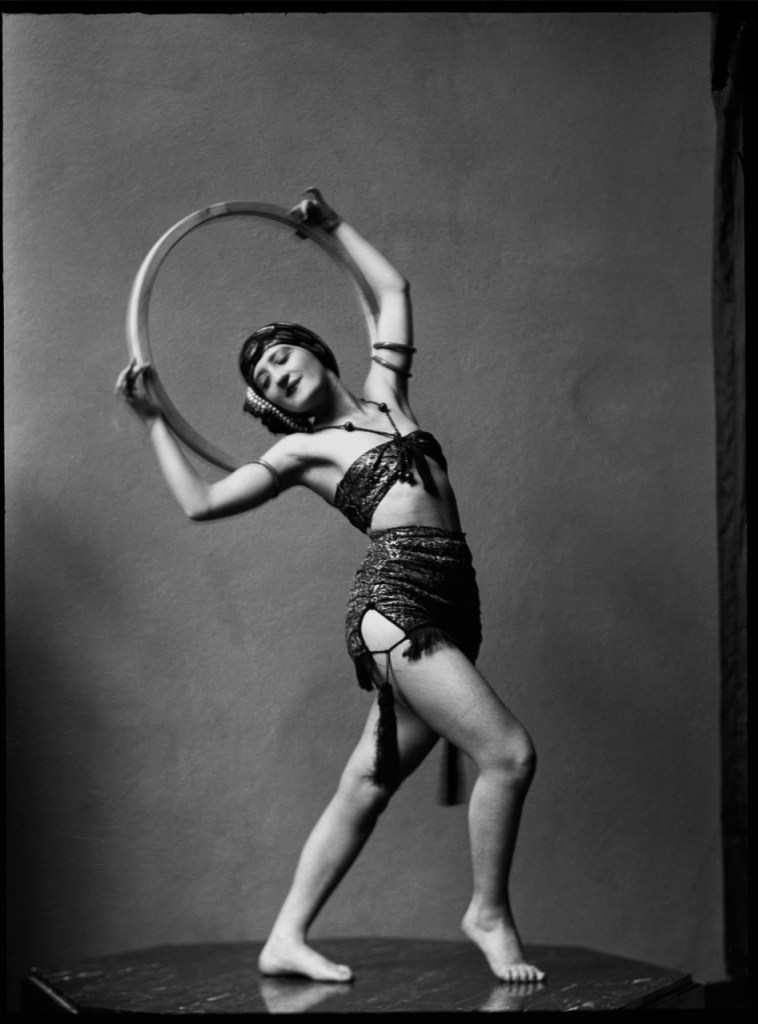
Ernest Cormier

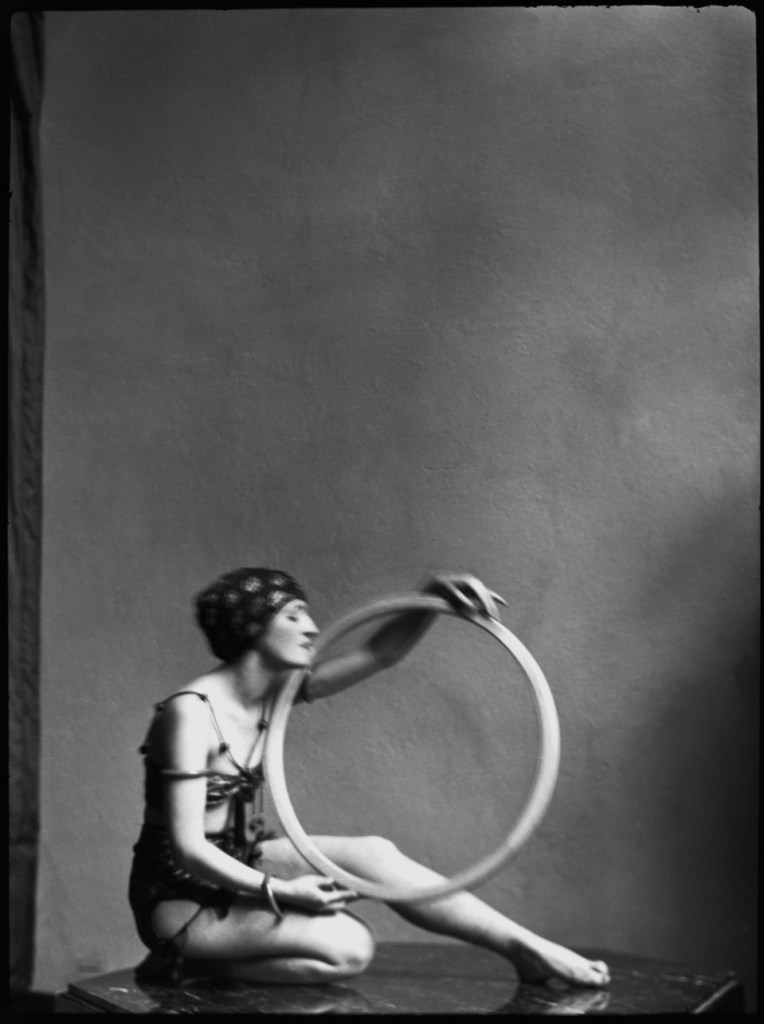
Ernest Cormier. Clorinthe Perron posing with a hoop 1923

Ernest Cormier. Clorinthe Perron posing with a hoop 1923

Ernest Cormier. Clorinthe Perron posing with a hoop 1923

Ernest Cormier. Clorinthe Perron posing with a hoop 1923

Ernest Cormier. Clorinthe Perron posing with a hoop 1923

Ernest Cormier. Clorinthe Perron posing with a hoop 1923

Ernest Cormier. Clorinthe Perron posing with a hoop 1923

Ernest Cormier. Clorinthe Perron posing with a hoop 1923

Ernest Cormier. Clorinthe Perron posing with a hoop 1923

Ernest Cormier. Clorinthe Perron posing with a hoop 1923

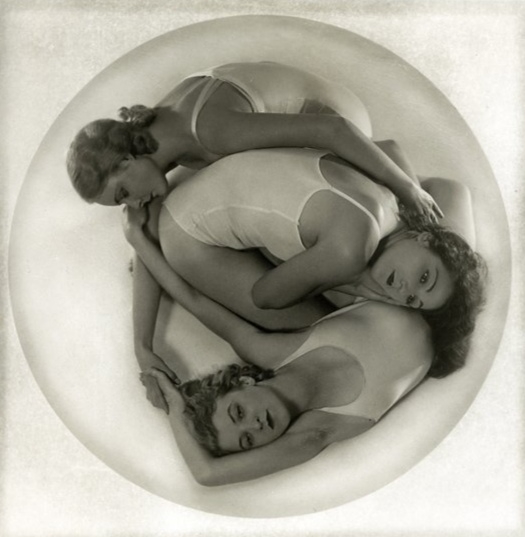
Koloman Moser

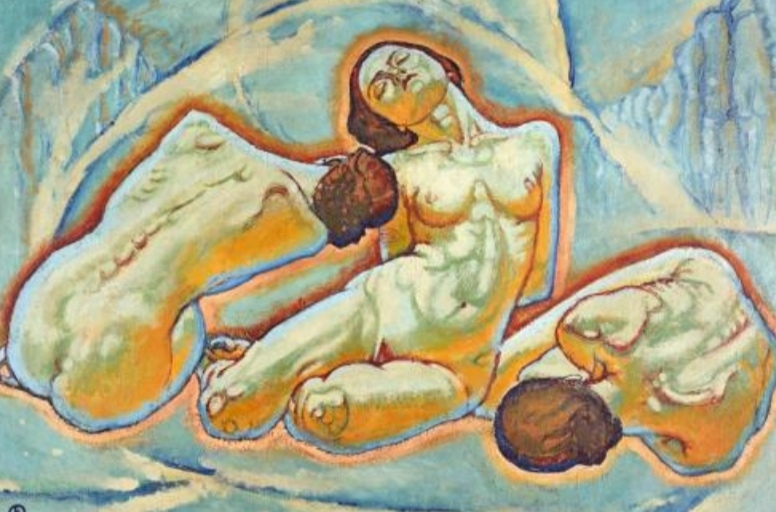
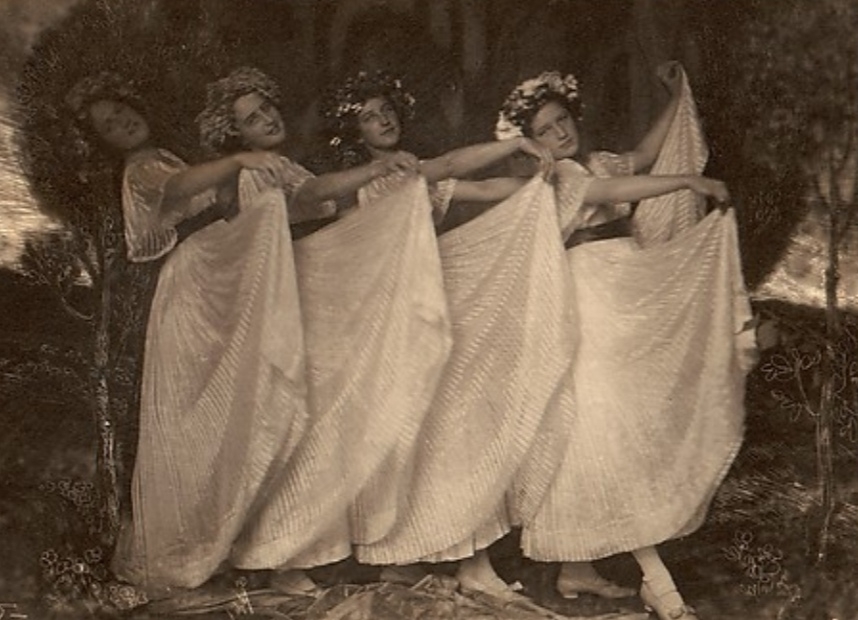
Koloman Moser. Three women 1914

Anton Bruehl

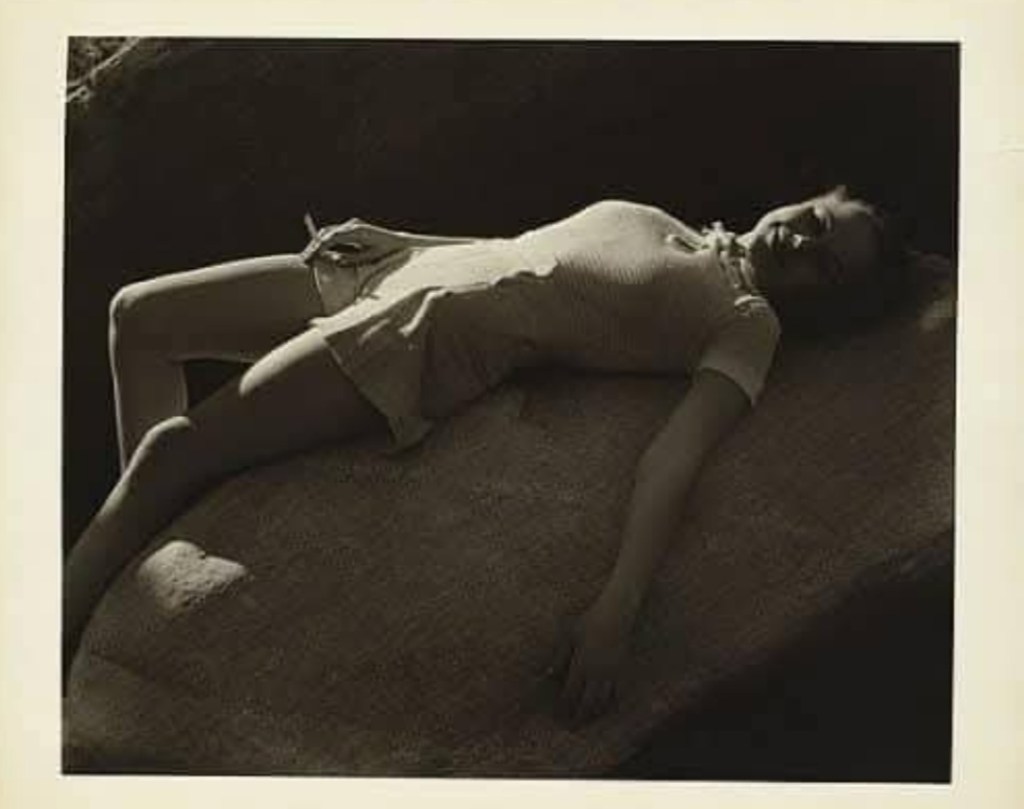
Anton Bruehl. Resting model 1935

Anton Bruehl

Anton Bruehl. Reclining woman holding a cigarette 1930-1940

Wilhelm Tobein

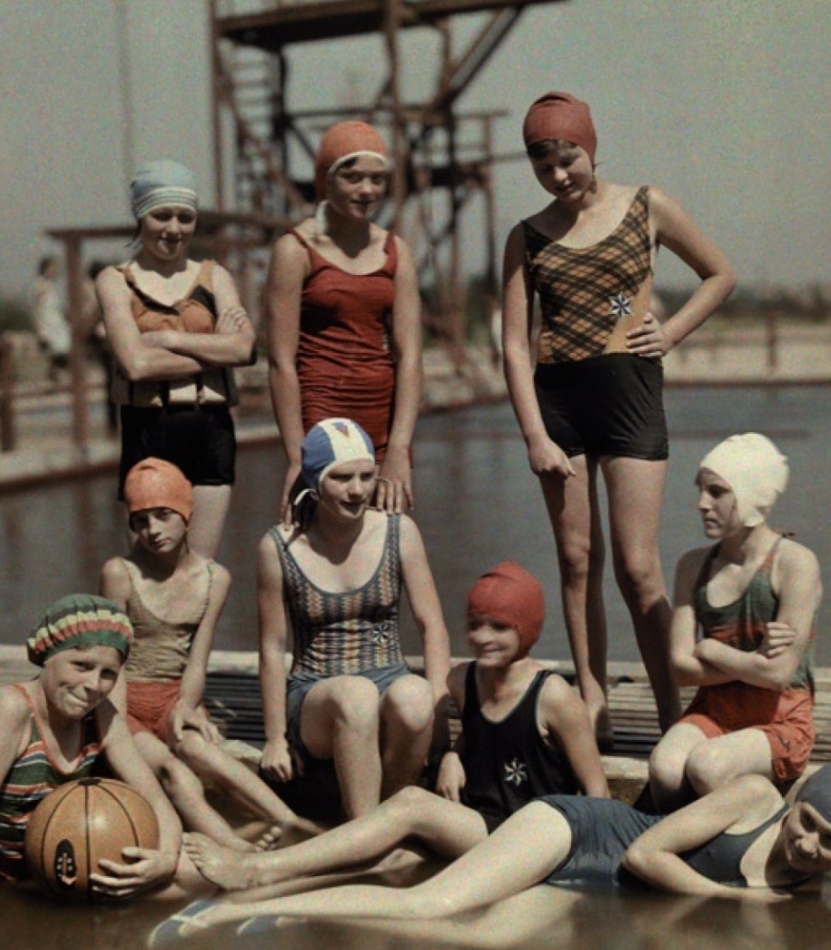
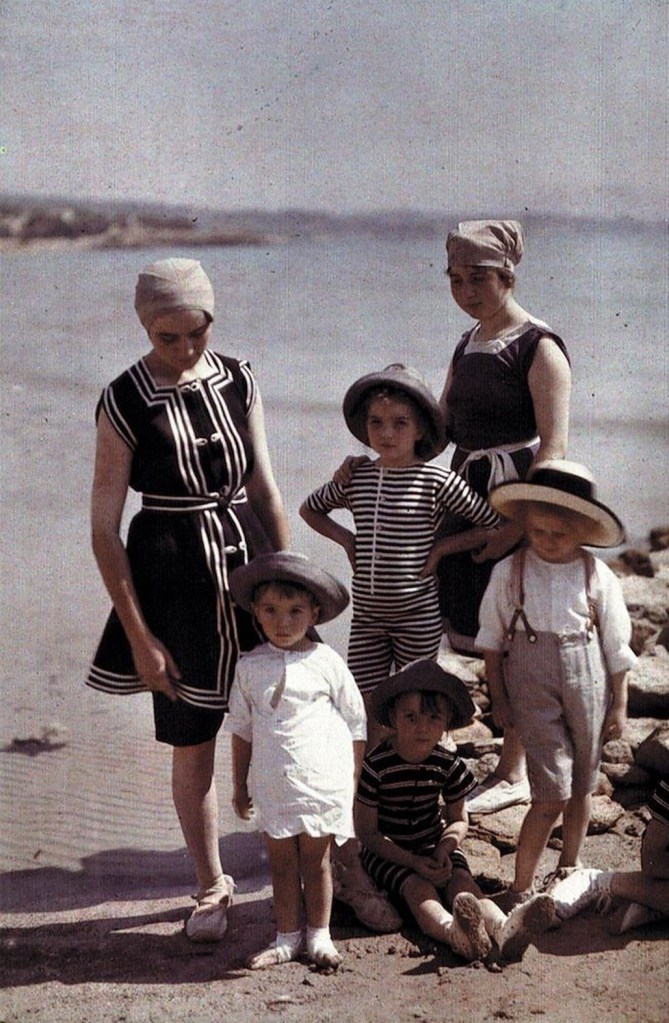
Wilhelm Tobein. Young women in bathing suits, Germany 1928. Autochrome

Louis Lumière

Louis Lumière. Bathers 1910. Autochrome

Carlo Wulz

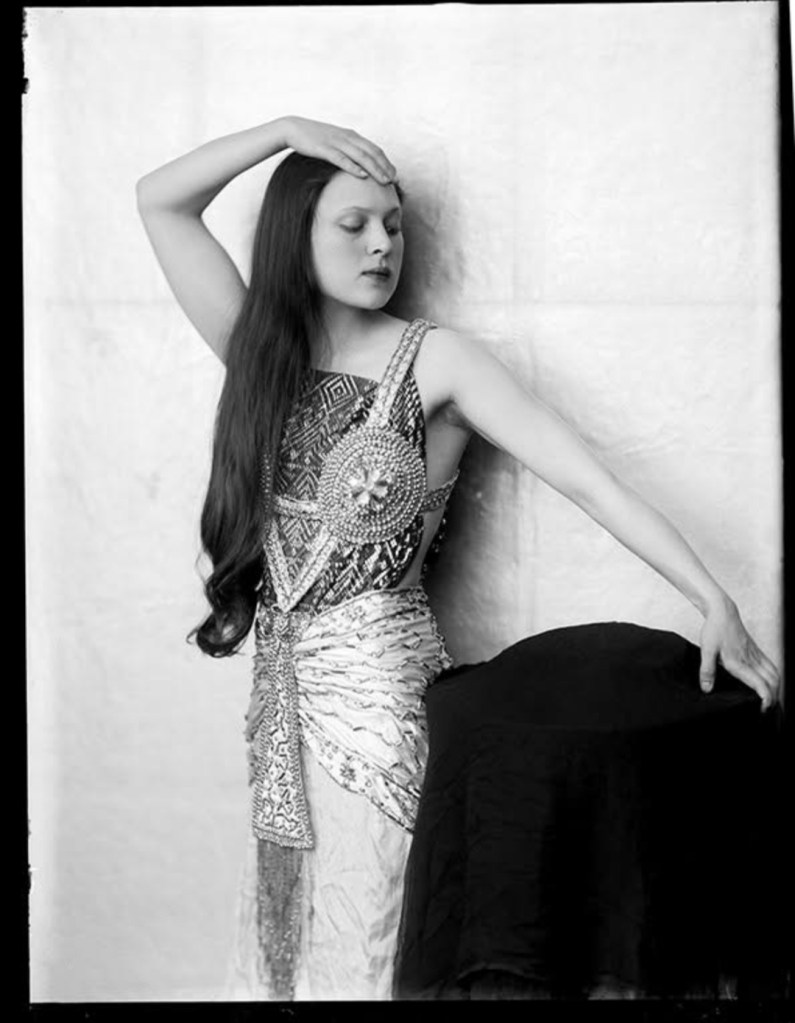
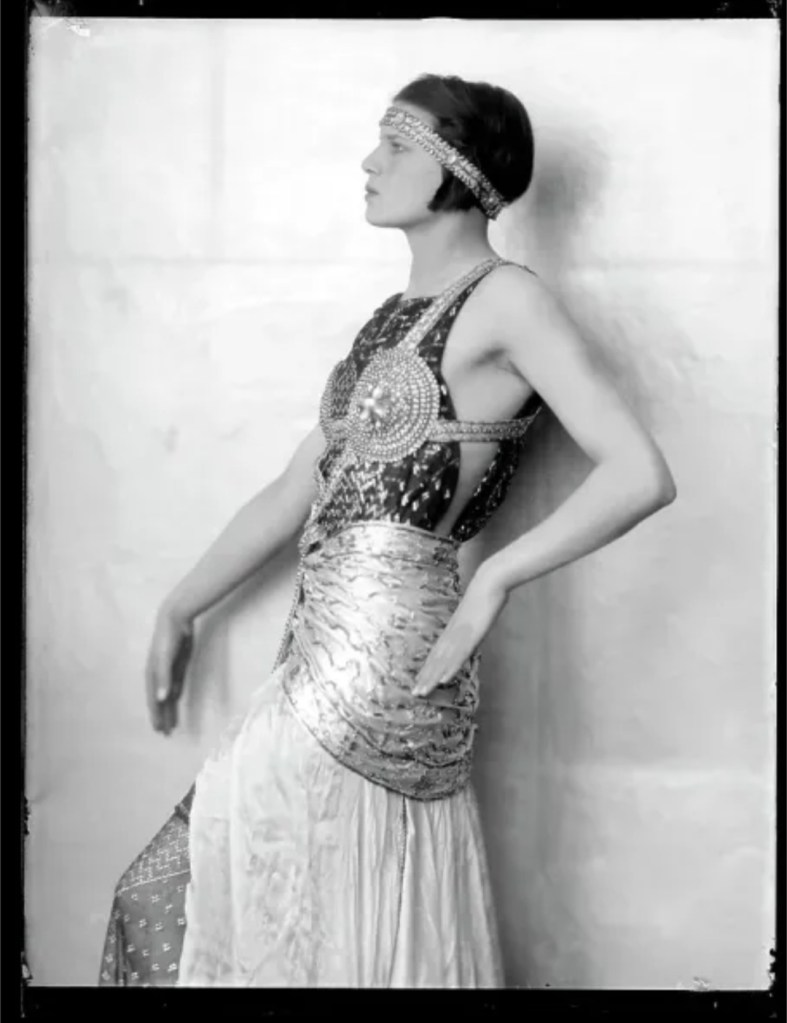
Marion Wulz. Wanda Wulz in Egyptian costume 1930

Marion Wulz. Wanda Wulz in Egyptian costume 1930

Marion Wulz

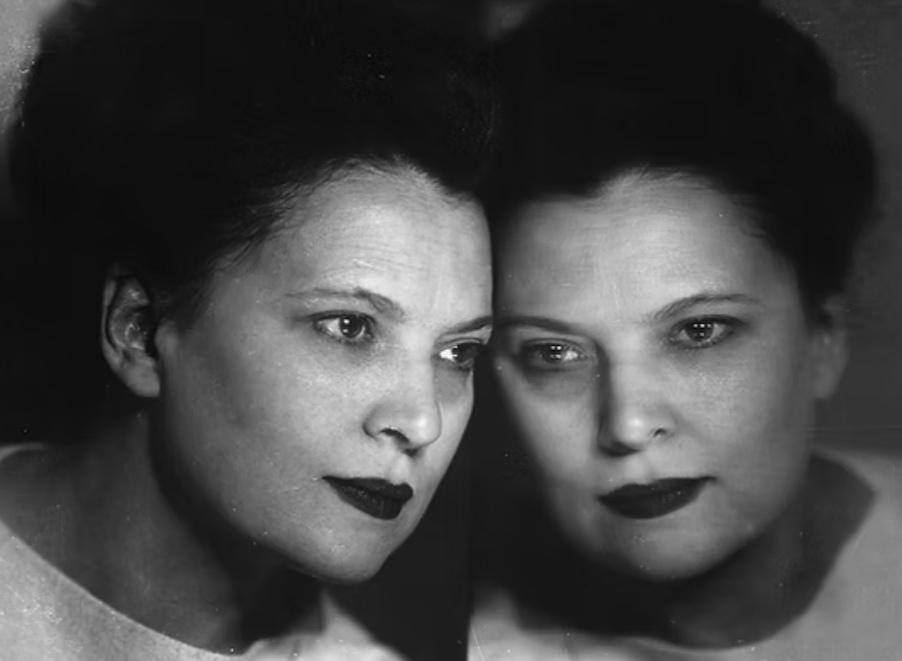
Marion Wulz. Portrait of Wanda Wulz in the mirror 1950

Carlo Wulz

Carlo Wulz. Wanda Wulz with fan 1927

Carlo Wulz

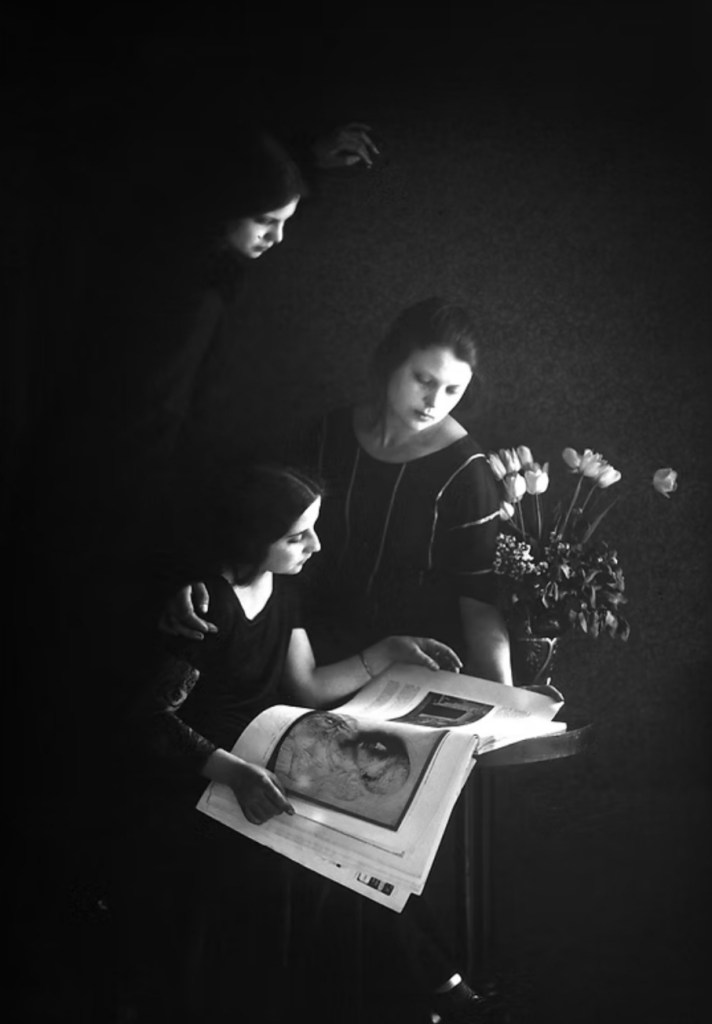
Carlo Wulz. Wanda and Marion Wulz with a friend reading 1920

Sabine Remy

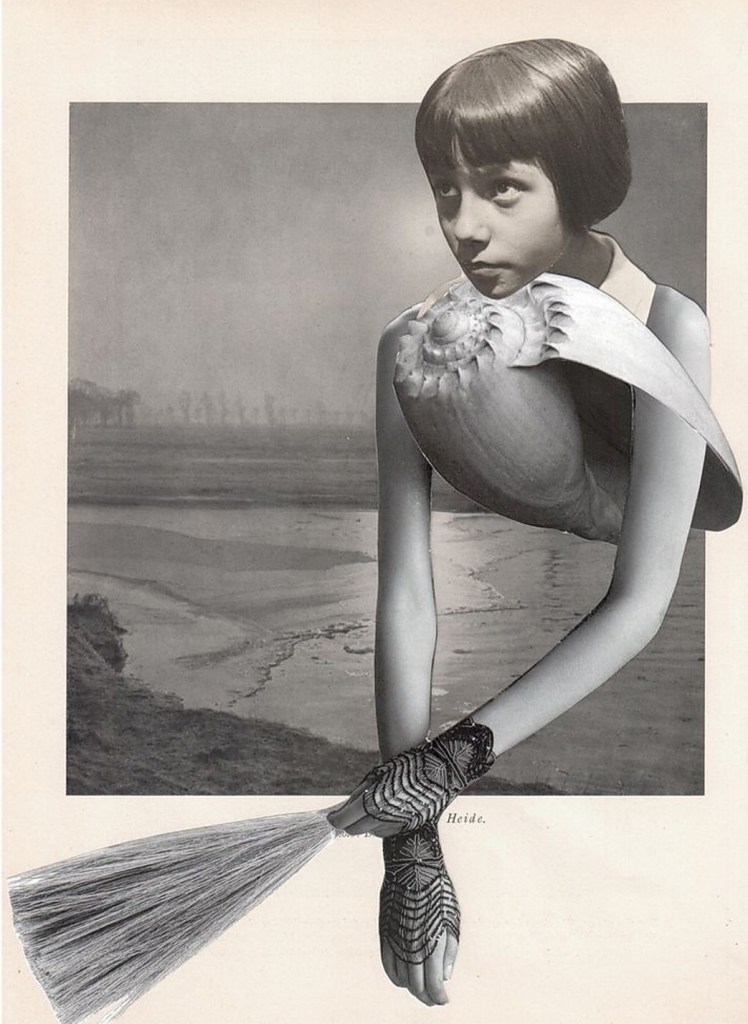
Sabine Remy. Heide 2013. Photocollage

Philippe Halsman

Philippe Halsman. Salvador Dali in the fetal position 1942.
Following Dali’s statements about his memories of his prenatal life, Halsman photographed the painter « like an embryo in an egg, » in the fetal position on white sheets. Halsman then retouched the negative to give the illusion of nudity and superimposed the resulting image with a photograph of an egg.

Philippe Halsman

Philippe Halsman. Jean Cocteau, The final touch, New-York 1949

Philippe Halsman’s assignment was to capture on camera what goes on “inside a poet’s mind,” for a three-page photo essay commissioned by LIFE Magazine, coinciding with the US release of Cocteau’s movie The eagle with two heads. No stranger to the caprices of avant-garde artists – in 1941, Halsman began his famous 37-year-long collaboration and friendship with Salvador Dali – the photographer had assembled an idiosyncratic array of props for The Frivolous Prince (a moniker the writer gained in the Bohemian artistic circles he mixed in, and the title of a volume he published at twenty-two), including a live boa constrictor and a dozen trained doves. The dancer Leo Coleman was also part of the entourage, alongside a “girl with a classically beautiful face” and a “classically perfect body”: Enrica Soma, a 19-year-old model and prima ballerina who had appeared on the cover of LIFE herself in 1947, where she was spotted by the filmmaker John Huston. She became his fourth wife in 1950.

Franz Otto Koch

Franz Otto Koch. The dancer Nina Payne in The nightgown dance 1910

Franz Otto Koch

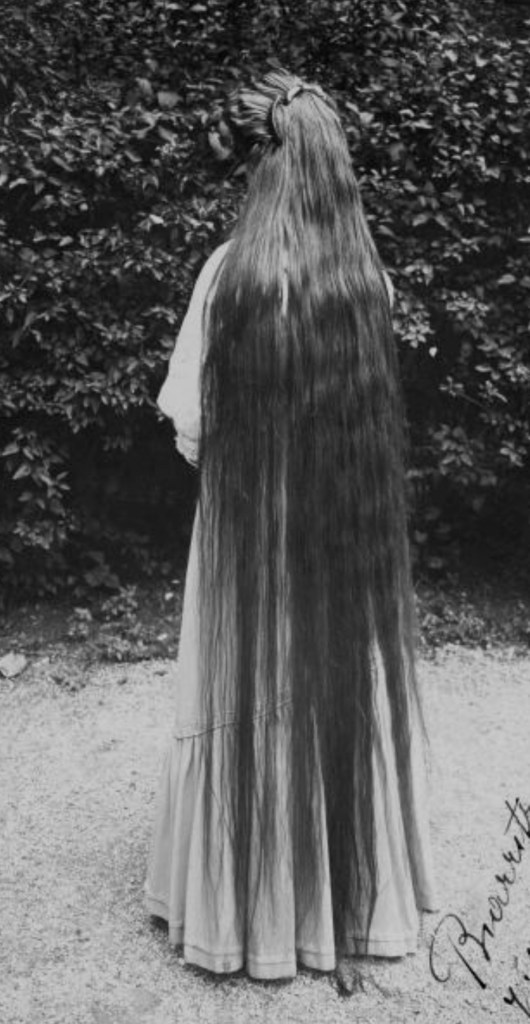
Franz Otto Koch. Woman with long hair 1910

Frank Eugene

Frank Eugene. The cake walk 1900

Emil Otto Hoppé

Emil Otto Hoppé. Eileen Hawthorne 1923

Erwin Blumenfeld

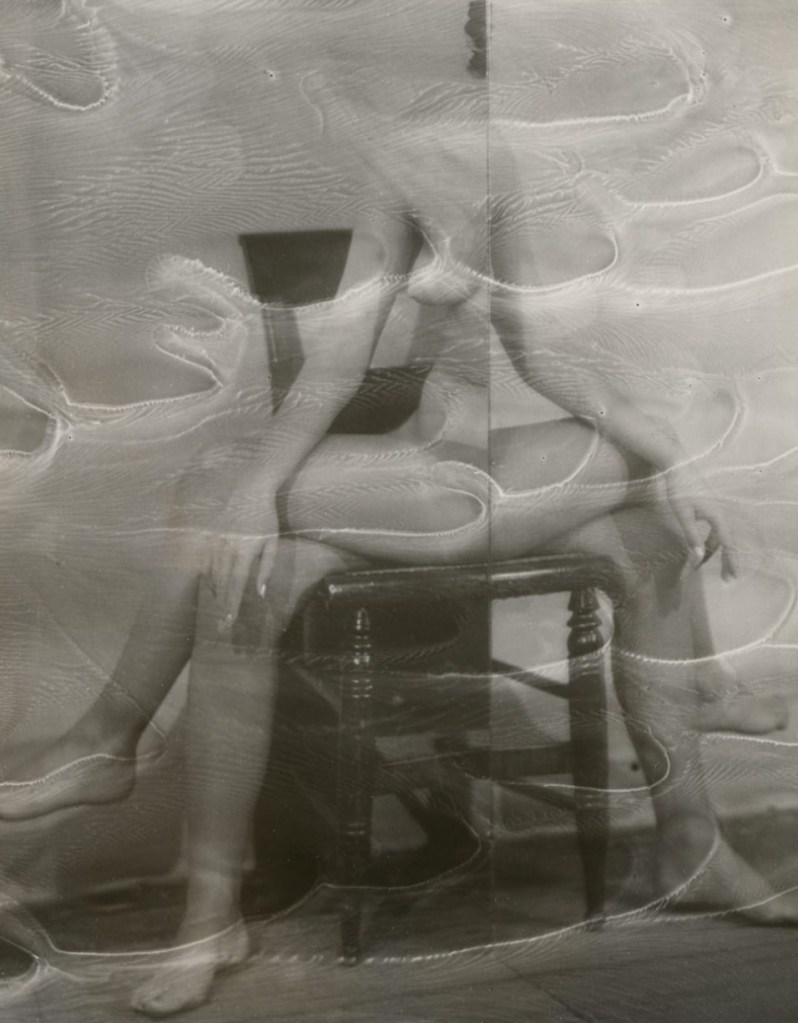
Erwin Blumenfeld. Blurred sitting nude 1944

Sasha (Alexander Stewart)
Sasha (Alexander Stewart). The writer and actress Anita Loos 1931

Sasha (Alexander Stewart)
Sasha (Alexander Stewart). The dancer Tilly Losch with the shadow of Roman Jasinski in « L’errante », choreography by George Balanchine, dress by Molyneux 1933

George Sand

« The perfume of the soul is memory. It is the most delicate, the sweetest part of the heart, which detaches itself to embrace another heart and follow it everywhere. The affection of an absent one is nothing more than a perfume. But how sweet and sweet it is, how it brings to the dejected and sick spirit, beneficial images and dear hopes. Do not fear, O you who have left this fragrant trace on my path, never fear that I will let it be lost. I will hold it in my silent heart, like a subtle essence in a sealed bottle. No one will breathe it but me, and I will bring it to my lips in my days of distress, to draw from it consolation and strength, dreams of the past, oblivion of the present. »(George Sand)
Koloman Moser

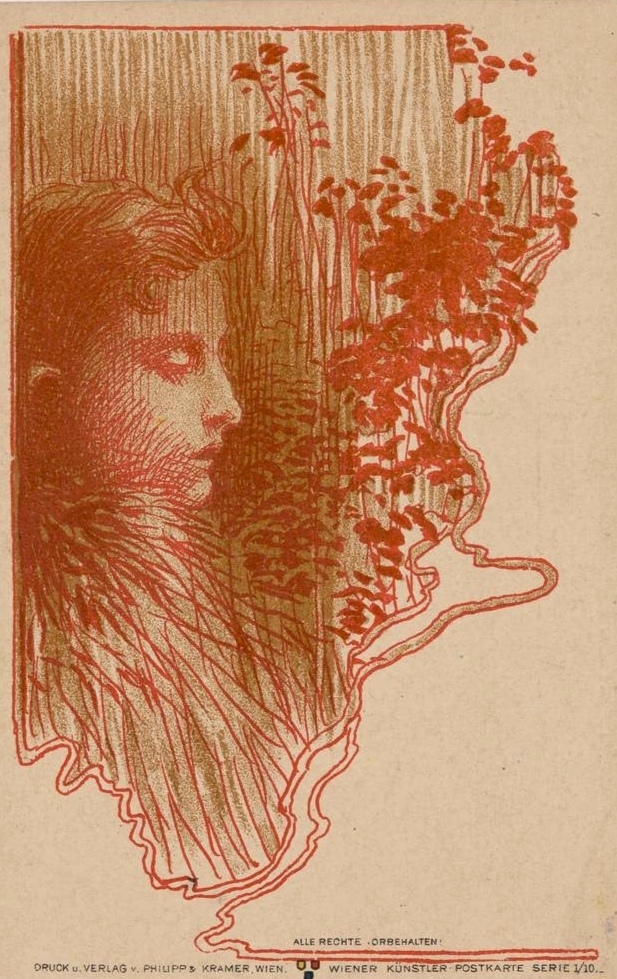
Koloman Moser. Postcard printed on cardboard 1898

Gustav Klimt

Gustav Klimt. Romeo, study for the Burgtheater 1887

Gustav Klimt

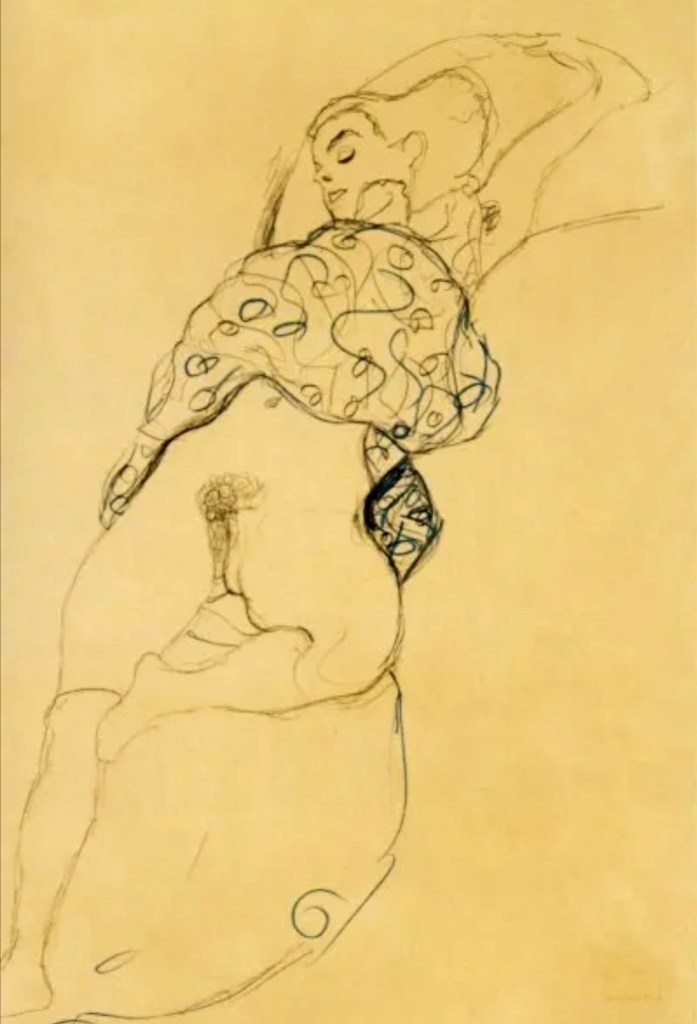
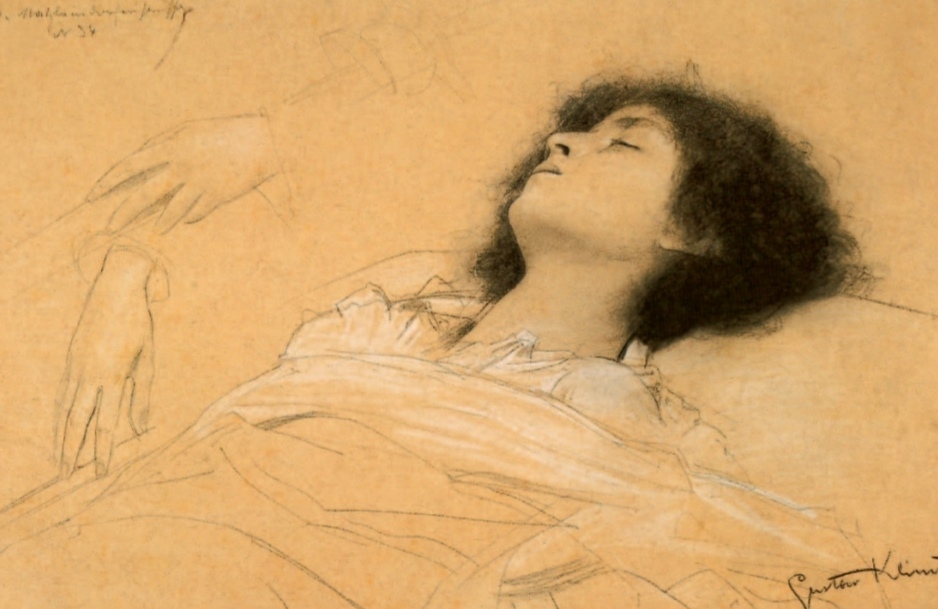
Gustav Klimt. Sleeping woman and hands study 1886

Man Ray

Man Ray. The actress Rose Wheeler 1930

Man Ray

Man Ray. The French Cancan dancer Lydia and model 1932

Man Ray. The French Cancan dancer Lydia and model 1932

Man Ray. The French Cancan dancer Lydia and model 1932

Man Ray. The French Cancan dancer Lydia and model 1932

Man Ray

Man Ray. Solarized portrait of the actress Rose Wheeler 1930

Man Ray

Man Ray. The actress Rose Wheeler with a tchador 1930

Man Ray. The actress Rose Wheeler with a tchador 1930

Aurel Bauh

Aurel Bauh. Photogram 1931

Aurel Bauh

Aurel Bauh. Vision 1930

Alfred Cheney Johnston

Alfred Cheney Johnston. The silent movie star Martha Mansfield 1923

Madame d’Ora

Madame d’Ora. The bowl by the Bodenwieser’s school of dance 1931

Man Ray

Man Ray. Fashion photography, unknown model 1925

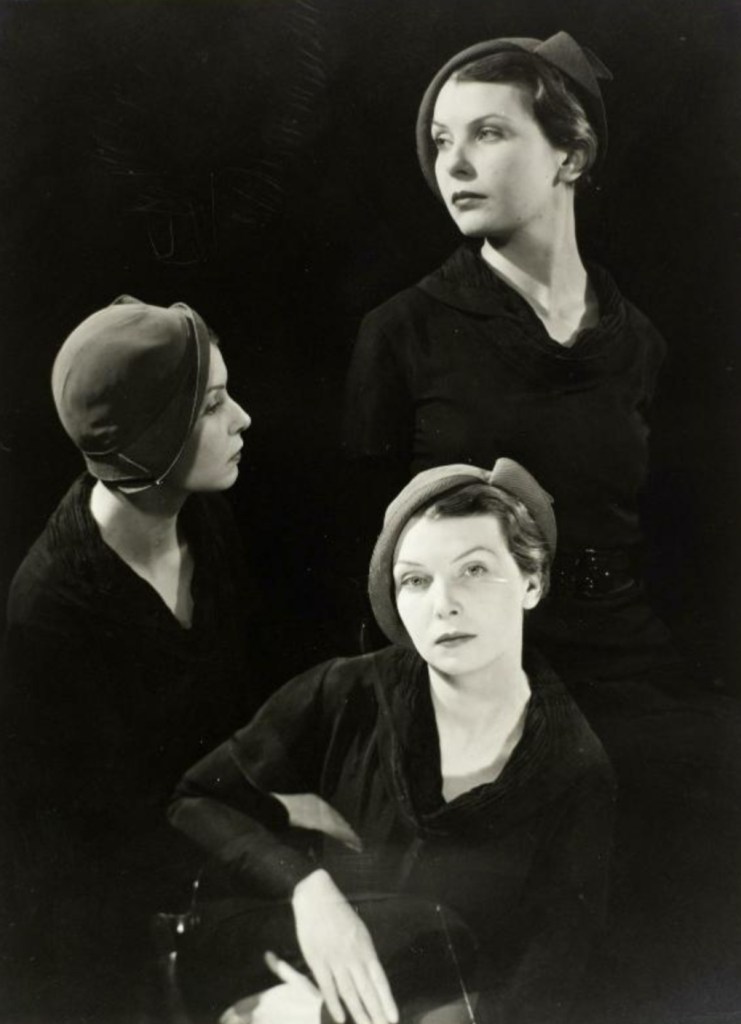
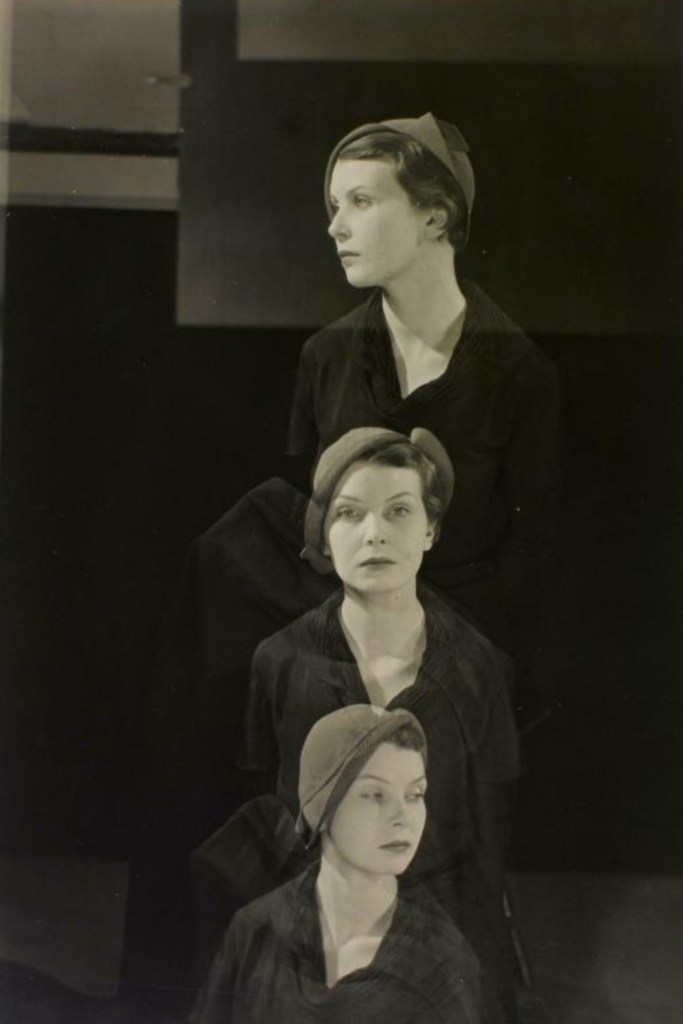
Man Ray

Man Ray. Triple portrait of the actress Rose Wheeler 1926

Man Ray. Triple portrait of the actress Rose Wheeler 1926

Man Ray

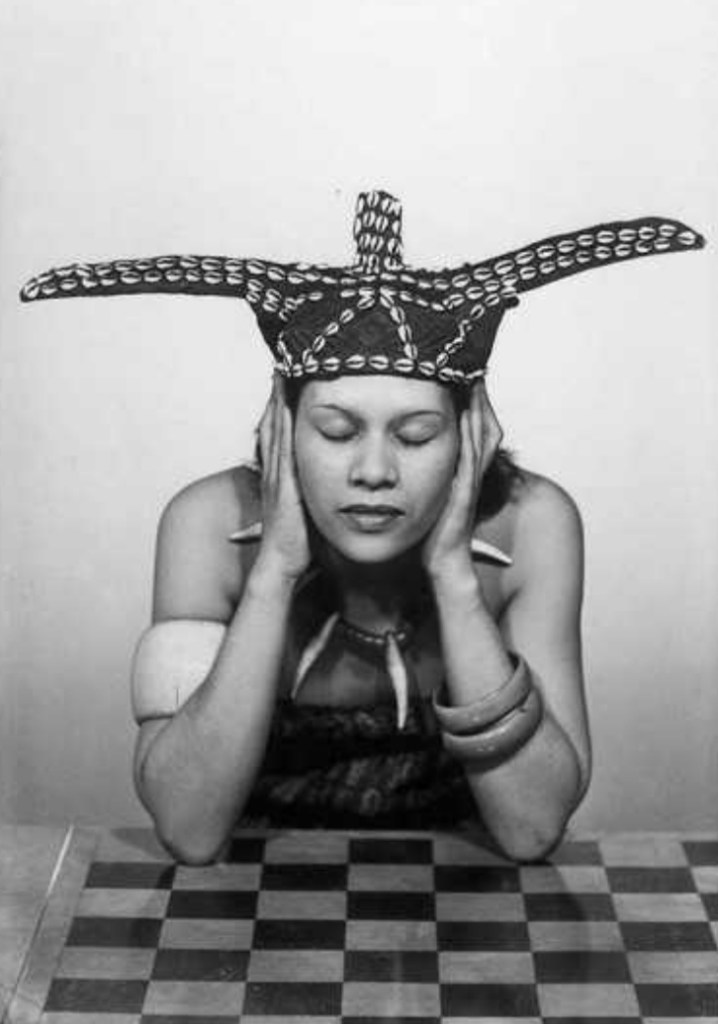
Man Ray. From the serie Fashion in the Congo 1937

Man Ray. From the serie Fashion in the Congo 1937

Man Ray. From the serie Fashion in the Congo 1937

Man Ray. From the serie Fashion in the Congo 1937

Man Ray. From the serie Fashion in the Congo 1937

Man Ray

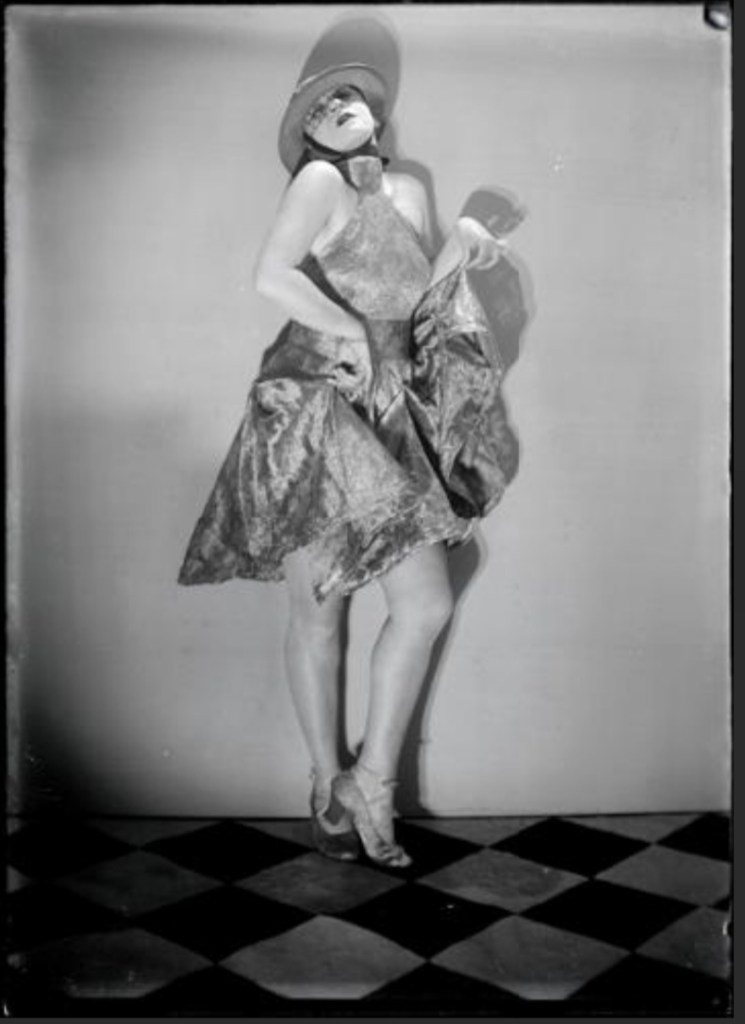
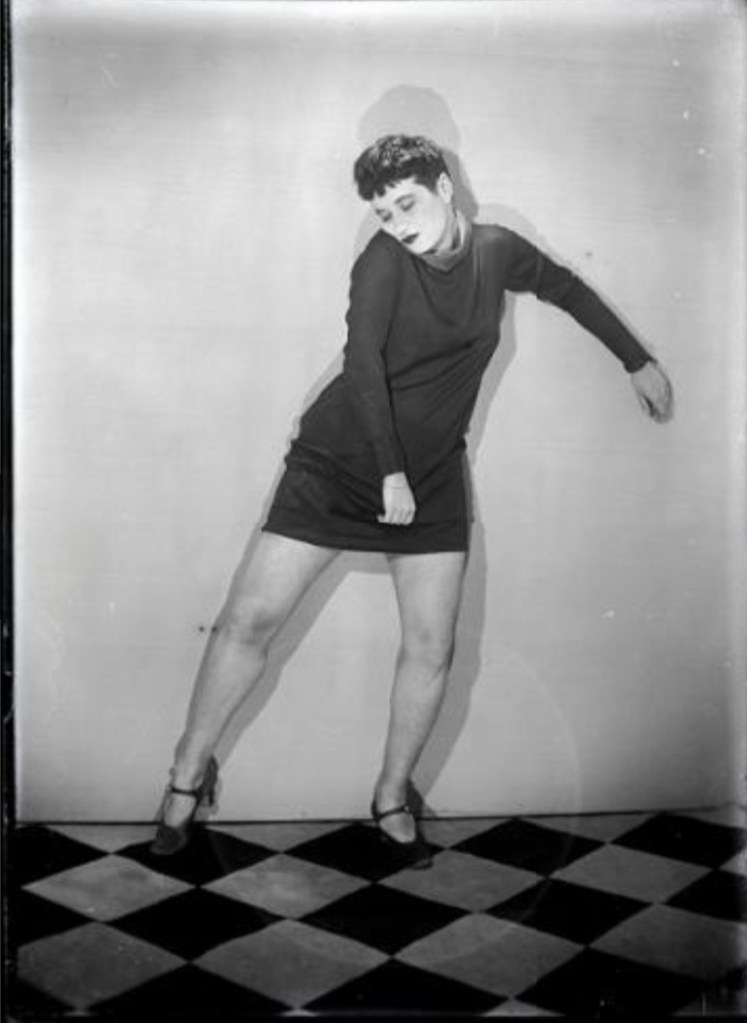
Man Ray. The dancer Valeska Gert 1925

Man Ray. The dancer Valeska Gert 1925

Man Ray. The dancer Valeska Gert 1925

Man Ray. The dancer Valeska Gert 1925

Lucien Walery

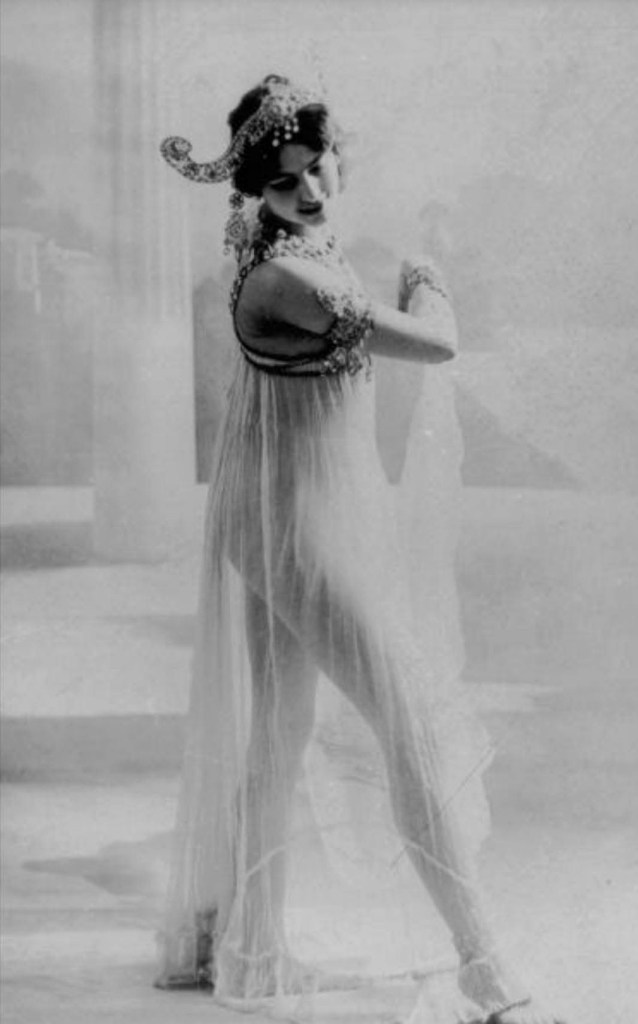
Margaretha Geertruida Zelle, known as Grietje Zelle, also known as Mata Hari, was a Dutch dancer and courtesan, born on 7 August 1876 in Leeuwarden and executed on 15 October 1917 in Vincennes. She was shot for espionage during the First World War.

Lucien Walery. Mata Hari performing the Dance of the seven veils 1906.

Lucien Walery. Mata Hari performing the Dance of the seven veils 1906.

Charles Baudelaire

« It sometimes seems to me that my blood flows in torrents,
Like a fountain with rhythmic sobs.
I hear it flowing with a long murmur,
But I feel in vain to find the wound.
Through the city, as through an enclosed field,
It goes, transforming the cobblestones into islands,
Quenching the thirst of every creature,
And everywhere coloring nature red.
I have often asked captious wines
To lull for a day the terror that undermines me;
Wine makes the eye clearer and the ear sharper!
I have sought in love a forgetful sleep;
But love is for me only a mattress of needles
Made to give drink to these cruel girls! » (Charles Baudelaire)

Brassaï

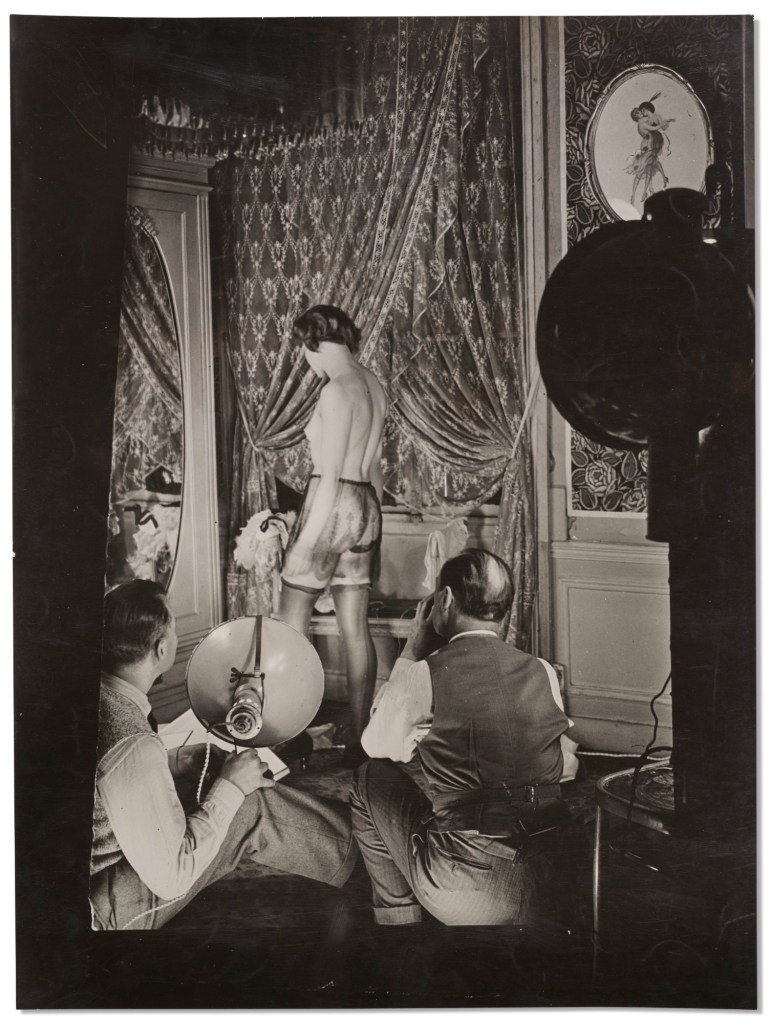
Brassaï. Publicity photo shooting for Diana Slip 1933

Alvin Langdon Coburn

Alvin Langdon Coburn. Elsie Thomas in an Eastern costume sitting on a hammock 1908. Autochrome

Alvin Langdon Coburn

Alvin Langdon Coburn. Woman wearing a kimono holding a sunflower 1908. Autochrome

Alvin Langdon Coburn

Alvin Langdon Coburn. The dancer Michio Ito 1913.
Michio Itō (April 13, 1893 – November 6, 1961) was a Japanese dancer and choreographer; he worked in association with William Butler Yeats, Ezra Pound, Angna Enters, Isamu Noguchi, Louis Horst, Ted Shawn, Martha Graham, Lillian Powell, Vladimir Rosing, Pauline Koner, Lester Horton, and other American artists. He was interned as a Japanese American and eventually deported from the United States after the outbreak of World War II.

Vassily Kandinsky

Vassily Kandinsky. Little white 1928

Lehnert and Landrock

Lehnert and Landrock. Oriantalist nude 1900-1910

Anaïs Nin

« The enemy of love is never outside, it is not this man or that woman, it is what we lack inside. » (Anaïs Nin)

Baron Wilhelm von Gloeden

Baron Wilhelm von Gloeden. Reclining woman 1895

Baron Wilhelm von Gloeden

Baron Wilhelm von Gloeden. Reclining woman 1895

Baron Wilhelm von Gloeden

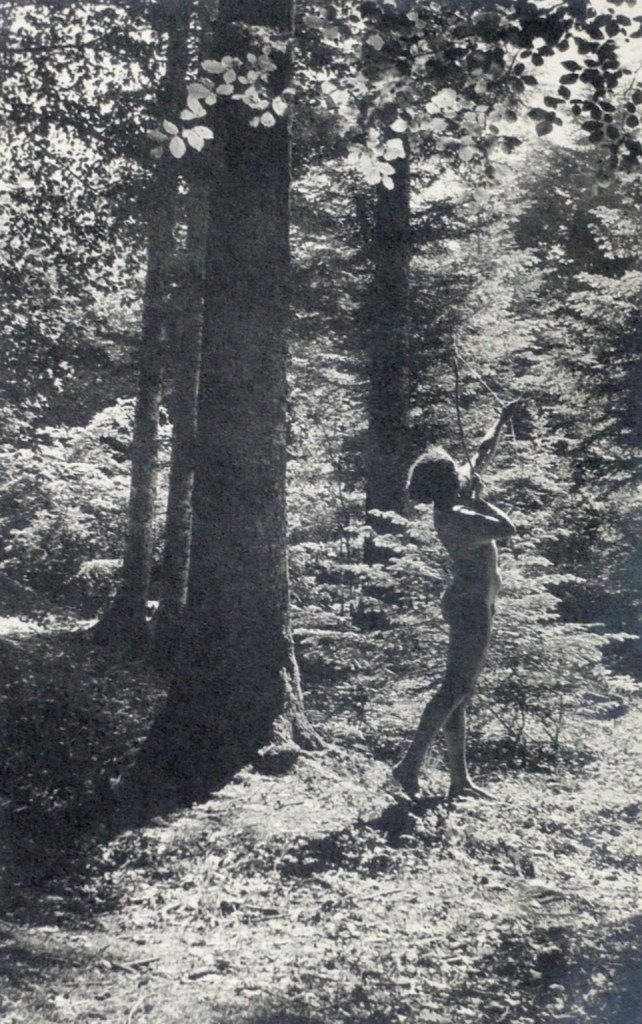
Baron Wilhelm von Gloeden. Nude study in outdoor 1895

Baron Wilhelm von Gloeden

Baron Wilhelm von Gloeden. Nude study in outdoor 1895

Baron Wilhelm von Gloeden

Baron Wilhelm von Gloeden. Nude study in outdoor 1895

Baron Wilhelm von Gloeden

Baron Wilhelm von Gloeden. Nude study 1895

Baron Wilhelm von Gloeden

Baron Wilhelm von Gloeden. Nude study in outdoor 1895

Baron Wilhelm von Gloeden. Nude study in outdoor 1895

Baron Wilhelm von Gloeden. Nude study in outdoor 1895

Baron Wilhelm von Gloeden

Baron Wilhelm von Gloeden. Young man holding a Greek vase with a young girl 1901

Baron Wilhelm von Gloeden. Young man holding a Greek vase with a young girl 1901

Baron Wilhelm von Gloeden. Young man holding a Greek vase with a young girl 1901

Baron Wilhelm von Gloeden. Young man holding a Greek vase with a young girl 1901

Baron Wilhelm von Gloeden

Baron Wilhelm von Gloeden. Portrait of a young woman 1890

Baron Wilhelm von Gloeden. Portrait of a young woman 1890

Baron Wilhelm von Gloeden. Portrait of a young woman 1890

Pierre Delbo

Pierre Delbo. Marie Vassilieff’s doll 1927

Pierre Delbo. Marie Vassilieff’s dolls 1927

The French-Russian artist Marie Vassilieff, active in Paris between the wars, created puppets representing many famous artists of the School of Paris during the interwar period, many of which were presented at several exhibitions, often organized by her patron, the French fashion designer Paul Poiret (1879-1944). She created a new genre of portrait sculpture, which served as effigies, souvenirs, and decorative objects for the Parisian avant-garde of the interwar period. Her portraits dolls are part of the history of avant-garde marionettes and puppets, used notably in the shows of Sophie Taeuber-Arp and Hannah Höch, but also responded to an interest.

« Never look for me where you are not, look at who you are and you will find me » (DantéBéa)

Egon Schiele

Egon Schiele. Sleeping girl 1911

Unknown photographer

Gala, born Elena Ivanovna Diakonova on September 7, 1894, in Kazan (Russian Empire) and died on June 10, 1982, in Portlligat (Spain), was a Russian figure known for having been successively the wife of Paul Éluard, the lover of Max Ernst, and finally the wife and muse of Salvador Dalí.

Unknown photographer. Gala 1920s

Unknown photographer. Gala 1920s

Unknown photographer. Gala 1920s

Unknown photographer. Gala 1920s

Maya Deren

The actress and filmmaker Maya Deren in At land 1944.
At land is a 1944 American experimental silent short film written, directed by, and starring Maya Deren. It has a dream-like narrative in which a woman, played by Deren, is washed up on a beach and goes on a strange journey encountering other people and other versions of herself. Deren once said that the film is about the struggle to maintain one’s personal identity.

Man Ray

Man Ray. Nush Éluard 1935

Man Ray. Nush Éluard 1935

Fern Andra

The actress Fern Andra 1925

Alexander Binder

Alexander Binder. The actress Fern Andra smoking 1910