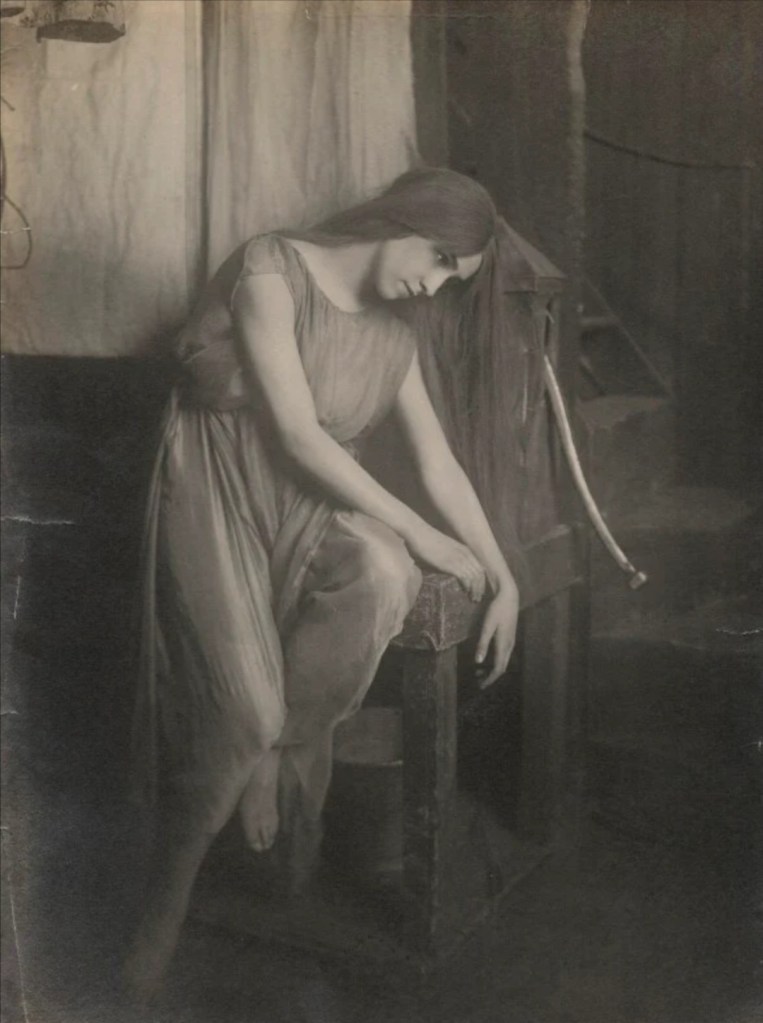
In Greek mythology, Lethe, daughter of Eris (Discord), is the personification of oblivion. She is often confused with the river Lethe, one of the five rivers of the underworld, sometimes called the « River of Oblivion. »
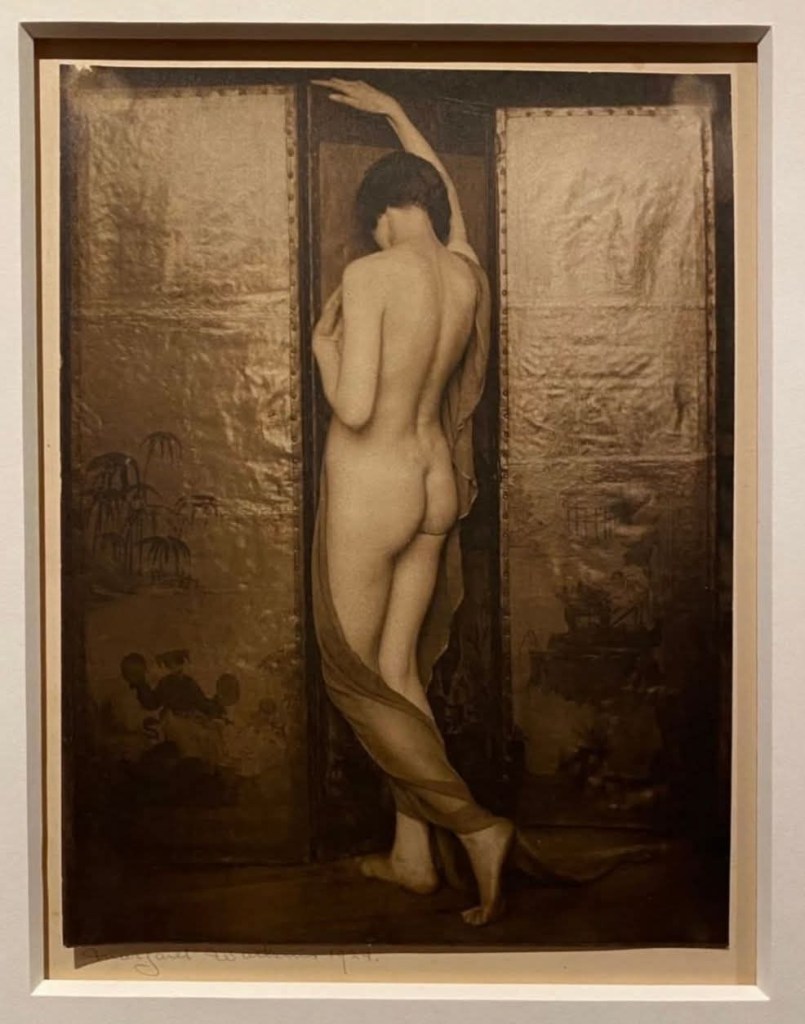
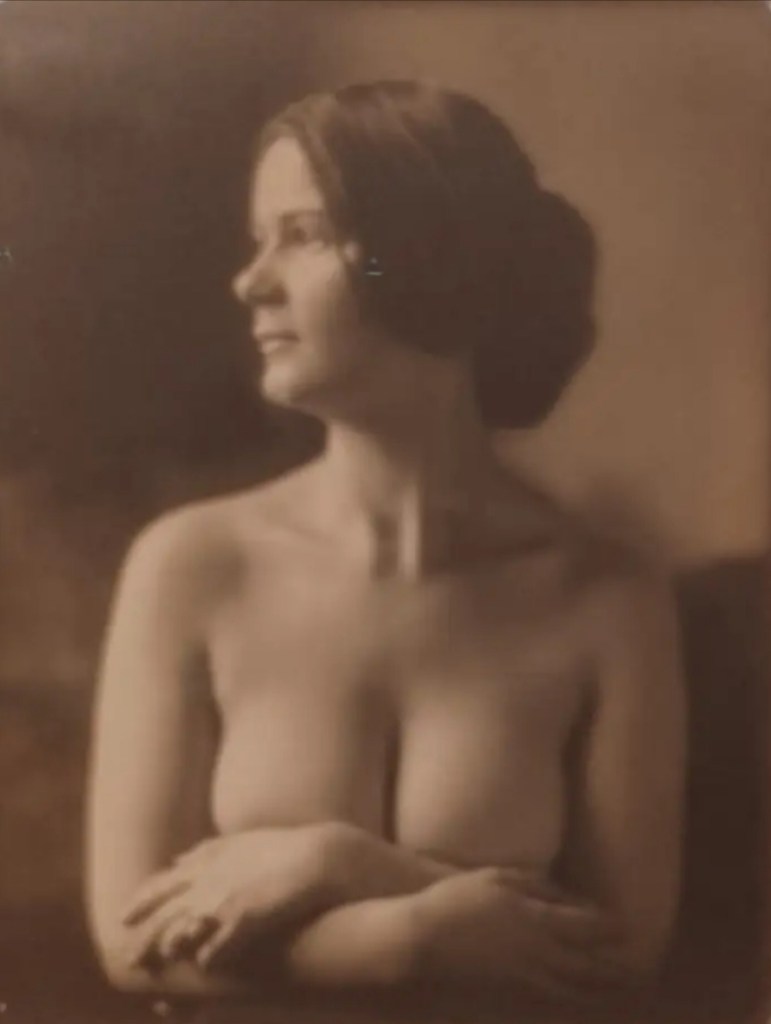
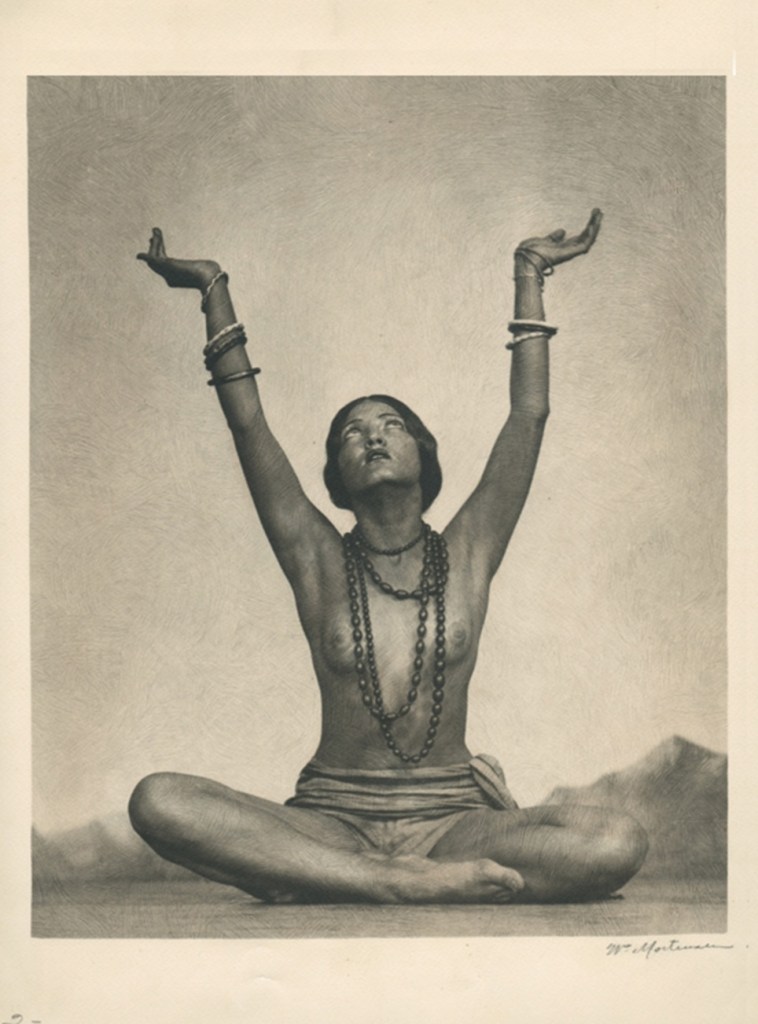
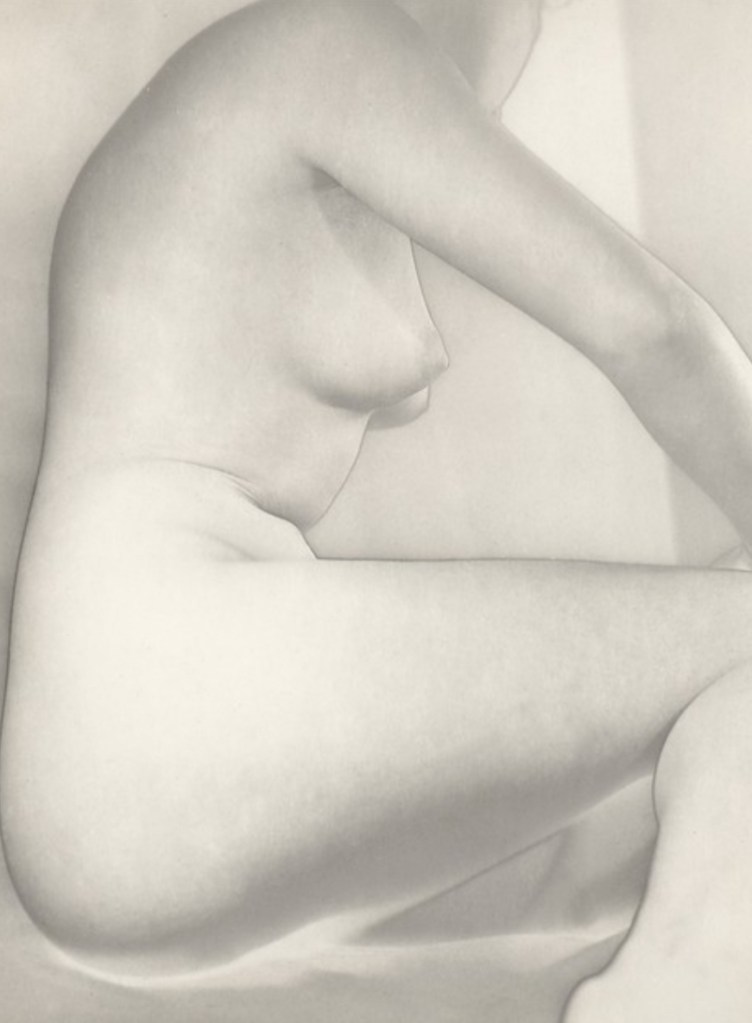
« Your breast is a round cup, full of spiced wine; your body is a heap of wheat surrounded by lilies. Your two breasts are like the twins of a gazelle. Your neck is like an ivory tower; your eyes are the pools of Heshbon, set by the gate of the daughter of multitudes; your nose is straight and proud like the tower of Lebanon, which watches over the side of Damascus » (Bible, Song of Songs)
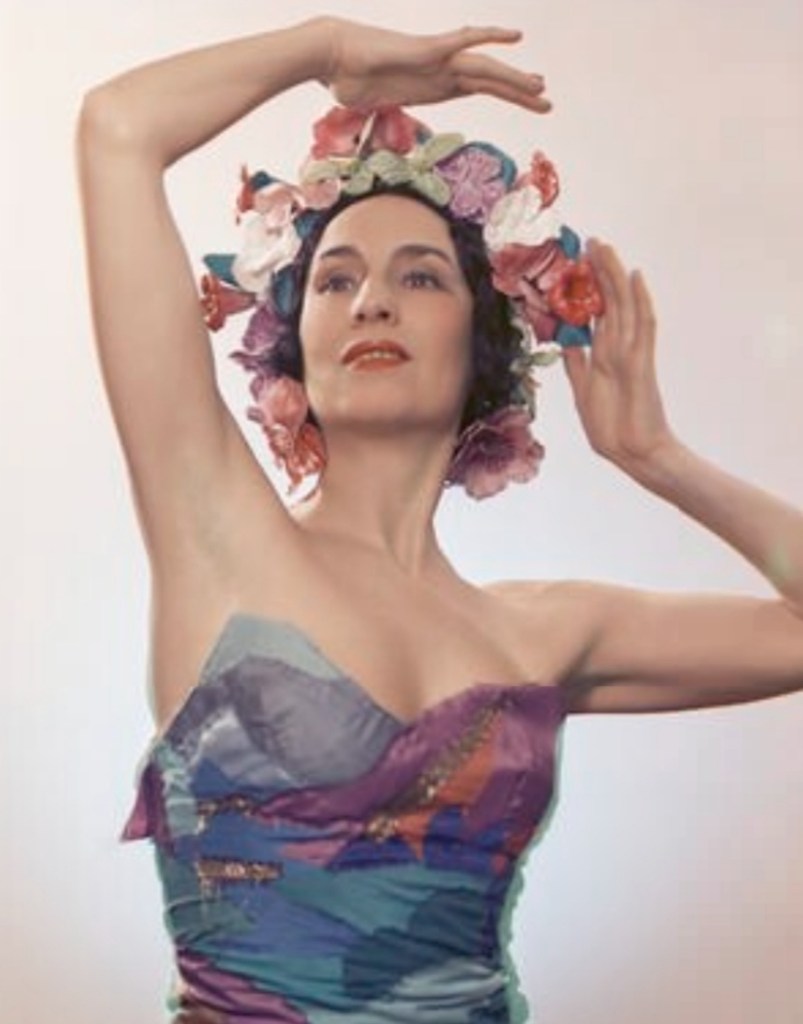
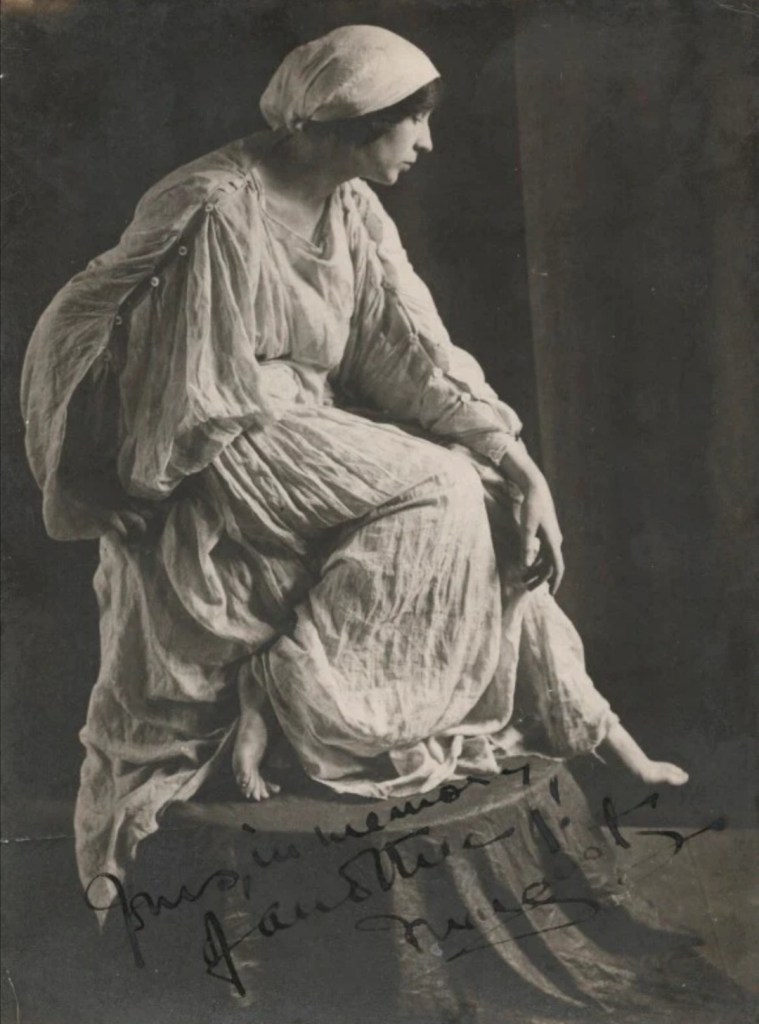
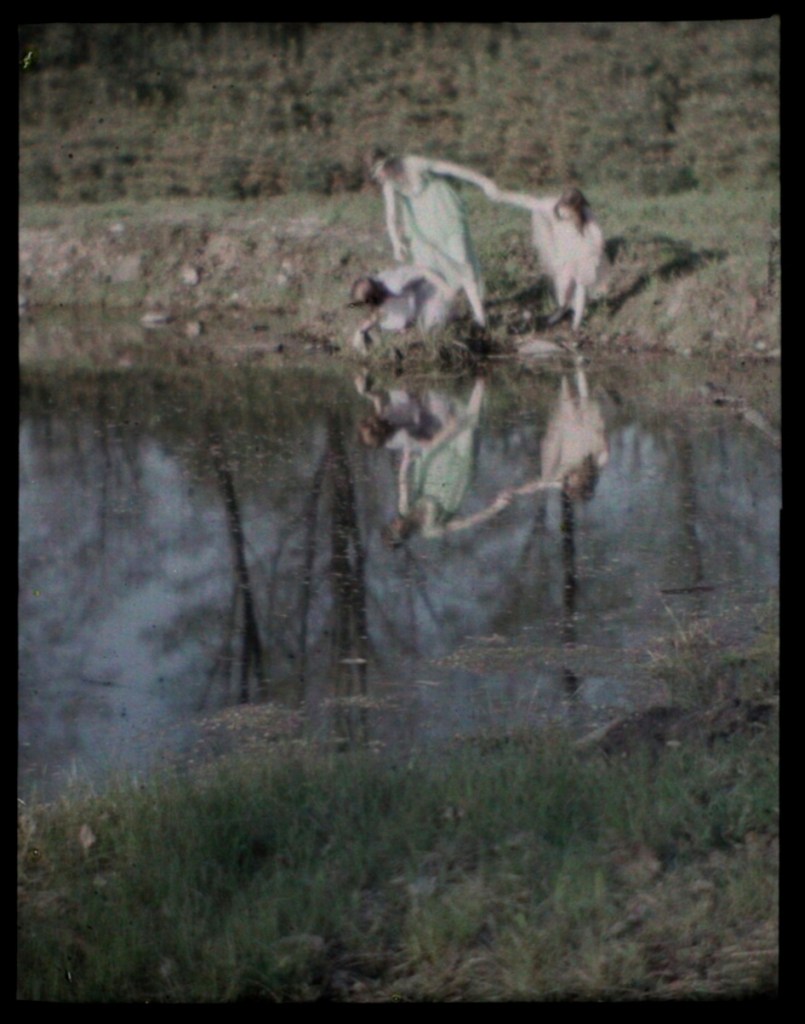
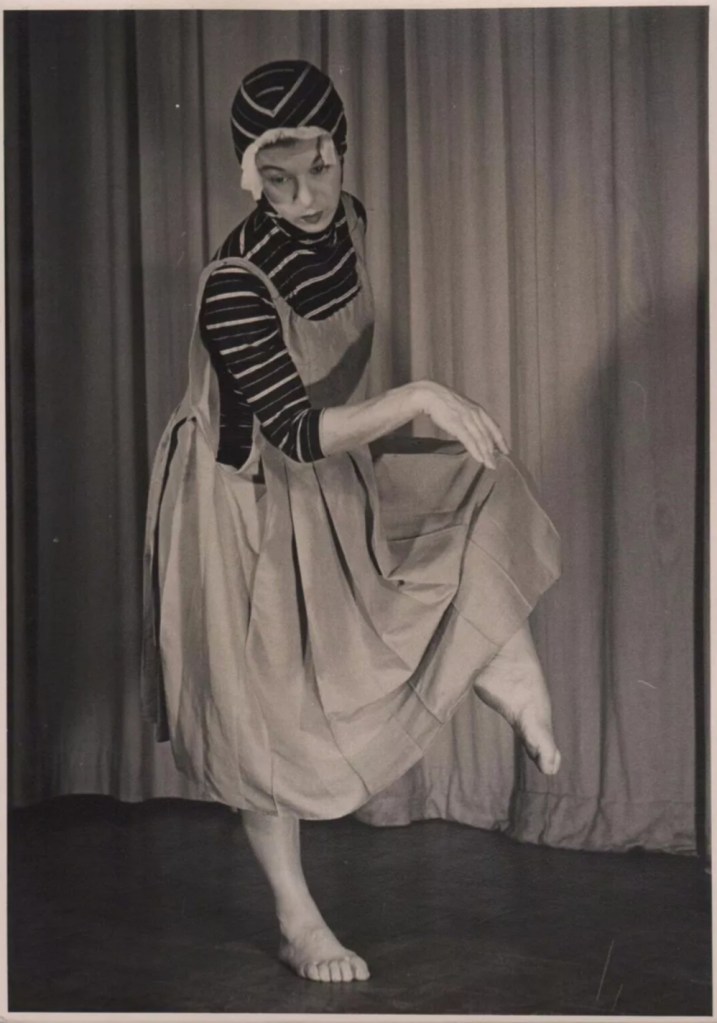
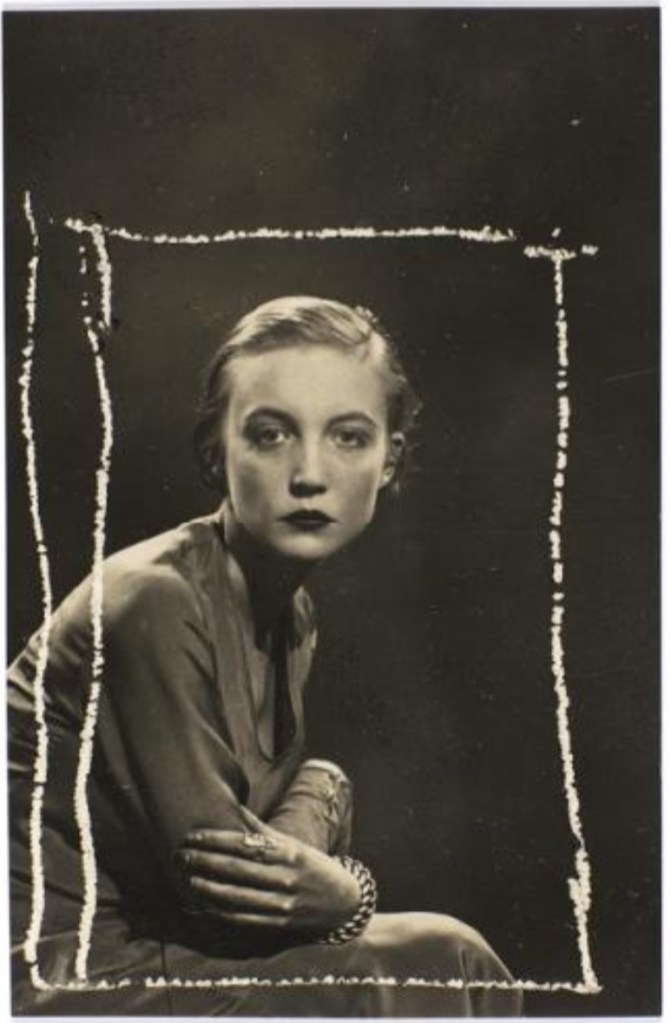
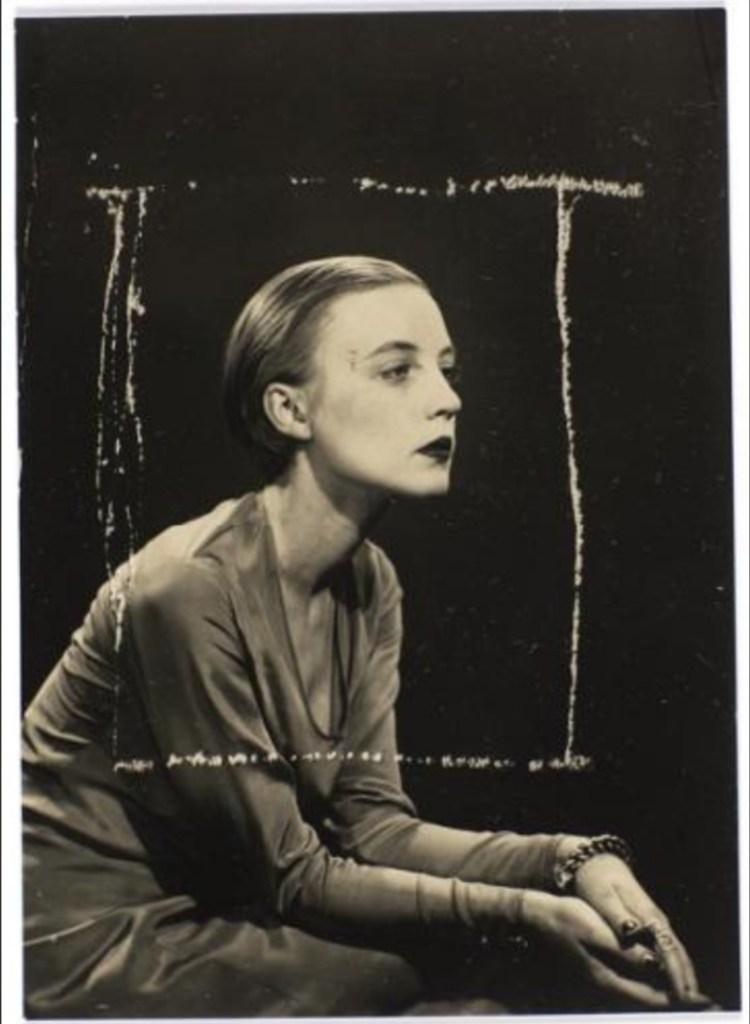
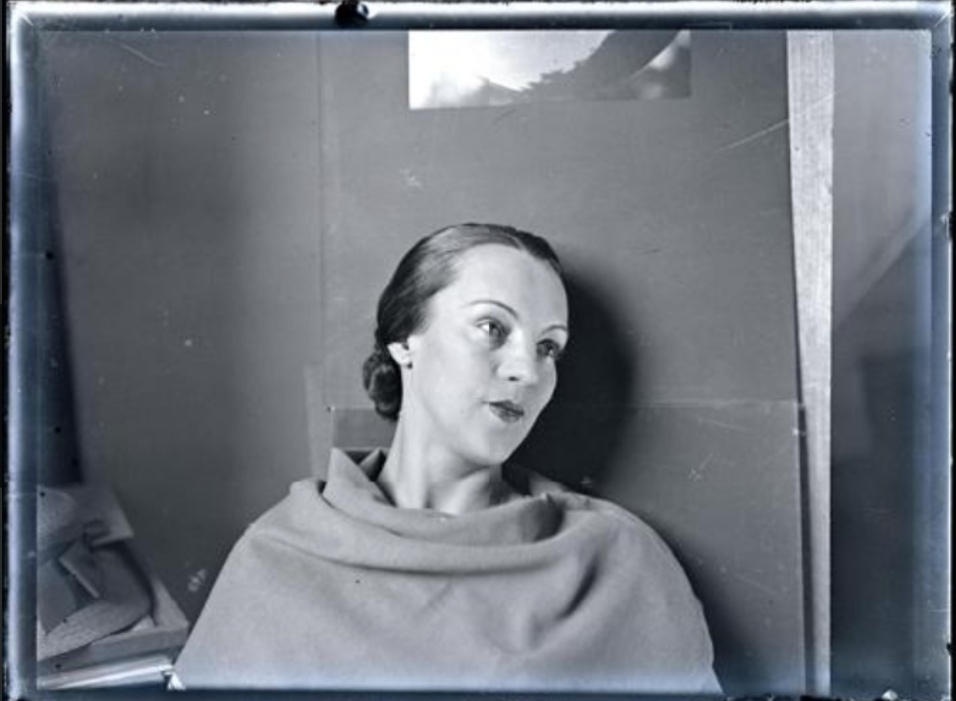
An Oceanid dressed with a toga, Delphi, Greece 1930.
In Greek mythology, the Oceanids are nymphs primarily associated with the waters of their father Ocean. They are sometimes considered the nymphs of the inaccessible sea depths.
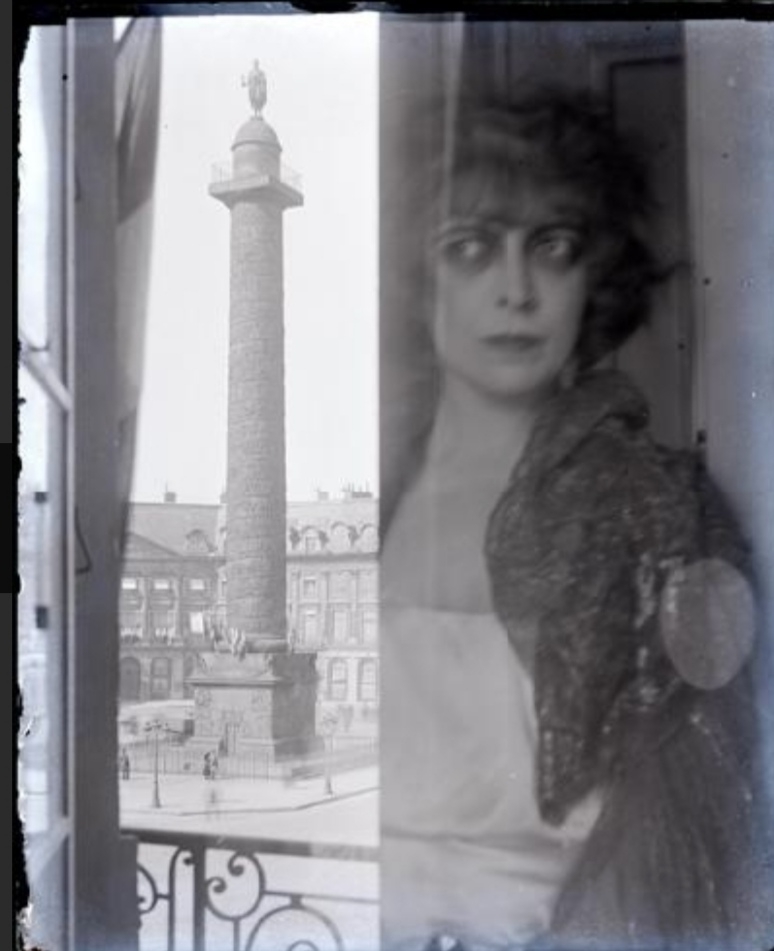
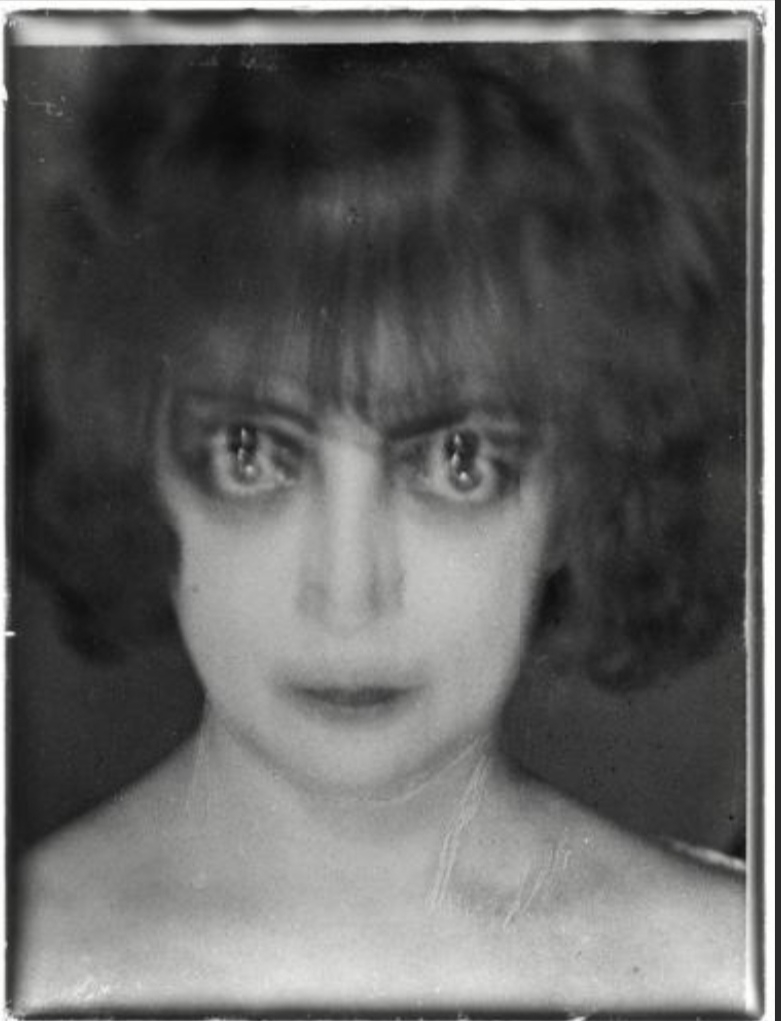
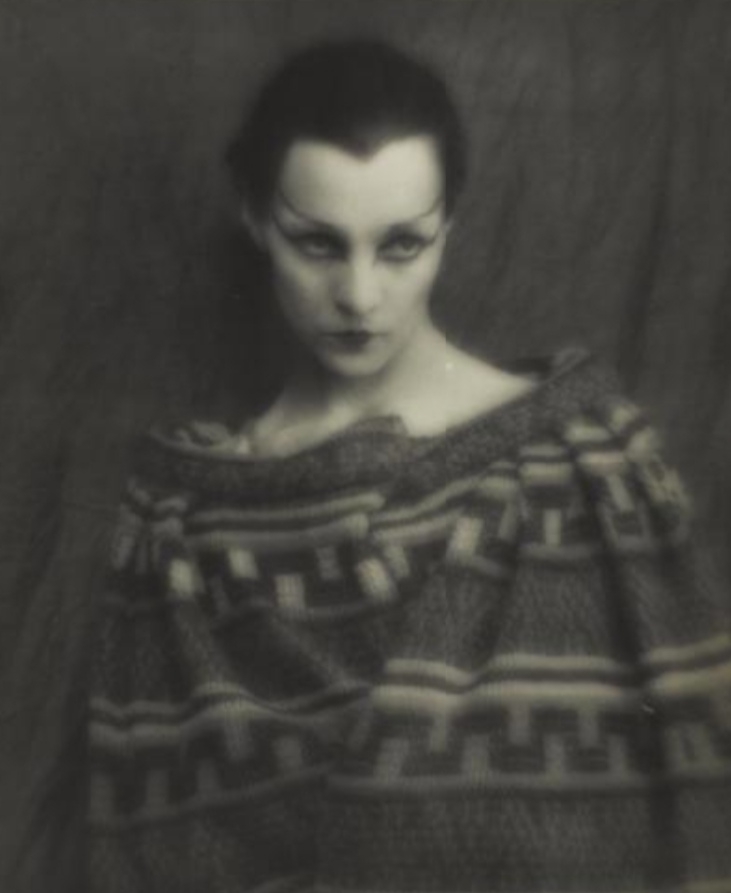
The Marchesa Luisa Casati was a major figure in early 20th-century European society. She left her mark on her time with her extravagance, her theatrical appearance, and her taste for the occult; giving large, lavish masked balls, she rubbed shoulders with both high society and avant-garde artists. Her eccentricities and beauty forged her reputation as a femme fatale and contributed to her celebrity. She became a legend among her contemporaries, notably by hosting the Ballets Russes. She amazed the audience by walking with cheetahs on leashes and wearing live snakes as jewelry.
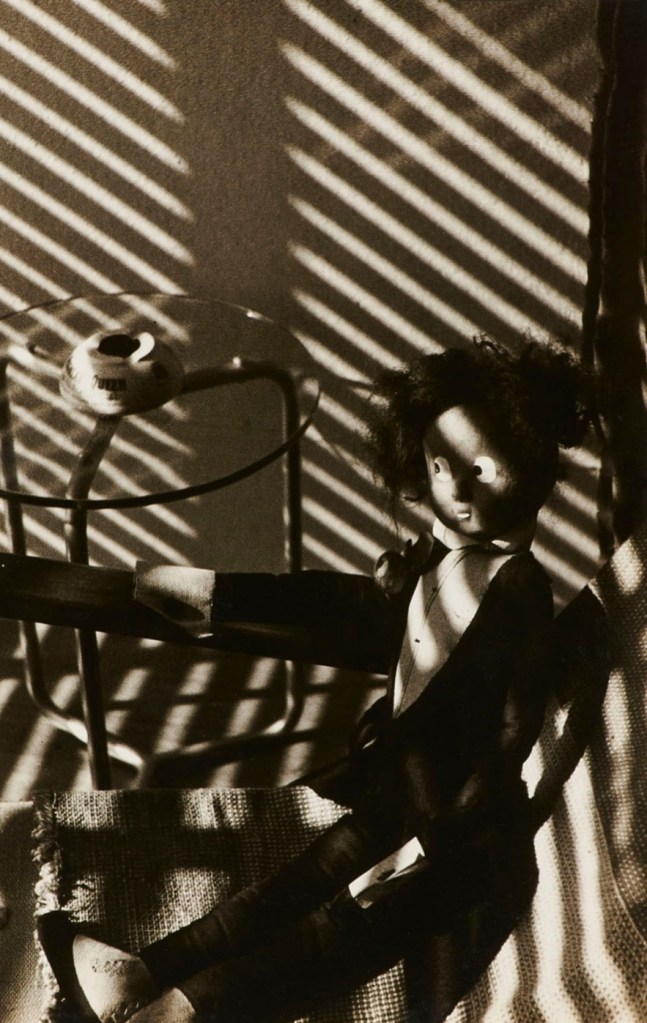
« We will remain hidden from these dolls disarticulated, their limbs fragmented, stranded, like nauseous wrecks, rejected by these virtual ports, our anchor will hold away… » (DantéBéa)
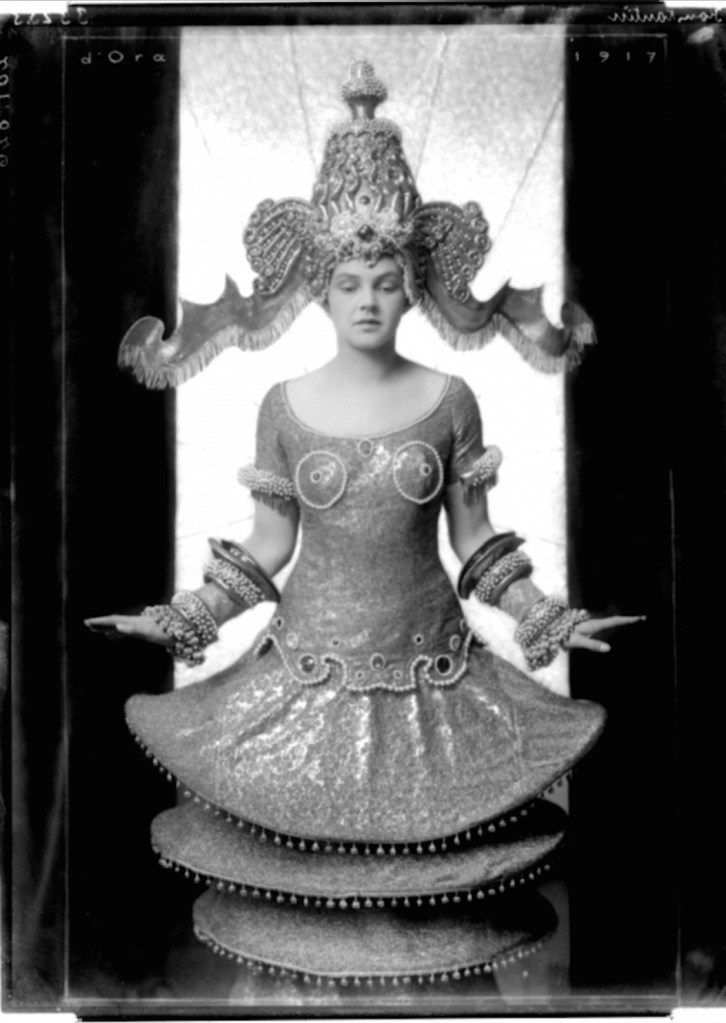
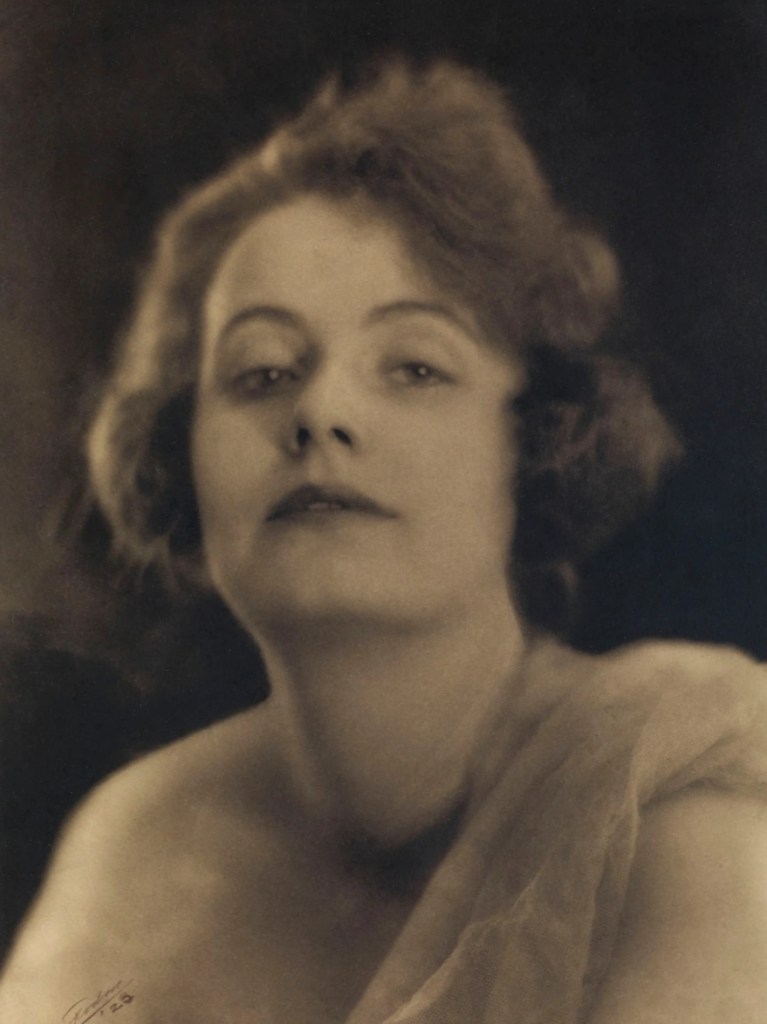
In 1887, Félix Tournachon, known as Nadar, retired to his house in the Sénart forest, leaving his son Paul at the head of the famous studio he had created in the mid-1850s. To the refined and intimate official portraits of Félix, Paul preferred more complex scenographies, using accessories and sets that identified the person photographed in their role or professional capacity. Many actors and actresses paraded before his lens, reinterpreting scenes performed at the time in the greatest Parisian theaters.
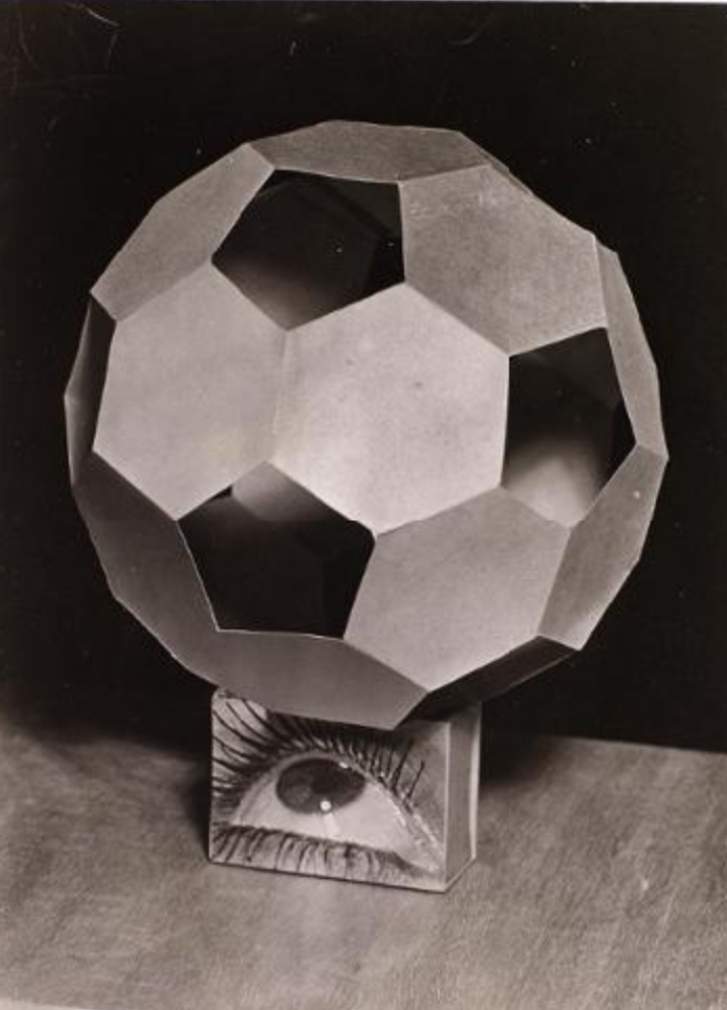
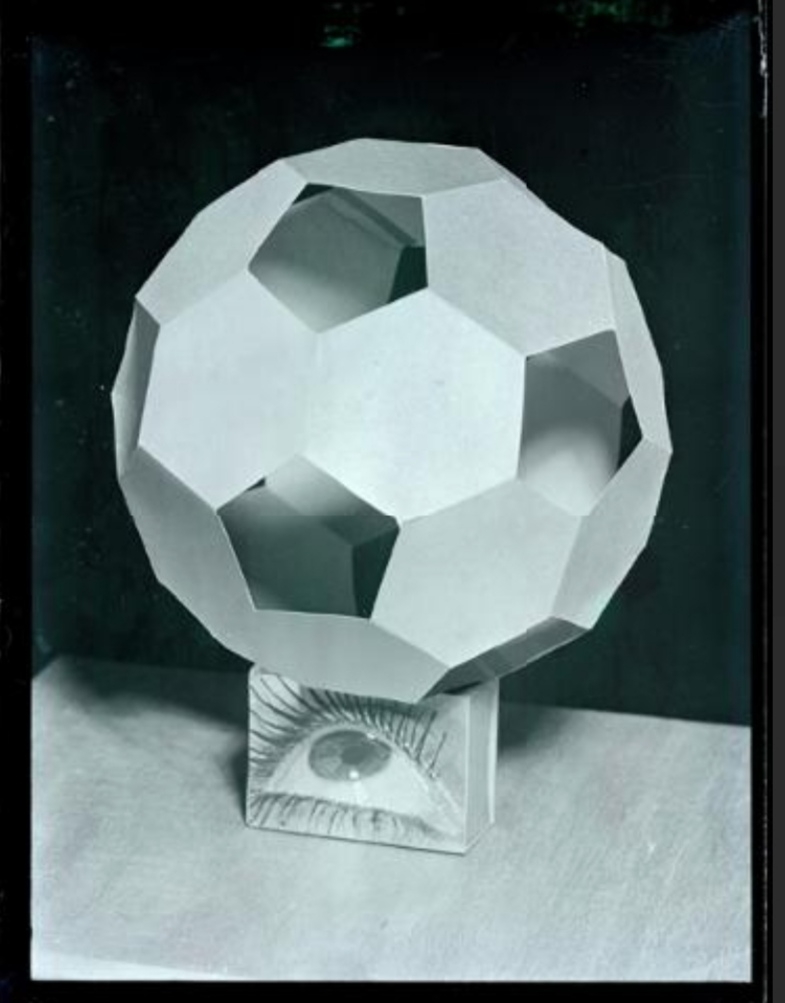
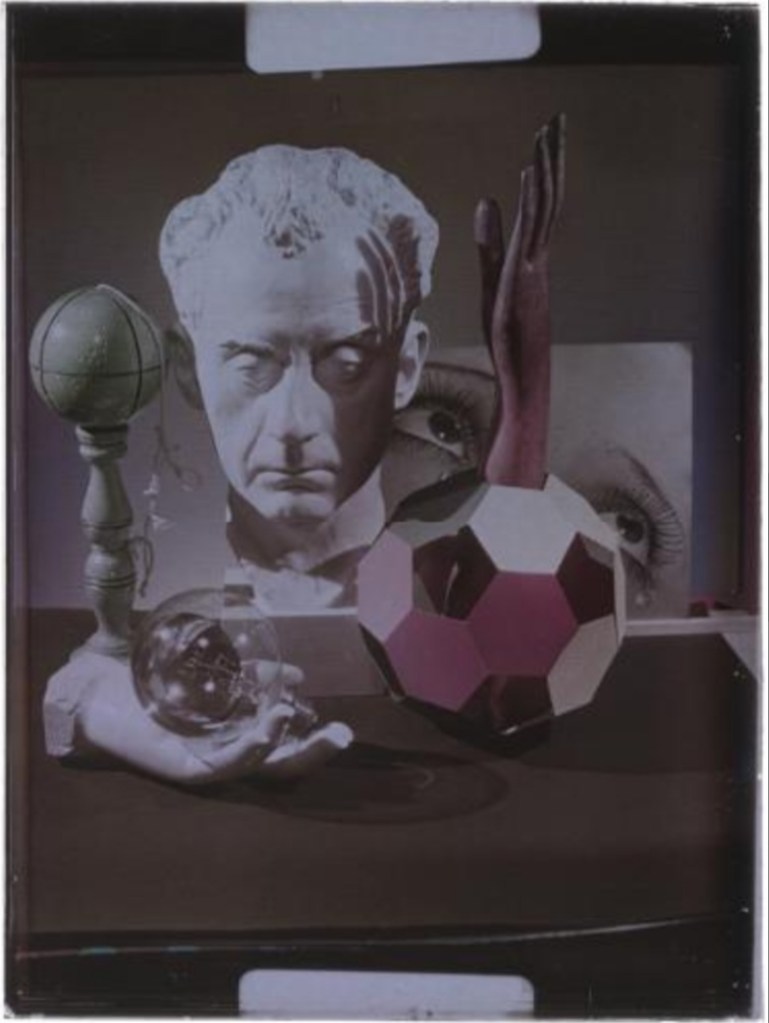
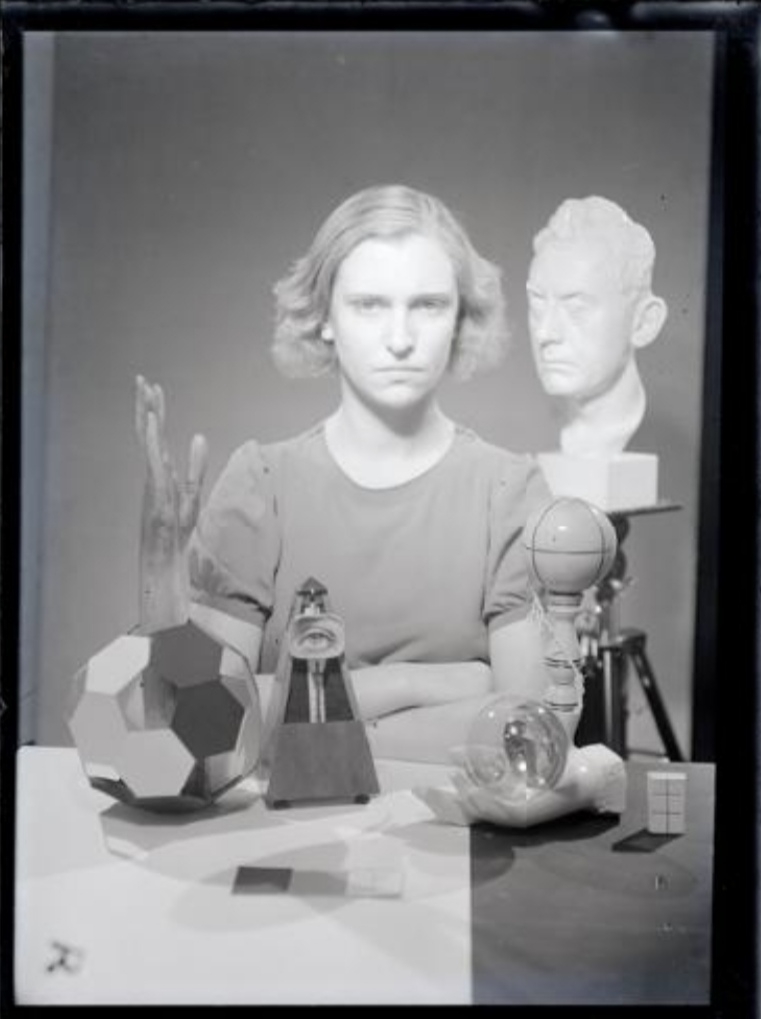
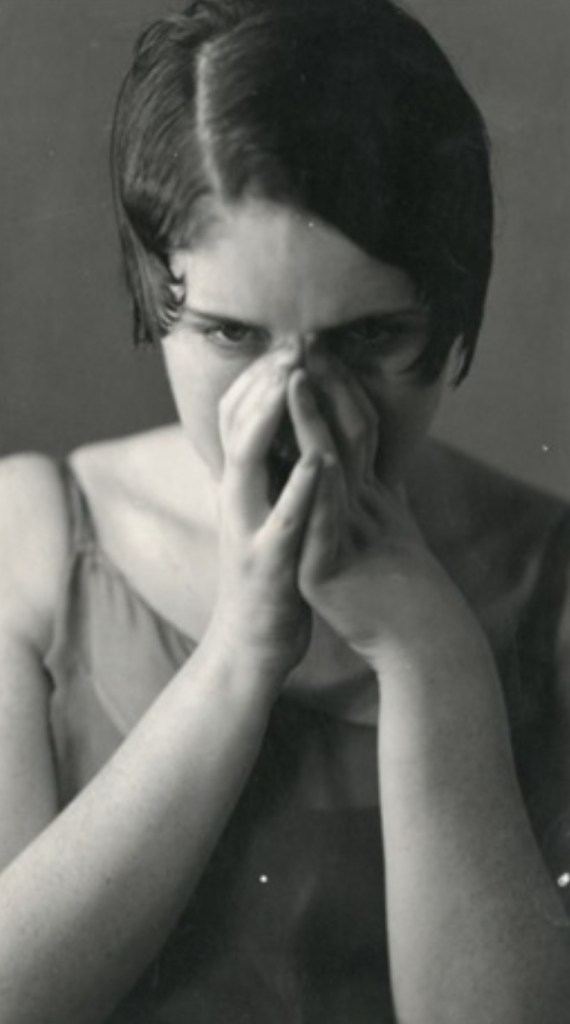
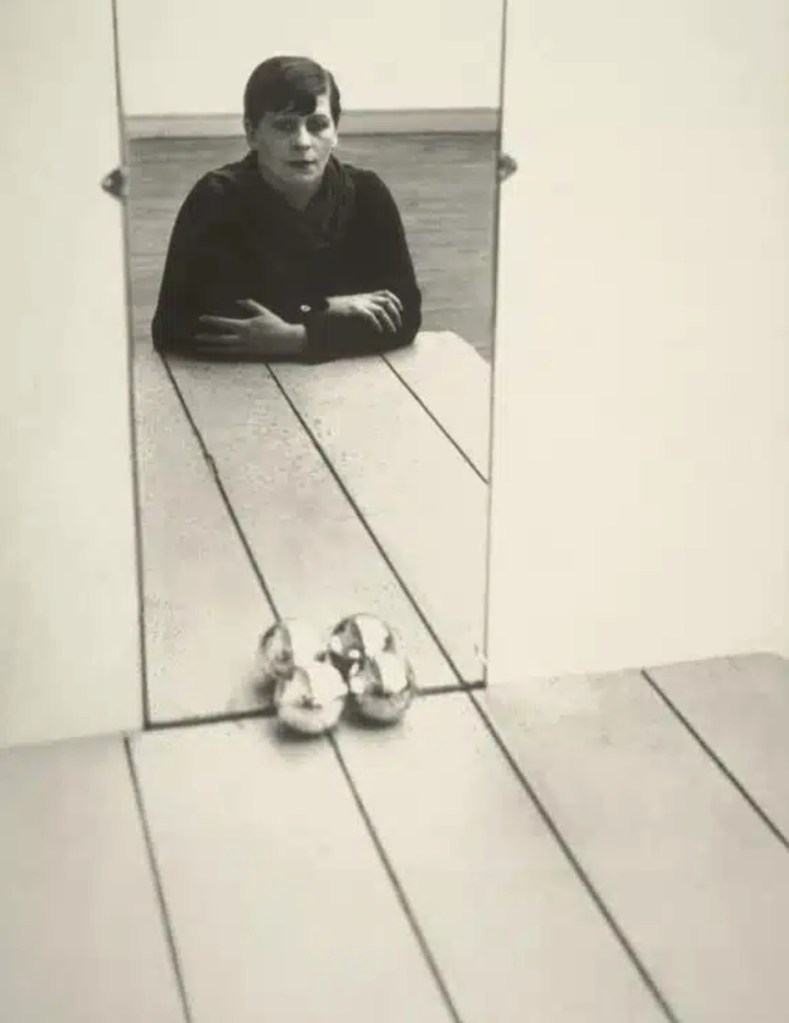
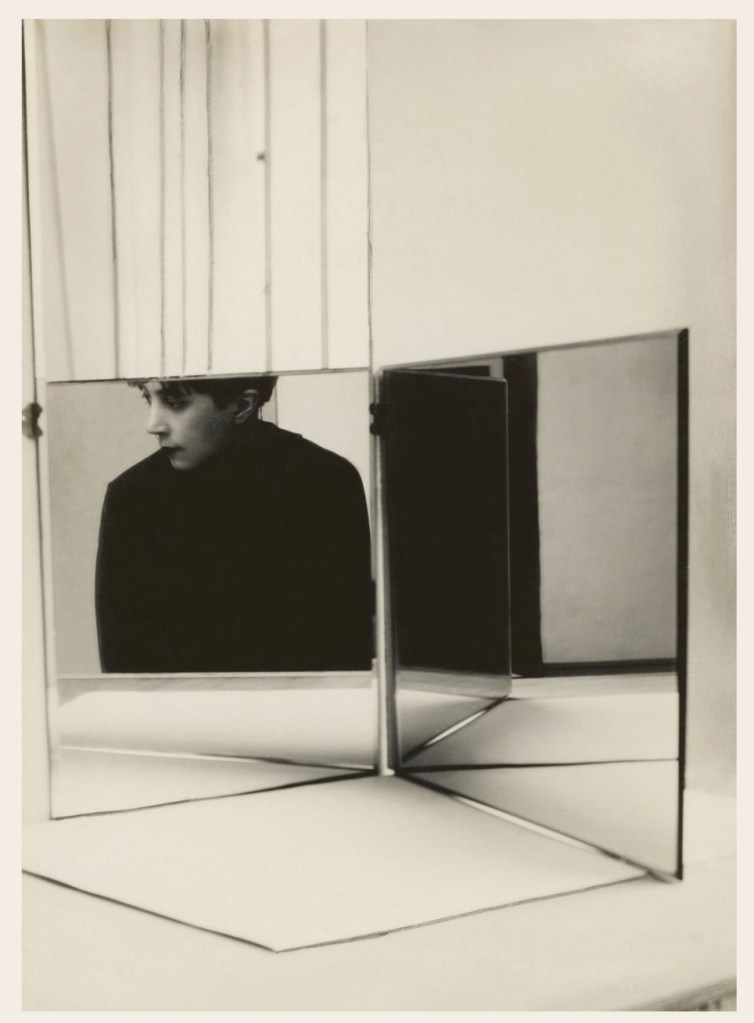
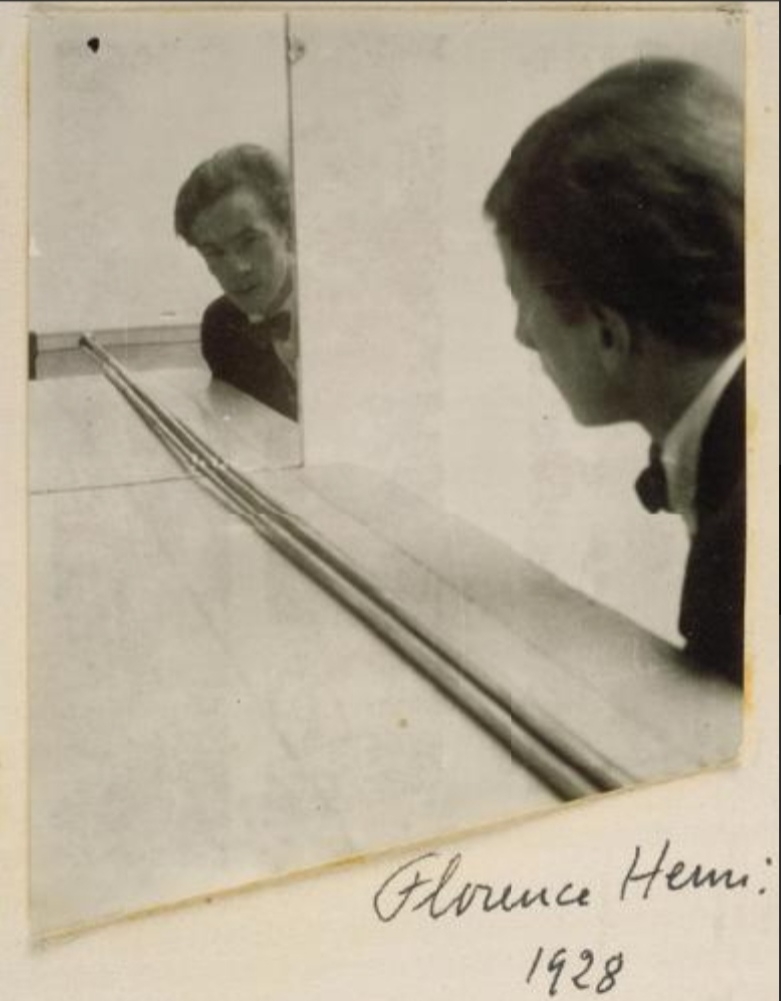
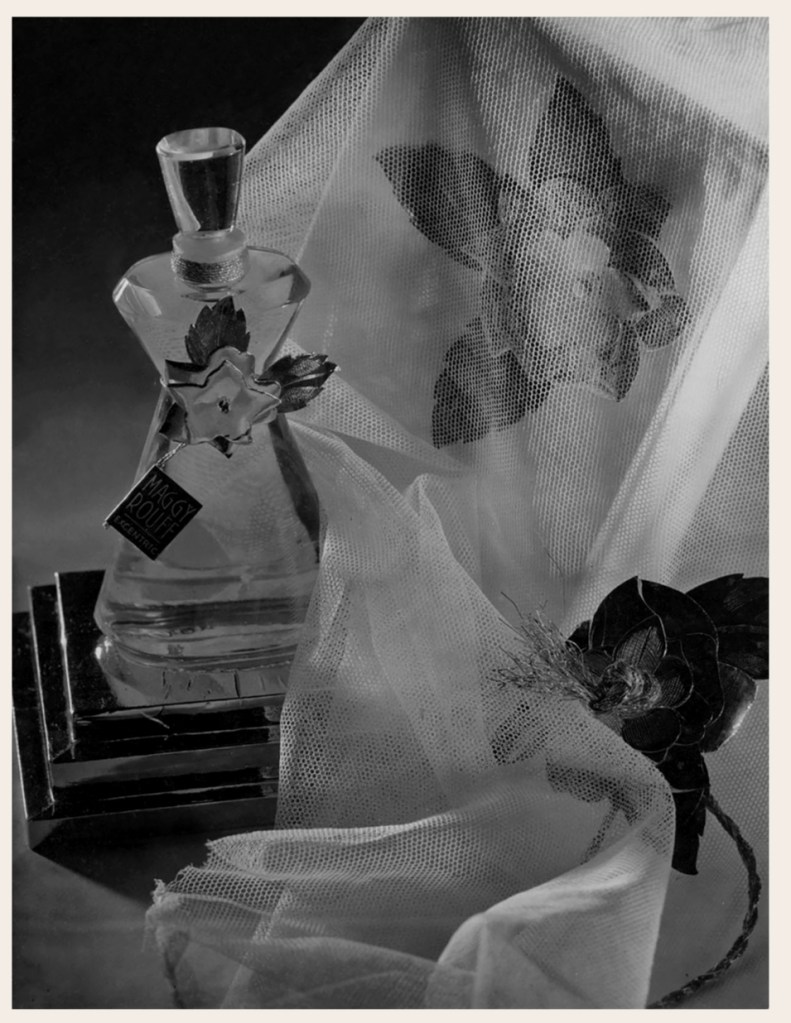
« Everything I know, and how I know it, is mainly made up of abstract elements: spheres, planes, and grids whose parallel lines offer many possibilities, not to mention the mirrors I use, to present the same object from several different angles within the same photograph, in order to produce, in the same way, different visions that complement and complement each other, and which, taken as a whole, are more likely to explain it. At bottom, all this is much more difficult to explain than to do. »
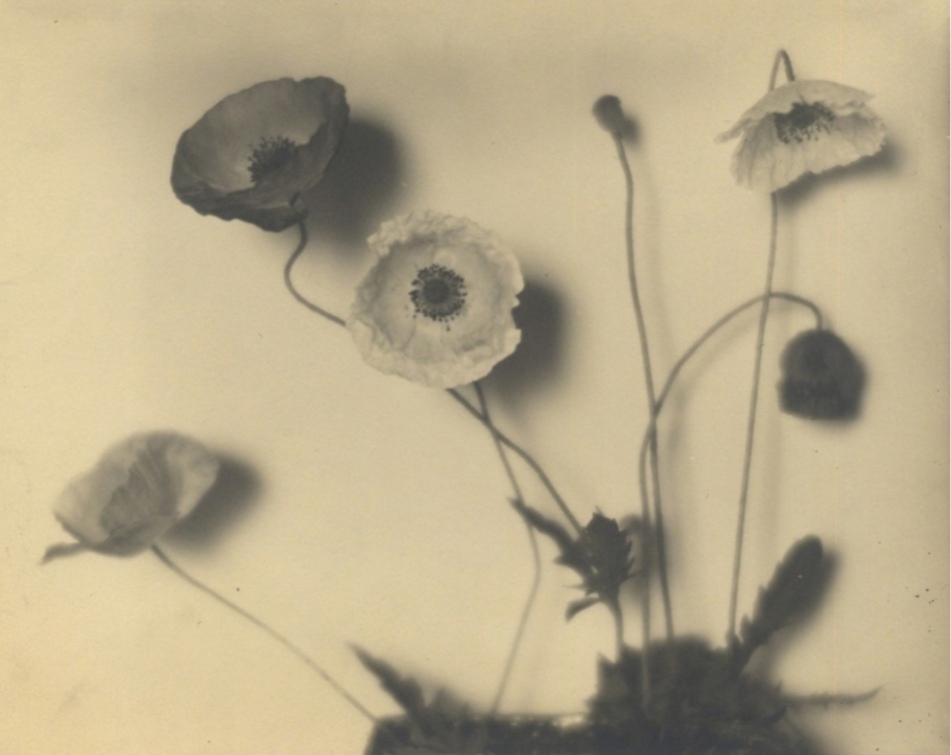
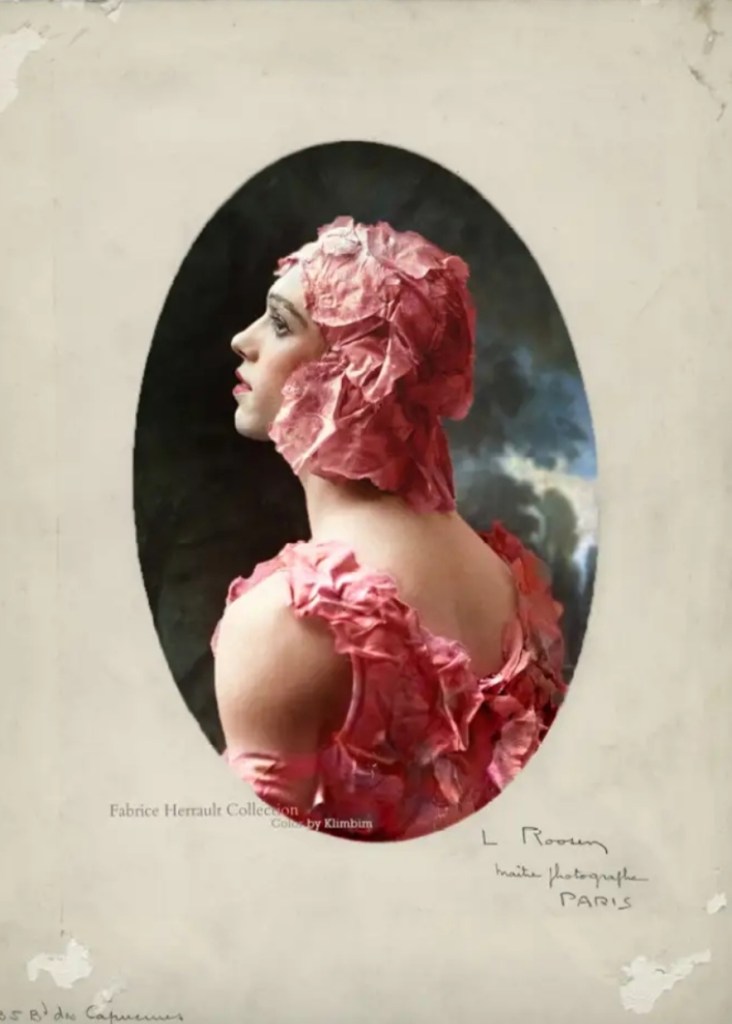
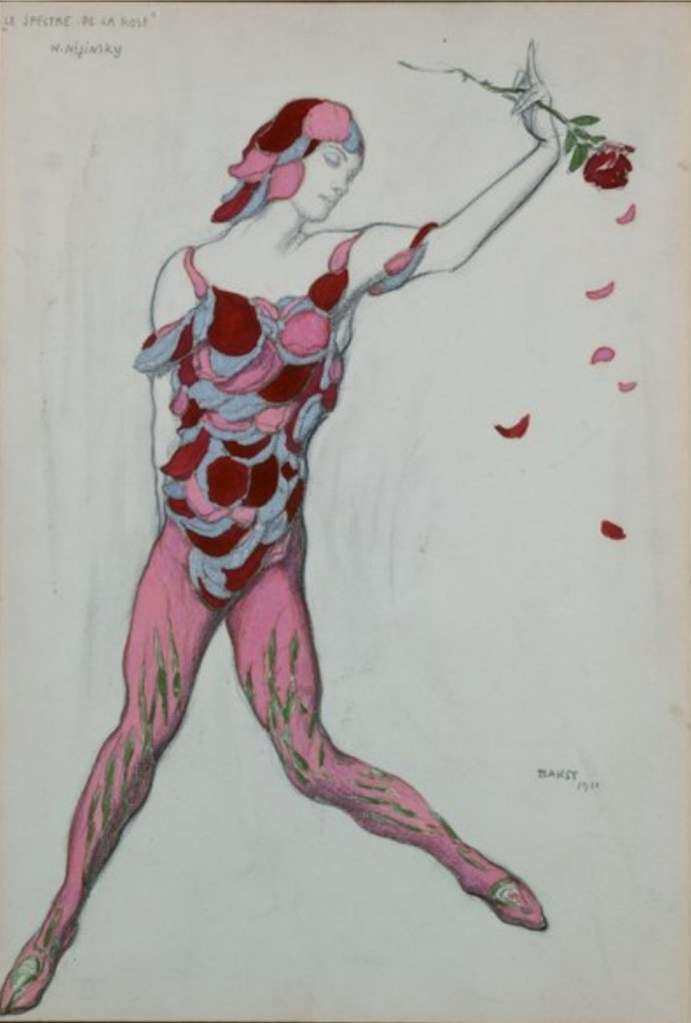
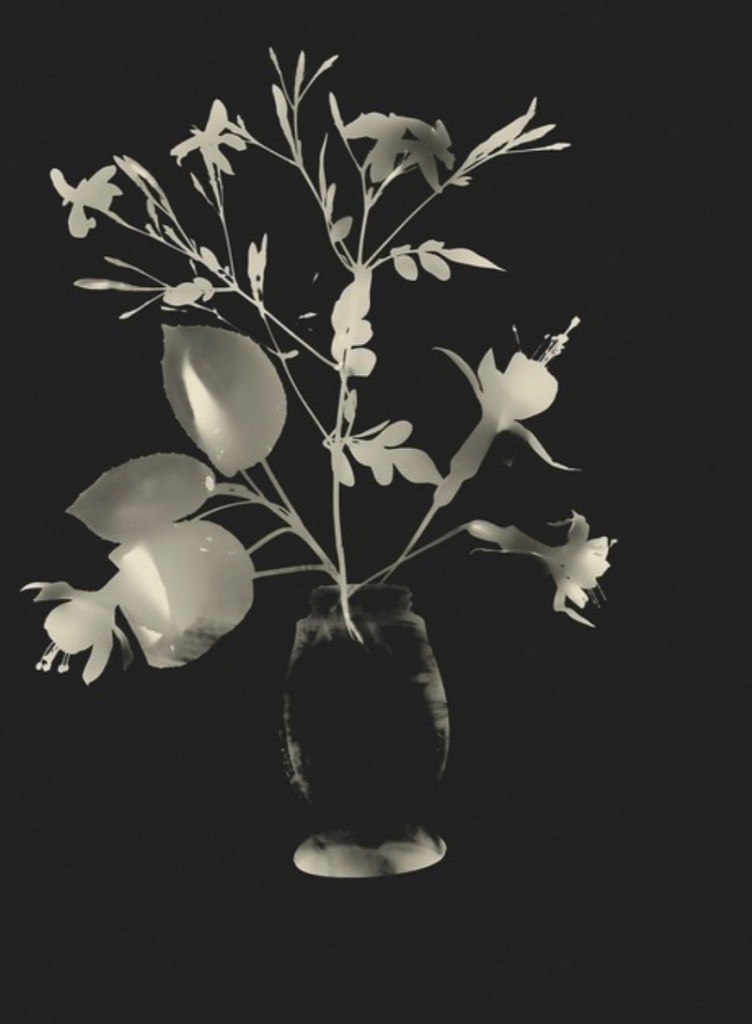
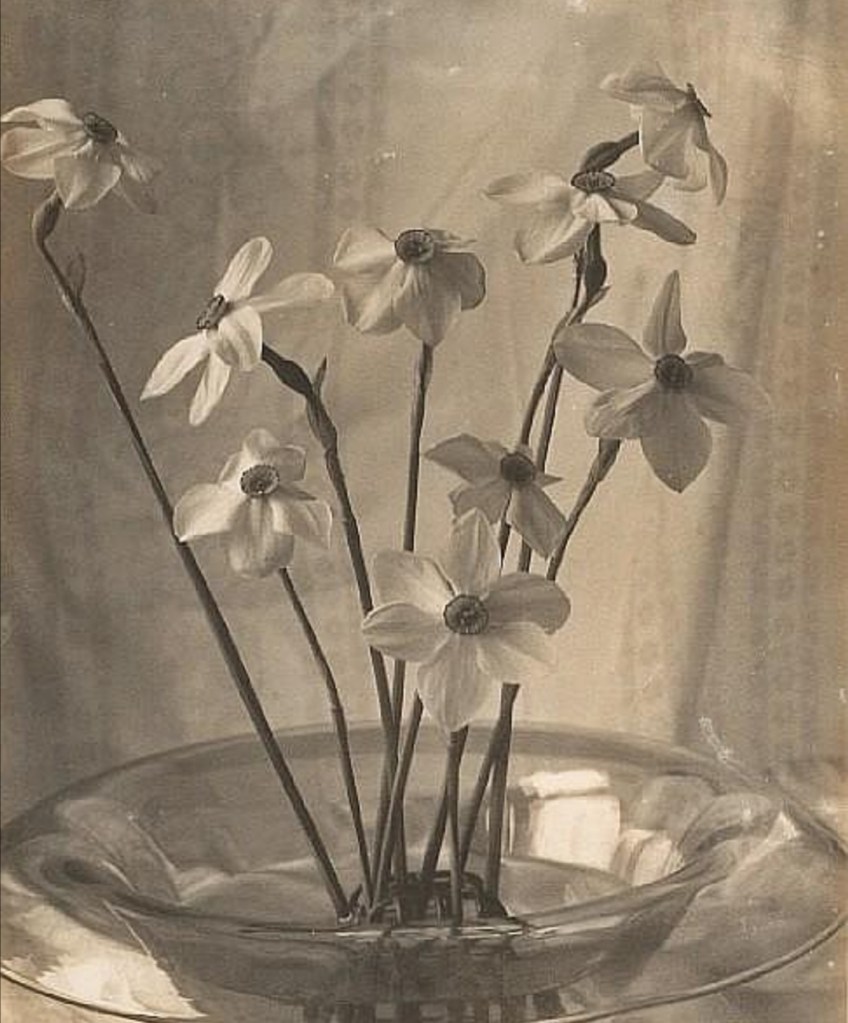
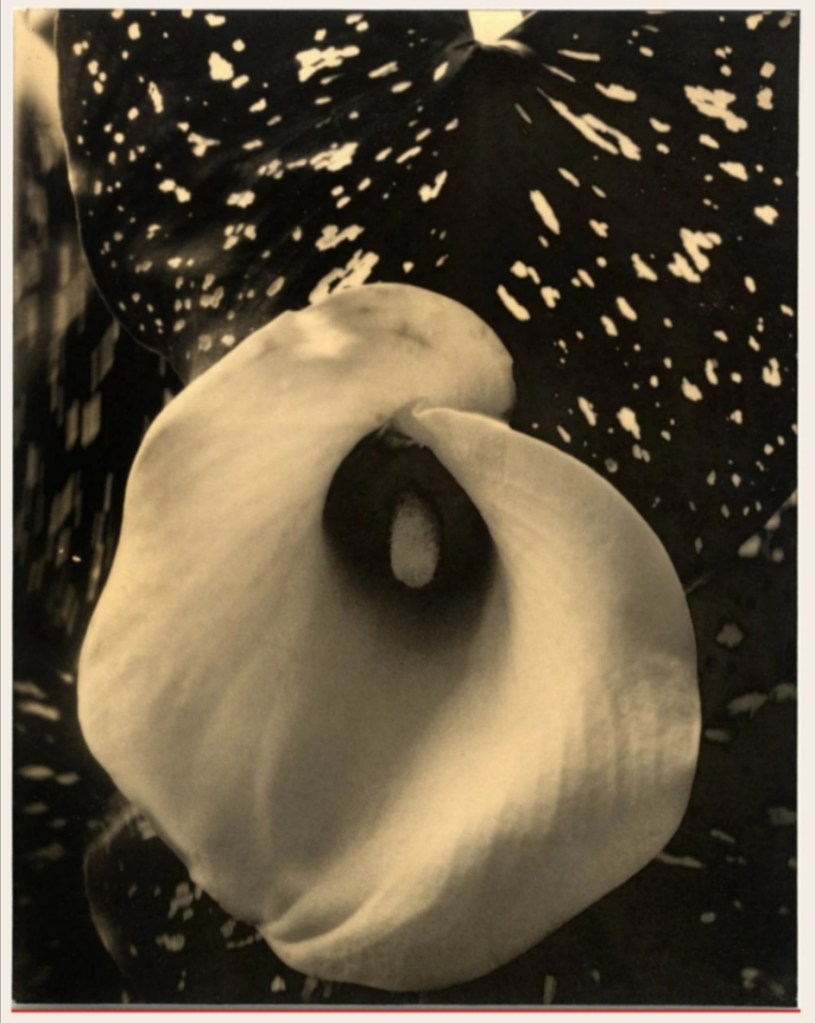
« We are so insignificant, And my friend the rose Told me so this morning. At dawn I was born, Baptized with dew. I blossomed, Happy and in love, In the rays of the sun. I closed myself off at night, Woke up old. Yet I was very beautiful, Yes, I was the most beautiful Of the flowers in your garden. We are so insignificant, And my friend the rose Told me so this morning. See the God who made me Made me bow my head, And I feel I’m falling, And I feel I’m falling, My heart is almost naked, I have one foot in the grave. Already I am no more. You only admired me yesterday And I I would be dust Forever tomorrow. We are so insignificant, And my friend the rose Died this morning. The moon last night Woke my friend awake. In a dream, I saw, Dazzling and naked, Her soul dancing, Far beyond the clouds And smiling at me. He who can believe, believes, I need hope Otherwise I am nothing. We are so insignificant, And my friend the rose Told me this morning. See the God who made me Made me bow my head, And I feel I’m falling, And I feel I’m falling, My heart is almost naked, I have one foot in the grave. Already I am no more. You only admired me yesterday And I would be dust Forever tomorrow. »
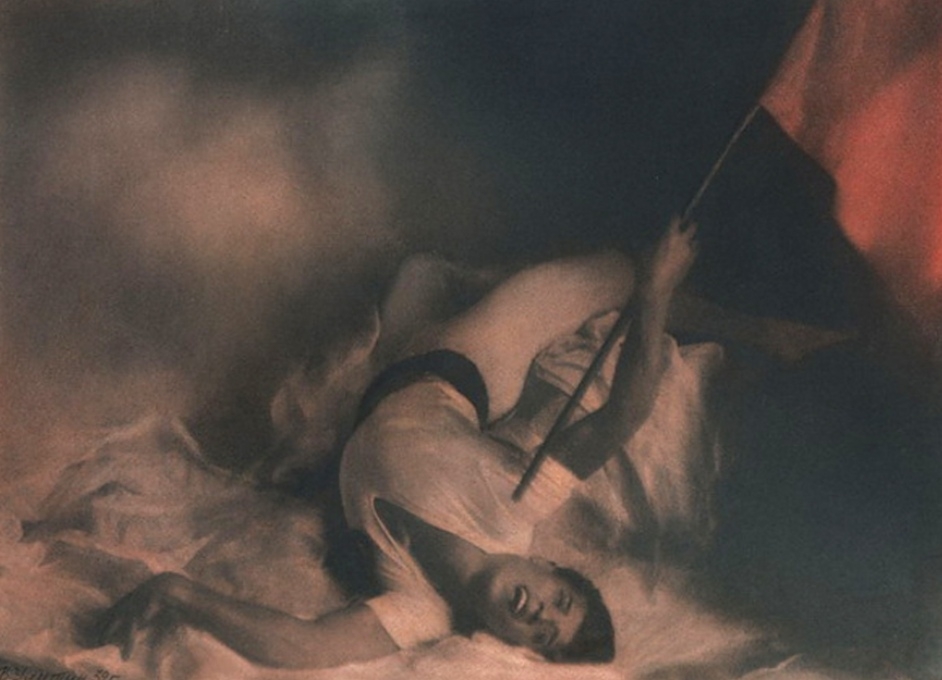
Ida Rubinstein as Saint Sebastian in The Martyrdom of Saint Sebastian 1911. Text by Gabrielle D’Annunzio. Music by Claude Debussy. Choreography by Mikhail Fokine. Costume and set design by Léon Bakst.
« I couldn’t live in any of the worlds they offered me: the world of my parents, the world of war, the world of politics. I had to create a world of my own, like a climate, a country, an atmosphere in which I could breathe, reign, and recreate myself after having been destroyed by life. This, I believe, is the reason for being of any work of art. » (Anaïs Nin)
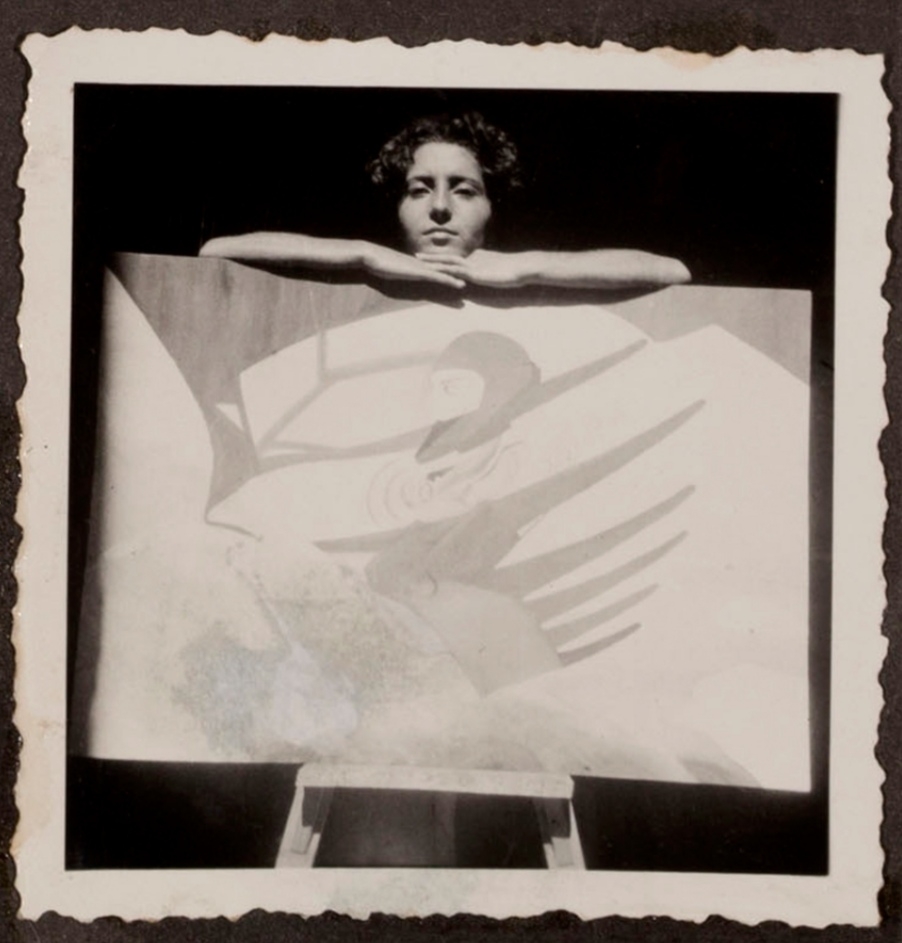
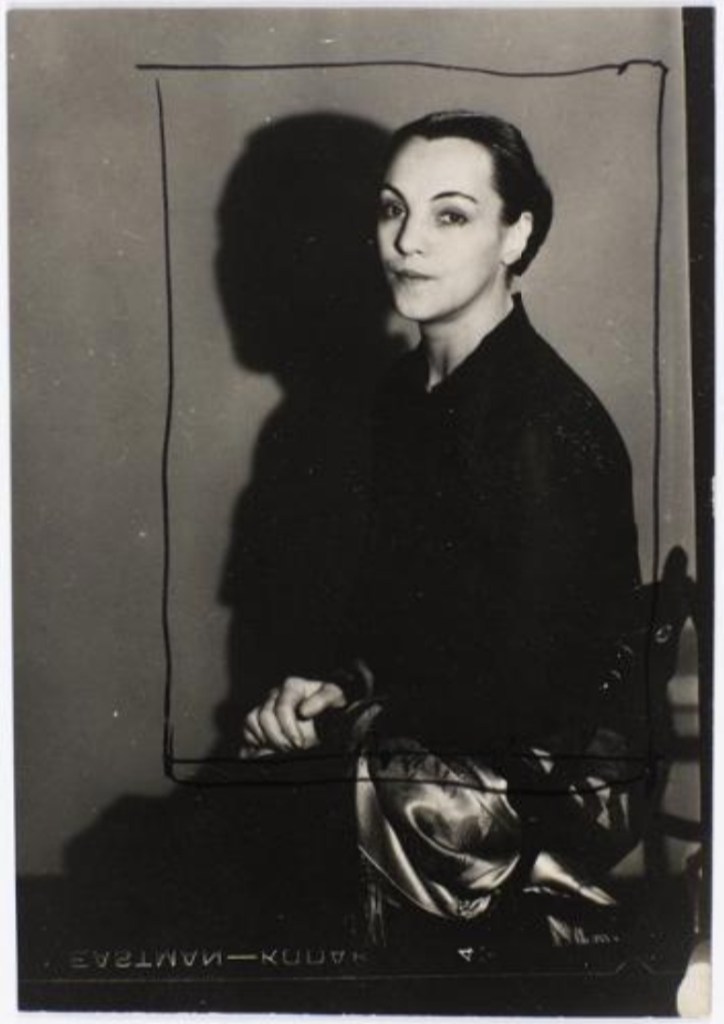
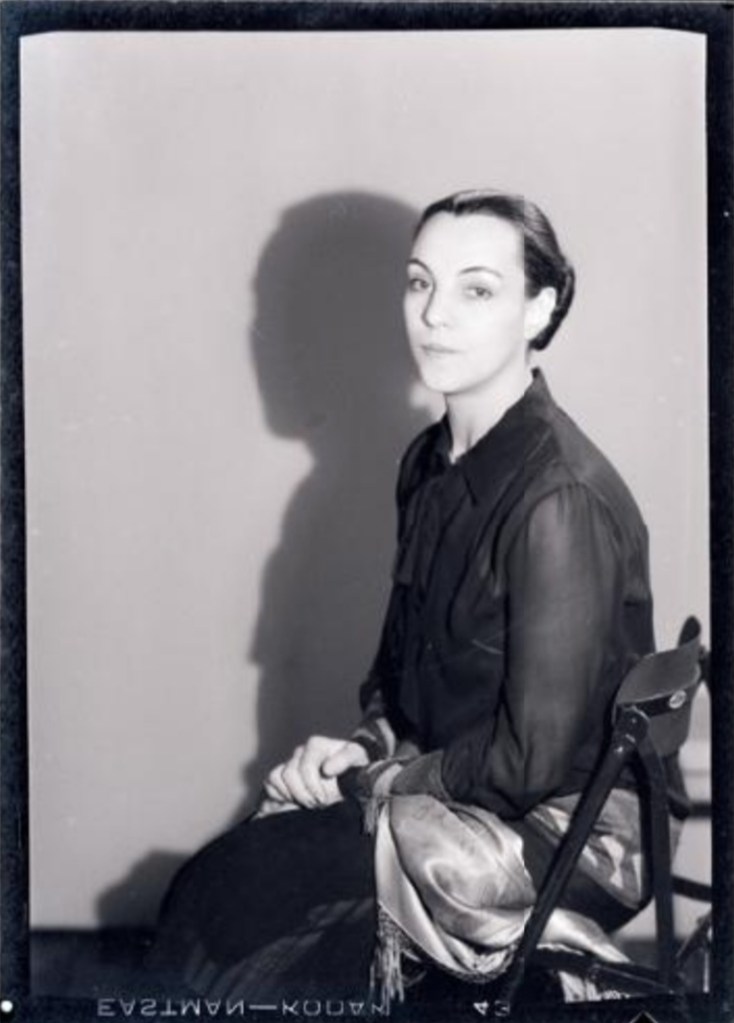
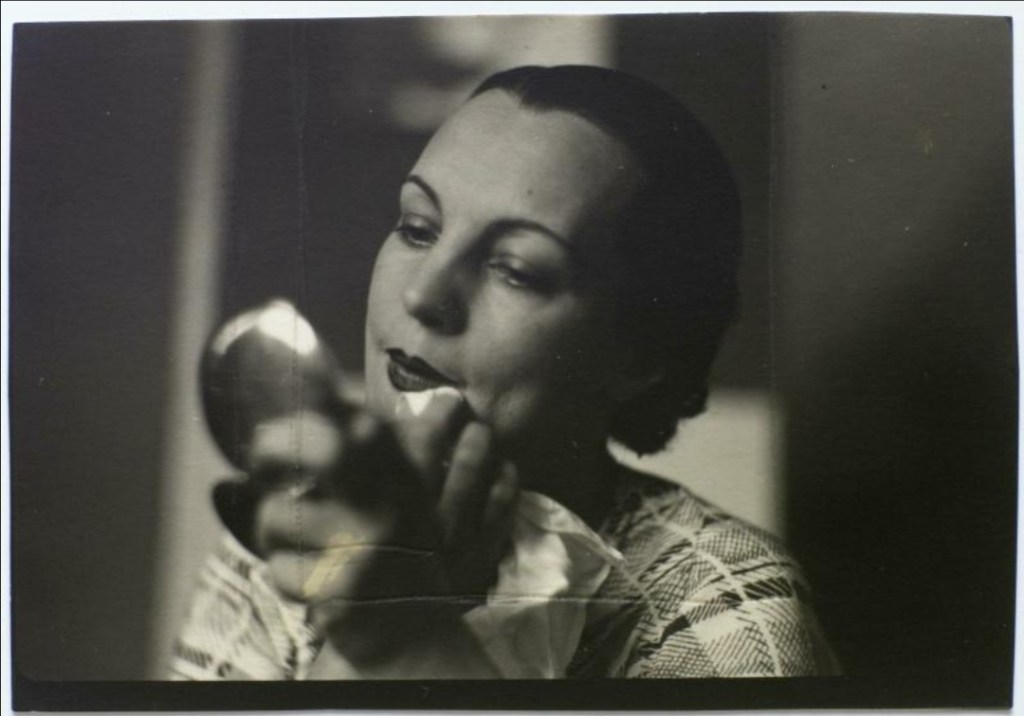
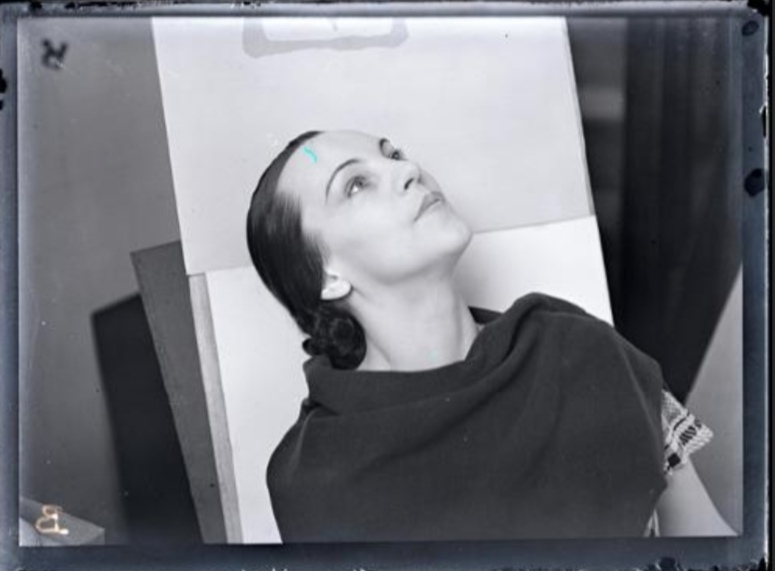
Adele Gloria was the only female Futurist in Sicily. She distinguished herself in the field of aerial painting and the avant-garde in Catania in the early 1930s. A poet, photographer, painter, sculptor, and journalist, she was a « total » artist according to the canons of the Futurist movement.






























 DantéBéa