Egon Schiele

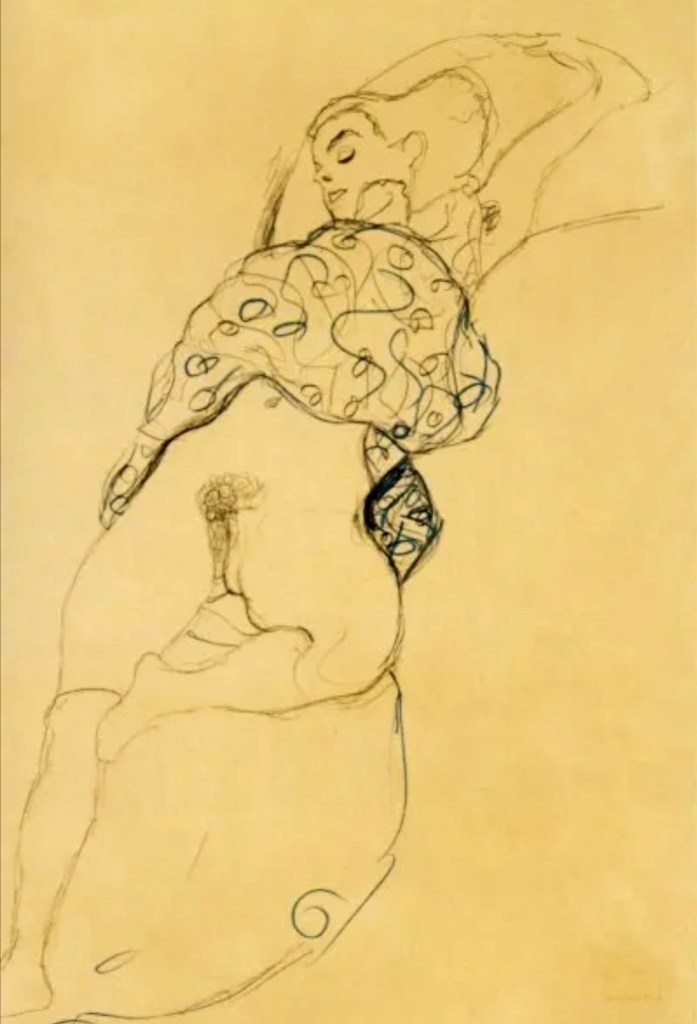
Egon Schiele. Reclining woman wearing stripped stockings 1911.

Egon Schiele

Egon Schiele. Woman reclining on a pillow 1910

Vassily Kandinsky

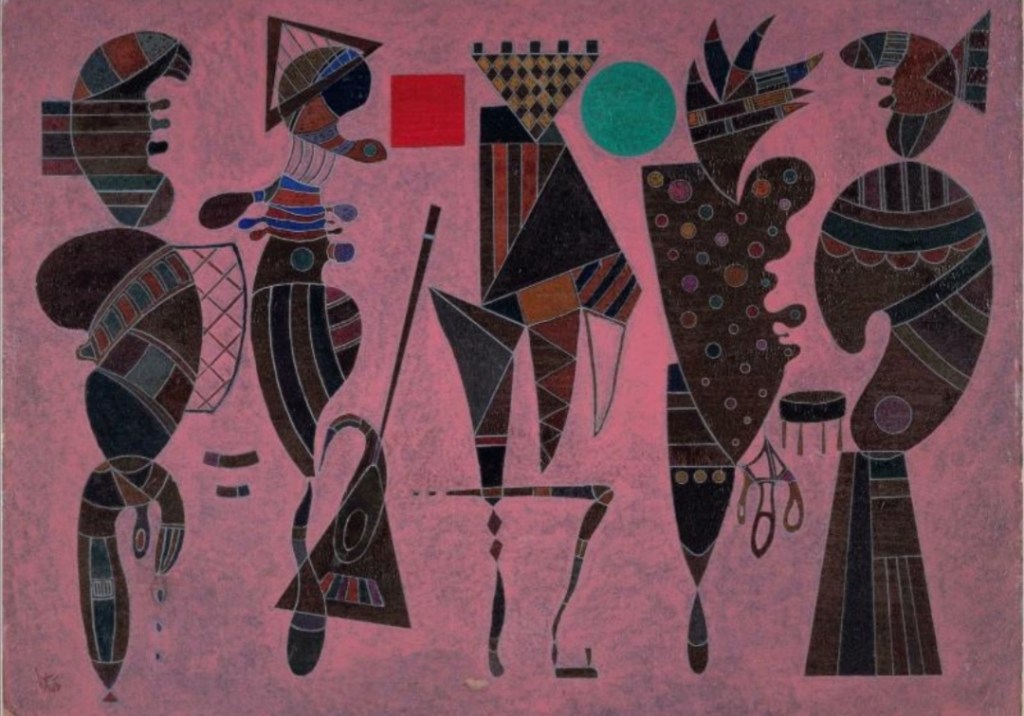
Vassily Kandinsky. Circle and square 1943

Koloman Moser

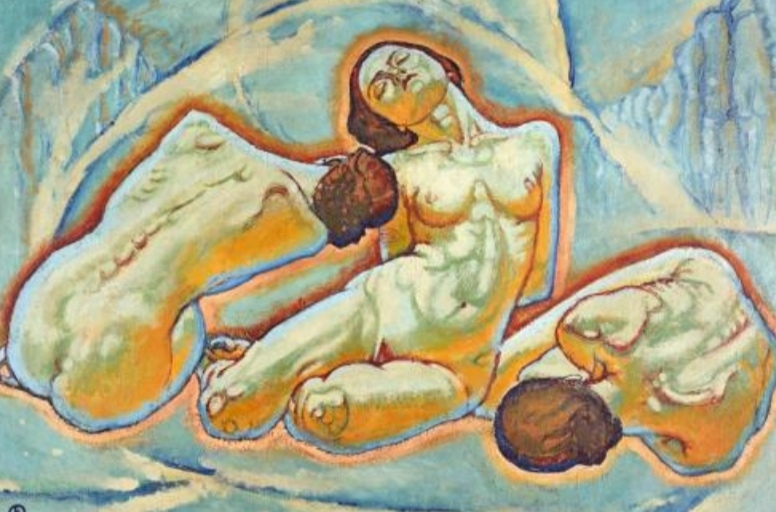
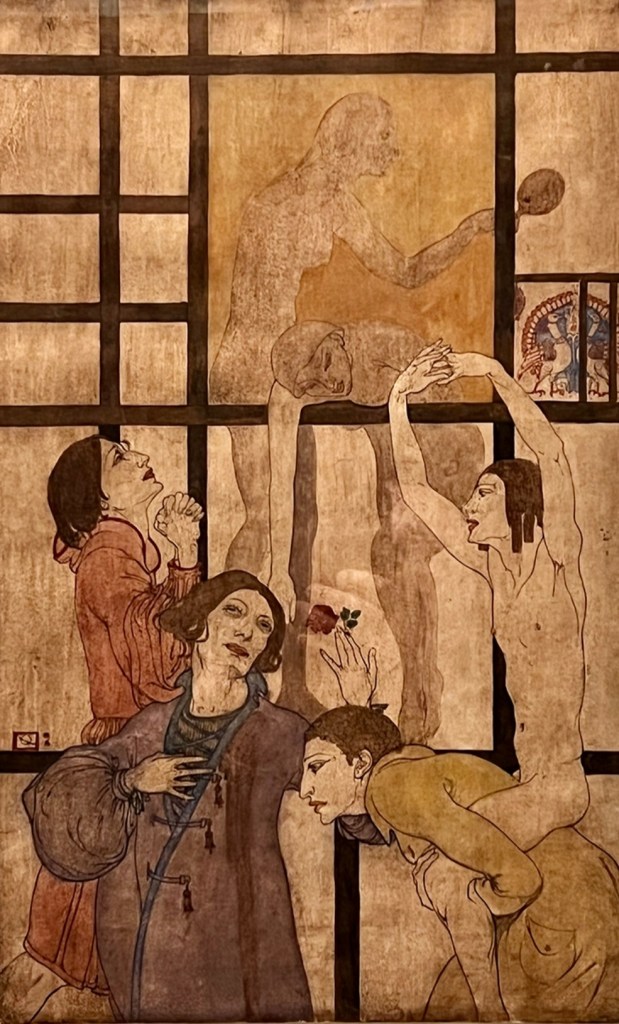
Koloman Moser. Three women 1914

Philippe Halsman

Philippe Halsman. Salvador Dali in the fetal position 1942.
Following Dali’s statements about his memories of his prenatal life, Halsman photographed the painter « like an embryo in an egg, » in the fetal position on white sheets. Halsman then retouched the negative to give the illusion of nudity and superimposed the resulting image with a photograph of an egg.

Koloman Moser

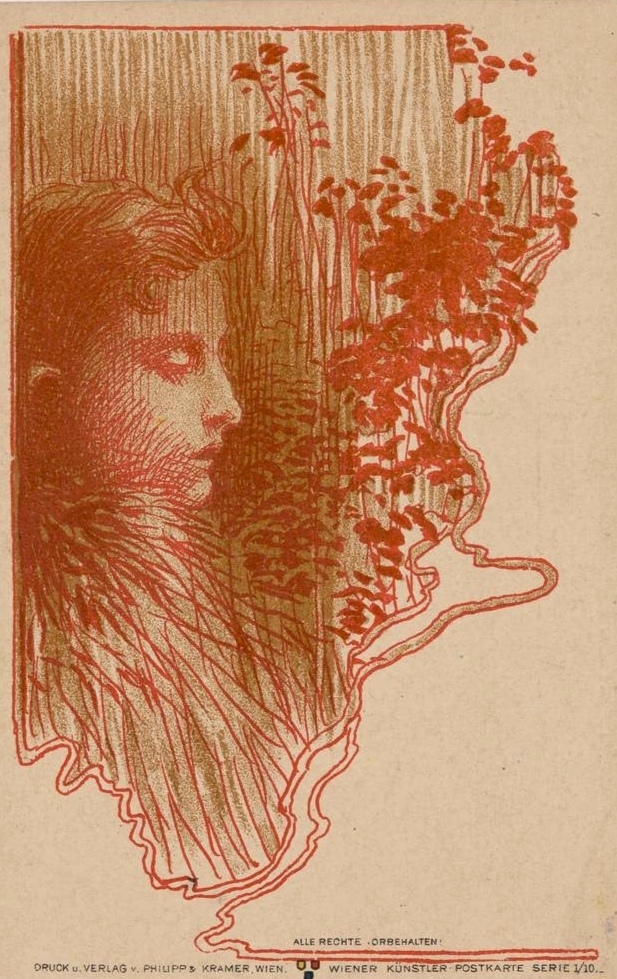
Koloman Moser. Postcard printed on cardboard 1898

Gustav Klimt

Gustav Klimt. Romeo, study for the Burgtheater 1887

Gustav Klimt

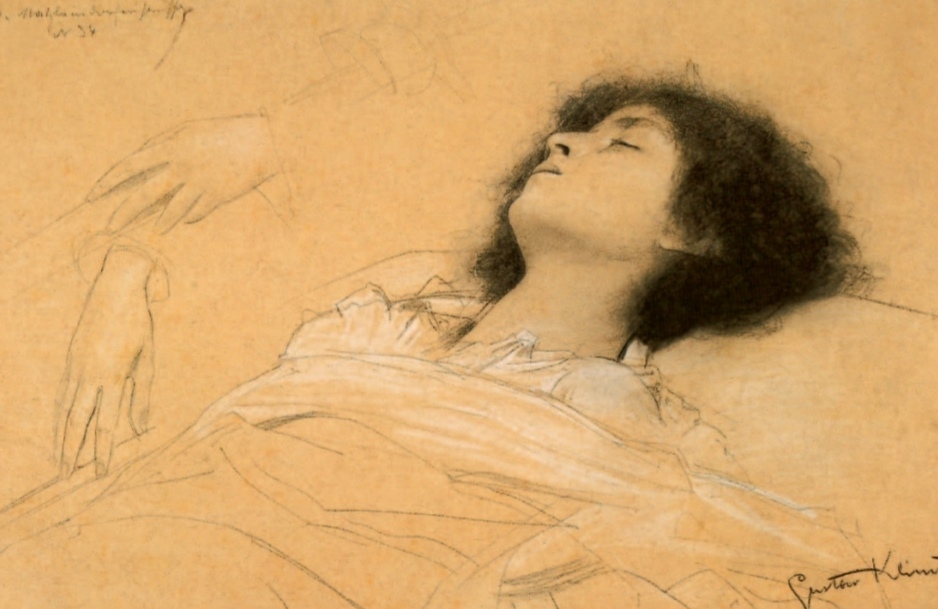
Gustav Klimt. Sleeping woman and hands study 1886

Man Ray

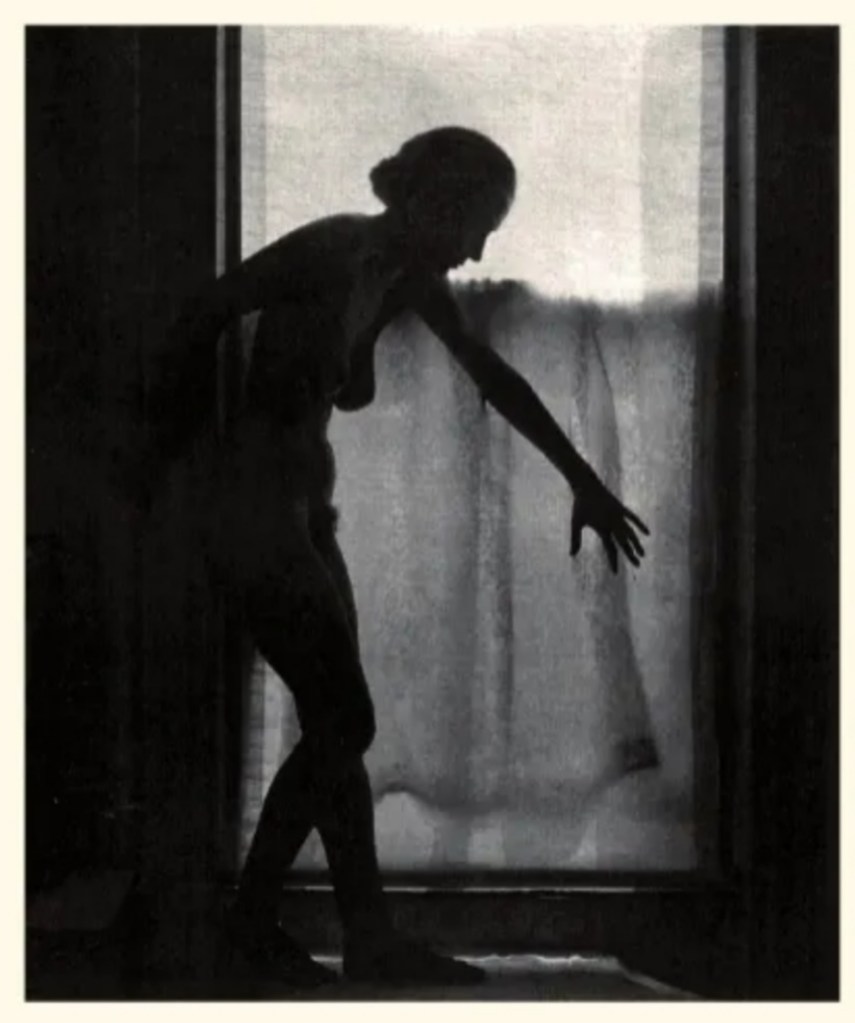
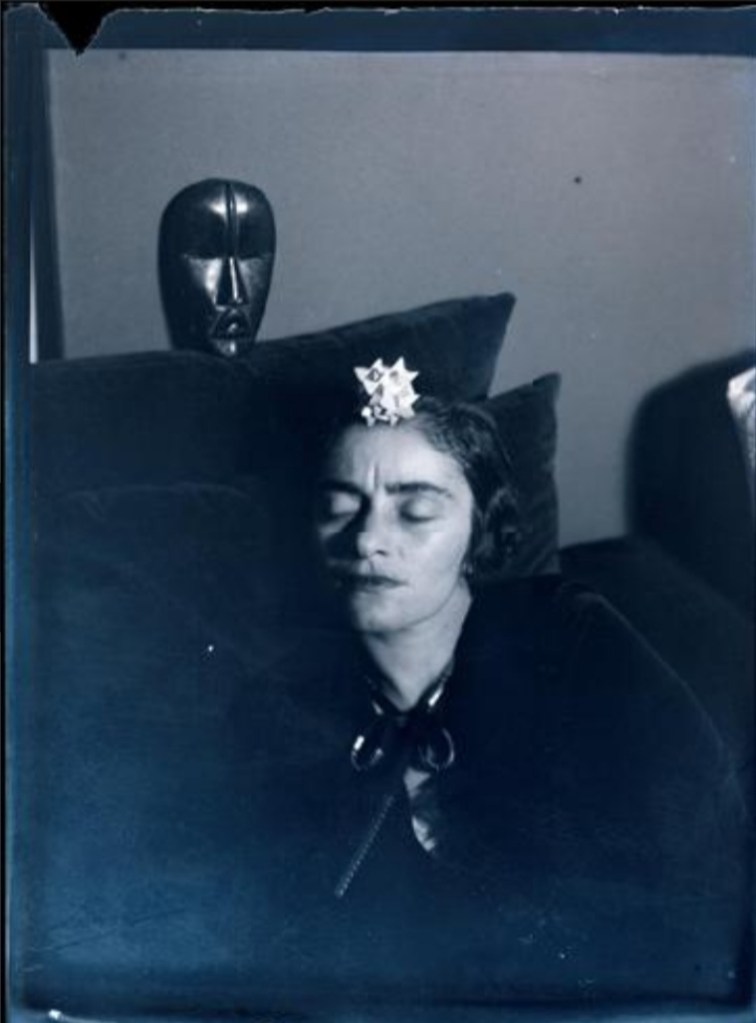
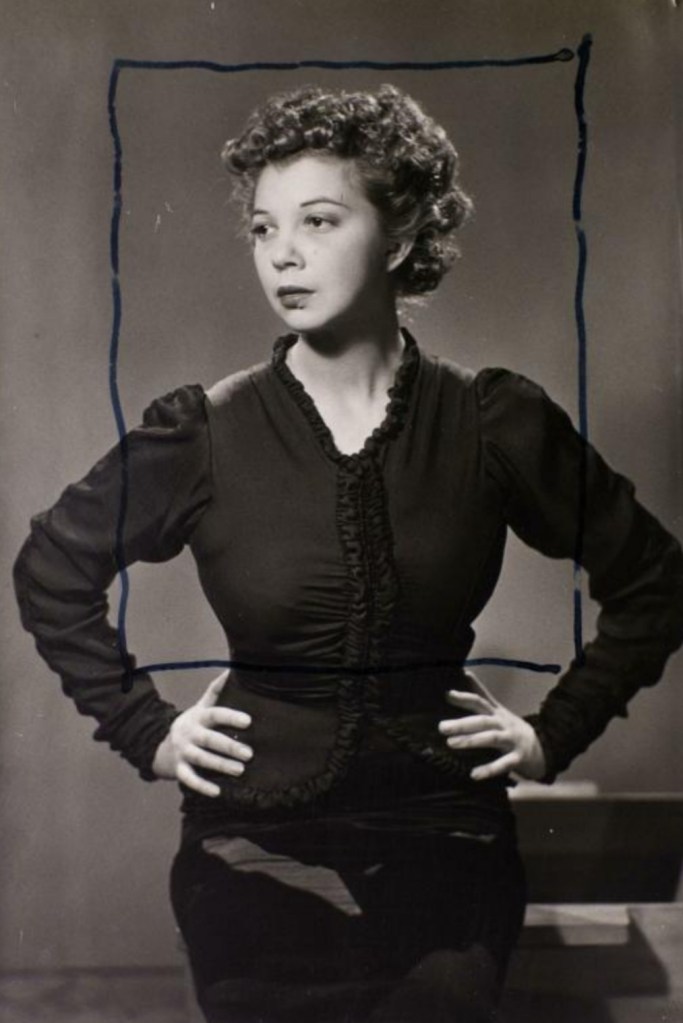
Man Ray. The actress Rose Wheeler 1930

Vassily Kandinsky

Vassily Kandinsky. Little white 1928

Egon Schiele

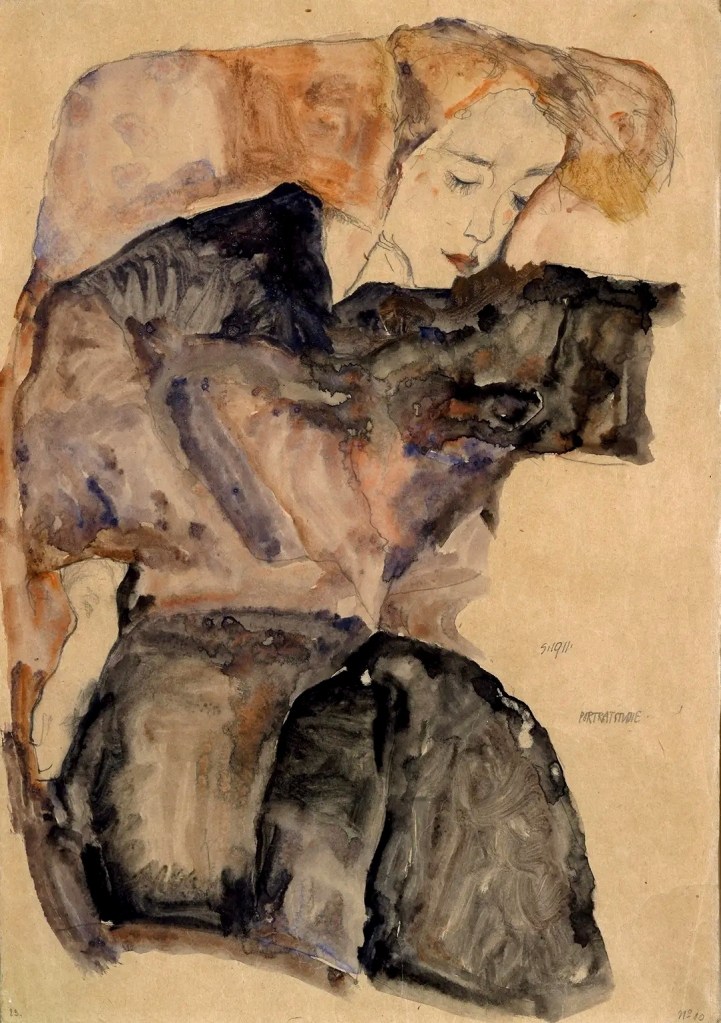
Egon Schiele. Sleeping girl 1911

Egon Schiele

Egon Schiele. Kneeling nude woman 1912

Egon Schiele

Egon Schiele. Gerti 1909

Egon Schiele

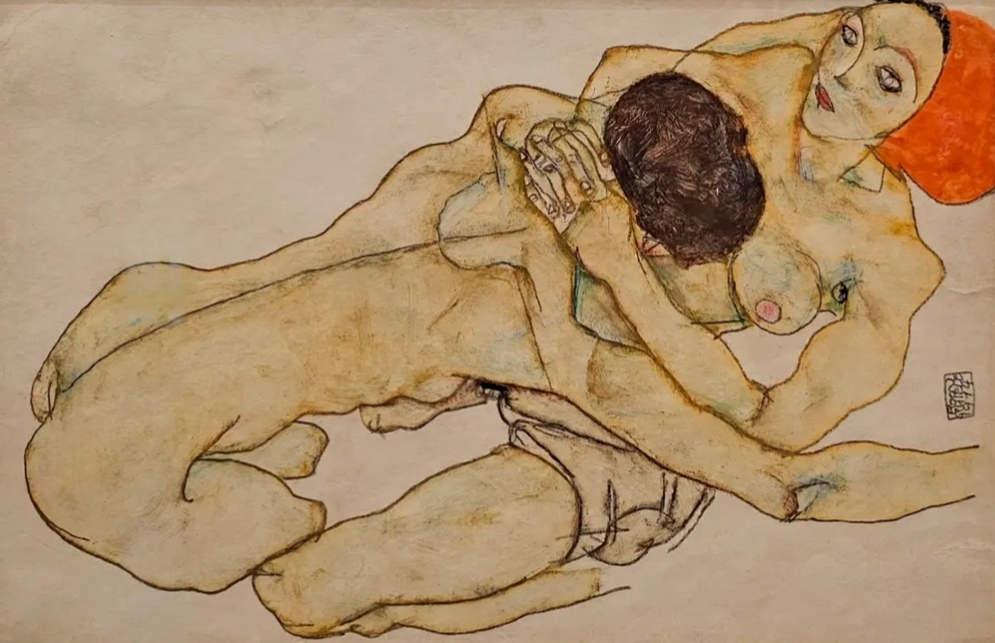
Egon Schiele. Lovers embracing 1914

Egon Schiele

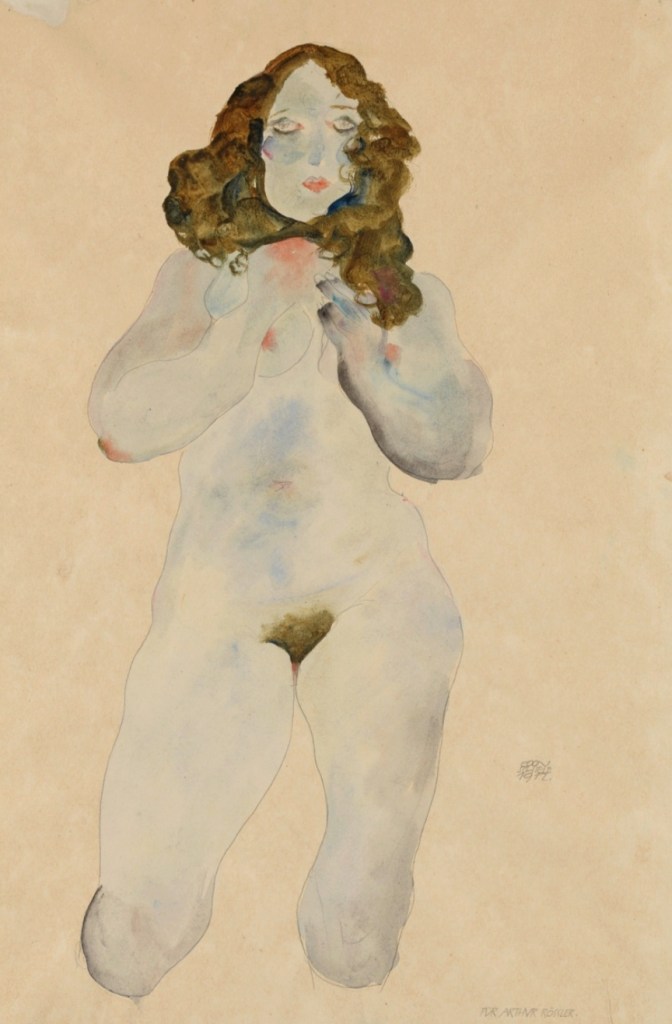
Egon Schiele. Seated nude woman 1912.
Egon Schiele’s nude rises like a sculpture from the paper; but instead of being chiseled out of stone, she is being shaped by pencil and brush.

The reference to sculpture, and more precisely to Rodin, is not a haphazard one. The latter’s sculptural work had been presented at the Secession and was therefore known by the younger generation. Especially Schiele perceived it as a revelation in his search for a new idea of human representation.

The present work dates from 1912, the year in which Wally Neuzil became his trusted companion. It is entirely possible that she was the model for the present drawing.

Gustav Klimt

Gustav klimt. Study for the bride 1917

Lee Miller

Lee Miller. Dora Maar, Mougins 1937

Sonia Delaunay

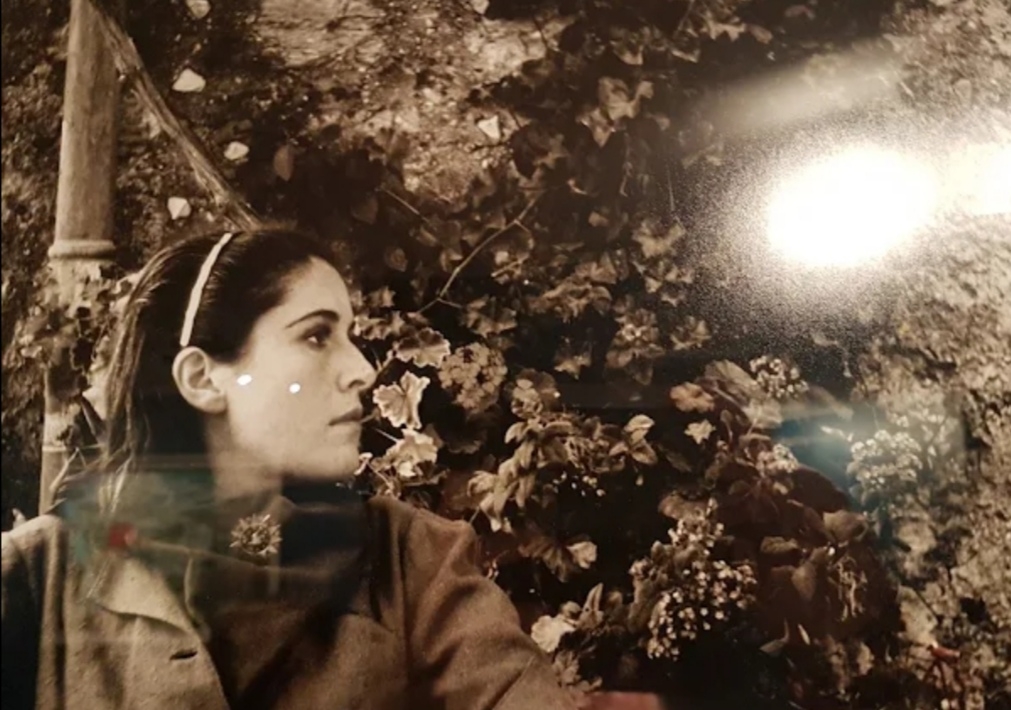
The painter Sonia Delaunay wearing Casa Sonia creations, Madrid 1920

Otto Engels

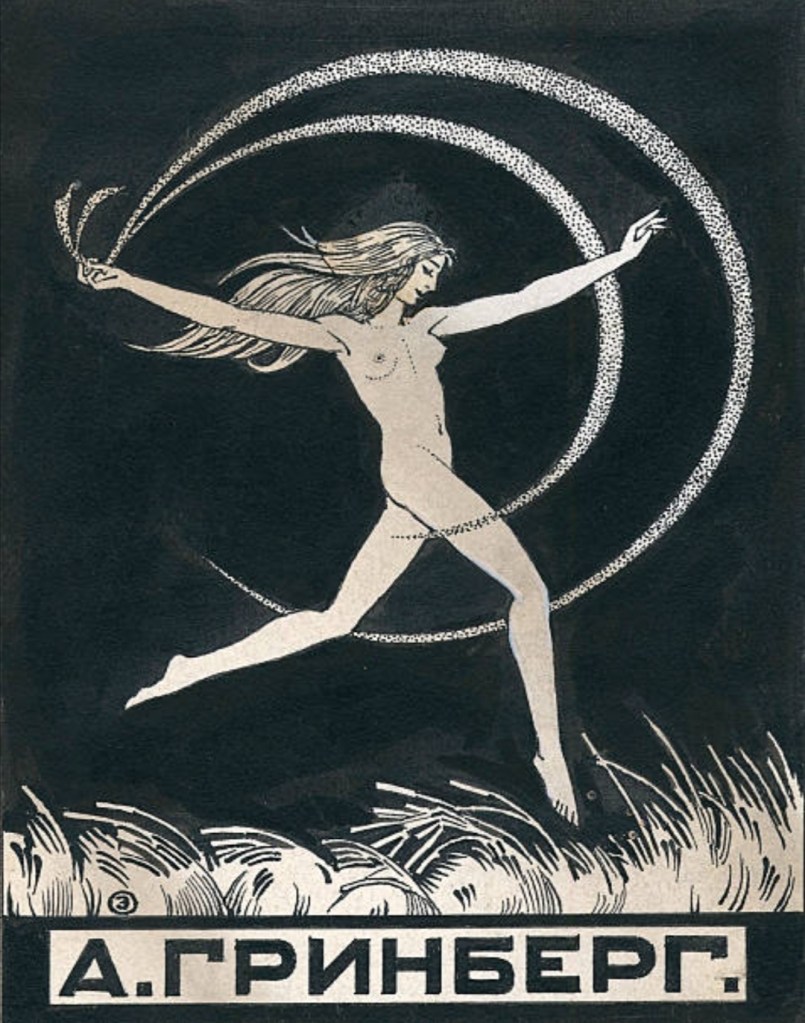
Otto Engels. Ex-libris for Alexander Grinberg 1926

Man Ray

Man Ray. Study for Harper’s Bazaar 1935

Man Ray

Man Ray. The surrealist painter Leonor Fini 1937-1939

Francis Bacon

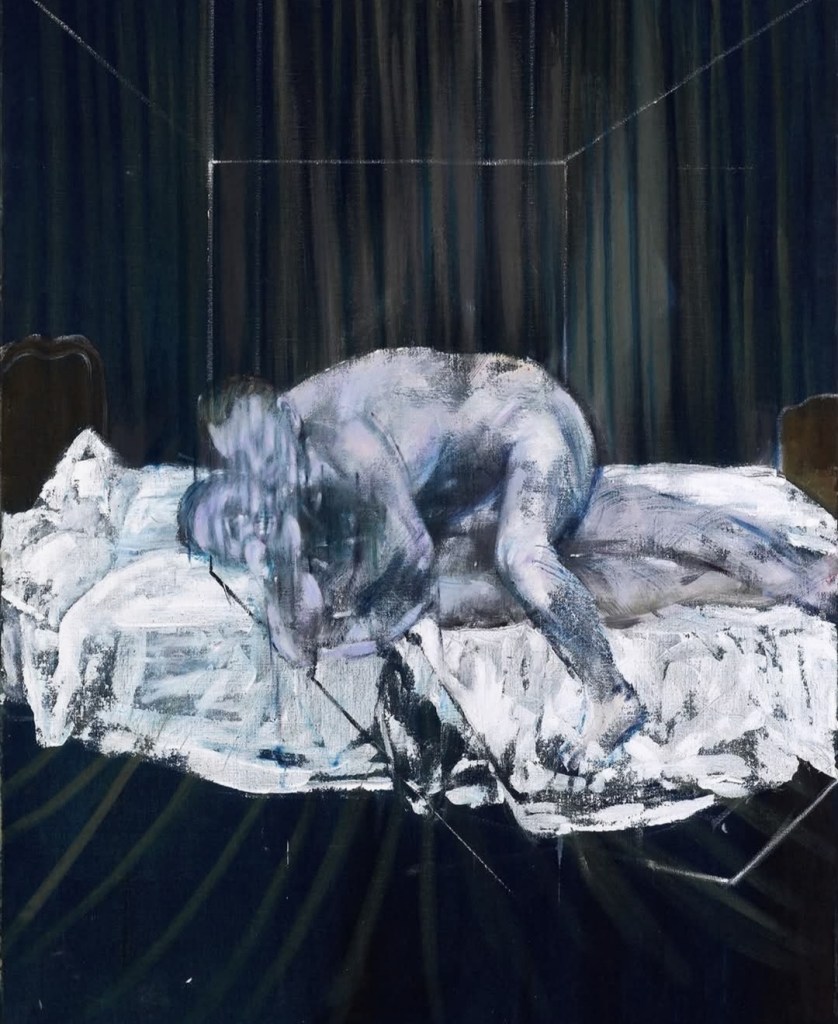
Francis Bacon. Two figures 1953

Francis Bacon

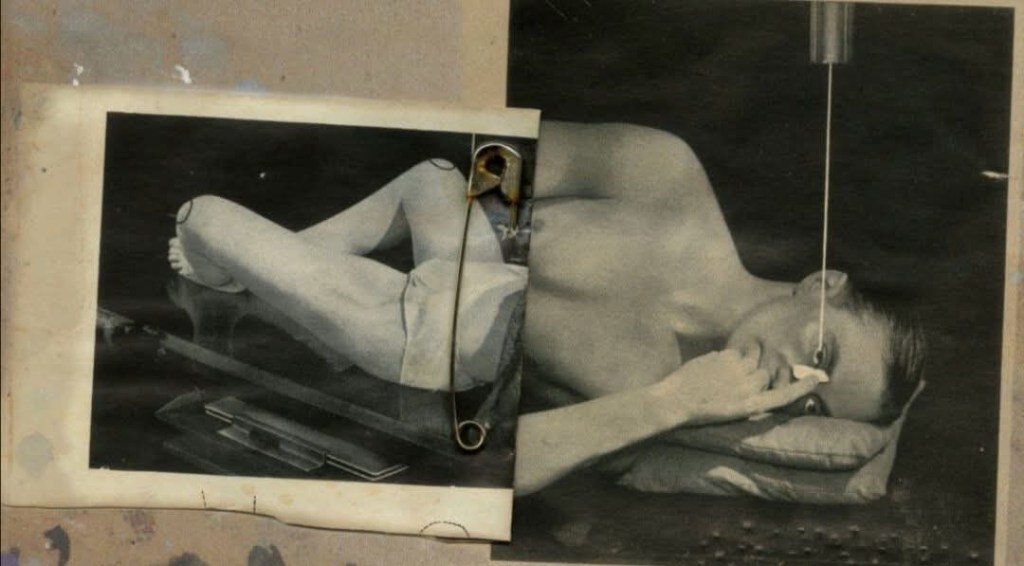
Francis Bacon. Studio equipment, two plates fixed by a safety pin, positioning in radiography 1939

Vassily Kandinsky

Vassily Kandinsky. Mood line 1927

Vaslav Nijinski

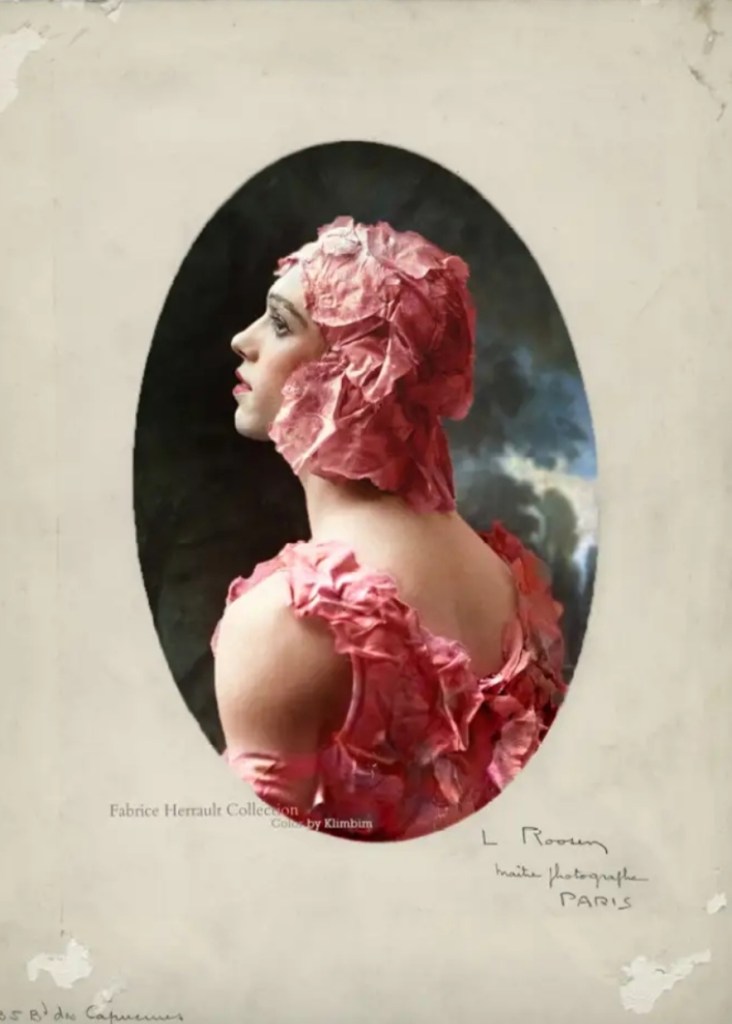
The dancer Vaslav Nijinski in The Specter of the Rose 1911. Costume by Léon Bakst.

Léon Bakst

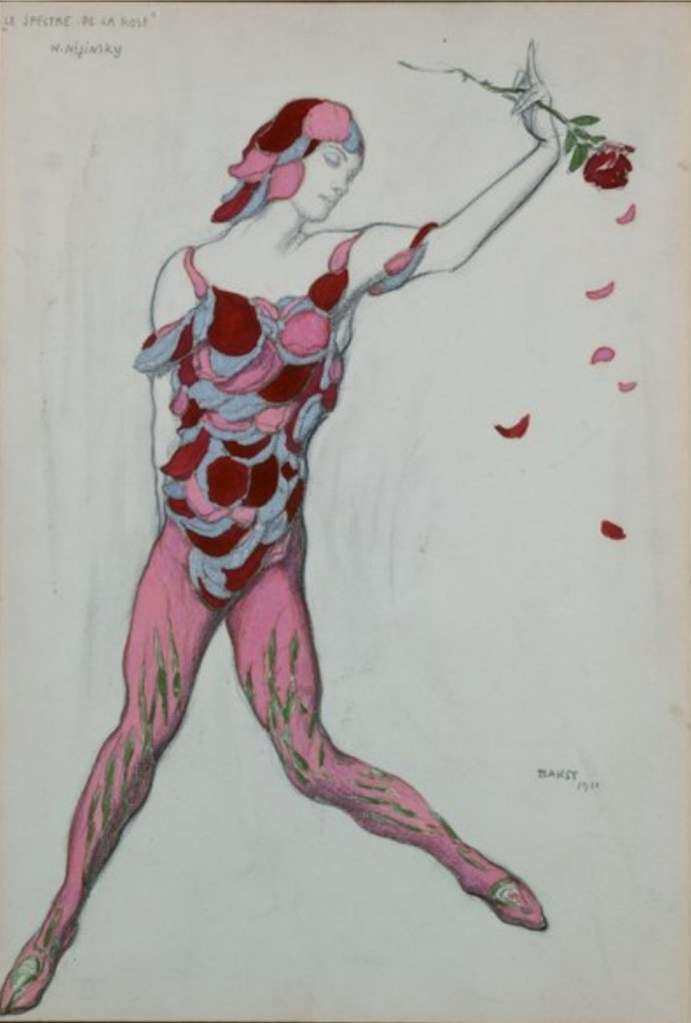
Léon Bakst. Costume designed for Vaslav Nijinski in The Specter of the Rose 1911

Vaslav Nijinski

The dancer Vaslav Nijinski in The Specter of the Rose 1911. Costume by Léon Bakst.

The dancer Vaslav Nijinski in The Specter of the Rose 1911. Costume by Léon Bakst.

Barbara Ker-Seymer

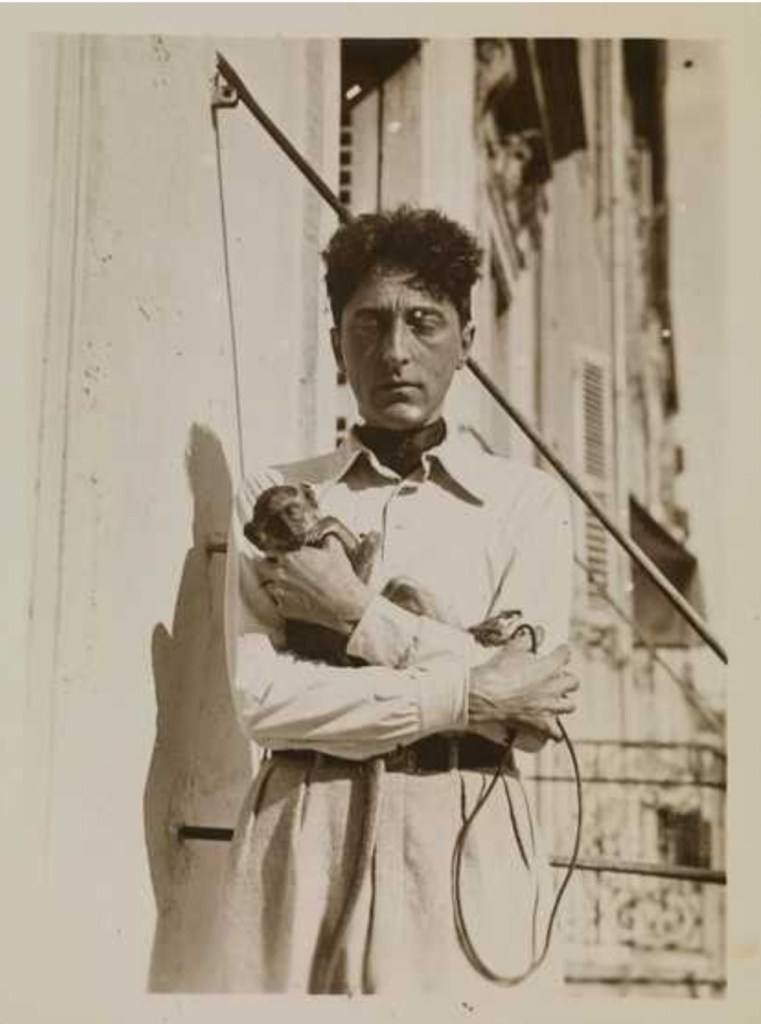
Barbara Ker-Seymer. Jean Cocteau 1931

Barbara Ker-Seymer. Jean Cocteau 1931

Max Ernst

Max Ernst. Earth seen from Venus 1962. Oil on wooden panel

Man Ray

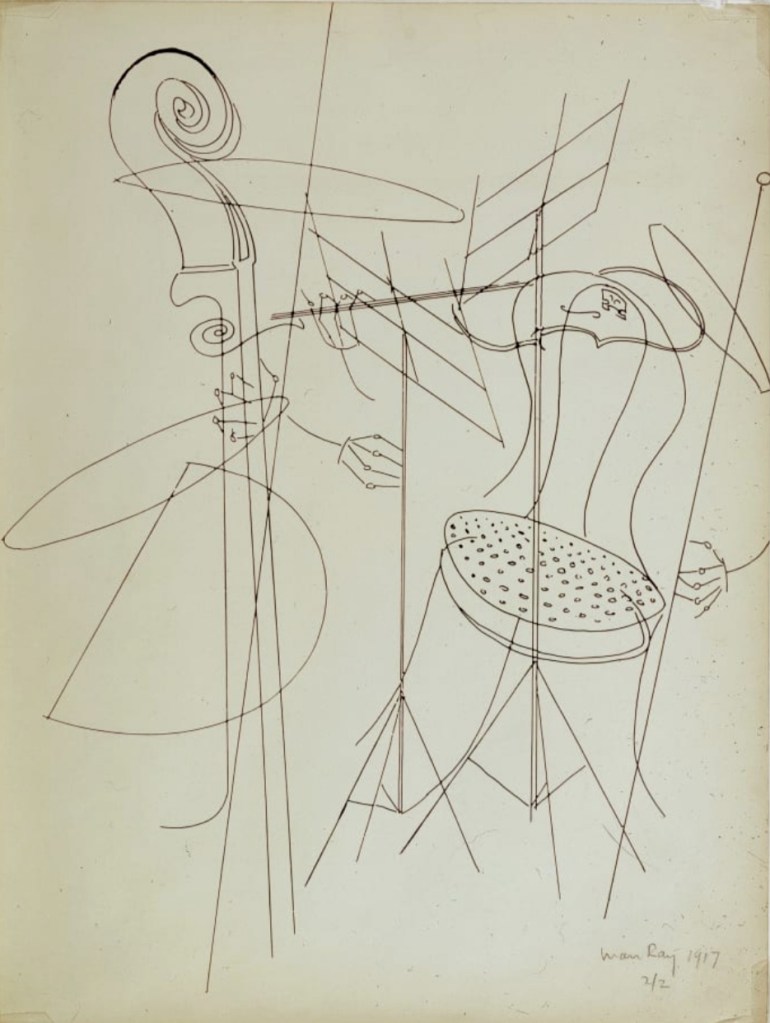
Man Ray. Quartet 1917

Alberto Burri

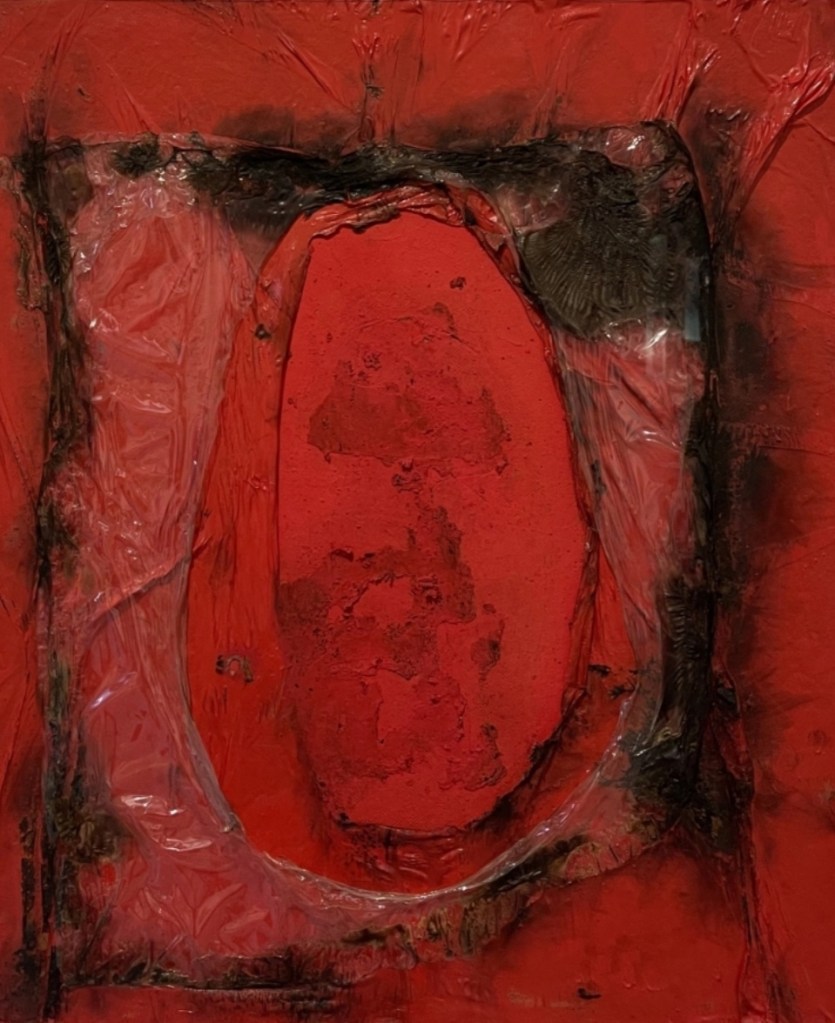
Alberto Burri. Red plastic 1961

Edvard Munch

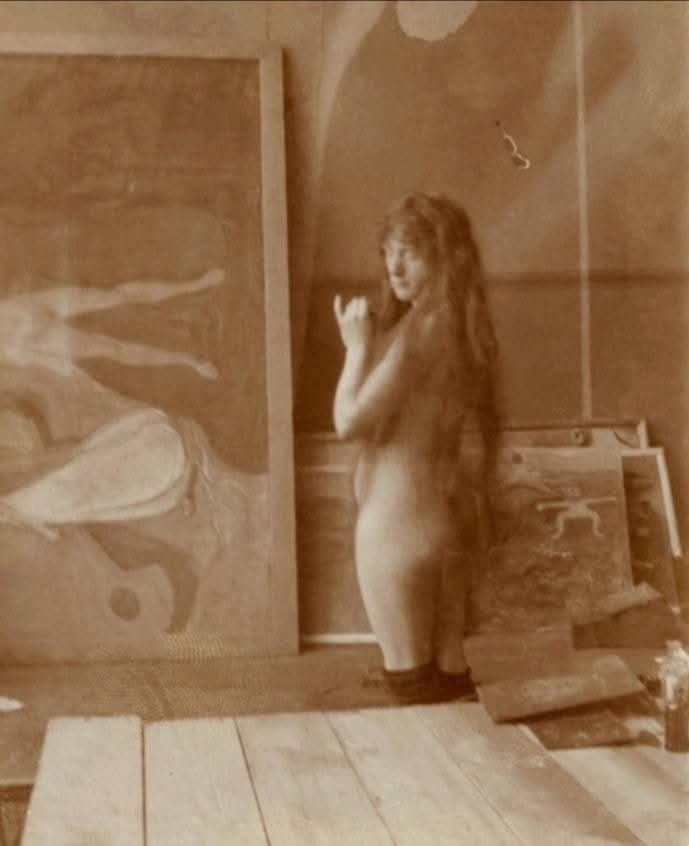
Edvard Munch. Model in studio 1902

Laszlo Moholy Nagy

Tribute to Laszlo Moholy Nagy.
László Moholy-Nagy is known for his participation in various avant-garde movements in the interwar period, in which he was associated with members of Dadaism, Constructivism, and De Stijl. He explored new photography techniques by designing photograms. At the request of the founder and director of the Bauhaus school, Walter Gropius, the artist became a teacher there in 1923, receiving the title of Master. He left the school in 1928 and moved to the United Kingdom in 1934. There, he continued his artistic experimentation and worked in advertising. In 1937, he moved to the United States to open the New Bauhaus school in Chicago.
Laszlo Moholy Nagy

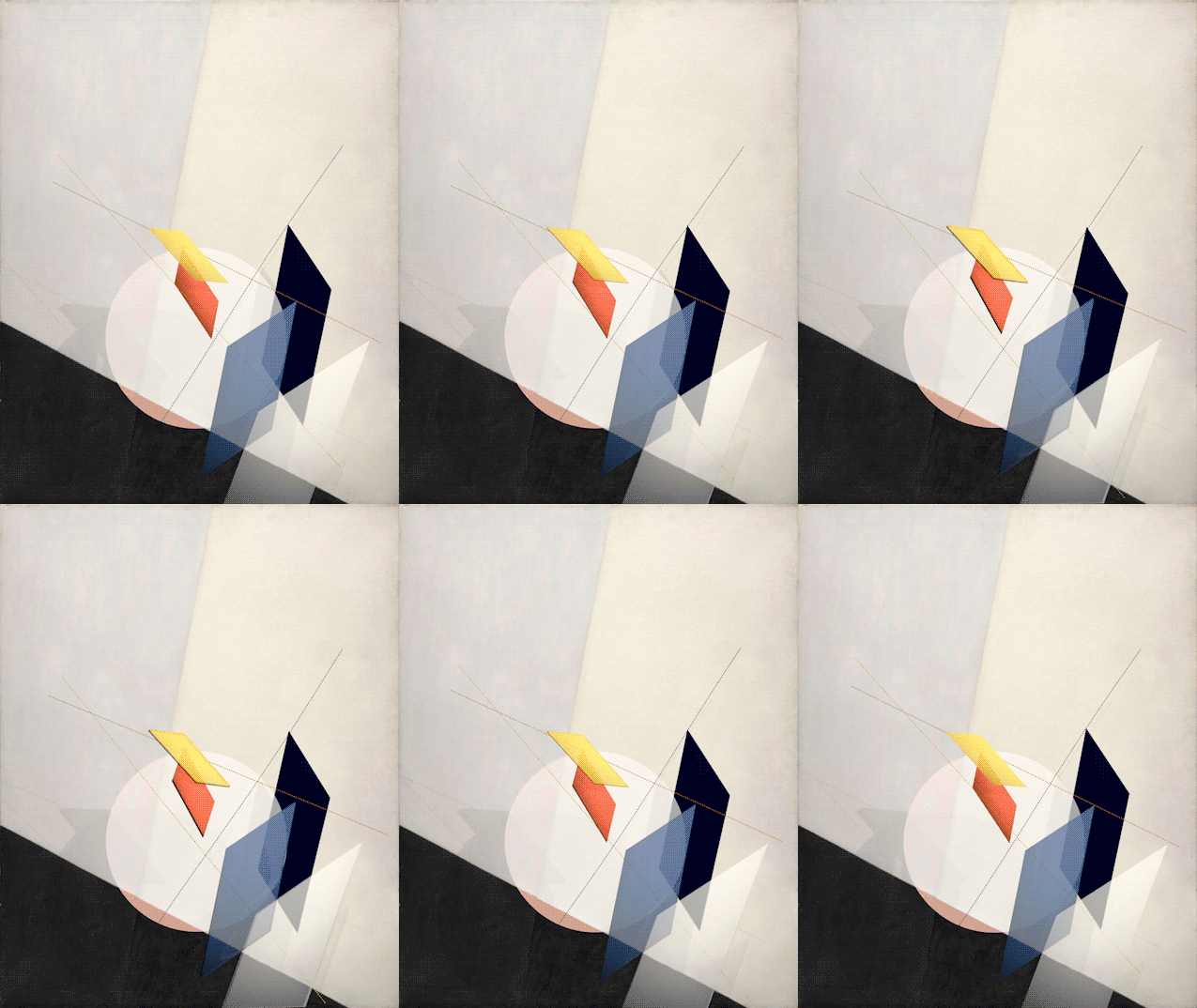
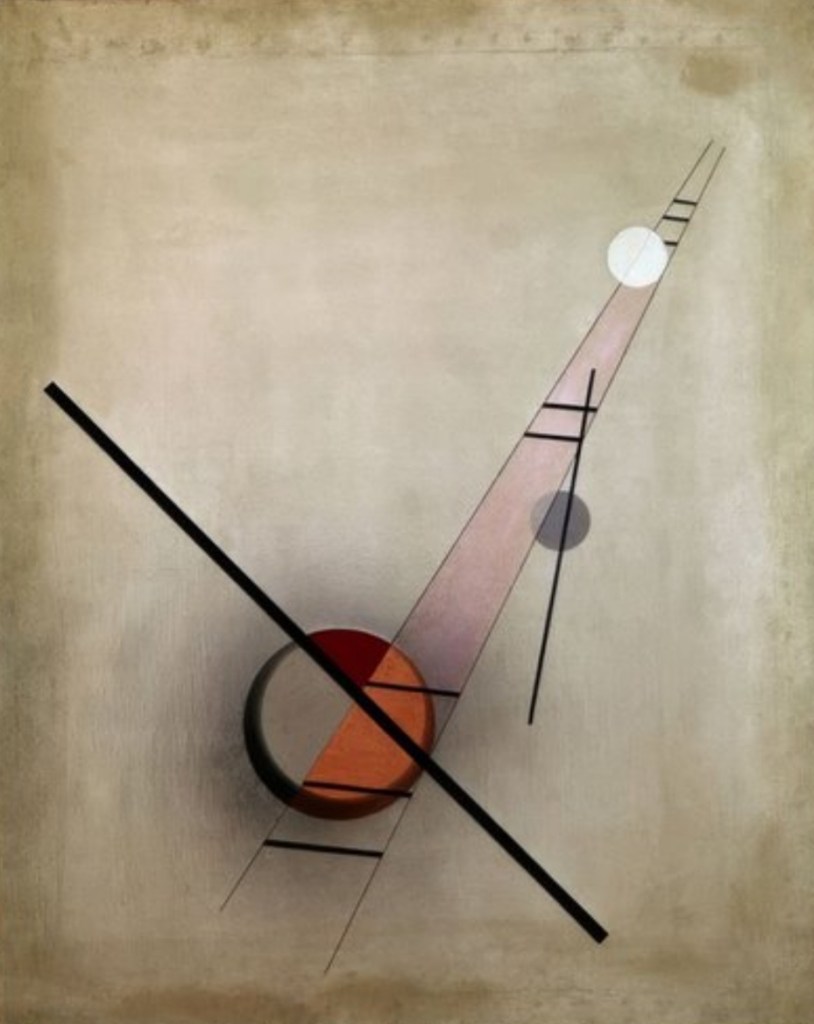
Laszlo Moholy Nagy. Composition Z IV 1923

Laszlo Moholy Nagy. Composition Z IV 1923

Painted in 1923, Z IV demonstrates the artist’s characteristic innovative boldness, establishing a wonderful dialogue between the black diagonal bar and the abstract ray of light interspersed with vertical black lines and three colored dots. Moholy-Nagy was convinced that current art must be part of contemporary reality in order to convey meaning to its audience, which was in the grip of new technological advances. He therefore considered traditional figurative painting obsolete and turned to pure geometric abstraction, influenced by Russian constructivists such as Malevich and El Lissitsky. In this work, Moholy-Nagy explores a way of representing light on the painted canvas: the colored circles appear translucent when one plane is superimposed on the next, their hues changing accordingly. These intersecting, transparent forms read like converging beams of light.

Vassily Kandinsky

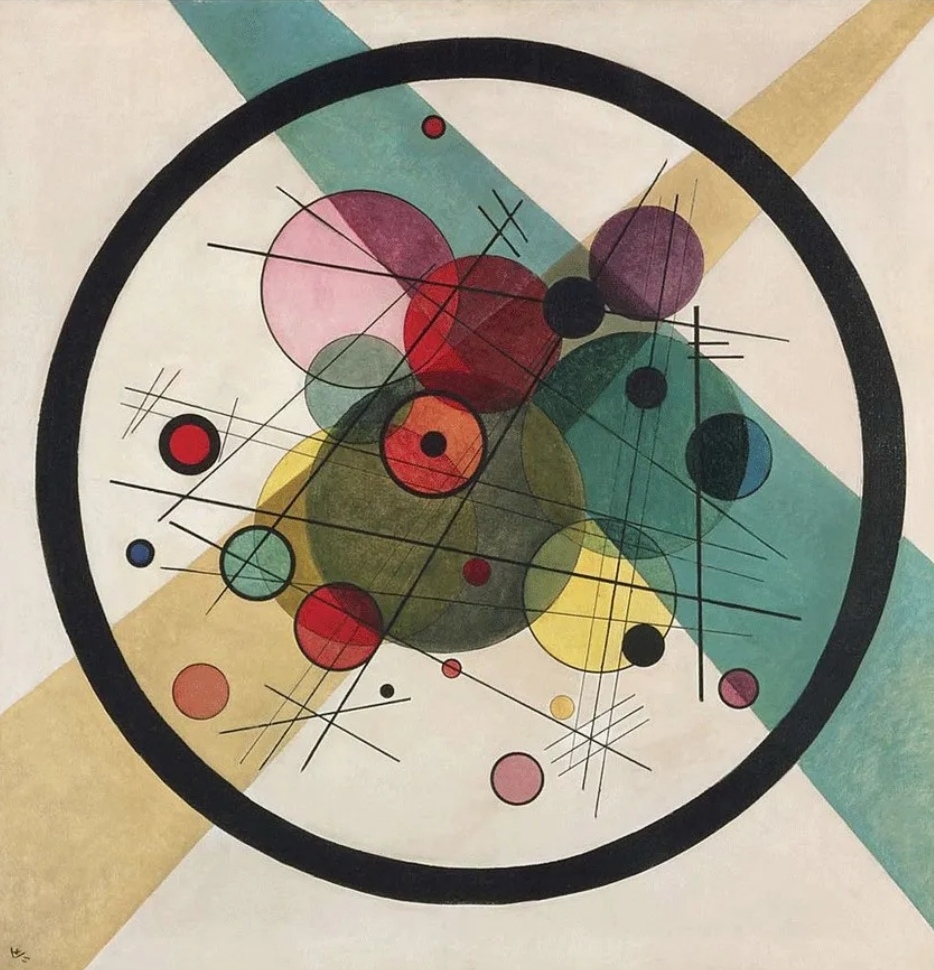
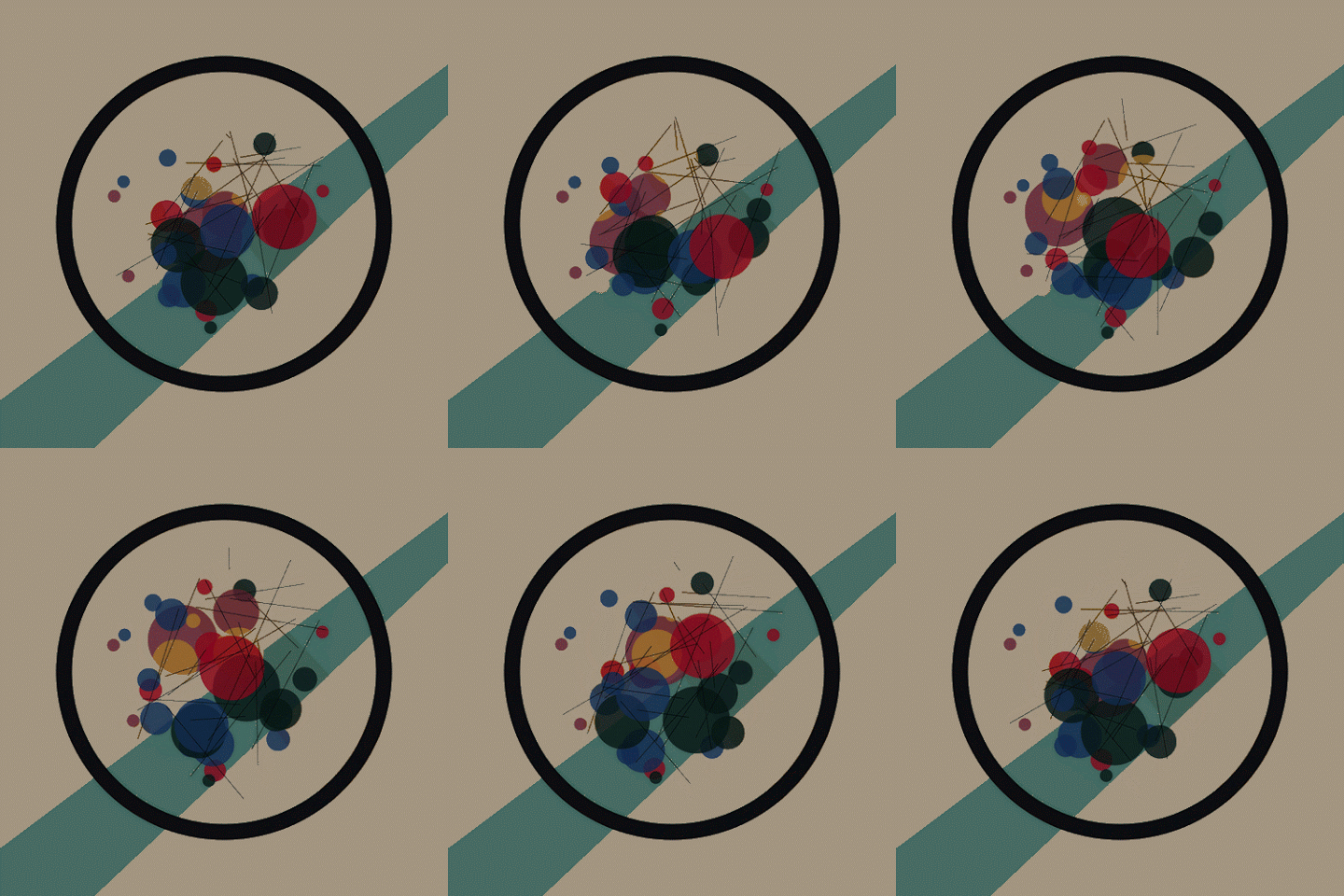
Vassily Kandinsky. Circles in the circle 1923.
This painting reflects his unwavering belief that certain shapes and colors represent emotions that can be coded and brought together into a whole, reflecting the unity of the universe.
Twenty-six intersecting circles of varying sizes and shades are surrounded by the black circle, several of which are connected by straight black lines. Two beams of yellow and blue light emanating from the upper corners intersect toward the center, altering the colors of the circles as they meet.
The artist states: « A circle is a combination of the most extreme opposites. Combining the eccentric and the concentric into a single shape and balancing it with another. » The black outer circle, as if it were the second image, focuses on the interaction between the inner circles, as well as two diagonal bands that intersect to enhance the effect of perspective in the composition.

Man Ray

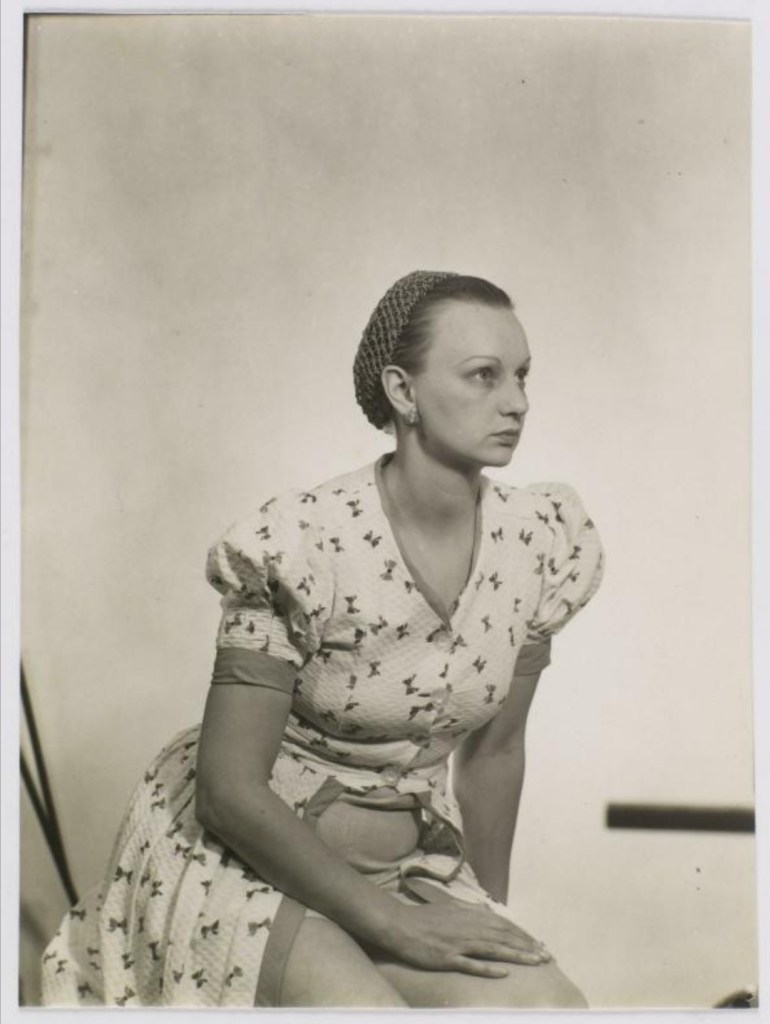
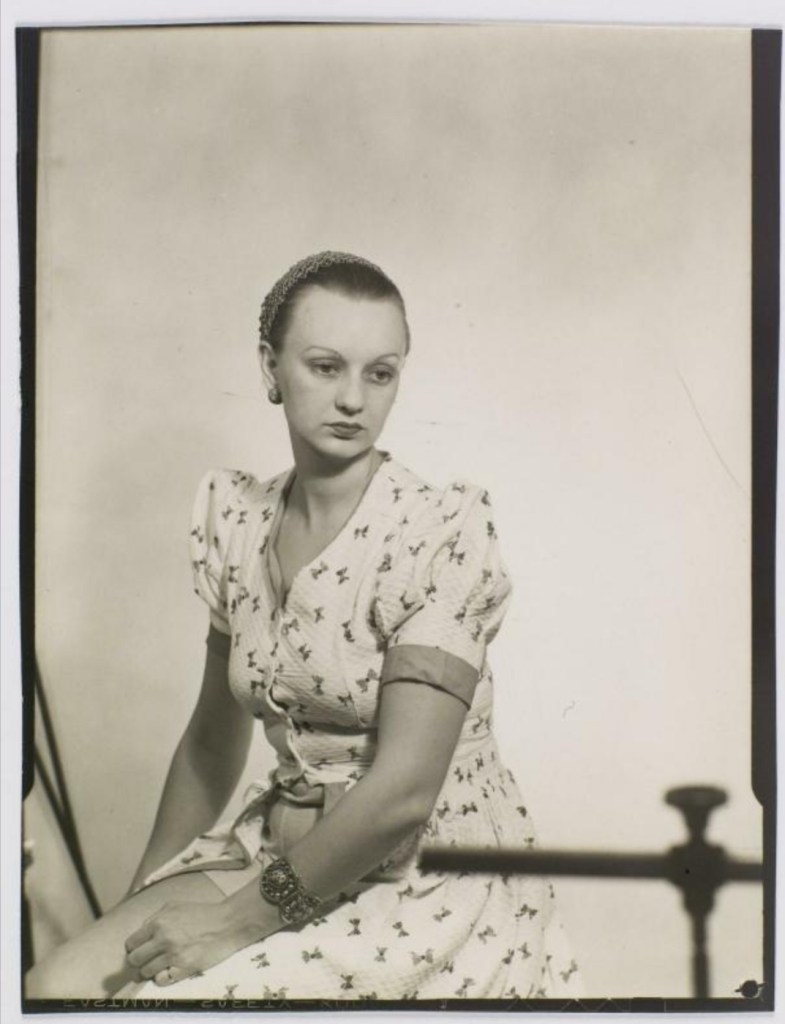
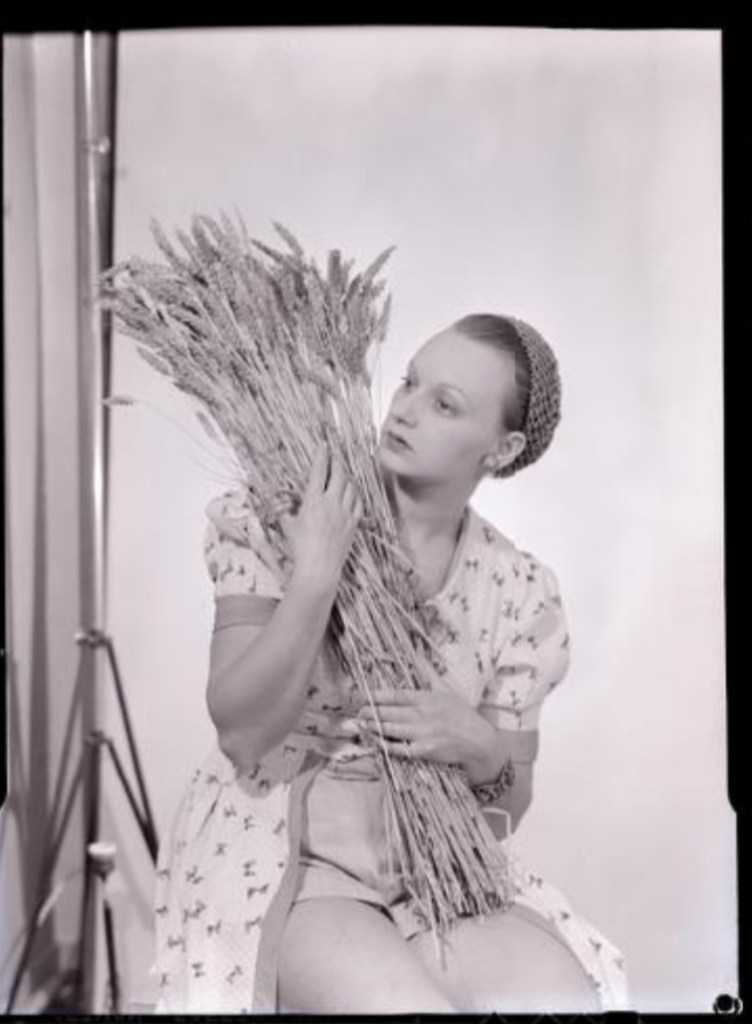
Man Ray. The painter and writer Ithell Colquhoun 1932

Man Ray. The painter and writer Ithell Colquhoun 1932

Man Ray. The painter and writer Ithell Colquhoun 1932

Man Ray

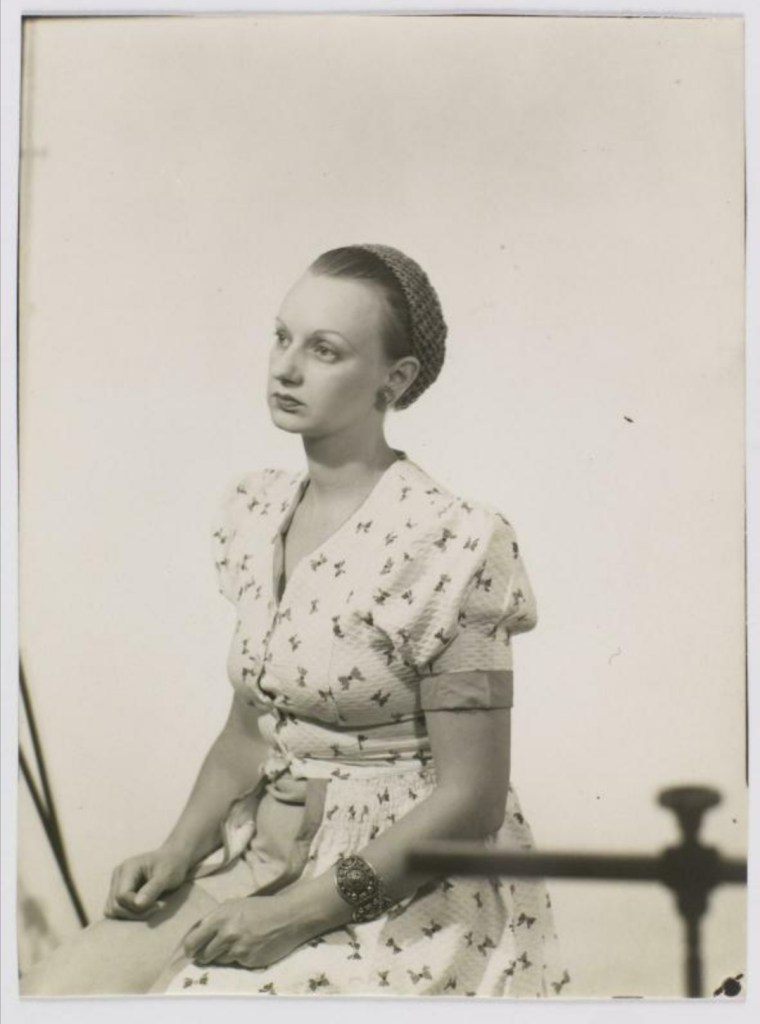
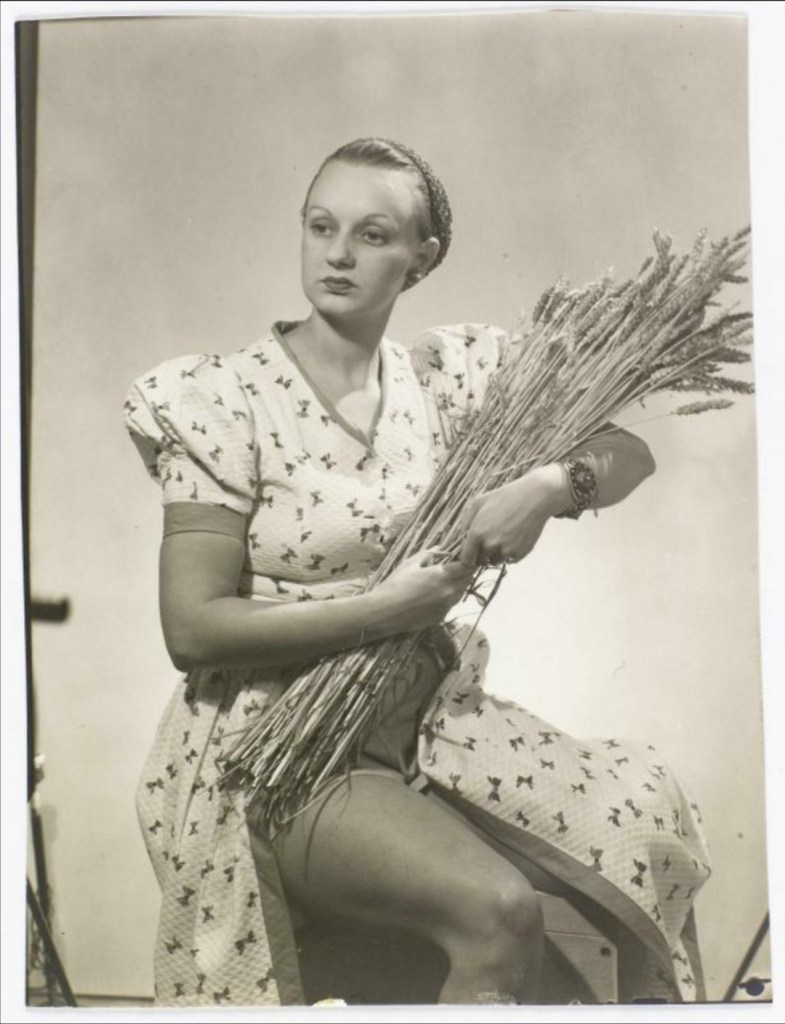
Man Ray. The painter and writer Ithell Colquhoun 1932

Man Ray. The painter and writer Ithell Colquhoun 1932

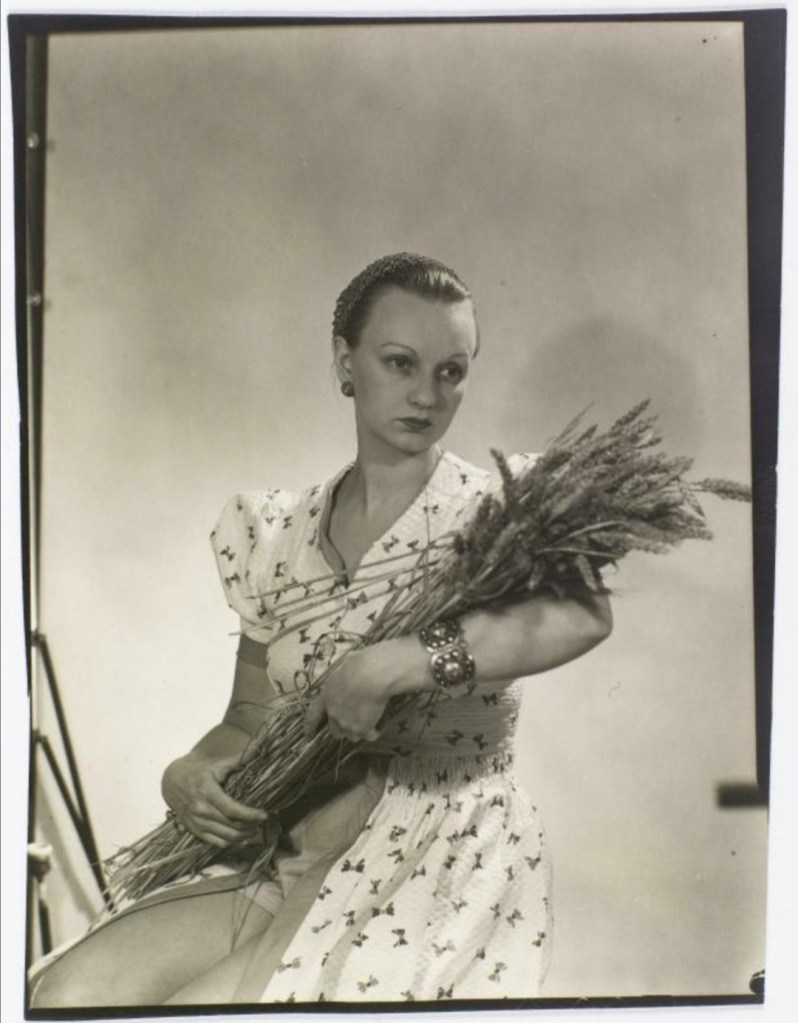
Man Ray. The painter and writer Ithell Colquhoun 1932

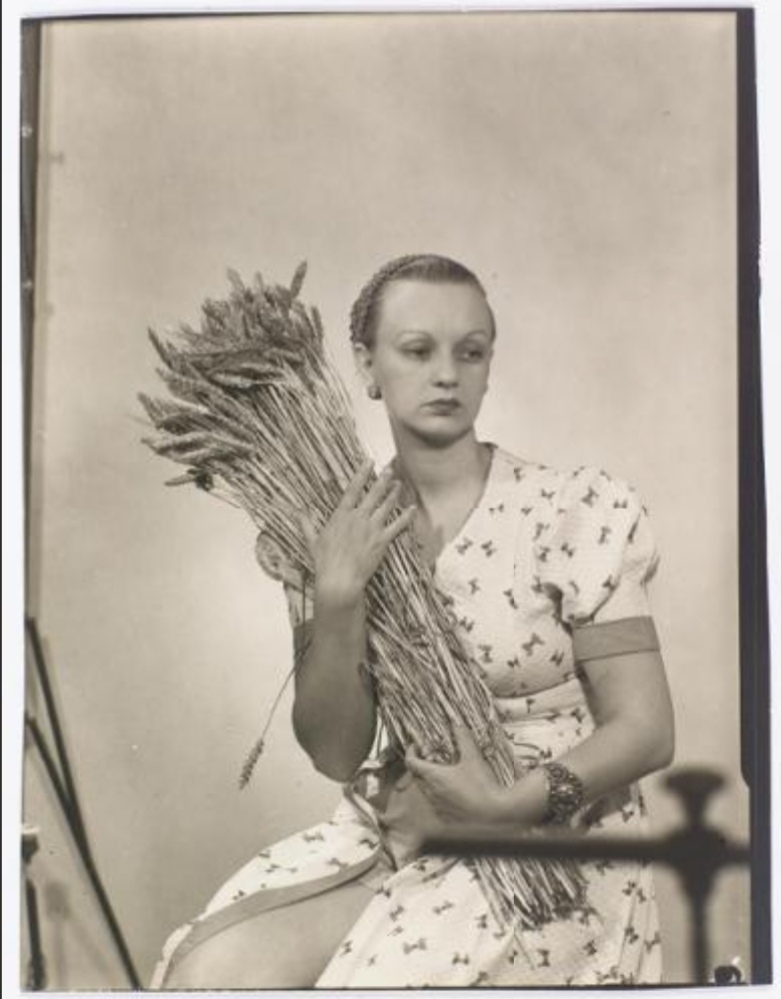
Man Ray. The painter and writer Ithell Colquhoun 1932

Vassily Kandinsky

Tribute to Vassily Kandinsky

Vassily Kandinsky

Vassily Kandinsky. Darkness 1943

Edvard Munch

Edvard Munch. Life and death 1894

Pablo Picasso

Pablo Picasso. At circus 1905

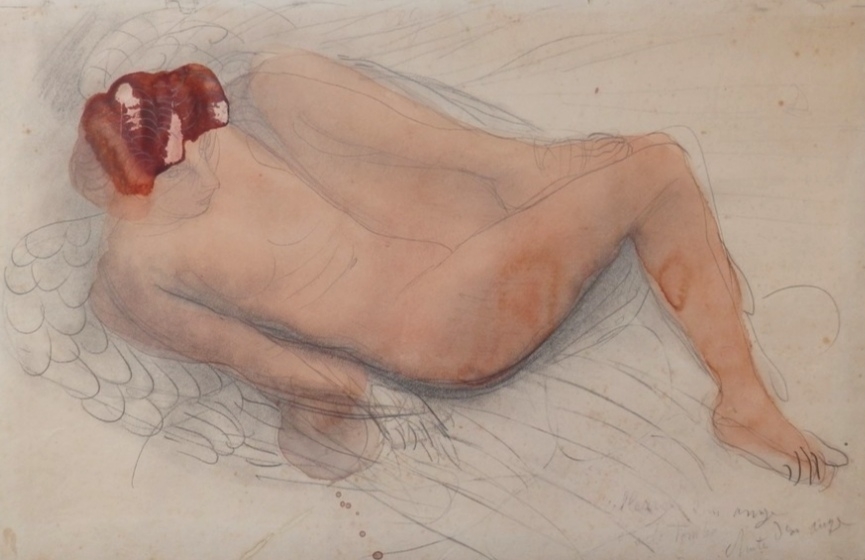
Auguste Rodin

Auguste Rodin. Fallen angel 1890-1900

Egon Schiele

Egon Schiele, The Self, Eros and Death

As a visual poet, Egon Schiele invented a style capable of expressing his tormented ego, his vigorous libido as an anguished adolescent and his anger at the precariousness of life.

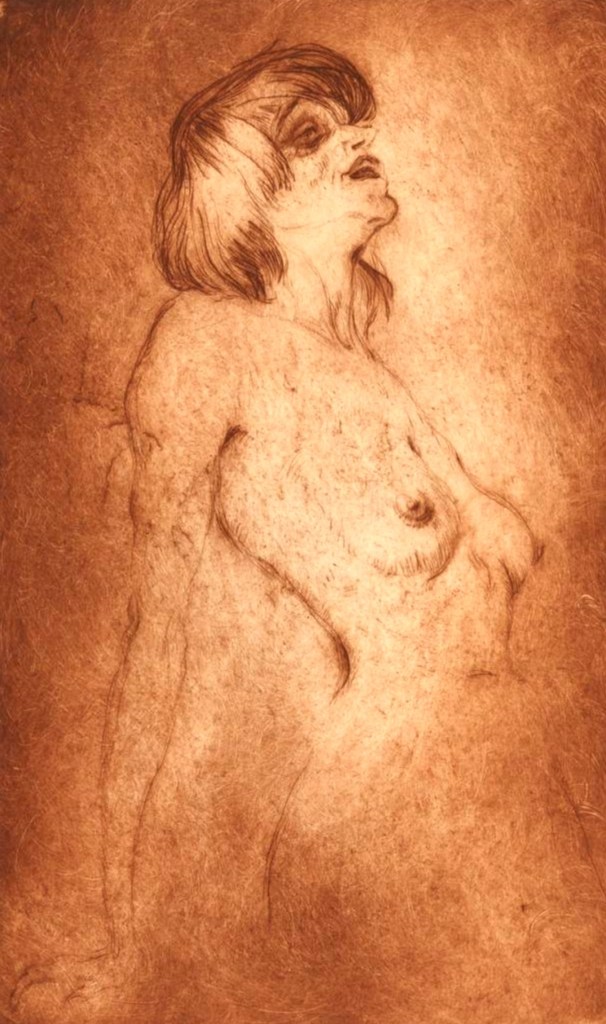
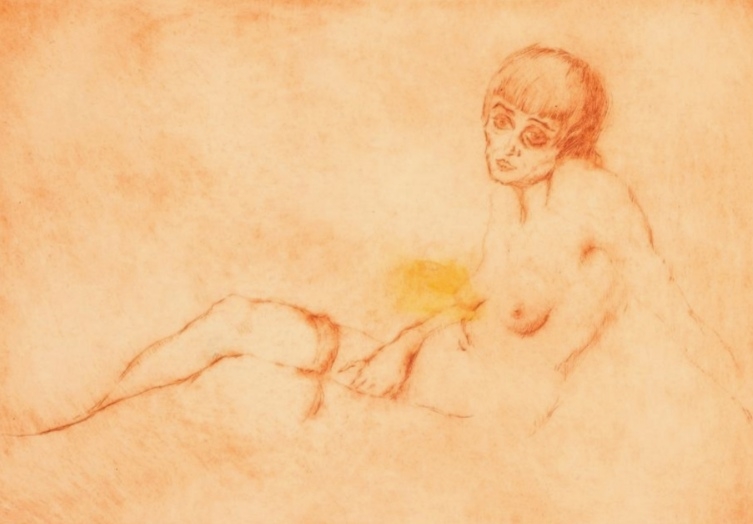
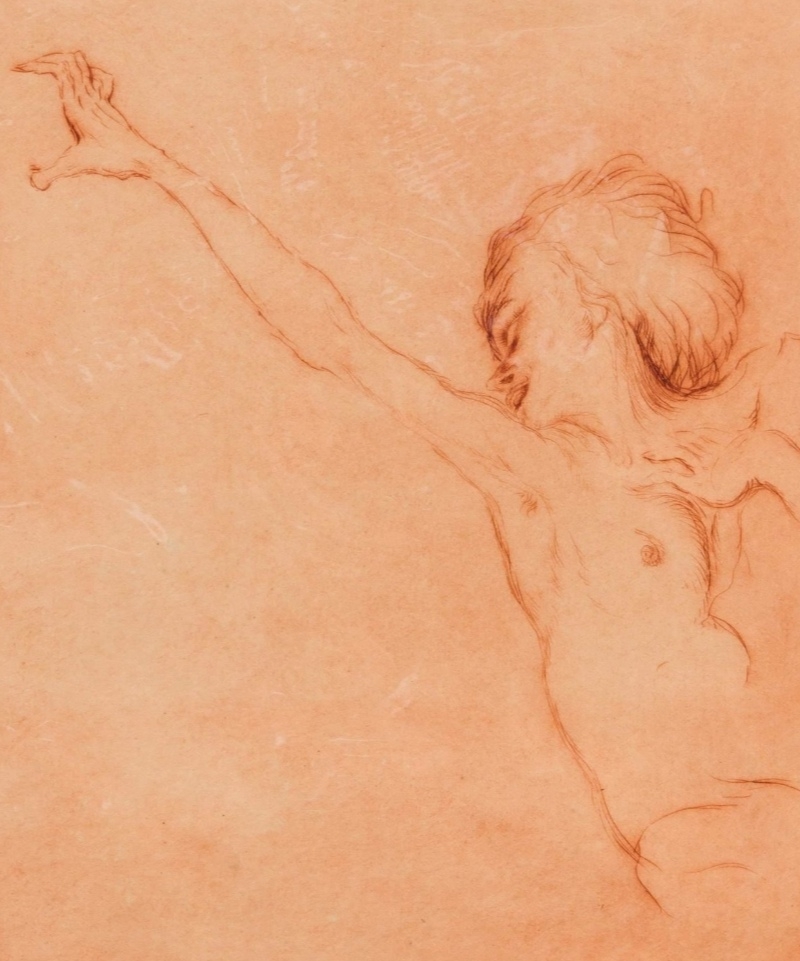
Reinhold Rudolf Junghanns

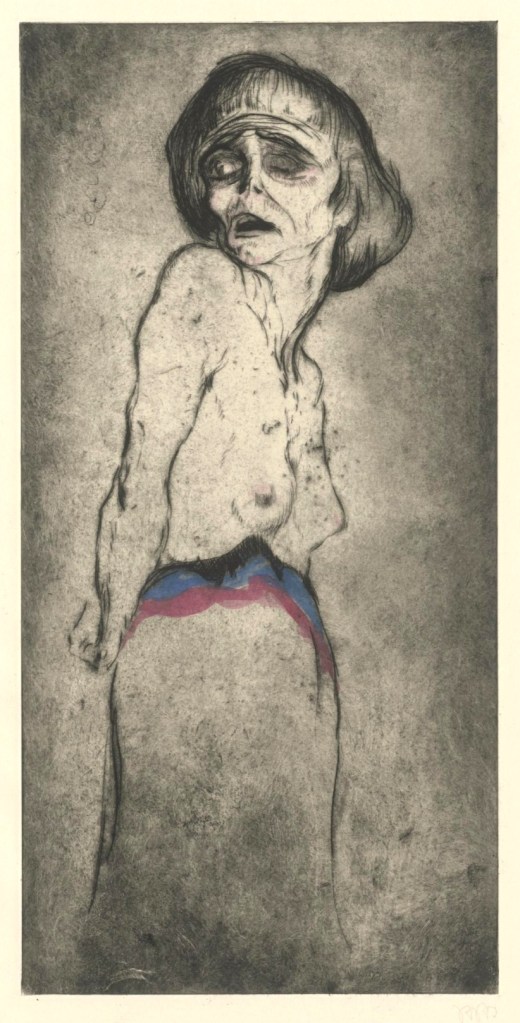
Reinhold Rudolf Junghanns. Portrait of Emmy Hennings 1913. Etching

Reinhold Rudolf Junghanns

Reinhold Rudolf Junghanns. Portrait of Emmy Hennings 1913. Etching

Reinhold Rudolf Junghanns

Reinhold Rudolf Junghanns. Portrait of Emmy Hennings 1913. Etching

Reinhold Rudolf Junghanns

Reinhold Rudolf Junghanns. Portrait of Emmy Hennings 1913. Etching

Reinhold Rudolf Junghanns

Reinhold Rudolf Junghanns. Portrait of Emmy Hennings 1913. Etching

Reinhold Rudolf Junghanns

Reinhold Rudolf Junghanns. Portrait of Emmy Hennings 1913. Etching

Reinhold Rudolf Junghanns

Reinhold Rudolf Junghanns. Portrait of Emmy Hennings 1913. Etching

Max Ernst

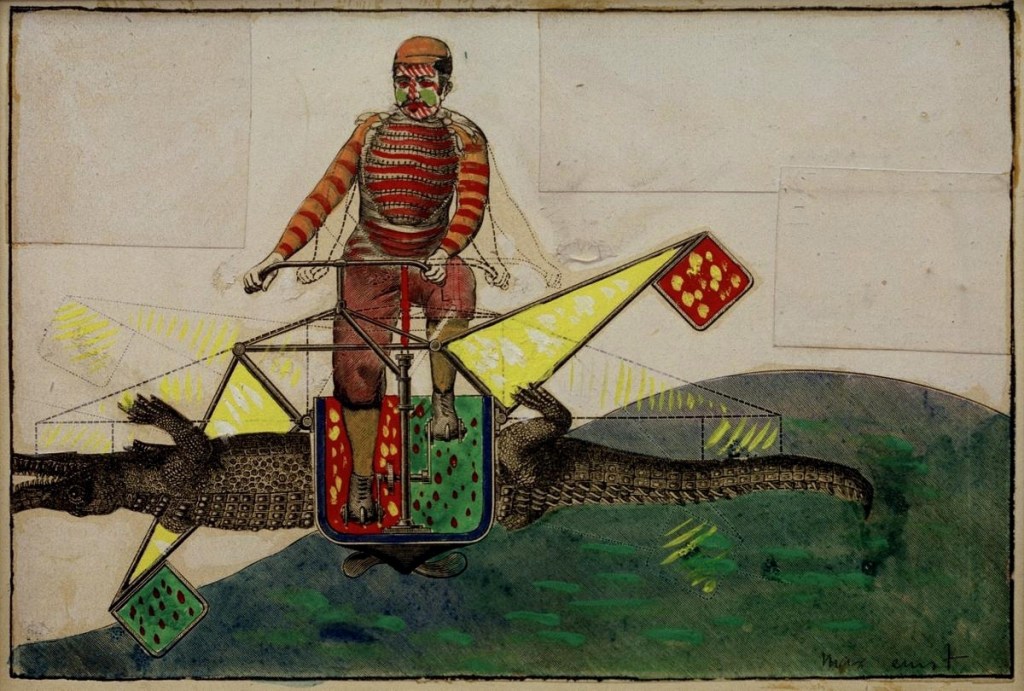
Max Ernst. Broken fans 1922

Egon Schiele

« Everything is living dead » (Egon Schiele)

Egon Schiele

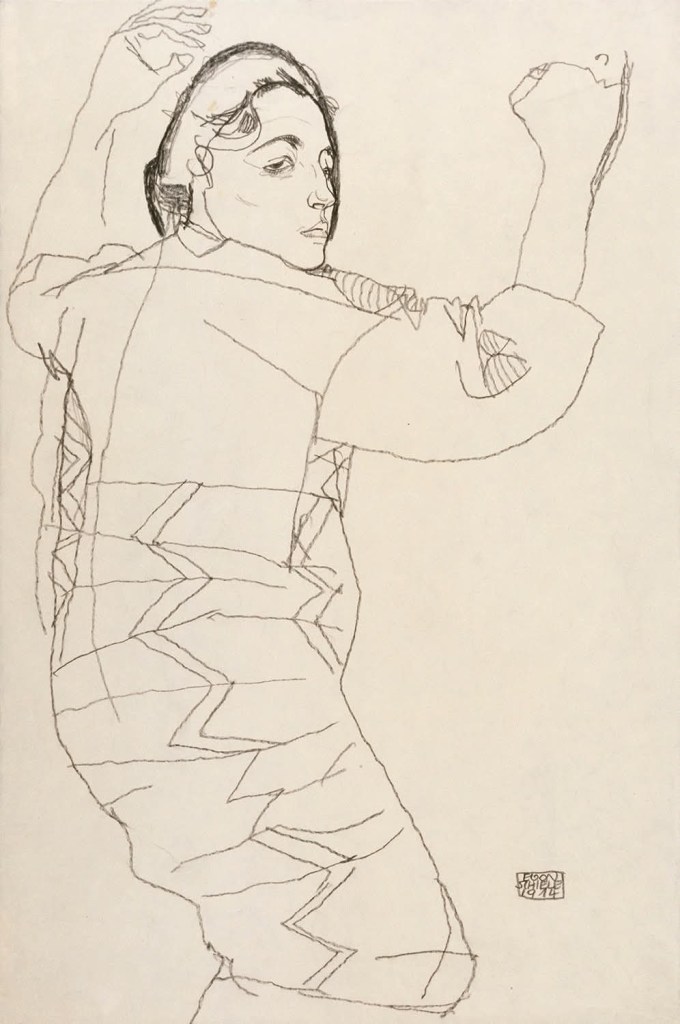
Egon Schiele. Woman with raised hands 1914

Hans Bellmer

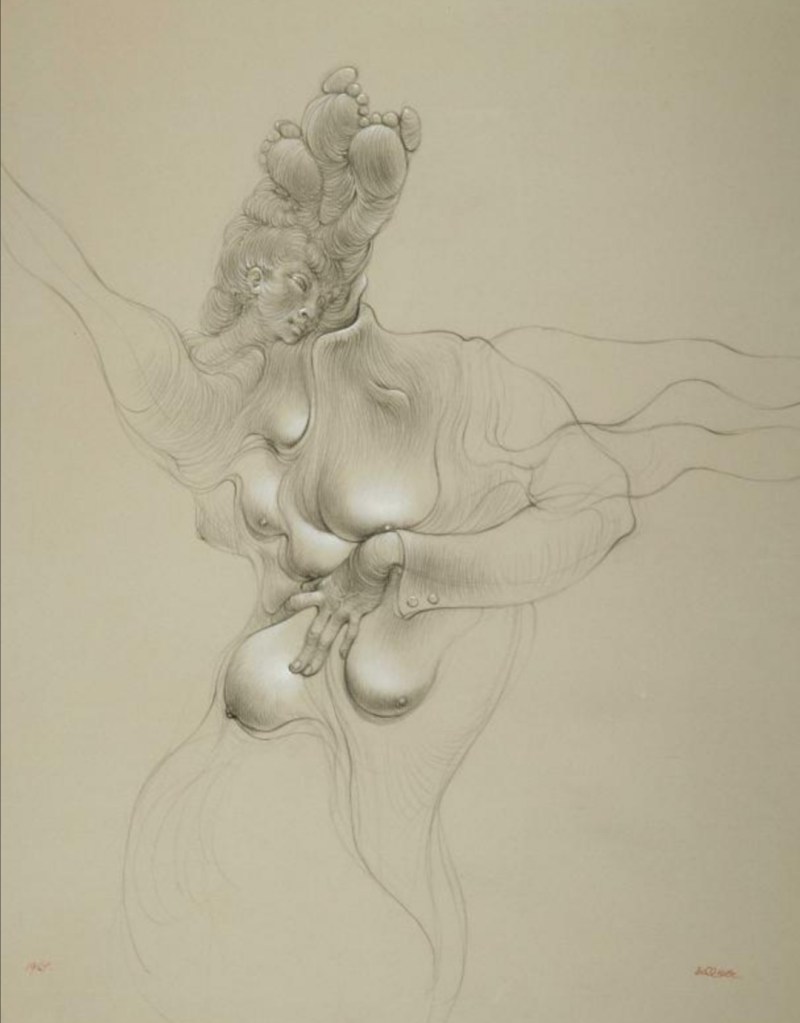
Hans Bellmer. Cephalopod 1942

Edvard Munch

Edvard Munch. Blossom of pain 1898

Edvard Munch

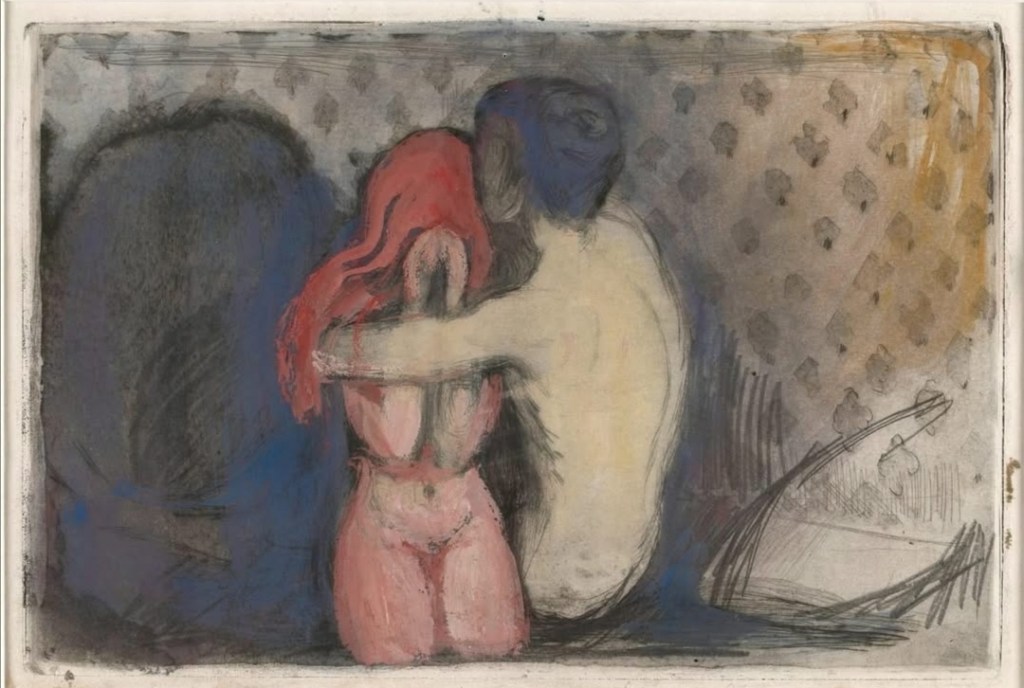
Edvard Munch. Consolation 1894. Hand coloured drypoint, roulette and burnisher on copperplate printed on wove paper

Edvard Munch

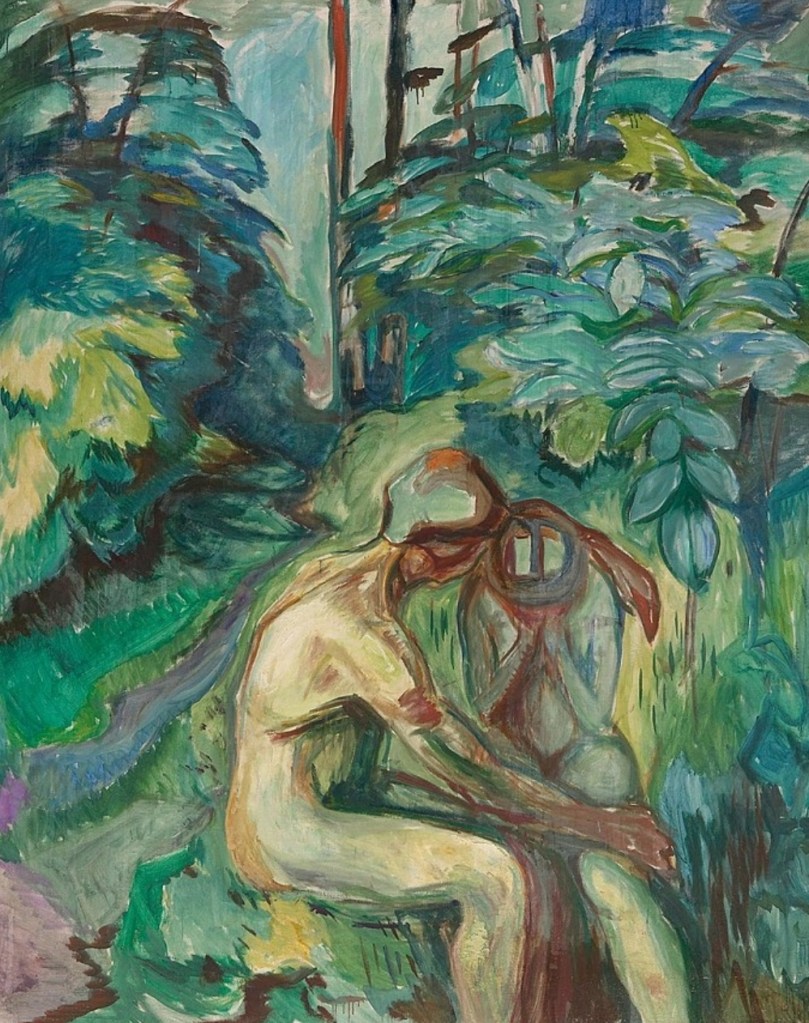
Edvard Munch. Consolation in the forest 1924

Cardwell Higgins

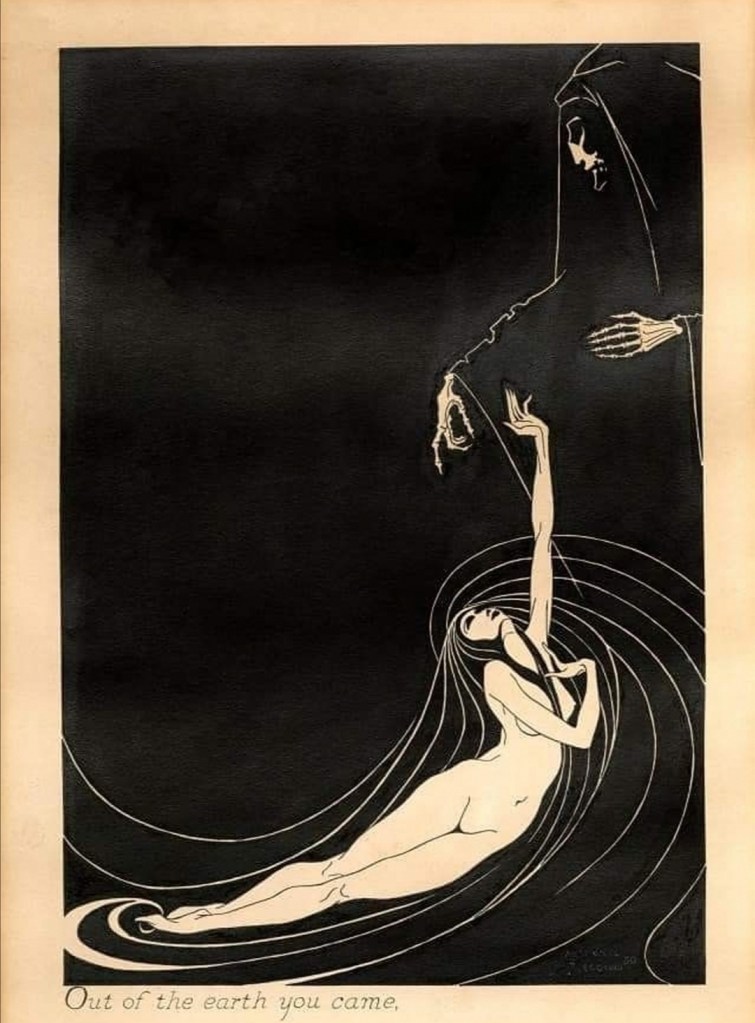
Cardwell Higgins. Out of the earth you came 1930

Johannes Fischer

Johannes Fischer. Double portrait of Egon Schiele with cigarette 1915

Egon Schiele

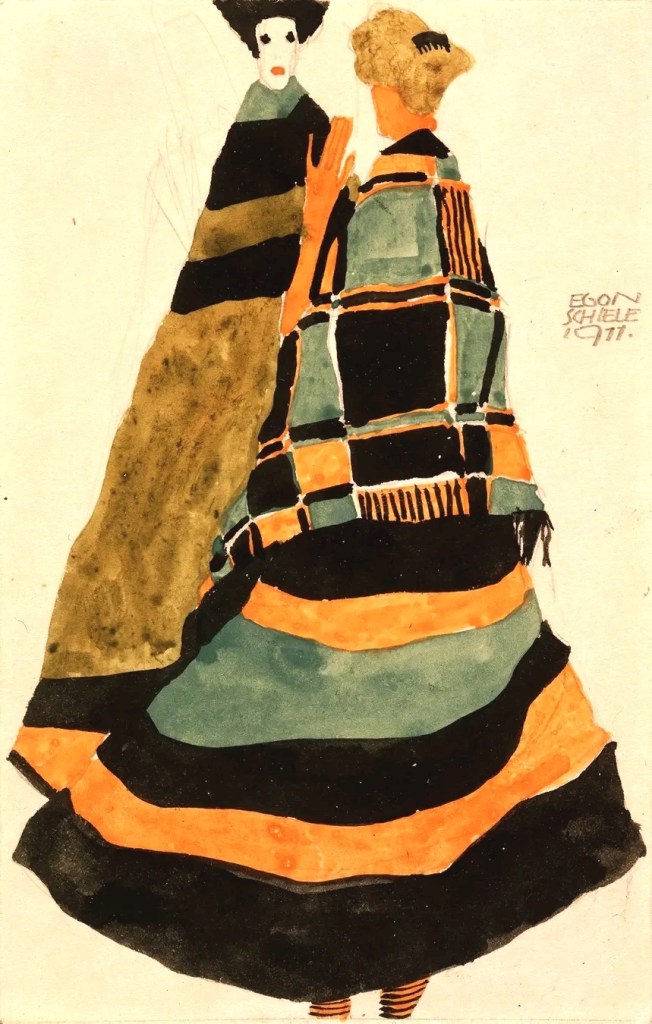
Egon Schiele. Standing women in striped costumes 1911

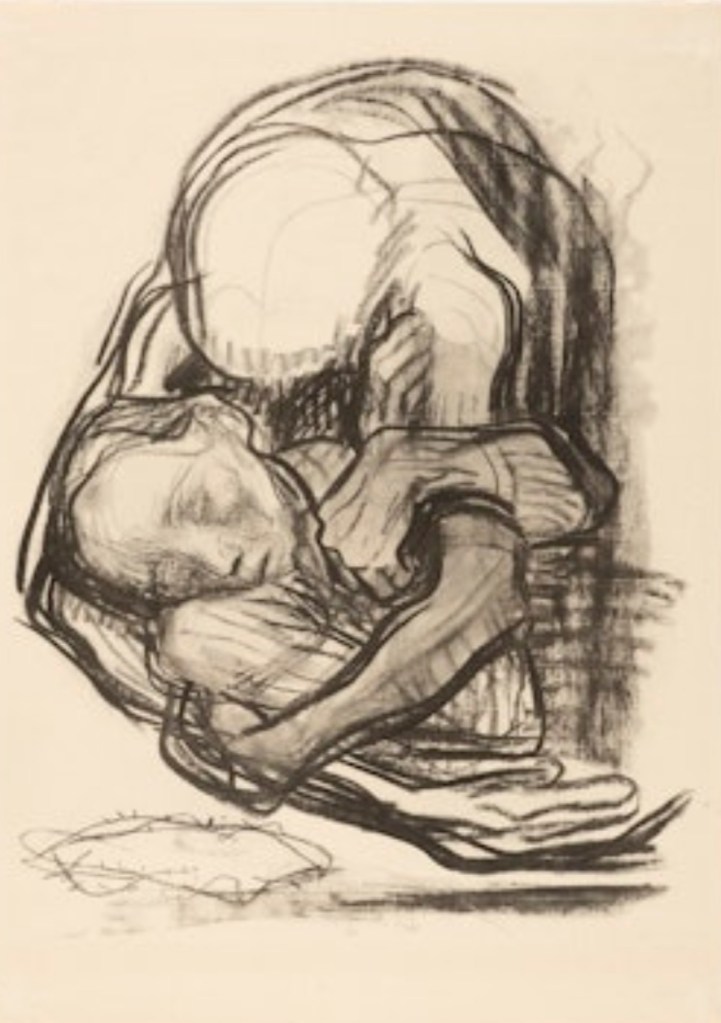
Käthe Kollwitz

Käthe Kollwitz. Death grasps at children 1905

Käthe Kollwitz. Death grasps at children 1905

Käthe Kollwitz

Käthe Kollwitz. Death grasps at Children 1905

Egon Schiele

Egon Schiele. Half-nude woman 1917

Hannah Frank

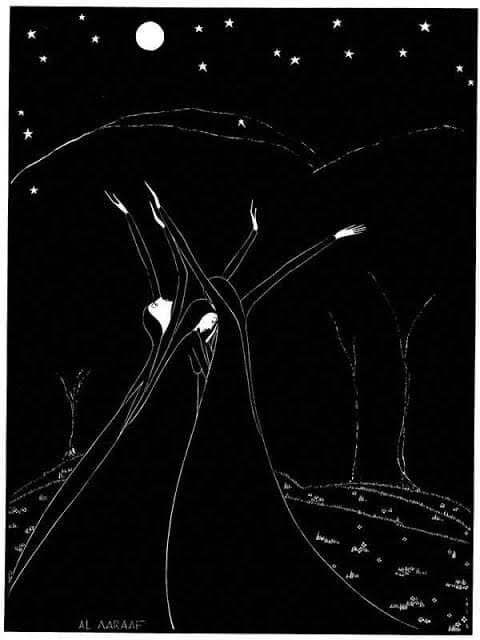
Hannah Frank. Moon ballet 1927

Hannah Frank

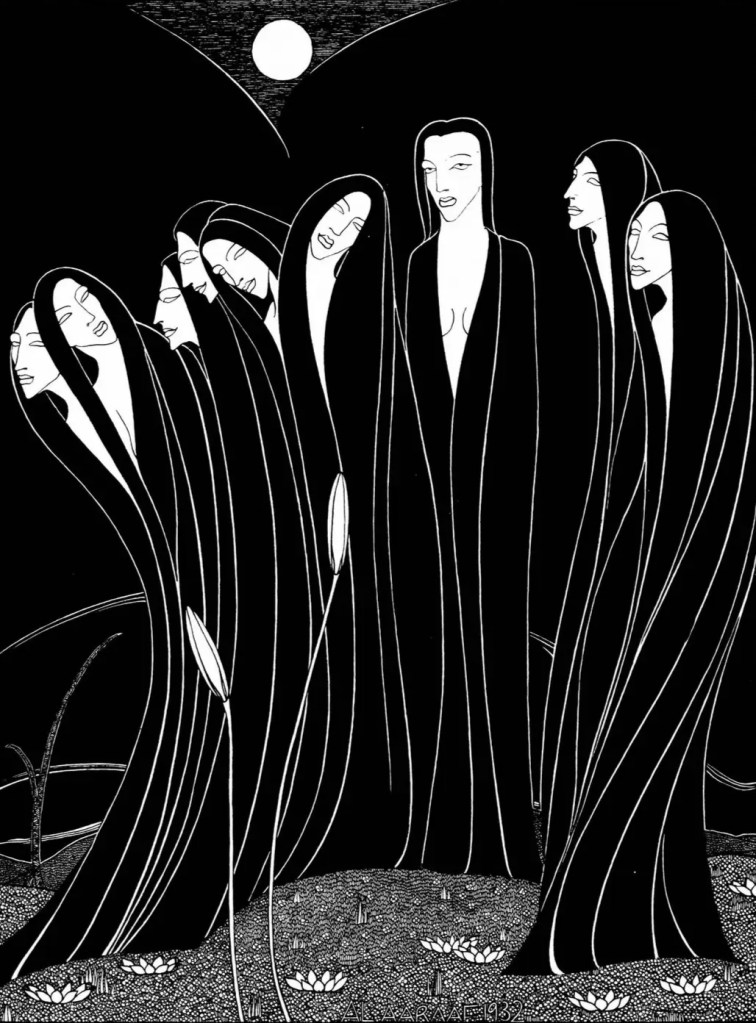
Hannah Frank. Night forms 1932

Hugo Höppener (Fidus)

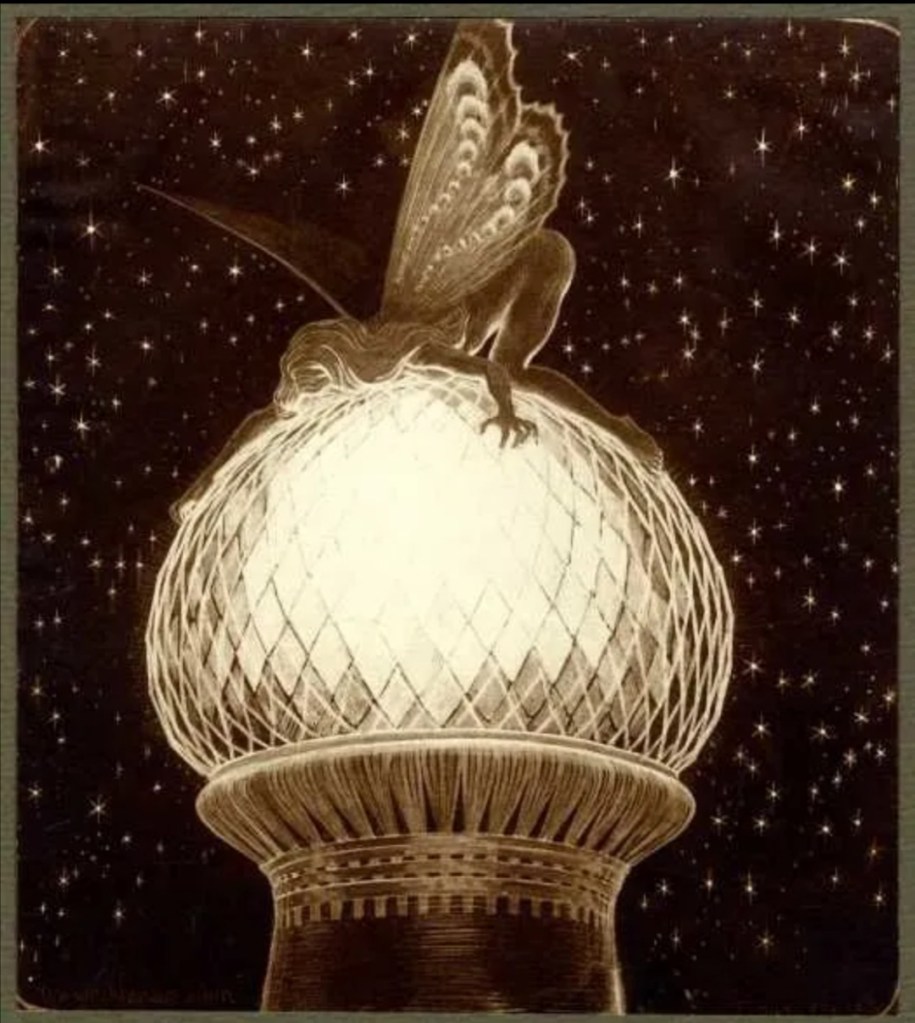
Hugo Höppener (Fidus). The dome of light 1900s

Design of a colorful space art piece. In a dark purple domed room, the boundaries of which are not recognizable, a round tower rises in the middle from which emerges a huge electrically illuminated glass gemstone. A light elf has descended from above, carved from wood so as not to crush or scratch the glass. He embraces the stone and the light sparkles in color again on his golden wings painted in enamel. But in the dark circle sparkles a firmament of thousands of glass gemstones, whose rays refract differently with each movement of the viewer

Welder Wings

Welder Wings. The origin 2018 (from a drawing of Hugo Höppener 1896)

William McGregor Paxton

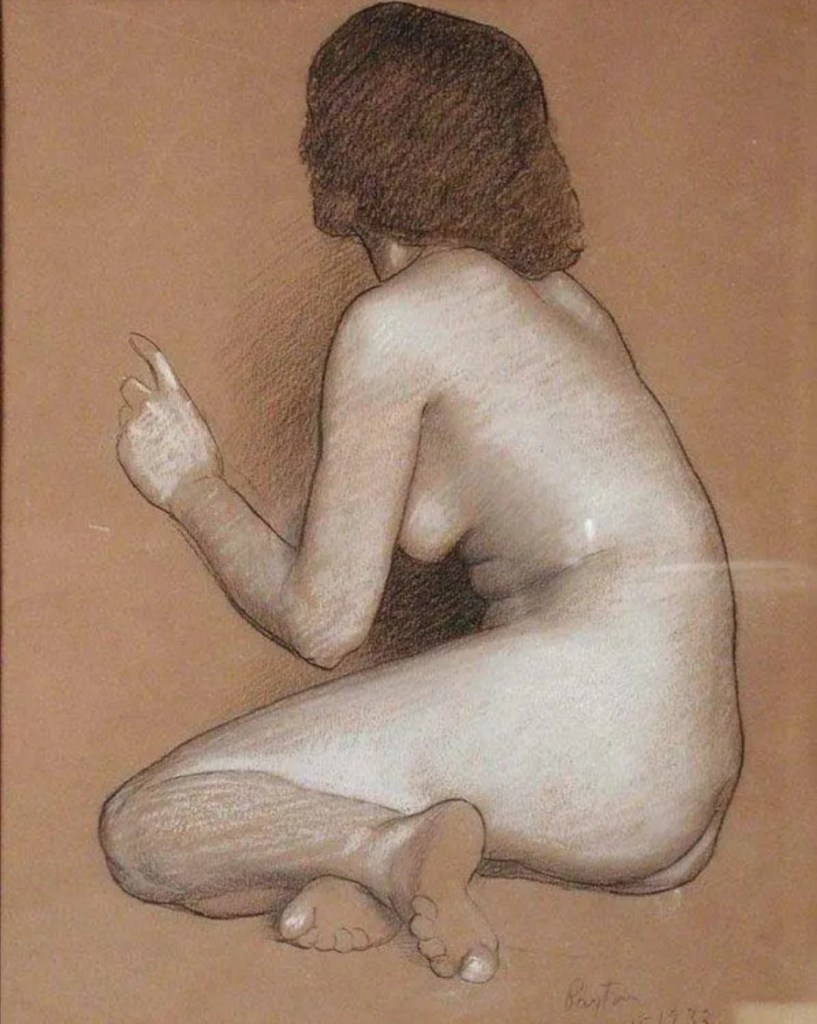
William McGregor Paxton. Study for Nausicaa 1933

Richard Laillier

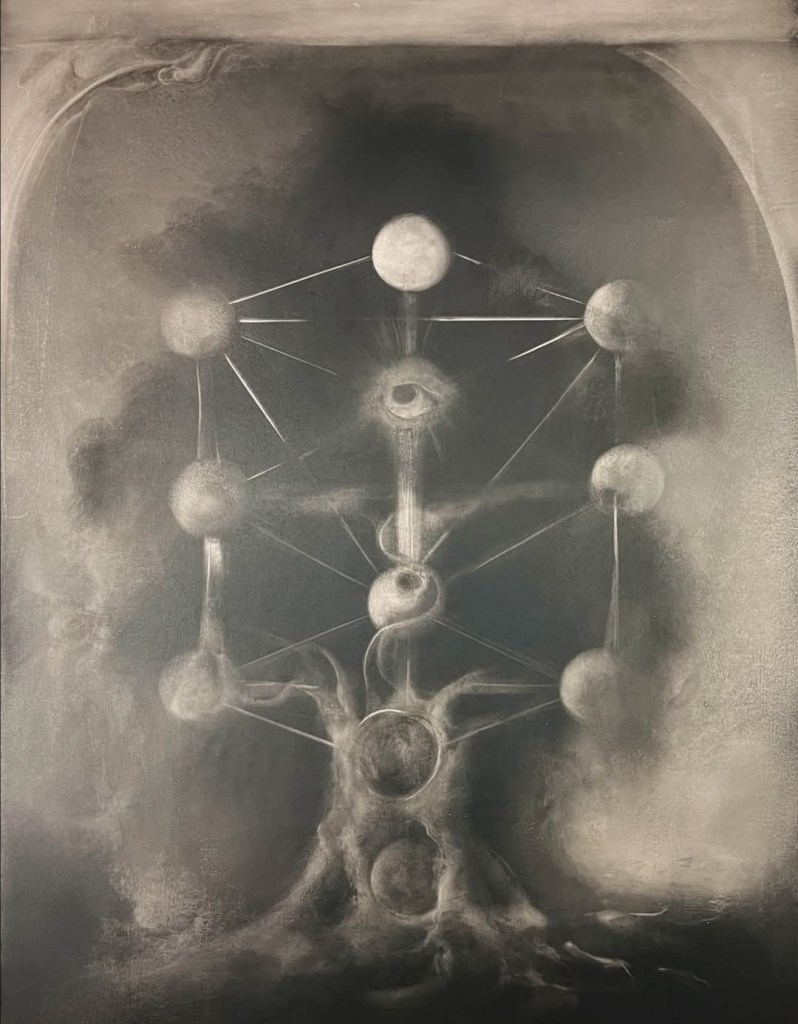
Richard Laillier. The Tree of Life 2025. Black stone and gesso on cardboard

Jean-Jacques Henner

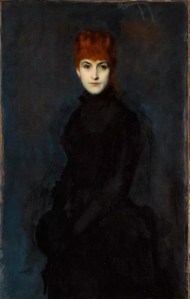
Jean-Jacques Henner. La comtesse Kessler 1886

Jean-Jacques Henner. La comtesse Kessler 1886

Jean-Jacques Henner

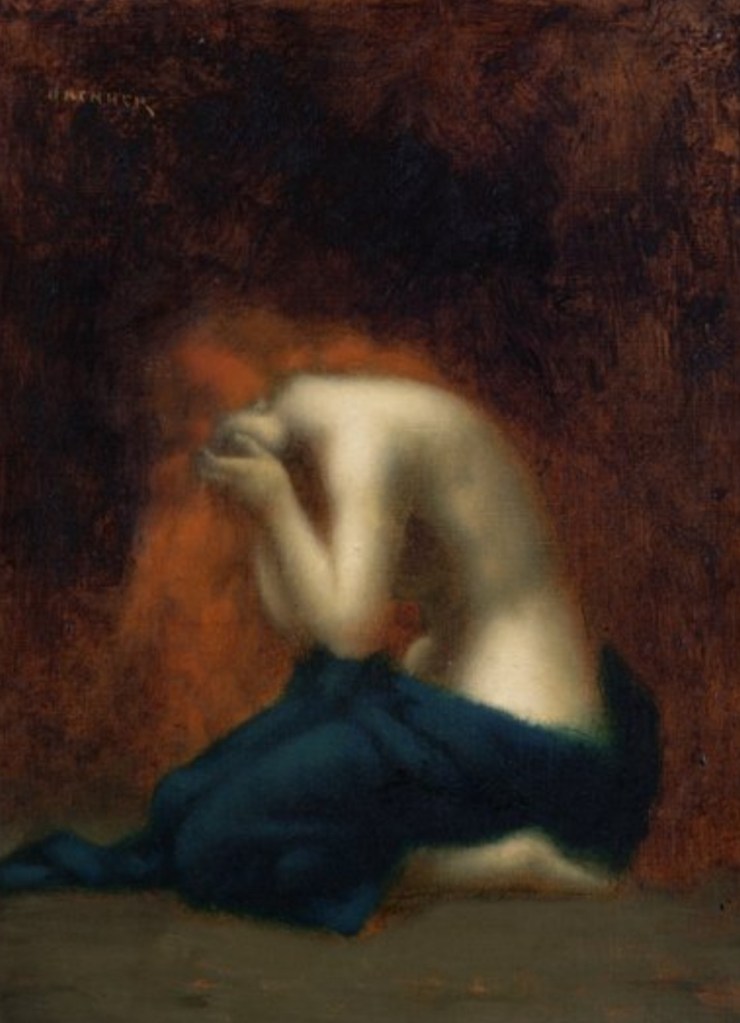
Jean-Jacques Henner. Magdalena grieving 1885

Frantisek Vobecky

Frantisek Vobecky. Orchidea 1933

Egon Schiele

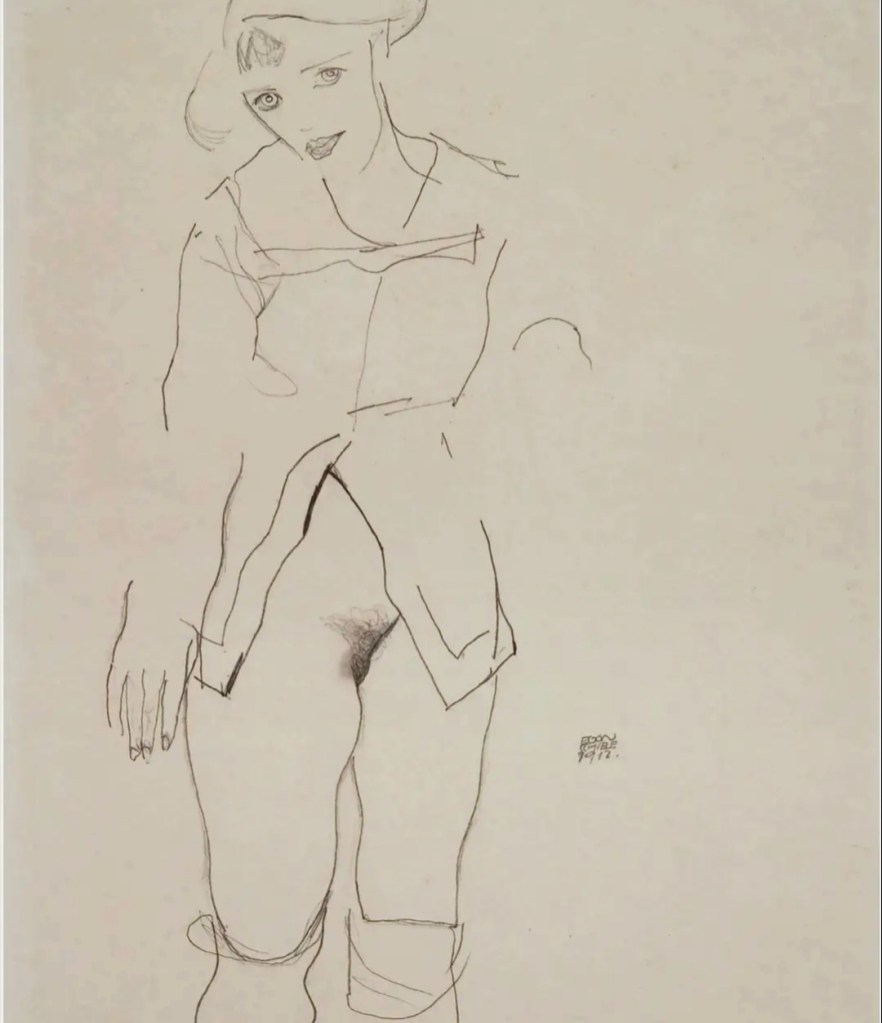
Egon Schiele. Wally Neuzil 1912

Alphonse Marie Mucha

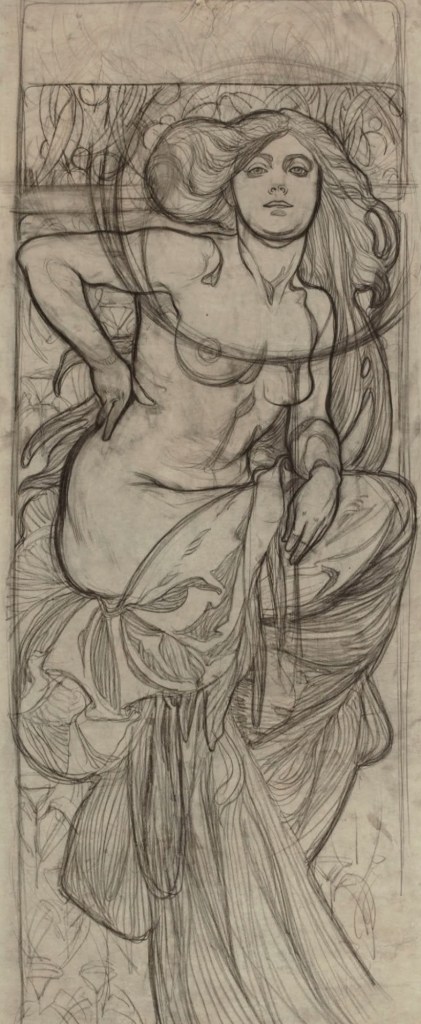
Alphonse Marie Mucha. Study for Decorative documents 1901

Hans Bellmer

Hans Bellmer. Common sense 1961

Nicola Samori

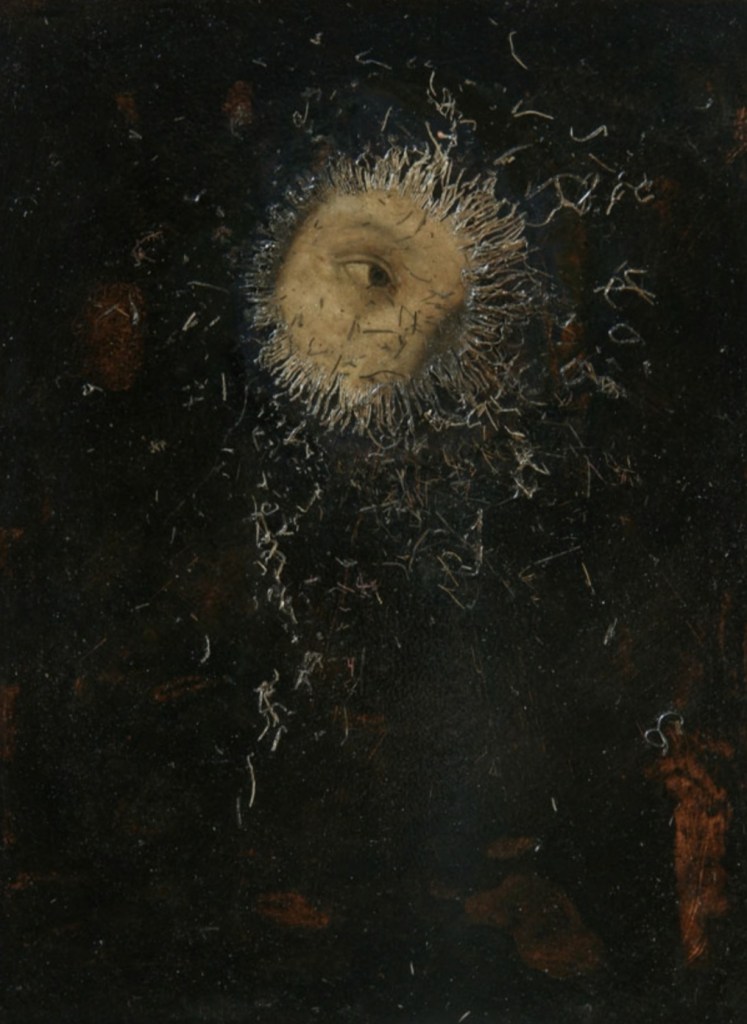
Nicola Samori. Untitled 2016

Mina Loy

Mina Loy. Christ on a clothesline 1955-1959

Mina Loy

Mina Loy. The paper house 1906

Edvard Munch

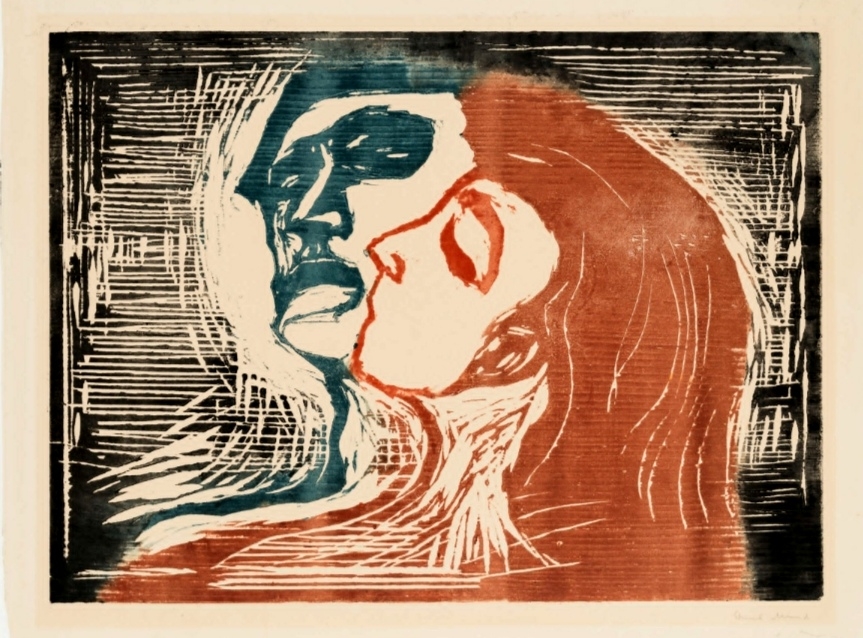
Edvard Munch. Head by head 1905

Gustav Klimt

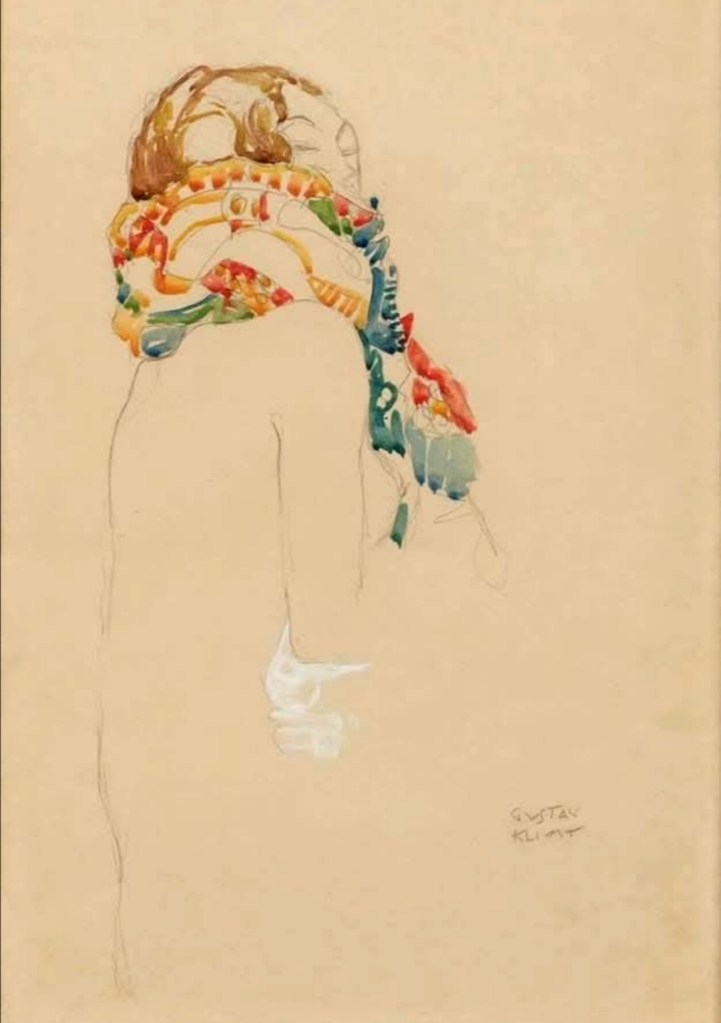
Gustav Klimt. Seated half naked woman with a scarf 1916-1917. Watercolor, pencil and white gouache on paper

Edvard Munch

Edvard Munch. Salome 1903

Edvard Munch

Edvard Munch. Seated woman 1896

Edvard Munch

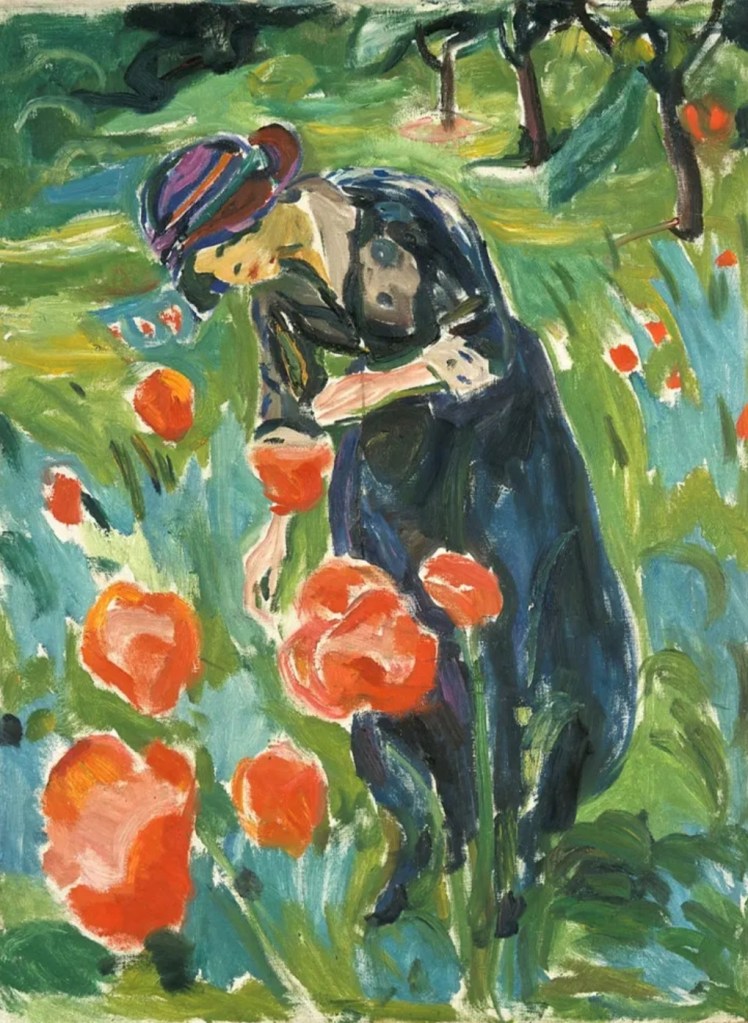
Edvard Munch. Woman with poppies 1918

Edvard Munch

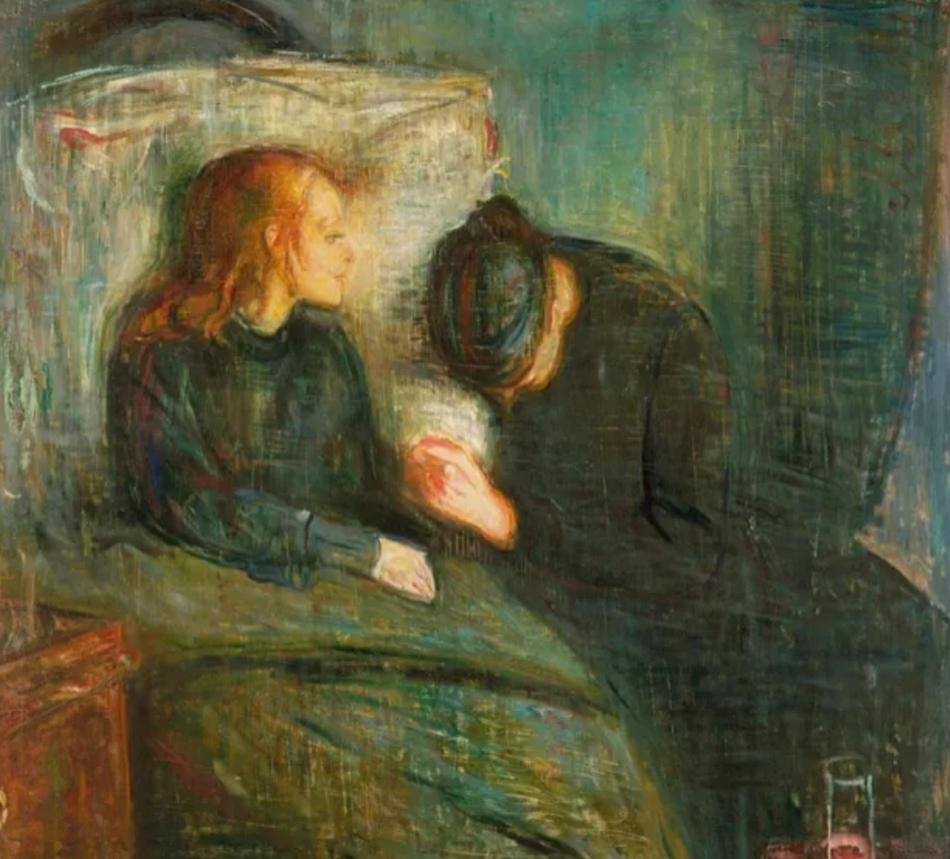
Edvard Munch. The sick child 1896

Katie Eleanor

Katie Eleanor. Lovers (Vampires). Tribute to Edvard Munch

Egon Schiele

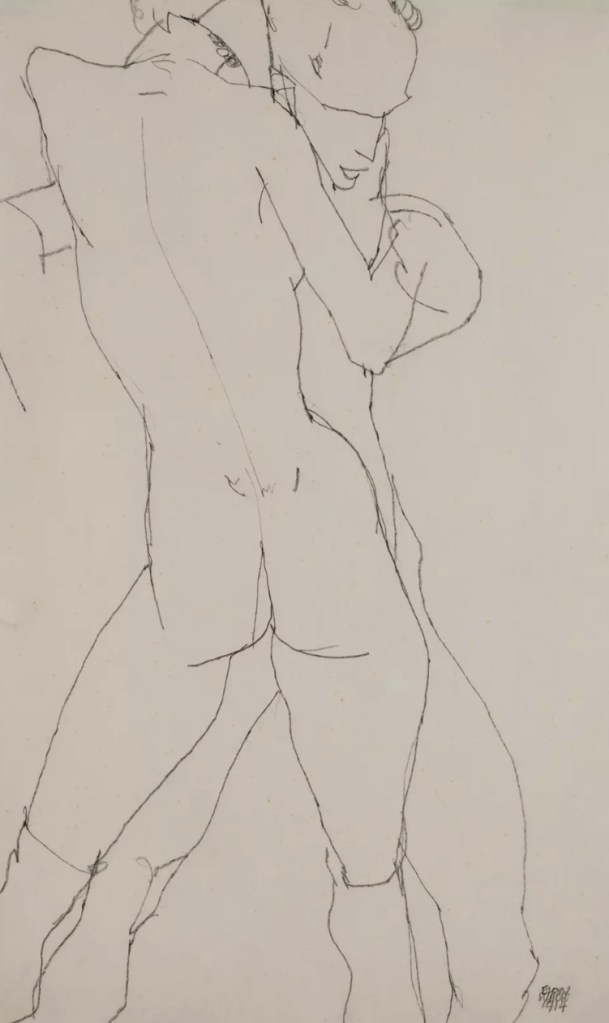
Egon Schiele. Couple embracing 1914

Egon Schiele

Egon Schiele. The artist’s mother 1911

Piet Mondrian

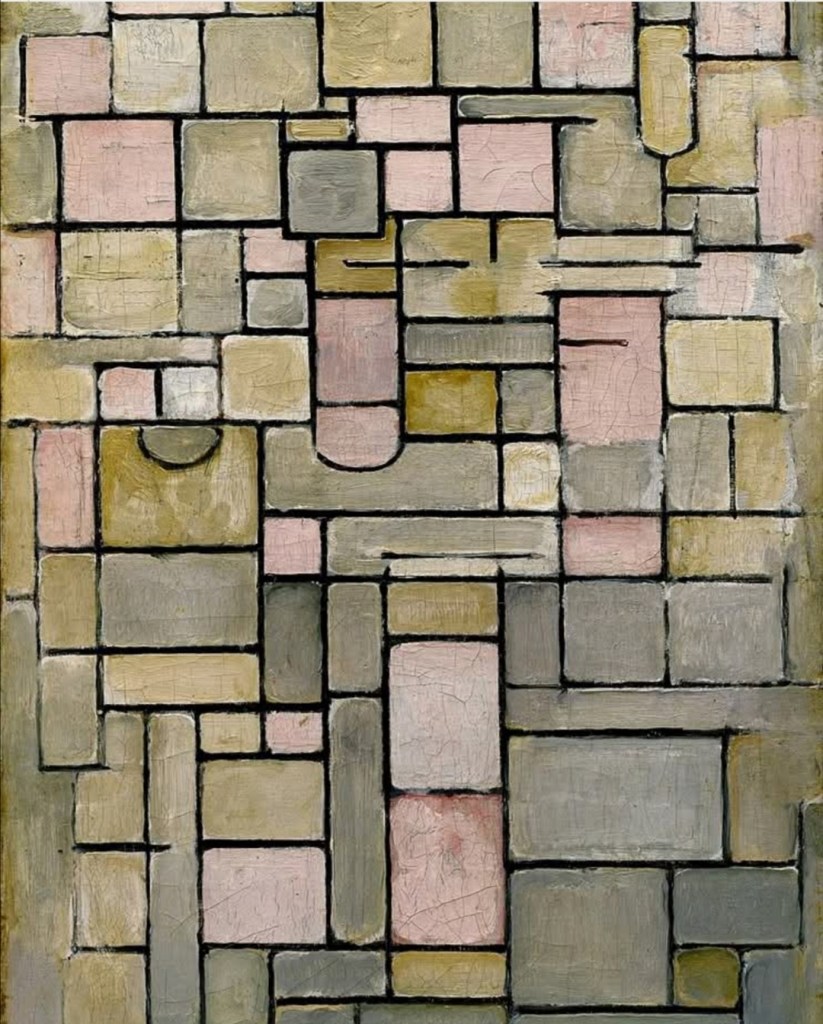
Piet Mondrian. Composition 8 1914

Christian Schad

Christian Schad. Iris garden 1968

Christian Schad

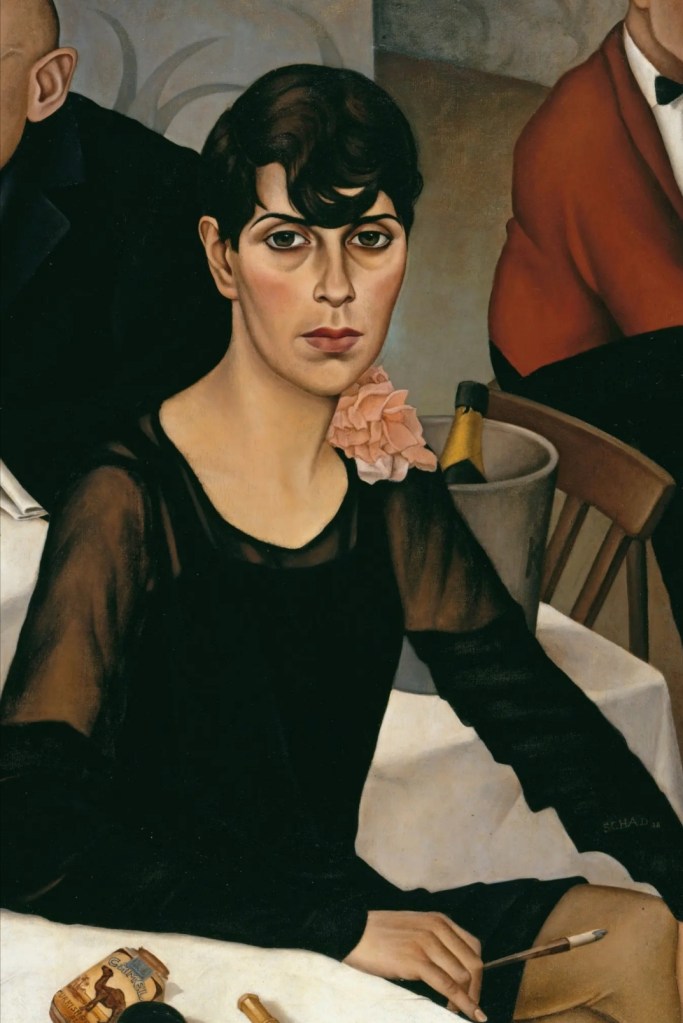
Christian Schad. Sonja 1928

Egon Schiele

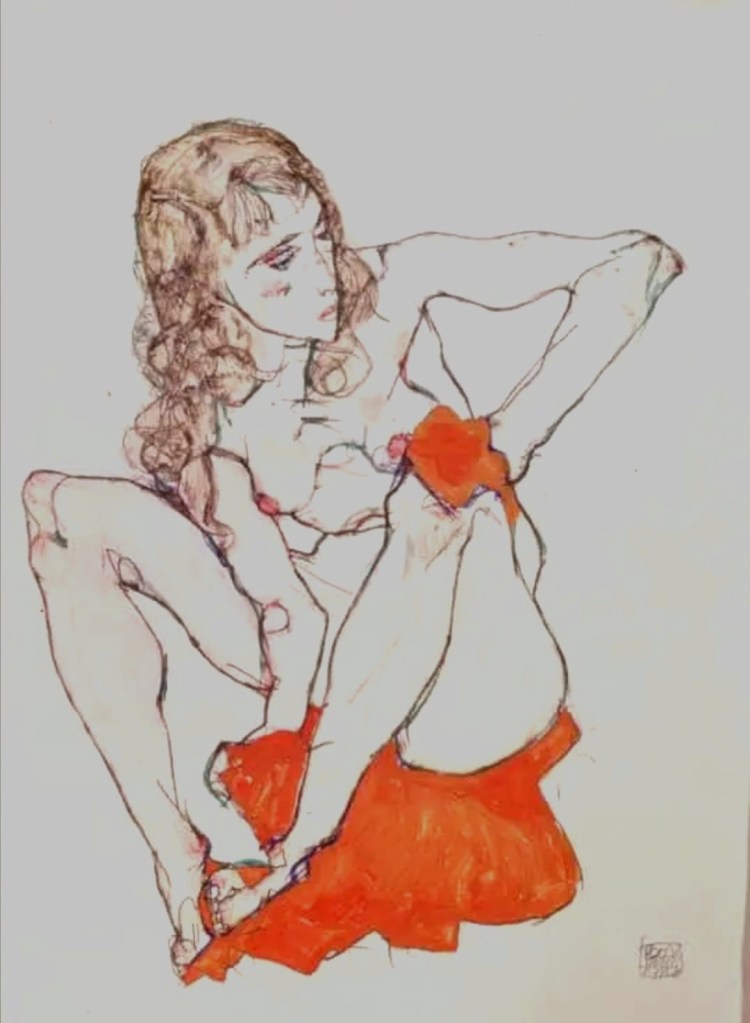
Egon Schiele. Nude woman sitting on an orange clothe 1914

Ferdinand Hodler

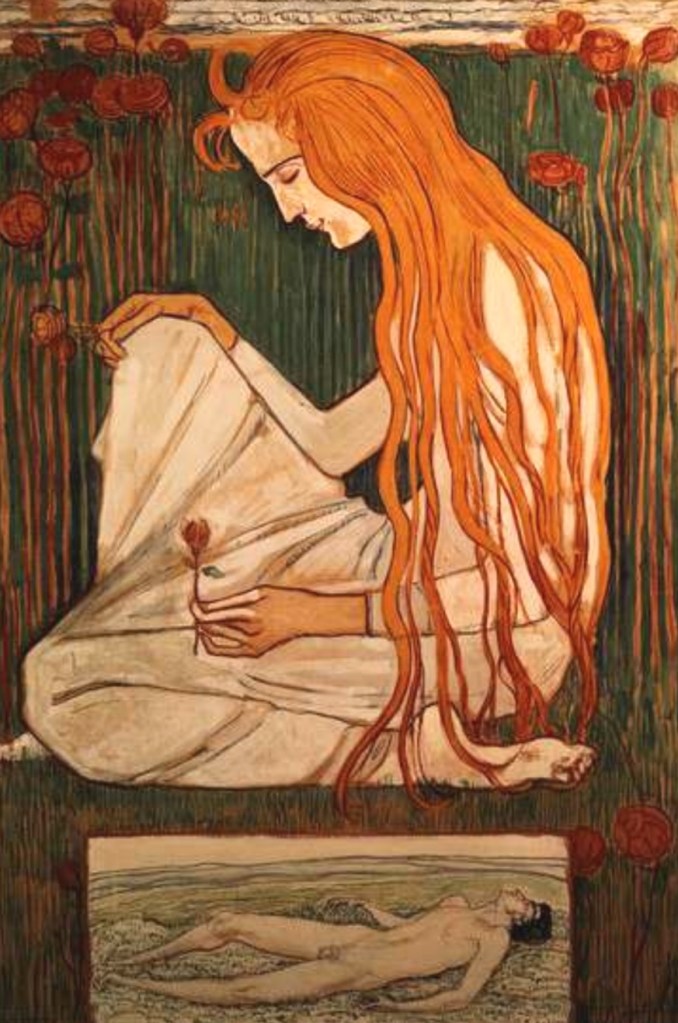
Ferdinand Hodler. The dream 1897-1903. Watercolor

Pablo Picasso

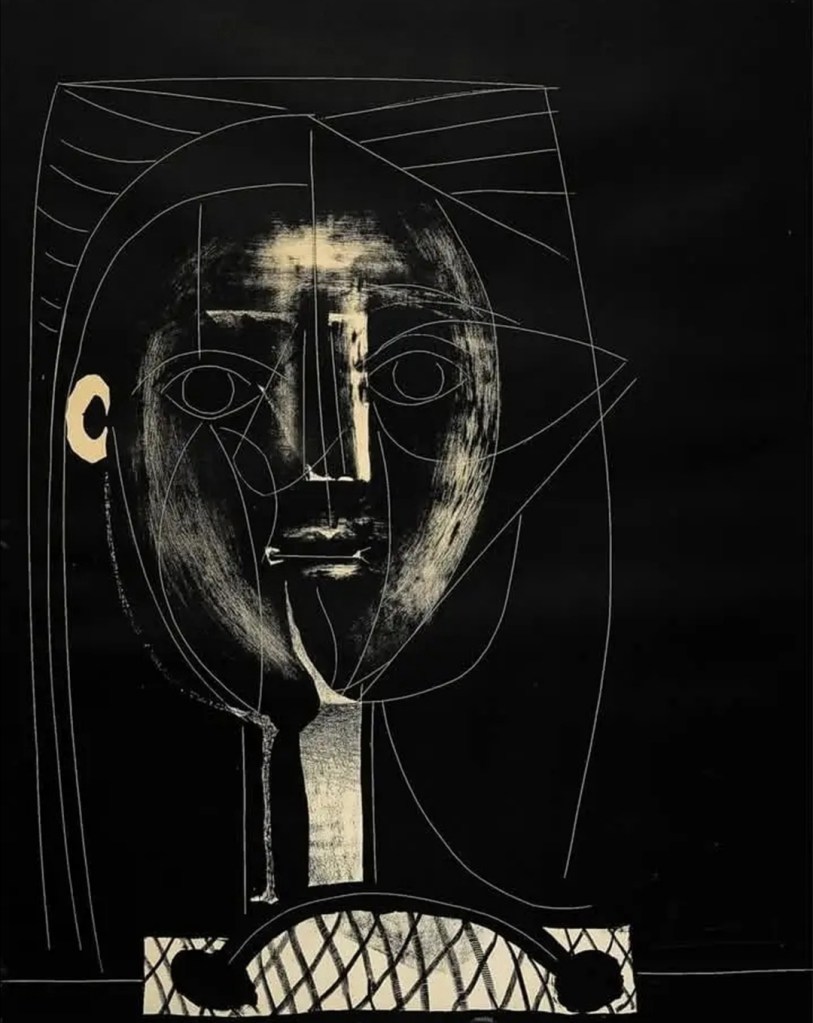
Pablo Picasso. Black figure 1948

Gustav Klimt

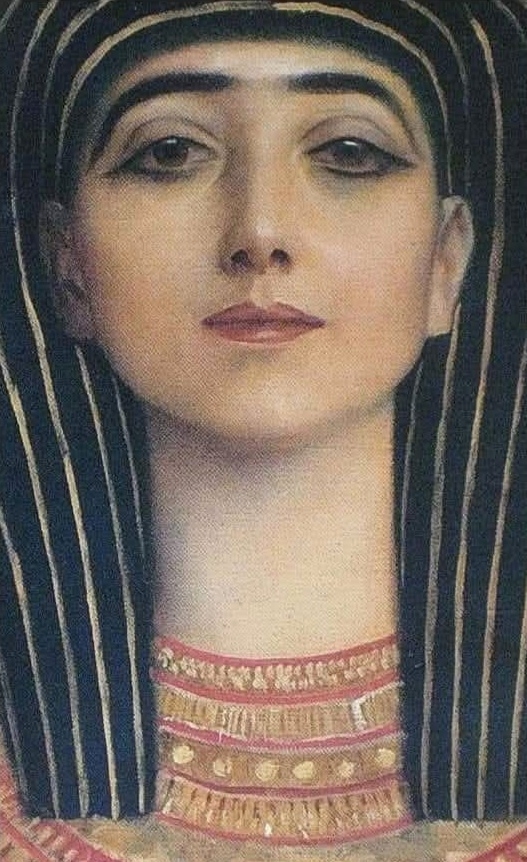
Gustav Klimt. Isis(detail) 1891

Egon Schiele

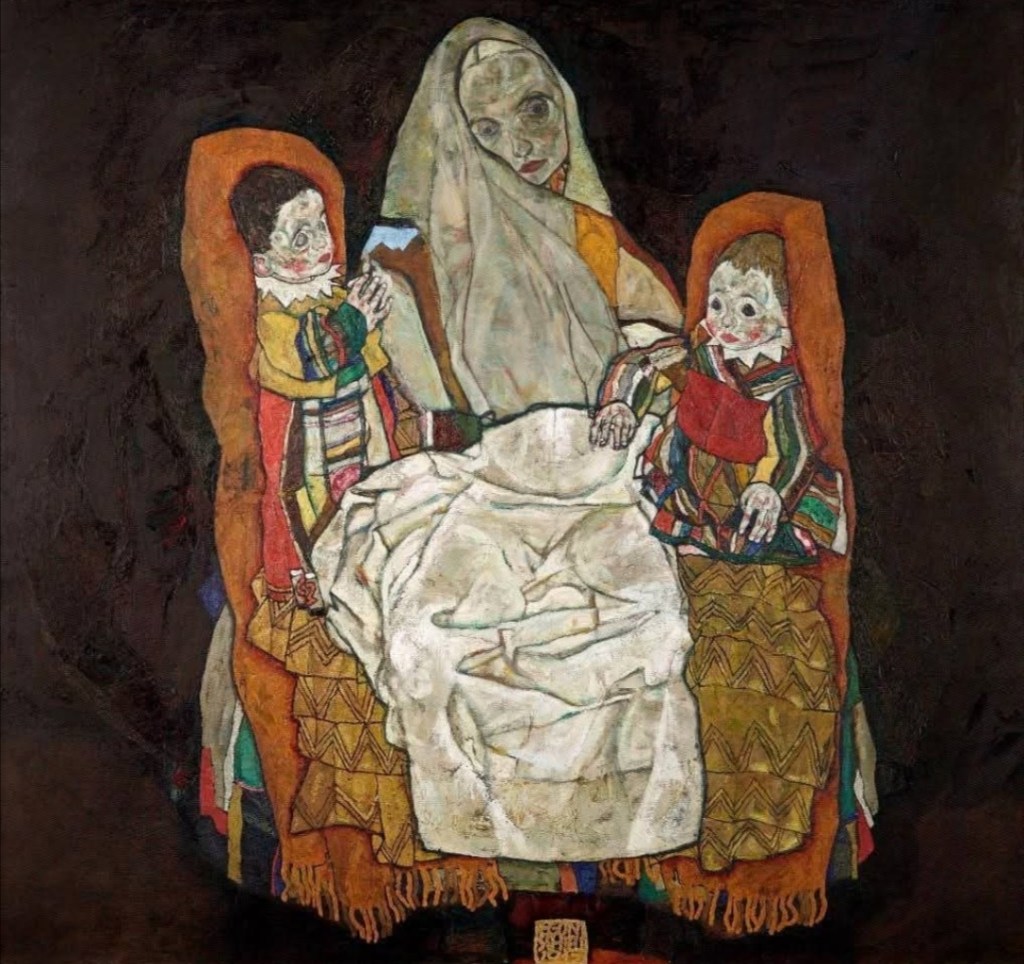
Egon Schiele. Mother and two children 1917

Egon Schiele

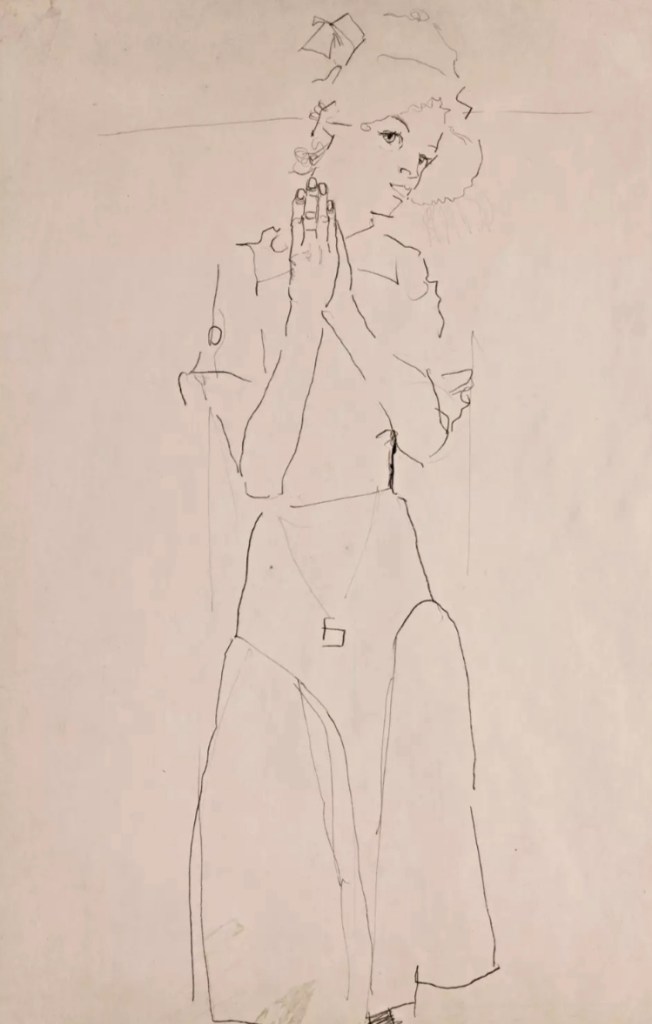
Egon Schiele. Gerti Schiele 1910

Hans Bellmer

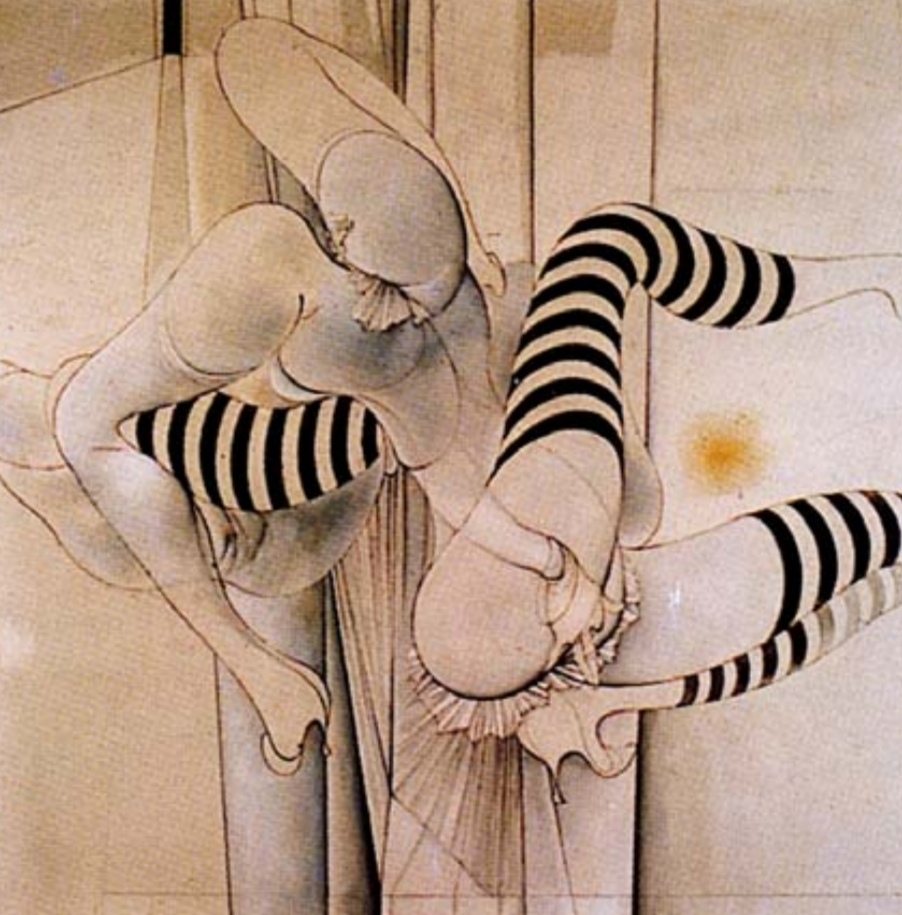
Hans Bellmer. Striped stockings 1959. Oil on canvas

Vassily Kandinsky

Vassily Kandinsky. Far away 1930

Vassily Kandinsky

Vassily Kandinsky. Blue 1927

Vassily Kandinsky

Vassily Kandinsky. Ending 1926