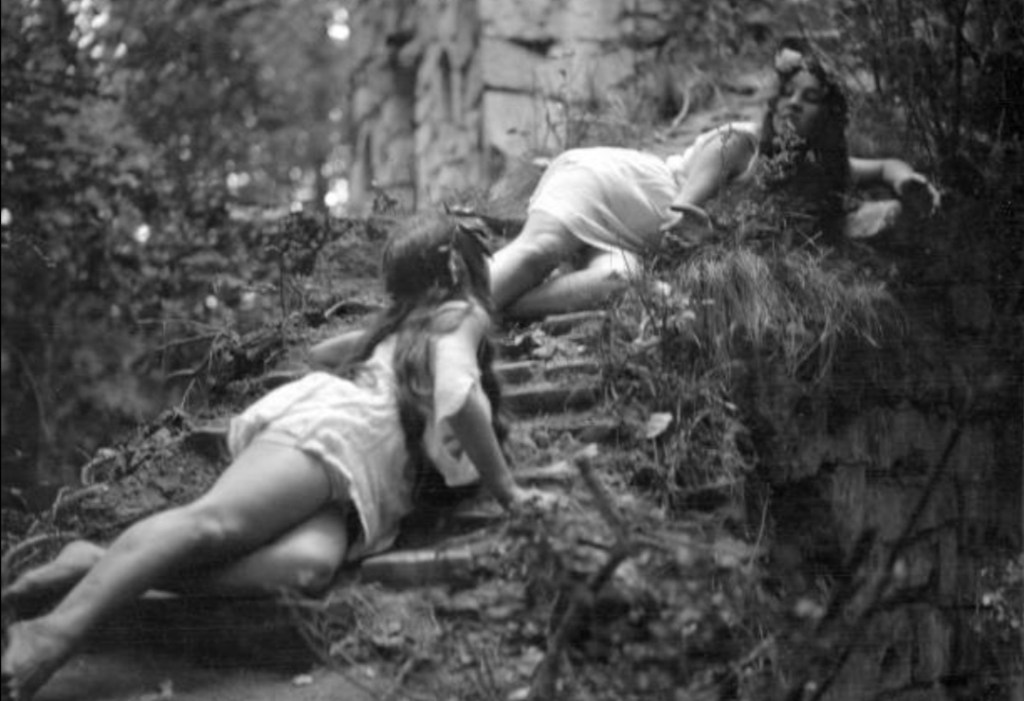
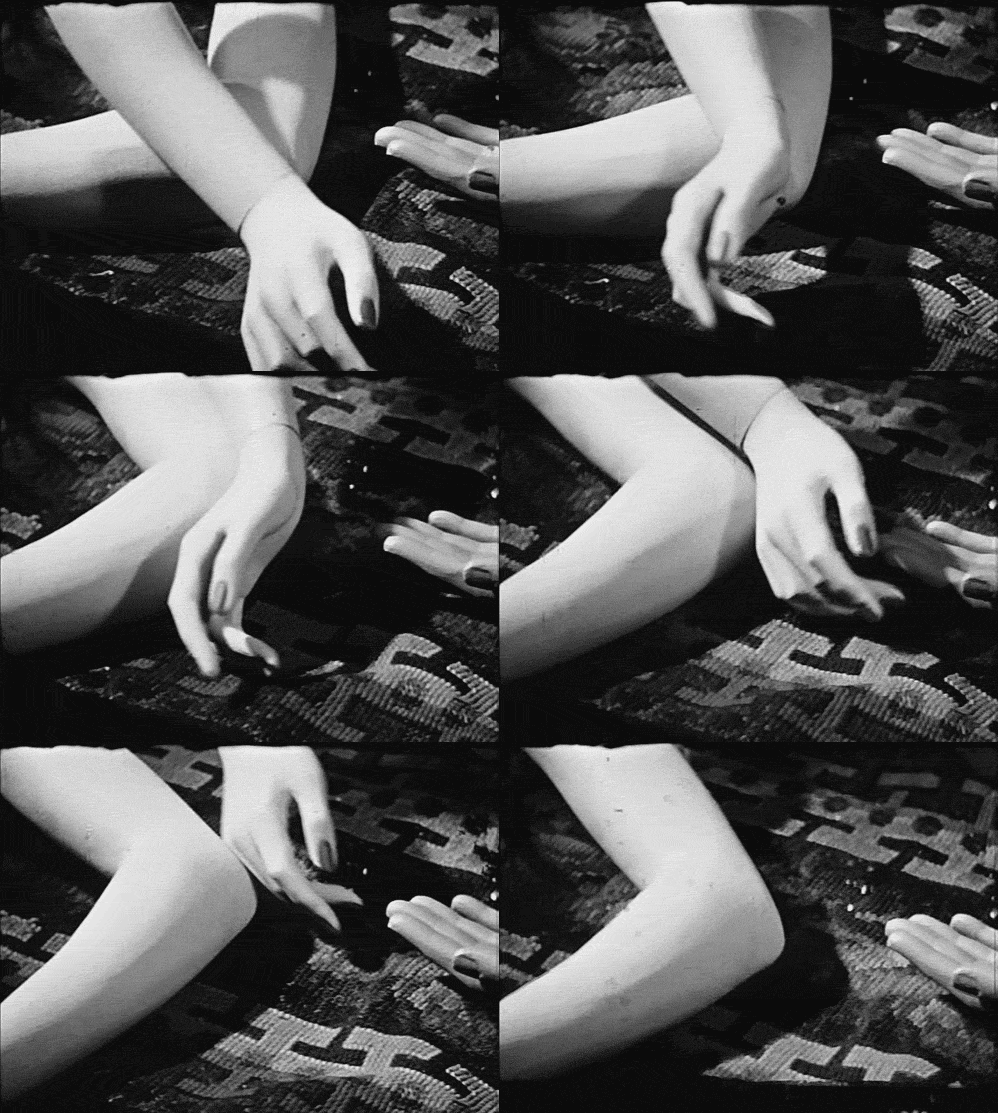
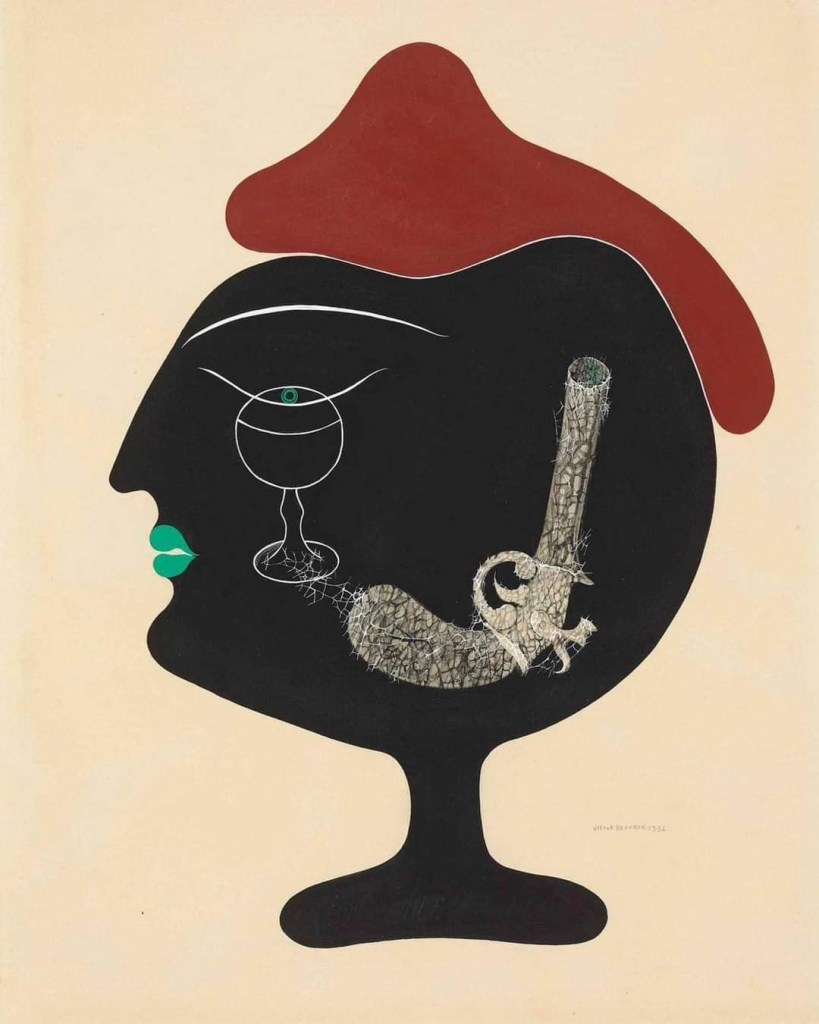
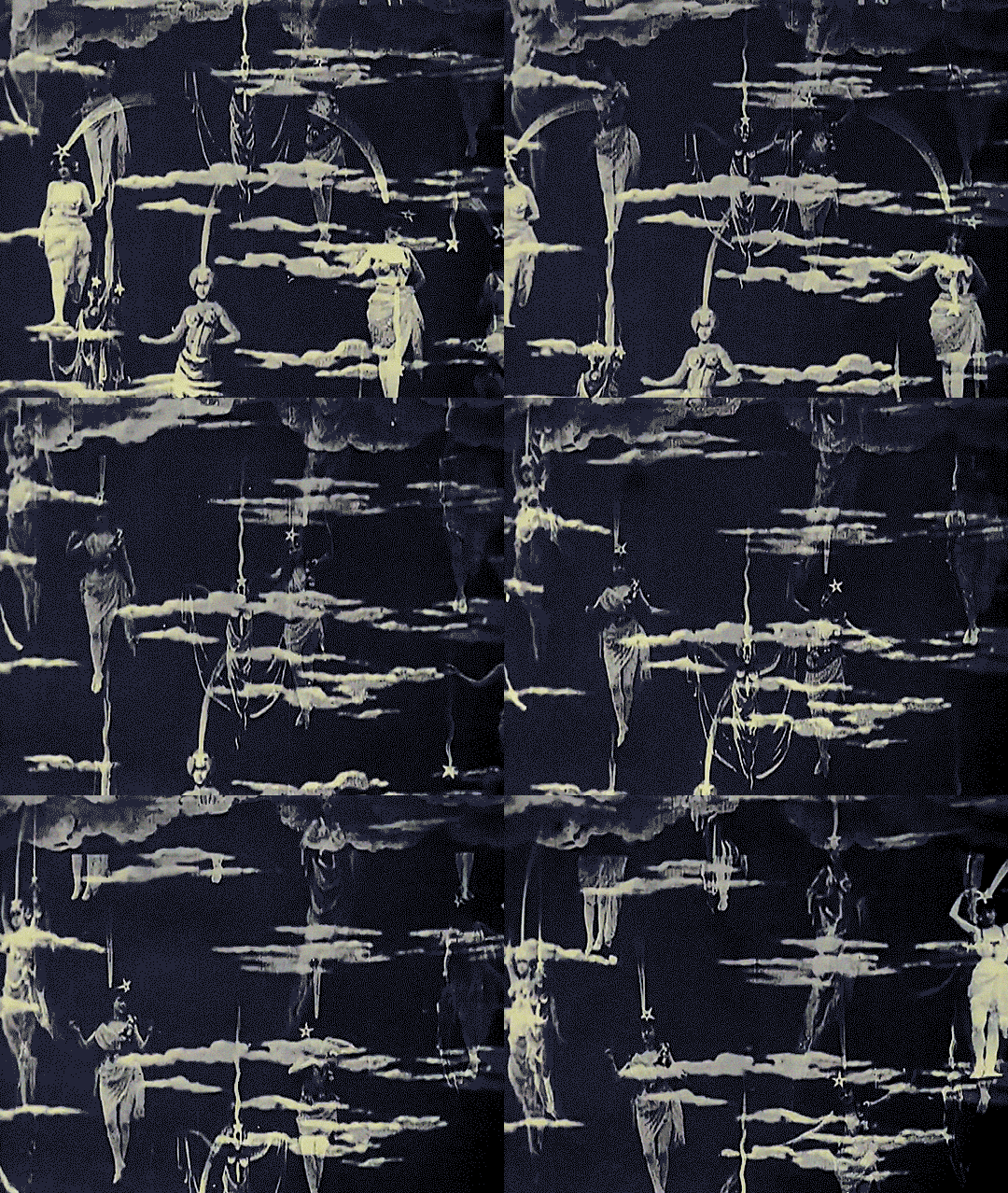
Dreams that money can buy is an American experimental film written, produced and directed by surrealist artist and filmmaker Hans Richter, released in 1947. Several artists contributed to this film: Max Ernst, Marcel Duchamp, Man Ray, Alexander Calder, Darius Milhaud and Fernand Léger. The film won the award for most original contribution to the progress of cinematography at the Venice International Film Festival in 1947.
Joe/Narcissus (Jack Bittner) is an ordinary man who has just signed a contract to rent a room. As he wonders how he is going to pay the rent, he realizes that he can see the contents of his own brain unfolding by staring into his eyes in a mirror. He then realizes that he can apply this gift to others and creates a company where he will sell his clients (frustrated and neurotic of all kinds) tailor-made dreams based on what he was able to discover about their minds. The waiting room is crowded from the first day of its activity.
Each of the film’s seven dream sequences is actually the creation of an avant-garde artist
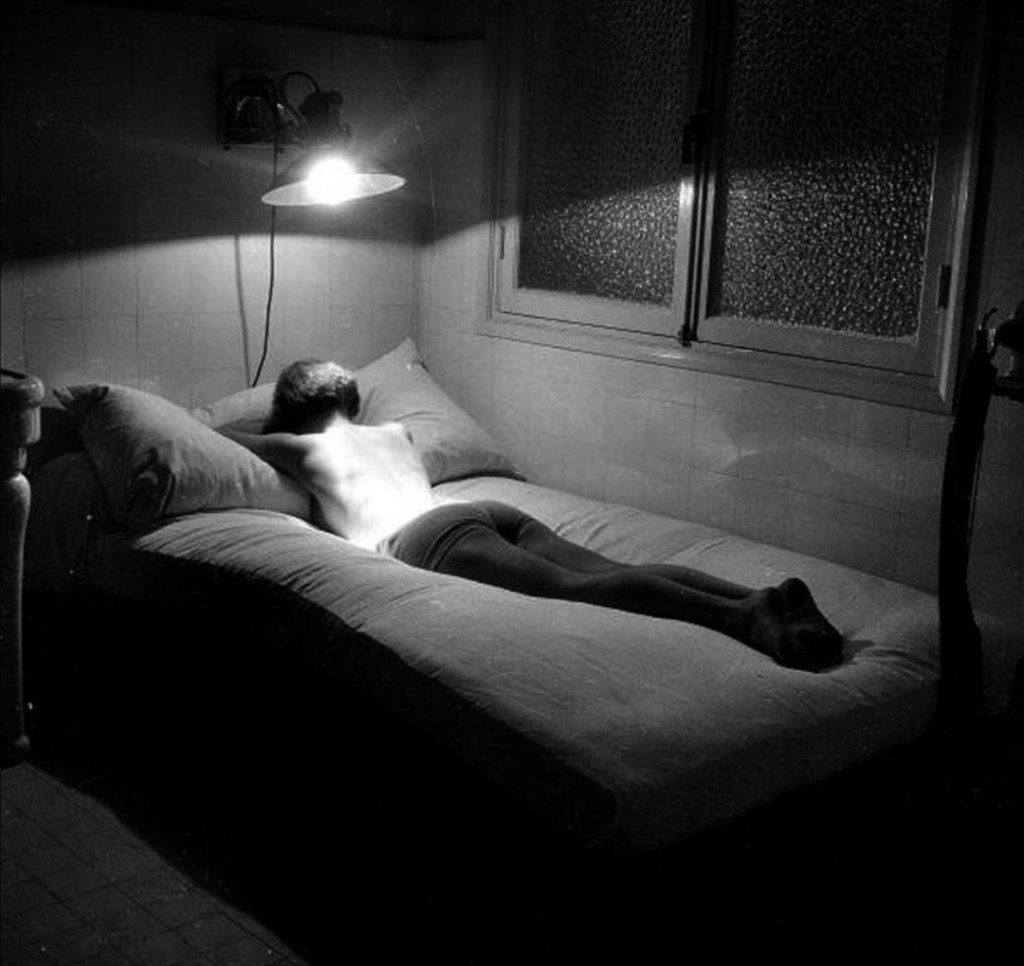
« It hurts to learn to leave those who leave us, to learn to love them in silence, with your back turned, your eyes downcast. To have to teach your heart the strength to empty itself while remaining inhabited. Learning to cry smiling, going away loving… » (Philippe Besson)
« And as the soul is that which does not appear The most perfect soul is the one that never appears which is made with the body, The absolute body of things, The completely real existence, without shadows, without me, The complete and absolute coincidence of a thing with itself. » (Fernando Pessoa)
His works were considered as degenerate art by the Nazi regime and were banned. At the end of the Second World War he produced an experimental report entitled Dresdner Totentanz (Dance of Death in Dresden), which condemned the bombings of the city























 DantéBéa