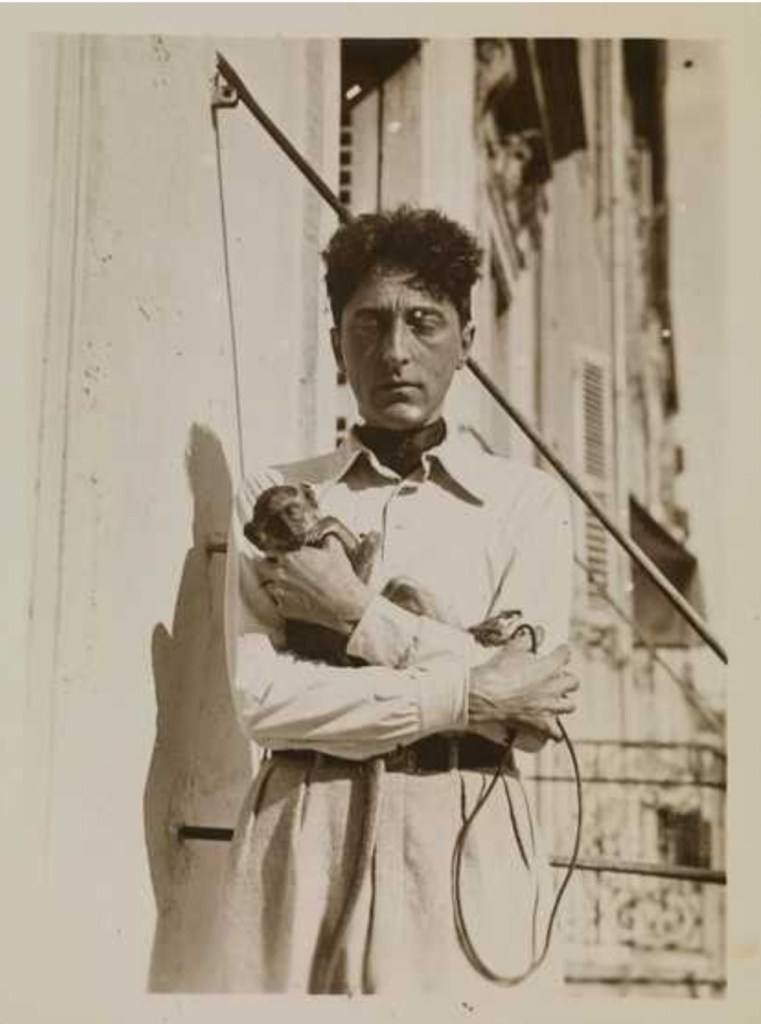
Philippe Halsman. Jean Cocteau, The final touch, New-York 1949
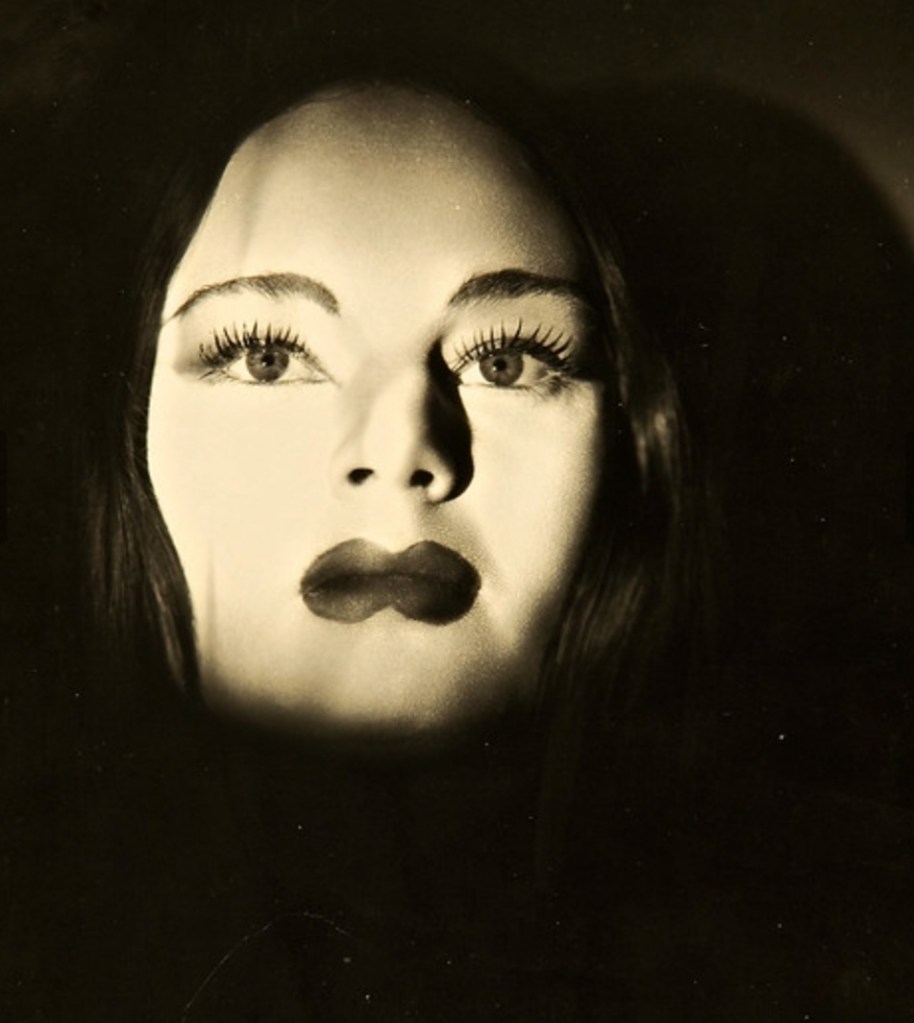
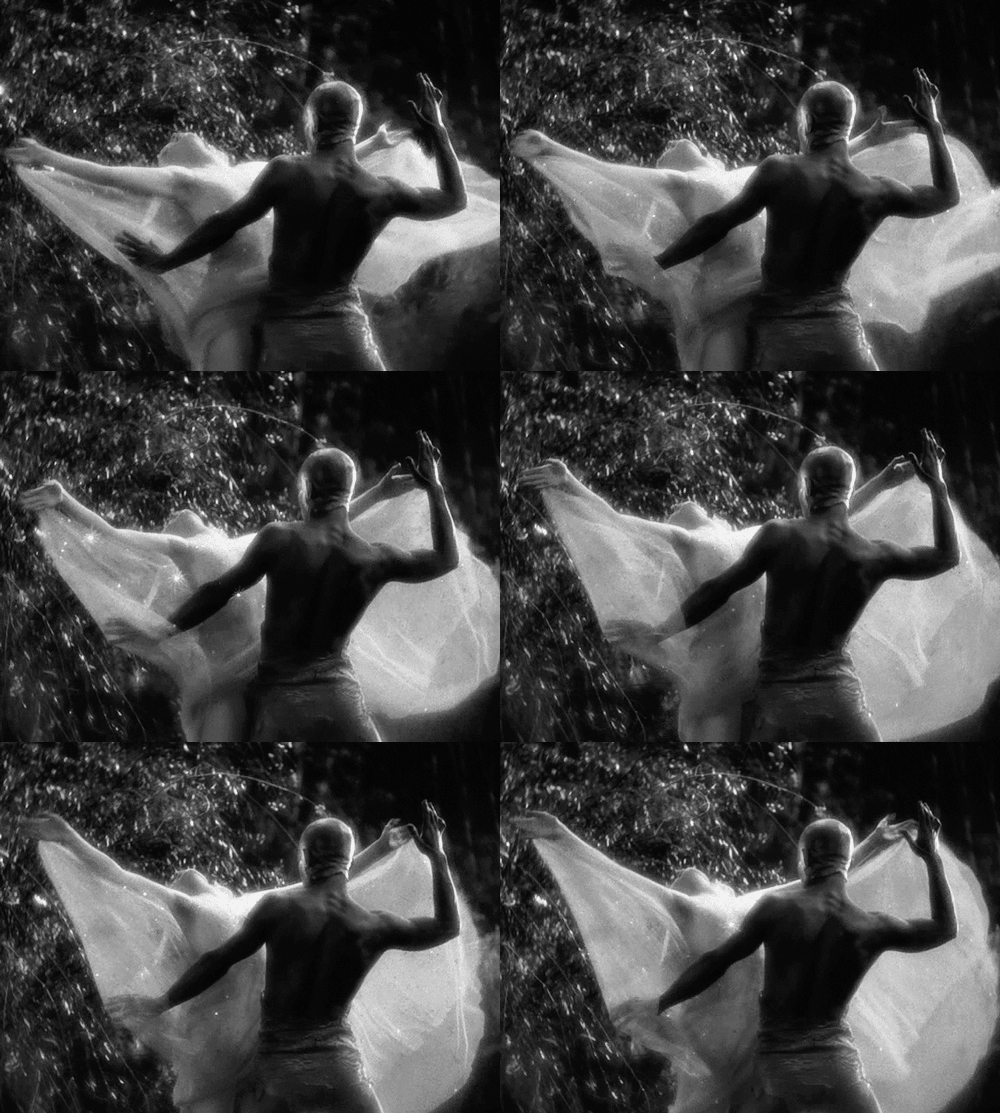
Philippe Halsman’s assignment was to capture on camera what goes on “inside a poet’s mind,” for a three-page photo essay commissioned by LIFE Magazine, coinciding with the US release of Cocteau’s movie The eagle with two heads. No stranger to the caprices of avant-garde artists – in 1941, Halsman began his famous 37-year-long collaboration and friendship with Salvador Dali – the photographer had assembled an idiosyncratic array of props for The Frivolous Prince (a moniker the writer gained in the Bohemian artistic circles he mixed in, and the title of a volume he published at twenty-two), including a live boa constrictor and a dozen trained doves. The dancer Leo Coleman was also part of the entourage, alongside a “girl with a classically beautiful face” and a “classically perfect body”: Enrica Soma, a 19-year-old model and prima ballerina who had appeared on the cover of LIFE herself in 1947, where she was spotted by the filmmaker John Huston. She became his fourth wife in 1950.
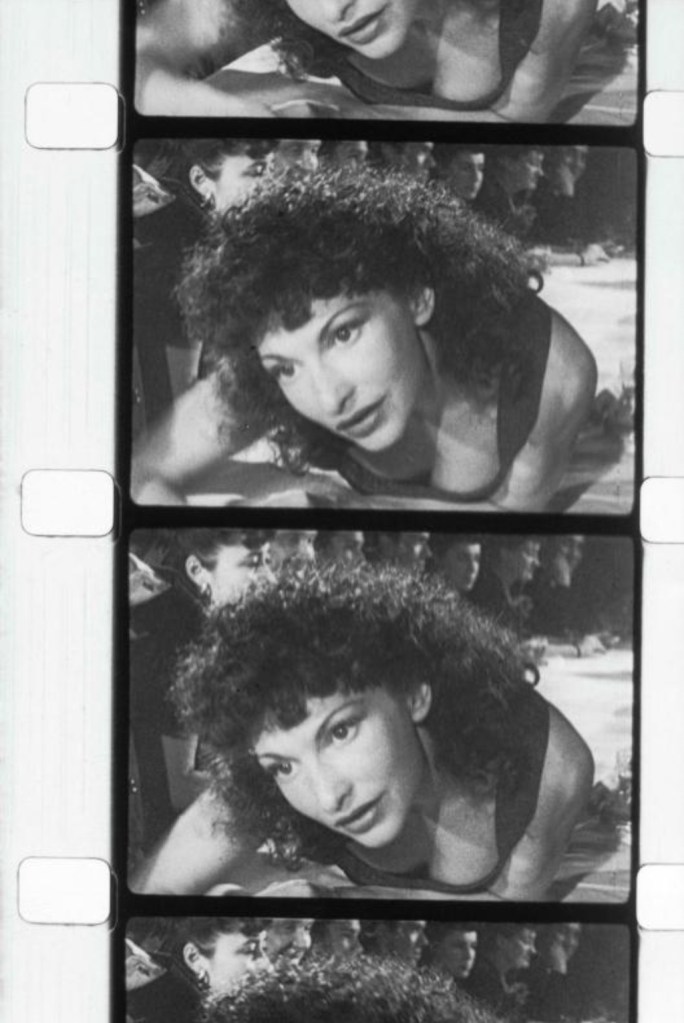
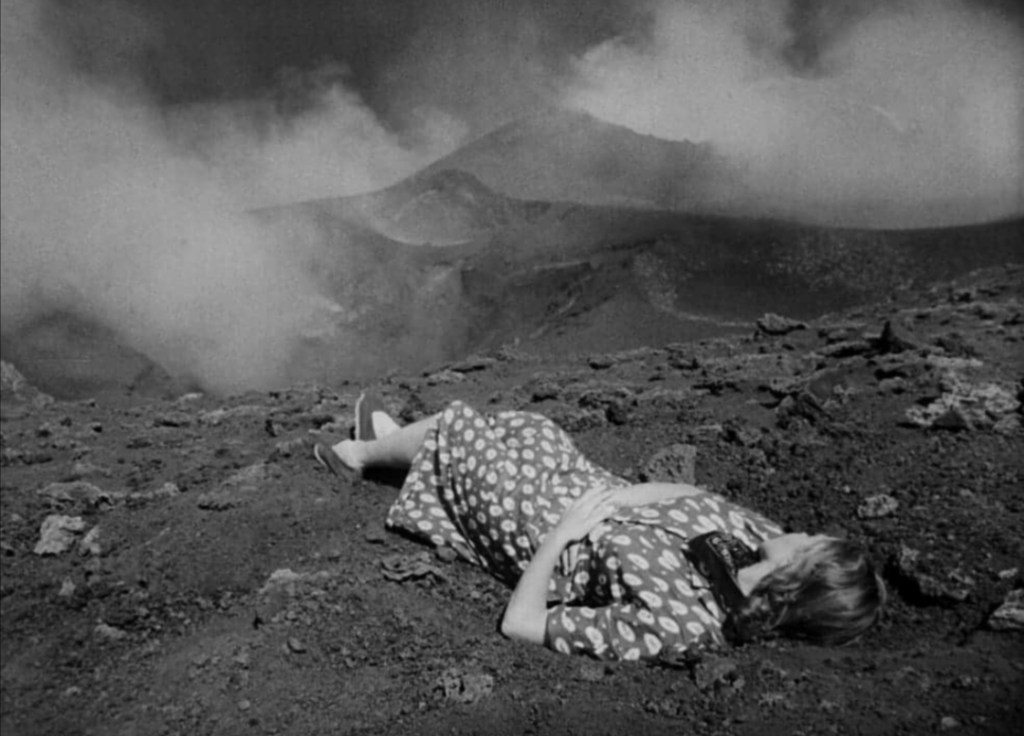
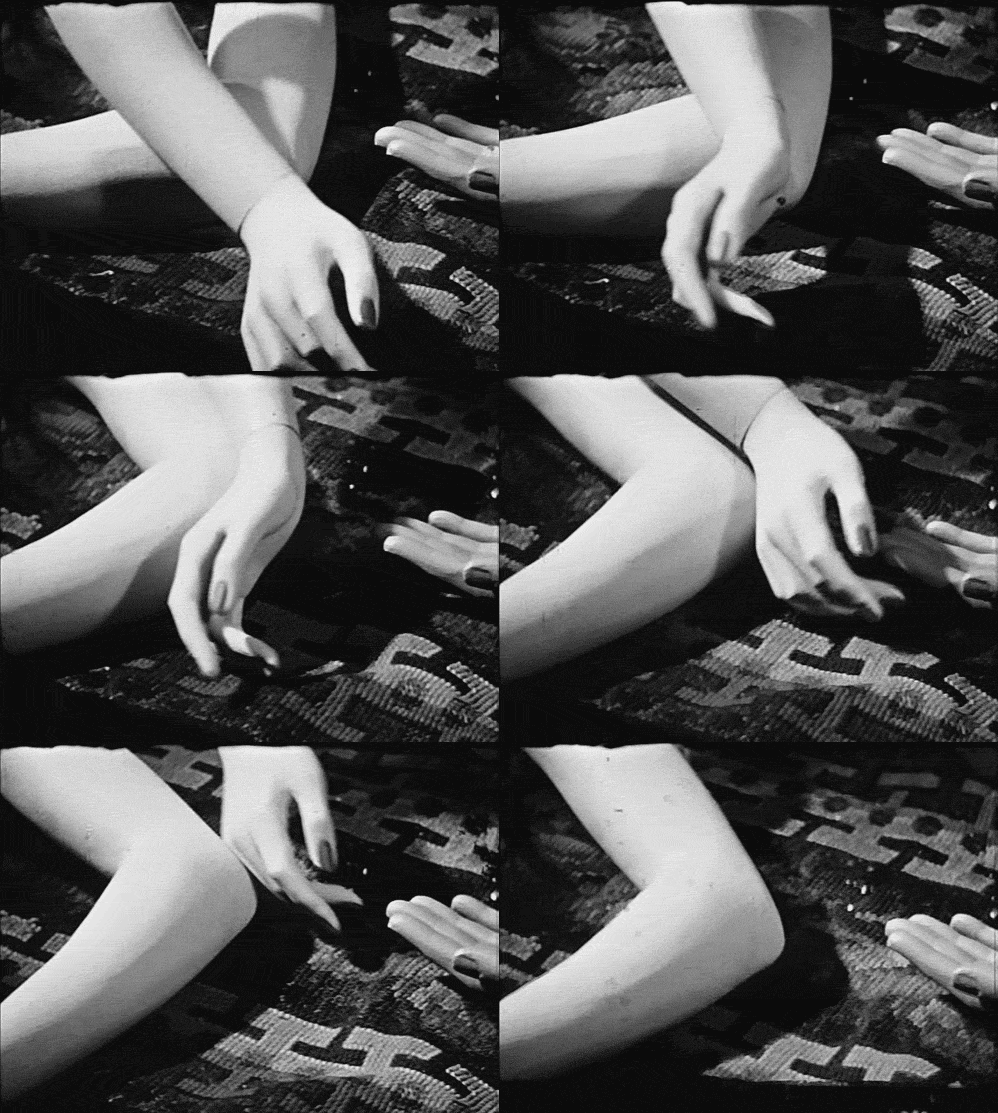
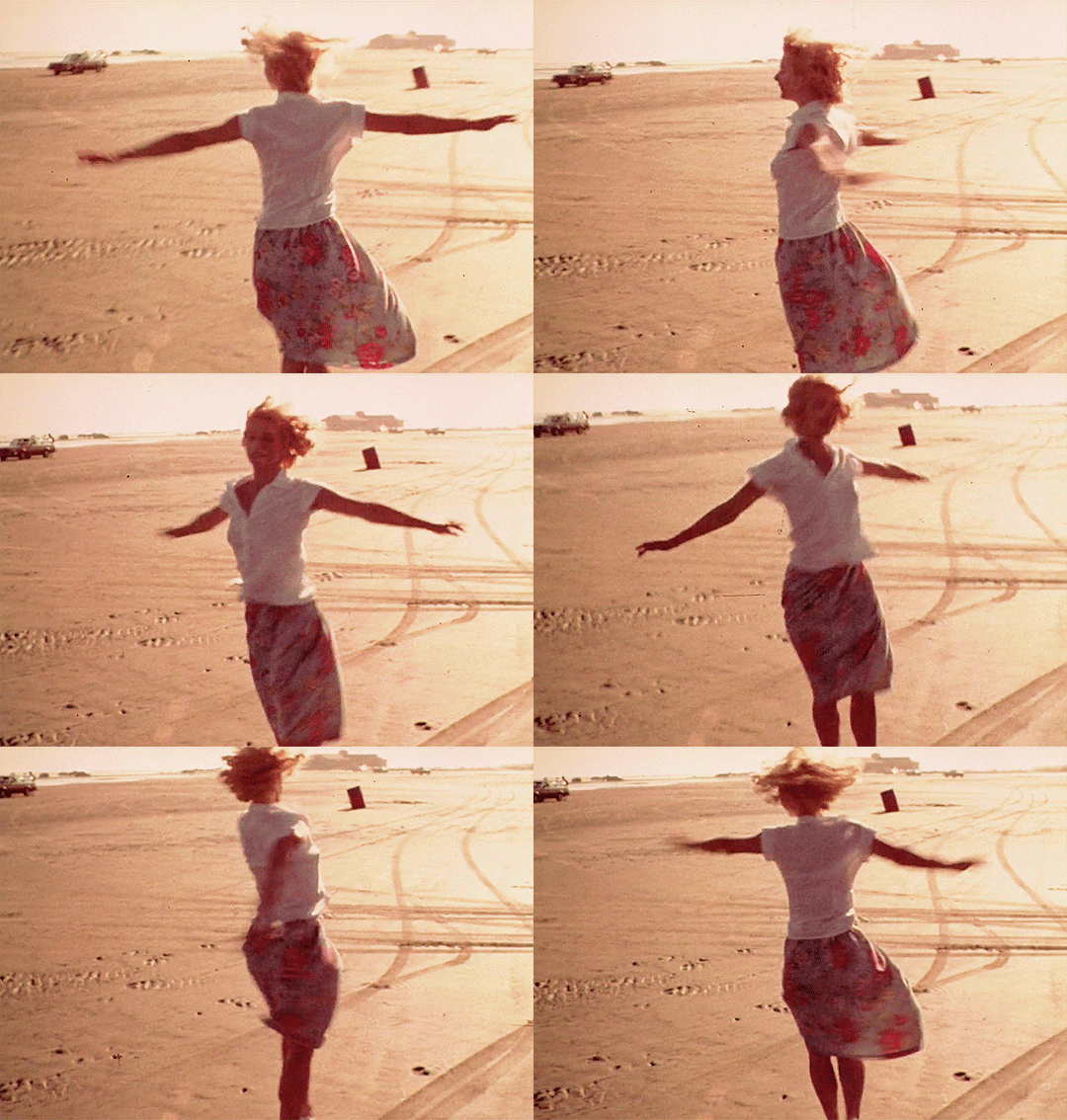
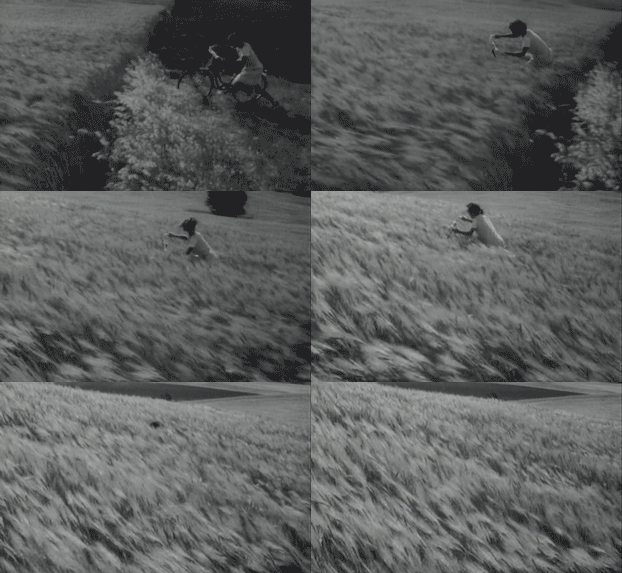
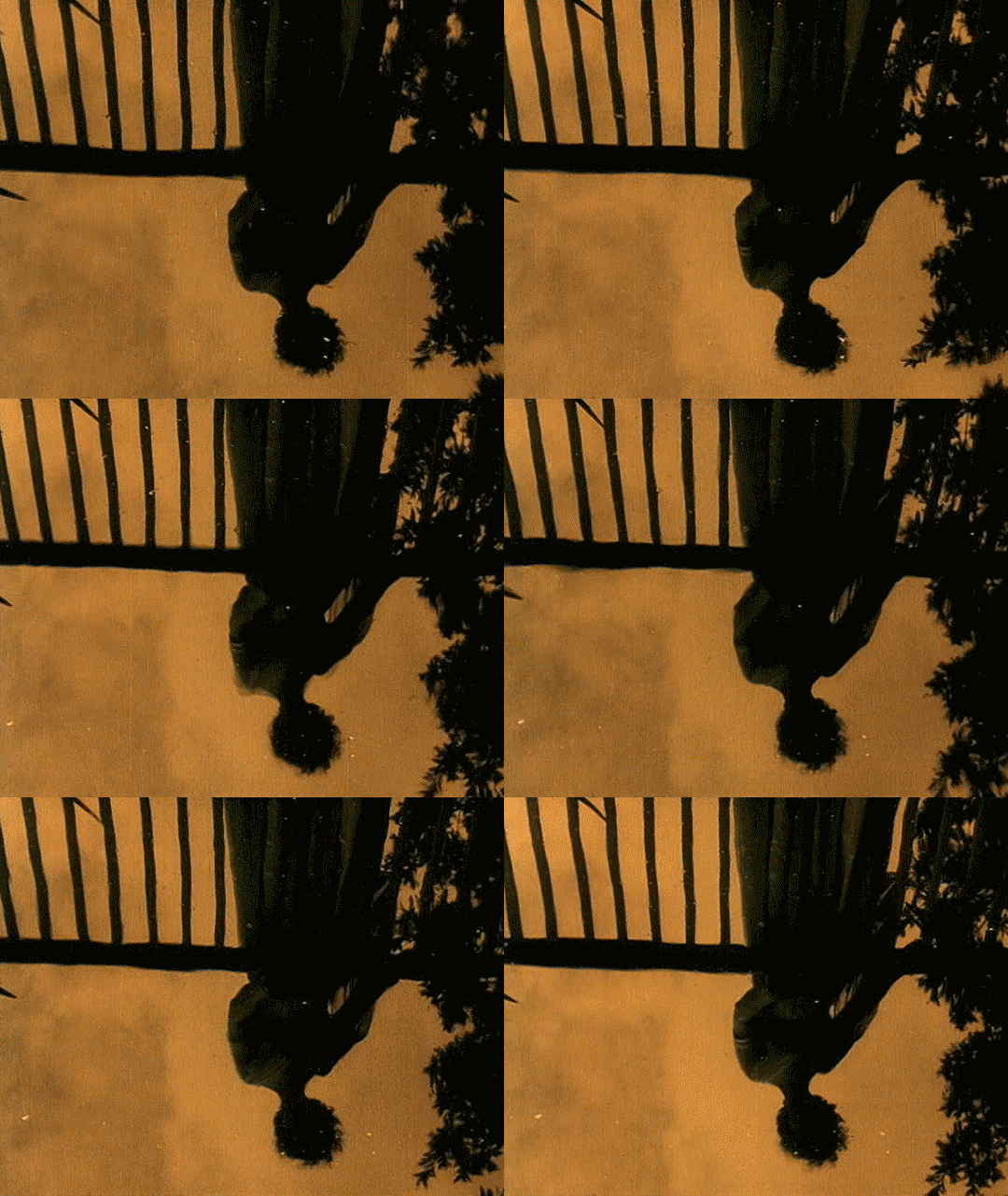
The actress and filmmaker Maya Deren in At land 1944. At land is a 1944 American experimental silent short film written, directed by, and starring Maya Deren. It has a dream-like narrative in which a woman, played by Deren, is washed up on a beach and goes on a strange journey encountering other people and other versions of herself. Deren once said that the film is about the struggle to maintain one’s personal identity.
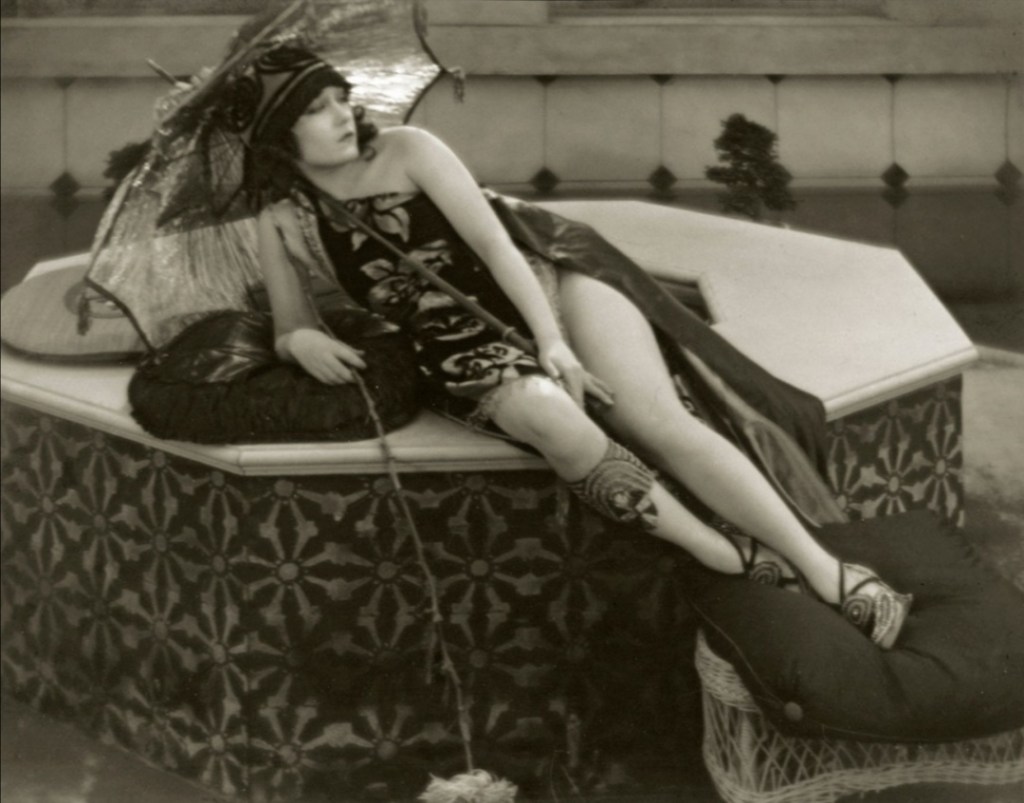
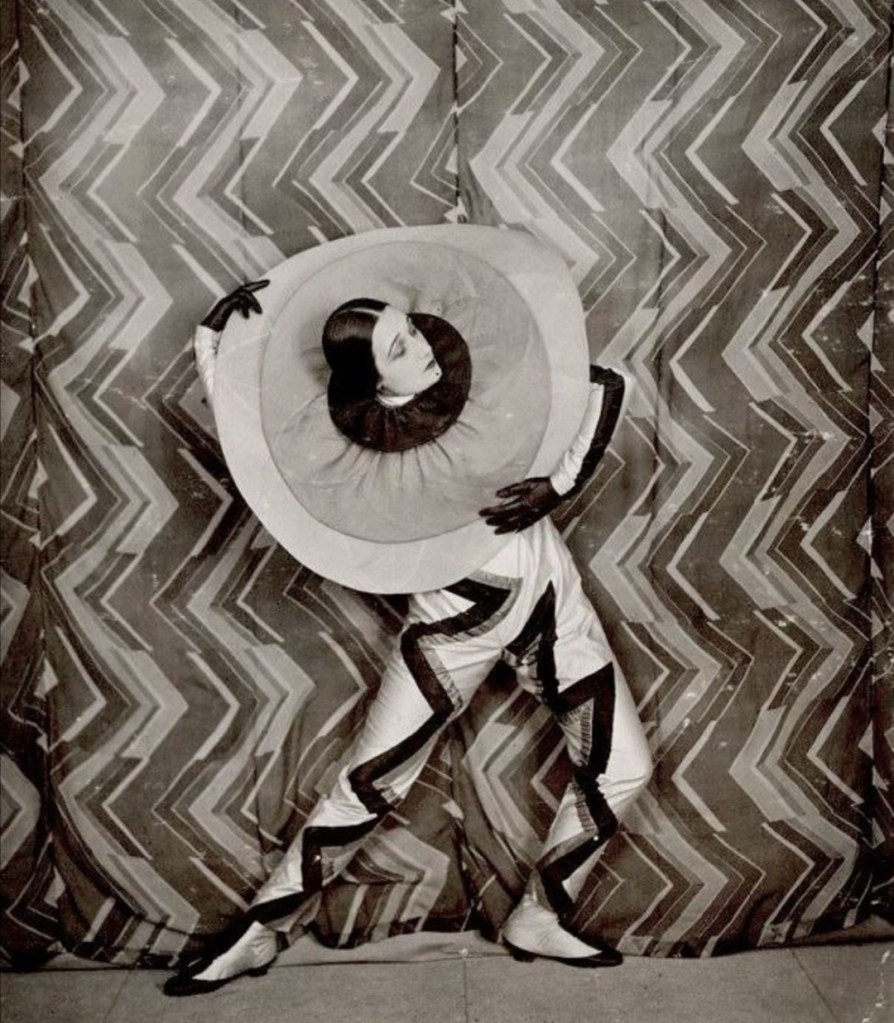
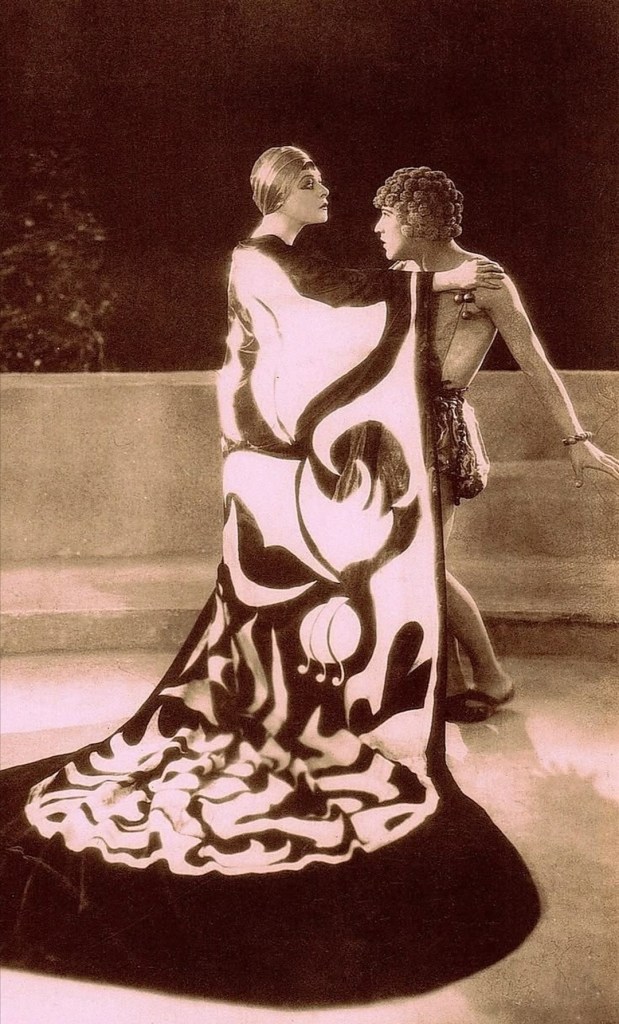
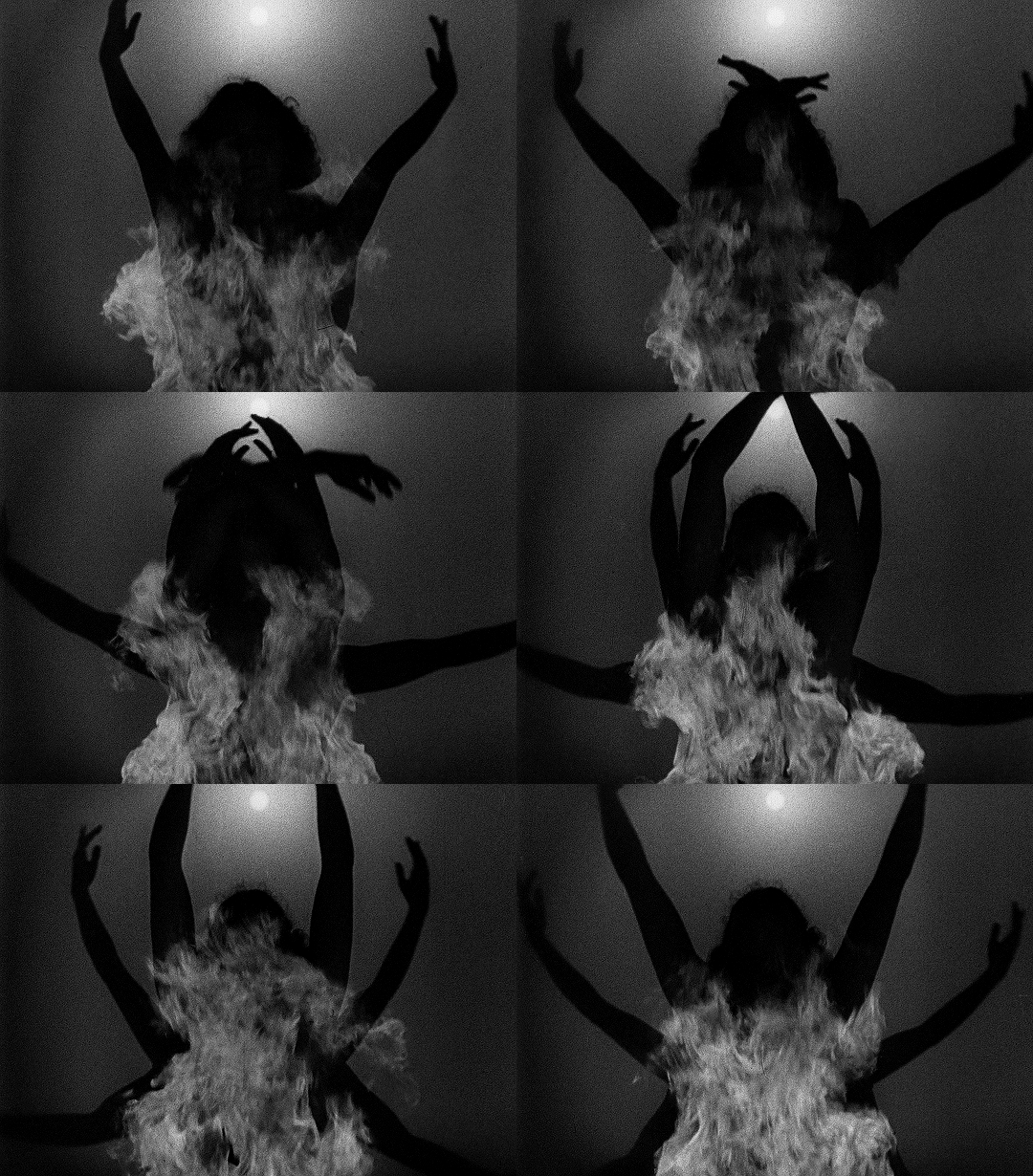
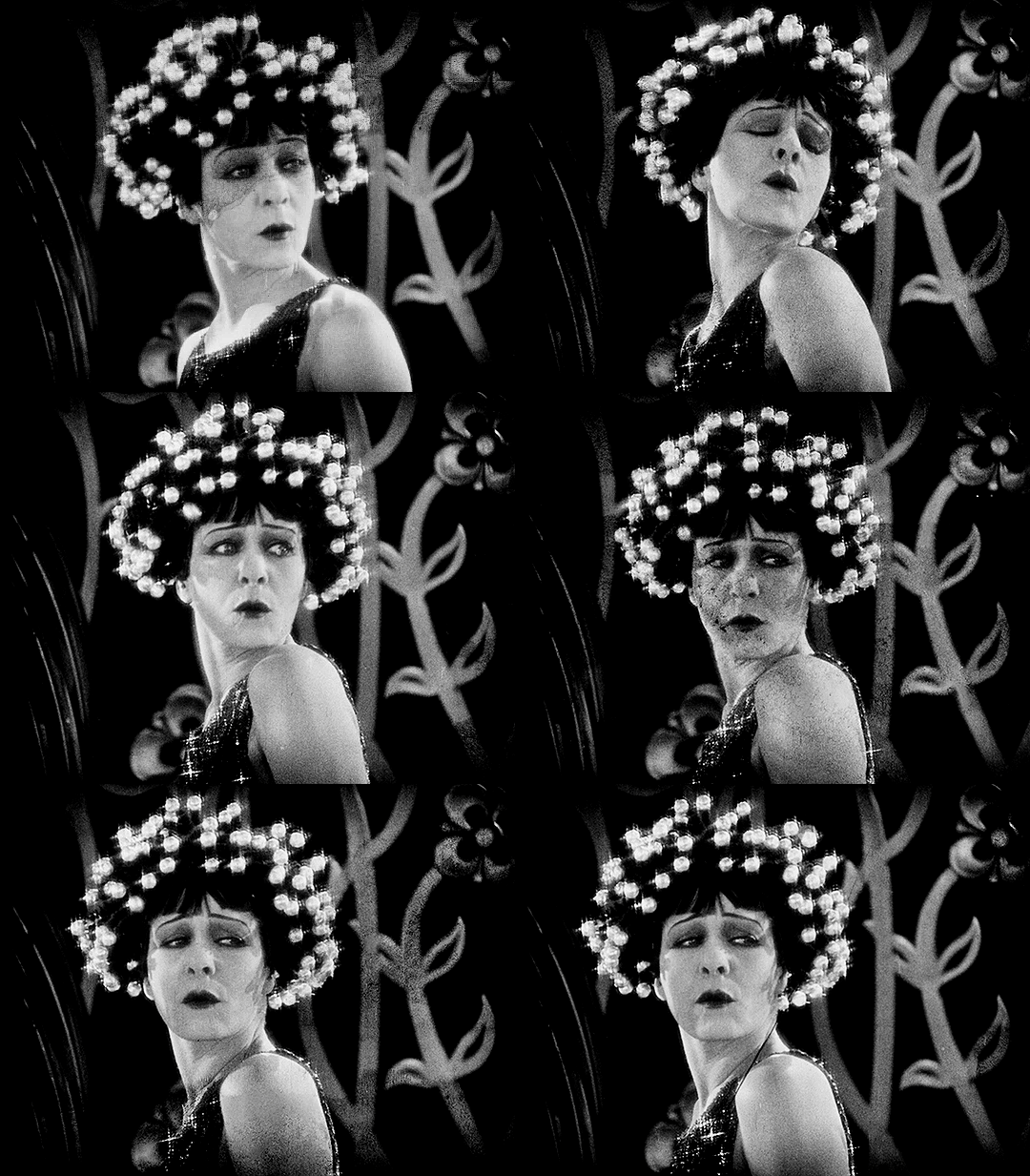
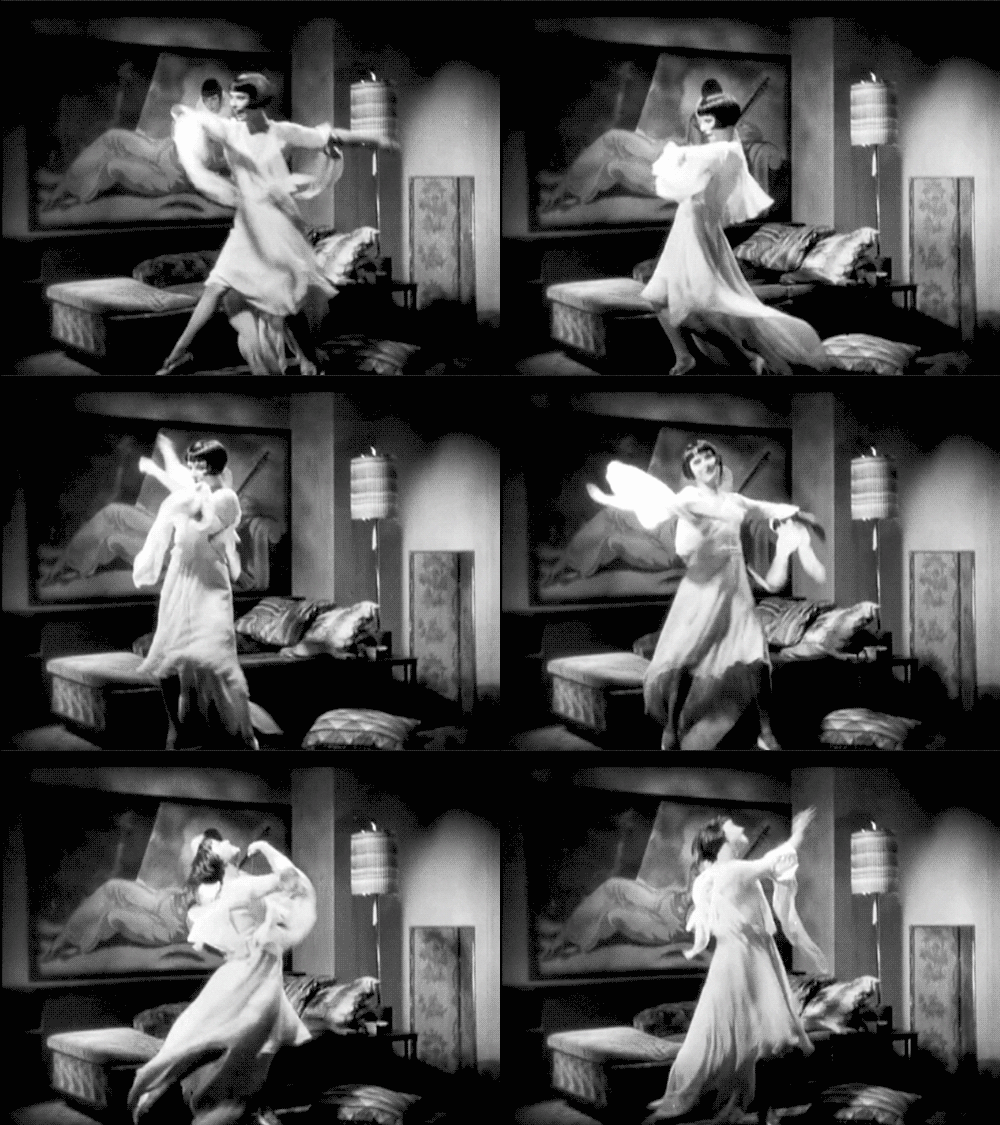
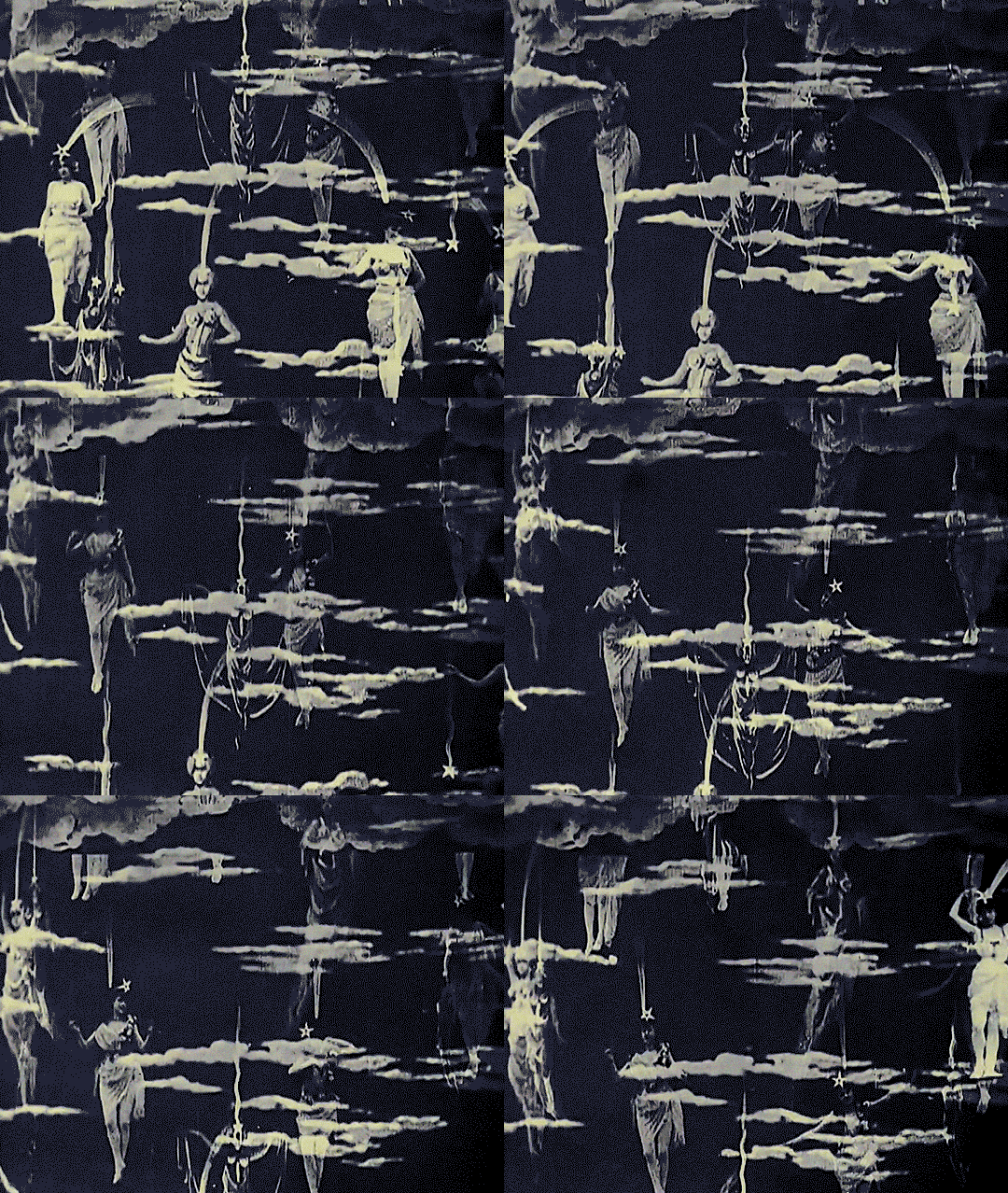
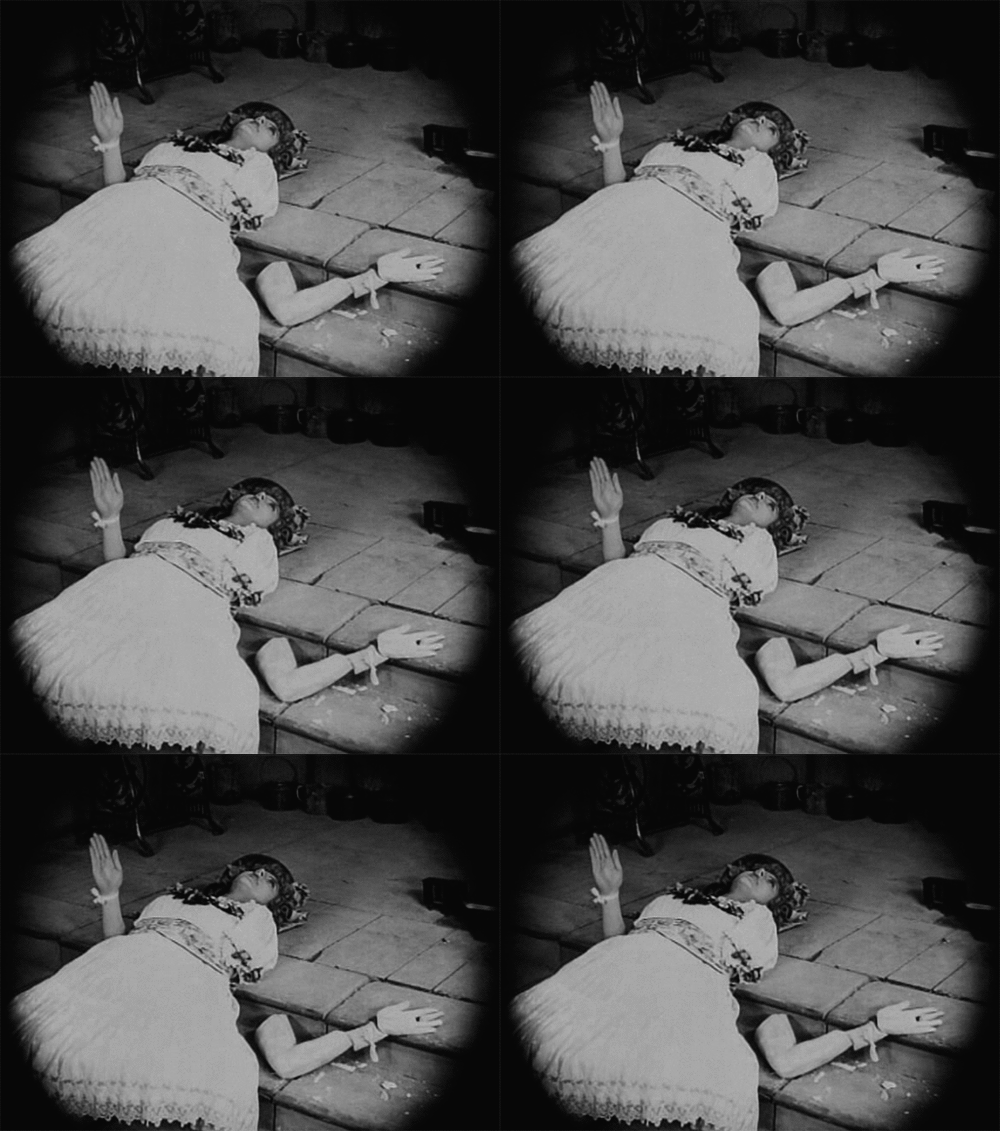
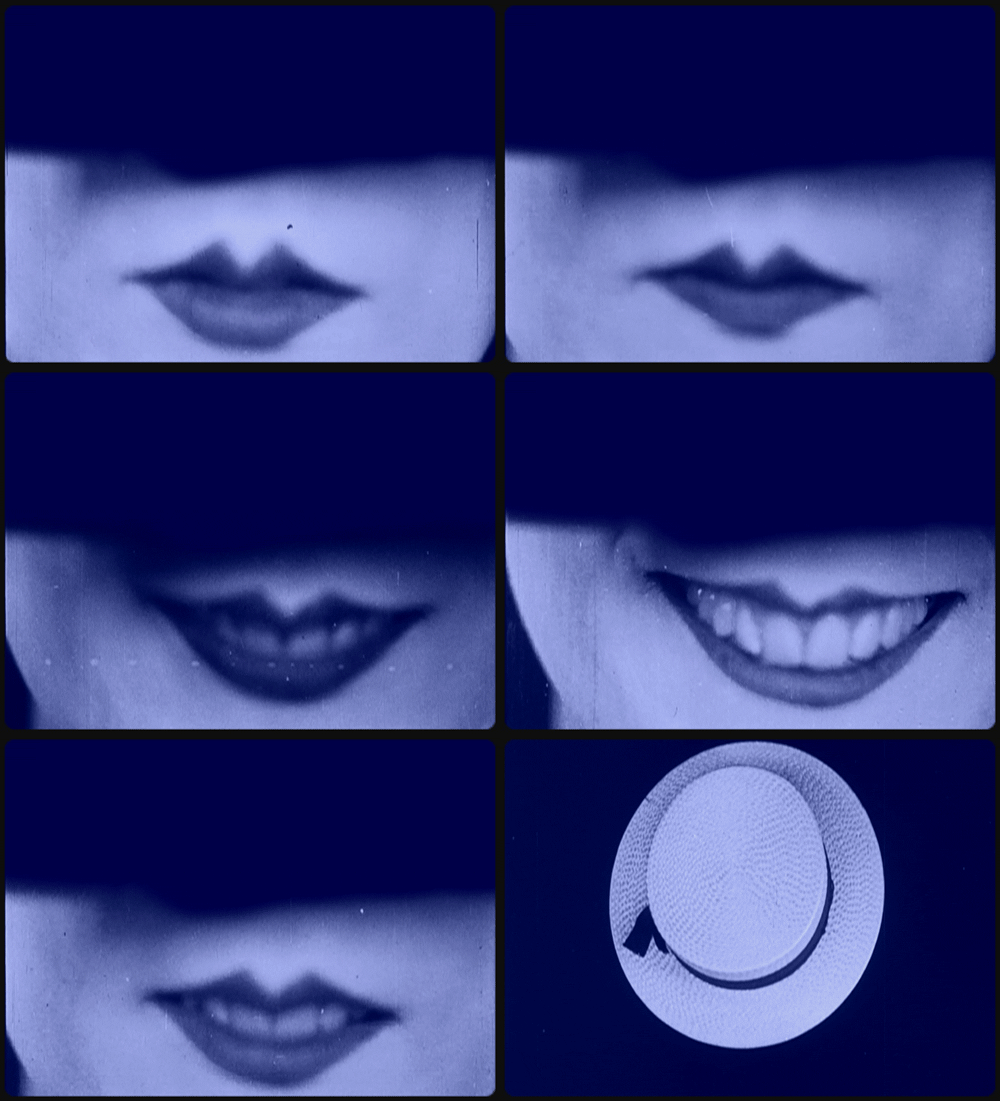
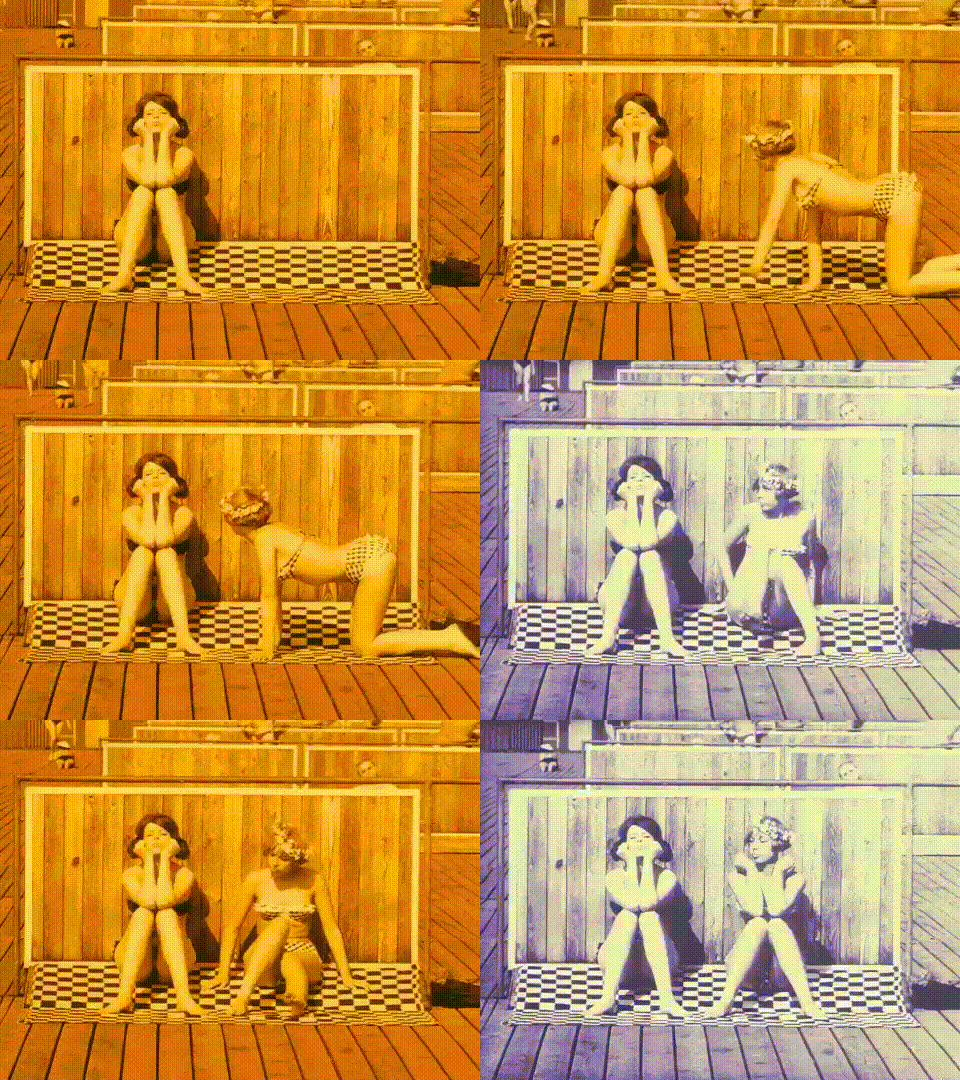
The dancer Lizica Codreanu wearing the Pierrot-Éclair costume designed by Sonia Delaunay, on the set of René Le Somptier’s 1926 film ‘Le P’tit Parigot’. Still from the film Le P’tit Parigot, written by Paul Cartoux, directed by René Le Somptier 1926
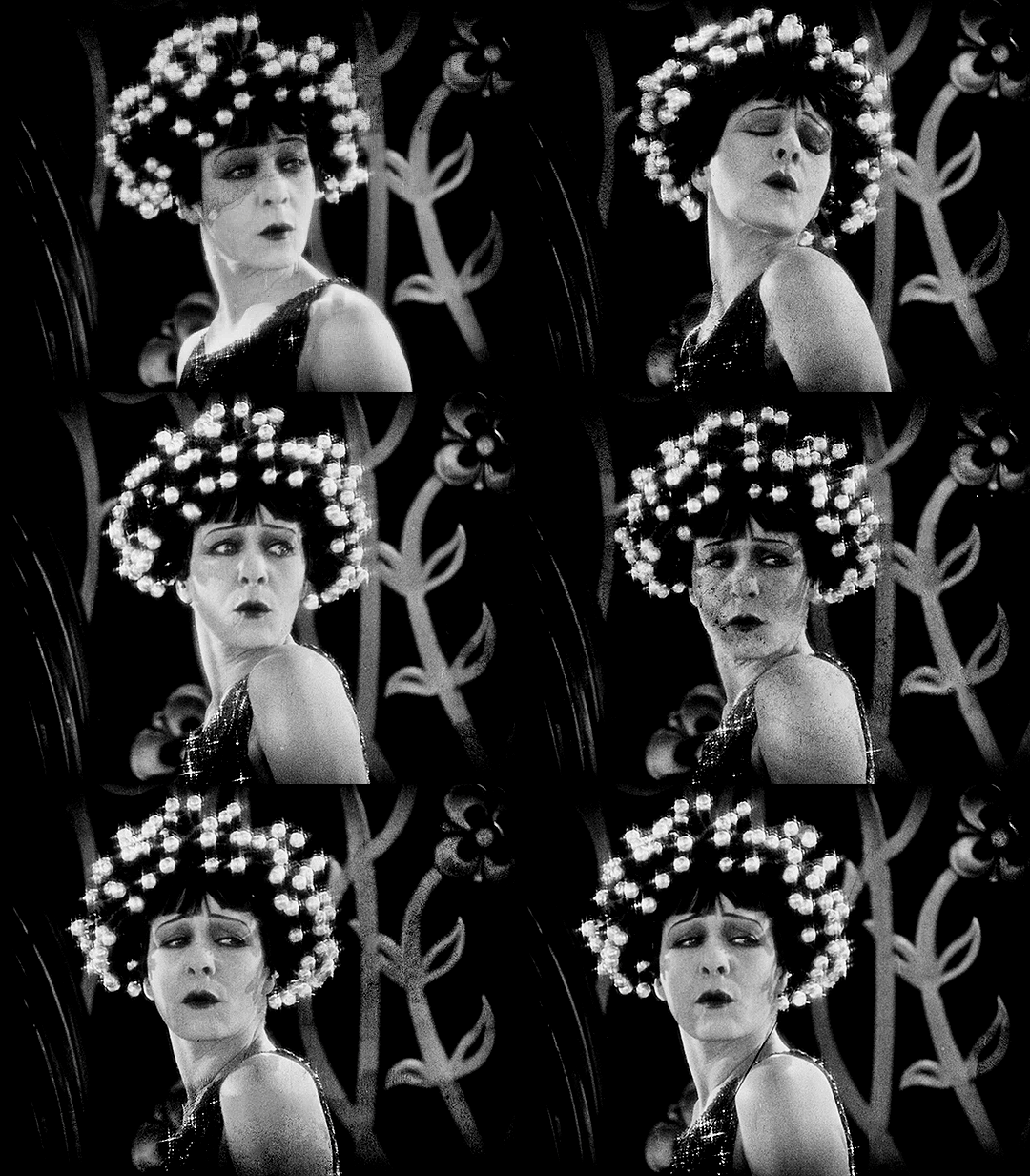
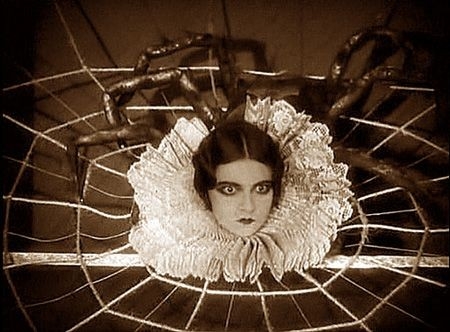
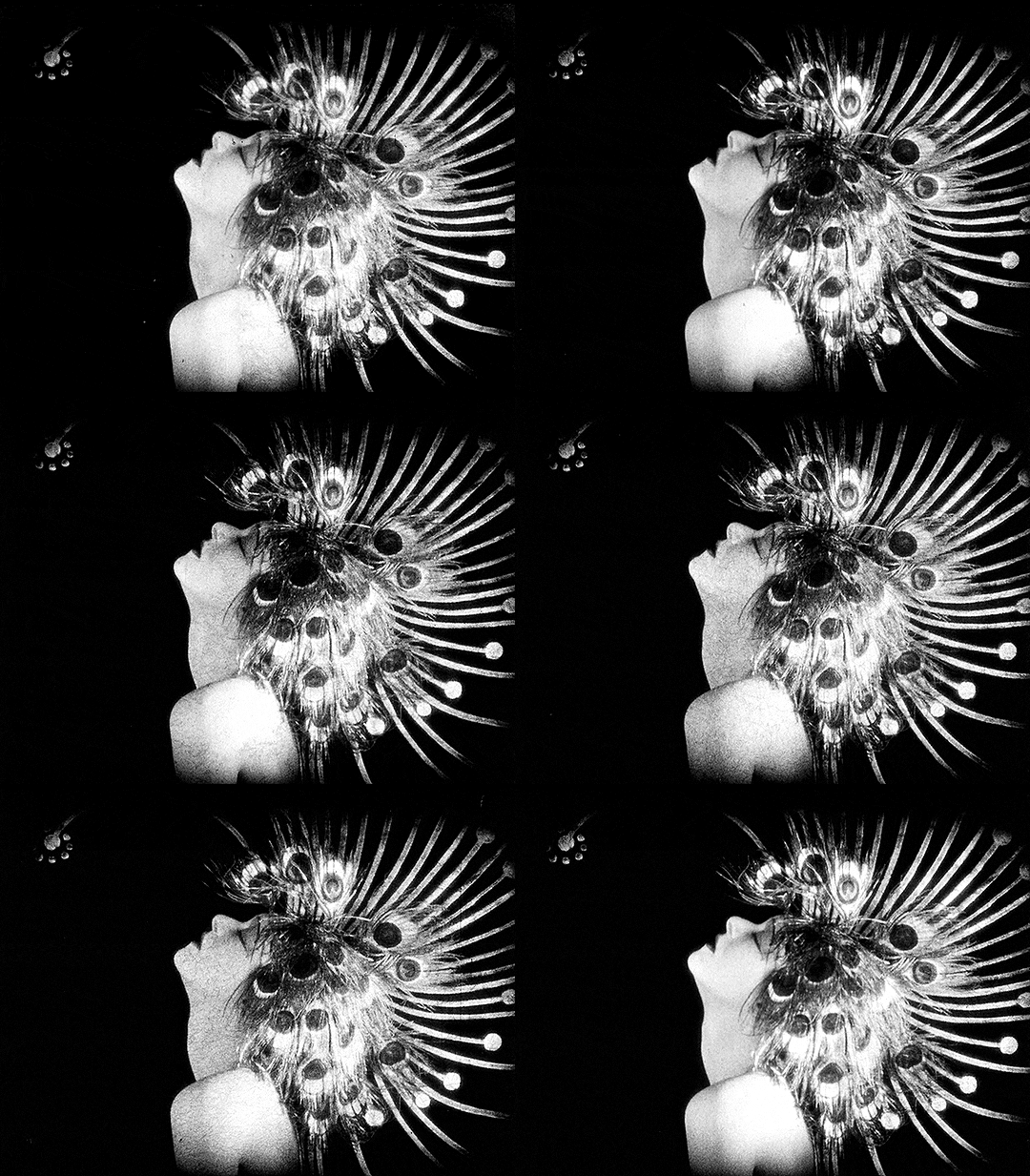
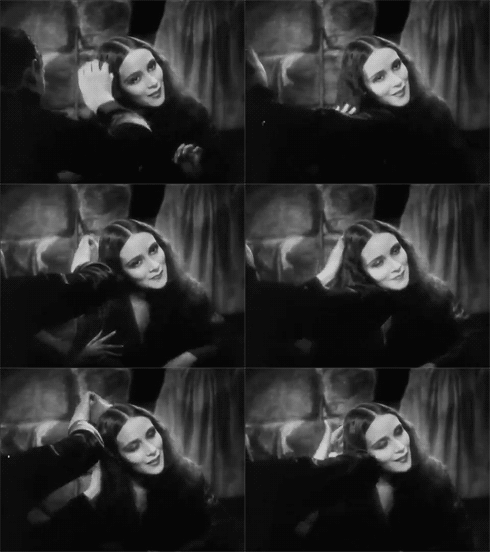
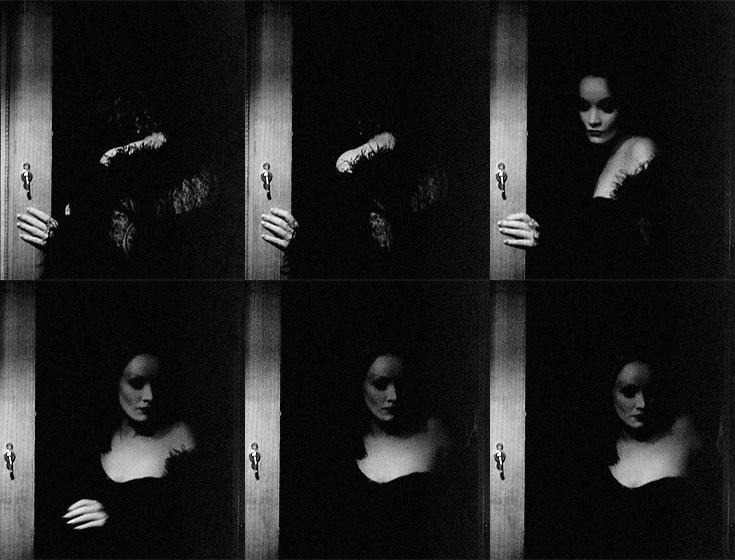
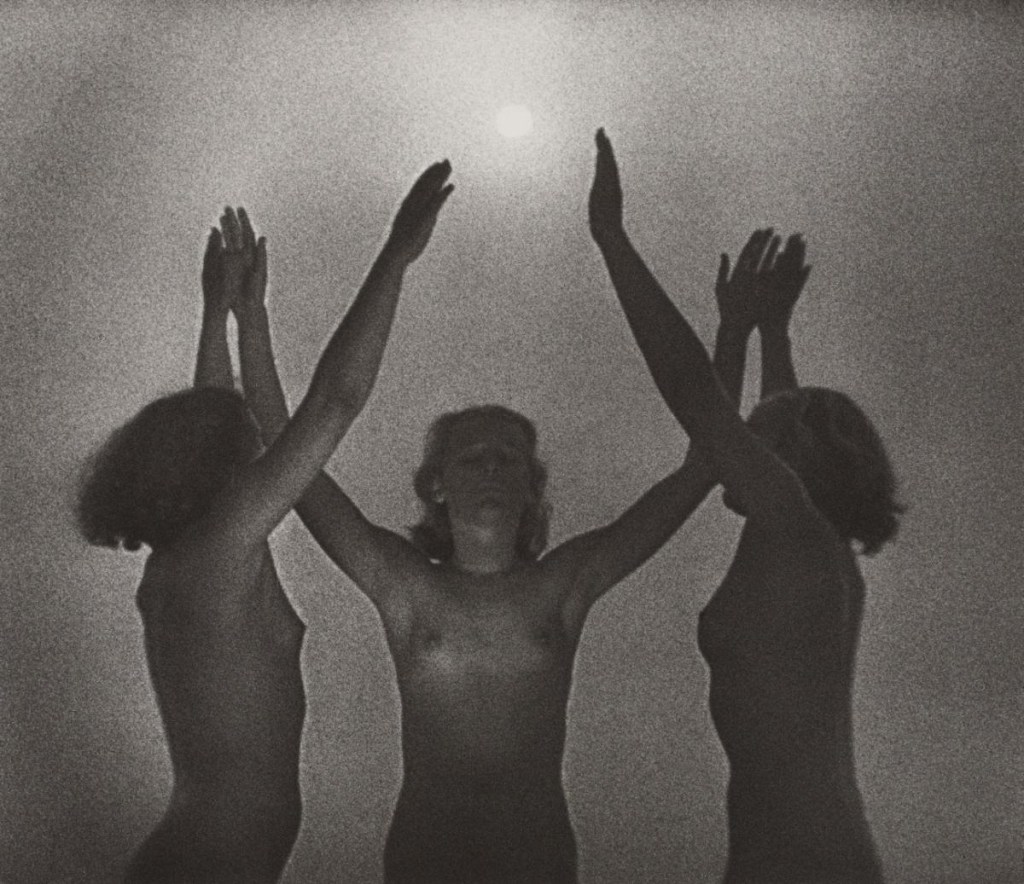
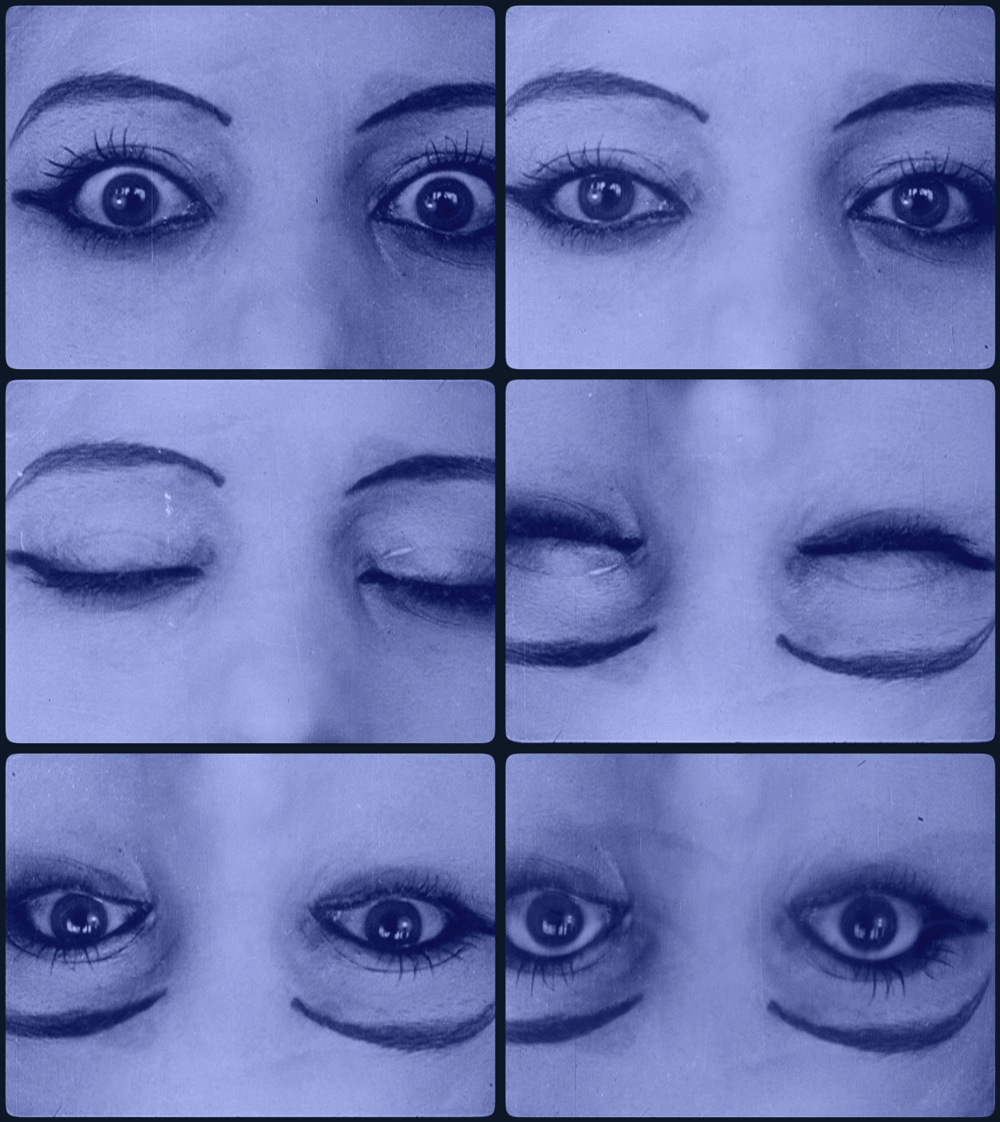
From The blood of a poet directed by Jean Cocteau in 1932
“The Blood of a Poet”1932 “Poets . . . shed not only the red blood of their hearts but the white blood of their souls,” proclaimed Jean Cocteau of his groundbreaking first film—an exploration of the plight of the artist, the power of metaphor and the relationship between art and dreams. One of cinema’s great experiments, this first installment of the Orphic Trilogy stretches the medium to its limits in an effort to capture the poet’s obsession with the struggle between the forces of life and death.
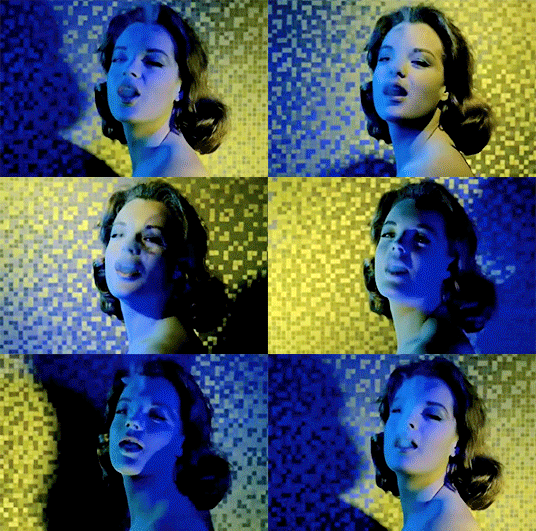
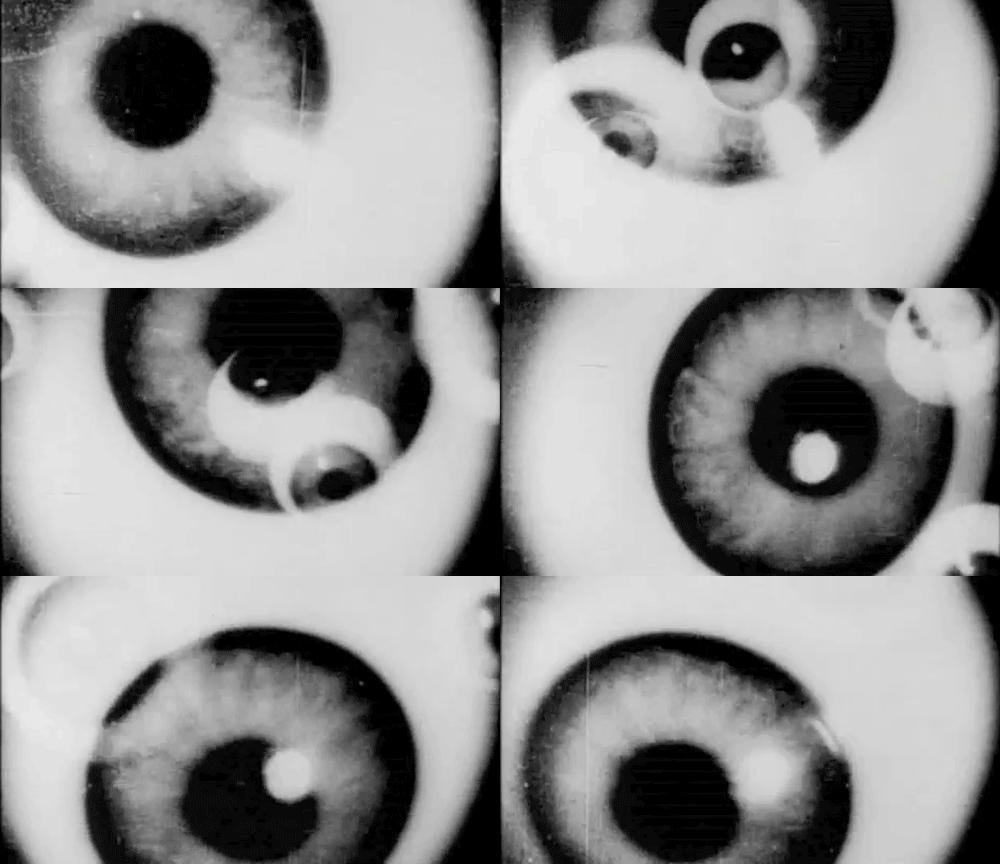
Dreams that money can buy is an American experimental film written, produced and directed by surrealist artist and filmmaker Hans Richter, released in 1947. Several artists contributed to this film: Max Ernst, Marcel Duchamp, Man Ray, Alexander Calder, Darius Milhaud and Fernand Léger. The film won the award for most original contribution to the progress of cinematography at the Venice International Film Festival in 1947.
Joe/Narcissus (Jack Bittner) is an ordinary man who has just signed a contract to rent a room. As he wonders how he is going to pay the rent, he realizes that he can see the contents of his own brain unfolding by staring into his eyes in a mirror. He then realizes that he can apply this gift to others and creates a company where he will sell his clients (frustrated and neurotic of all kinds) tailor-made dreams based on what he was able to discover about their minds. The waiting room is crowded from the first day of its activity.
Each of the film’s seven dream sequences is actually the creation of an avant-garde artist
























 DantéBéa