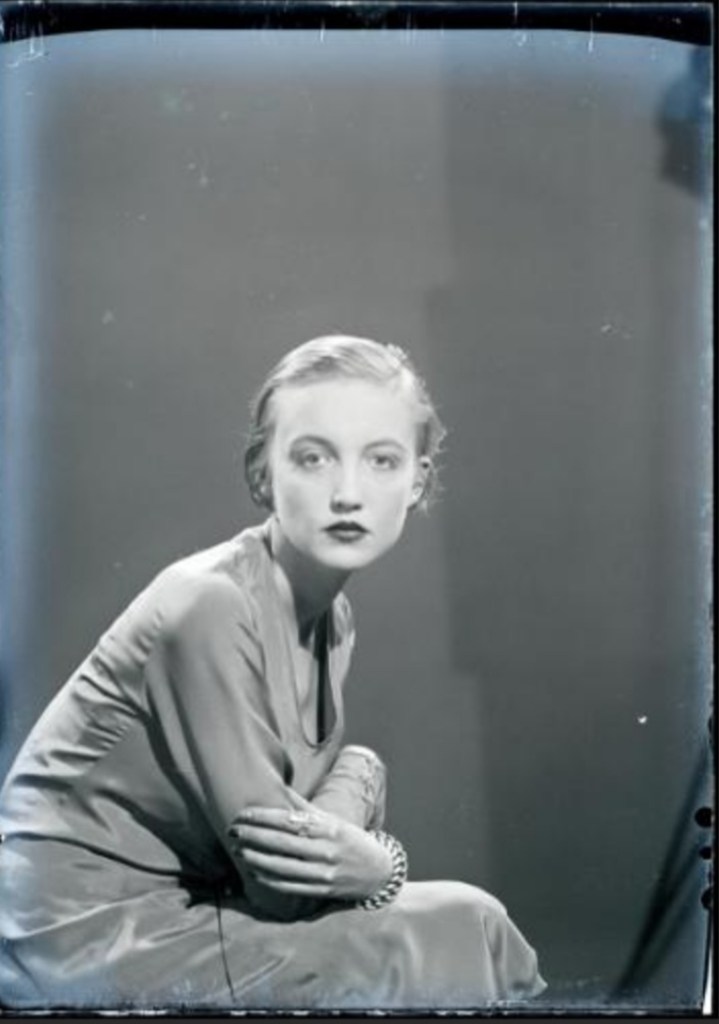
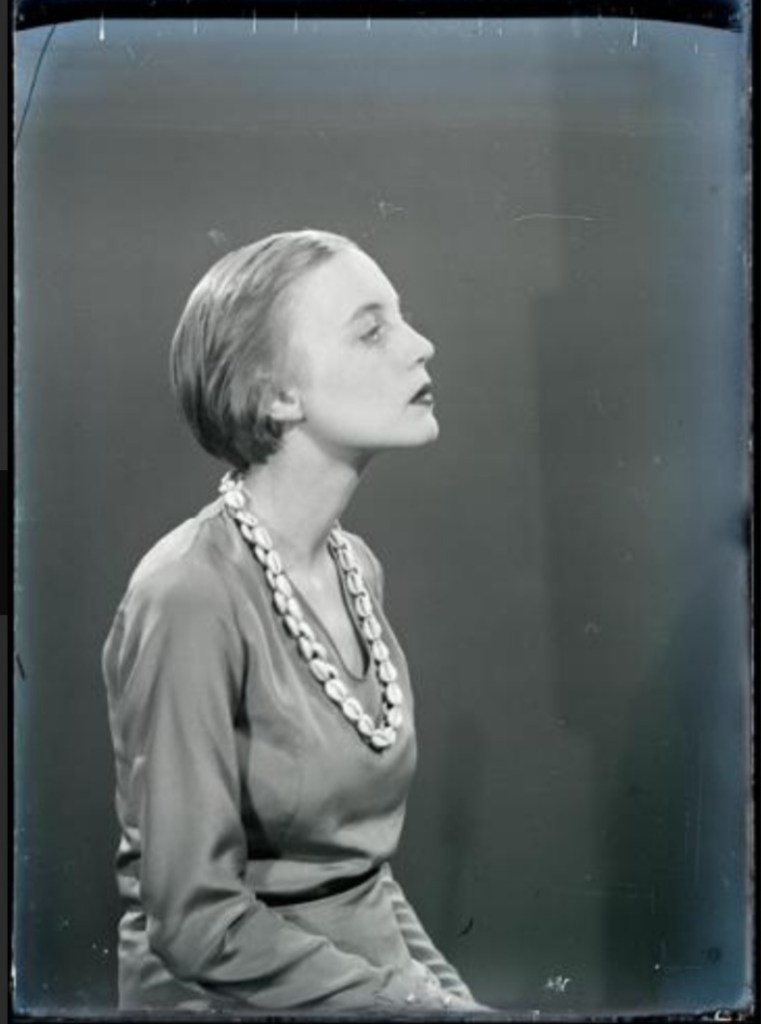
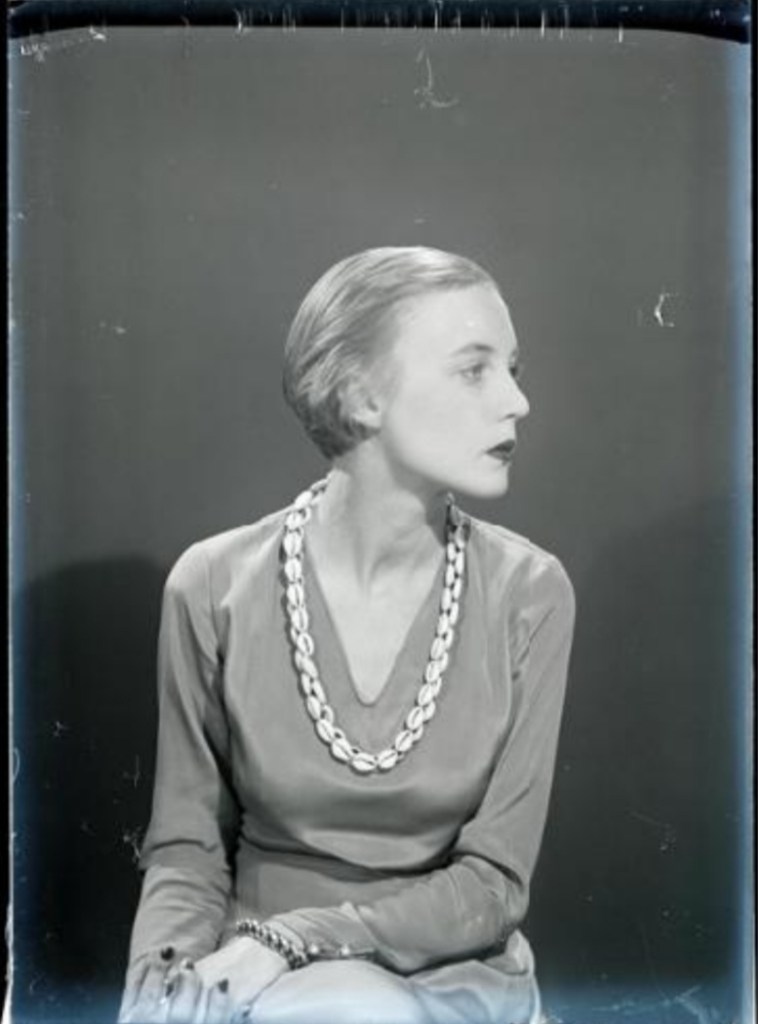
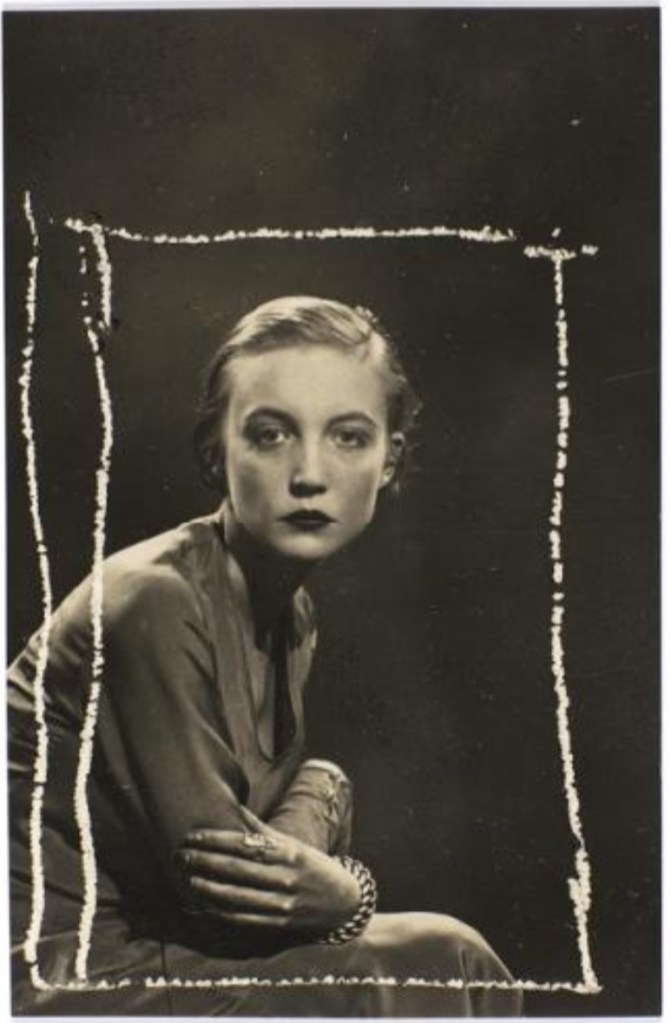
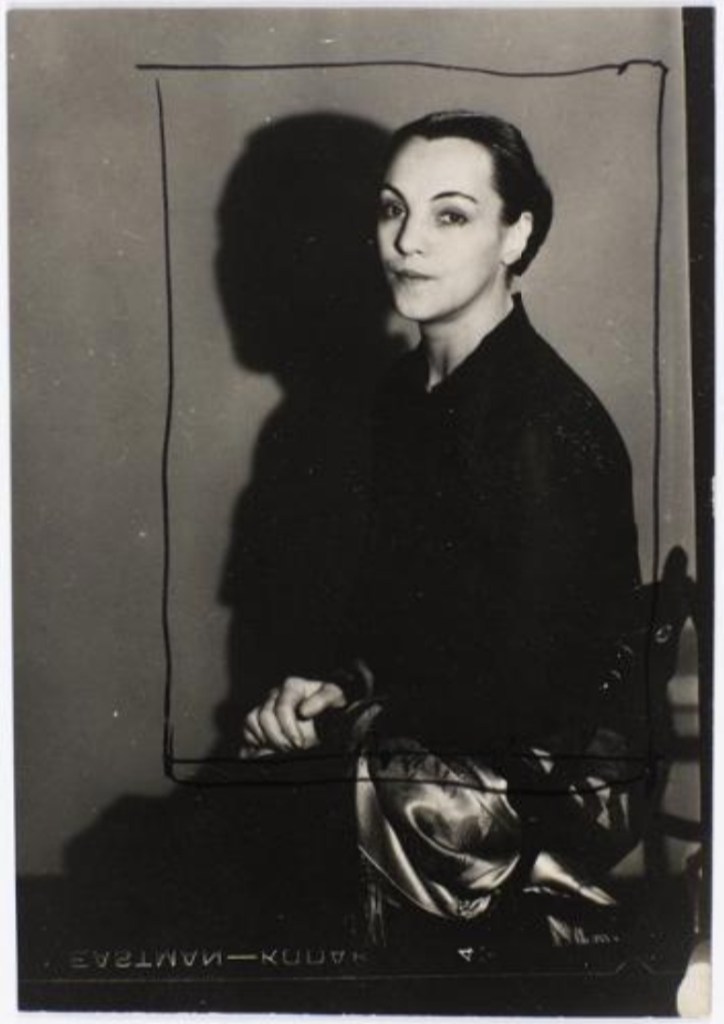
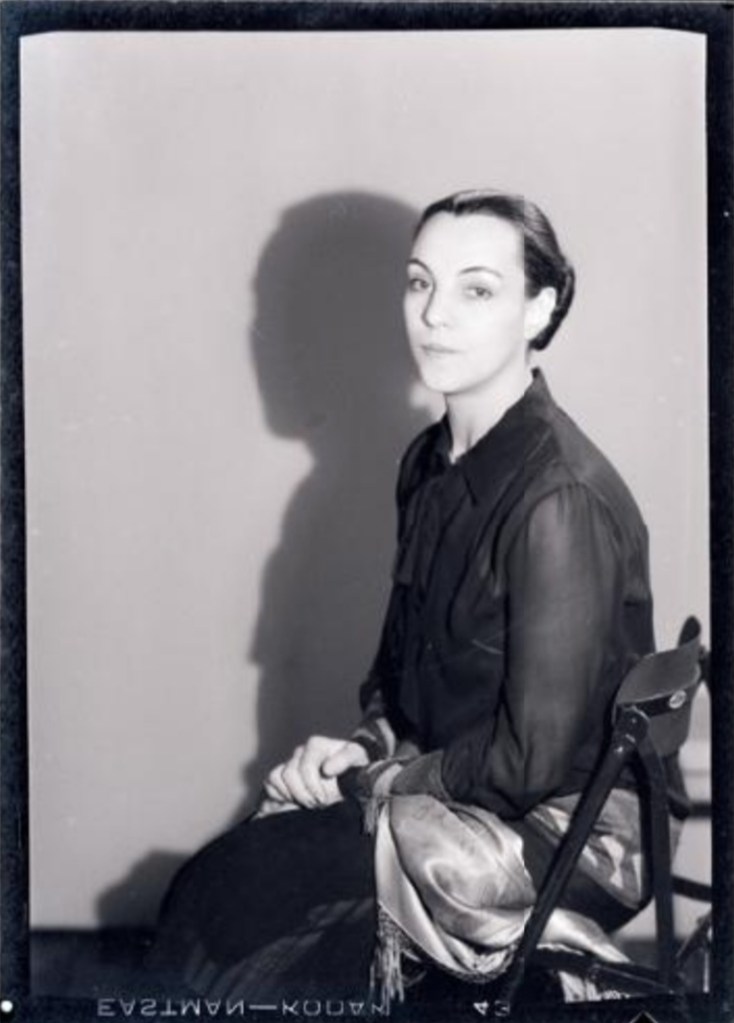
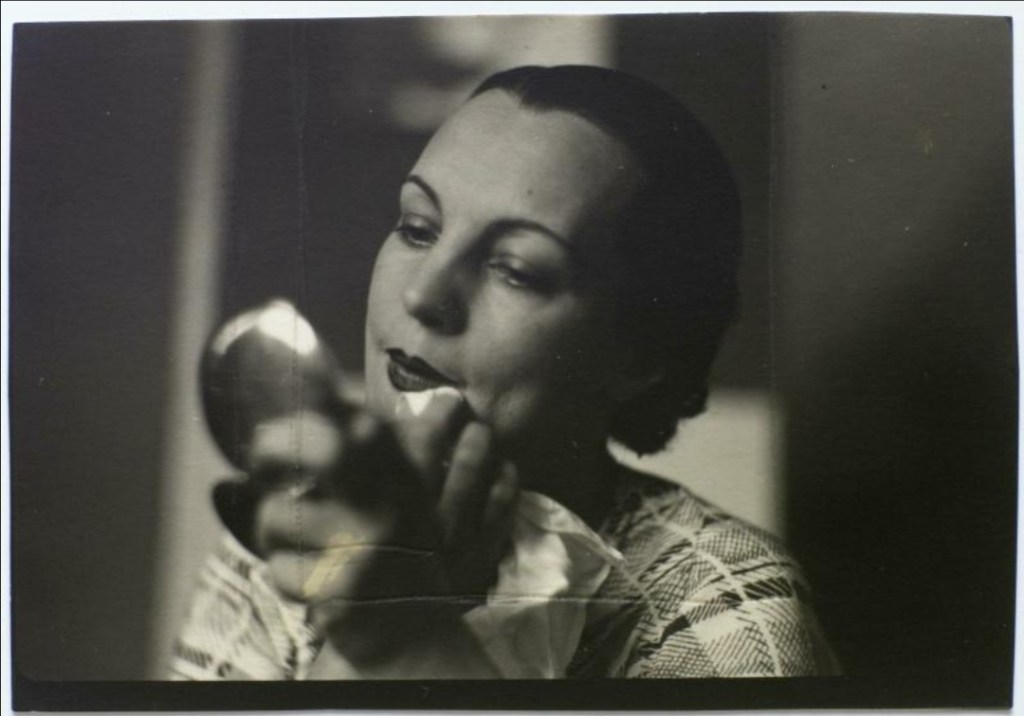
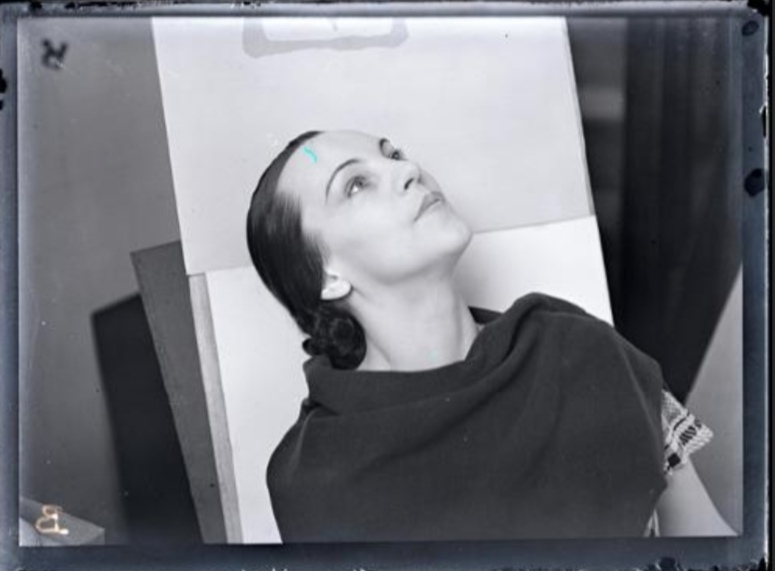
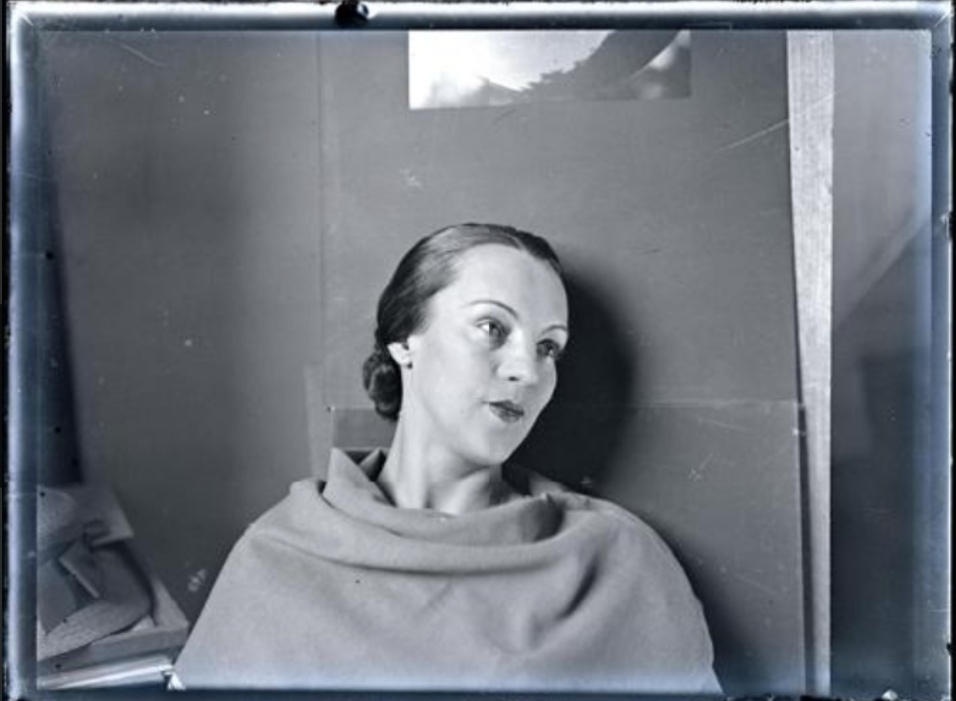
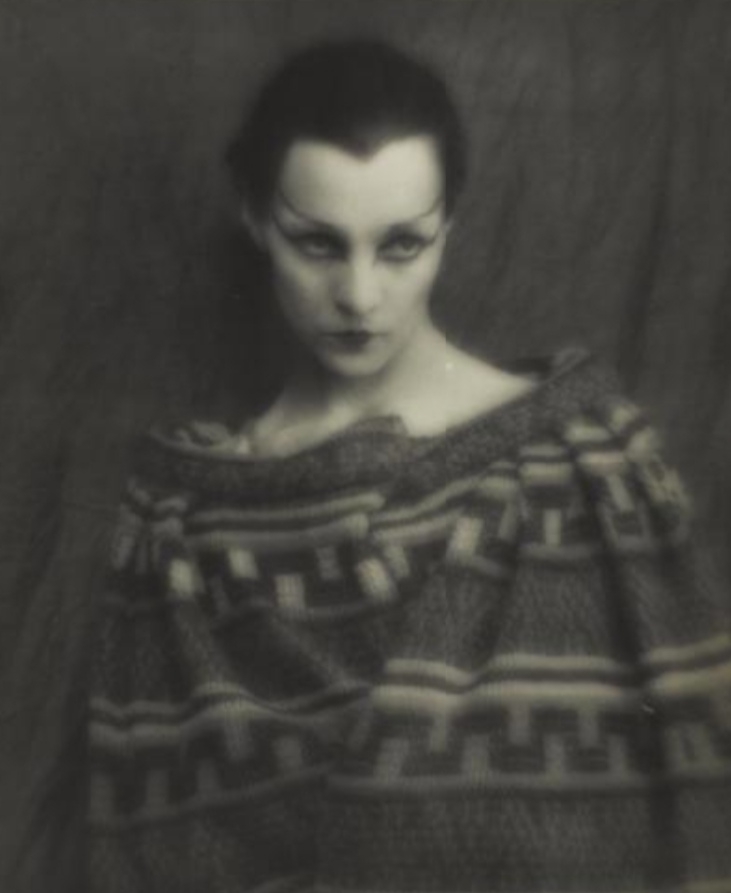
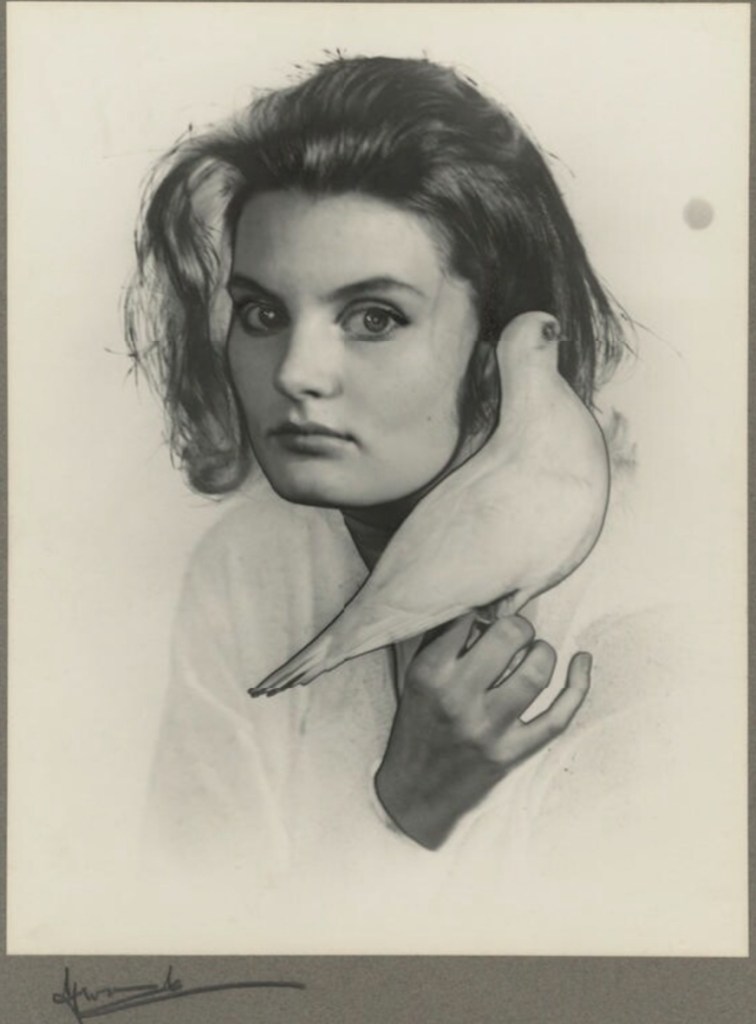
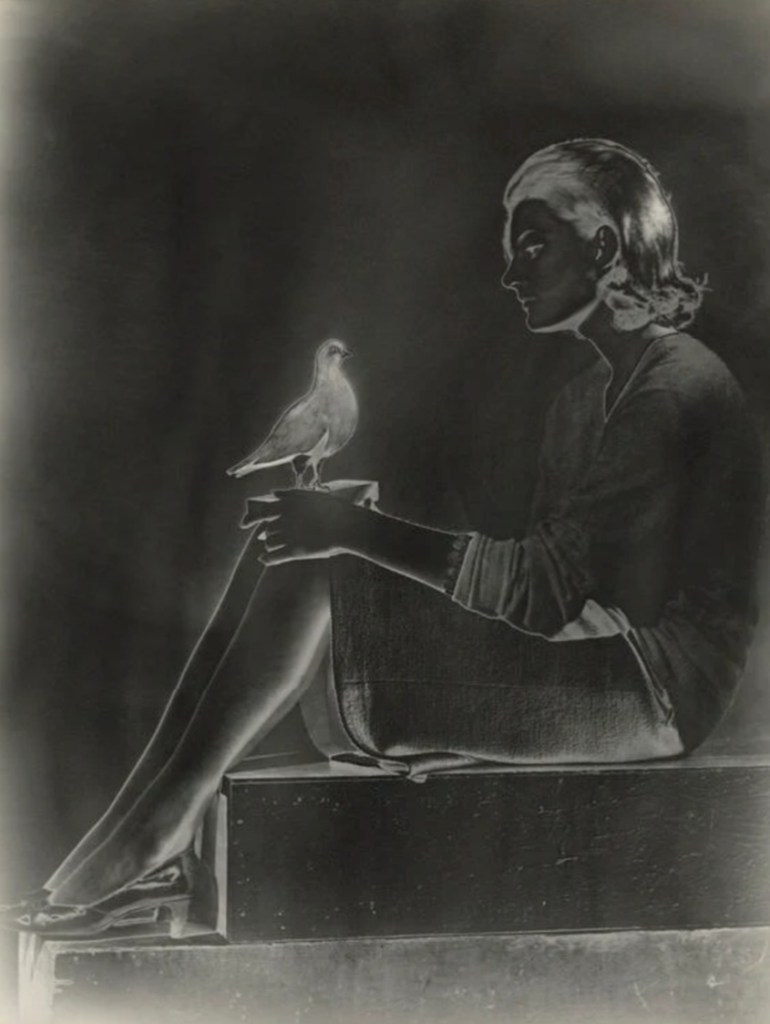
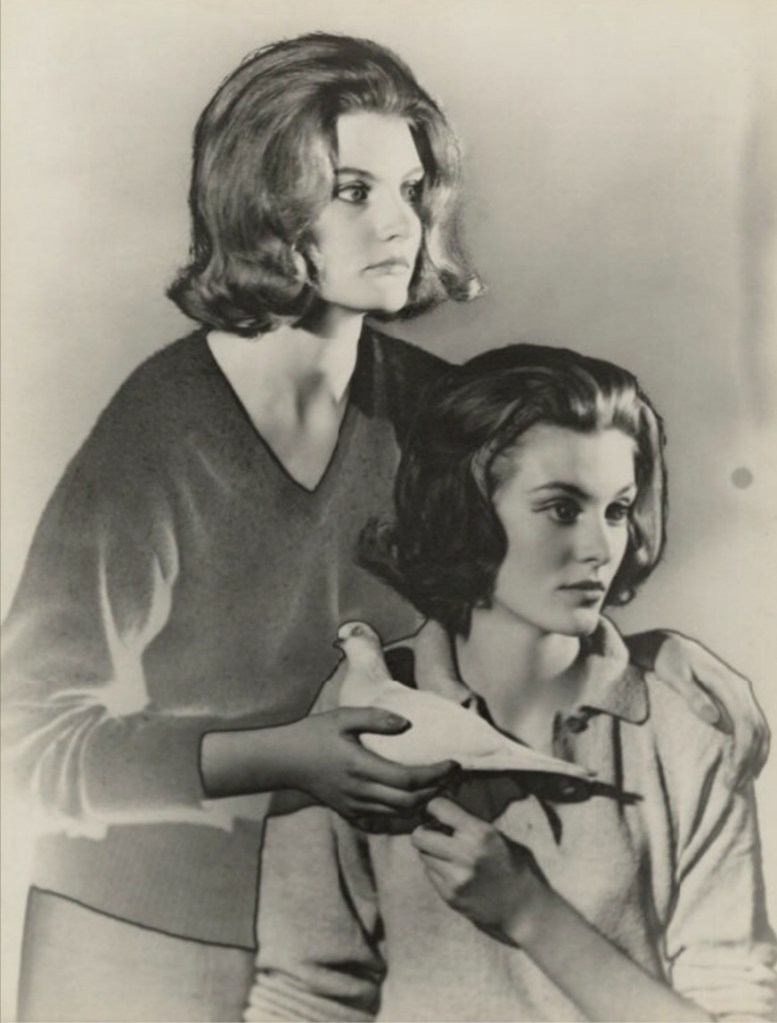
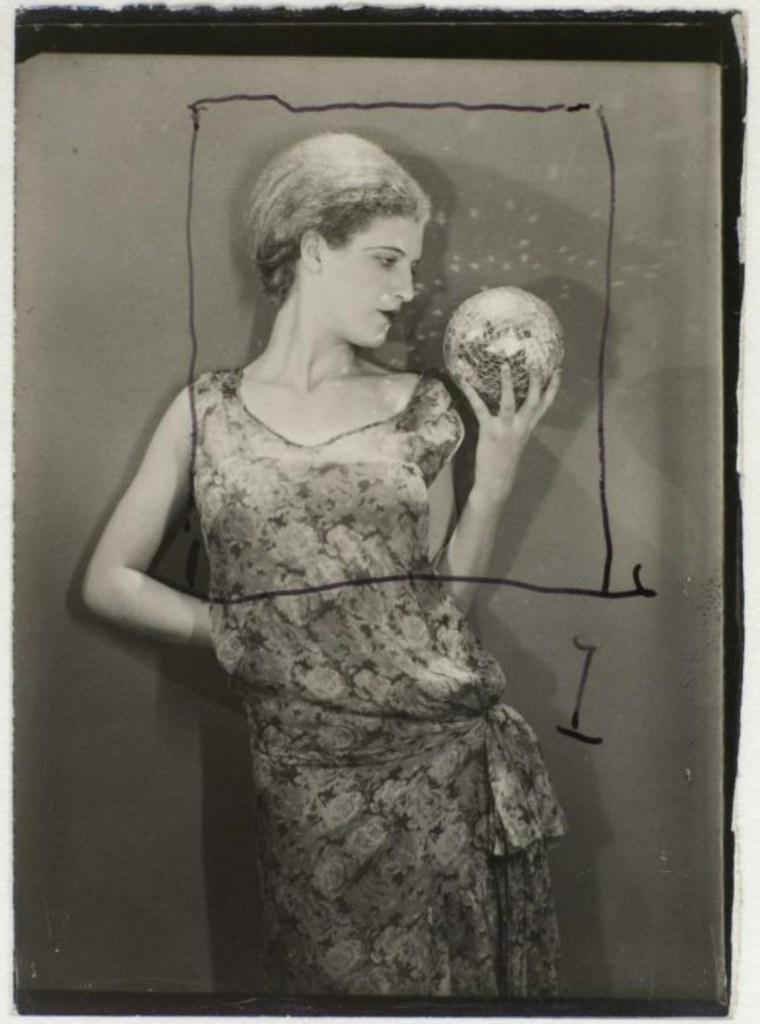
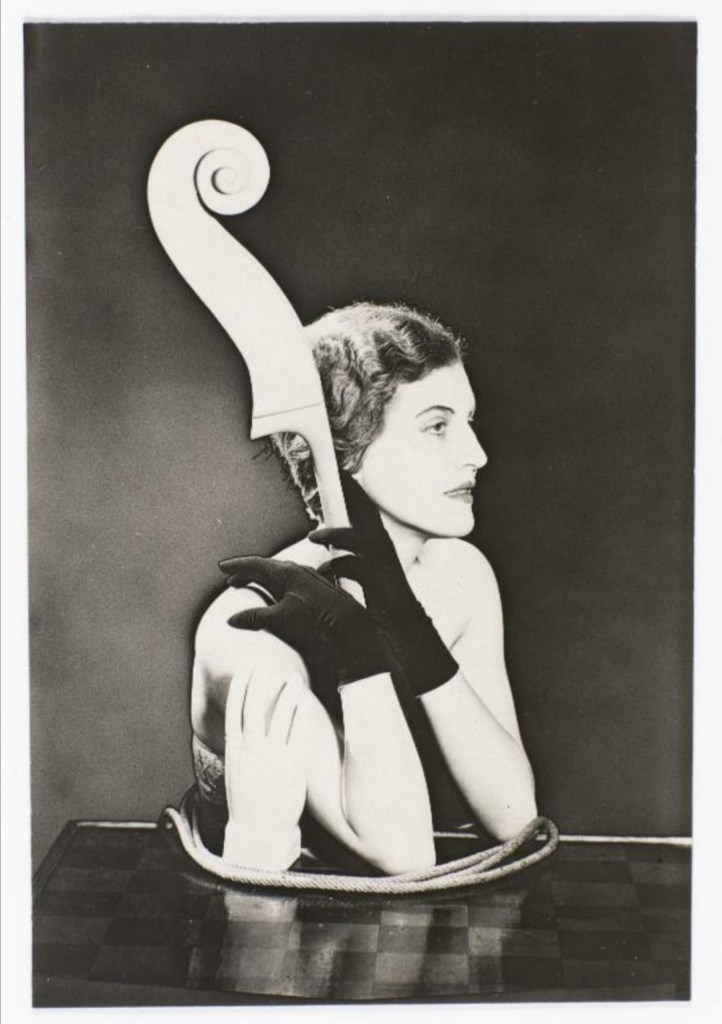
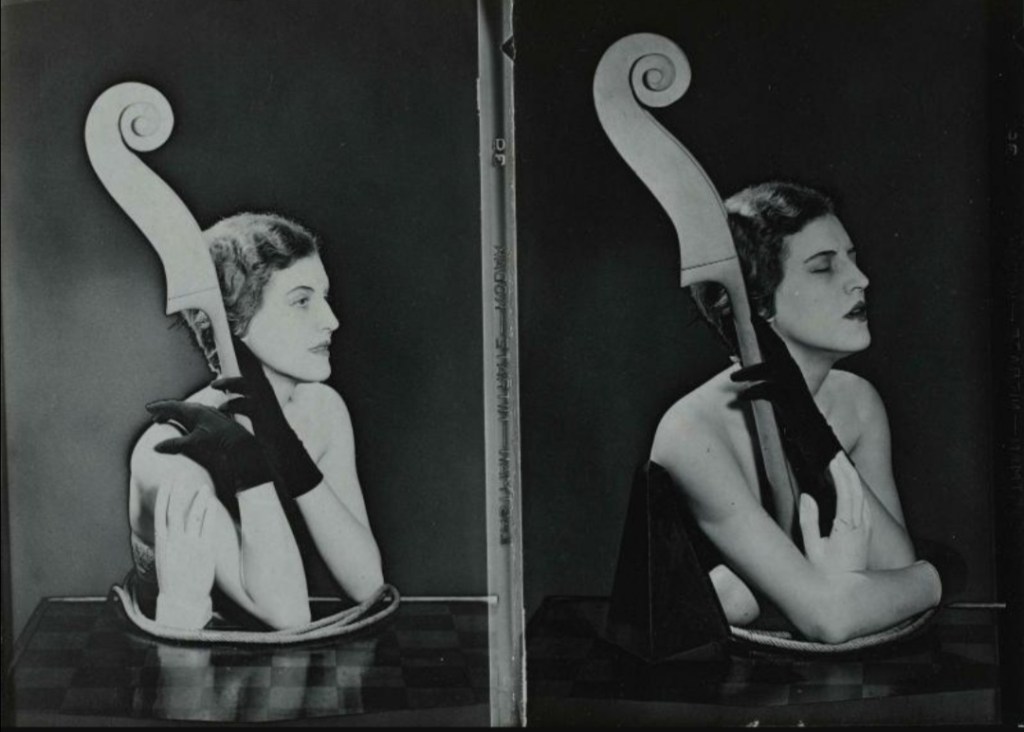
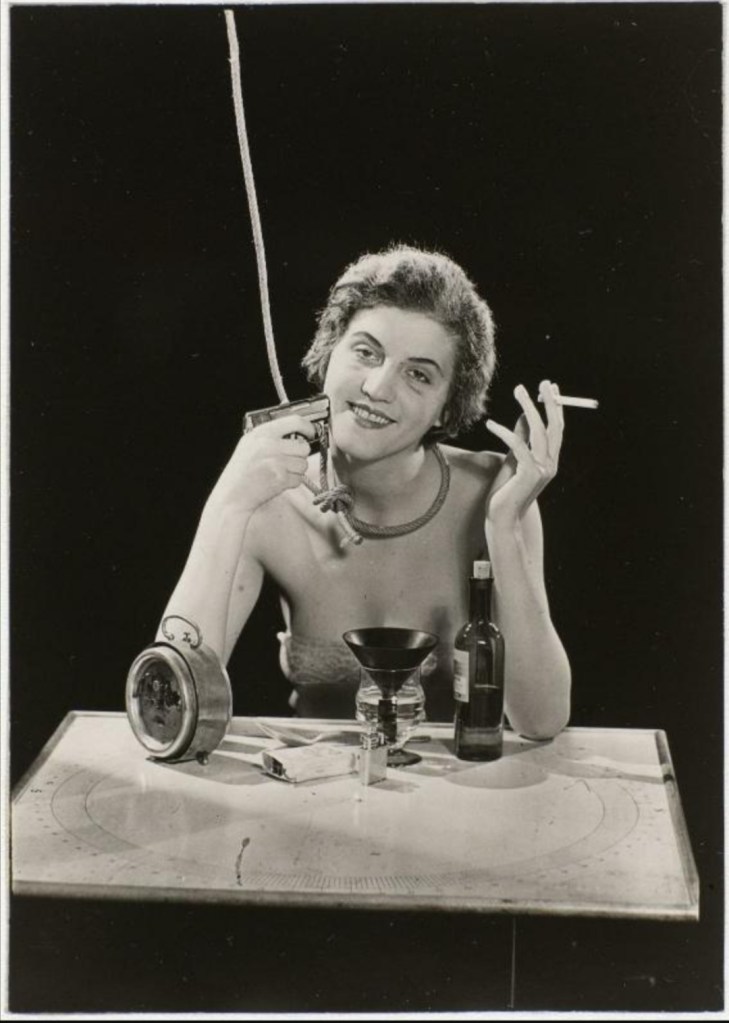
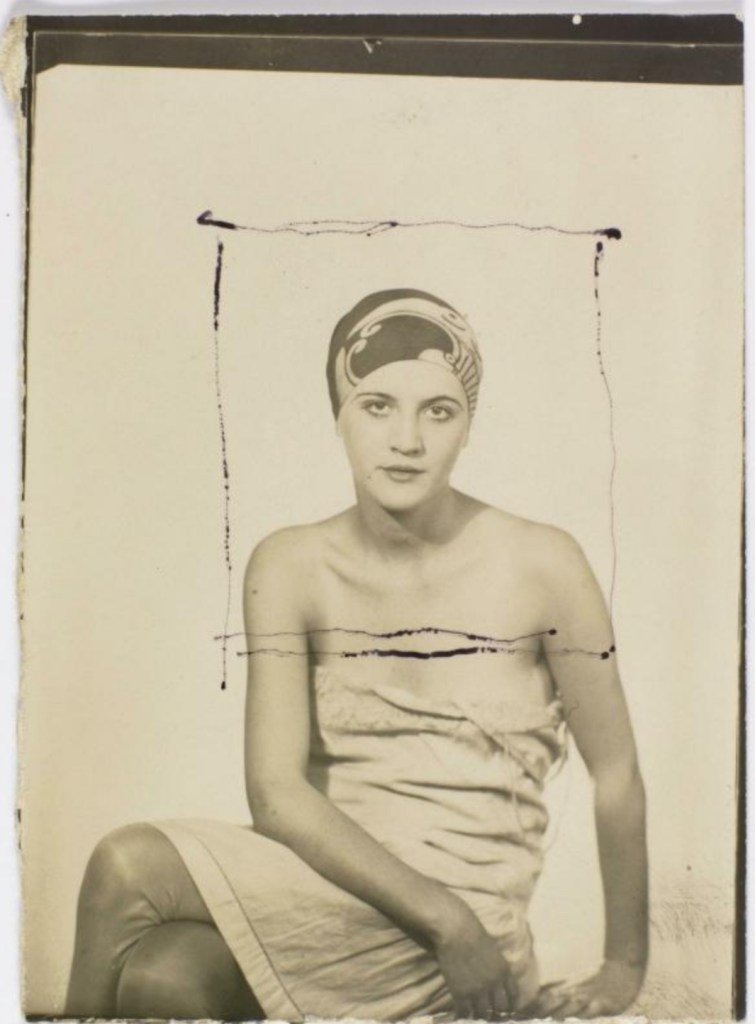
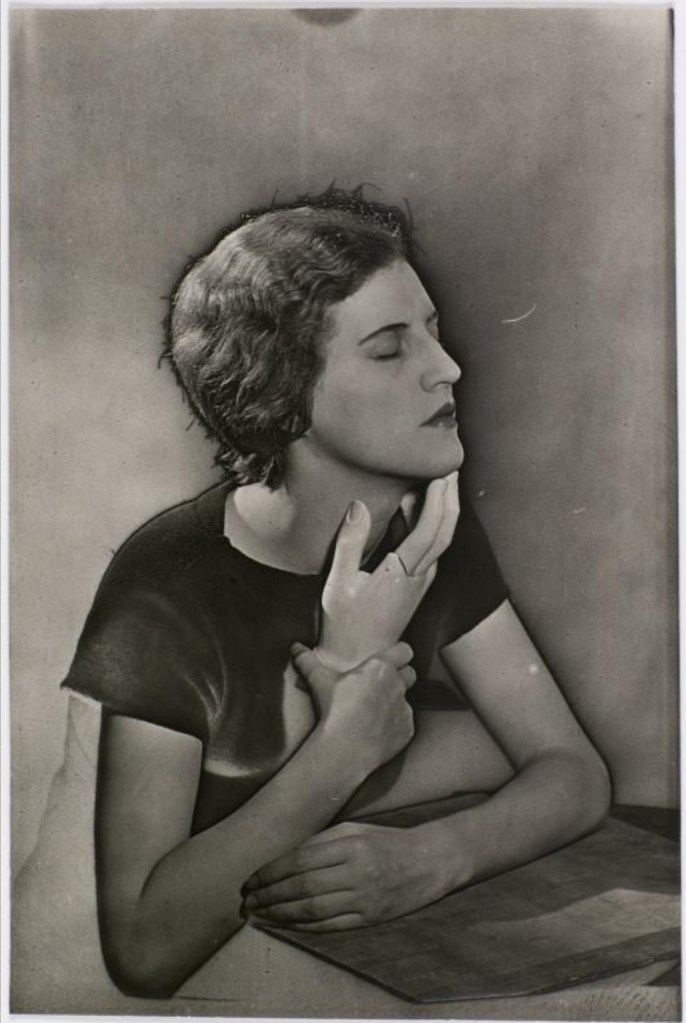
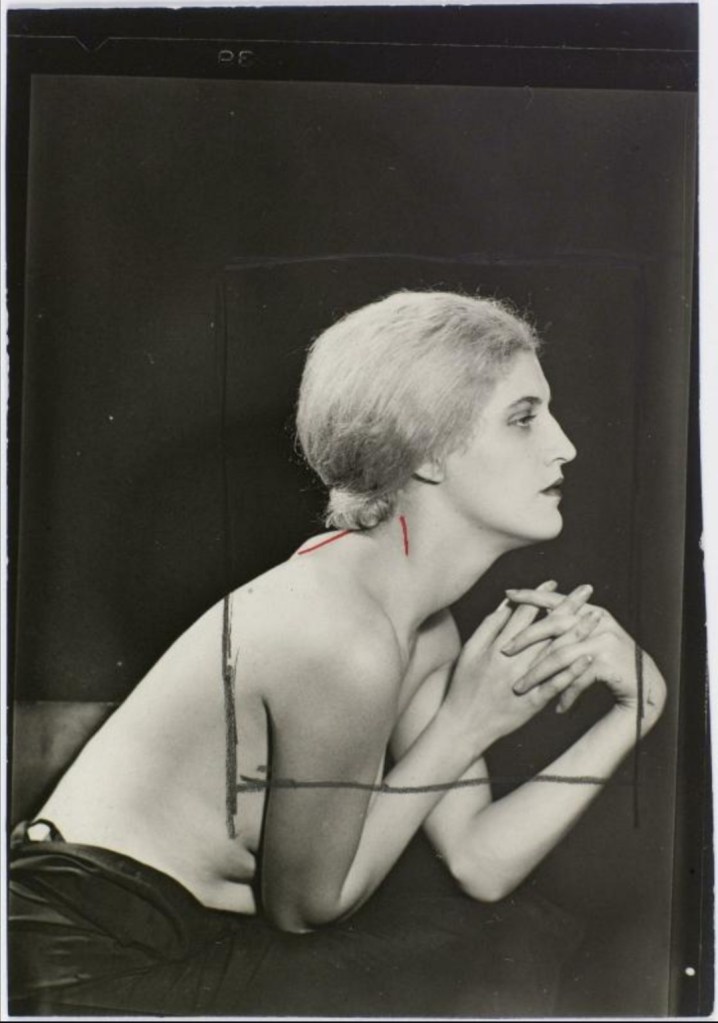
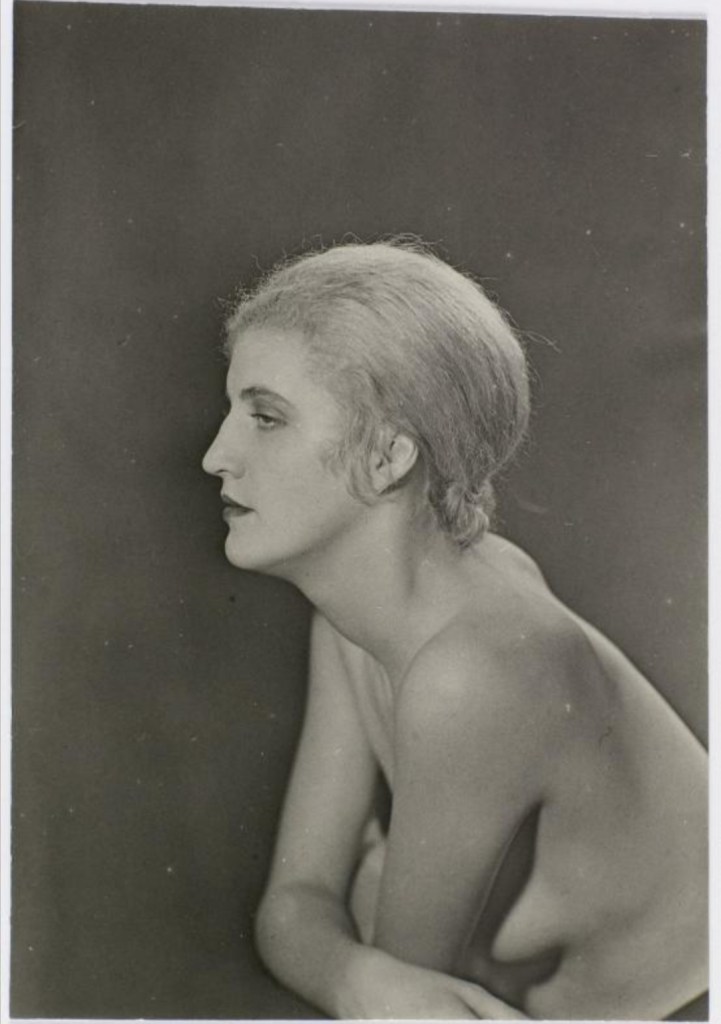
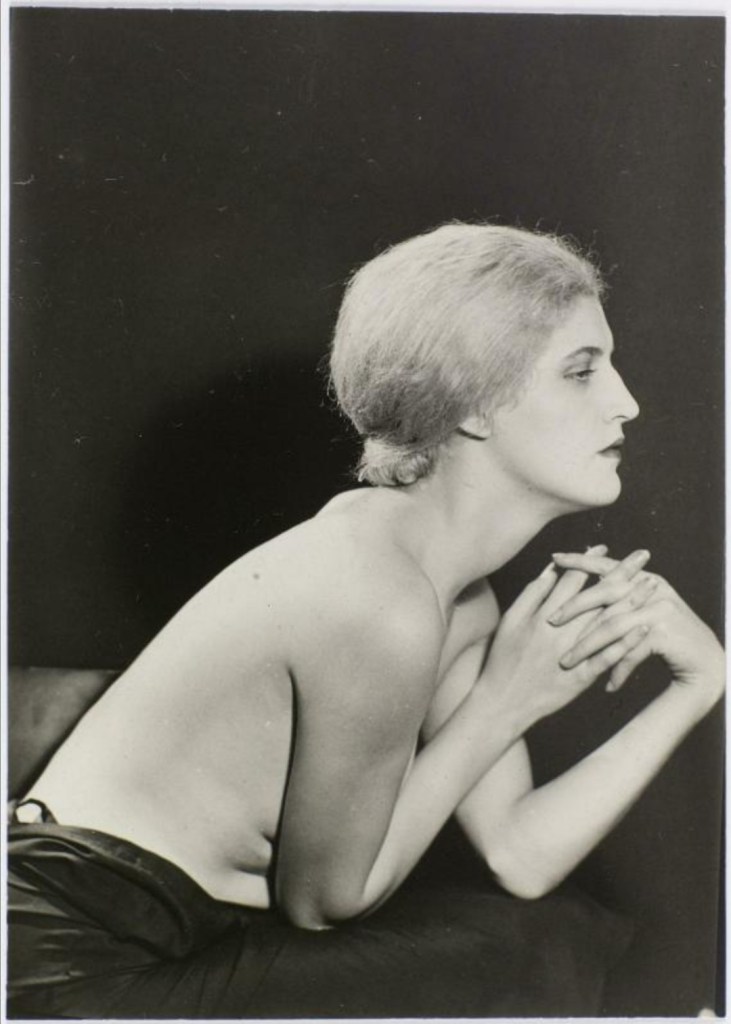
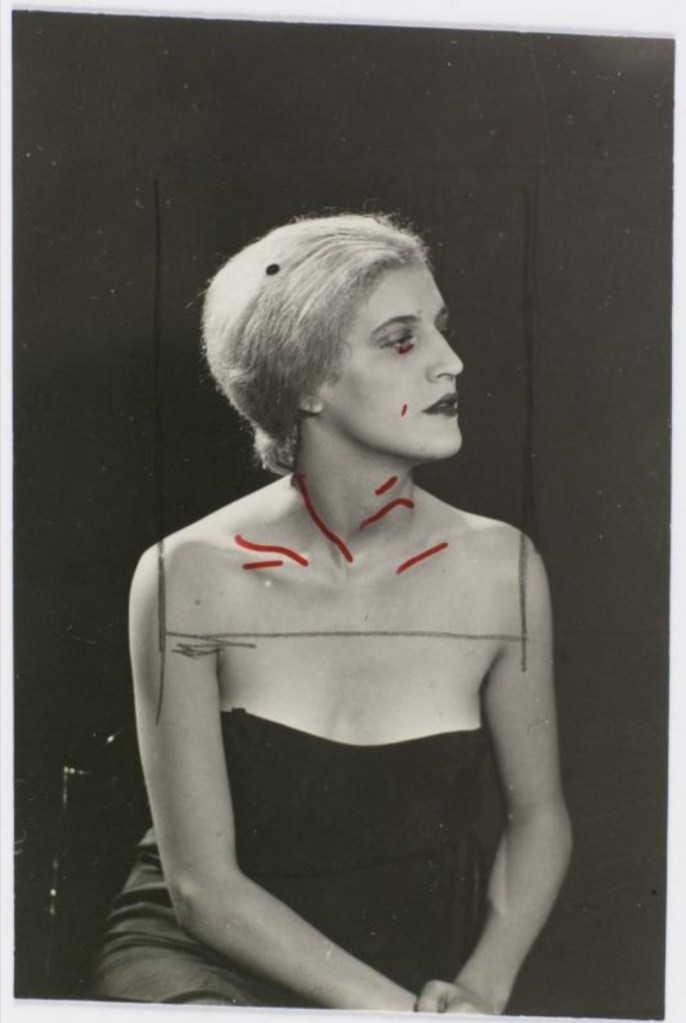
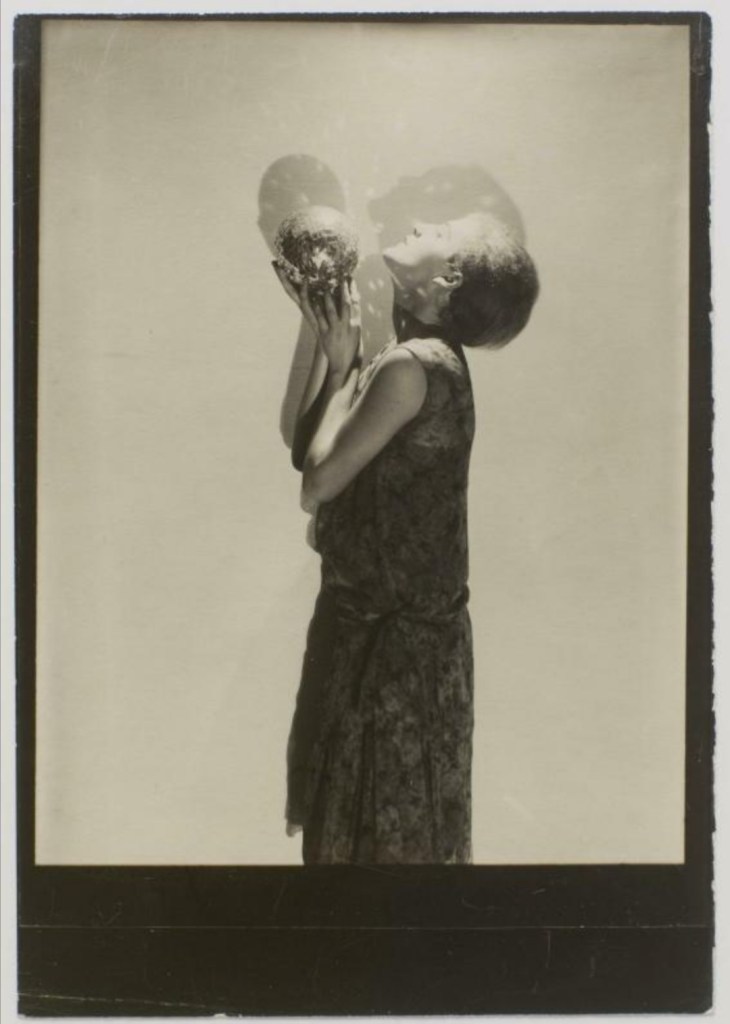
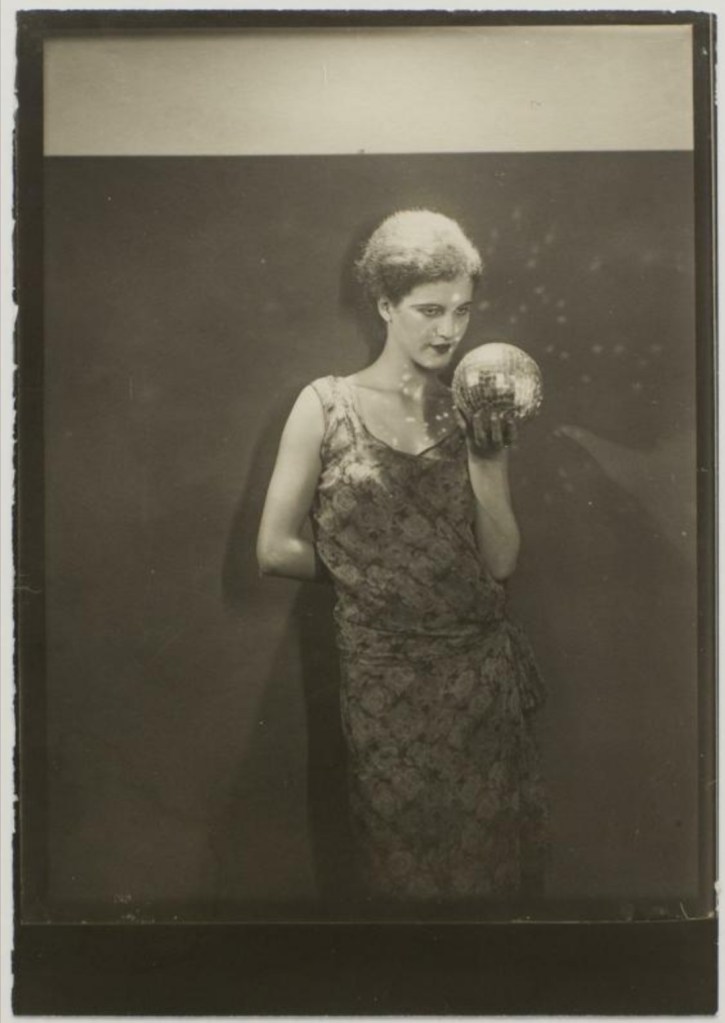
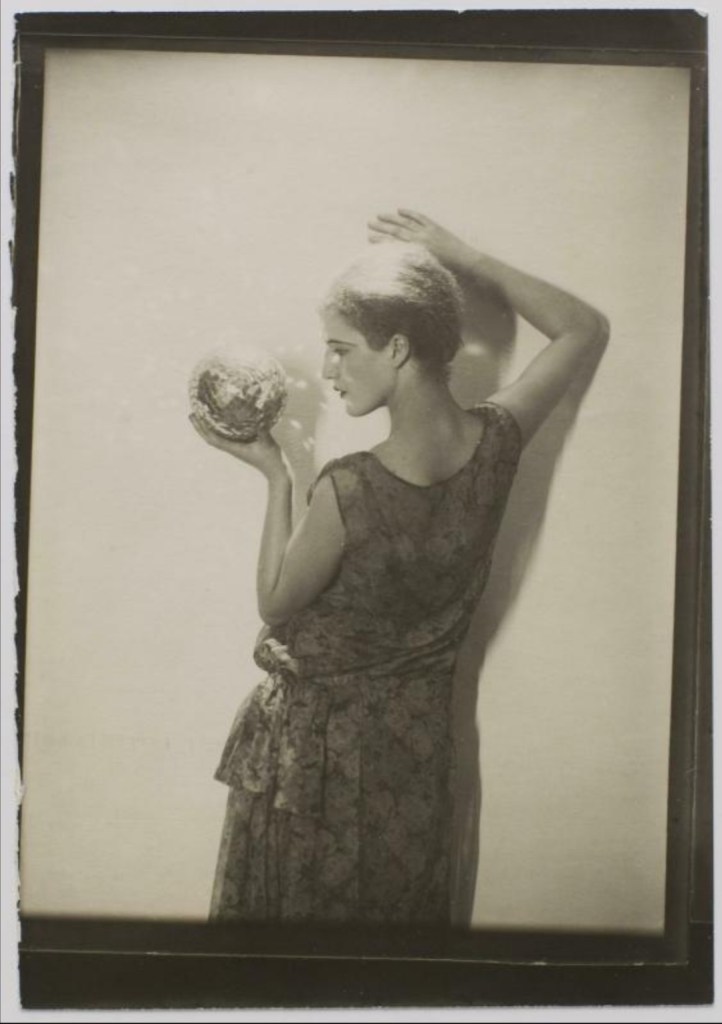
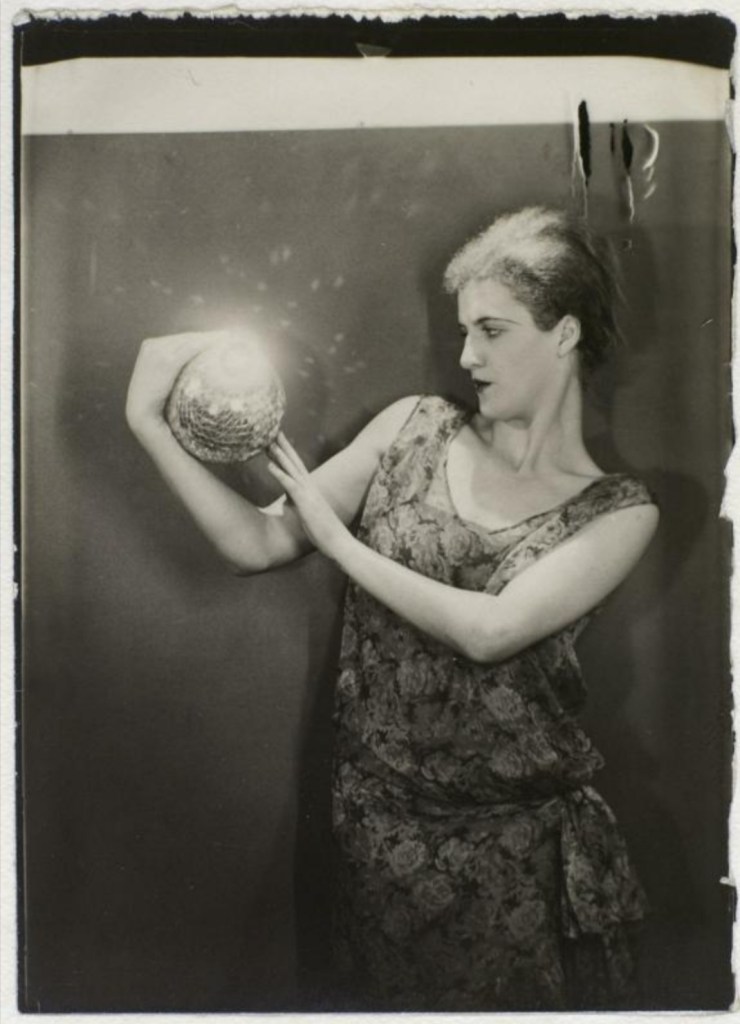
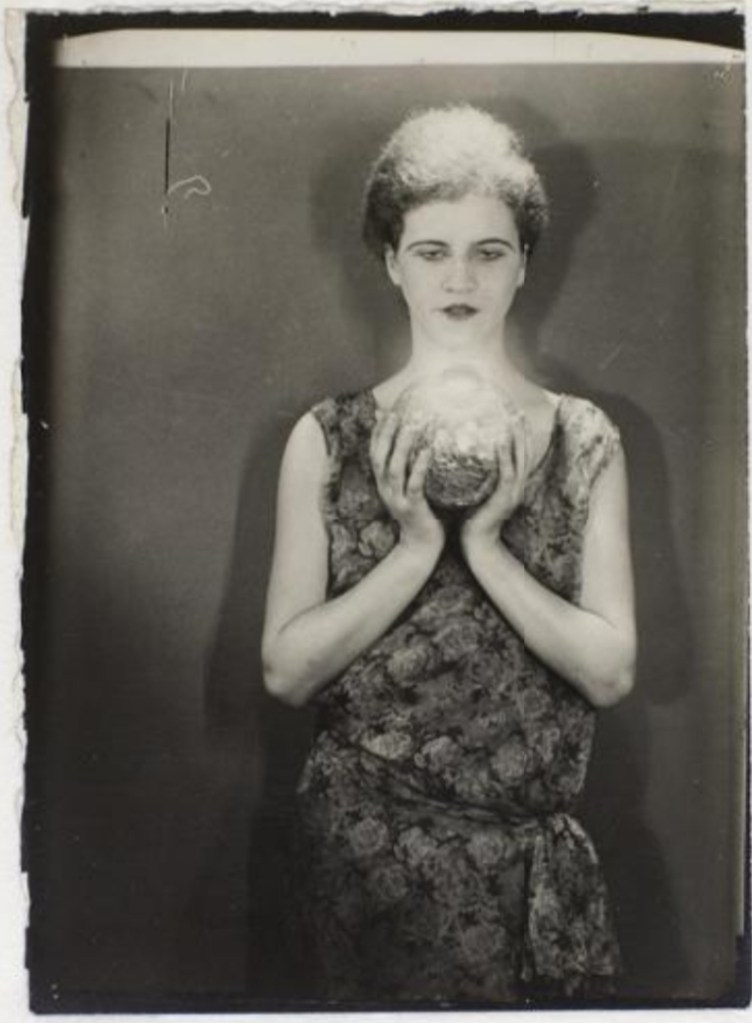
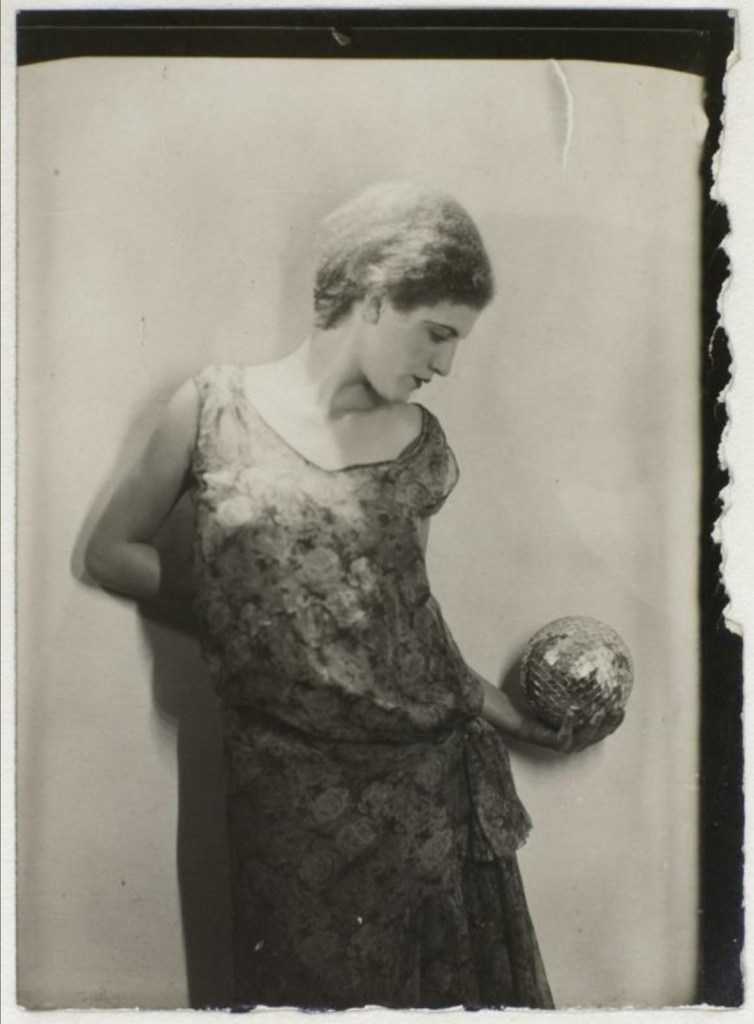
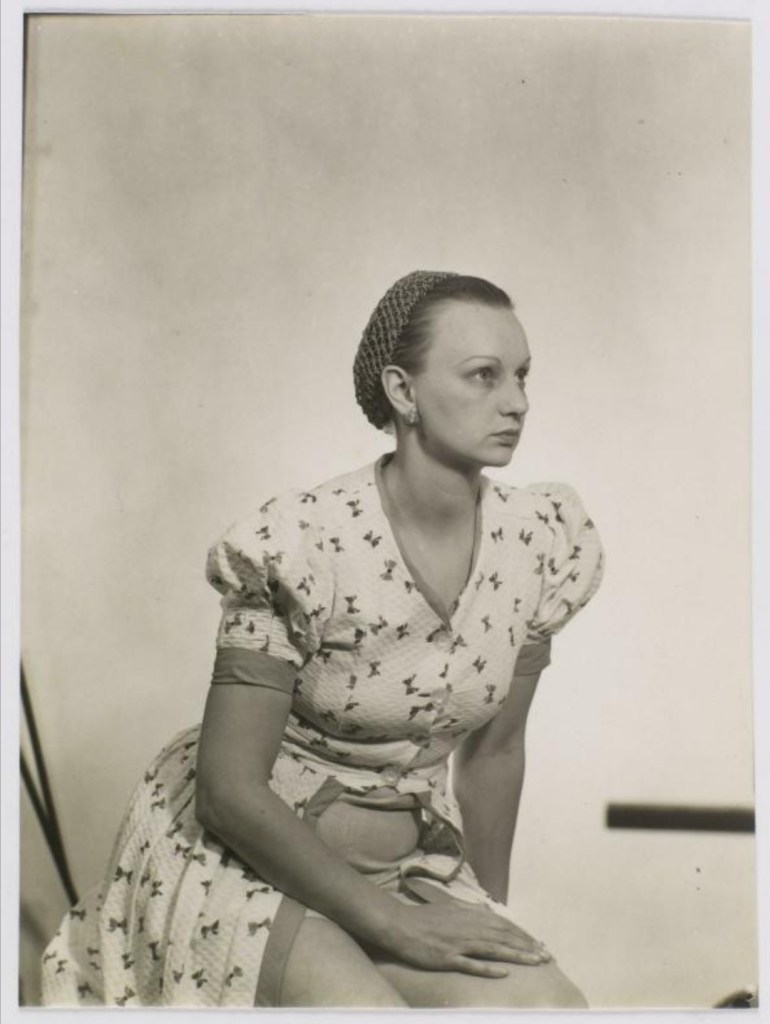
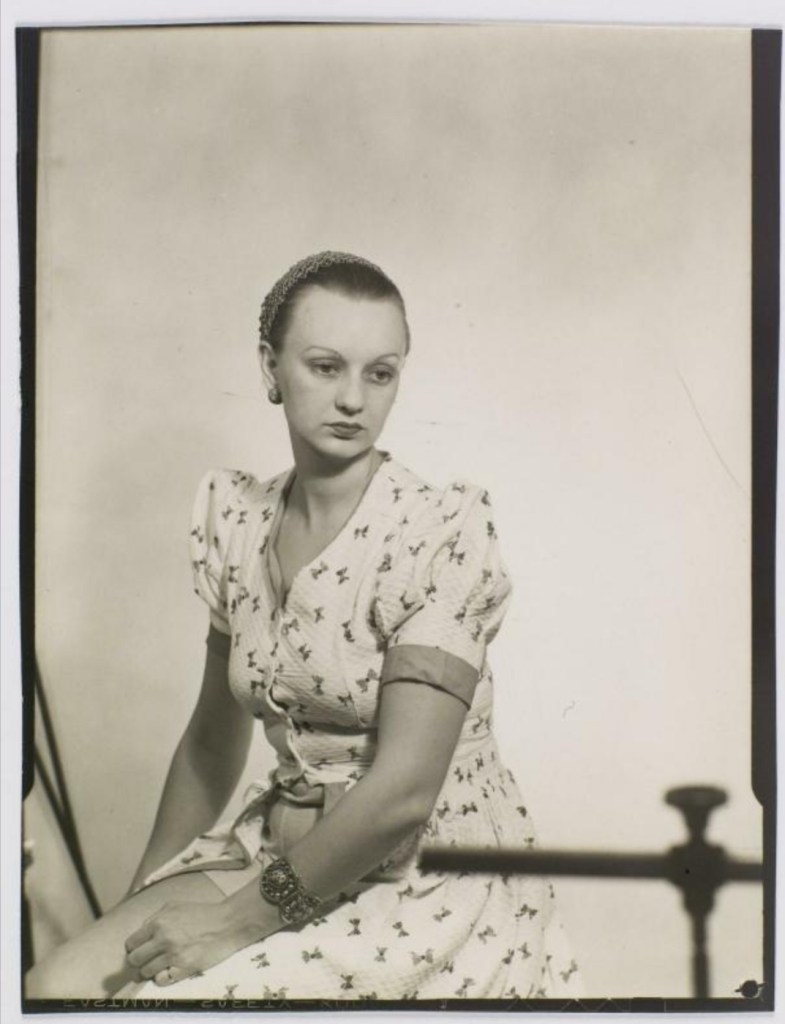
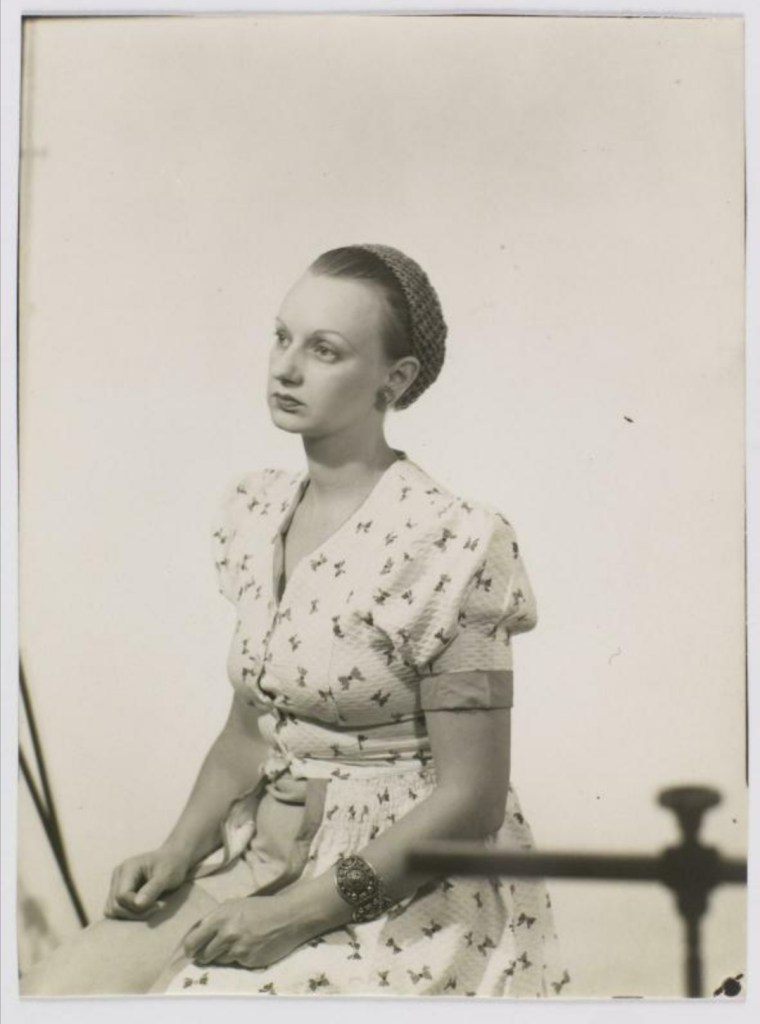
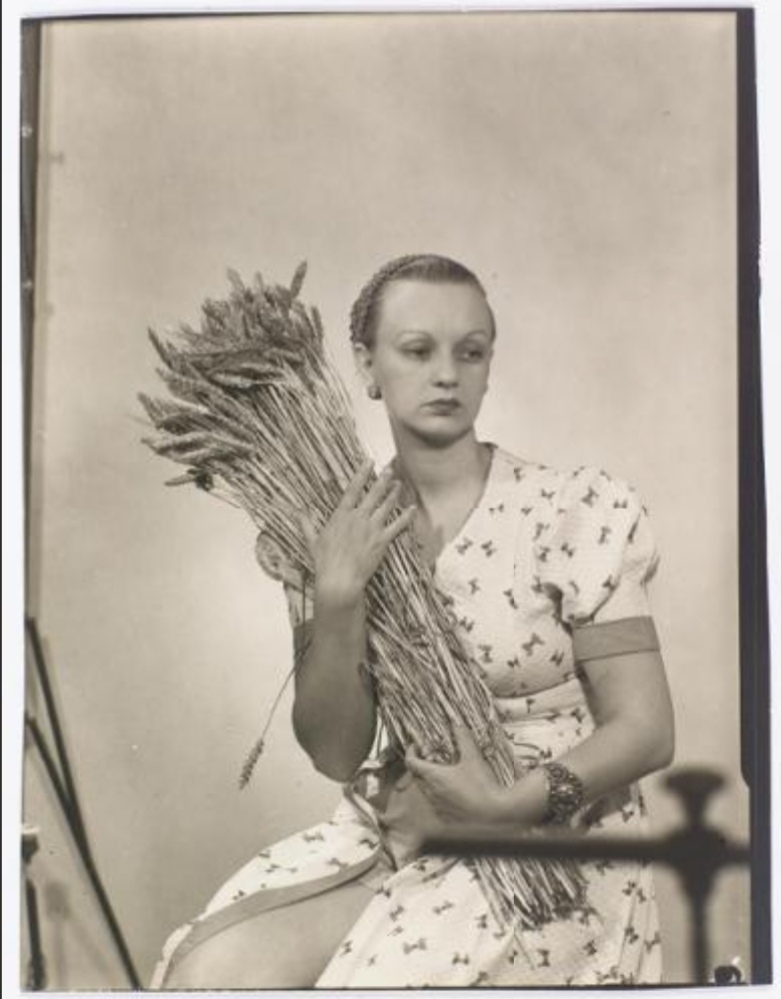
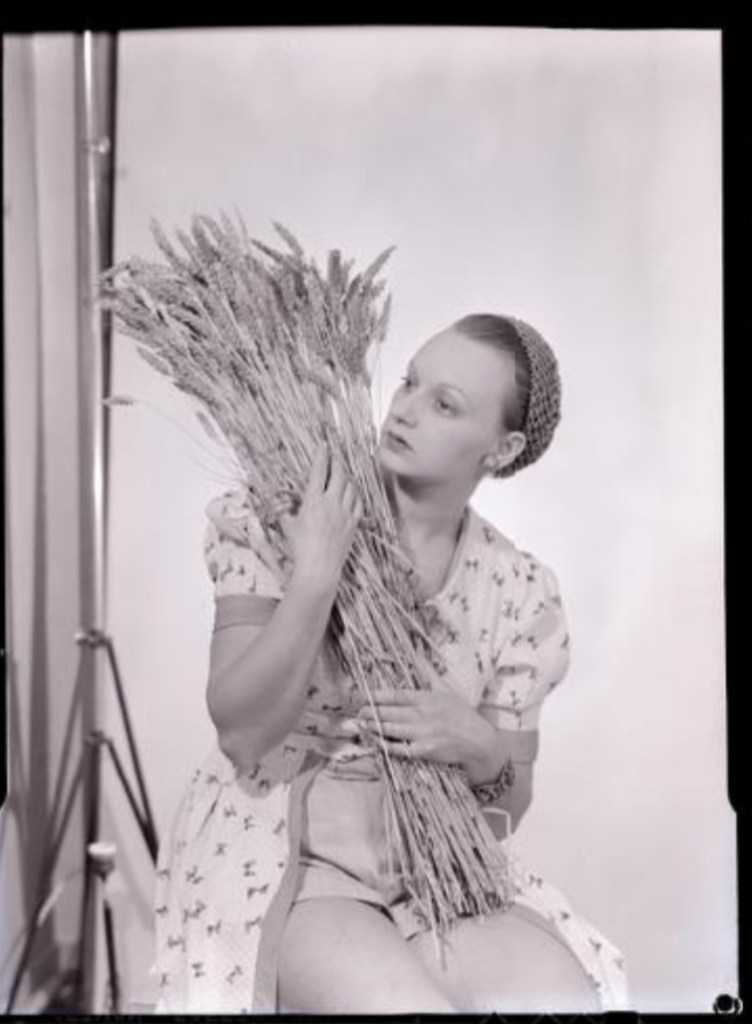
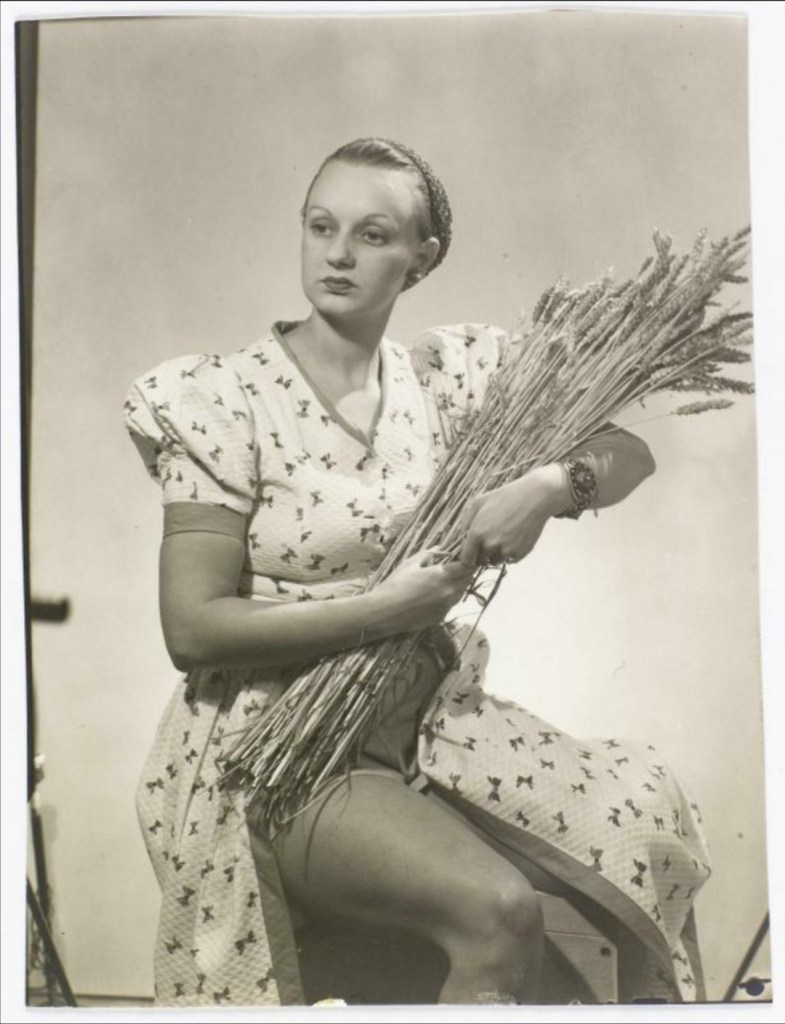
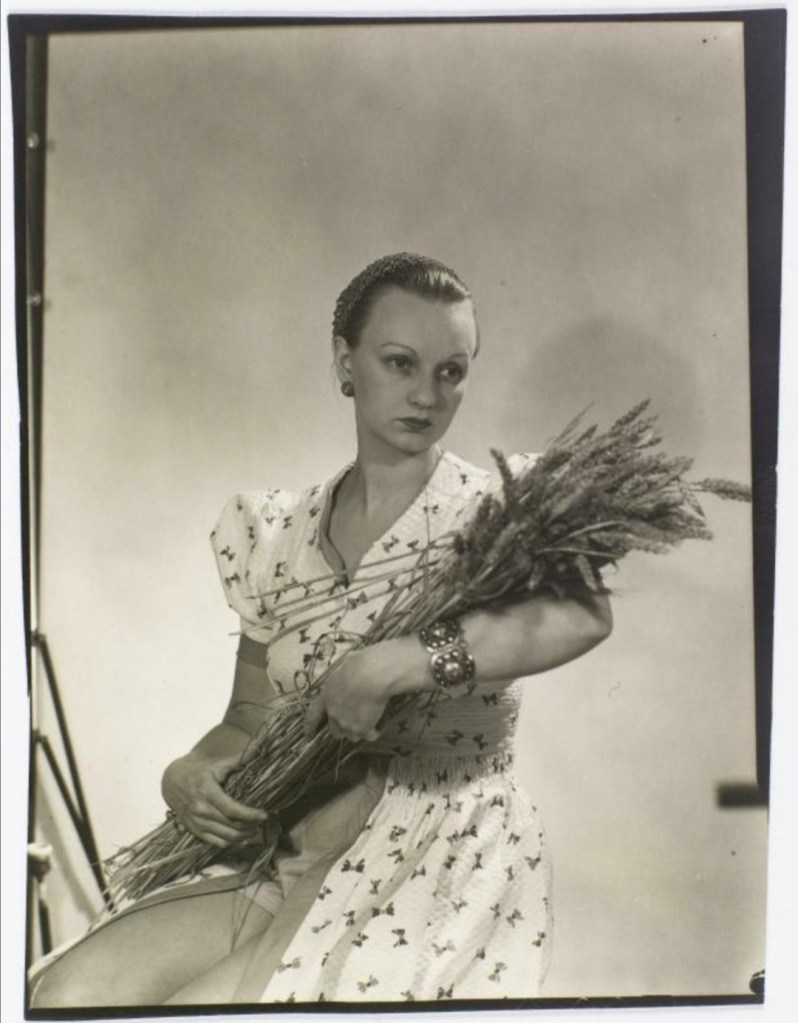
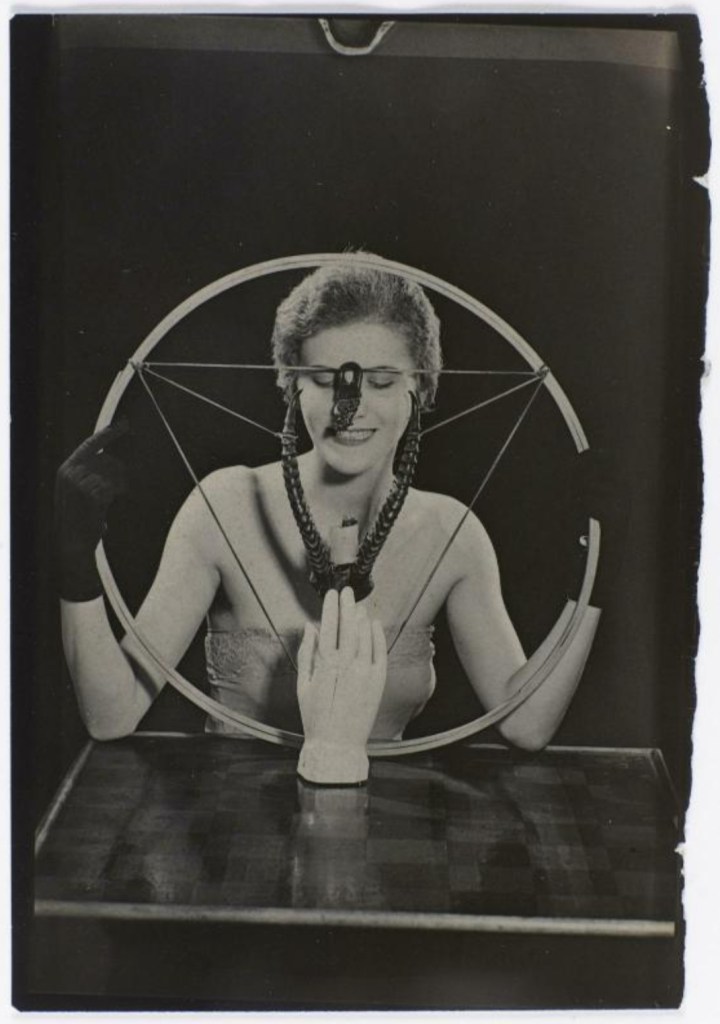
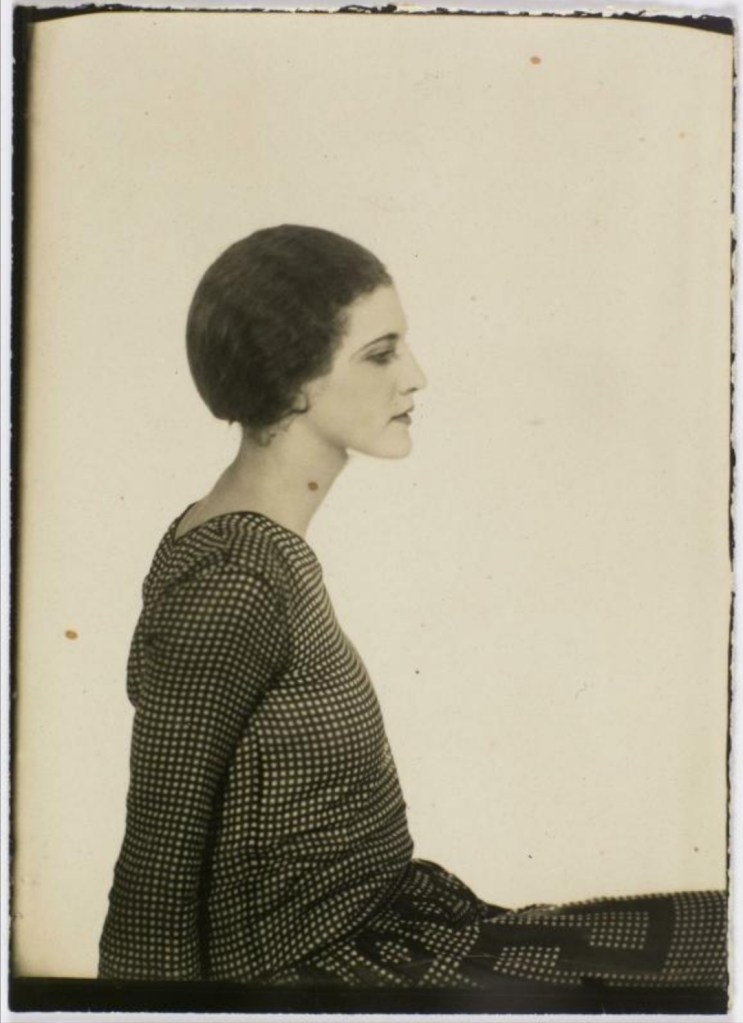
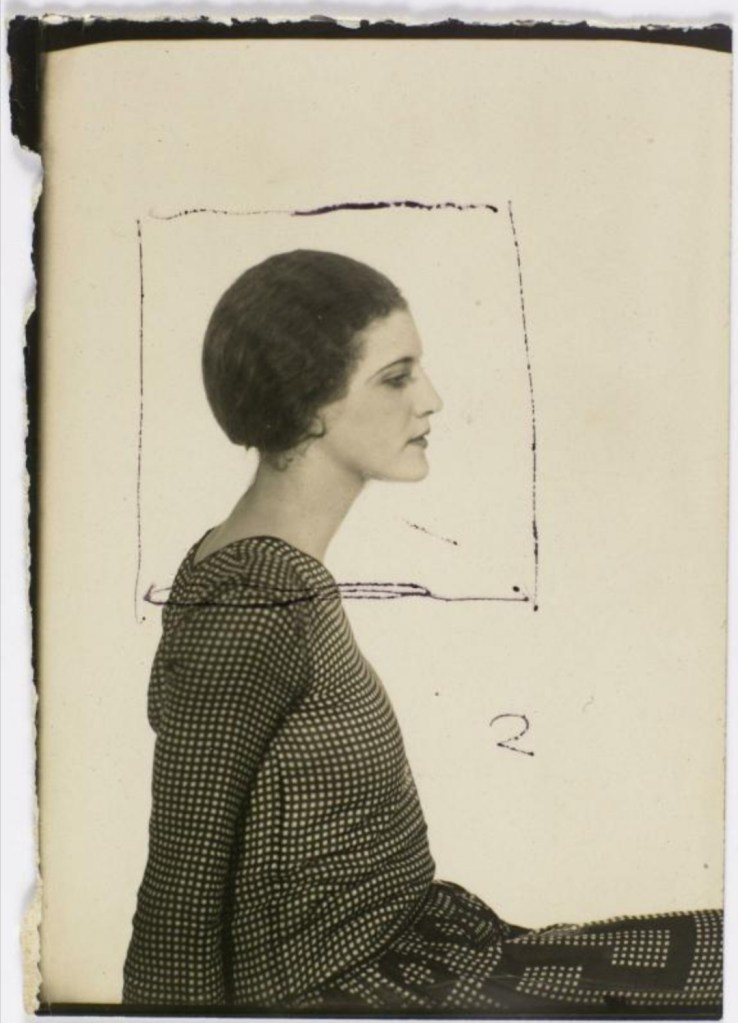
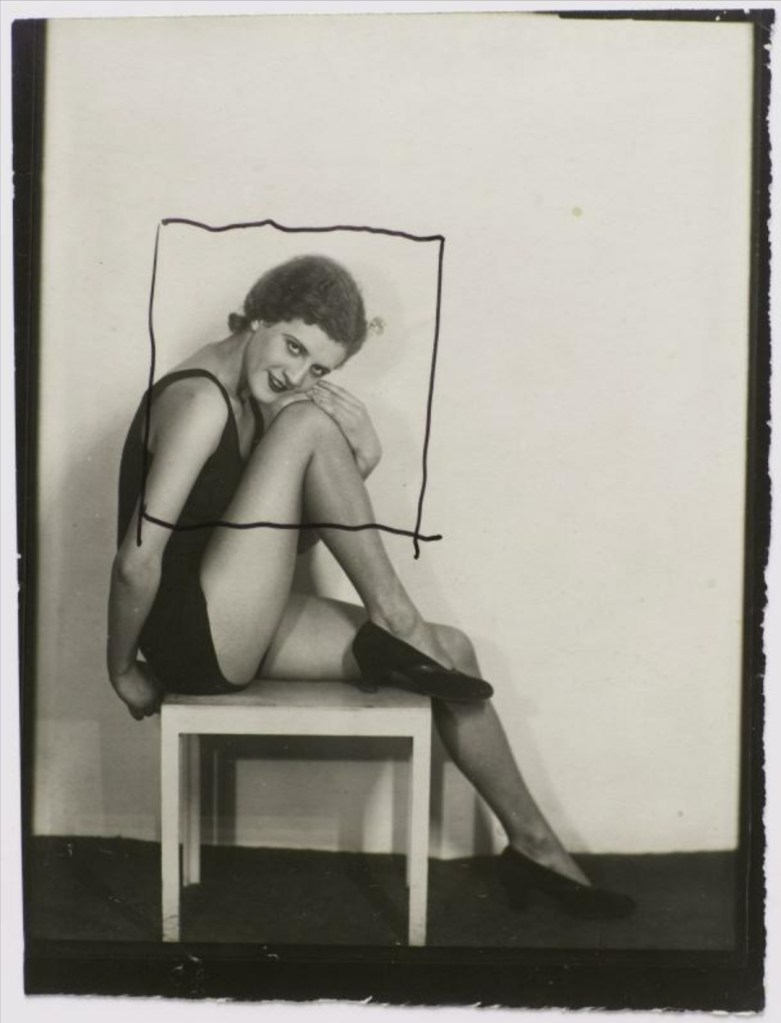
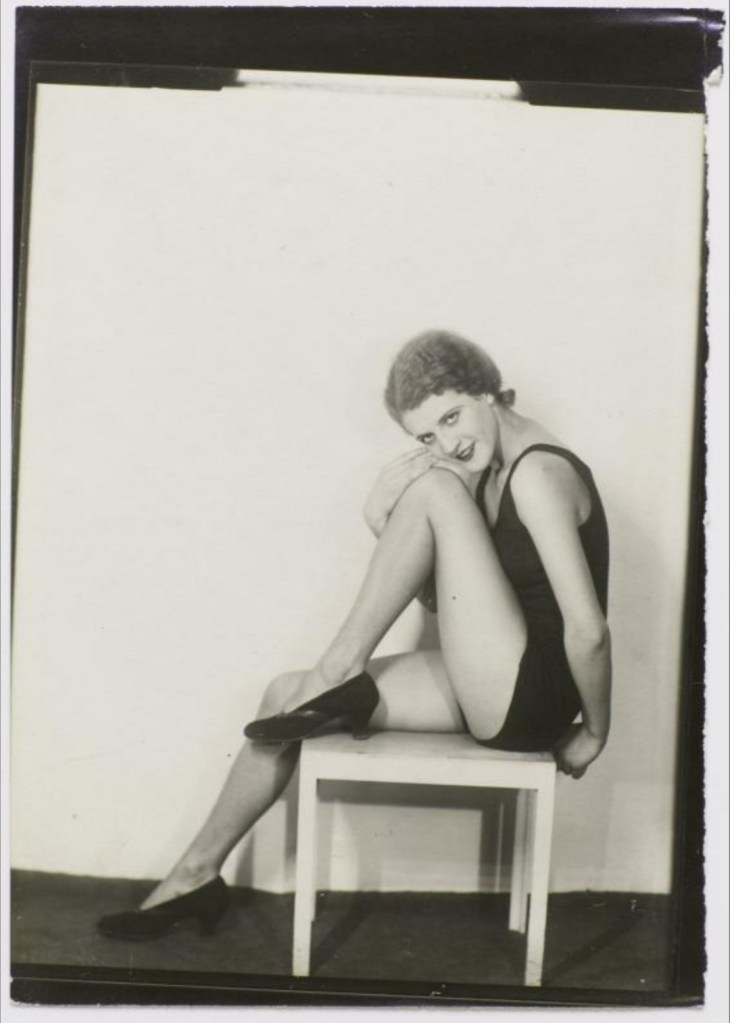
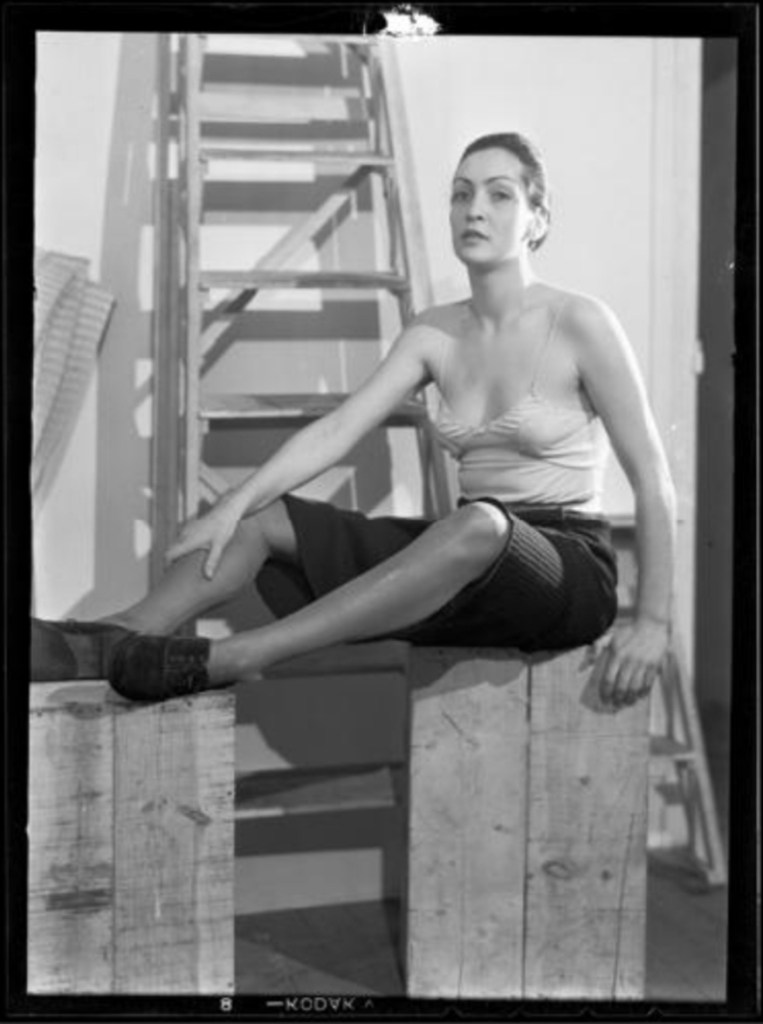
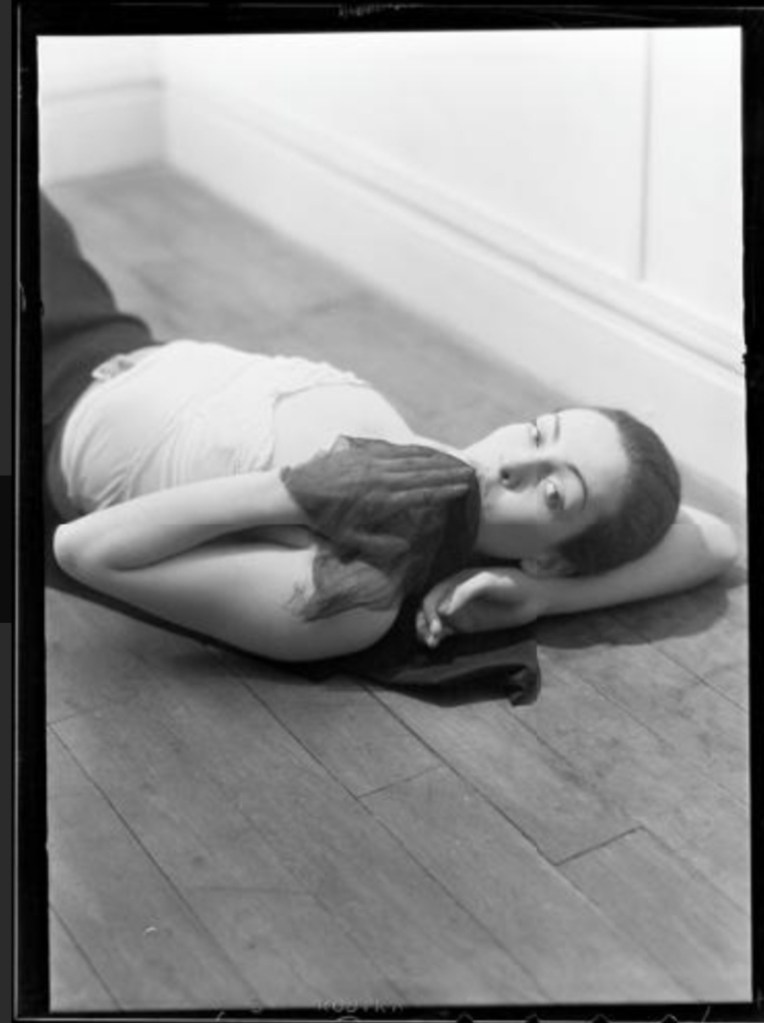
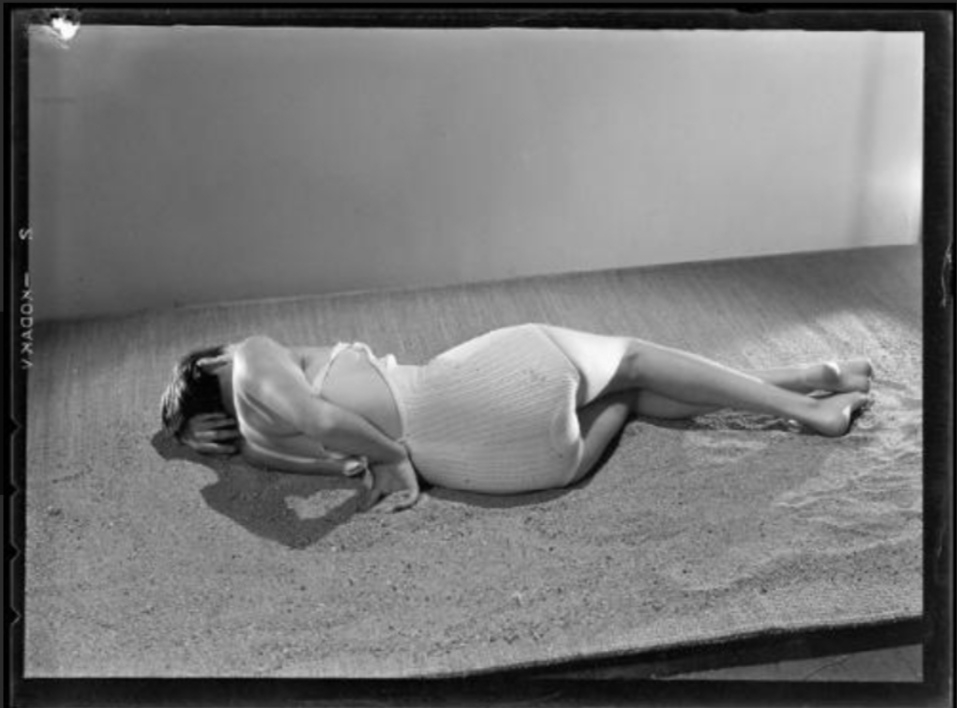
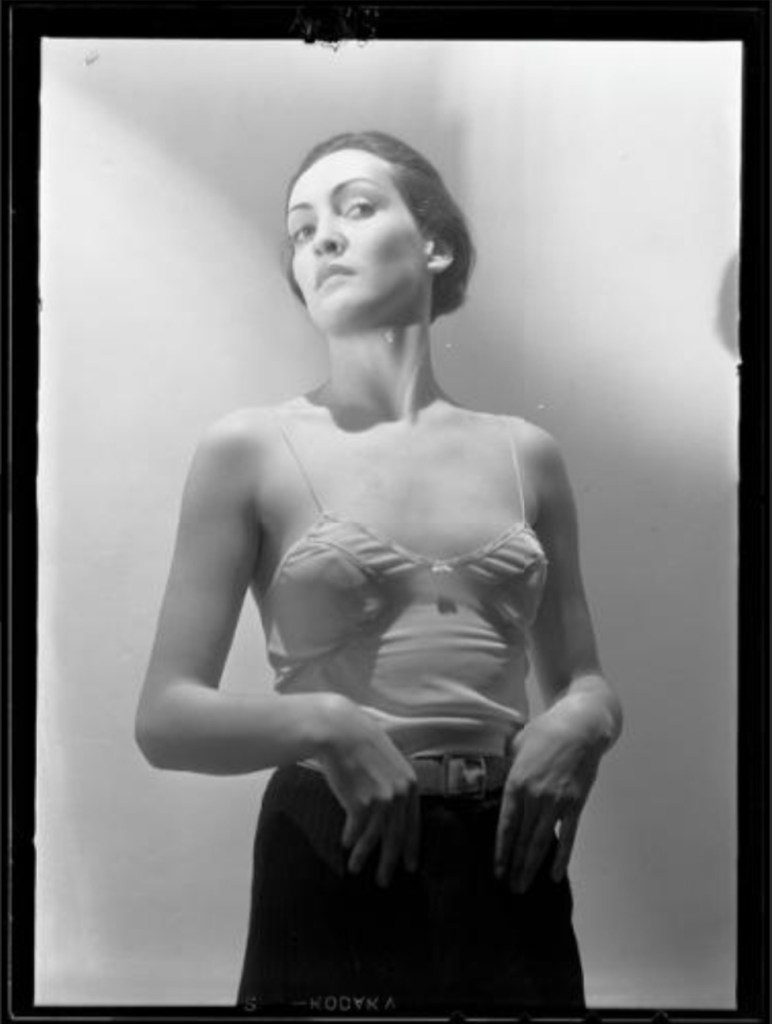
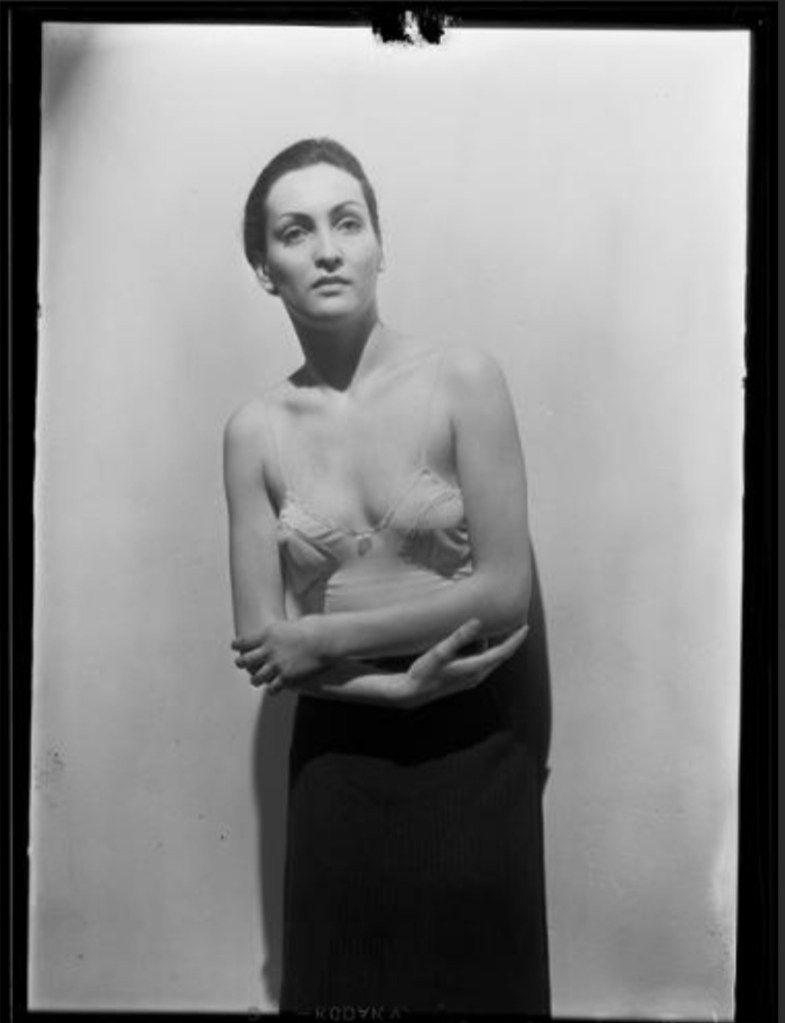
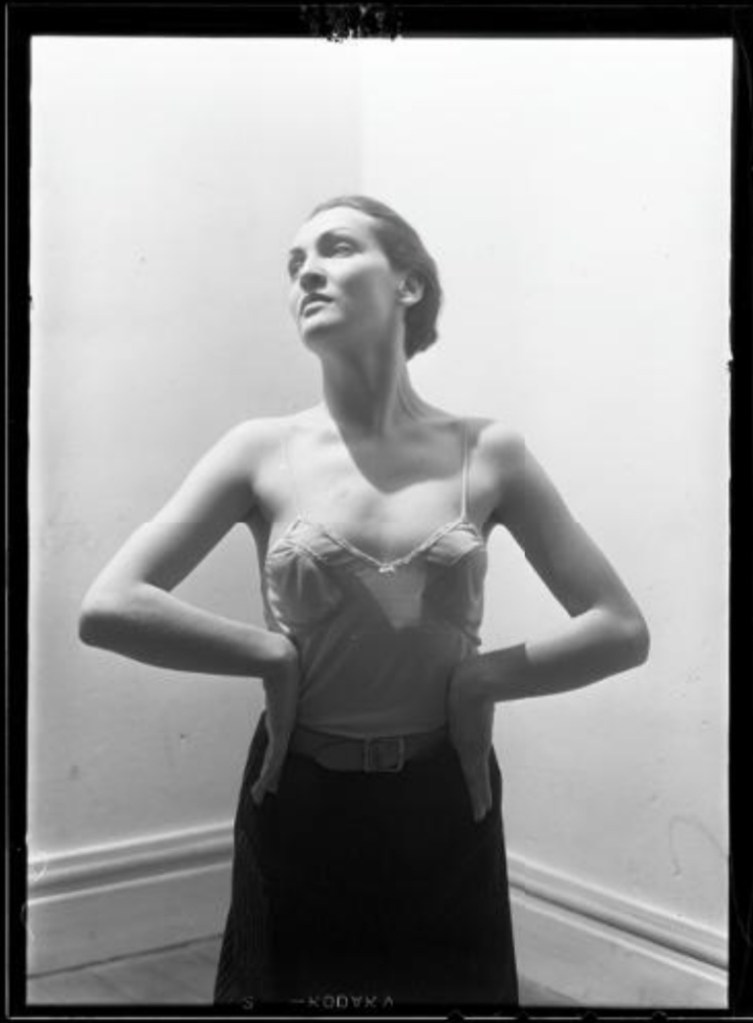
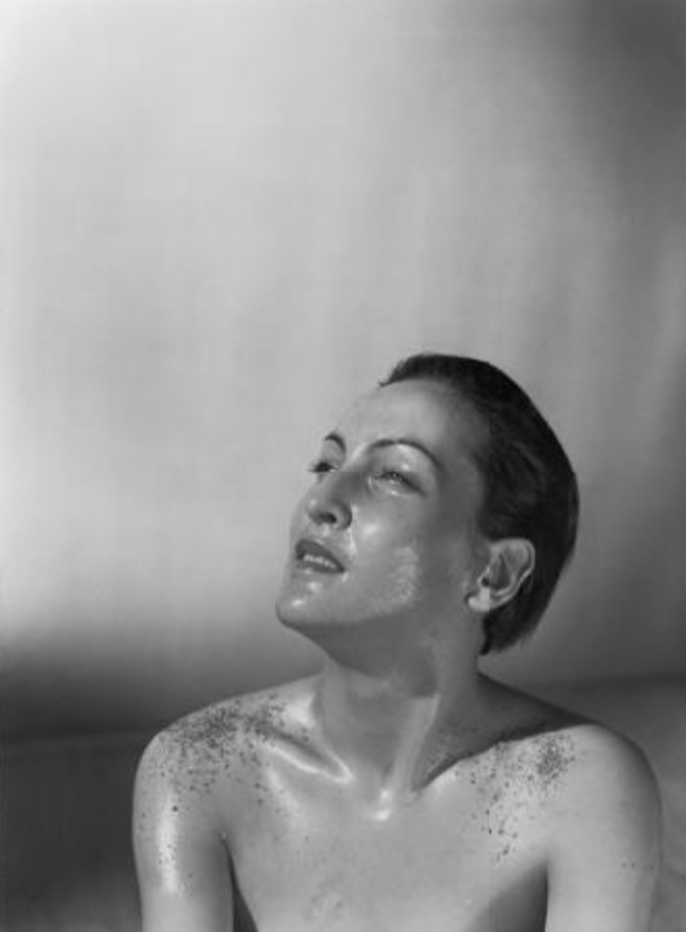
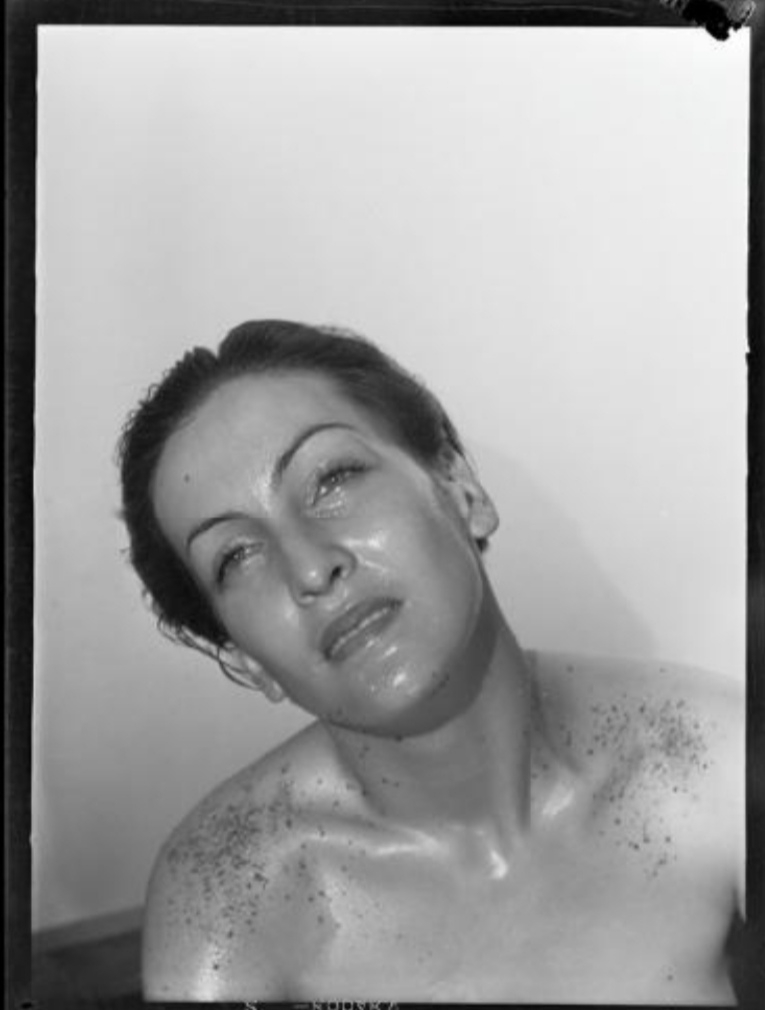
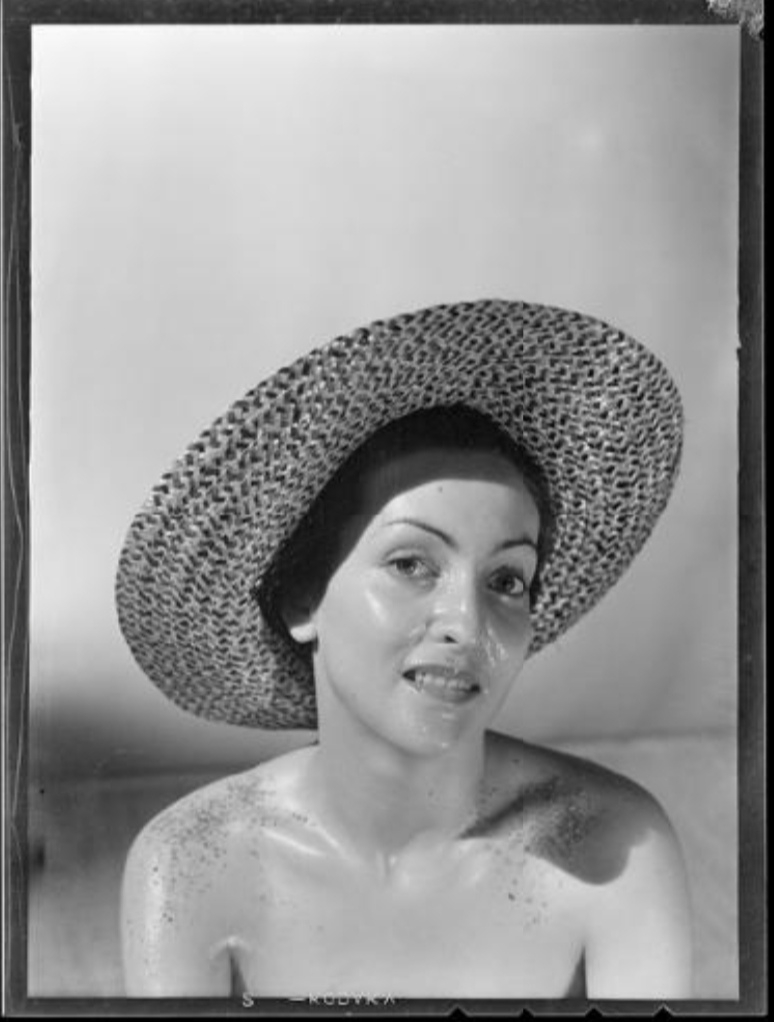
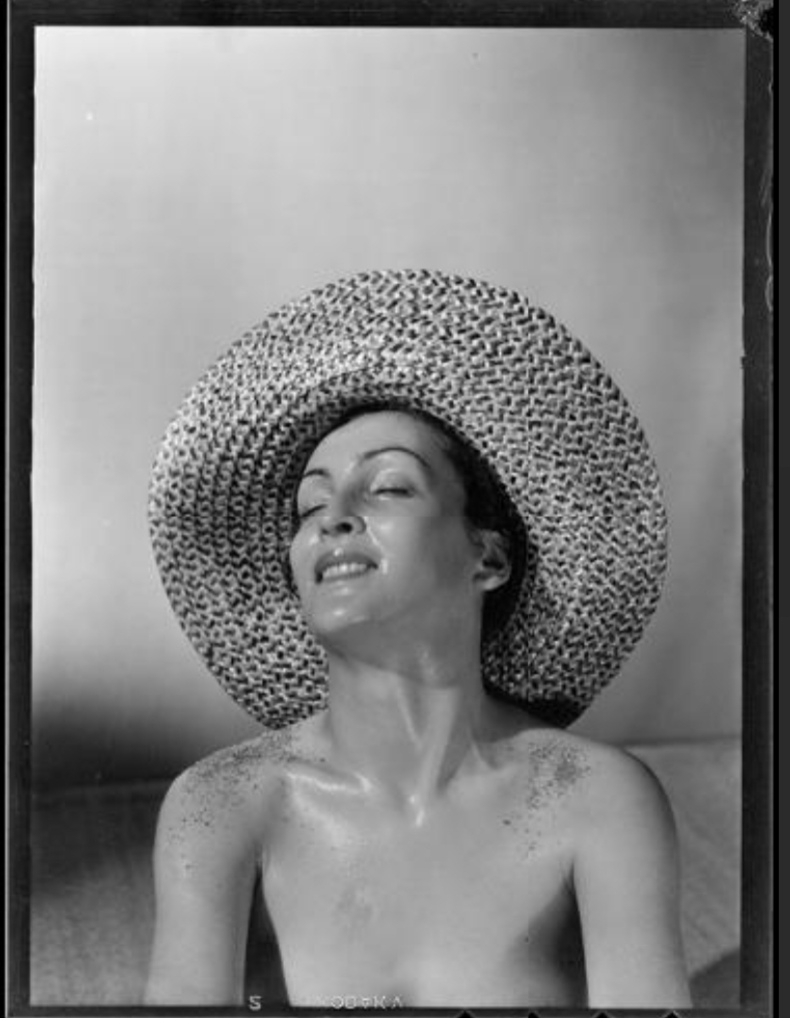
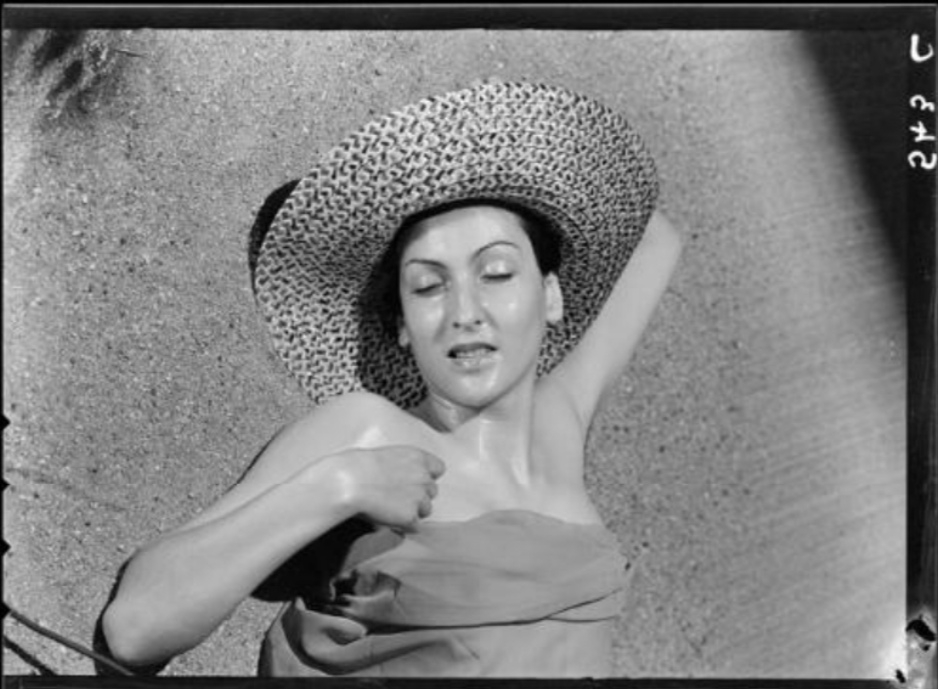
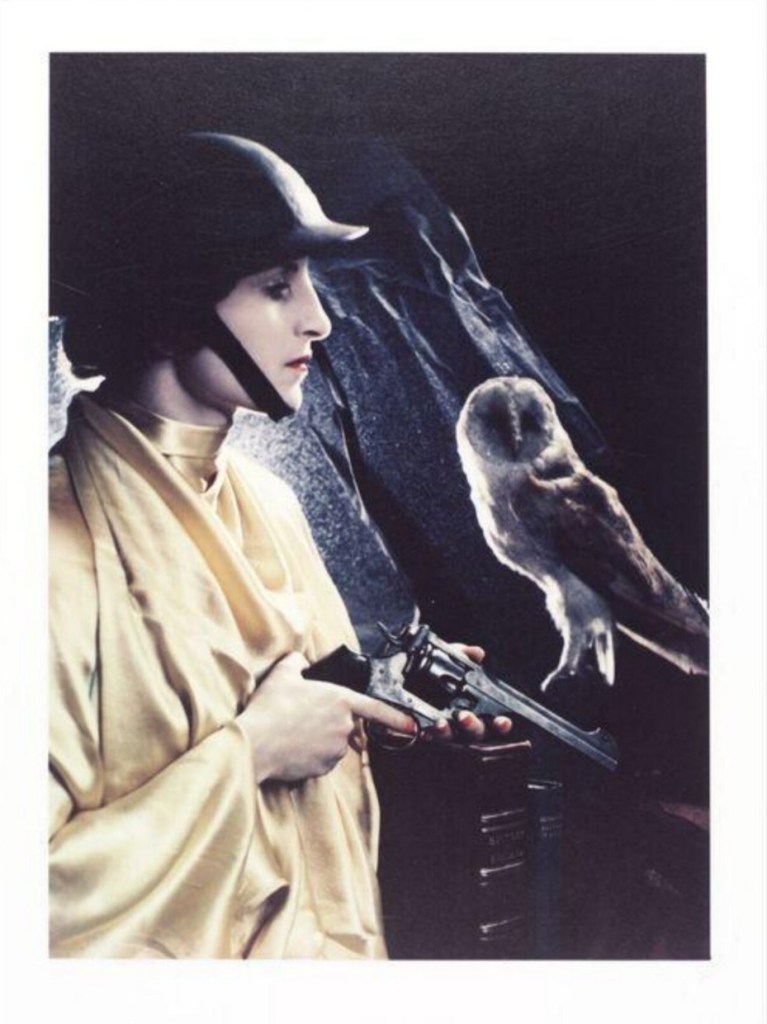
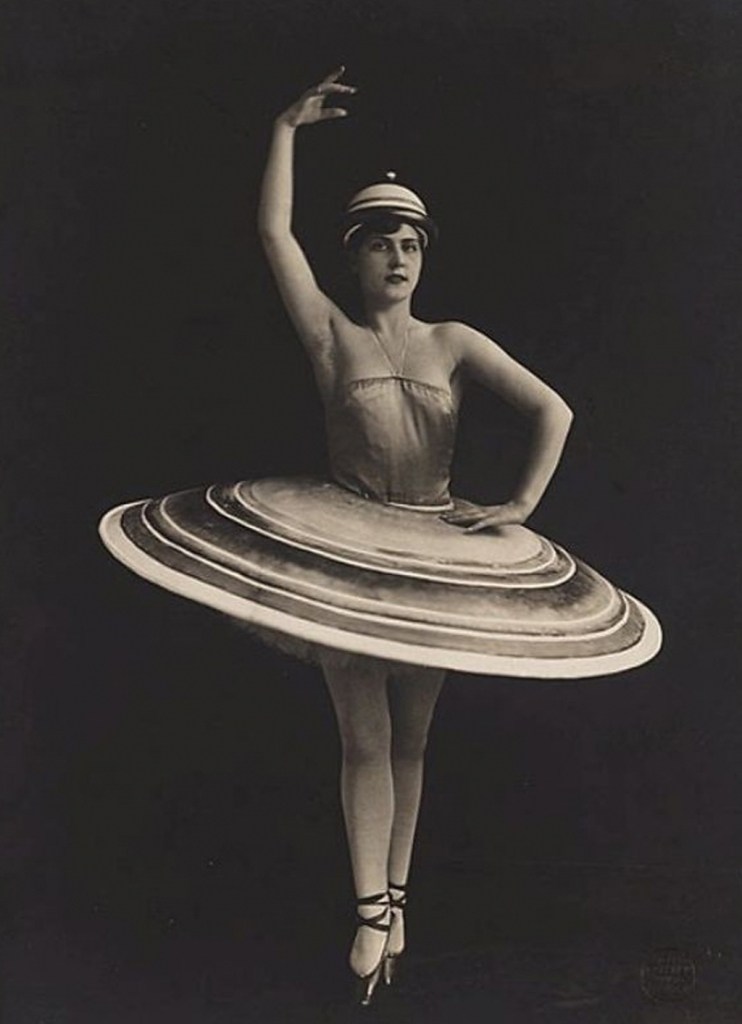
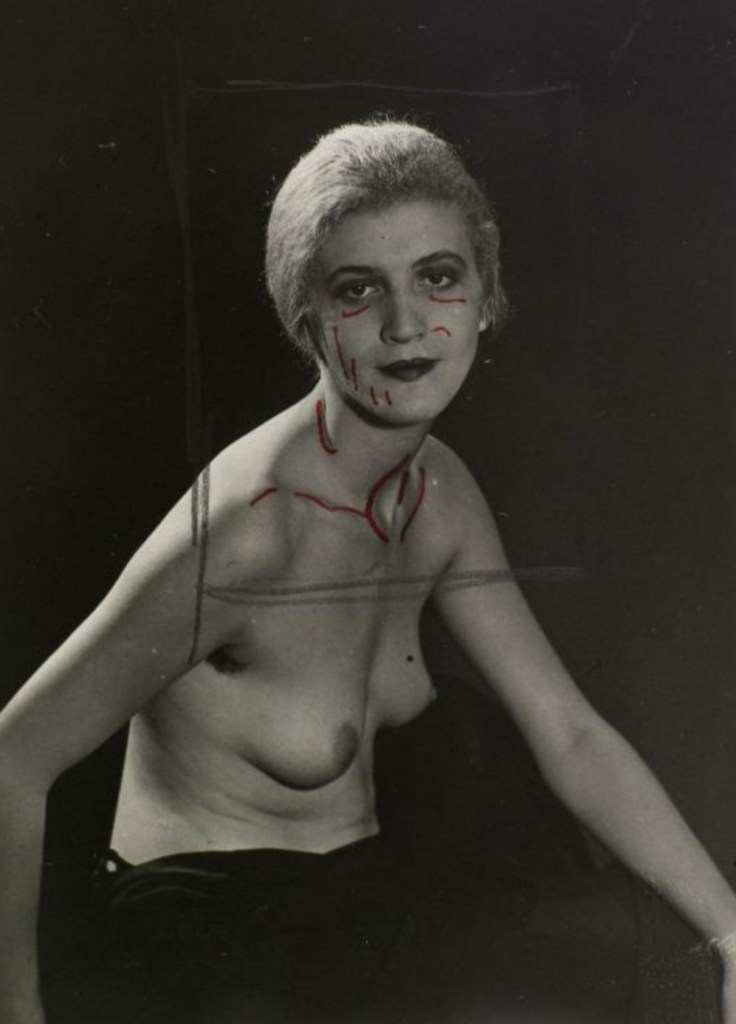
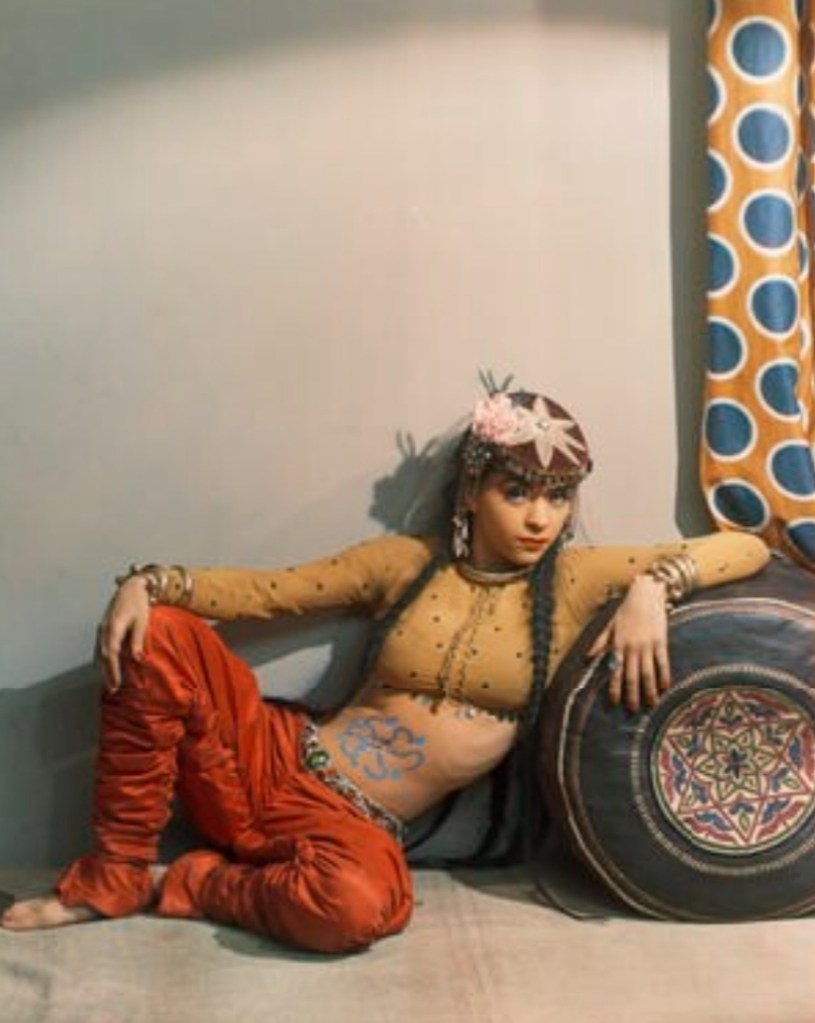
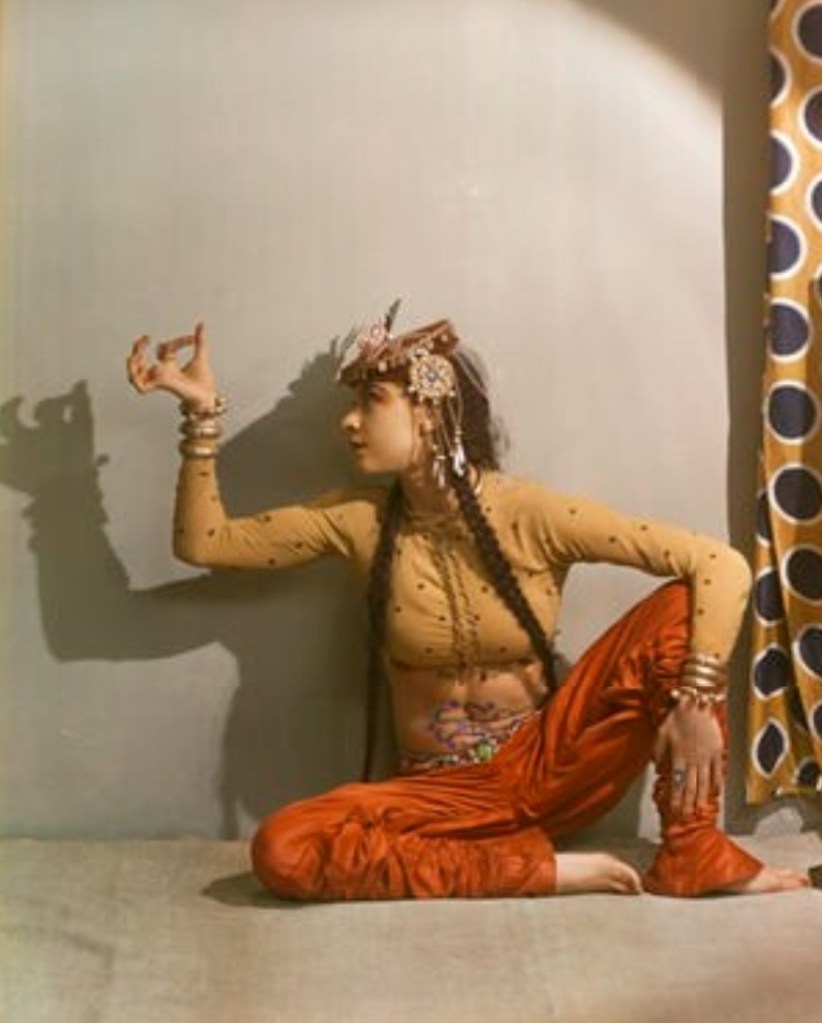
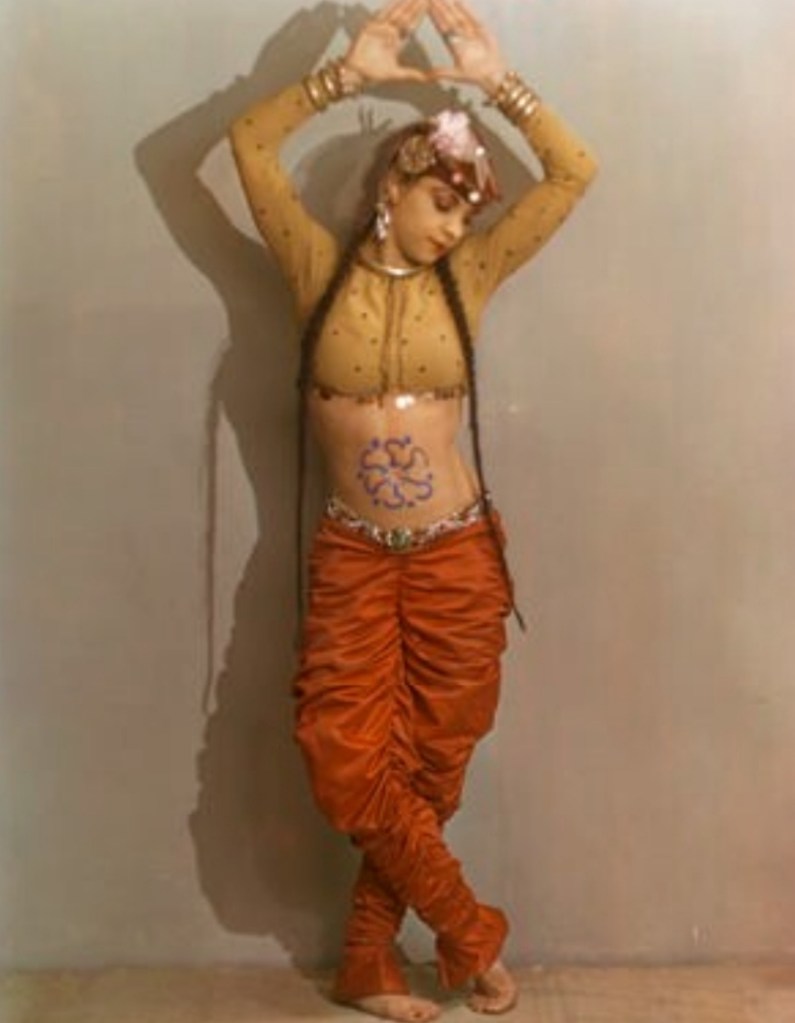
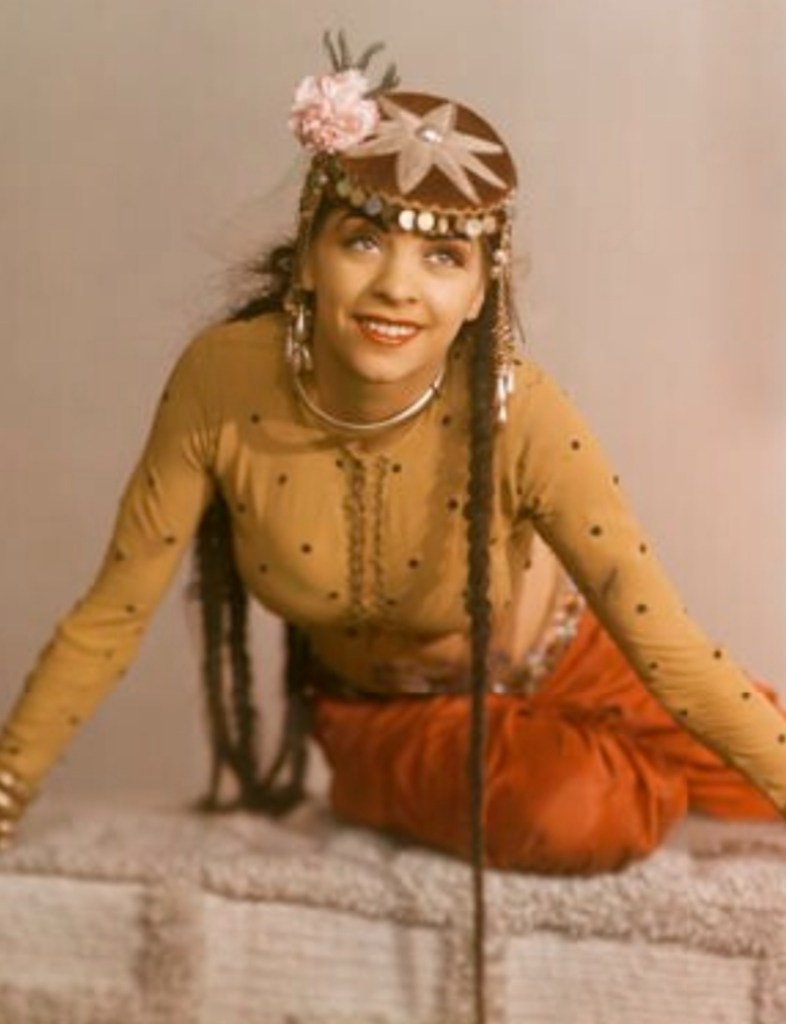
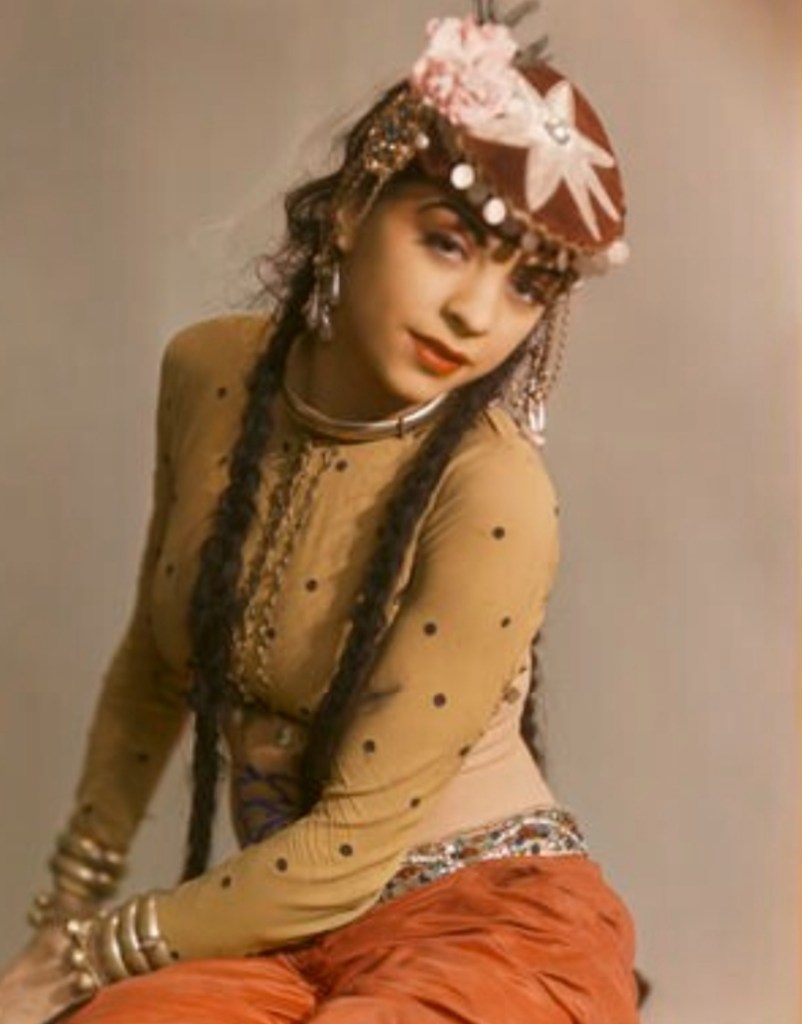
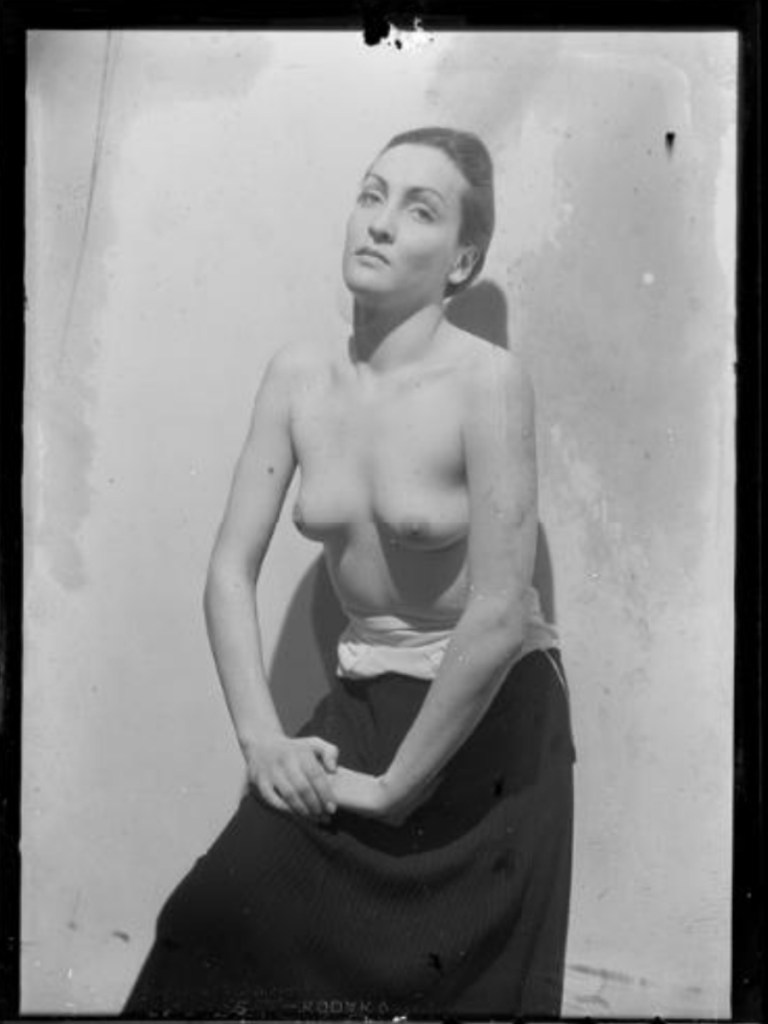
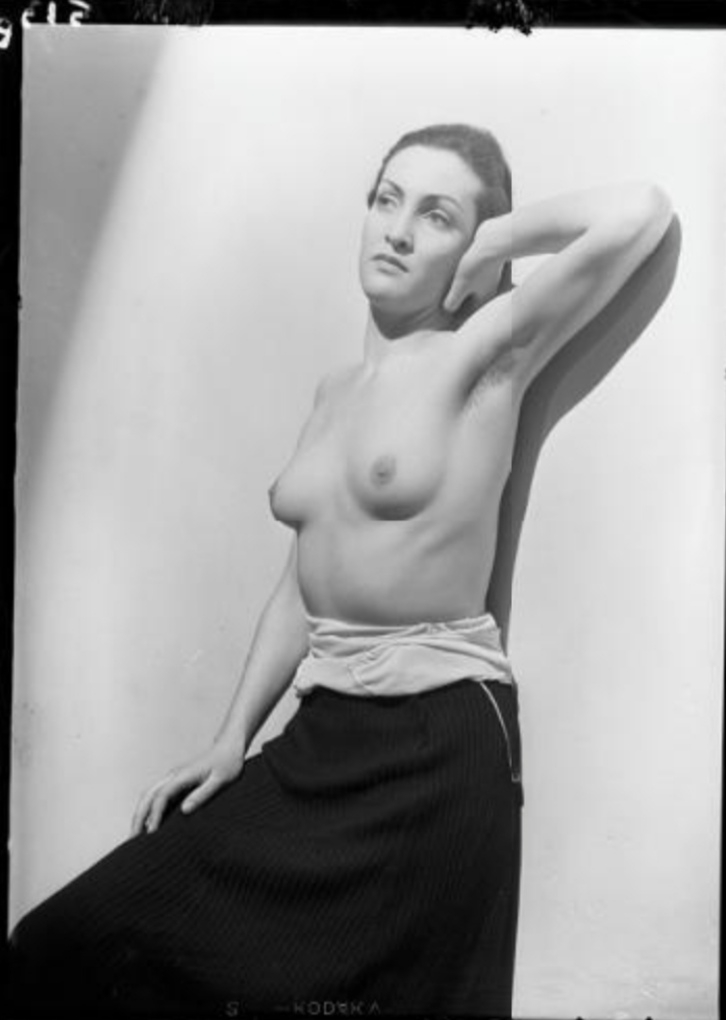
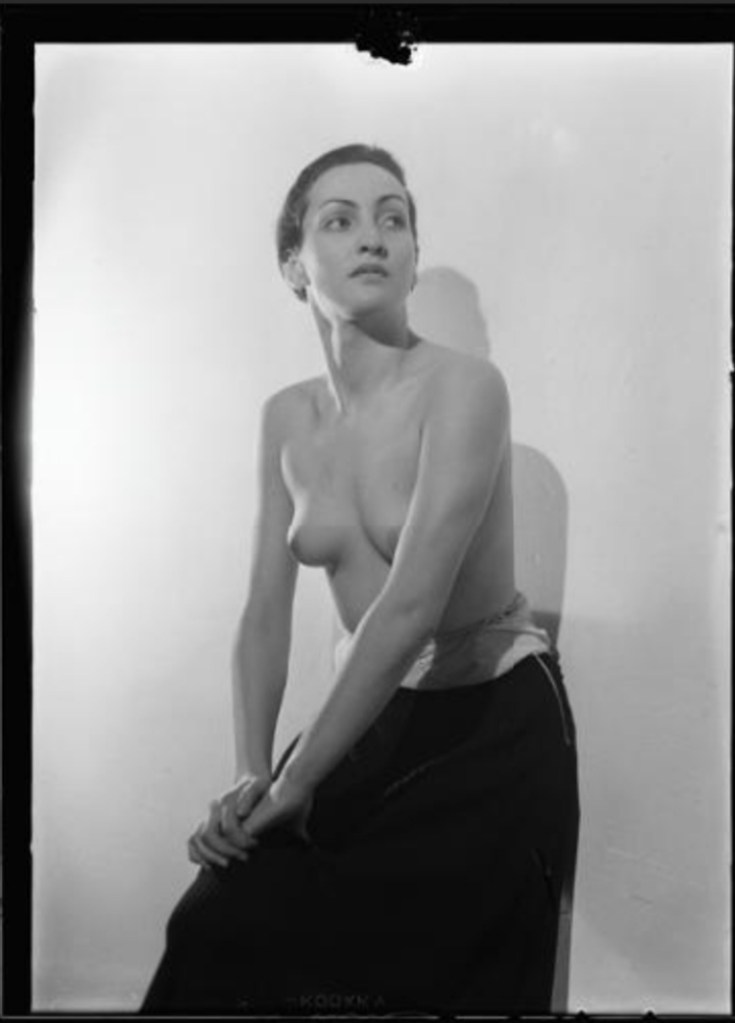
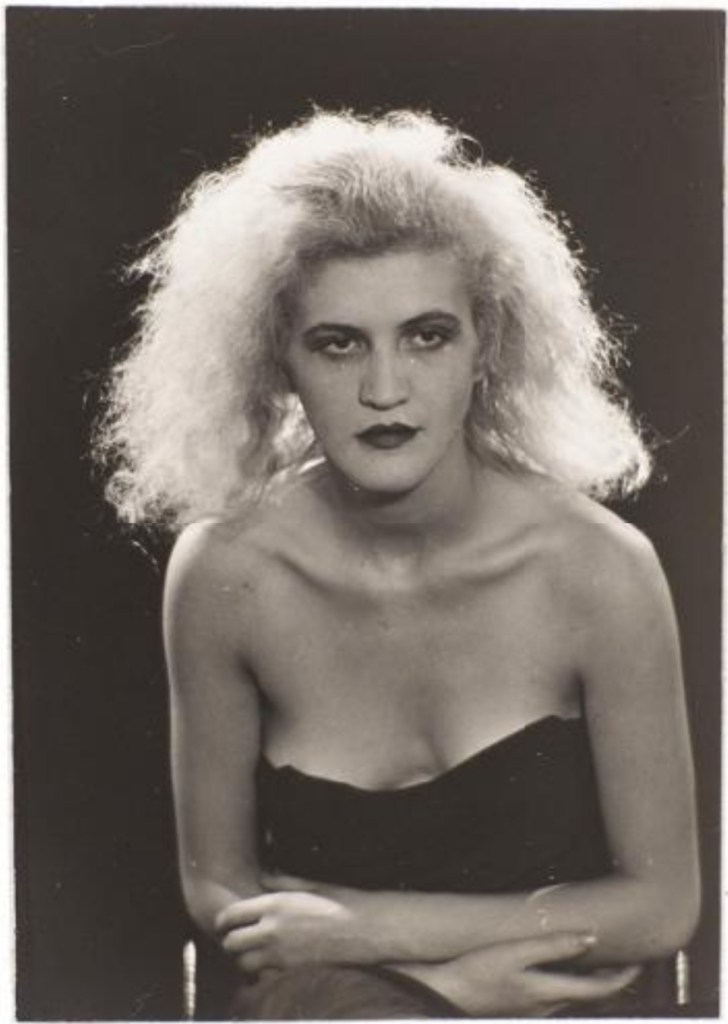
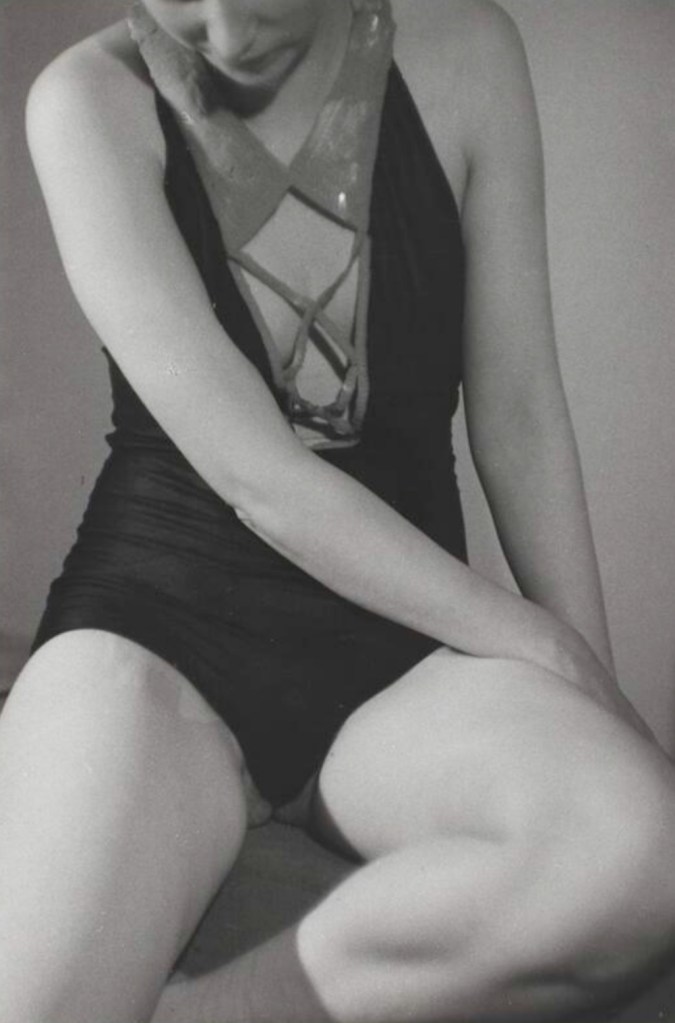
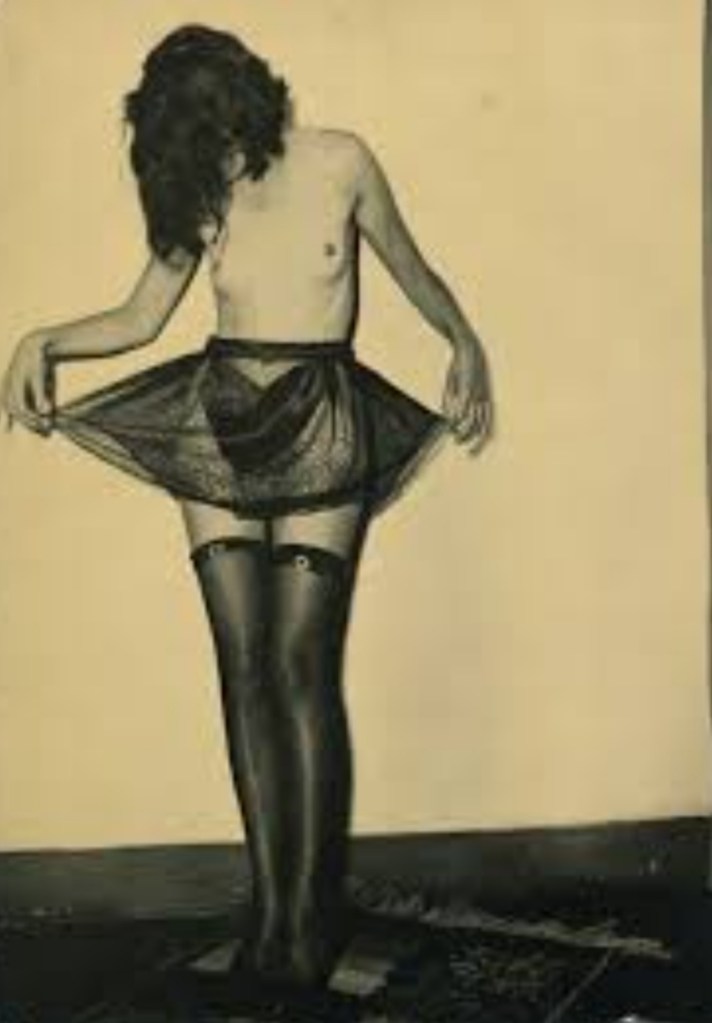
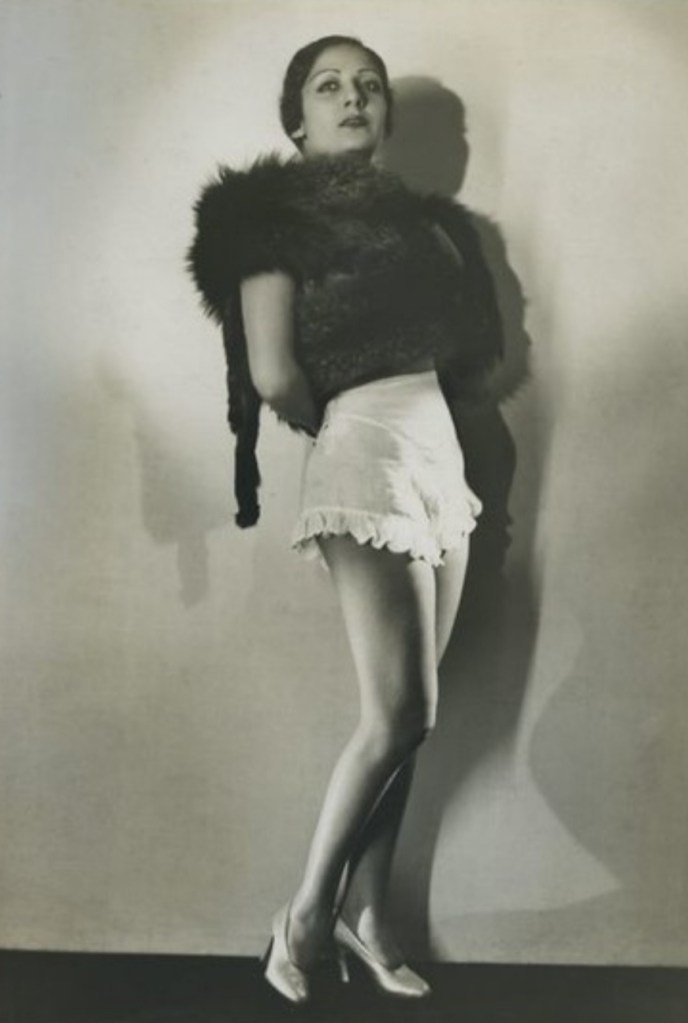
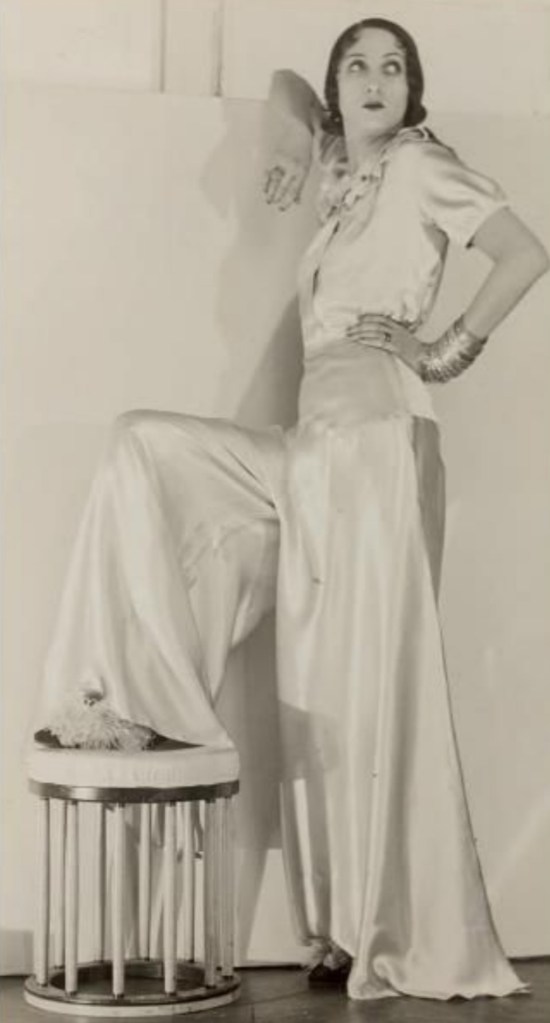
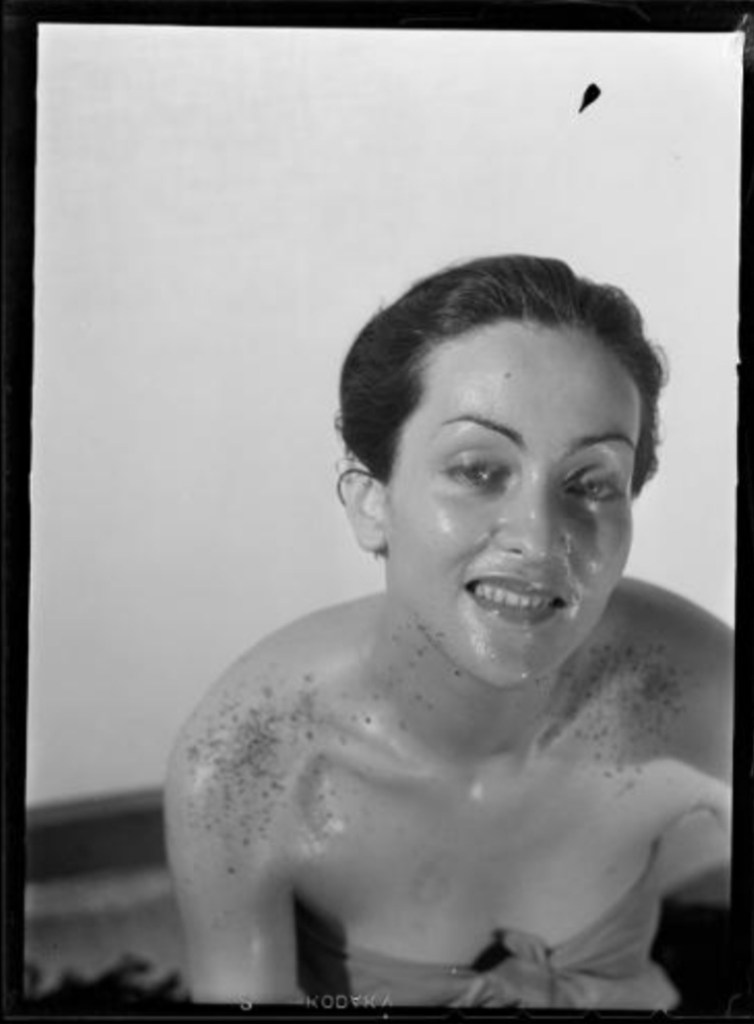
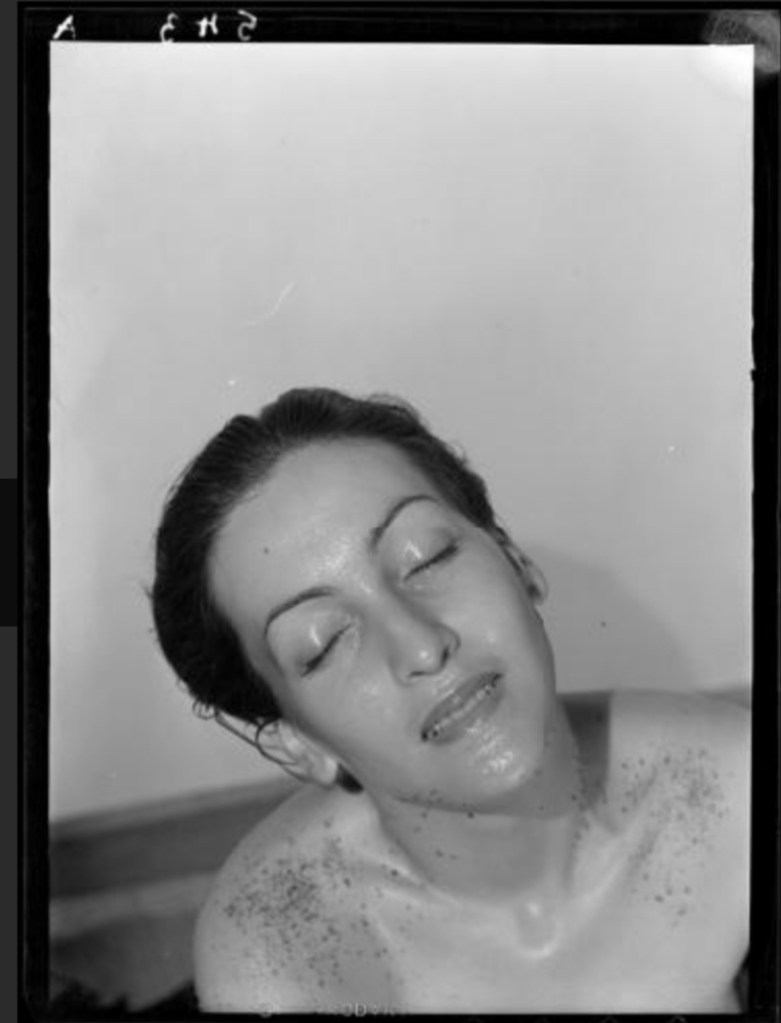
Man Ray. Jacqueline Goddard 1934

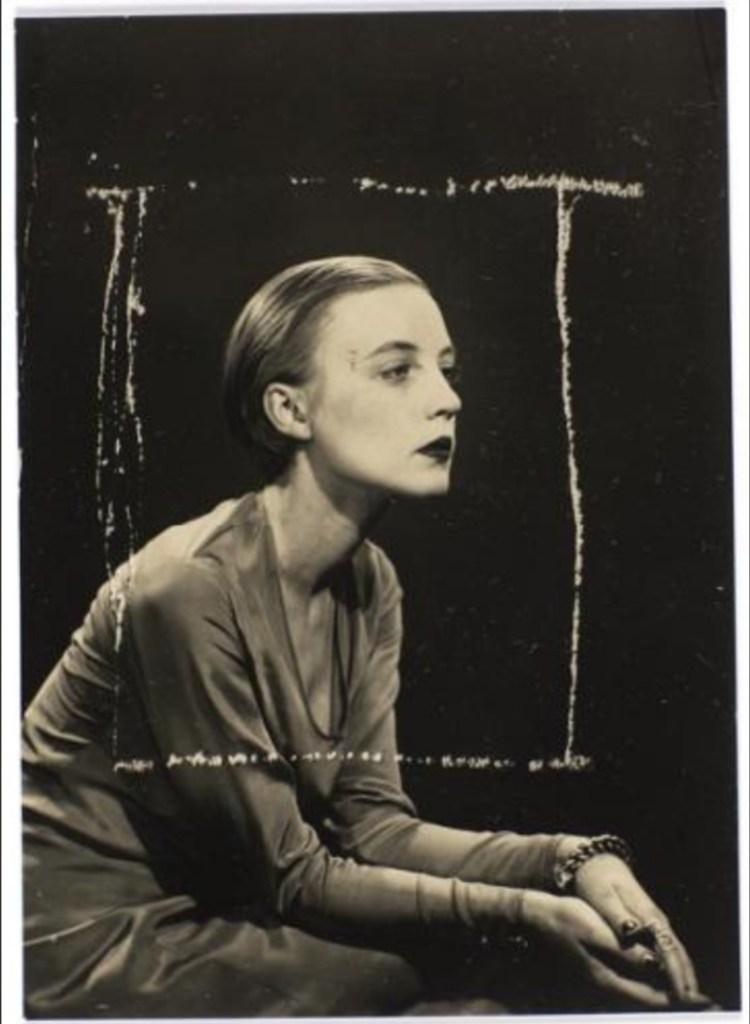
Man Ray. Jacqueline Goddard 1934

Man Ray. Jacqueline Goddard 1934

Man Ray. Jacqueline Goddard 1934

Man Ray. Jacqueline Goddard 1934

Man Ray. Jacqueline Goddard 1934

Man Ray. Jacqueline Goddard 1934

Man Ray. Jacqueline Goddard 1934

Man Ray. Jacqueline Goddard 1934

Man Ray. Jacqueline Goddard 1934

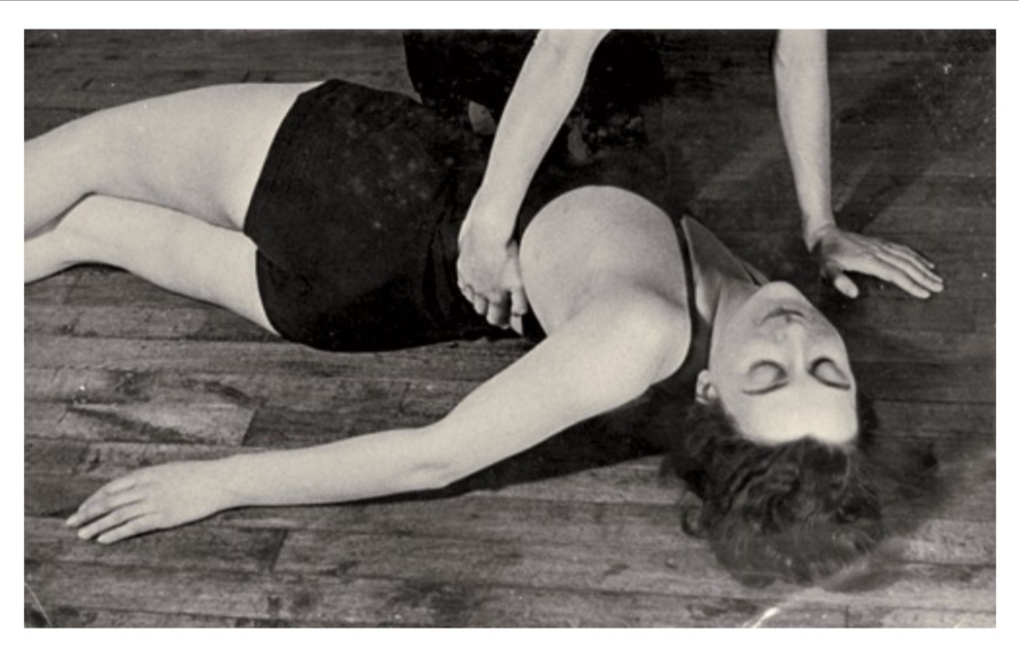
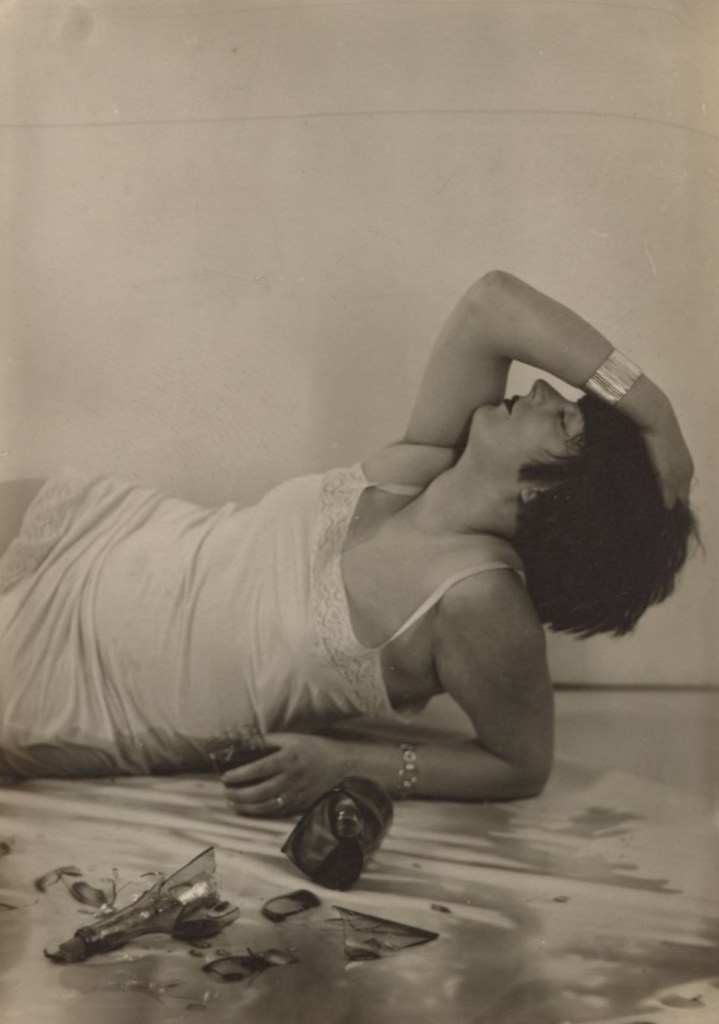
Man Ray. Jacqueline Goddard, suicide 1931

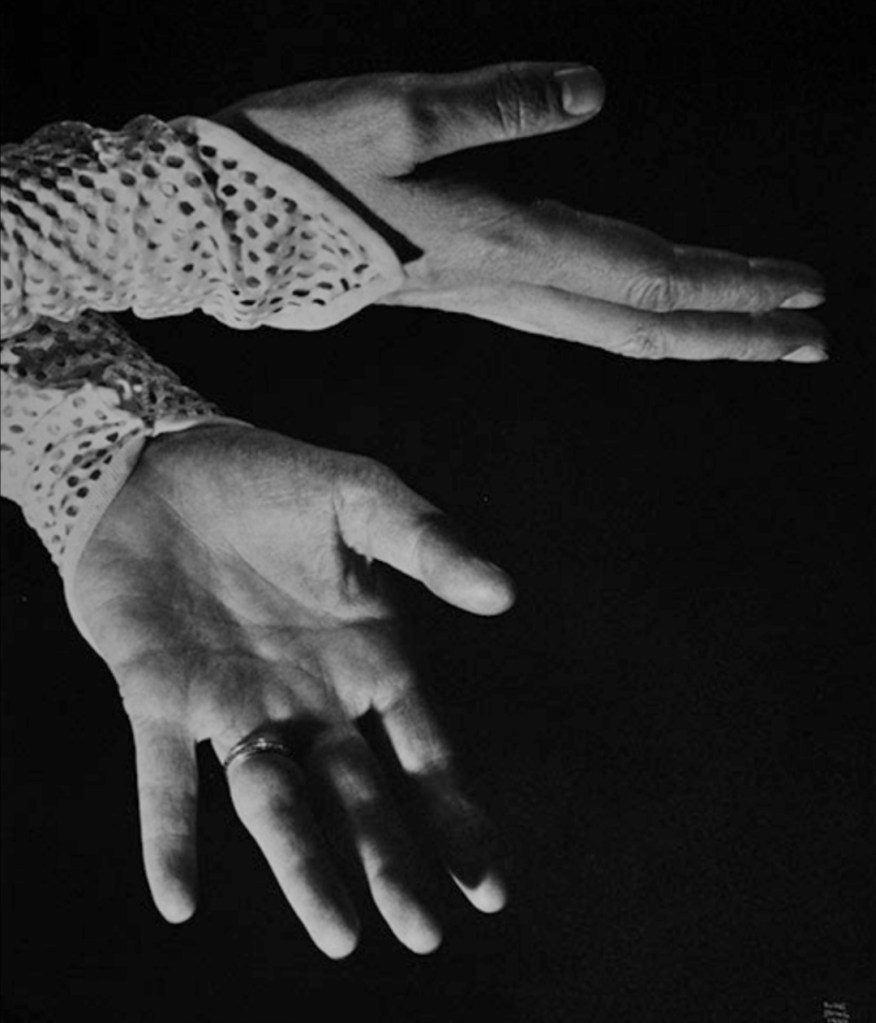
Man Ray. Jacqueline Goddard 1932

Man Ray. Jacqueline Goddard 1934

Man Ray. Jacqueline Goddard 1934

Man Ray. Jacqueline Goddard 1932

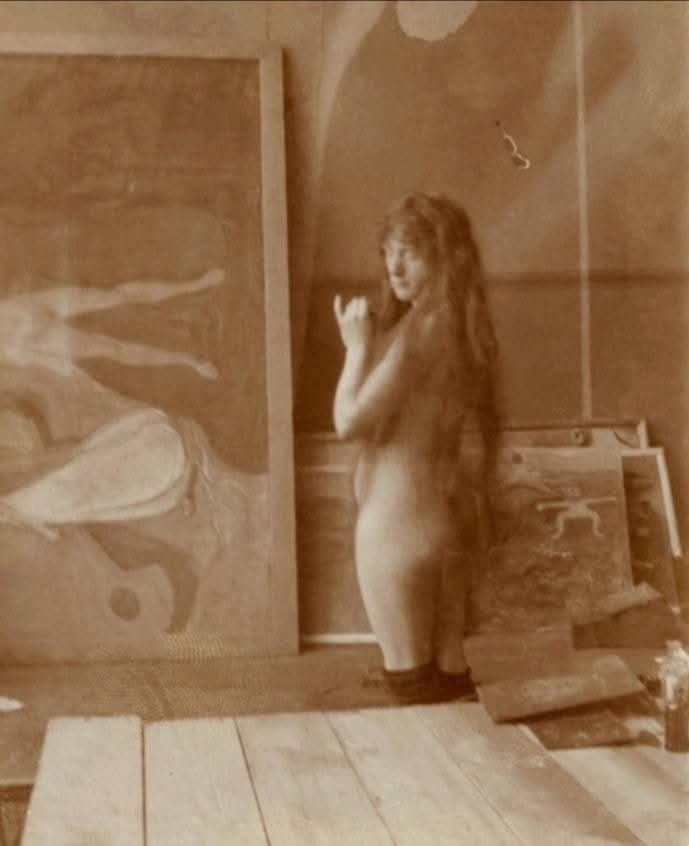
Edvard Munch. Model in studio 1902
« For it is to her that I always return through the thread of this limitless love, this universally widespread love. And craters grow in my hands, mazes of breasts grow there, explosive loves grow there that my life wins over my sleep. » (Antonin Artaud)

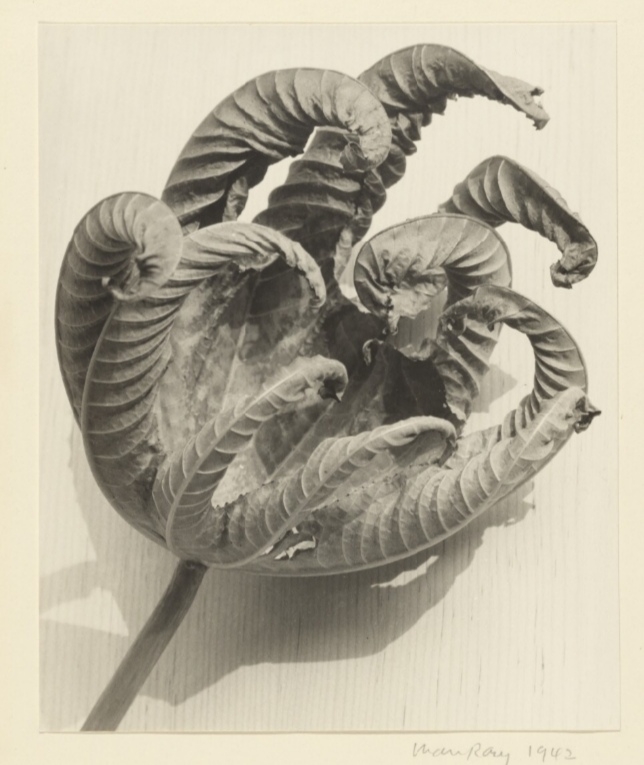
Man Ray. Dead leaf 1943.
Remarkable for its simplicity, this photograph of a brittle castor oil plant leaf appeared with four others by Man Ray in the October 1943 issue of Minicam Photography. In its caption, Man Ray wrote with unusually poignant intensity that he knew that “the dying leaf would completely disappear tomorrow.” One is tempted to interpret the work’s melancholy as the artist’s growing dissatisfaction with his lack of recognition and financial success in Los Angeles, and his fear that the work he had left behind in France would be destroyed during the war.
« Be a source. Light knows nothing of night, the sun knows no shadow, there are so many moons, many universes and their skies, realities play with illusion, keys know nothing of the lock » (Sophia Sherine Hutt)

Tribute to Laszlo Moholy Nagy.
László Moholy-Nagy is known for his participation in various avant-garde movements in the interwar period, in which he was associated with members of Dadaism, Constructivism, and De Stijl. He explored new photography techniques by designing photograms. At the request of the founder and director of the Bauhaus school, Walter Gropius, the artist became a teacher there in 1923, receiving the title of Master. He left the school in 1928 and moved to the United Kingdom in 1934. There, he continued his artistic experimentation and worked in advertising. In 1937, he moved to the United States to open the New Bauhaus school in Chicago.

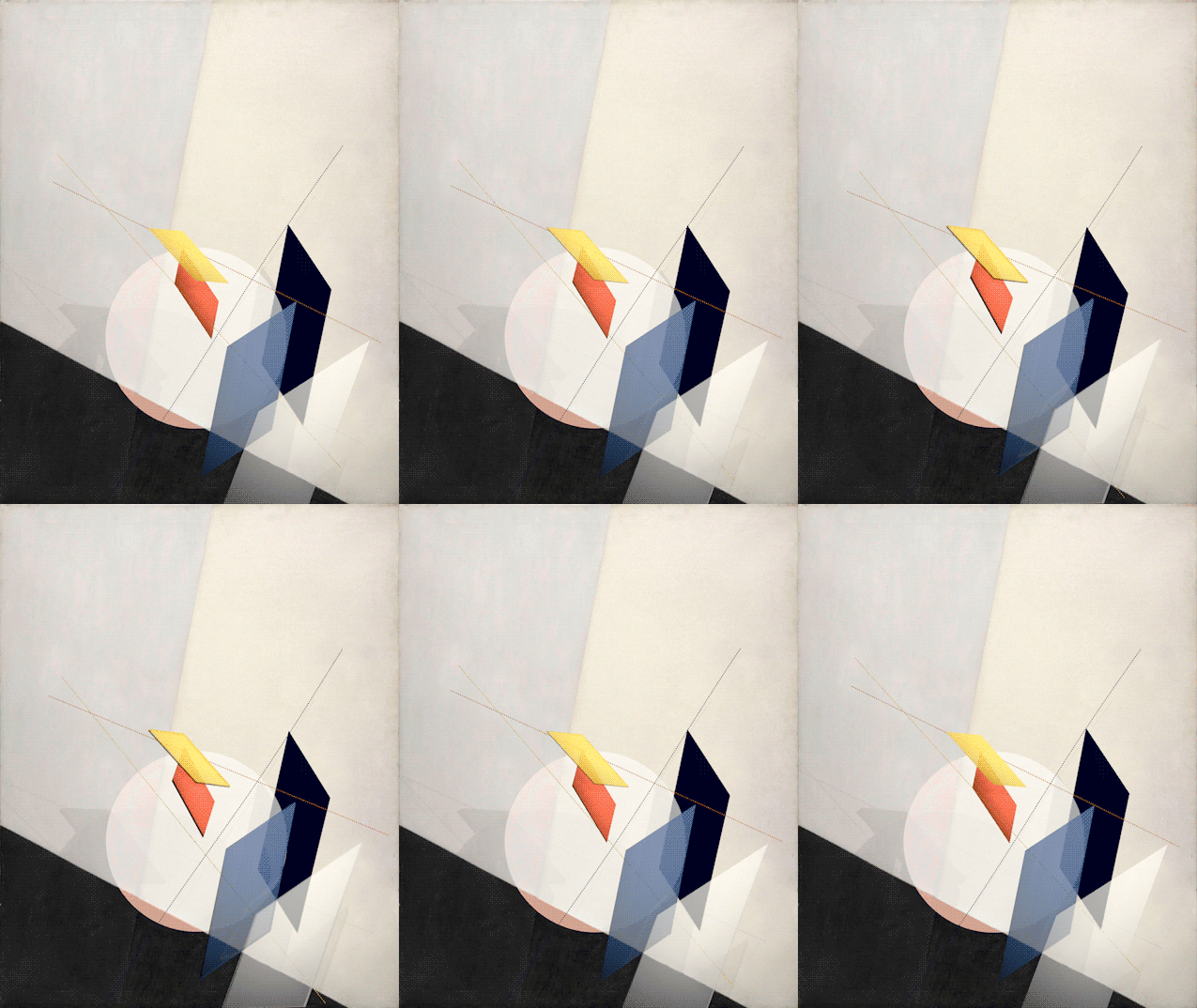
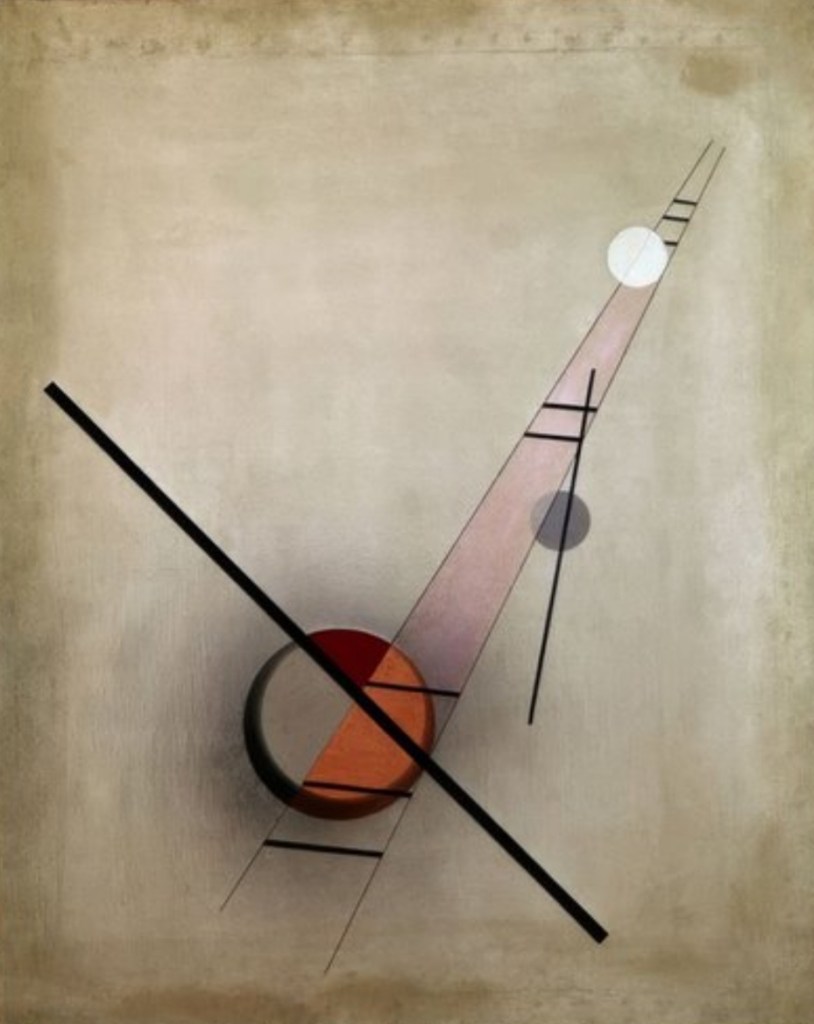
Laszlo Moholy Nagy. Composition Z IV 1923

Laszlo Moholy Nagy. Composition Z IV 1923
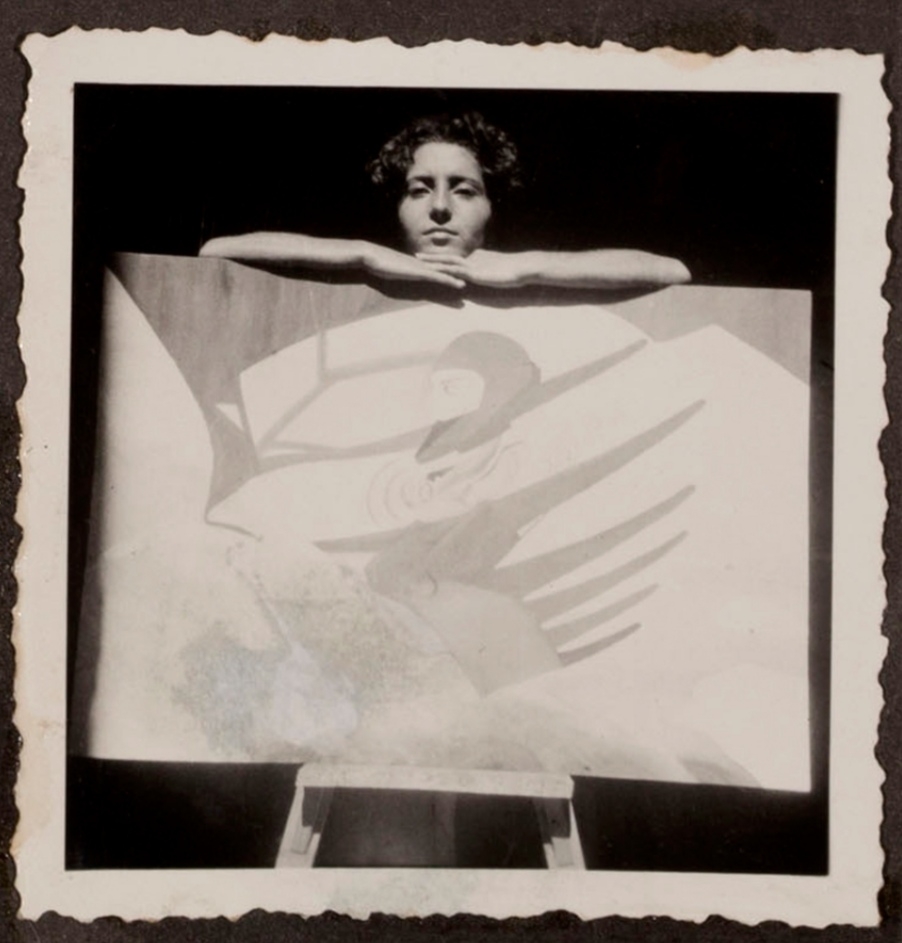
Painted in 1923, Z IV demonstrates the artist’s characteristic innovative boldness, establishing a wonderful dialogue between the black diagonal bar and the abstract ray of light interspersed with vertical black lines and three colored dots. Moholy-Nagy was convinced that current art must be part of contemporary reality in order to convey meaning to its audience, which was in the grip of new technological advances. He therefore considered traditional figurative painting obsolete and turned to pure geometric abstraction, influenced by Russian constructivists such as Malevich and El Lissitsky. In this work, Moholy-Nagy explores a way of representing light on the painted canvas: the colored circles appear translucent when one plane is superimposed on the next, their hues changing accordingly. These intersecting, transparent forms read like converging beams of light.

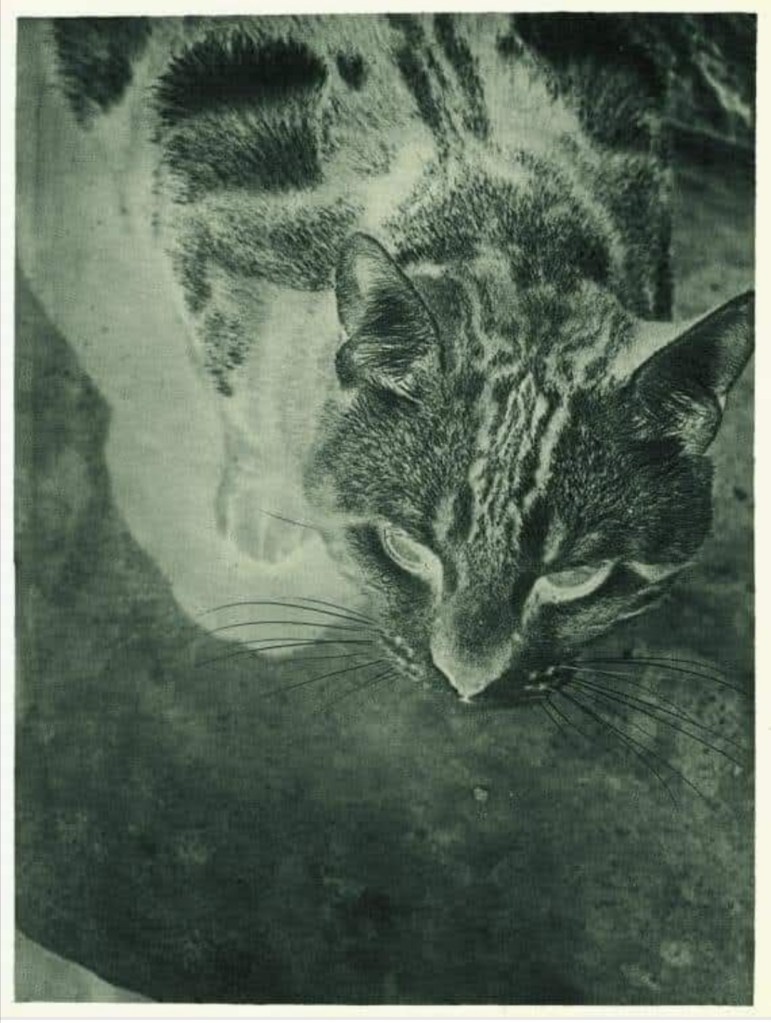
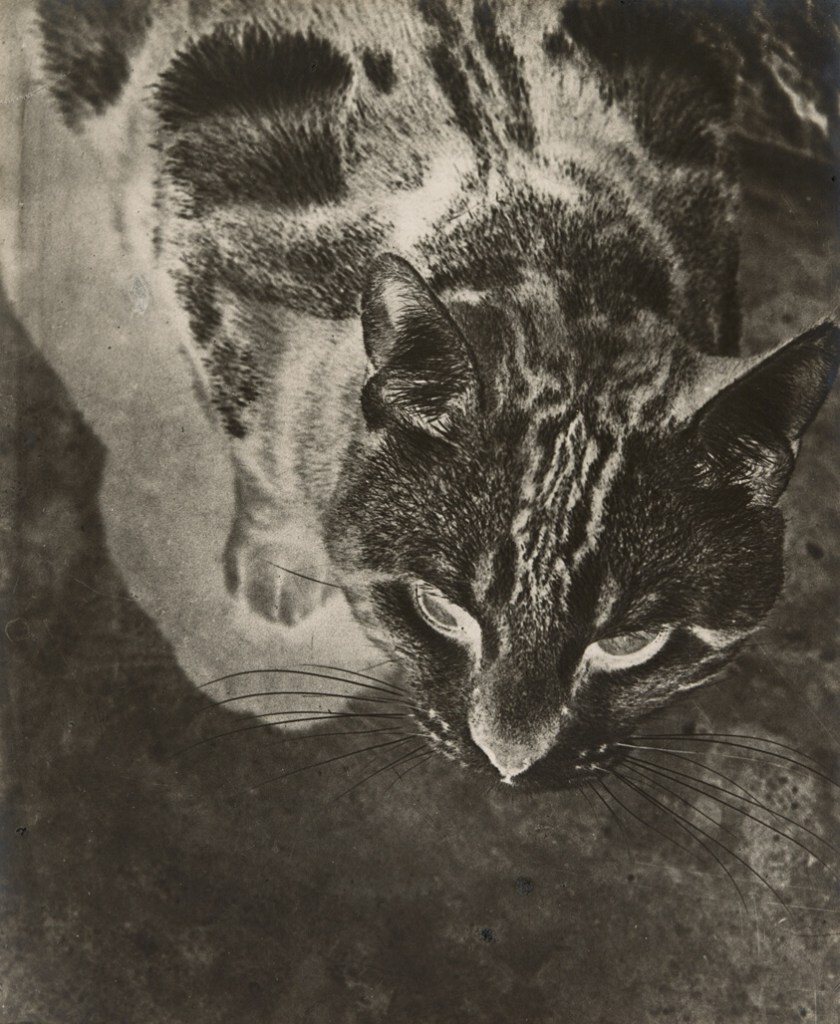
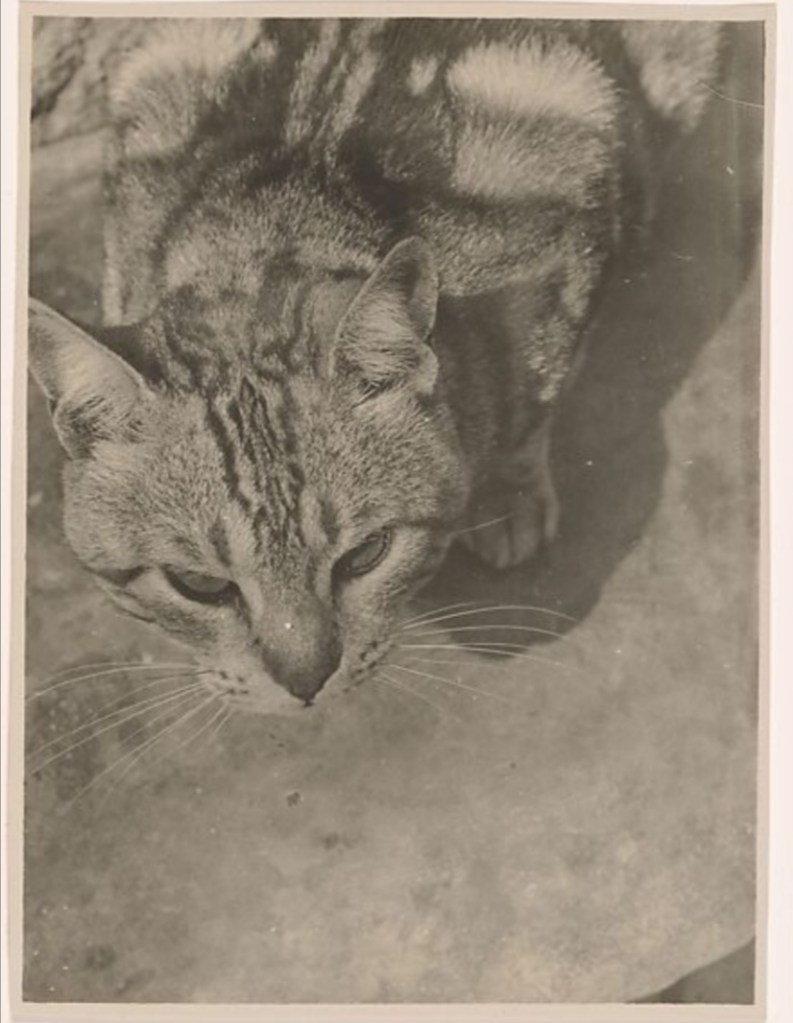
Laszlo Moholy Nagy. Cat 1926. Gelatin silver print

Laszlo Moholy Nagy. Cat 1926. Gelatin silver print

Laszlo Moholy Nagy. Cat 1926

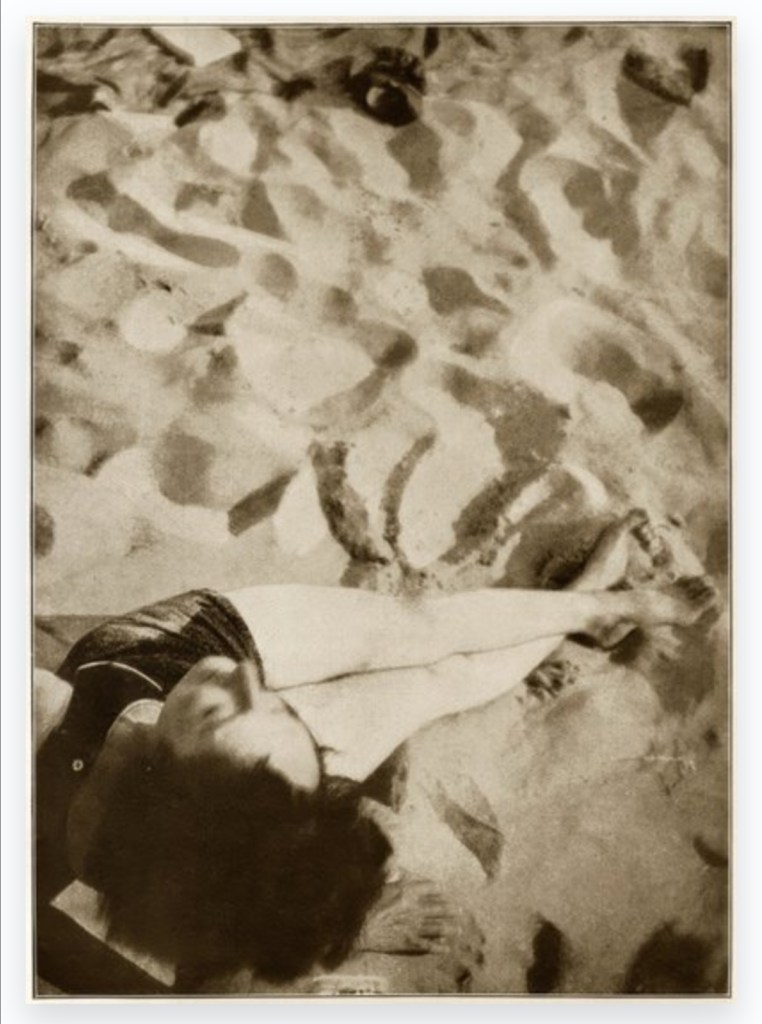
Laszlo Moholy Nagy. June summer 1925

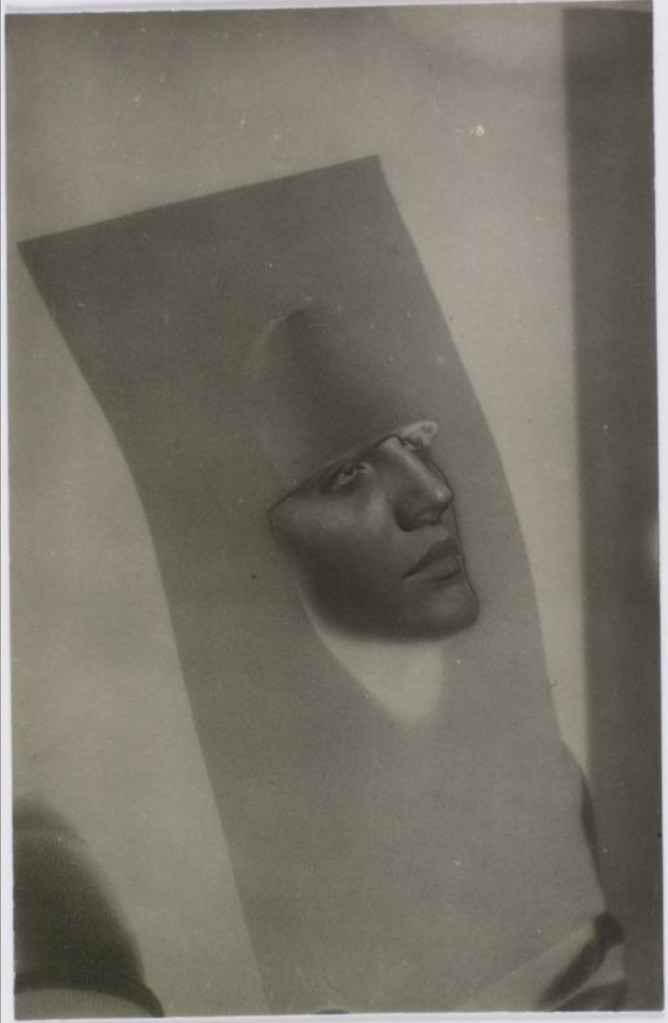
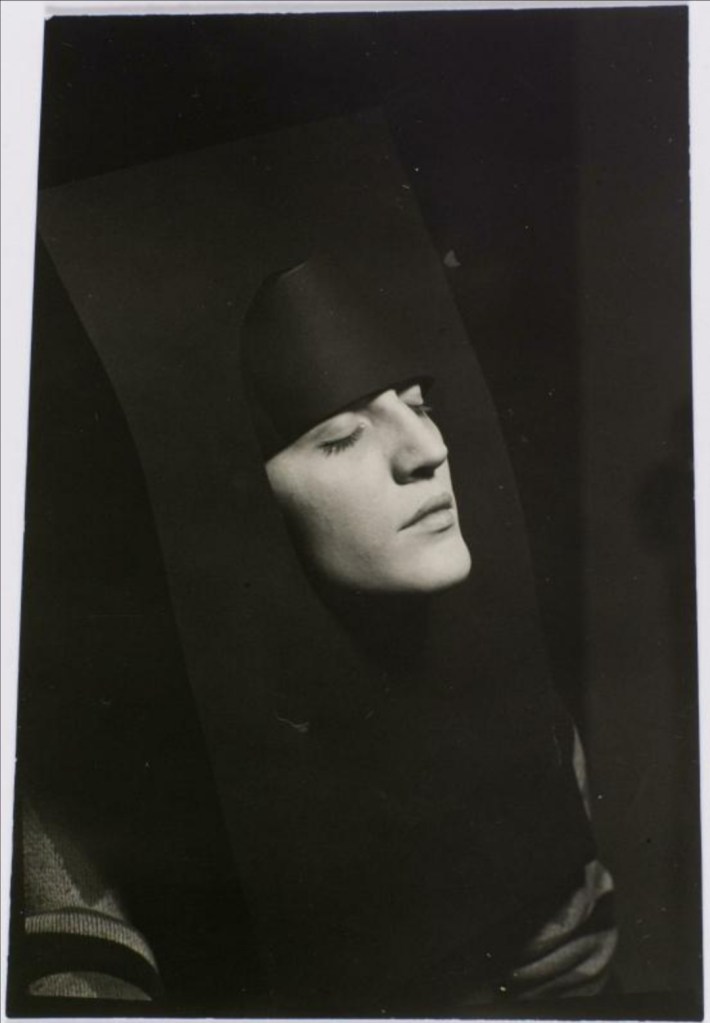
Man Ray. Jacqueline Goddard as a nun 1931. Solarization

Man Ray. Jacqueline Goddard as a nun 1931. Solarization

Man Ray. Jacqueline Goddard as a nun 1931. Solarization

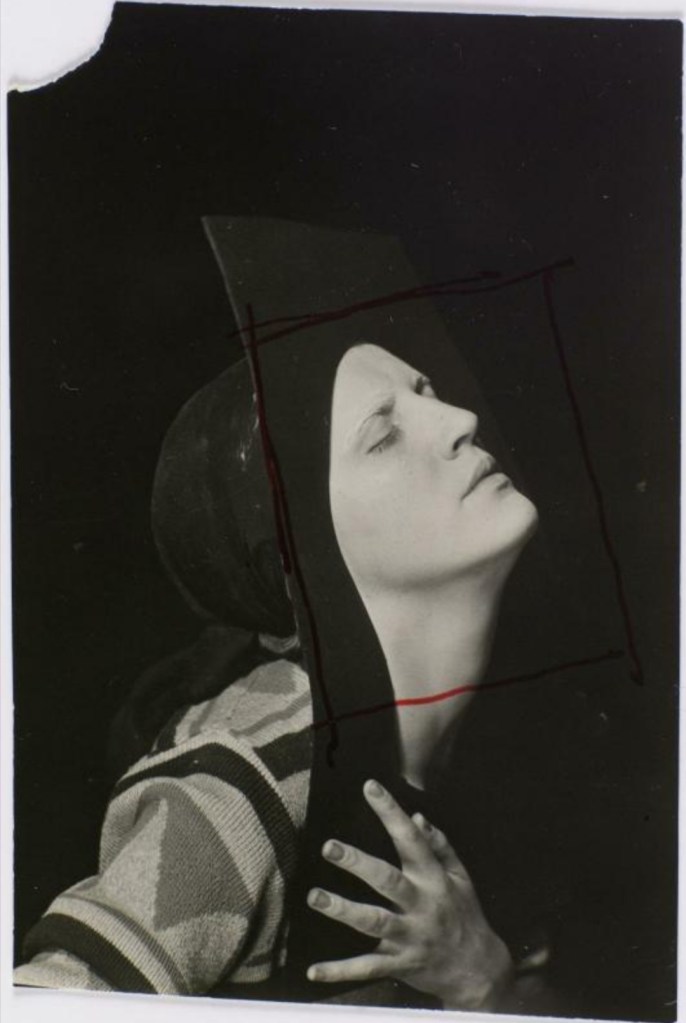
Man Ray. Jacqueline Goddard as a nun 1931

Man Ray. Jacqueline Goddard as a nun 1931

Man Ray. Jacqueline Goddard as a nun 1931
« Solitude, as I understand it, does not signify an unhappy state, but rather secret royalty, profound incommunicability yet a more or less obscure knowledge of an invulnerable singularity »(Jean Genet)

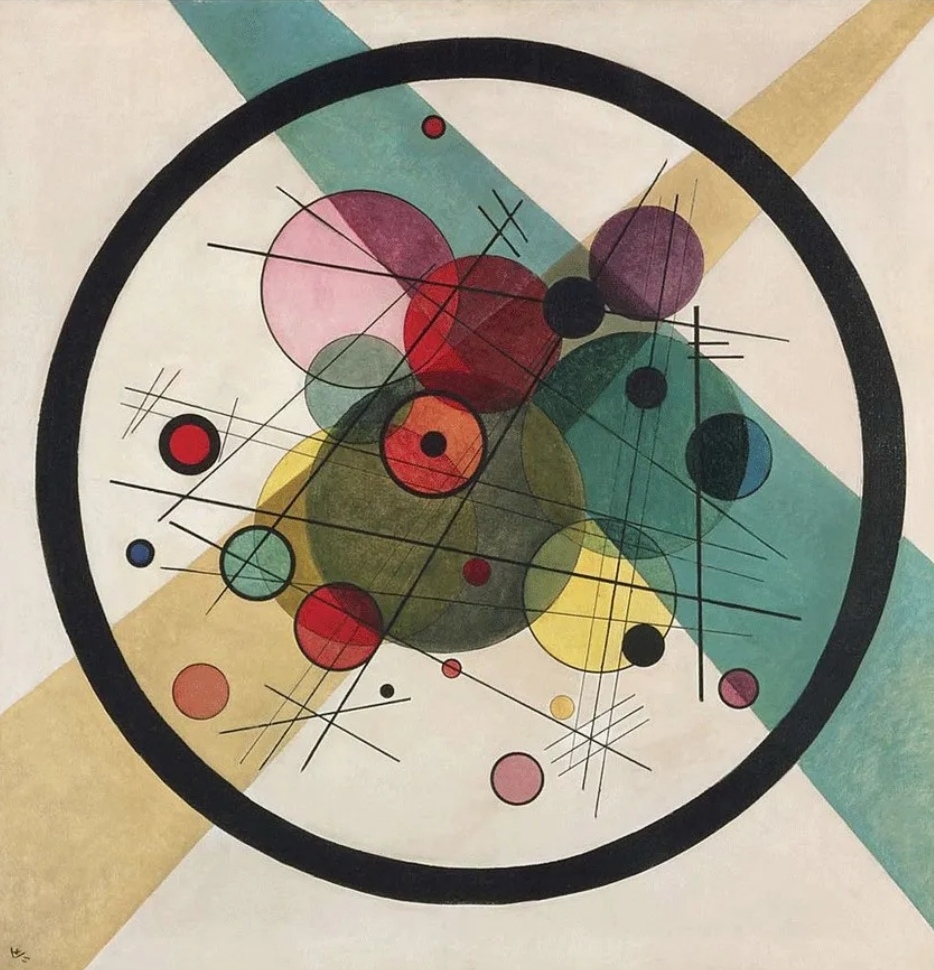
Vassily Kandinsky. Circles in the circle 1923.
This painting reflects his unwavering belief that certain shapes and colors represent emotions that can be coded and brought together into a whole, reflecting the unity of the universe.
Twenty-six intersecting circles of varying sizes and shades are surrounded by the black circle, several of which are connected by straight black lines. Two beams of yellow and blue light emanating from the upper corners intersect toward the center, altering the colors of the circles as they meet.
The artist states: « A circle is a combination of the most extreme opposites. Combining the eccentric and the concentric into a single shape and balancing it with another. » The black outer circle, as if it were the second image, focuses on the interaction between the inner circles, as well as two diagonal bands that intersect to enhance the effect of perspective in the composition.
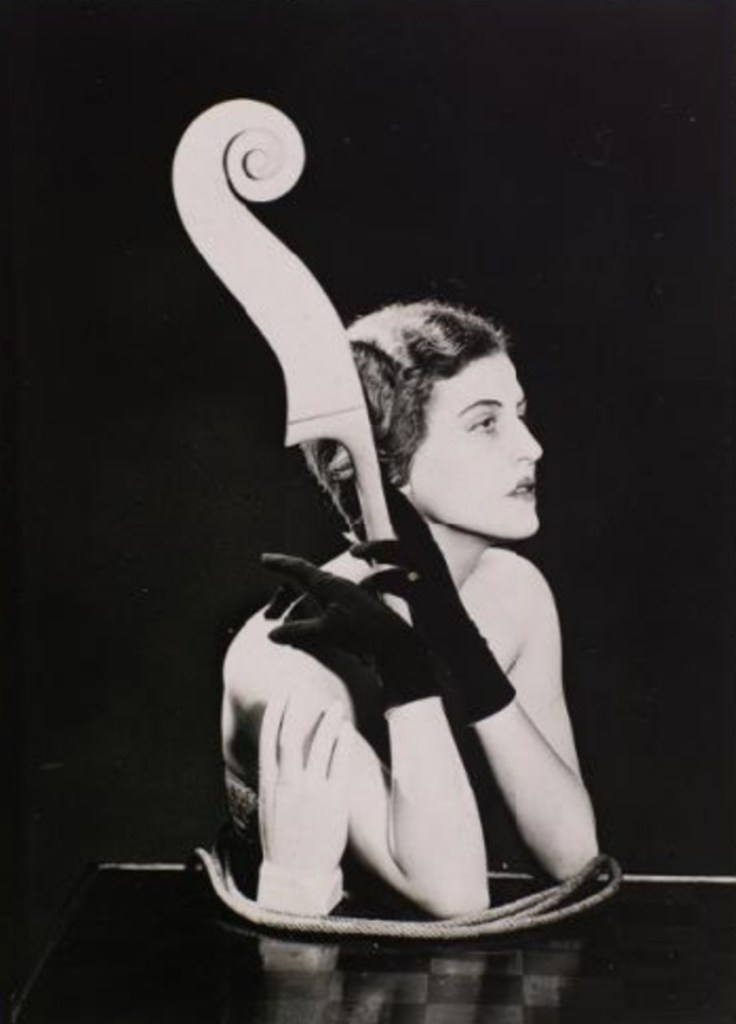
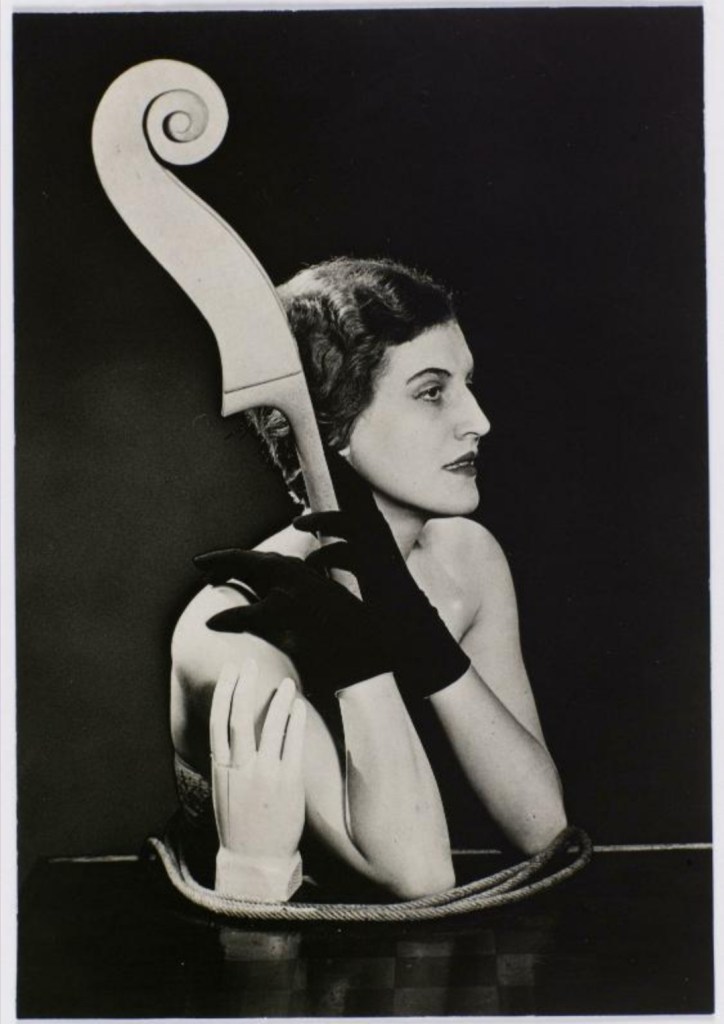
Man Ray. Jacqueline Goddard 1932

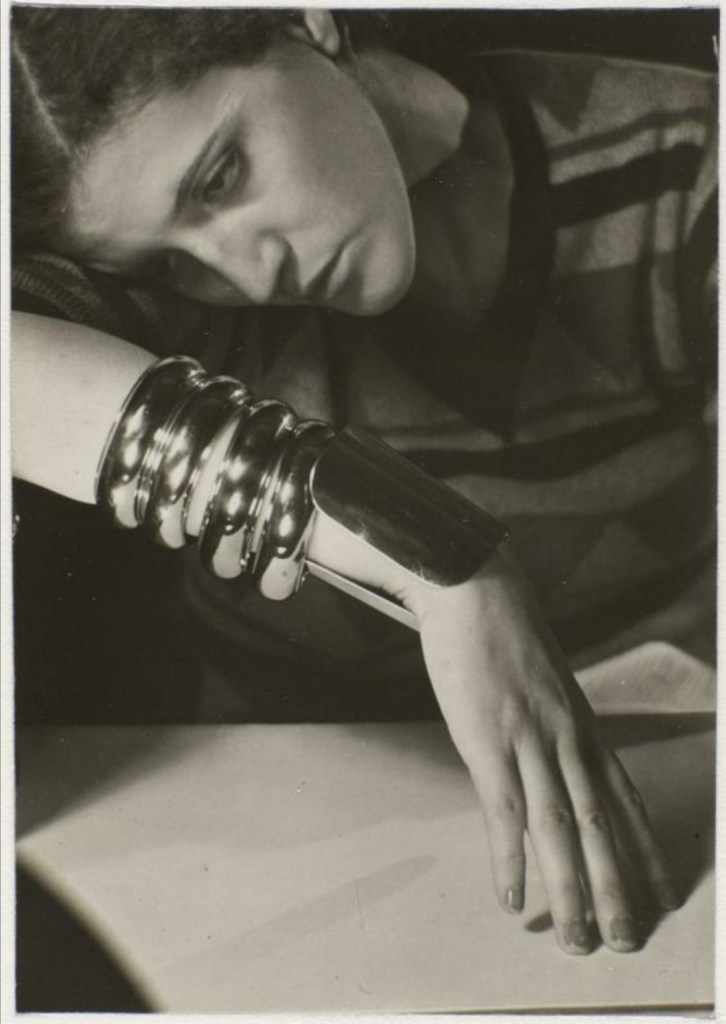
Man Ray. The bracelets, Jacqueline Goddard 1931

Man Ray. The bracelets, Jacqueline Goddard 1931

Man Ray. Jacqueline Goddard 1935

Man Ray. Jacqueline Goddard 1935

Man Ray. Jacqueline Goddard 1935

Man Ray. Jacqueline Goddard 1935

Man Ray. Jacqueline Goddard 1931

Man Ray. Jacqueline Goddard 1930

Man Ray. Jacqueline Goddard 1930

Man Ray. Jacqueline Goddard 1930

Man Ray. Jacqueline Goddard 1930

Man Ray. Jacqueline Goddard 1930

Man Ray. Jacqueline Goddard 1930

Man Ray. The painter and writer Ithell Colquhoun 1932

Man Ray. The painter and writer Ithell Colquhoun 1932

Man Ray. The painter and writer Ithell Colquhoun 1932

Man Ray. The painter and writer Ithell Colquhoun 1932

Man Ray. The painter and writer Ithell Colquhoun 1932

Man Ray. The painter and writer Ithell Colquhoun 1932

Man Ray. The painter and writer Ithell Colquhoun 1932

Man Ray. Jacqueline Goddard 1935

Man Ray. Jacqueline Goddard 1932

Man Ray. Jacqueline Goddard 1932

Man Ray. Jacqueline Goddard 1932

Man Ray. Jacqueline Goddard 1930

Man Ray. Jacqueline Goddard 1930

Tribute to Vassily Kandinsky

Vassily Kandinsky. Darkness 1943

Lux Feininger. Magdalena Droste 1926

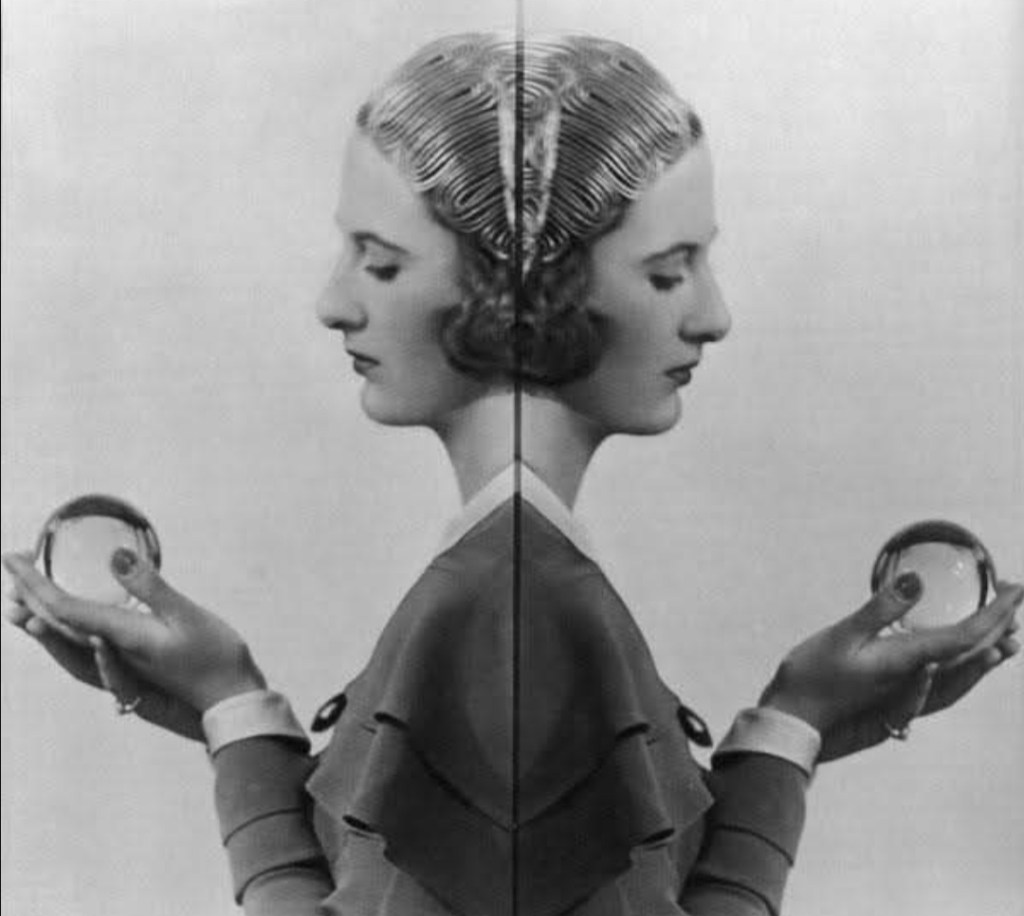
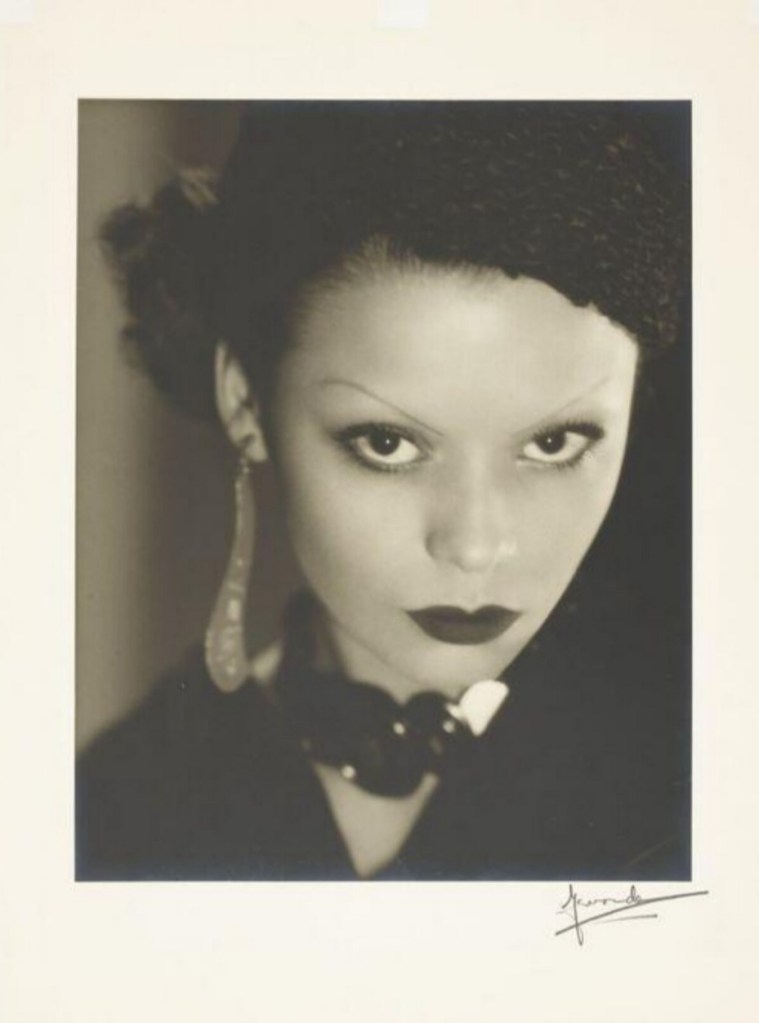
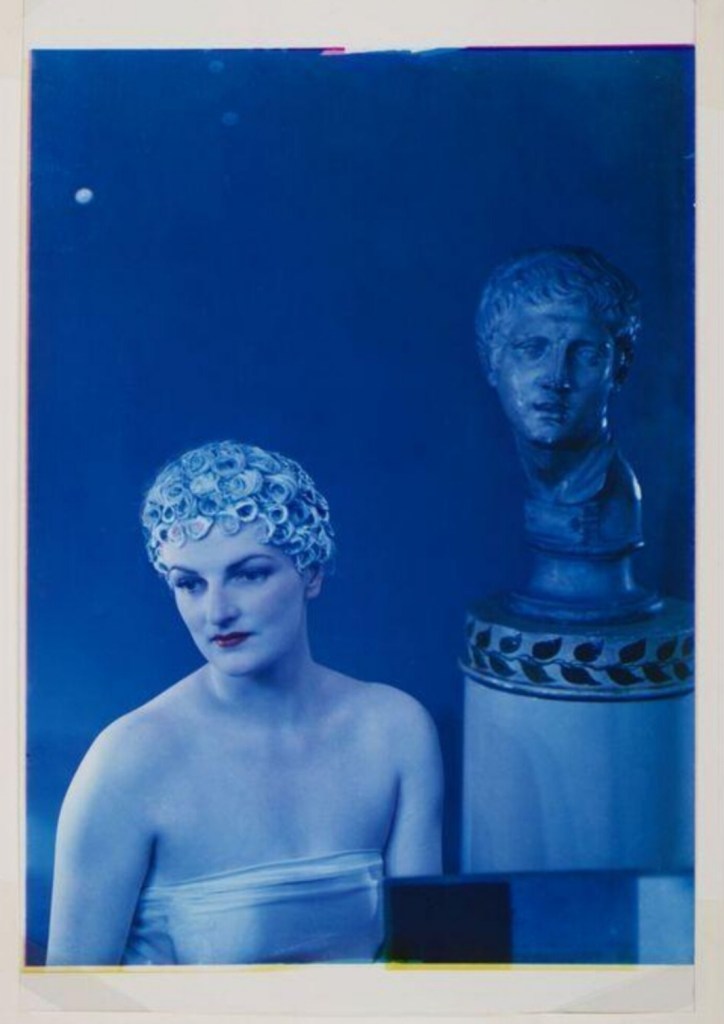
Madame Yevonde. Barbara Beaton 1925-1930

Dora Maar. Meret Oppenheim 1934

Dora Maar. Meret Oppenheim 1934

Dora Maar. Meret Oppenheim 1934

Dora Maar. Meret Oppenheim 1934

Dora Maar. Meret Oppenheim 1934

Dora Maar. Meret Oppenheim 1934

Dora Maar. Meret Oppenheim 1934

Dora Maar. Meret Oppenheim 1934

Dora Maar. Meret Oppenheim 1934

Dora Maar. Meret Oppenheim 1934

Dora Maar. Meret Oppenheim 1934

Dora Maar. Meret Oppenheim 1934

Dora Maar. Meret Oppenheim 1934

Madame Yevonde. Mrs Michael Bacon as Minerva 1935

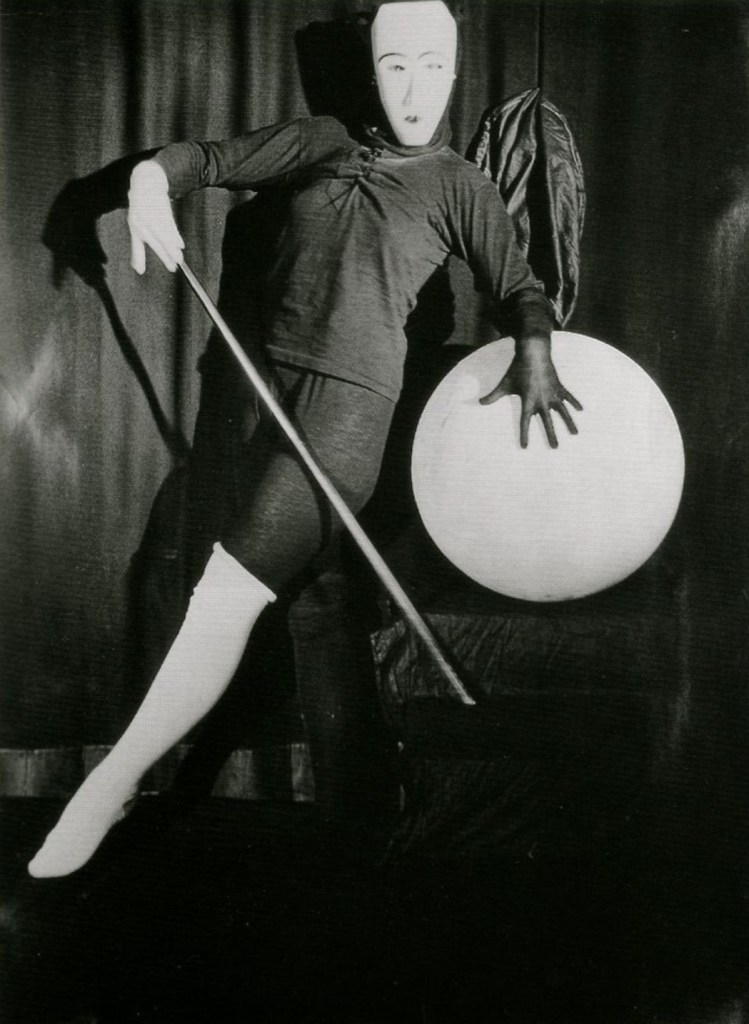
The dancer Daisy Spies in Oskar Schlemmer’s triadic ballet 1926

The dancer Meum Stewart 1921

Man Ray. Jacqueline Goddard 1932

Man Ray. Jacqueline Goddard 1932

Madame Yevonde. Eileen Hawthorn 1934

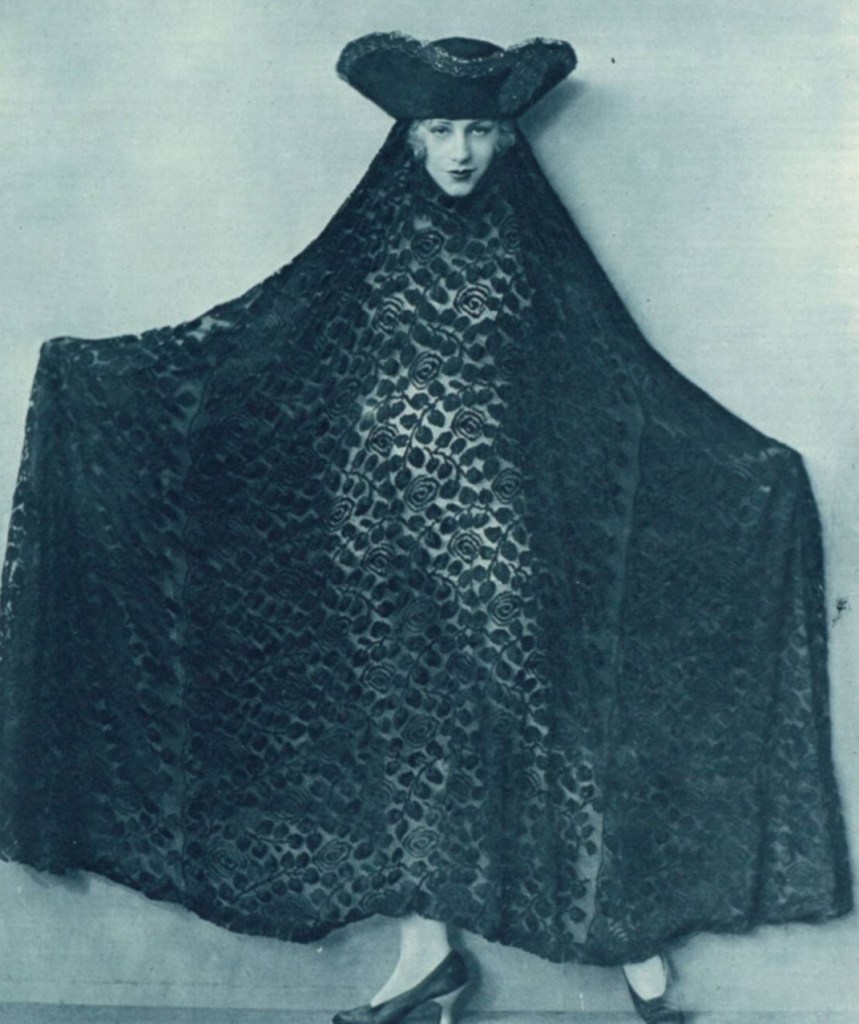
Madame Yevonde. The actress Meum Stewart 1922

Madame Yevonde. Close up of a woman 1933

Madame Yevonde. The dancer Eve 1934

Madame Yevonde. The dancer Eve 1934

Madame Yevonde. The dancer Eve 1934

Madame Yevonde. The dancer Eve 1934

Madame Yevonde. The dancer Eve 1934

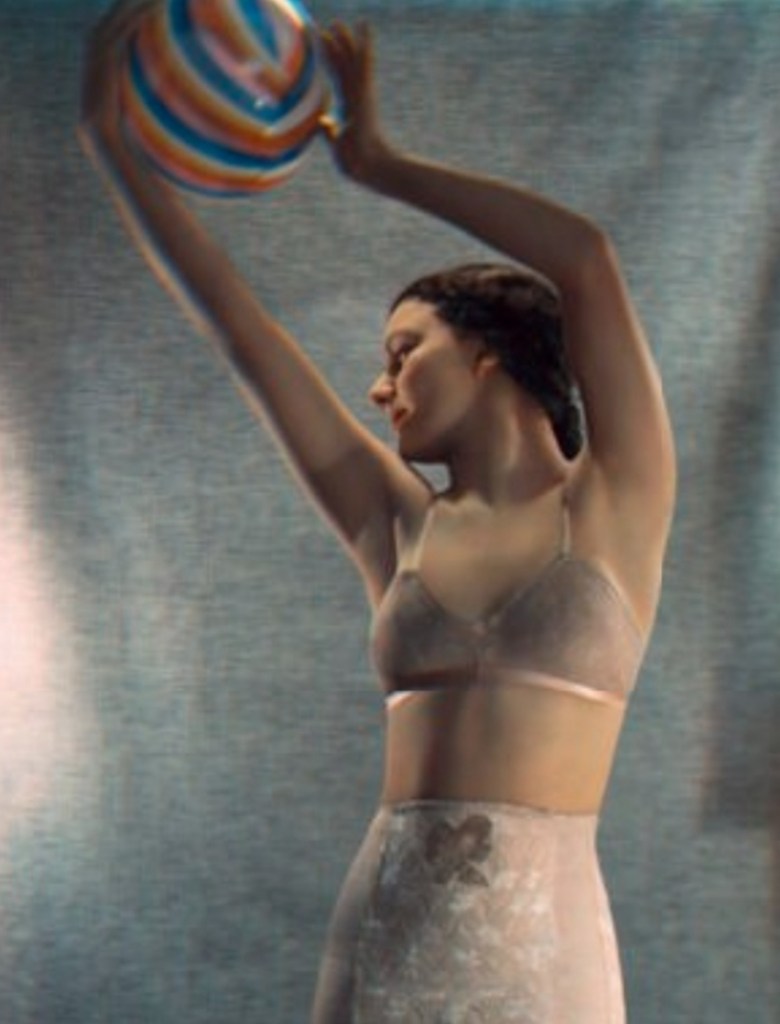
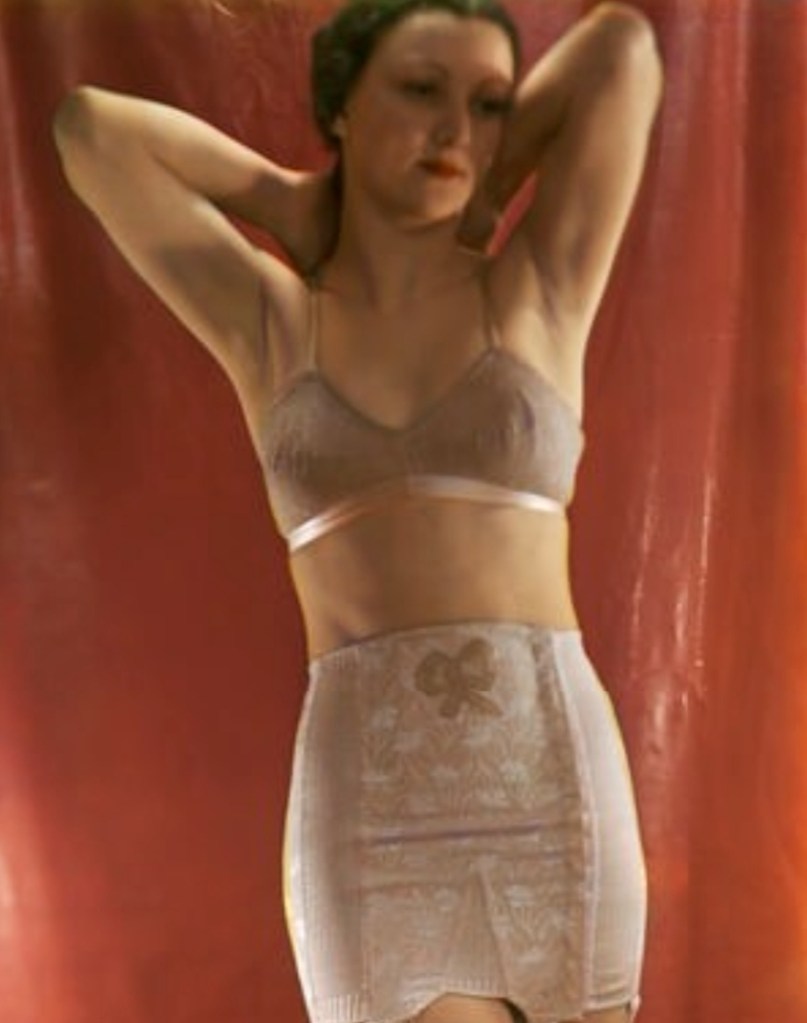
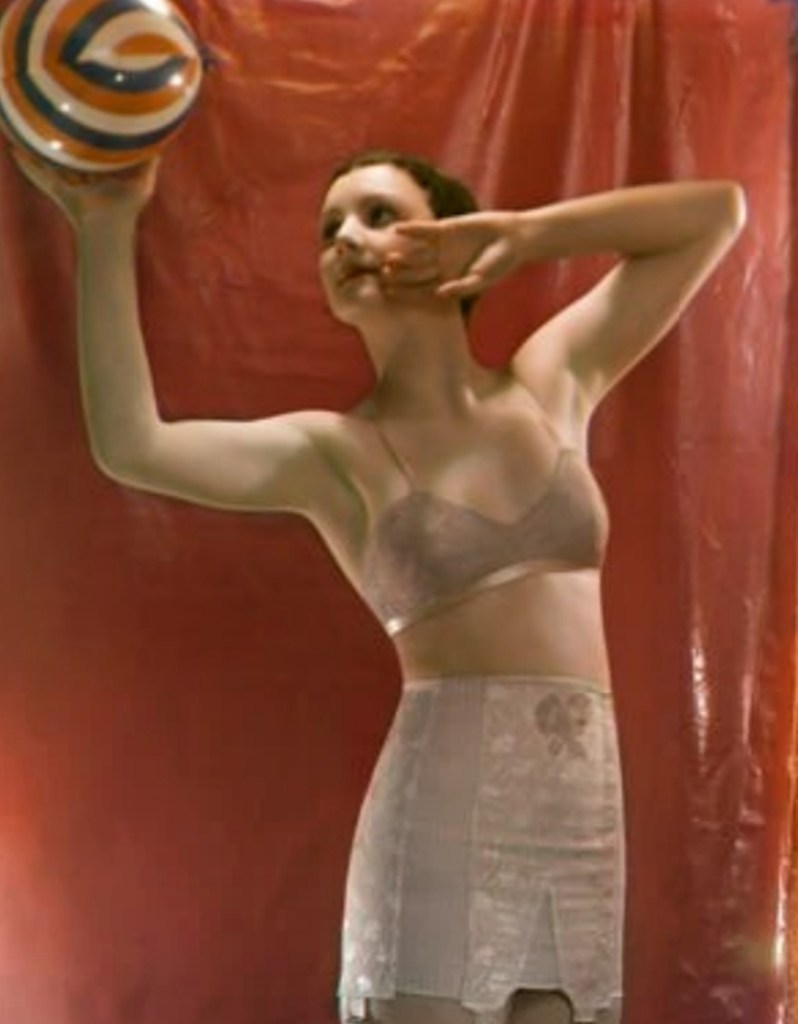
Madame Yevonde. Diana Gould for Weingarten corsets 1933

Madame Yevonde. Diana Gould for Weingarten corsets 1933

Madame Yevonde. Diana Gould for Weingarten corsets 1933

Madame Yevonde. Diana Gould for Weingarten corsets 1933

Madame Yevonde. Béatrice Eden as Clio the muse of history 1935

Madame Yevonde. Béatrice Eden as Clio the muse of history 1935

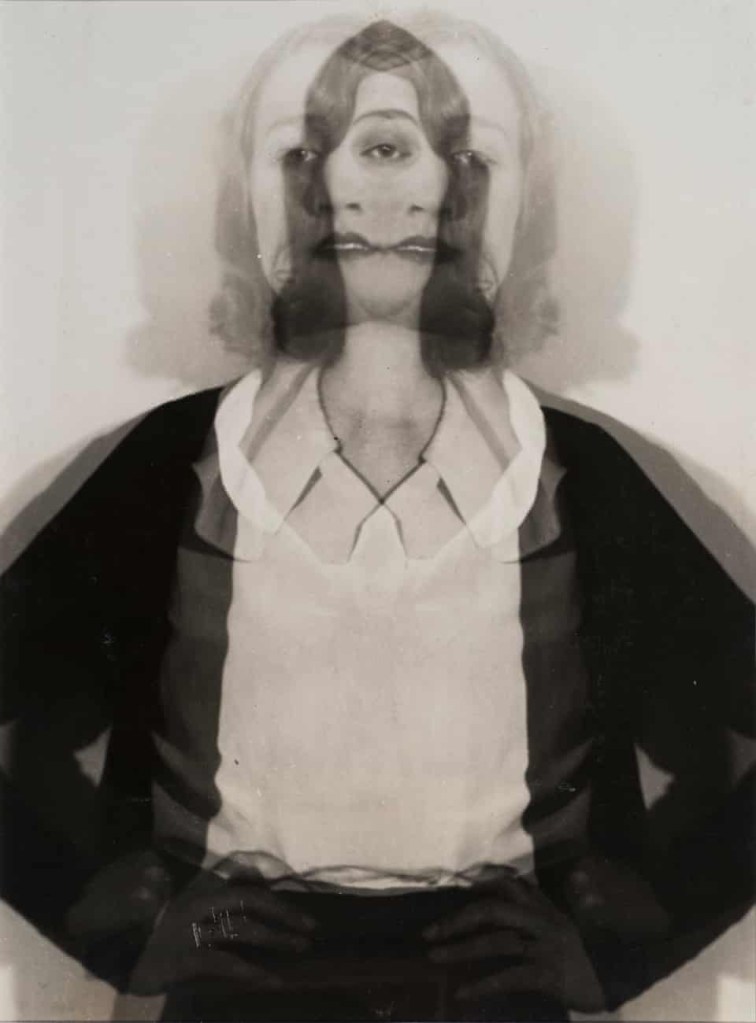
Erwin Blumenfeld. Double exposure 1932

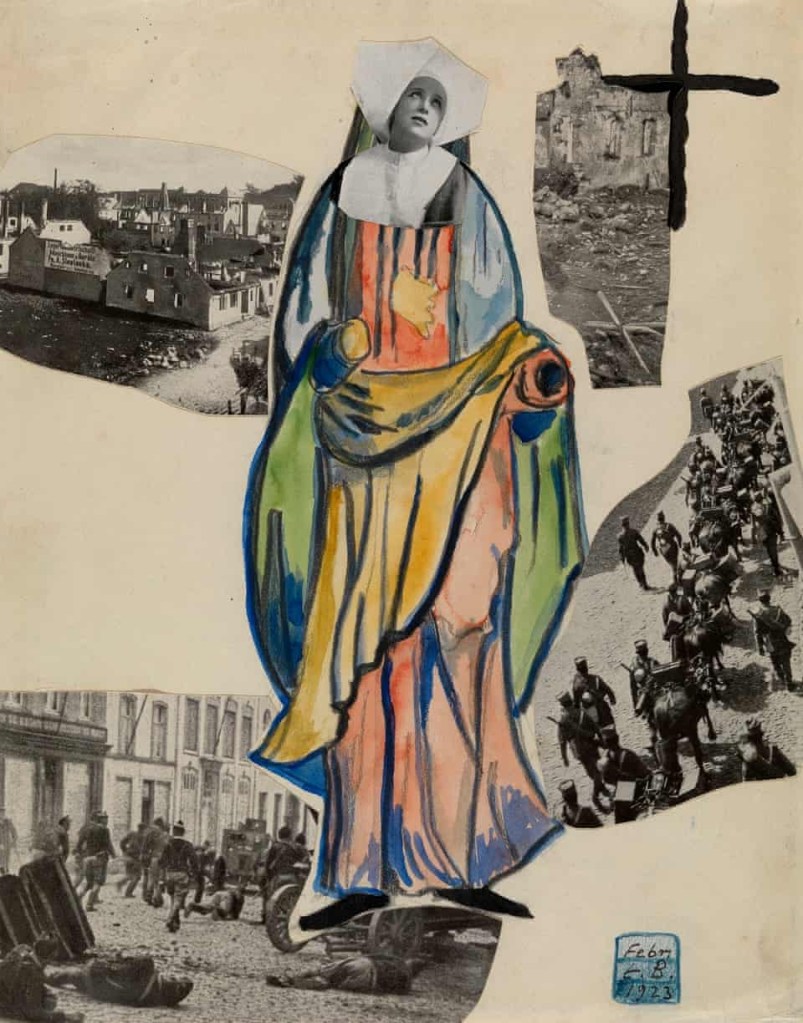
Erwin Blumenfeld. Madonna of a war (Nun), Amsterdam 1923. Collage

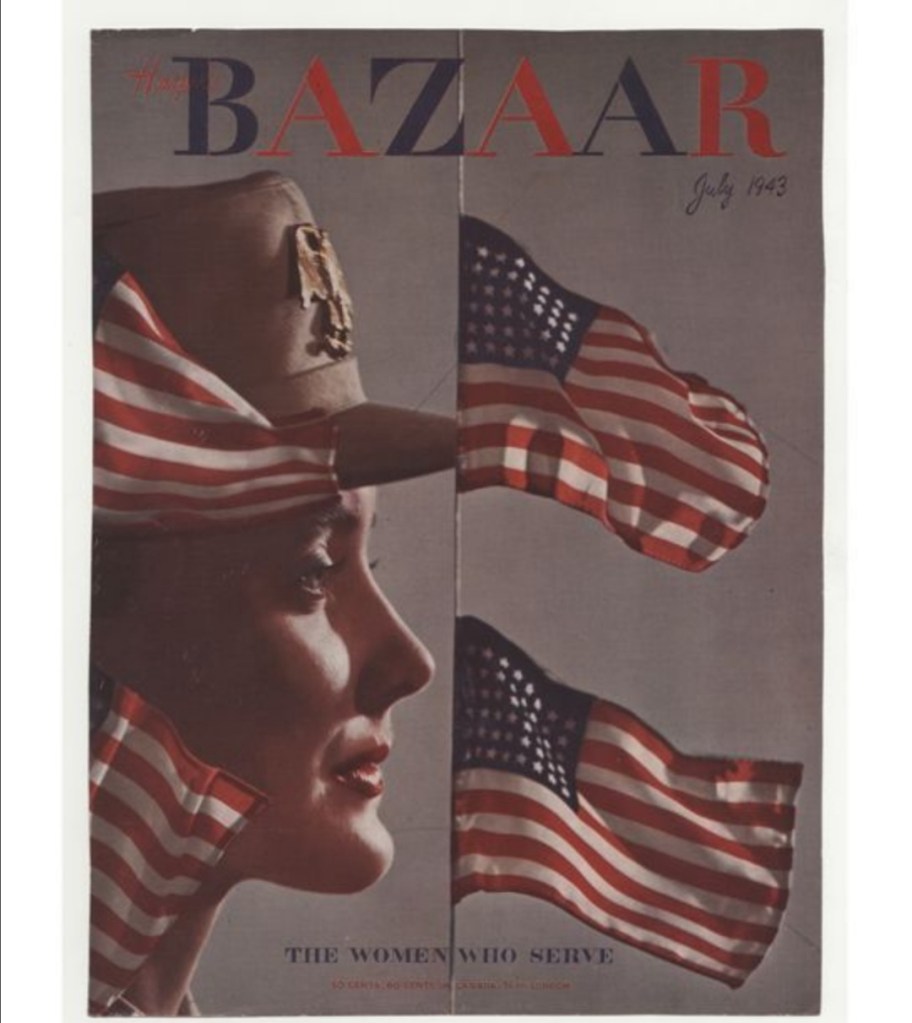
Erwin Blumenfeld. The women who serve 1943 Harper’s Bazaar cover

Dora Maar. Meret Oppenheim 1934

Dora Maar. Meret Oppenheim 1934

Dora Maar. Meret Oppenheim 1934

Man Ray. Jacqueline Goddard 1931
« Don’t walk in front of me, I might not follow you… Don’t walk behind me, I might not lead you… Walk right beside me and be my friend. » (Albert Camus)

Edvard Munch. Life and death 1894

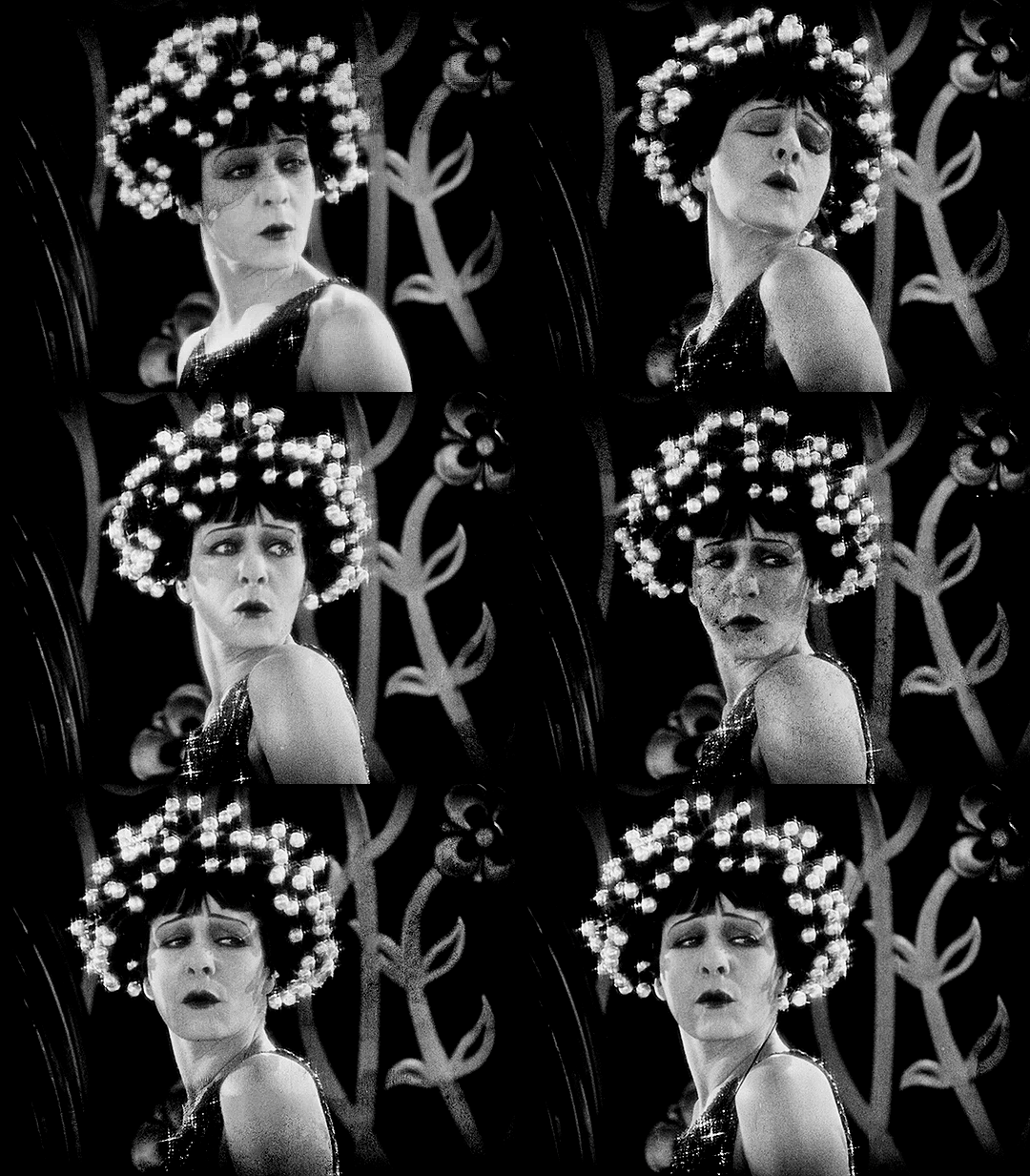
The actress Alla Nazimova in Salomé directed by Charles Bryant 1923

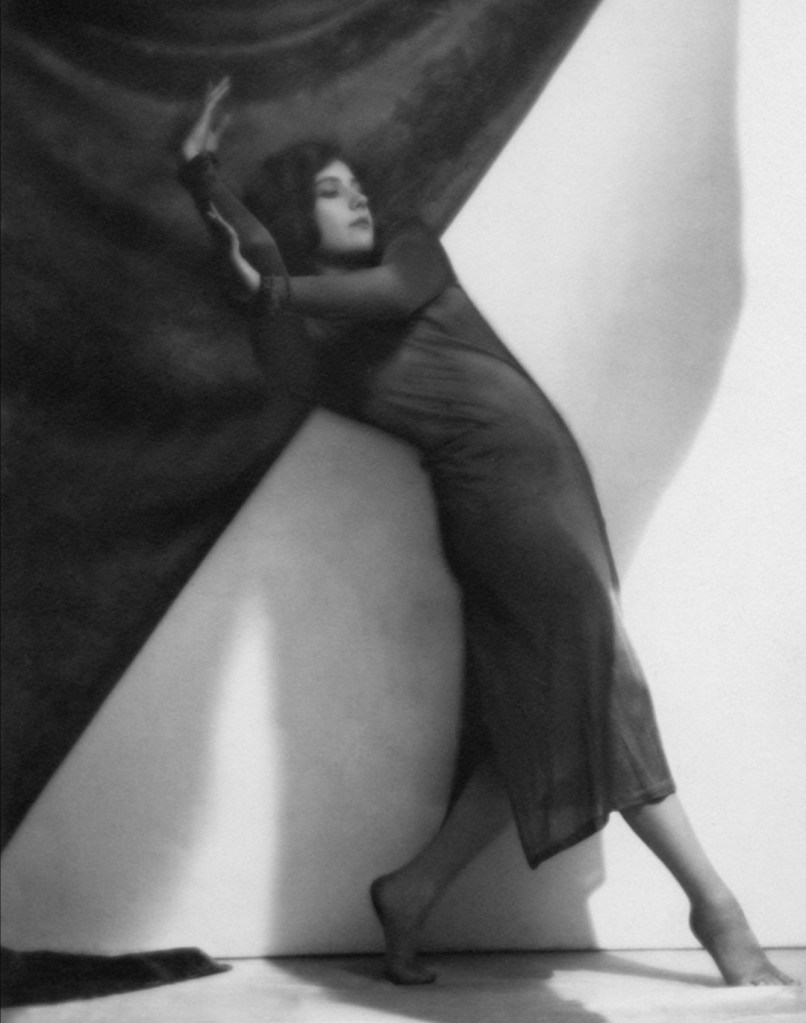
Madame D’Ora. The dancer Trudl Dubsky 1930

The actress Alla Nazimova in Salomé directed by Charles Bryant 1923

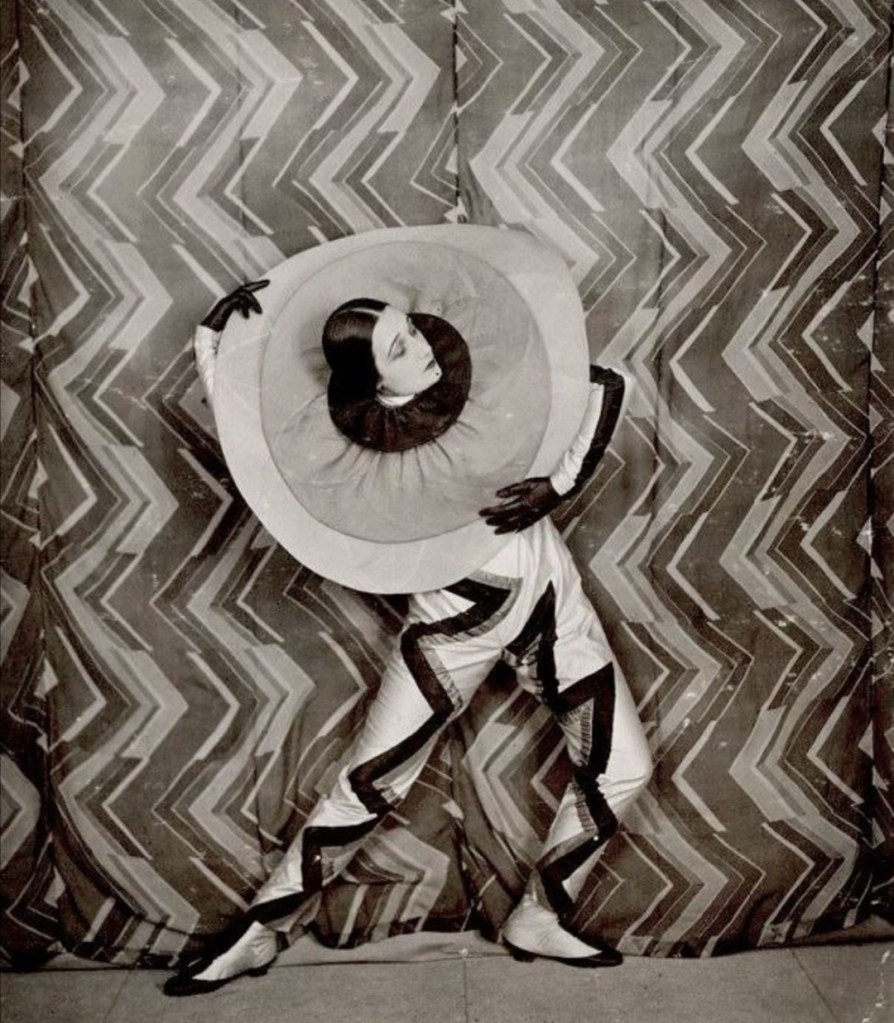
The dancer Lizica Codreanu wearing the Pierrot-Éclair costume designed by Sonia Delaunay, on the set of René Le Somptier’s 1926 film ‘Le P’tit Parigot’.
Still from the film Le P’tit Parigot, written by Paul Cartoux, directed by René Le Somptier 1926

Pablo Picasso. At circus 1905

Eli Marcus. The dancer Valeska Gert 1930

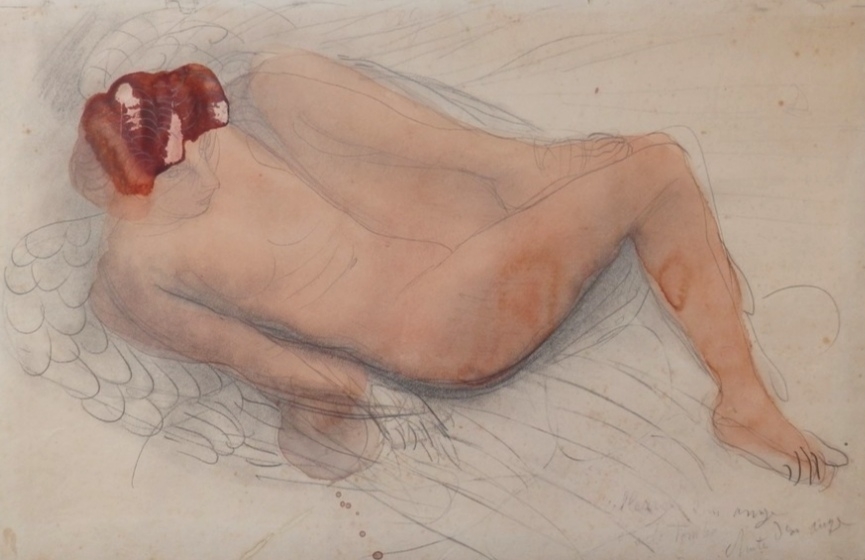
Auguste Rodin. Fallen angel 1890-1900

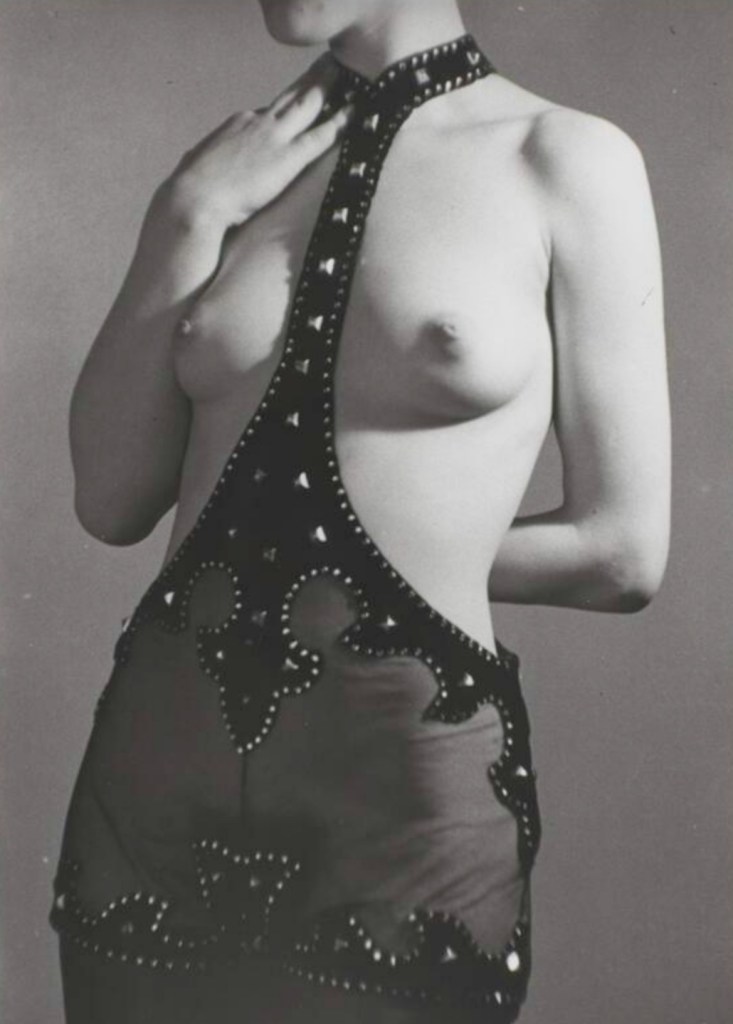
Roger Schall. Advertisement for Diana Slip 1932

Roger Schall. Advertisement for Diana Slip 1932

Roger Schall. Advertisement for Diana Slip 1938

Roger Schall. Advertisement for Diana Slip 1938

Roger Schall. Advertisement for Diana Slip 1933

Roger Schall. Advertisement for Diana Slip 1933

Roger Schall. Advertisement for Diana Slip 1930

Roger Schall. Advertisement for Diana Slip 1930

The dancer Hanne Dolores for Diana Slip 1934

Jacques-Henri Lartigue. Renée Perle wearing a silk pajama 1931

Jacques-Henri Lartigue. Arlette Boucard, Cannes 1927. Autochrome

Jacques-Henri Lartigue. Renée Perle 1931

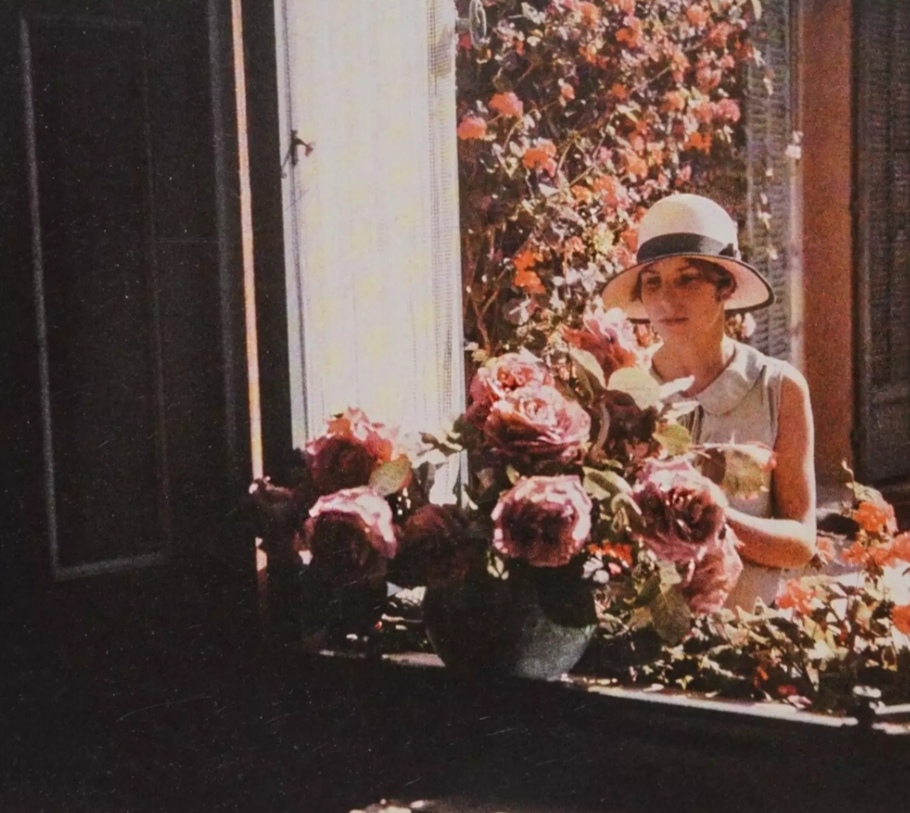
Jacques-Henri Lartigue. Renée Perle by the window 1930
Egon Schiele, The Self, Eros and Death
As a visual poet, Egon Schiele invented a style capable of expressing his tormented ego, his vigorous libido as an anguished adolescent and his anger at the precariousness of life.

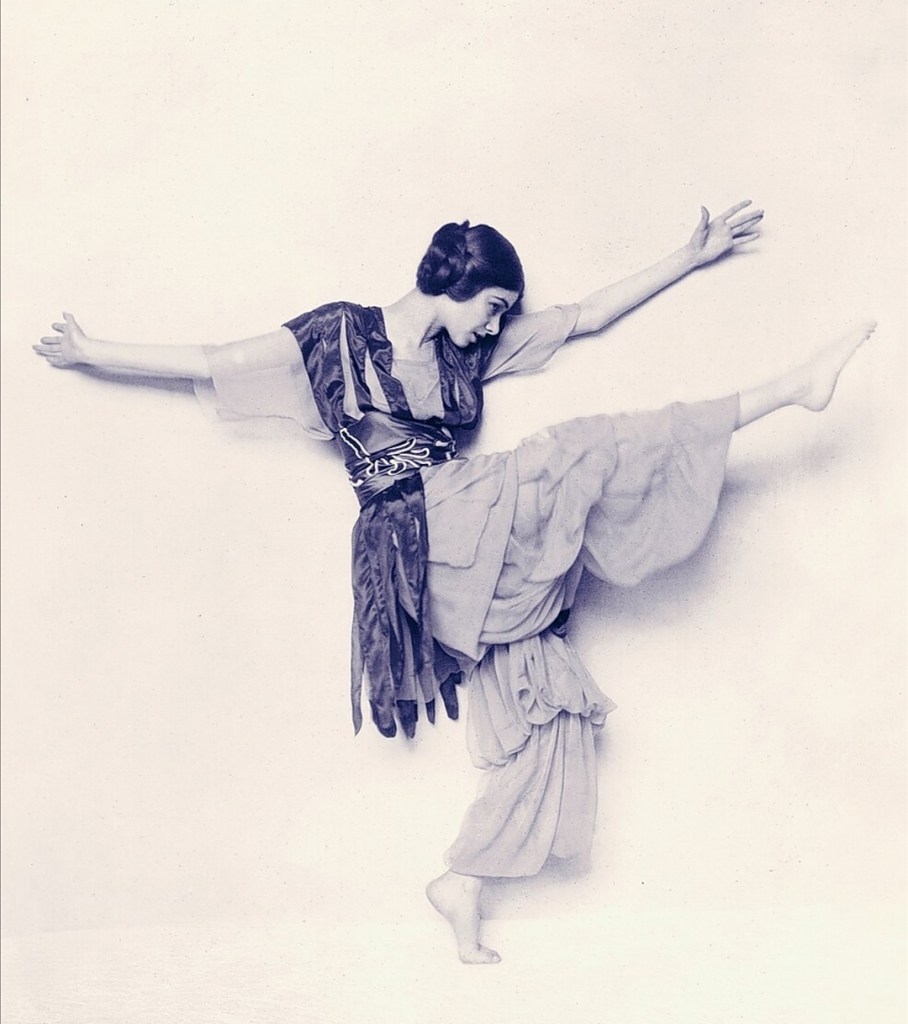
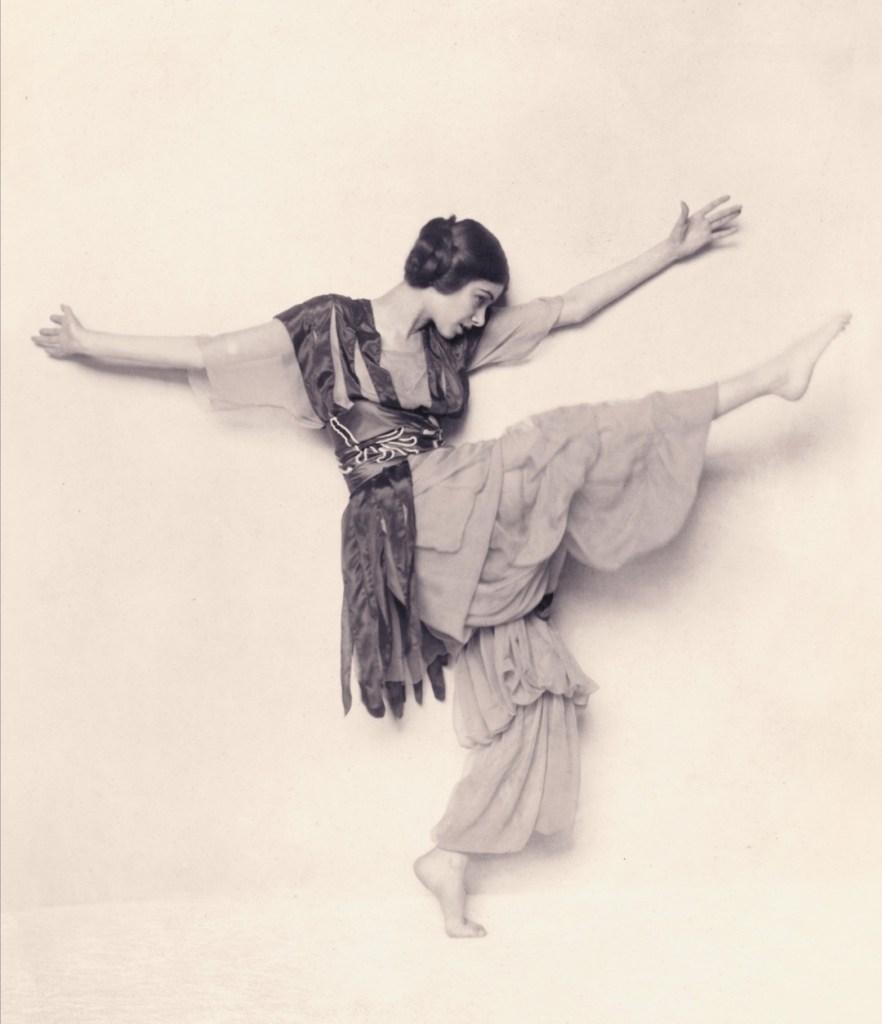
Hanns Holdt. The dancer Clotilde von Derp 1913
Hanns Holdt. The dancer Clotilde von Derp 1913
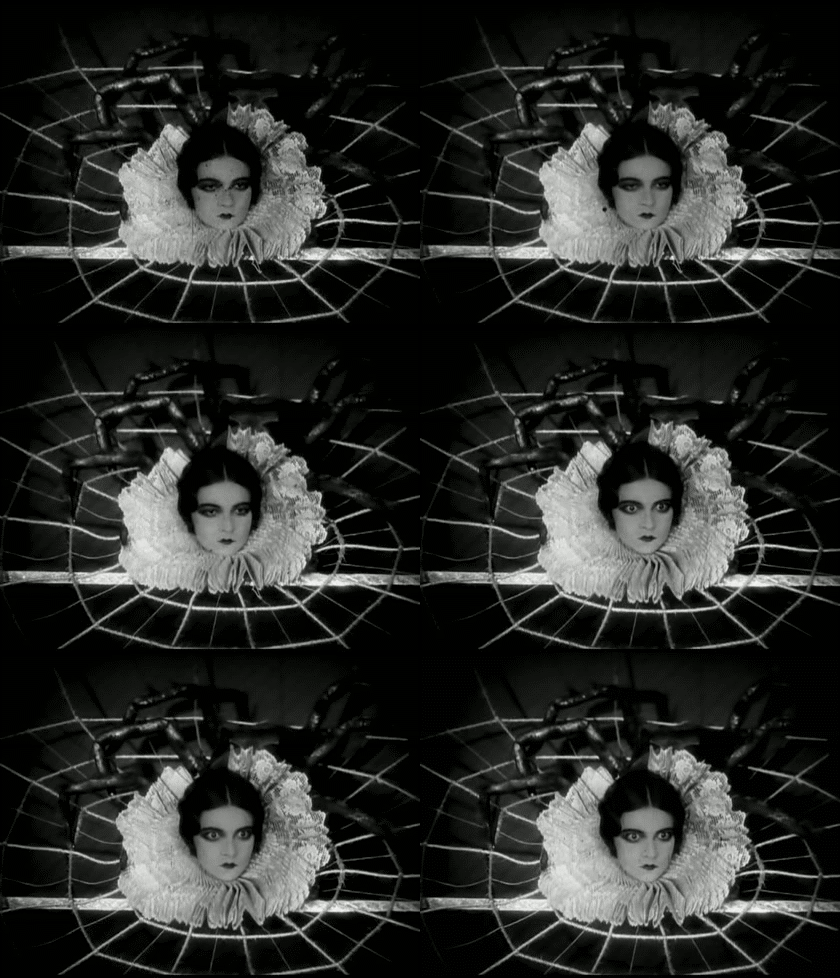
The silent horror actress Edna Tichenor as Arachnida in The Show directed by Tod Browning 1927

George Hurrell. The actress Myrna Loy in the Mask of Fu Manchu 1932

Grete Popper. Advertising study 1930

Grete Popper. Nude study 1933

Max Dupain. The dancer Pamela Bromley-Smith 1947

Hanns Holdt. The dancers Clotilde von Derp and Alexander Sacharoff 1913

The silent horror actress Edna Tichenor 1920s

The actress Edna Tichenor as Luna in London after midnight 1927

The actress Edna Tichenor as Luna in London after midnight 1927

The actress Edna Tichenor as Arachnida in The Show directed by Tod Browning 1927
« I want to do with you
what spring does with cherry trees. » (Pablo Neruda)

The dancer Loïe Fuller in Serpentine dance 1903-1910

The dancer Loïe Fuller in Serpentine dance 1903-1910

The dancer and writer Emmy Hennings 1910-1913

The dancer and writer Emmy Hennings with one of her dolls 1917

The dancer and writer Emmy Hennings 1910-1911

The dancer and writer Emmy Hennings 1913

The dancer and writer Emmy Hennings 1910-1913

Hanns Holdt. The dancer and writer Emmy Hennings 1922

The dancer and writer Emmy Hennings 1912-1913

The dancer and writer Emmy Hennings 1917-1918

The dancer and writer Emmy Hennings 1930

The dancer and writer Emmy Hennings 1912-1913

Hanns Holdt. The dancer and writer Emmy Hennings 1920-1922

Hanns Holdt. The dancer and writer Emmy Hennings 1921-1922

The dancer and writer Emmy Hennings 1930

The dancer and writer Emmy Hennings 1930