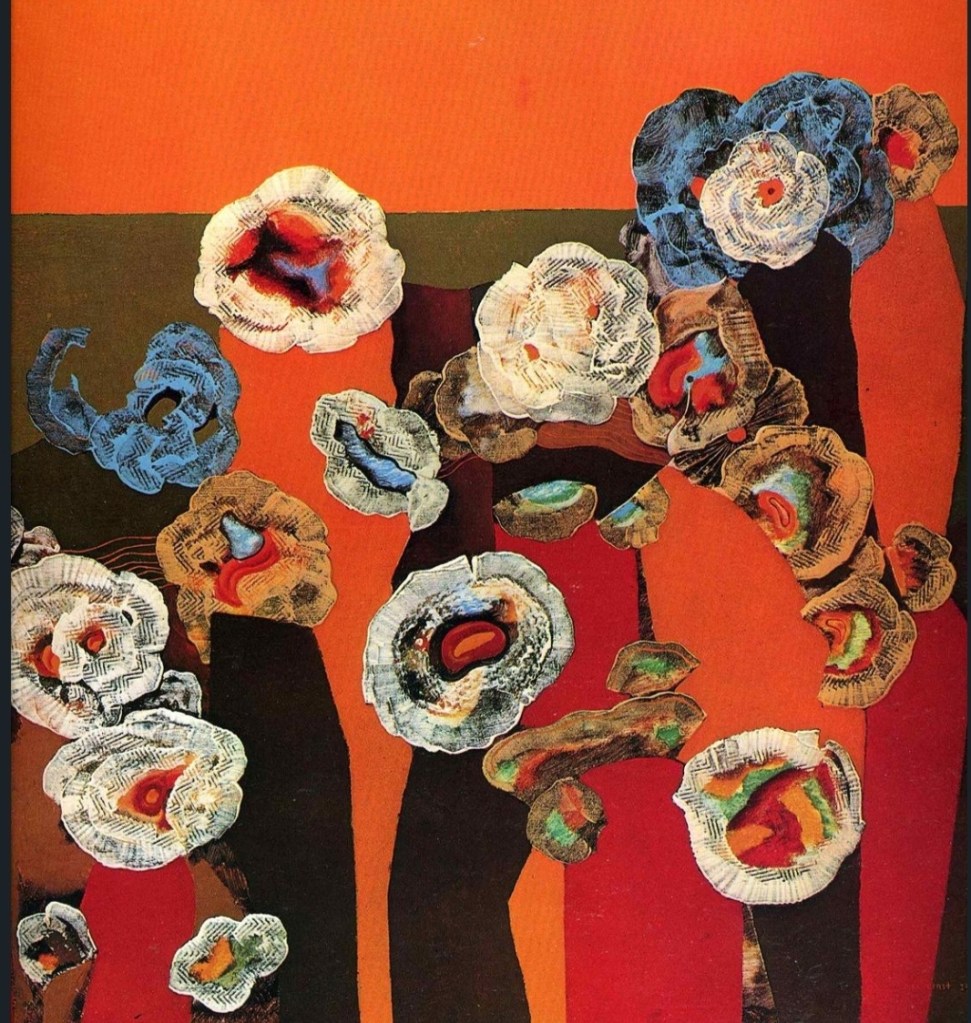
Max Ernst

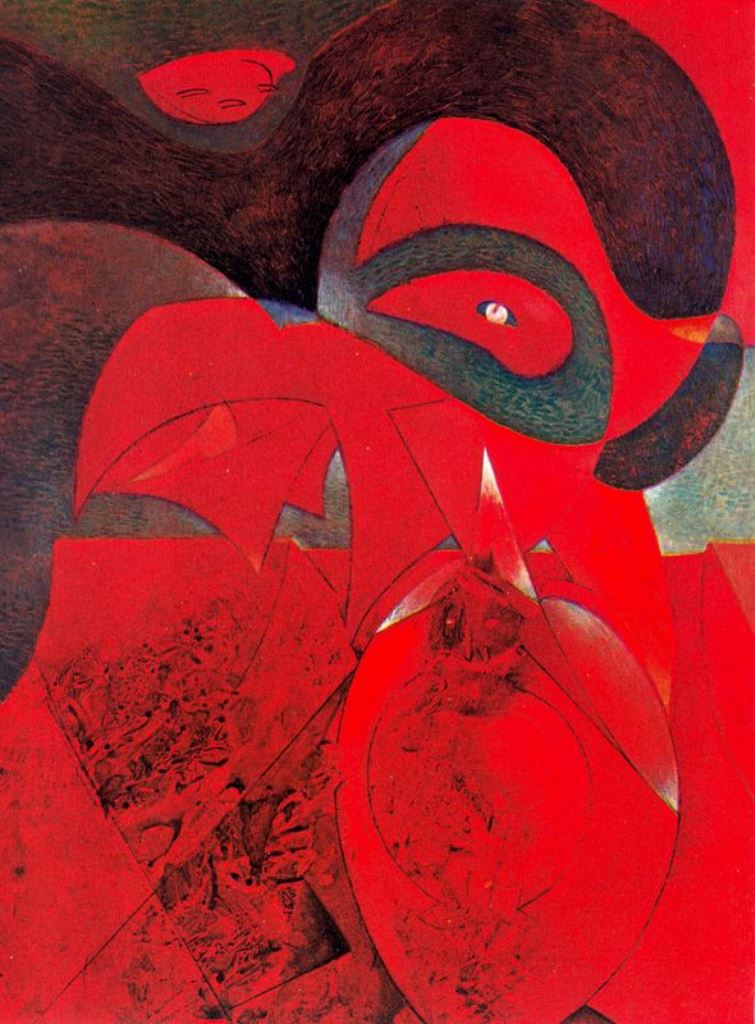
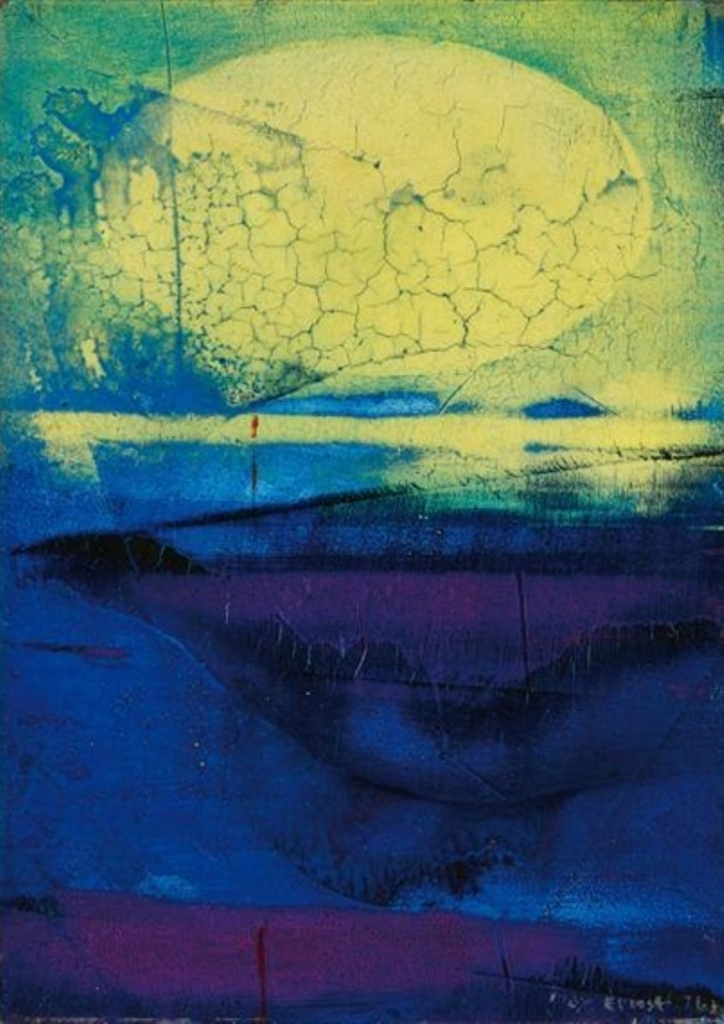
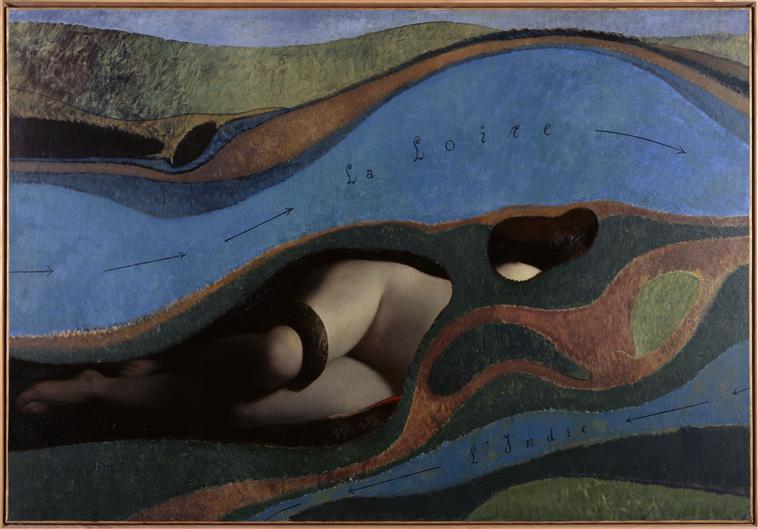
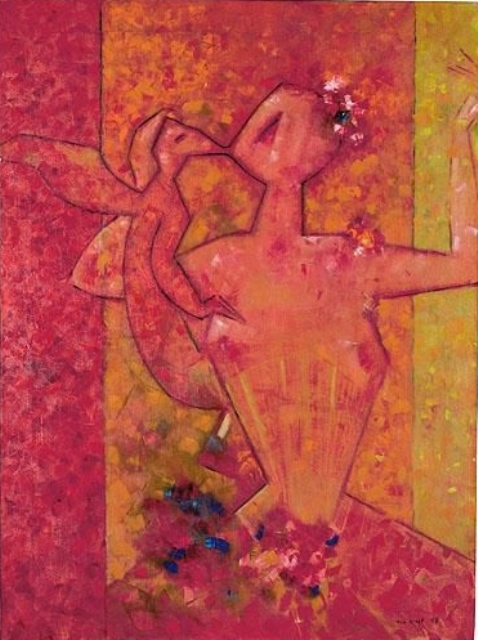
Max Ernst. Earth seen from Venus 1962. Oil on wooden panel

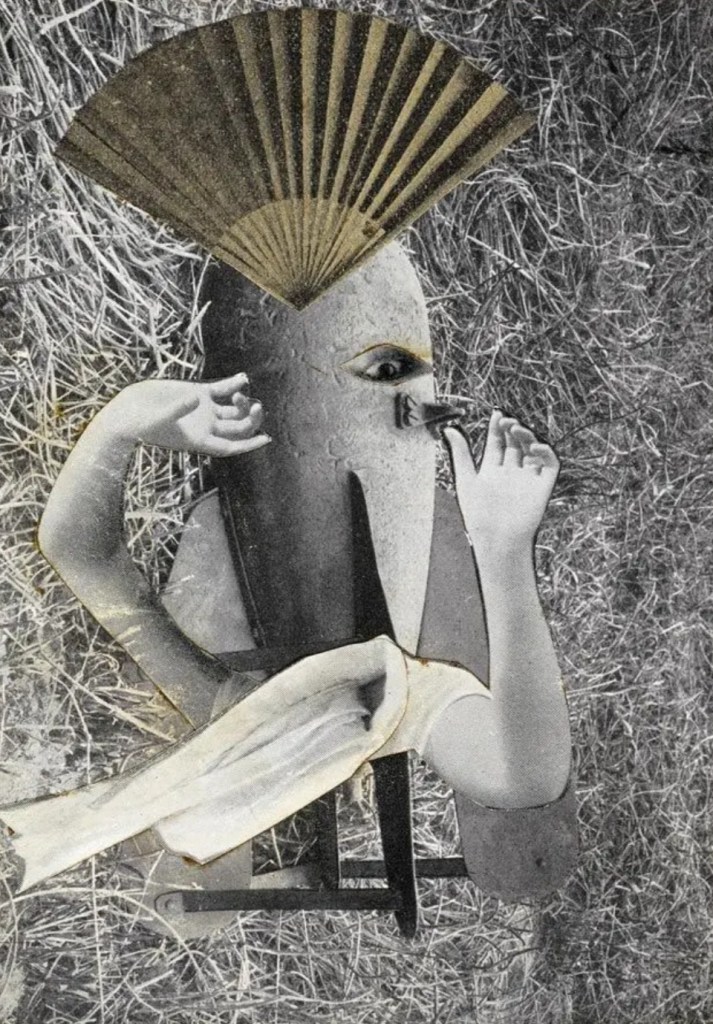
Max Ernst

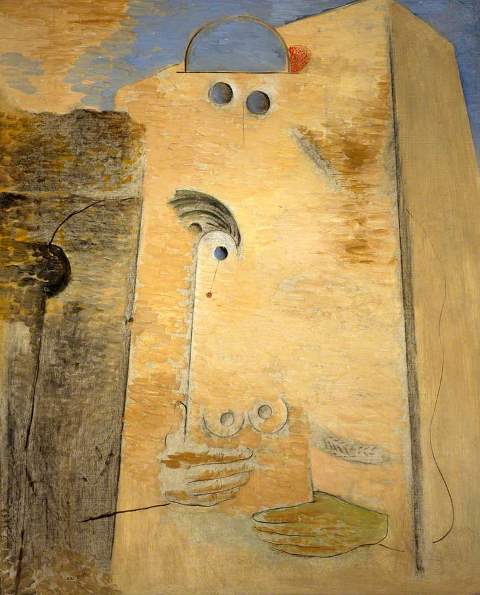
Max Ernst. Broken fans 1922

Hans Richter

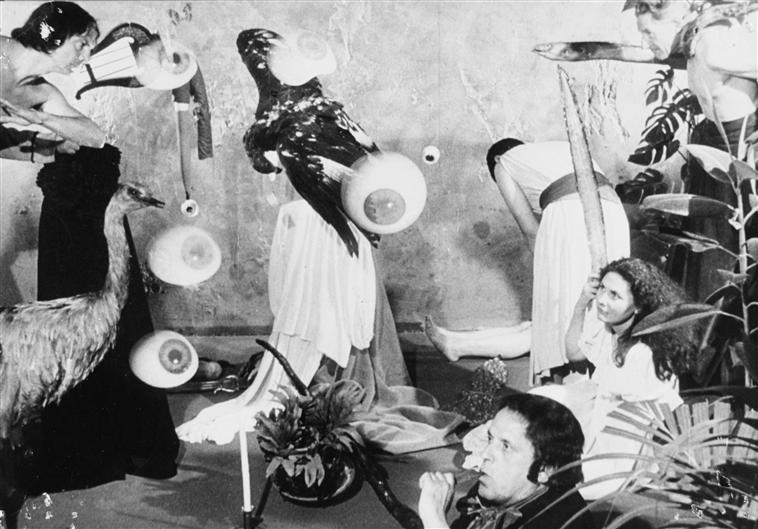
Hans Richter. Dreams that money can buy 1947

Dreams that money can buy is an American experimental film written, produced and directed by surrealist artist and filmmaker Hans Richter, released in 1947.
Several artists contributed to this film: Max Ernst, Marcel Duchamp, Man Ray, Alexander Calder, Darius Milhaud and Fernand Léger. The film won the award for most original contribution to the progress of cinematography at the Venice International Film Festival in 1947.

Joe/Narcissus (Jack Bittner) is an ordinary man who has just signed a contract to rent a room. As he wonders how he is going to pay the rent, he realizes that he can see the contents of his own brain unfolding by staring into his eyes in a mirror. He then realizes that he can apply this gift to others and creates a company where he will sell his clients (frustrated and neurotic of all kinds) tailor-made dreams based on what he was able to discover about their minds. The waiting room is crowded from the first day of its activity.

Each of the film’s seven dream sequences is actually the creation of an avant-garde artist

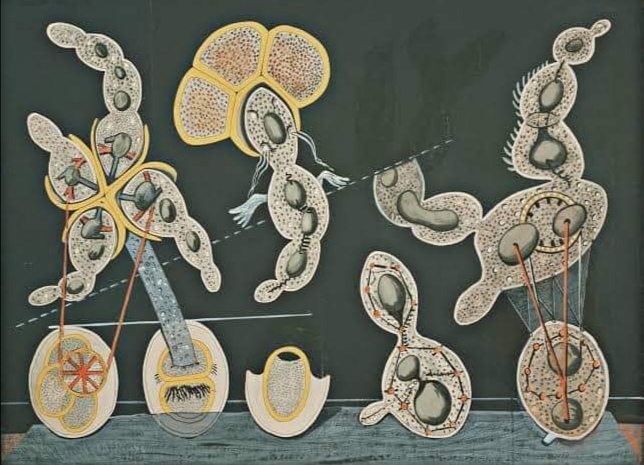
Max Ernst

Max Ernst. The gramineous bicycle garnished with bells the dappled fire damps and the echinoderms bending the spine to look for caresses 1921

Max Ernst

Tribute to Max Ernst

Max Ernst

Max Ernst. Chinese nightingale 1920

Max Ernst

Max Ernst. Flowers of sea-shells 1929

Max Ernst

Max Ernst. The fruit of years of experience 1919

Max Ernst

max-ernst-il-ne-faut-pas-voir-la-realite-telle-que-je-suis-1923-rmn

Max Ernst. Il ne faut pas voir la réalité telle que je suis 1923 ® RMN

Max Ernst

Max Ernst. La mer 1925

Max Ernst. La mer 1925

Max Ernst

Max Ernst. The sirens sing when the reason sleeps 1966

Max Ernst. The sirens sing when the reason sleeps 1966

Martin Sharp

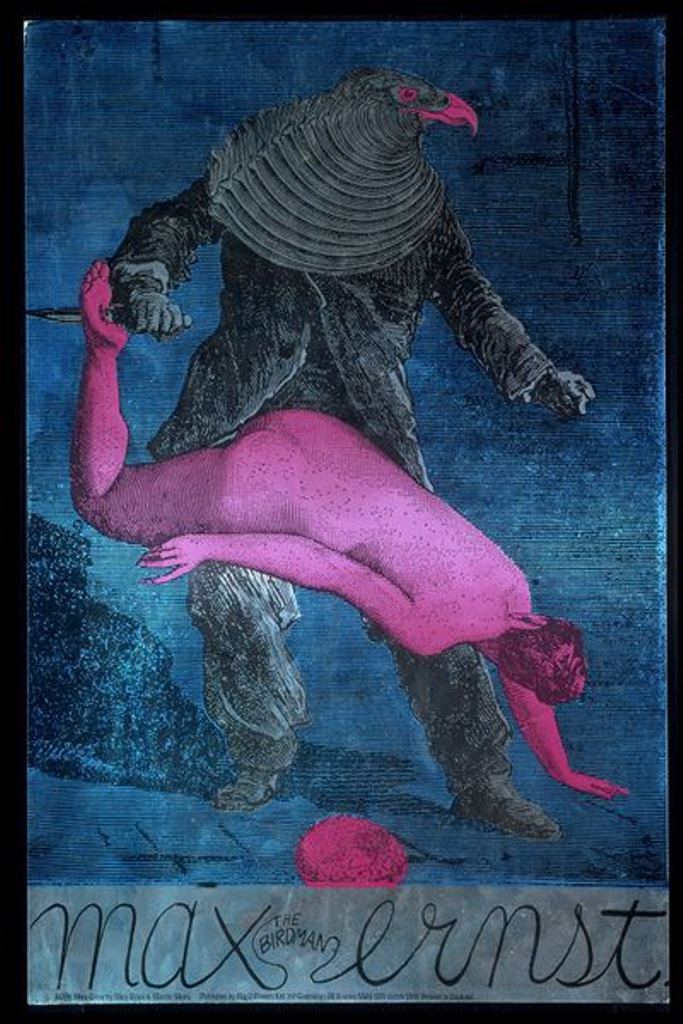
Martin Sharp. Max The Birdman Ernst 1967. Tribute to Max Ernst. Color lithograph and silkscreen on metallic card

Martin Sharp. Max The Birdman Ernst 1967. Tribute to Max Ernst. Color lithograph and silkscreen on metallic card

Max Ernst

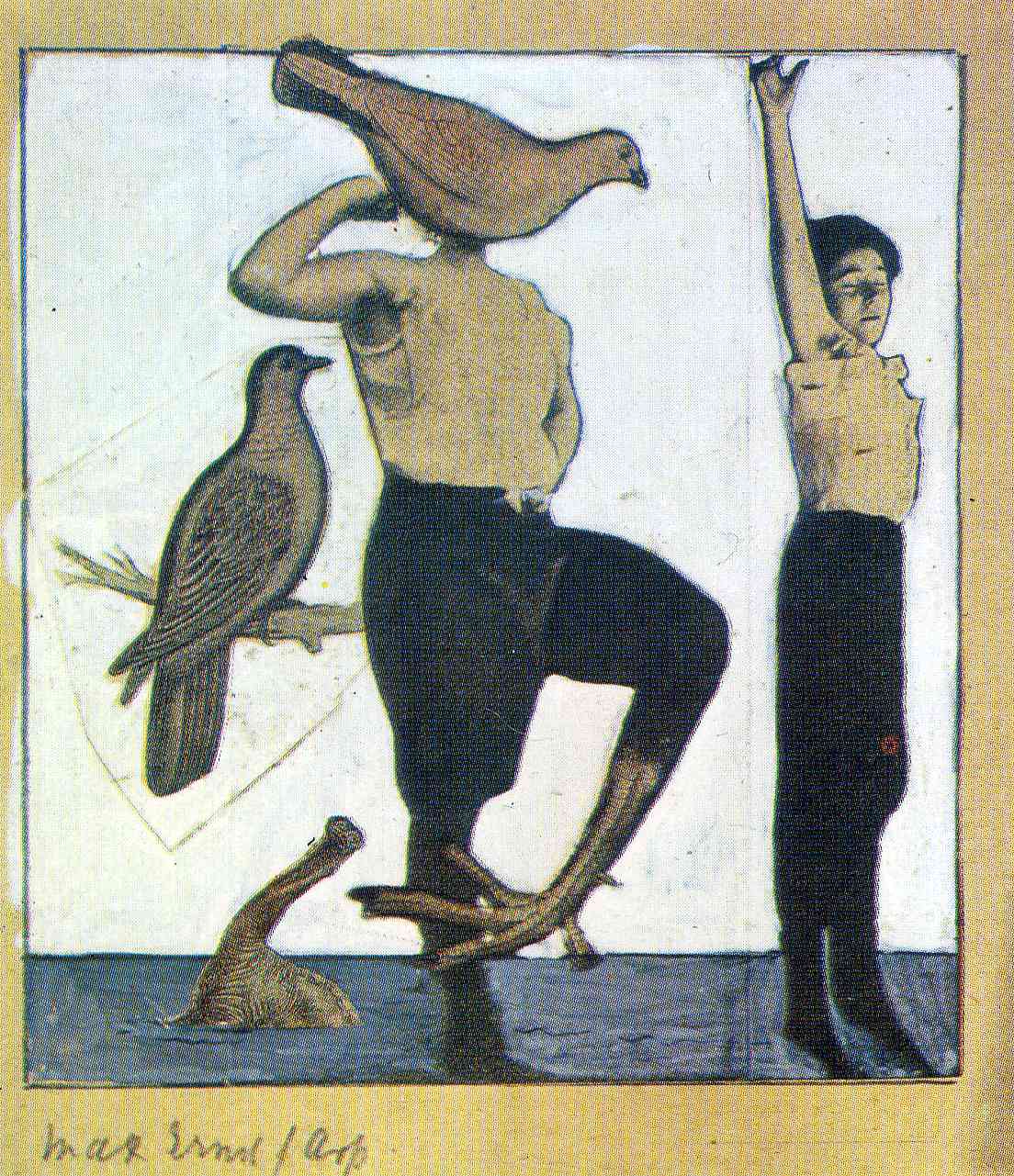
Max Ernst. Sans titre 1921. Collage and gouache on paper

Max Ernst. Sans titre 1921. Collage and gouache on paper

Max Ernst

Max Ernst. Compendium of the history of the universe 1953

Max Ernst. Compendium of the history of the universe 1953

Max Ernst

Max Ernst. Projet de couverture pour la revue LVII, N°16, 1964. Via fiac

Max Ernst. Projet de couverture pour la revue LVII, N°16, 1964. Via fiac


Max Ernst

Max Ernst. L'évadé 1926

Max Ernst. L’évadé 1926

Max Ernst

Max Ernst. Le courant de Humboldt 1951-1952

Max Ernst. Le courant de Humboldt 1951-1952

Max Ernst

Max Ernst. Nocturne 1967

Max Ernst. Nocturne 1967

Max Ernst

Max Ernst. La chambre à coucher de Max Ernst cela vaut la peine d’y passer une nuit, 1920. Collage et gouache sur papier Via studyblue

Max Ernst. La chambre à coucher de Max Ernst cela vaut la peine d’y passer une nuit 1920. Collage et gouache sur papier
Via studyblue


Max Ernst

Max Ernst. Hommage à Rimbaud 1961. Eau-forte et aquatinte. Via amorosart

Max Ernst. Hommage à Rimbaud 1961. Eau-forte et aquatinte
Via amorosart


Max Ernst

Max Ernst. Sacred conversation 1921. Collage photomontage

Max Ernst. Sacred conversation 1921. Collage photomontage


Victor Brauner

Victor Brauner. Photomontage 1936, illustrant le livre de Saşa Pană The sadism of truth. De gauche à droite René Grevel, Léo Malet, Victor Brauner, Georges Hugnet, Max Ernst, Salvador Dali, Paul Éluard, André Breton, Yves Tanguy, Benjamin Peret, Man Ray, Pablo Picasso, Marcel Jean, Oscar Dominguez, Maurice Henri, and Jack Herold Via jewishnationalmuseum

Victor Brauner. Photomontage 1936, illustrant le livre de Saşa Pană The sadism of truth.De gauche à droite René Grevel, Léo Malet, Victor Brauner, Georges Hugnet, Max Ernst, Salvador Dali, Paul Éluard, André Breton, Yves Tanguy, Benjamin Peret, Man Ray, Pablo Picasso, Marcel Jean, Oscar Dominguez, Maurice Henri, and Jack Herold
Via jewishnationalmuseum

Max Ernst

Max Ernst. La carte surréaliste 1937 Via vasta images

Max Ernst. La carte surréaliste 1937
Via vasta images


Lee Miller

Lee Miller. Portrait de Picasso Via mutualart

Lee Miller. Portrait de Picasso
Via mutualart

Max Ernst

Max Ernst. Rêve d'une petite fille qui voulut entrer au Carmel 1929. Collage Via mutualart

Max Ernst. Rêve d’une petite fille qui voulut entrer au Carmel 1929. Collage
Via mutualart


Max Ernst

Max Ernst1. Rêve d'une petite fille qui voulut entrer au Carmel 1929. Collage Via mutualart

Max Ernst. Rêve d’une petite fille qui voulut entrer au Carmel 1929. Collage
Via mutualart


Max Ernst

Max Ernst. Long live love or pays charmant 1923

Max Ernst. Long live love or pays charmant 1923


Max Ernst

Max Ernst. Le soleil se déguisait 1963.Huile sur toile

Max Ernst. Le soleil se déguisait 1963.Huile sur toile


Max Ernst

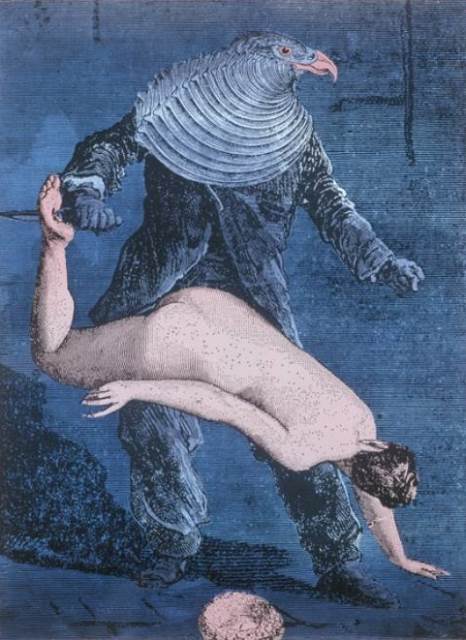
Max Ernst. Collage tiré de Une semaine de bonté. Premier poème visible 4 1933 Via RMN

Max Ernst. Collage tiré de Une semaine de bonté. Premier poème visible 4 1933 Via RMN


Max Ernst

Max Ernst. Collage tiré de Une semaine de bonté. Le lion de Belfort 28 1933 Via RMN

Max Ernst. Collage tiré de Une semaine de bonté. Le lion de Belfort 28 1933
Via RMN


Max Ernst

Max Ernst. Collage tiré de Une semaine de bonté. L'eau 26 1933 Via RMN

Max Ernst. Collage tiré de Une semaine de bonté. L’eau 26 1933
Via RMN


Max Ernst

Max Ernst. Collage tiré de Une semaine de bonté. La cour du dragon 4 1933 Via RMN

Max Ernst. Collage tiré de Une semaine de bonté. La cour du dragon 4 1933
Via RMN


Max Ernst

Max Ernst. Collage tiré de Une semaine de bonté. Oedipe 21 1933 Via RMN

Max Ernst. Collage tiré de Une semaine de bonté. Oedipe 21 1933
Via RMN


Max Ernst

Max Ernst. Collage tiré de Une semaine de bonté. L'île de Pâques 2 1933

Max Ernst. Collage tiré de Une semaine de bonté. L’île de Pâques 2 1933
Via RMN


Max Ernst

Max Ernst. Collage tiré de Une semaine de bonté. Deuxième poème visible 1 1933 Via RMN

Max Ernst. Collage tiré de Une semaine de bonté. Deuxième poème visible 1 1933
Via RMN


Max Ernst

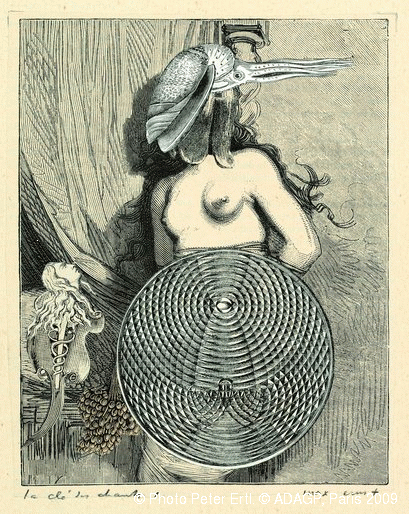
Max Ernst. Collage tiré de Une semaine de bonté. La clé des chants 1 1933 Via RMN.jpg

Max Ernst. Collage tiré de Une semaine de bonté. La clé des chants 1 1933
Via RMN


Max Ernst

Max Ernst. Le rire du coq from Une semaine de bonté 1934 Via ubugallery

Max Ernst. Le rire du coq from Une semaine de bonté 1934
Via ubugallery


Max Ernst

Max Ernst. Sans titre 1929. Collage Via ubugallery

Max Ernst. Sans titre 1929. Collage
Via ubugallery


Max Ernst

Max Ernst. vers 1920 Gouache, crayon et reproductions de photos découpées et collées sur papier Via RMN

Max Ernst. vers 1920. Gouache, crayon et reproductions de photos découpées et collées sur papier
Via RMN


De la femme 100 têtes. Adaptation libre et partielle de 1968 de l’oeuvre de Max Ernst

De la femme 100 têtes. Adaptation libre et partielle de 1968 de l'oeuvre de Max Ernst Via RMN

De la femme 100 têtes. Adaptation libre et partielle de 1968 de l’oeuvre de Max Ernst
Producteur : S Sandoz, Vidéoscience Adaptation libre et partielle de l’oeuvre de Max Ernst Avec la voix de Jean Servais Réalisation : Eric Duvivier Assistant réalisateur : Eric Luzuy Images : Pierre Fournier Décors : Jean Caullou, Philippe Sevin

Via RMN

Max Ernst

Max Ernst. Switzerland, Birthplace of Dada 1920 Via Wiki

Max Ernst. Switzerland, birthplace of Dada 1920
Via Wiki


Max Ernst

Max Ernst. Collage Via vooriders

Max Ernst. Collage Via vooriders


Max Ernst

Max Ernst. A little sick horse's leg 1920. Via wiki

Max Ernst. A little sick horse’s leg 1920
Via wiki


Max Ernst

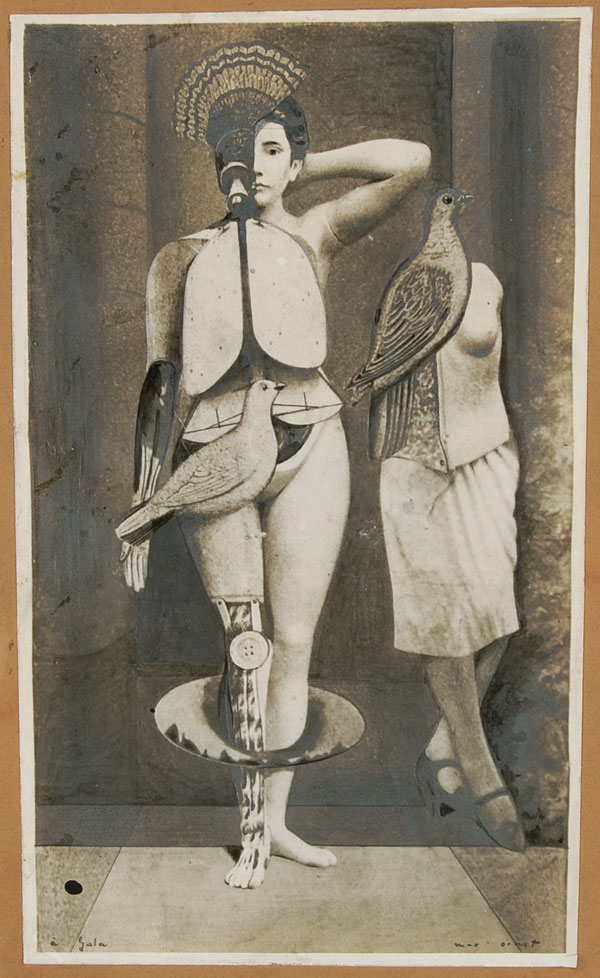
Max Ernst, Sans Titre (Untitled), 1920,  Cut-and-pasted hand-tinted printed paper on printed paper with gold metallic paint and pencil. Via MOMA

Max Ernst. Sans Titre 1920. Cut-and-pasted hand-tinted printed paper on printed paper with gold metallic paint and pencil
Via MOMA


Max Ernst

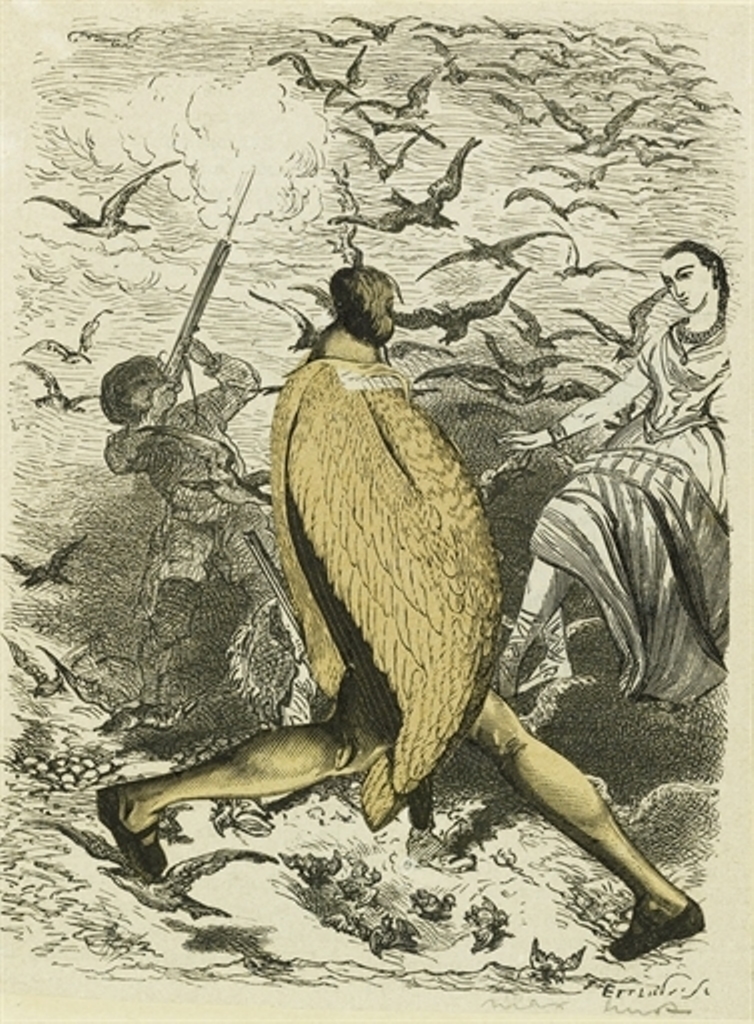
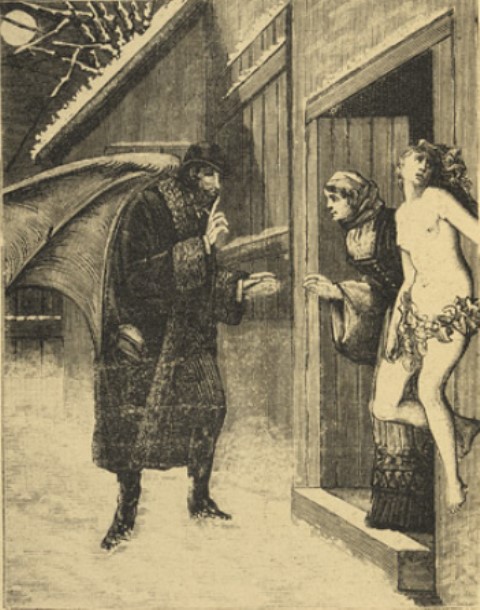
Max ERNST, No title (A winged man standing in the snow and gesturing to a w. From une semaine de bonté 1934. Via NGA.jpgoman in a doorway to be quiet)
Max Ernst. No title (A winged man standing in the snow and gesturing to a woman). From une semaine de bonté 1934
Via NGA


Josef Breitenbach

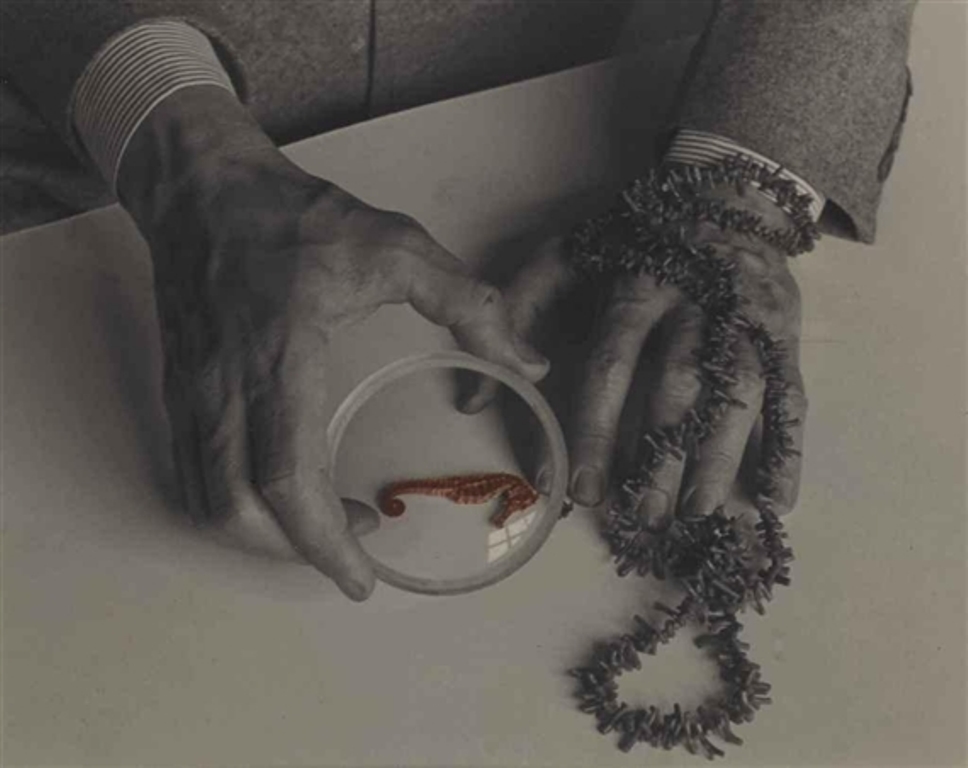
Josef Breitenbach. The Hands of Max Ernst 1942. Via mutualart

Josef Breitenbach. The hands of Max Ernst 1942
Via mutualart


Max Ernst

Max Ernst. Arizona 1966. Huile

Max Ernst. Arizona 1966. Huile


Max Ernst

Max Ernst. Le tombeau du poète, après moi le sommeil 1968. Huile sur toile

Max Ernst. Le tombeau du poète, après moi le sommeil 1968. Huile sur toile


Max Ernst

Max Ernst. The great lover 1926

Max Ernst. The great lover 1926


Max Ernst

Max Ernst. Le jardin de la France 1962. Huile sur toile 114 cm x 168 cm Via RMN

Max Ernst. Le jardin de la France 1962. Huile sur toile


Max Ernst

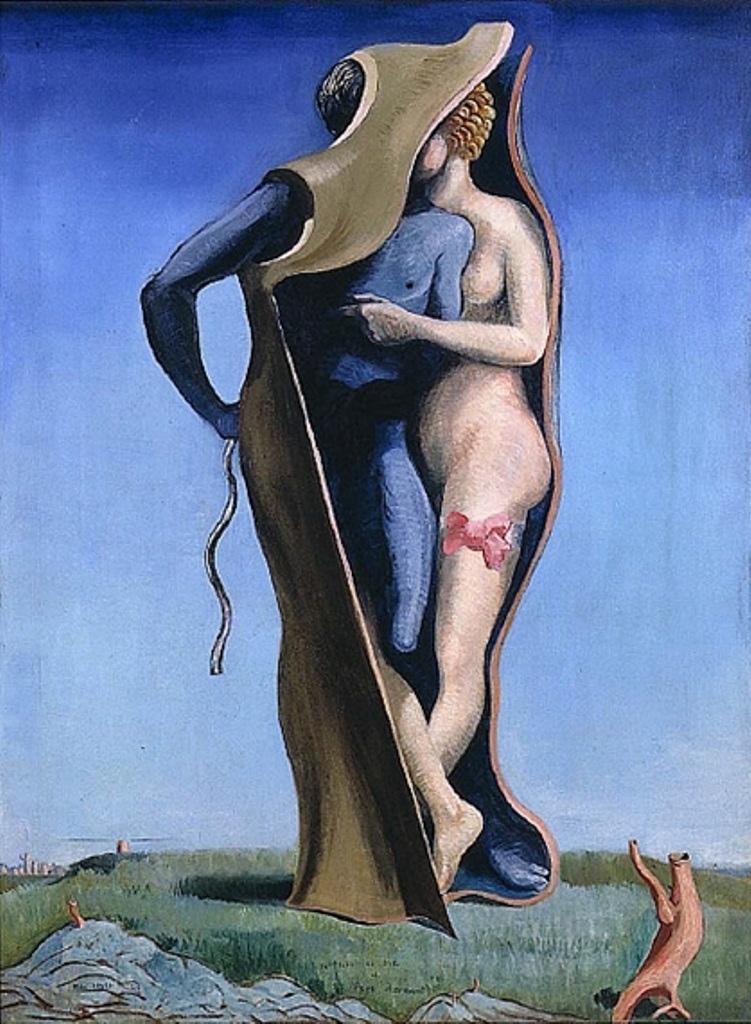
Max Ernst. Le baiser(The Kiss) 1927 Huile sur toile 129 cm x 161,2 cm Musée Guggenheim

Max Ernst. Le baiser (The Kiss) 1927 Huile sur toile


Max Ernst

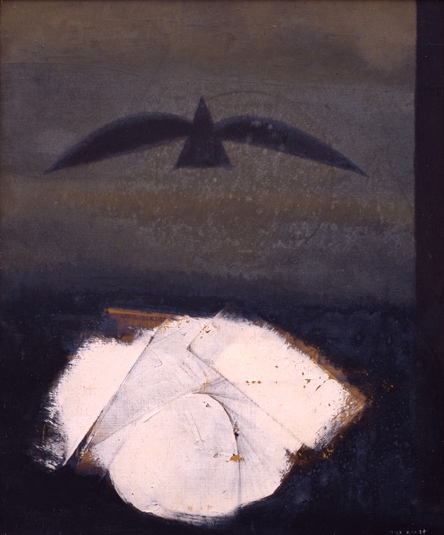
Max Ernst. Les oiseaux 1970. Lithographie. Via amorosart

Max Ernst. Les oiseaux 1970. Lithographie


Max Ernst

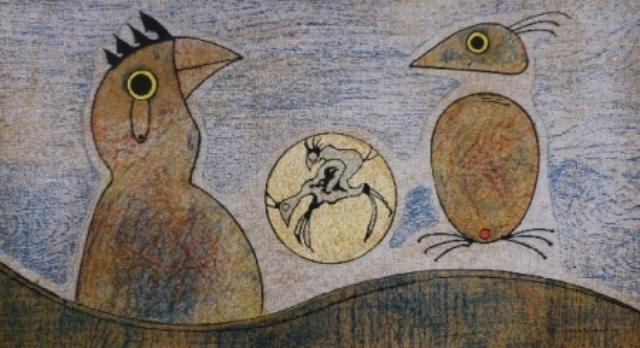
Max Ernst. La fuite 1940

Max Ernst. La fuite 1940


Max Ernst

Max Ernst. La chute de l'ange 1923

Max Ernst. La chute de l’ange 1923


Max Ernst

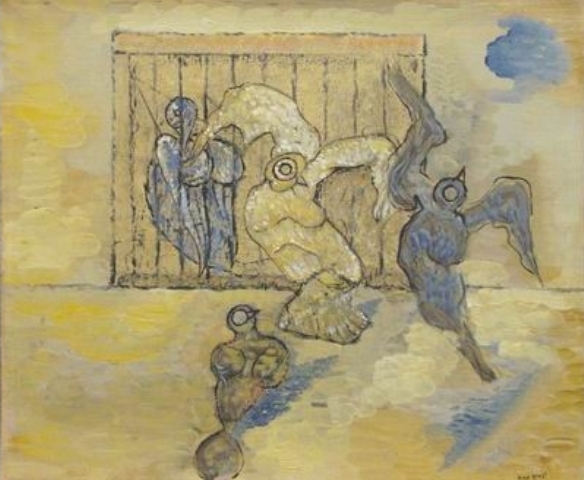
Max Ernst. Four Birds and Cage 1926. Huile sur toile.Via mutualart

Max Ernst. Four birds and cage 1926. Huile sur toile


Max Ernst

Max Ernst. Messaline enfant 1957.  Oil on canvas

Max Ernst. Messaline enfant 1957. Oil on canvas


Angelica Paez

Angelica Paez

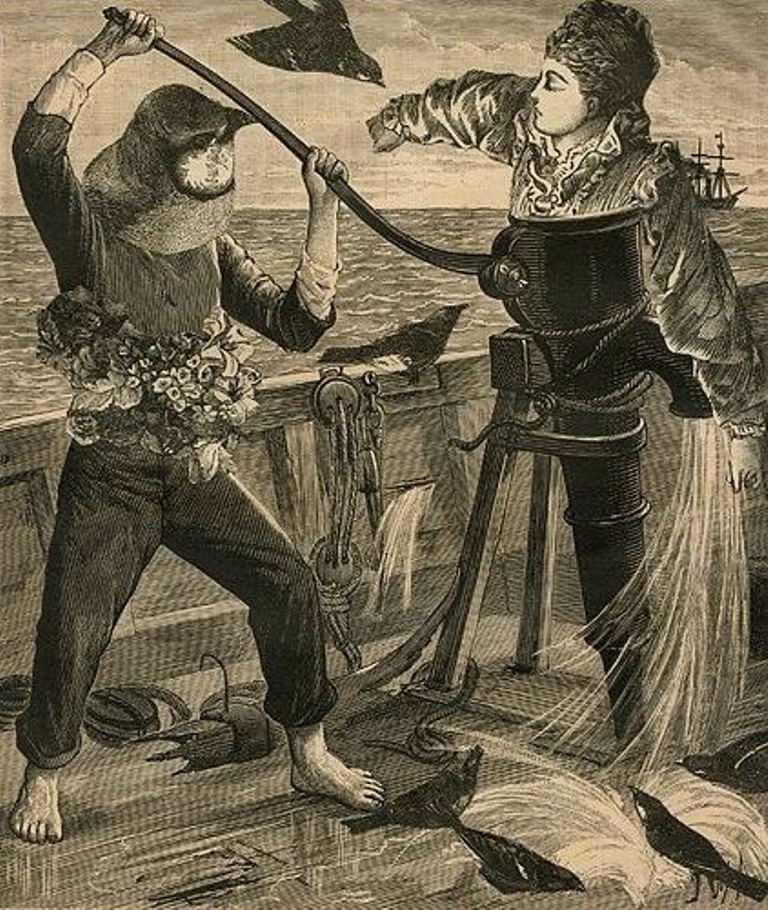
Angelica Paez. Murder at sea 2009.Hommage à Max Ernst. Collage

Lee Miller

 Lee Miller

Lee Miller. Max Ernst and Dorothea Tanning, photographed, Sedona, Arizona 1946

Max Ernst

Max Ernst

Max Ernst. Système de monnaie solaire 1925

Max Ernst

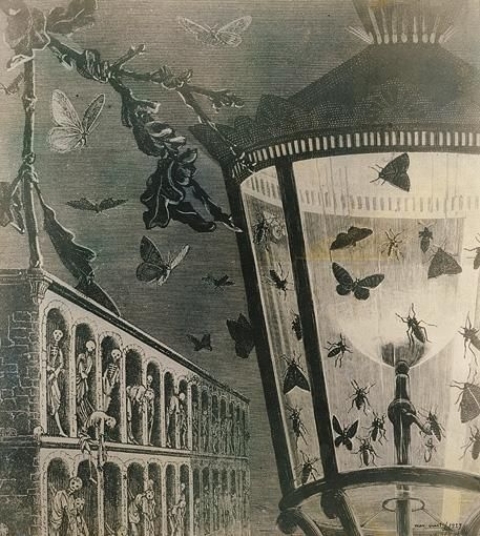
Max Ernst. Et les papillons se mettent à chanter 1929

Max Ernst

Max Ernst. Loplop introduces members of the surrealist group 1931
Via madivinecomedie