
Marcel Bovis(1904-1997) . Esclaves, au pluriel. Représentation de L’Esclave mourant de Miche-Ange conservé au Musée du Louvre. Photomontage. Source: RMN

Marcel Bovis(1904-1997) . Esclaves, au pluriel. Représentation de L’Esclave mourant de Miche-Ange conservé au Musée du Louvre. Photomontage. Source: RMN
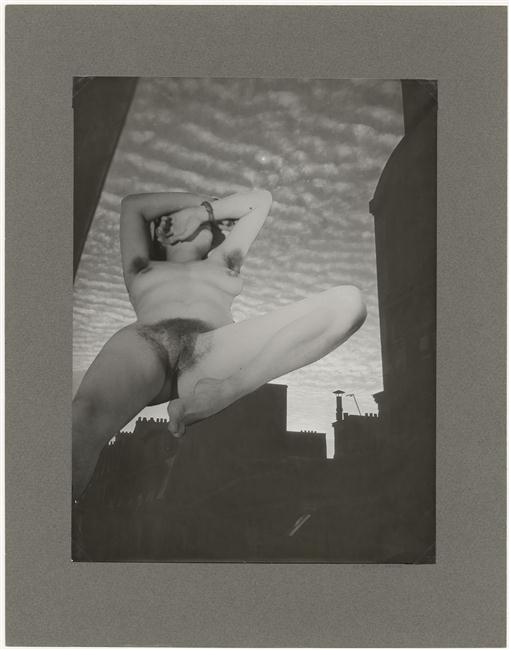
Marcel Bovis(1904-1997) . Le rêve passe. Photomontage. Source: RMN

Marcel Bovis(1904-1997) . Deux nus féminins de face sur fond de forêt . Photomontage. Source: RMN
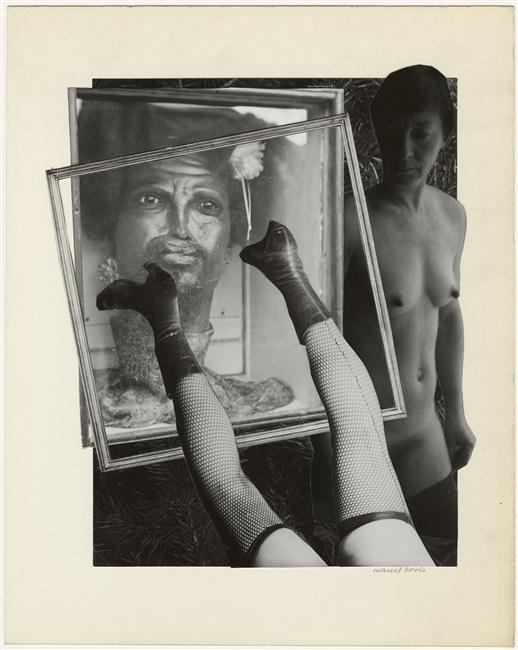
Marcel Bovis(1904-1997) . Figure en cire du Musée Dupuytren, jambe aux bas à résille, nu féminin. Photomontage. Source: RMN
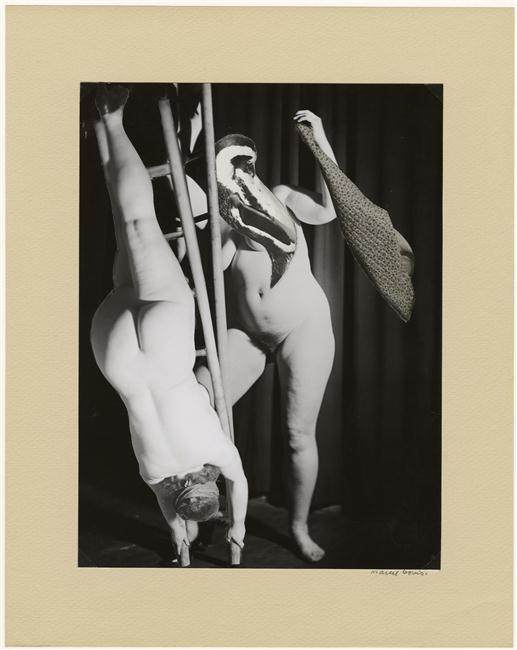
Marcel Bovis(1904-1997) . Deux nus féminins tête bêche. Photomontage. Source: RMN

Marcel Bovis(1904-1997) . Nu féminin sur un arbre. Photomontage. Source: RMN
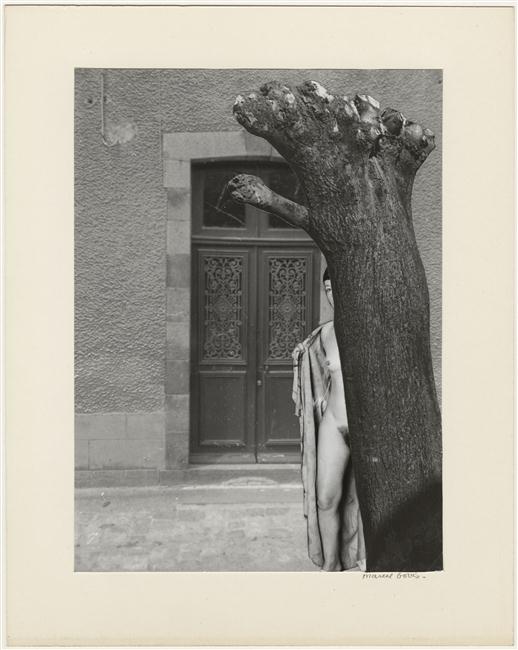
Marcel Bovis(1904-1997) . Nu féminin dissimulé en partie par un tronc d’arbre, façade de maison. Photomontage. Source: RMN

Marcel Bovis(1904-1997) . Nu féminin et extérieur cour. Photomontage. Source: RMN
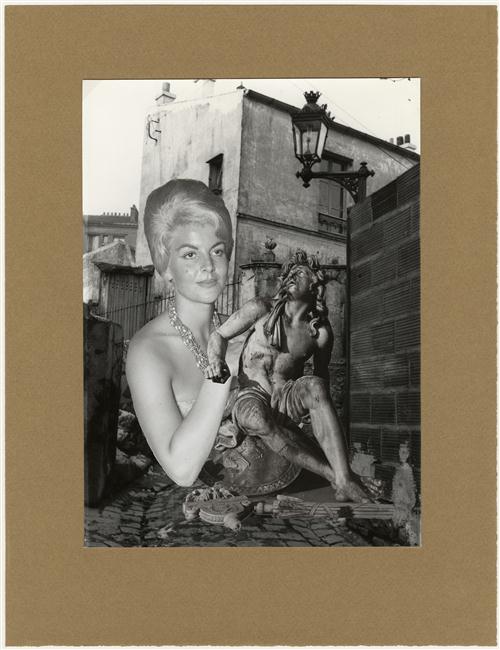
Marcel Bovis(1904-1997) . Passage, visage féminin, sculpture. Photomontage. Source: RMN
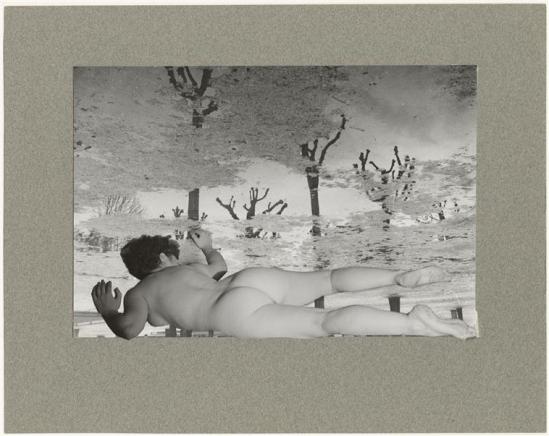
Marcel Bovis(1904-1997) . Nu féminin. Photomontage. Source: RMN

Marcel Bovis(1904-1997) . Nu féminin, Paris. Photomontage. Source: RMN
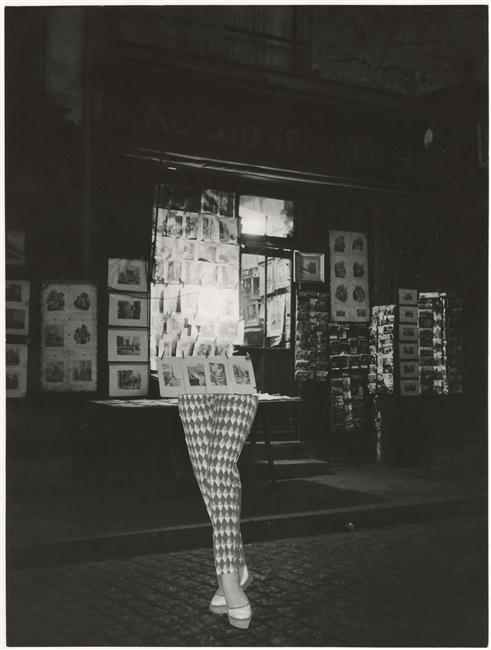
Marcel Bovis(1904-1997) . Devanture magasin de gravures, jambes. Photomontage. Source: RMN
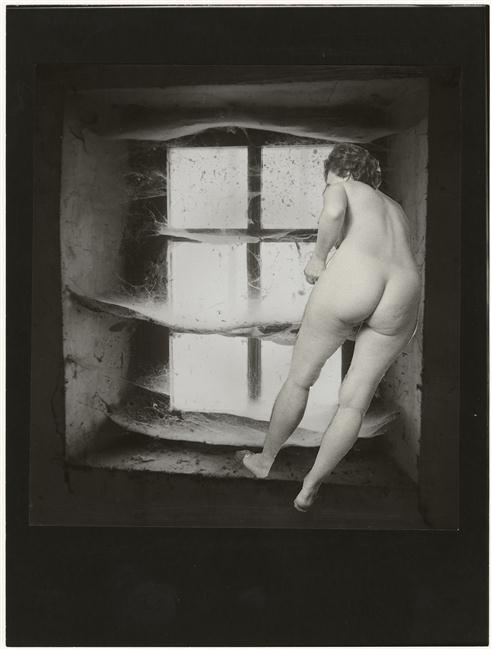
Marcel Bovis(1904-1997) . Nu féminin . Photomontage. Source: RMN
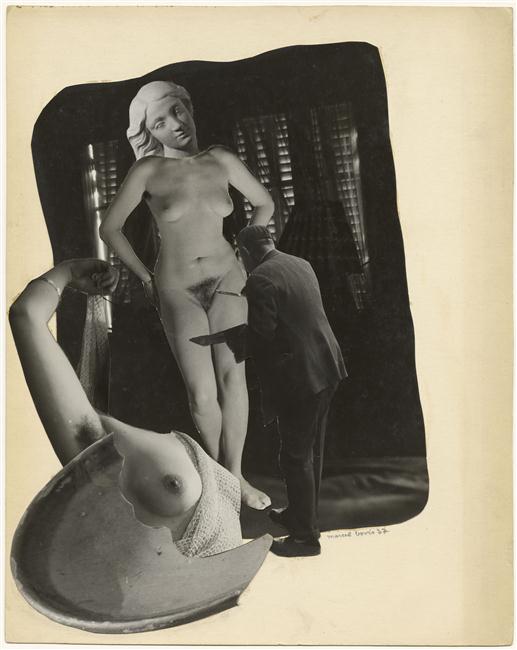
Marcel Bovis(1904-1997) . Nu féminin . Photomontage. Source: RMN
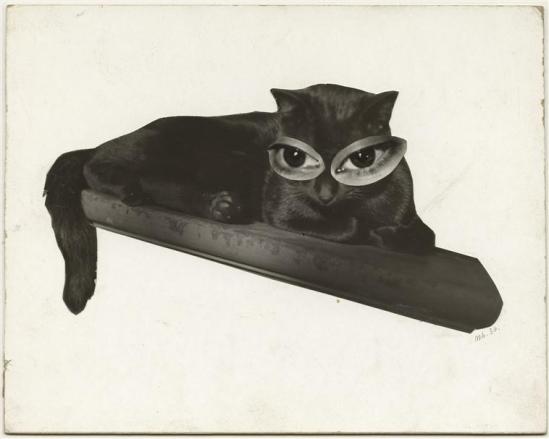
Marcel Bovis(1904-1997) . Premier essai de photocollage . Photomontage. Source: RMN
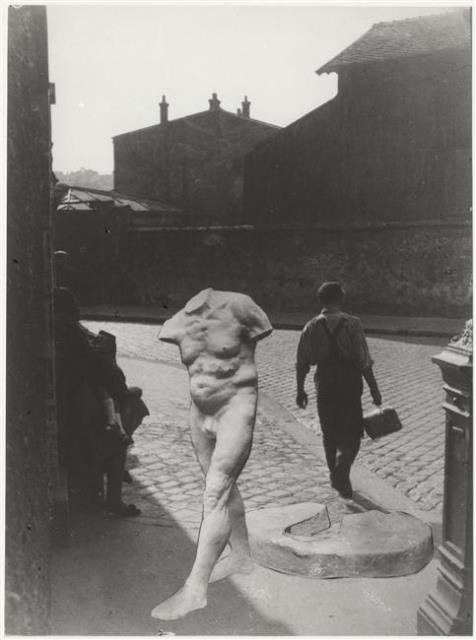
Marcel Bovis (1904-1997). J’ai choisi la liberté . Photomontage. Source: RMN

Arnold Genthe. Isadora Duncan 1916. Source: NYPL

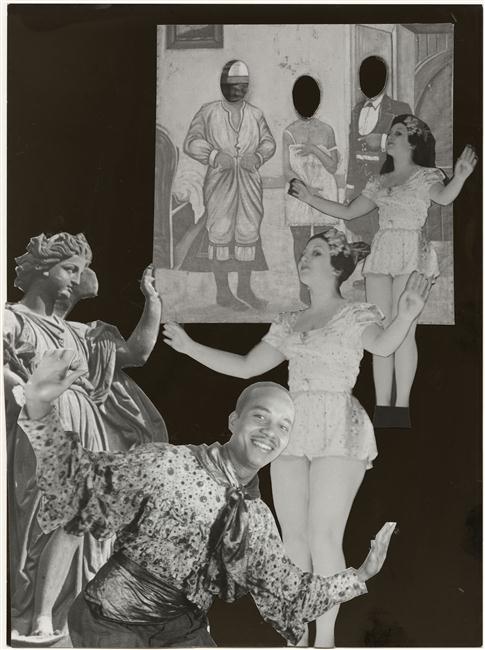
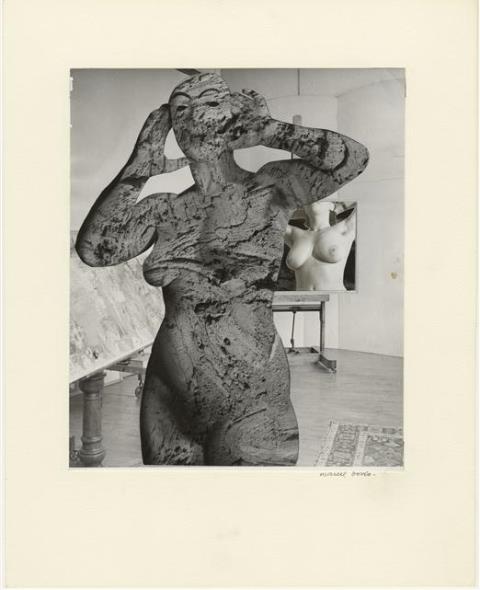
Marcel Bovis. Le modèle et son double 1976. Photomontage. Source:RMN
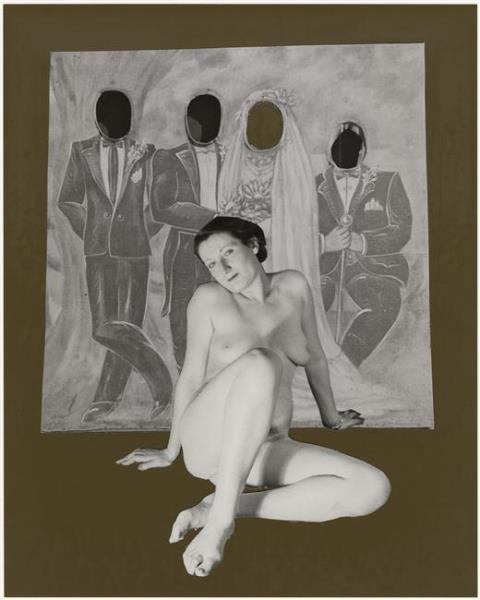
Marcel Bovis. Nu féminin, panneau de photographe extrait de la série sur les Fêtes 1990. Photomontage. Source: RMN
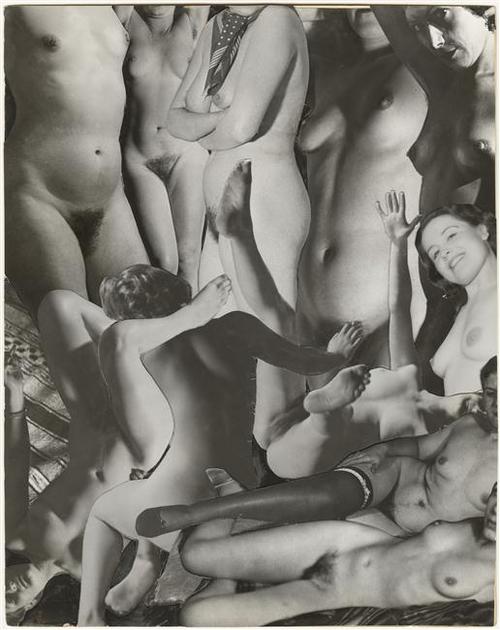
Marcel Bovis 1950. Photomontage. Source: RMN
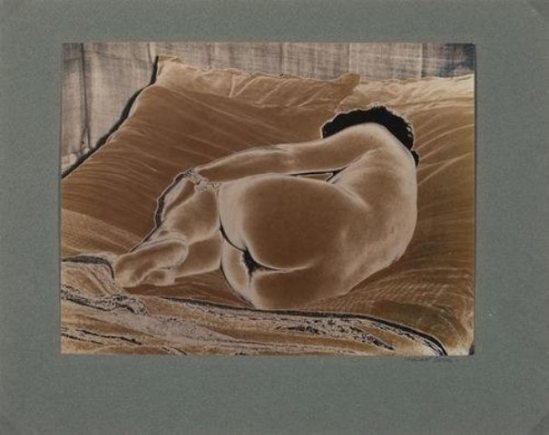
Marcel Bovis (1904-1997) untitled (solarized nude), 1936. Source: liveauctioneers
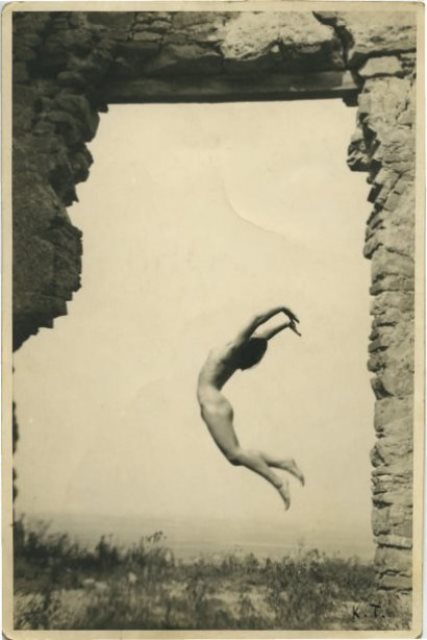
Karel Teige1930
Via Gazette Drouot
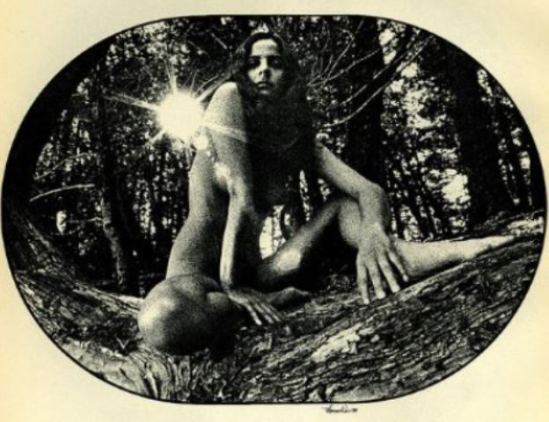
Thomas Weir. Virgin forest.
Thomas Weir. Virgin forest vers 1960
Source ici:http://www.honeybadgerco.com/4126/thomas-weir-the-virgin-forest/
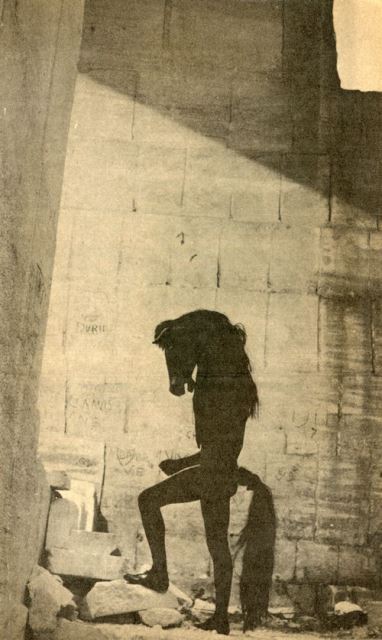
Lucien Clergue. Jean Cocteau. L’homme cheval dans la carrière des Baux de Provence 1959.
Plus sur “l’Orphée” de Cocteau ici:http://savoir.fr/l-orphee-de-cocteau

Julian Mandel. From Nus fantastiques 1932
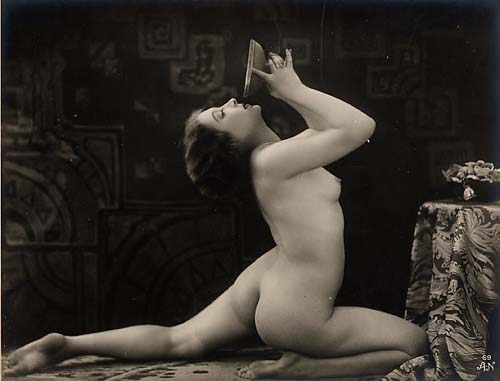
Julian Mandel. Posed nude portrait 1920
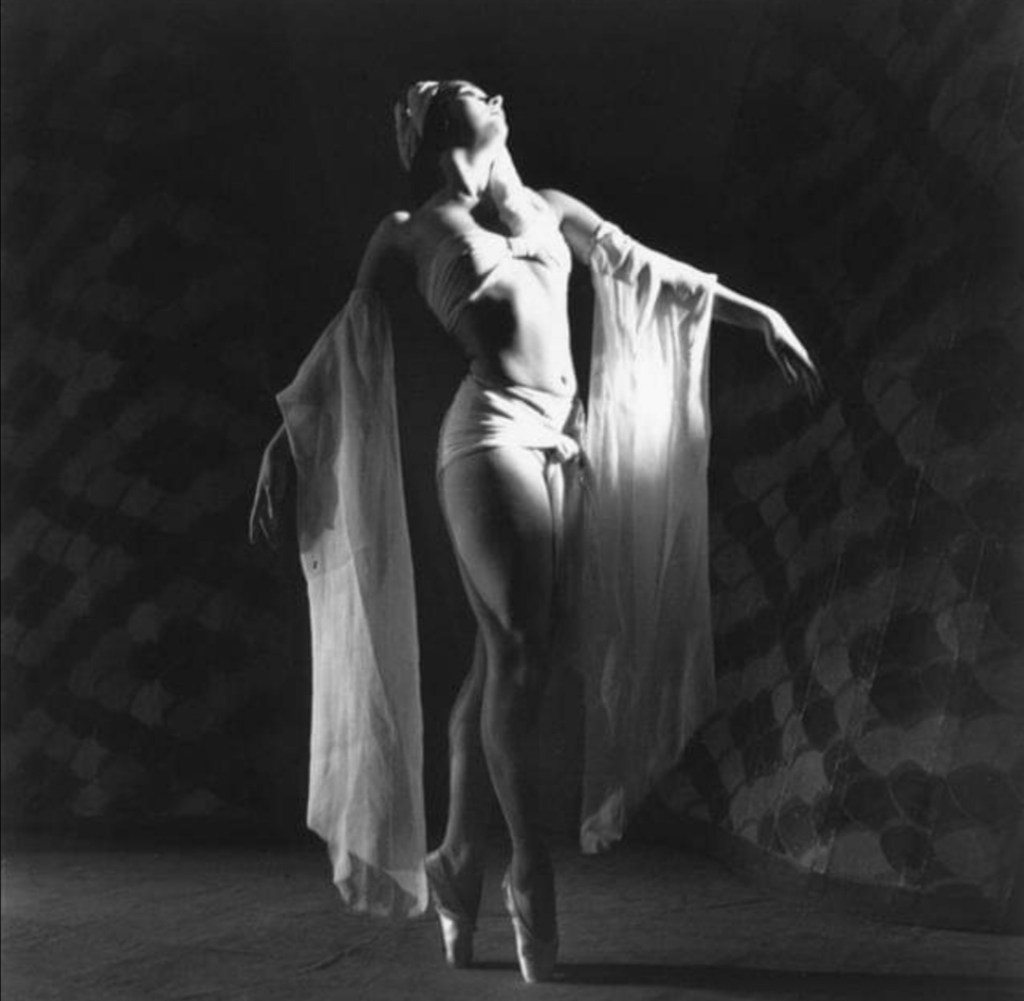
Roger Parry. Ludmila Tcherina 1943
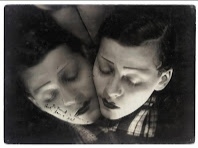
Anton Giuglio Bragaglia. Double portrait of Lulu Gould 1928
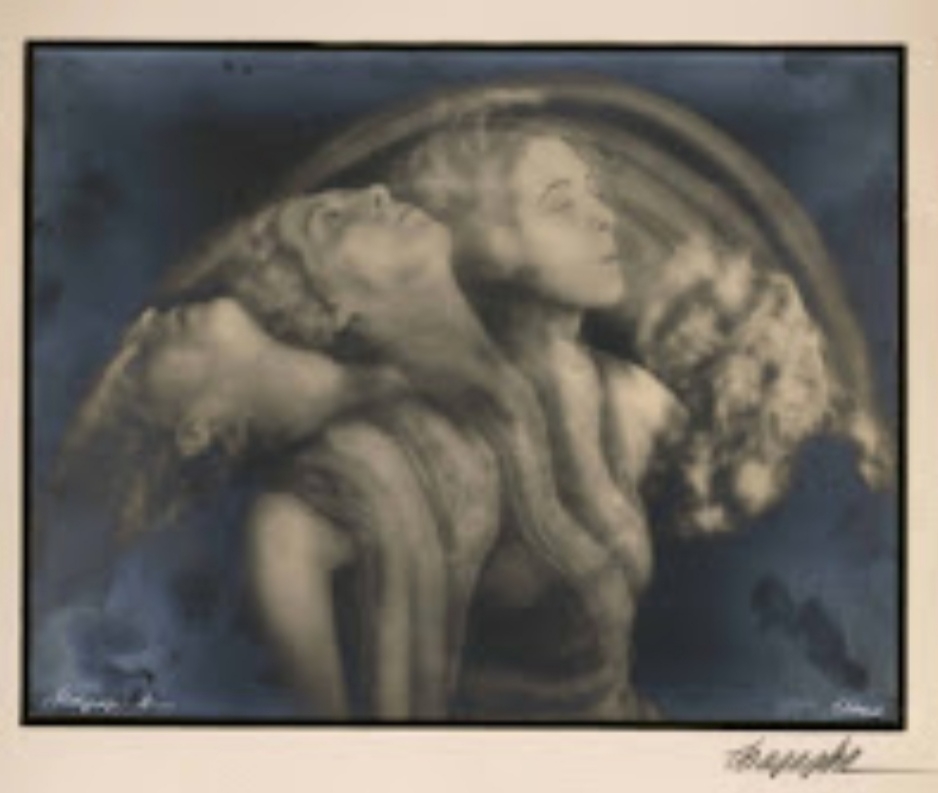
Anton Giulio Bragaglia. The fan 1928
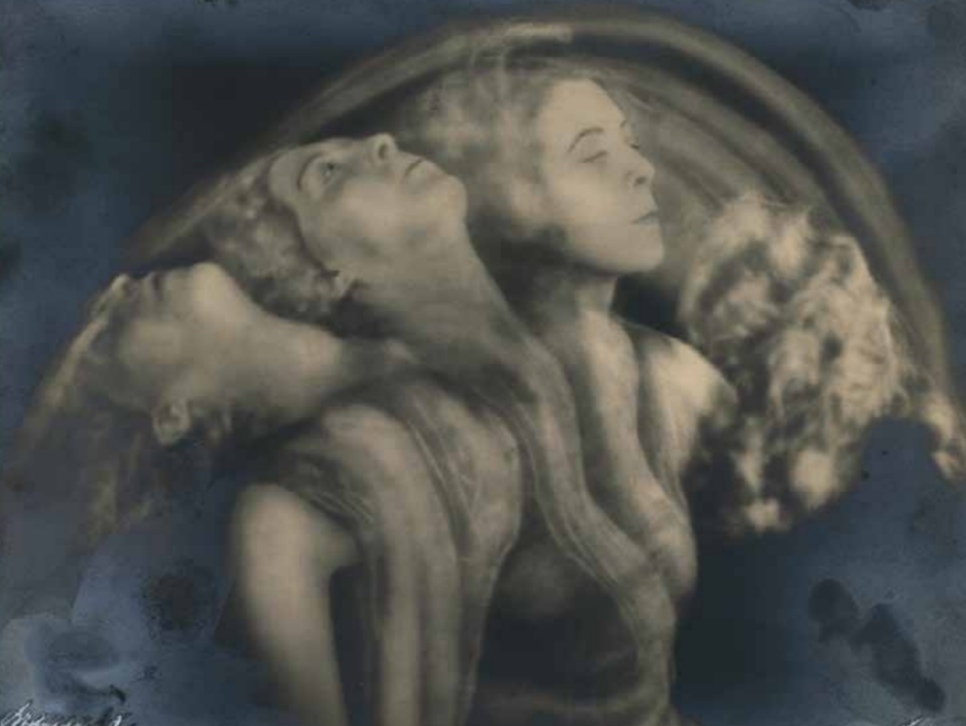
Anton Giulio Bragaglia. The fan 1928
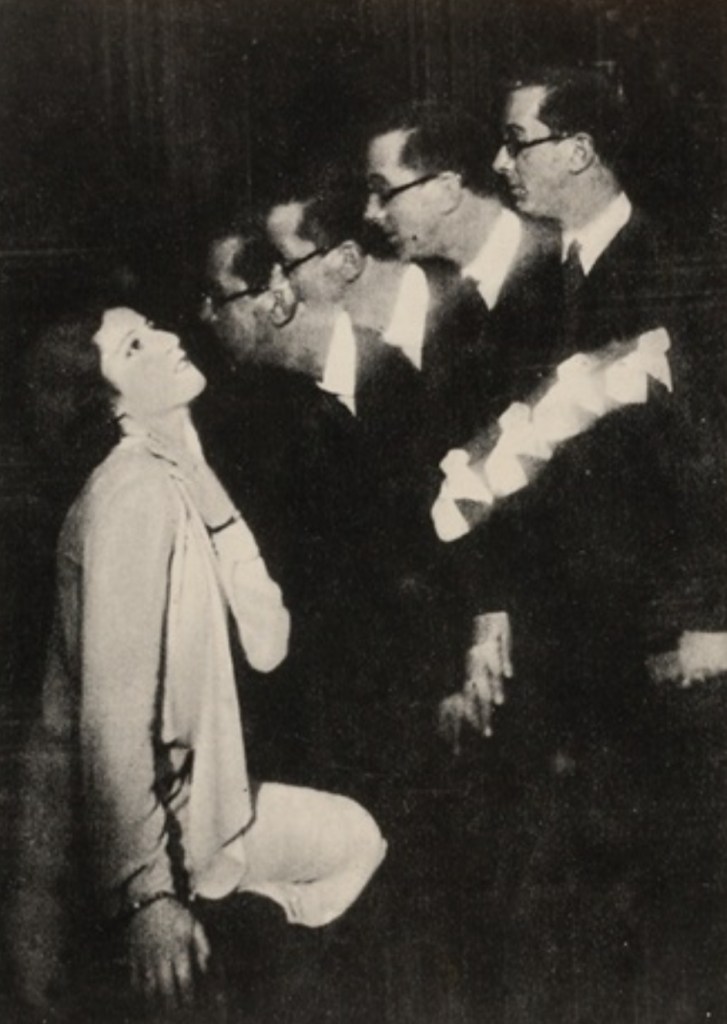
Anton Giuglio Bragaglia. The kiss 1930
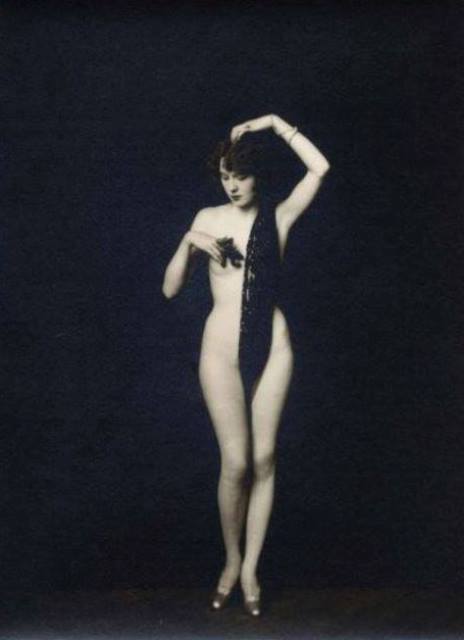
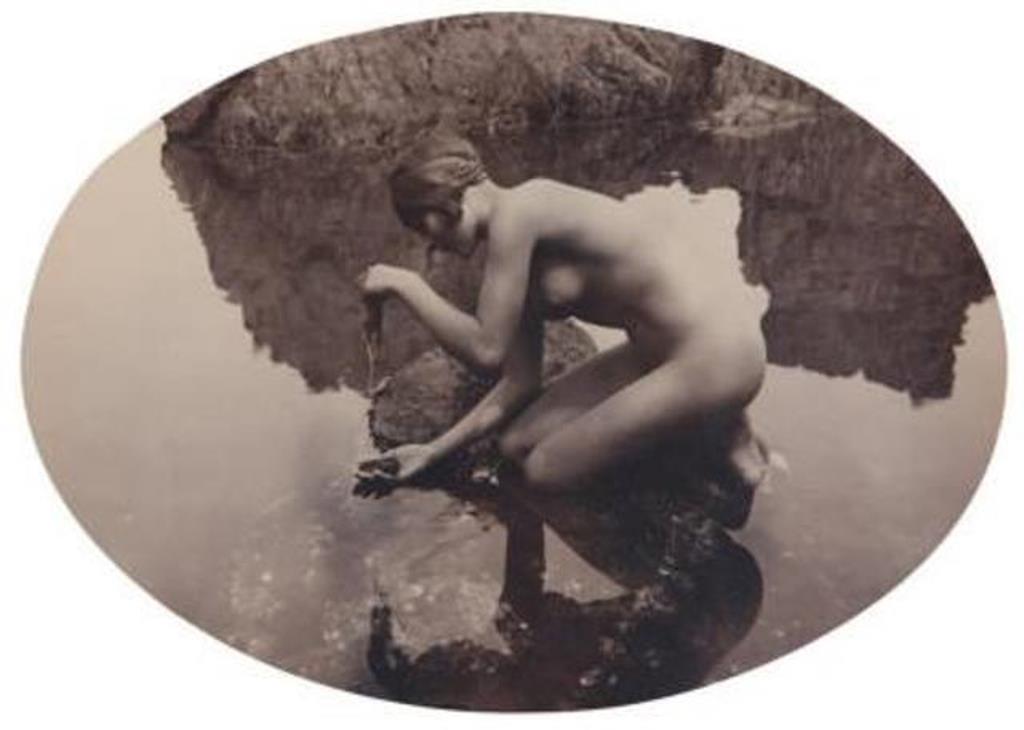
Marcel Meys. Narcisse 1930

Frank Brangwyn. Study for The British Empire Panels 1925

Frank Brangwyn. Study for The British Empire Panels 1925

Frank Brangwyn. Study for The British Empire Panels 1925
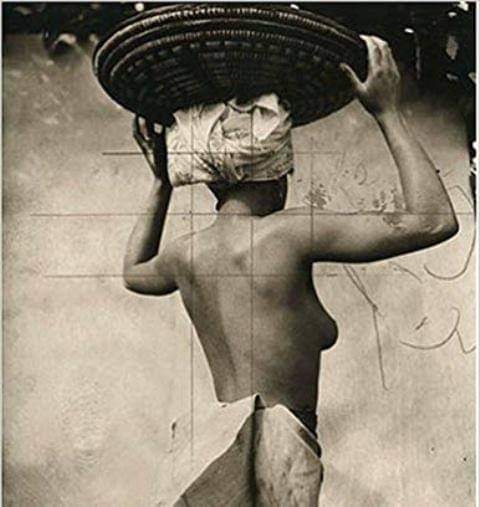
Frank Brangwyn. Study for The British Empire Panels 1925
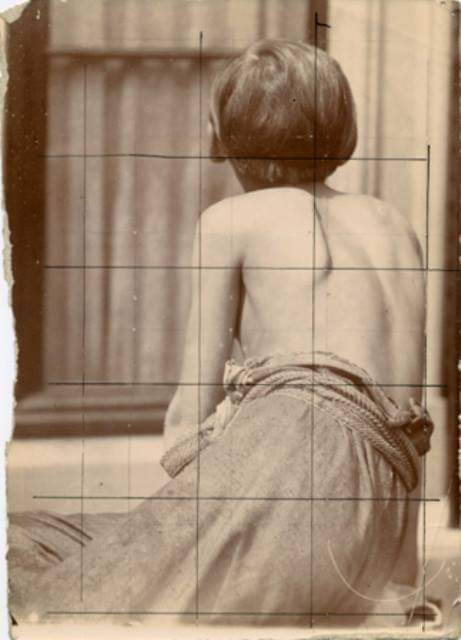
Frank Brangwyn. Étude pour les peintures murales de Horton house 1916

Ruth Hollick. Whole lengh portrait of woman 1910-1930
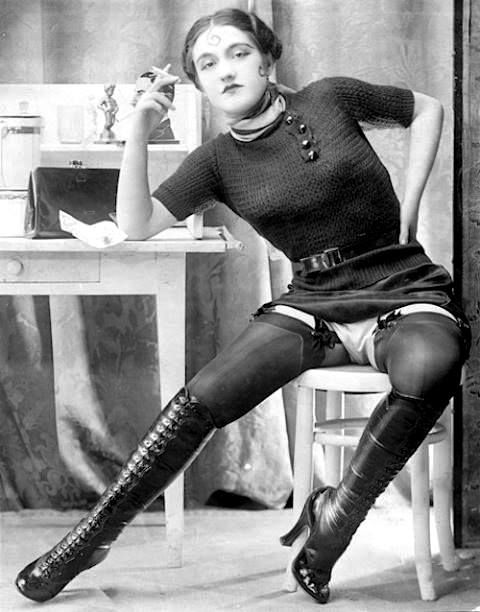

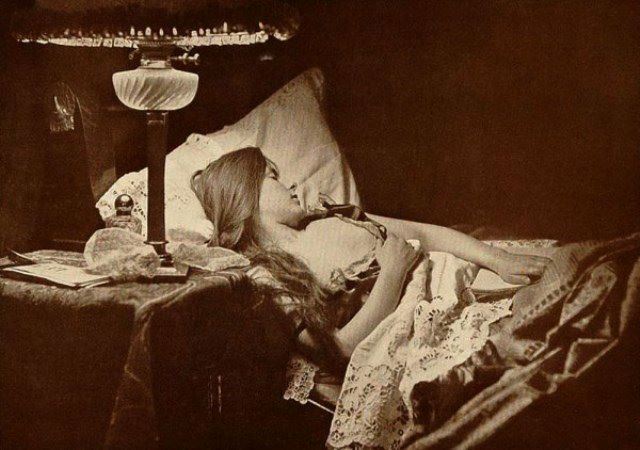
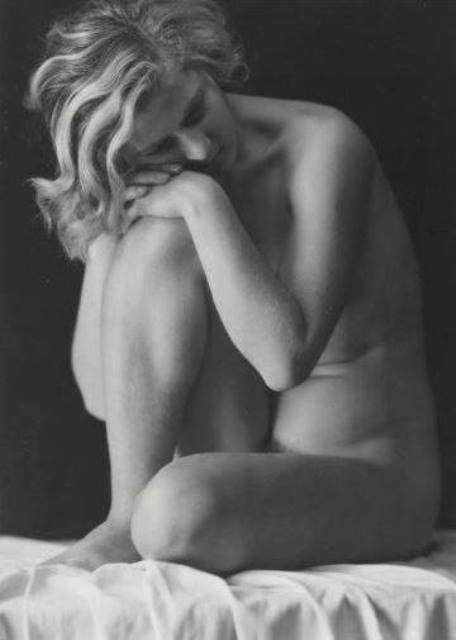
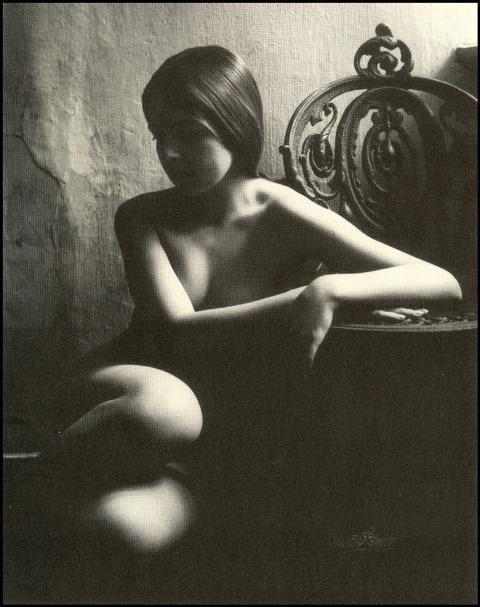
C. Yarnall Abbott. The dreamer 1900
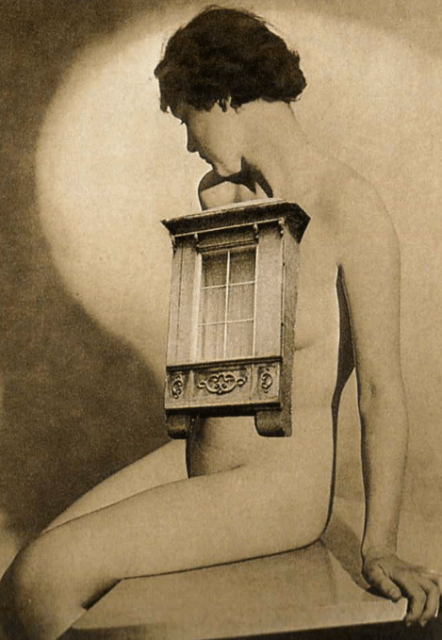

Franz Roh. Sans titre 1930
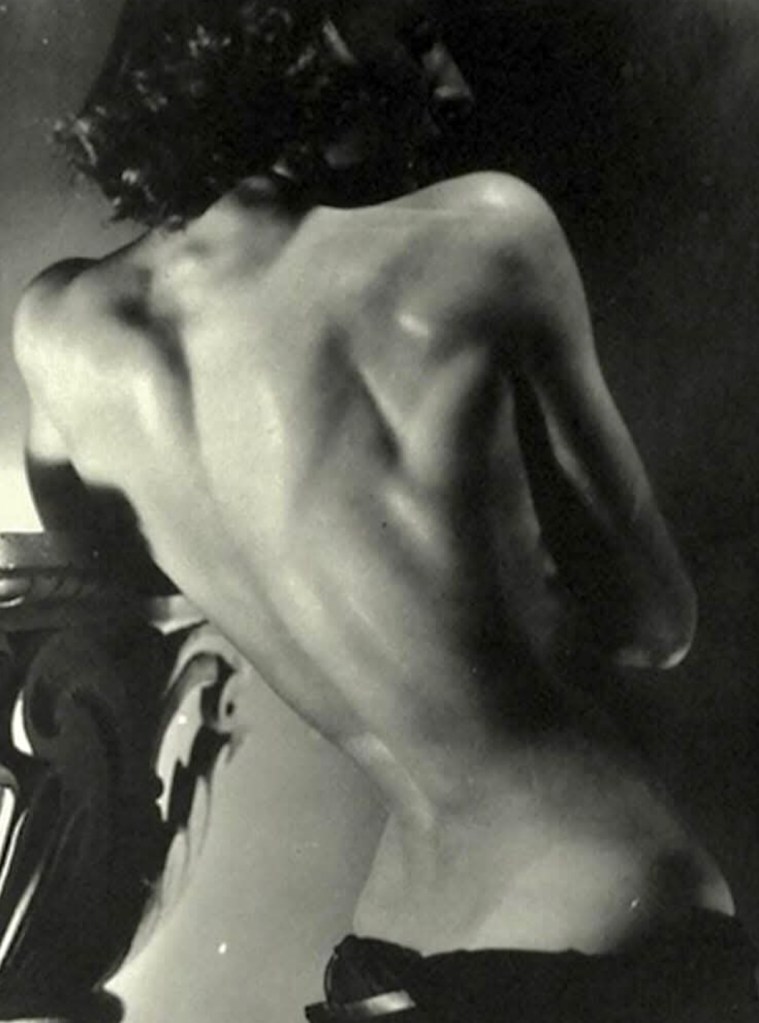
Elio Luxardo. Rome 1940
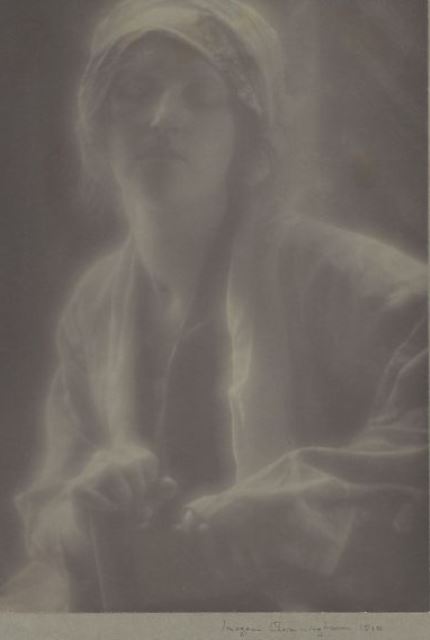

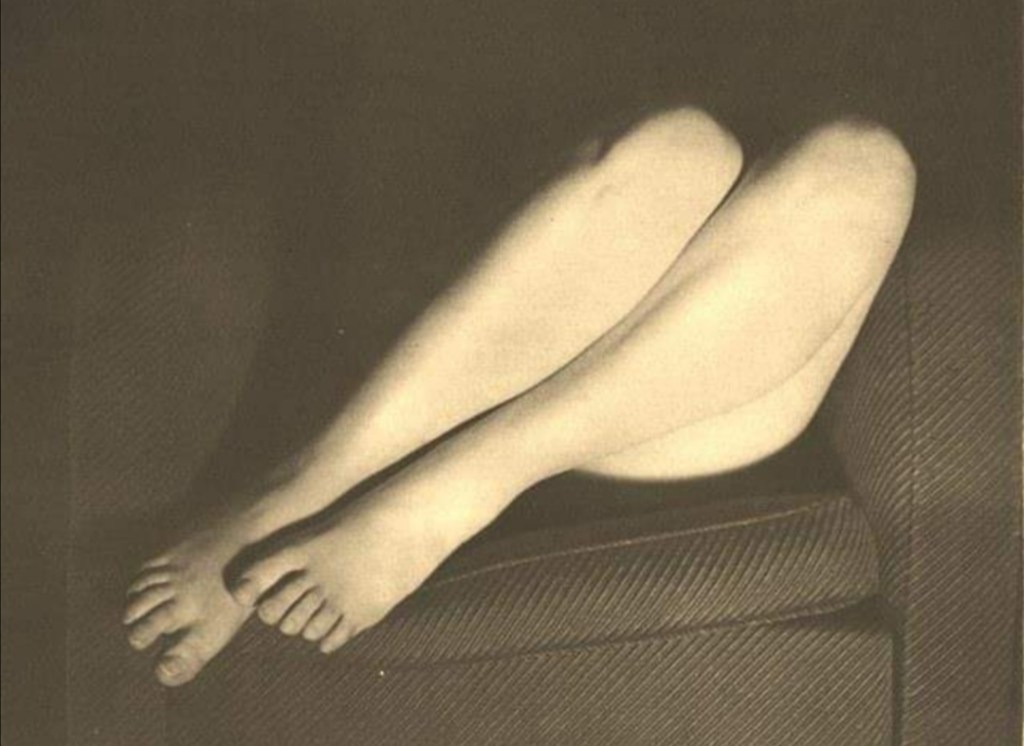
Thérèse Le Prat. Scan personnel de Formes Nues 1935
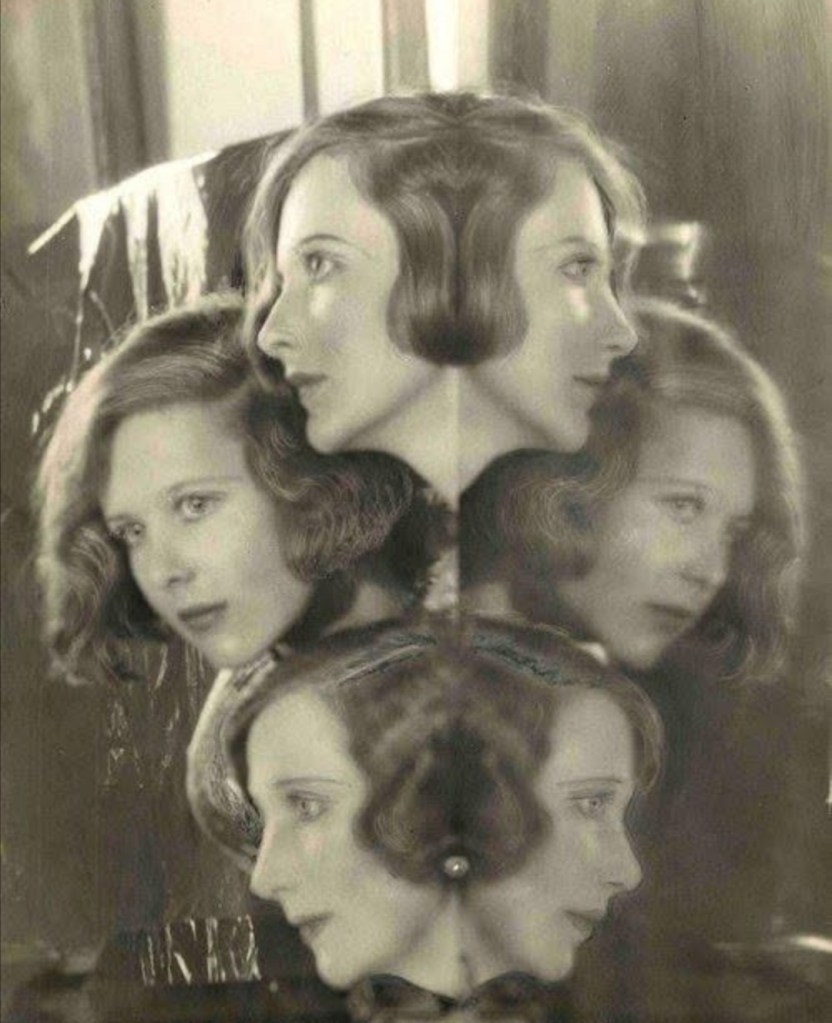
Cecil Beaton. Mme Beaton en bas / Mlle Nancy Beaton / Mlle Baba Beaton (en haut) / 1929. Photomontage
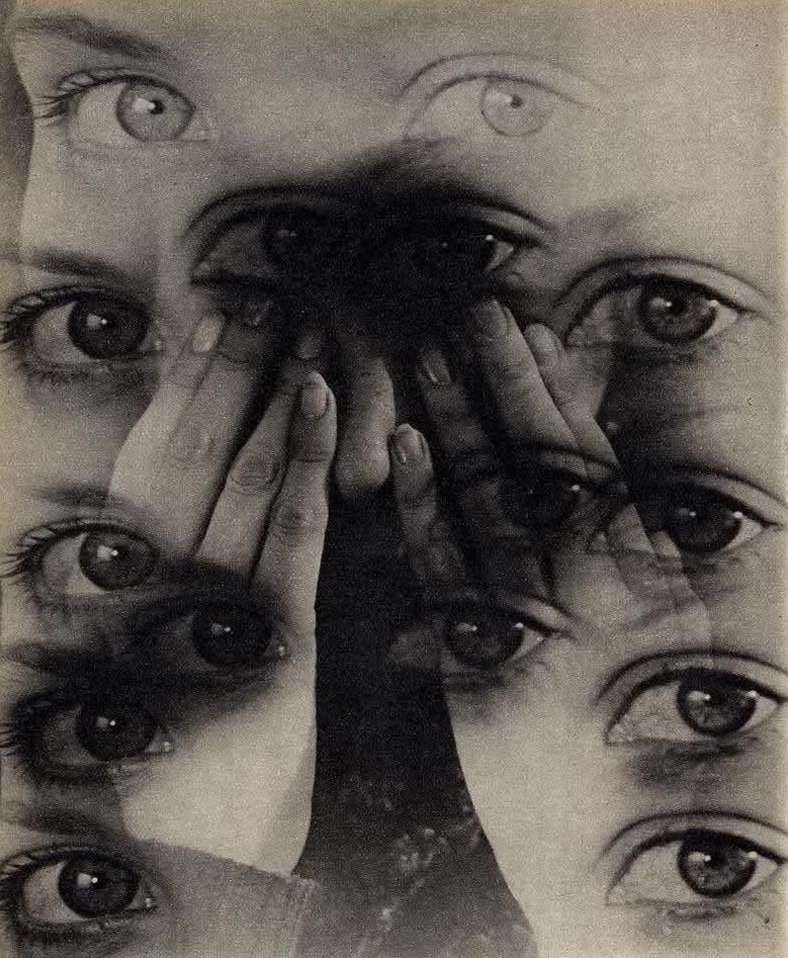
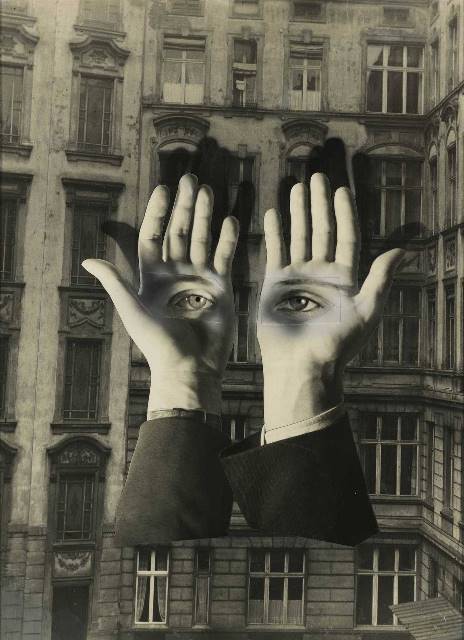
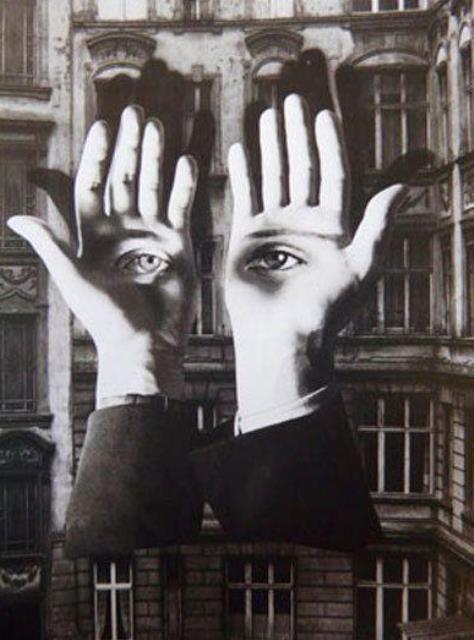
Herbert List. Untitled 1929. Photomontage
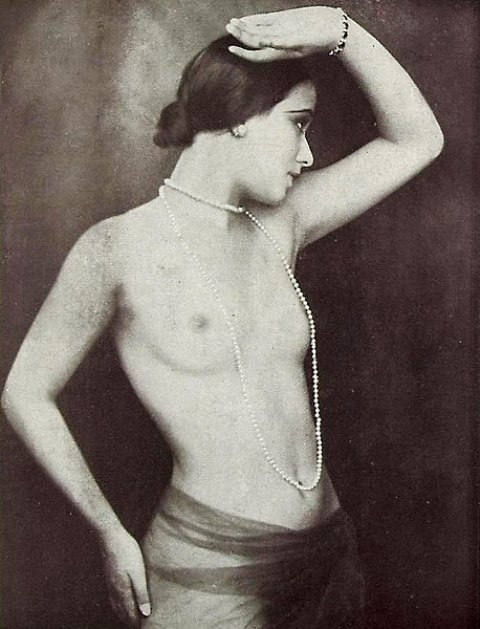
Atelier Willinger. Lea Niako 1927

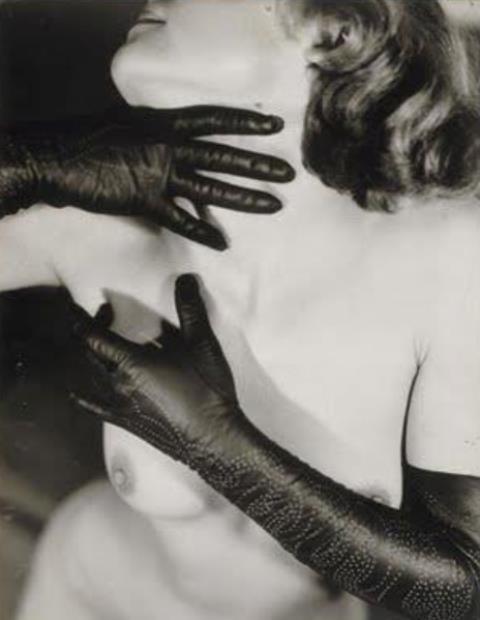
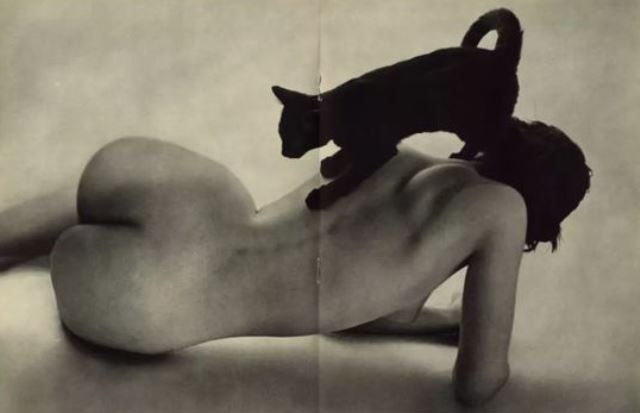
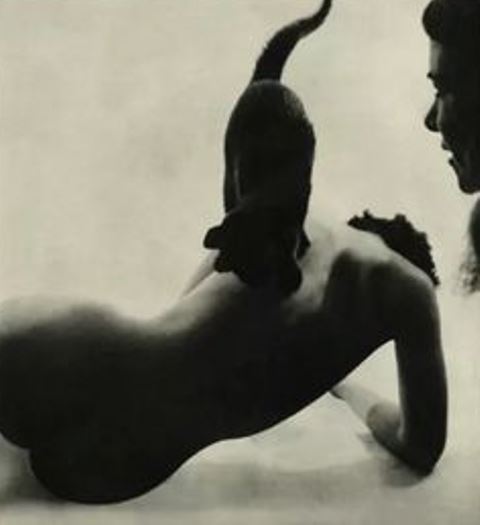
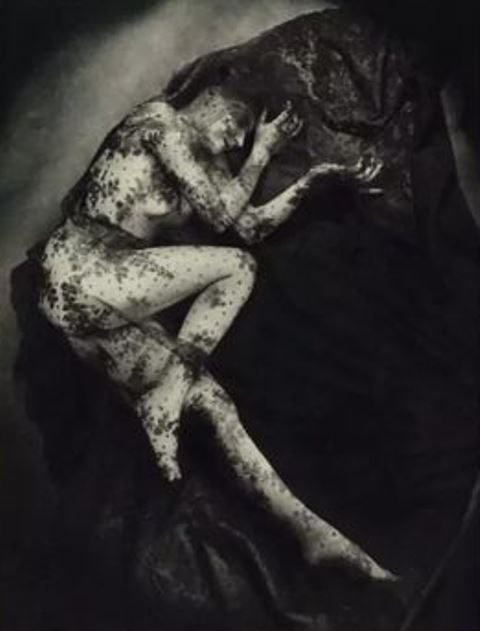
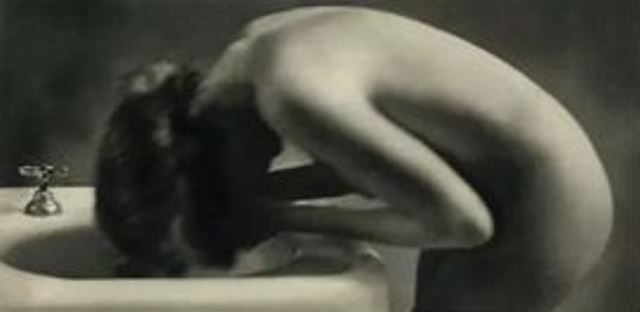
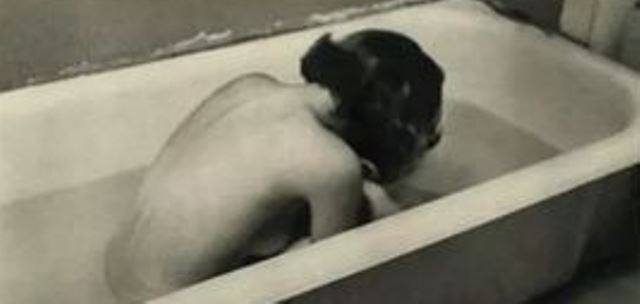
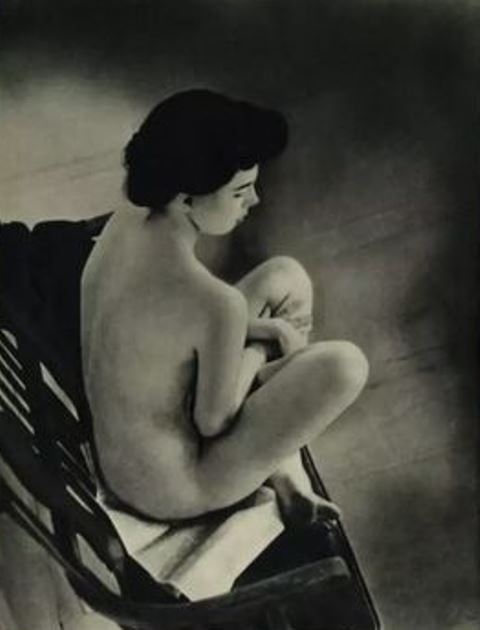
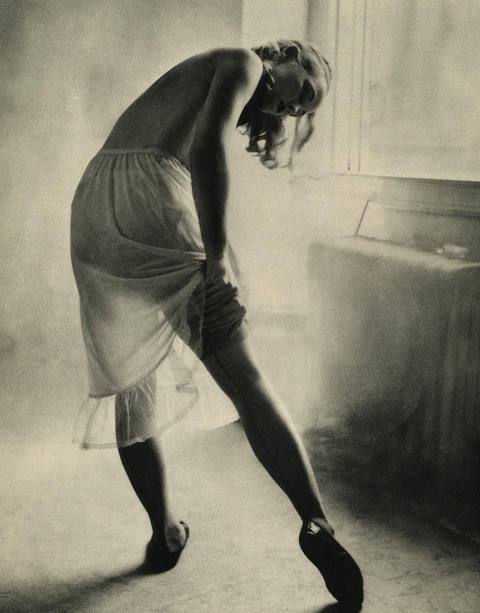
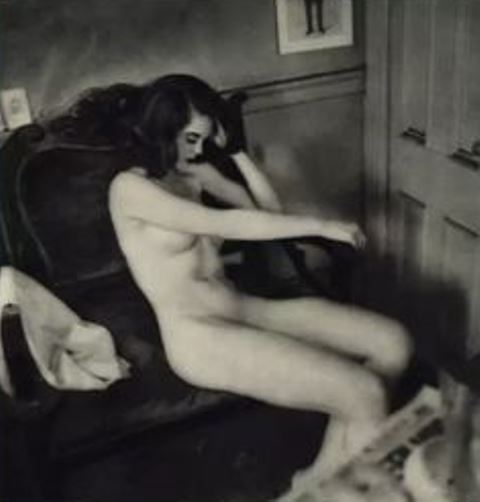
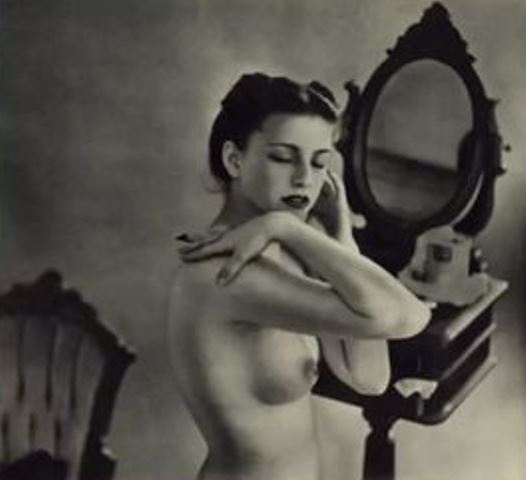
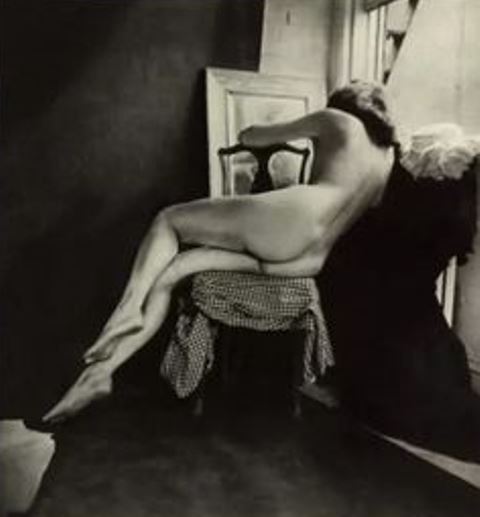
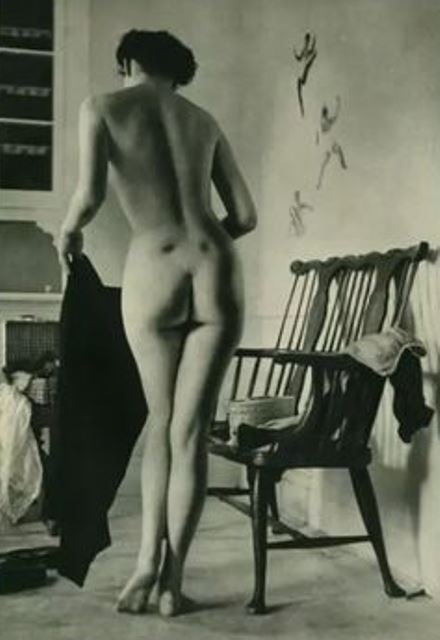
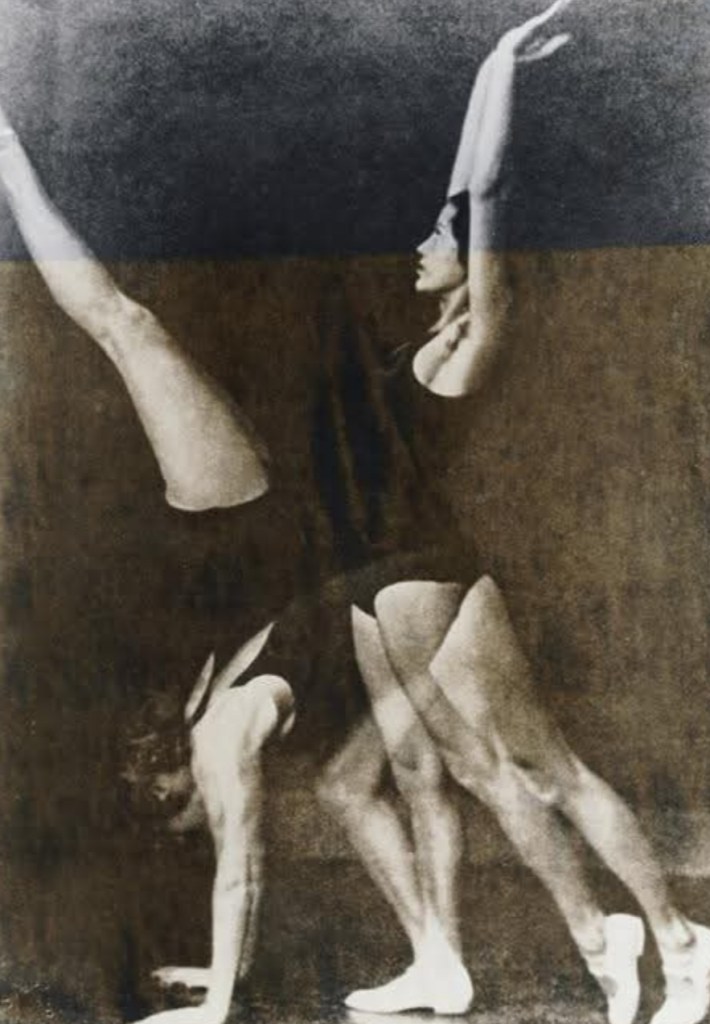
Wanda Wulz. Exercice 1932

Wanda Wulz. Exercice 1932

Wanda Wulz. Self-portrait 1932
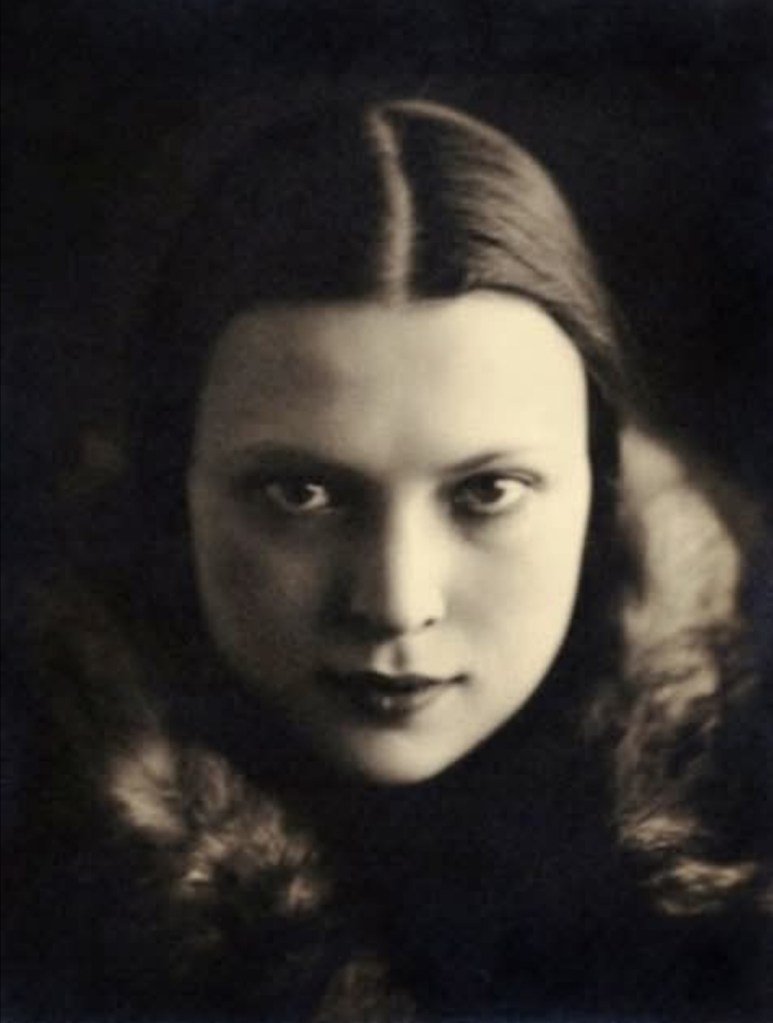
Wanda Wulz. Self-portrait 1932

Trude Fleischmann. The dancers Mila Cirul and Julian Algo, Vienna 1920
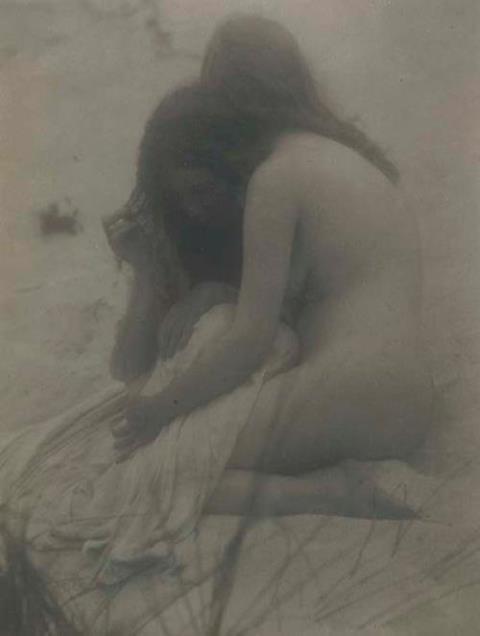
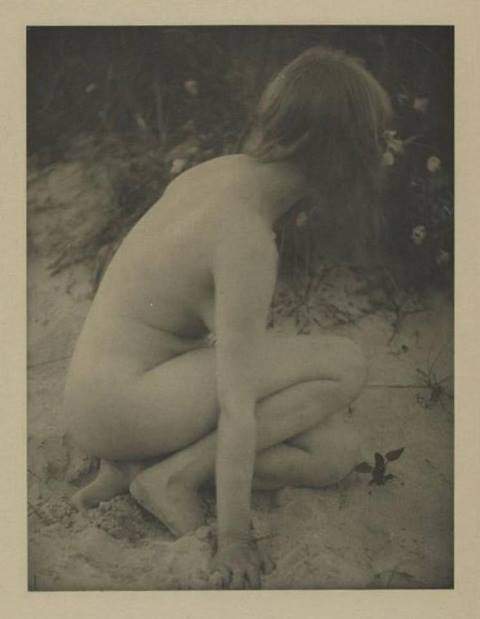
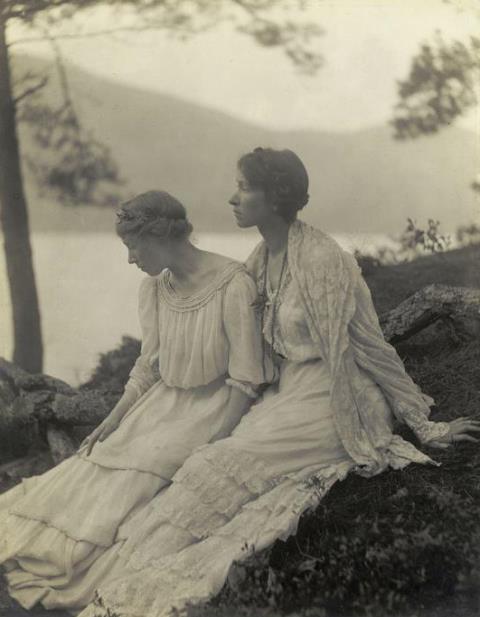
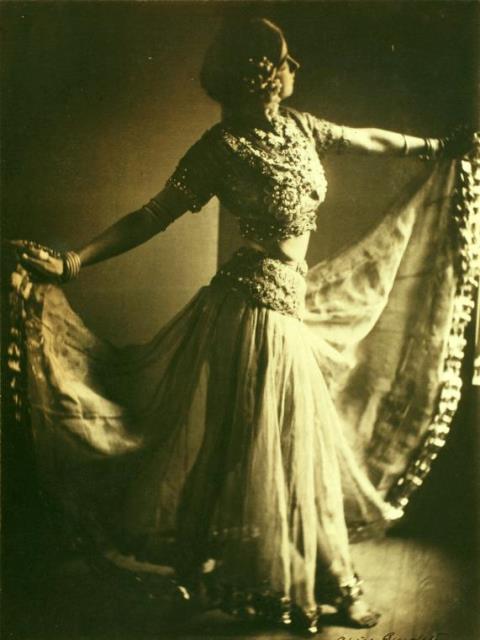
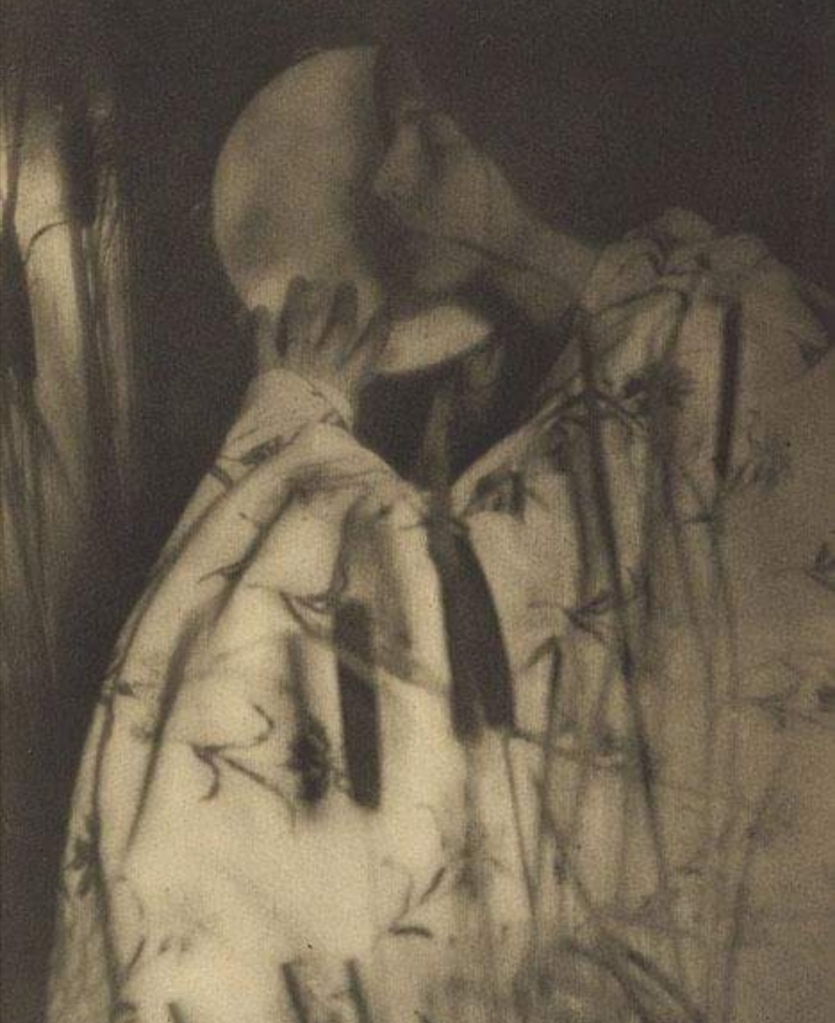
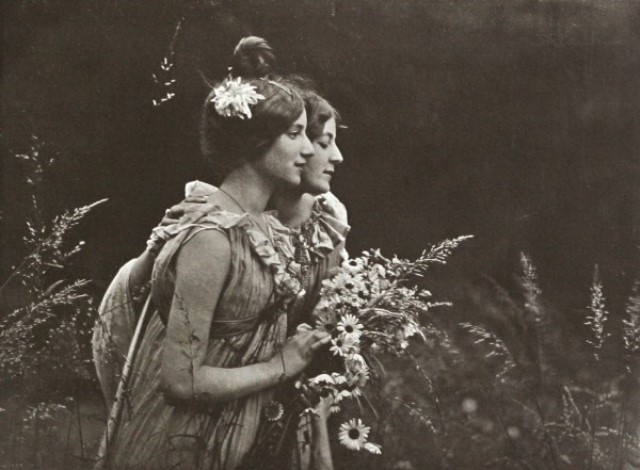
George Henry Seeley. Autumn 1907

Rudolf Koppitz. Forest under snow 1910

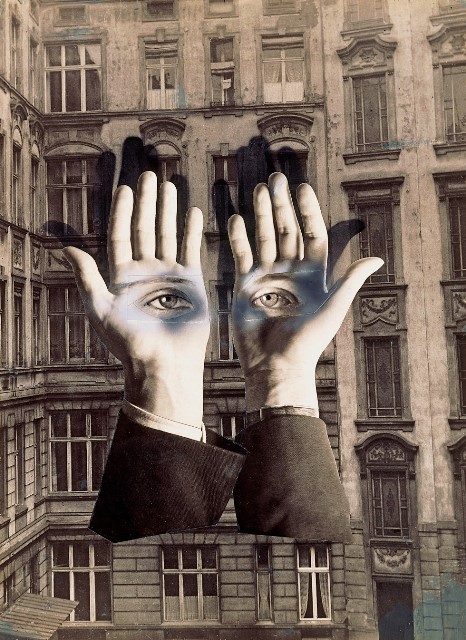

Unidentified photographer. Woman smoking. Undated

Franz Roh. Hommage à Max Ernst 1935

Franz Roh. The exotic is fired upon 1935

Franz Roh. Sans titre 1930s

Franz Roh. L’ivresse 1930-1933
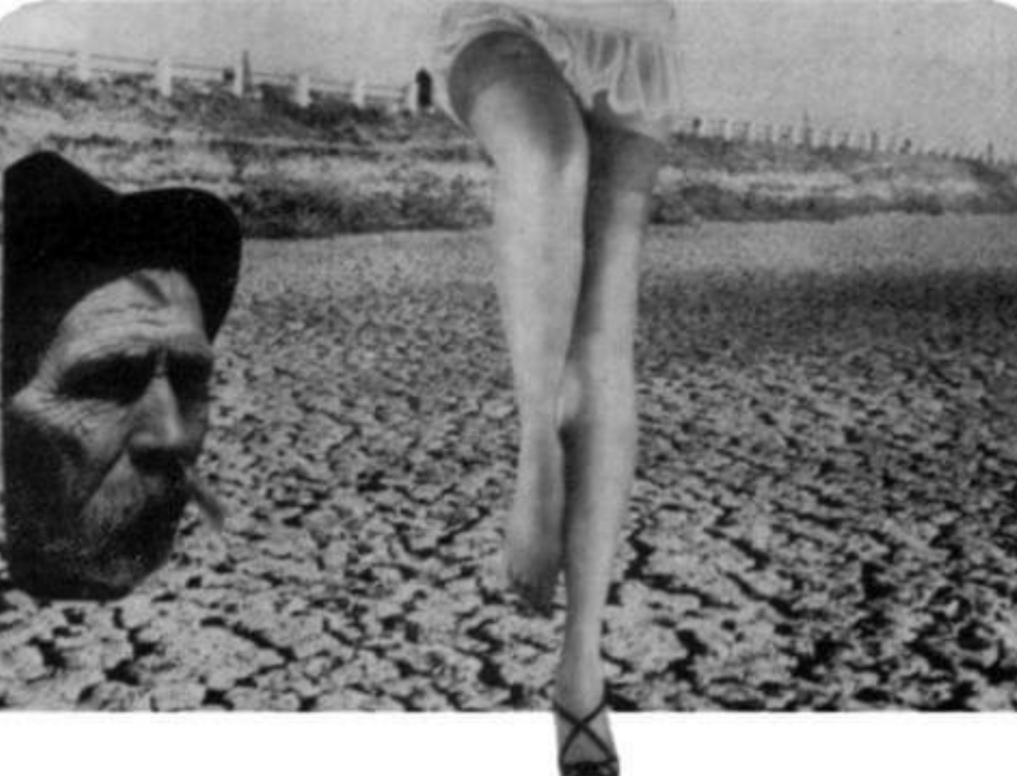
Franz Roh. L’élégante et l’agriculteur 1934

Franz Roh. Masque de survie 1930s
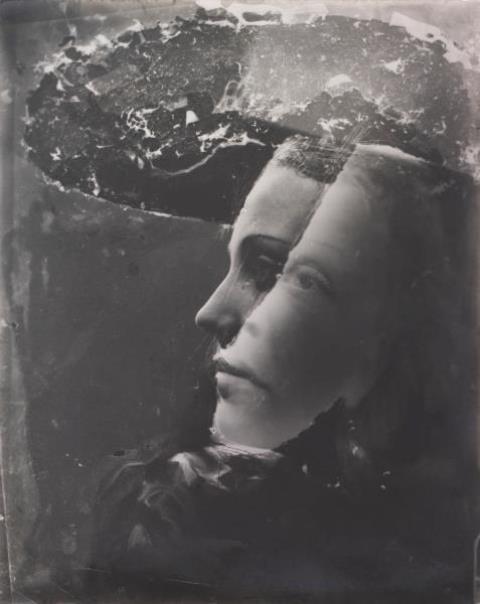
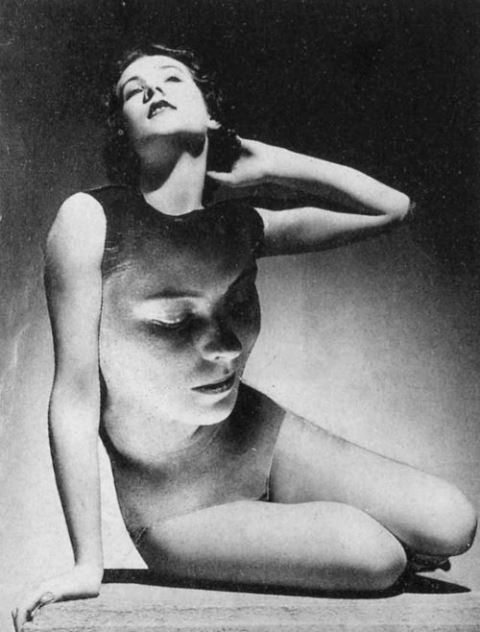
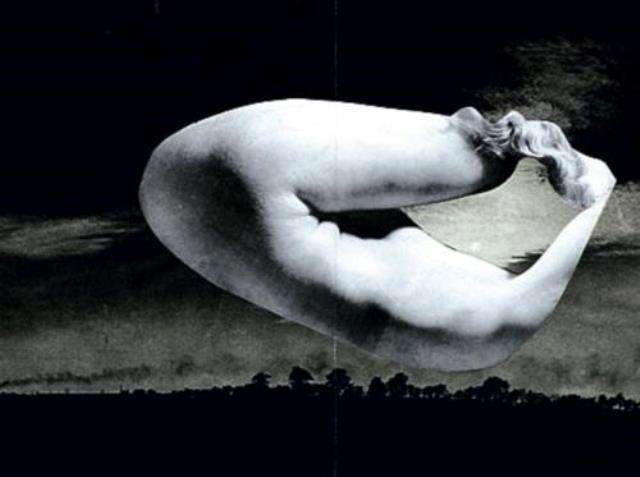
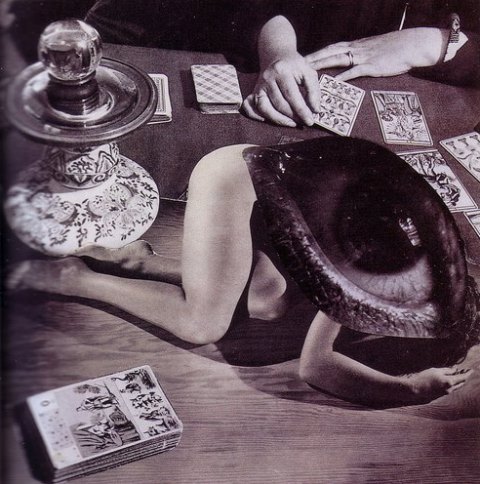
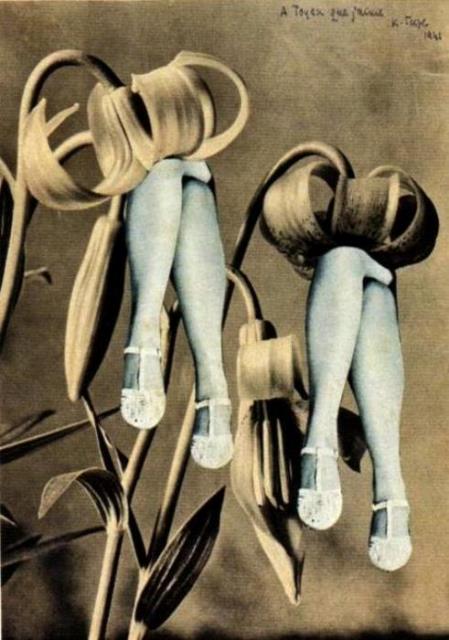
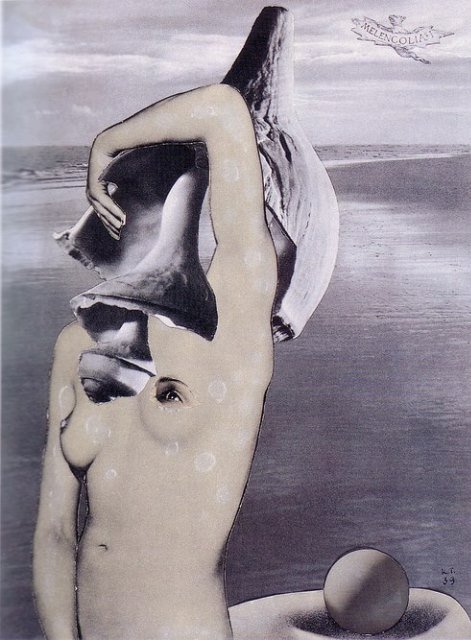
Karel Teige. Sans titre 1942

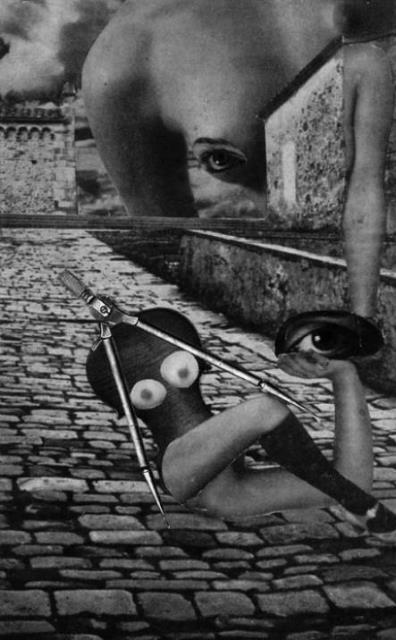
1- Biographie (source: russianphotographs)
Alexander D. Grinberg (1885-1979) is one of the most respected Russian photographers of the twentieth century. Born at the end of the nineteenth century, and having lived ninety-four years, he experienced the Russian revolutionary, the Civil War, two world wars, stalinist repression along with numerous fluctuations in soviet political and cultural history. Even as a child Grinberg demonstrated a strong attraction to photography, taking his first photography at the age of ten.
By the age of twenty-two he was an active member of the Russian photographic society, where he became a leading creative force. In 1908 he was awarded the silver medal in the all-Russian photo exhibition in Moscow and the gold medal in the international photo-exhibition in dresden, which signaled the recognition of his talents on an international level.
In 1914 Grinberg was invited to work at the Khanzhankov film studio in Moscow. Becoming the head of the film advertising sections, he quickly established process for mass distribution and here he began his cinematographic career. He went on to work behind the camera for numerous studios. In the 1920’a his cinematographic experience led him to become an instructor at the state technical institute of cinematography where he began his association with Sergey Eisenstein who he photographed. His prestige was on the rise throughout the 1920s until 1929 when, under the storm of the cultural revolution the « old school » of Soviet photography came under fire as « depraved », and Grinberg fell out of favor.
The new cultural policy dictated that any eroticism in artistic forms was a remnant of bourgeois idleness, and inappropriate for soviet society. Nevertheless, Grinberg risked one more exhibition of his work in 1935 with images of partially dressed women, raising a storm of criticism, as well as prompting a few brave photographers to come to the defense of this artistic master. Consequently, for his unorthodox vision of photography he was arrested and sentenced to a labor camp for distribution of pornography. By 1939 he was released on early parole, for good behavior and industriousness, although by the time of his release he had permanently lost his sense of smell. He resumed to work as a photographer for a variety of institutions such as museums and taught photography.
His early work was not destroyed as would have normally happened because his older brother managed to hide the negatives for many years. During the second world war he worked to preserve and restore rare photo archives. After the war he worked in the house of models, photographing for fashion designers. In the 1950s he photographed various Soviet film starts and scientists.
His whole life was thus devoted to photography, which he never abandoned in the most difficult of circumstances.
2- La photographie russe et le communisme
Voir l’article ici: http://www.actuphoto.com/16573-la-photographie-russe-et-le-communisme.html
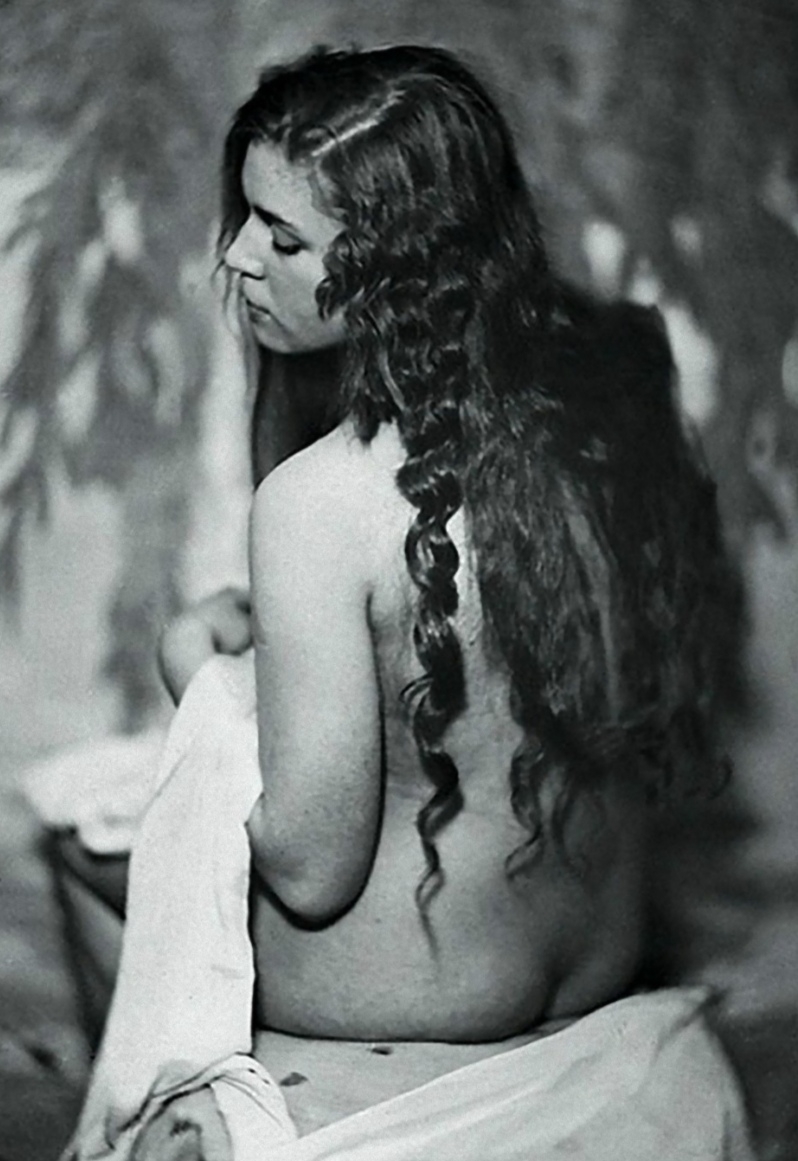
Alexander Grinberg. Bather 1924-1925

Alexander Grinberg. Natacha 1930s

Alexander Grinberg. Movement study 1928
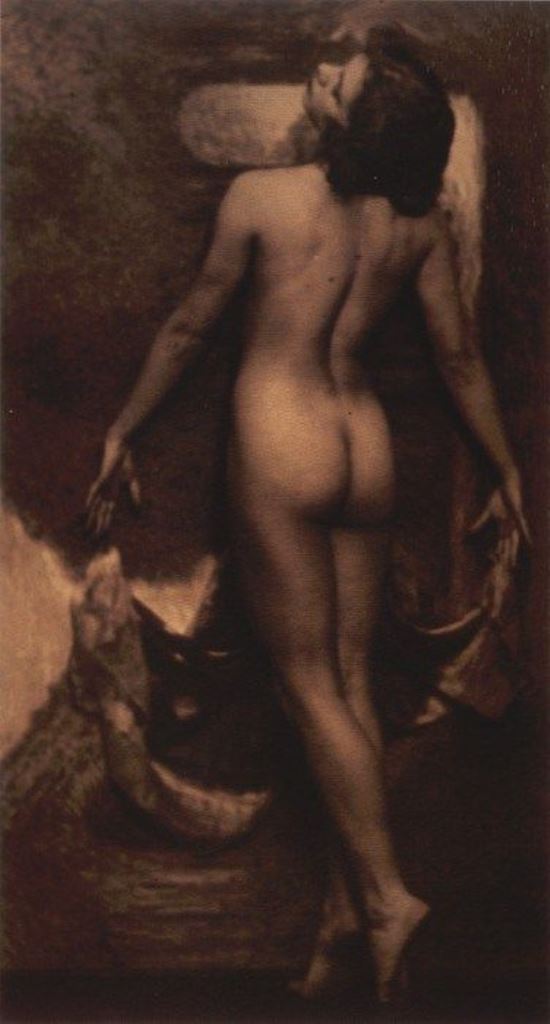
Alexander Grinberg (1885-1979). Nude study
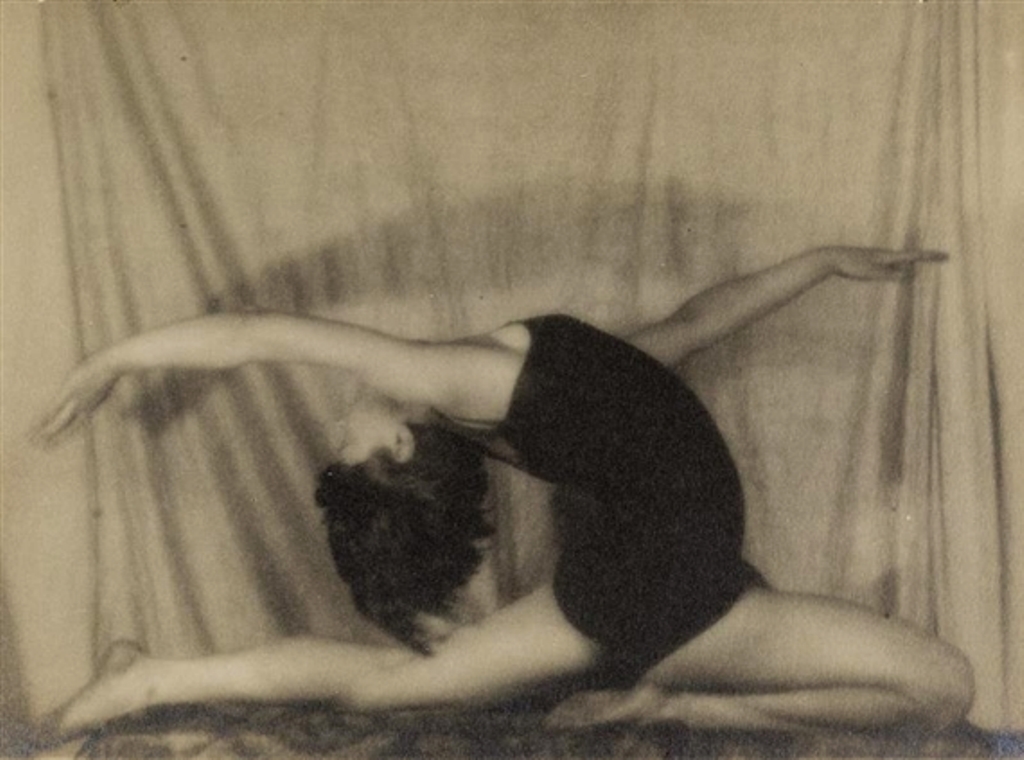
Alexander Grinberg. Maryia Peschanaya. Etude acrobatique.
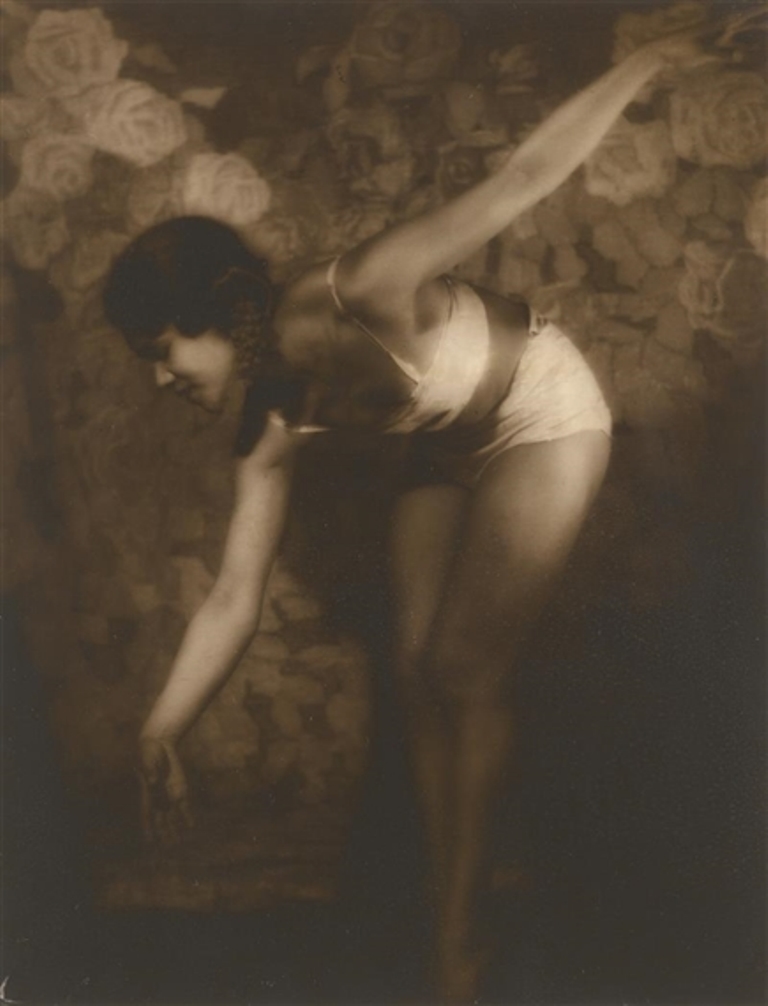
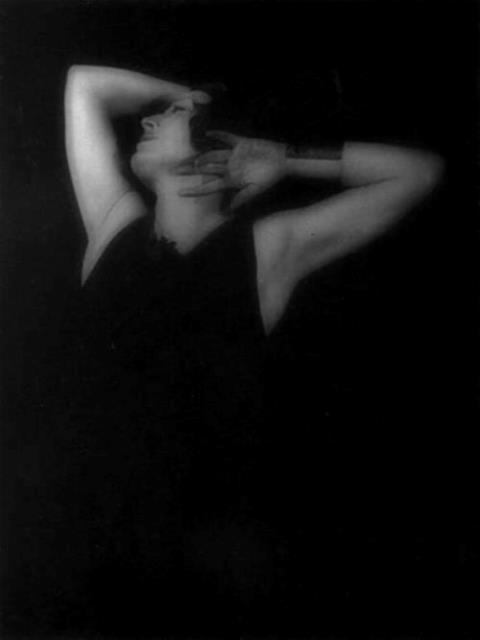
Alexander Grinberg. The dancer Sylvia Chen.
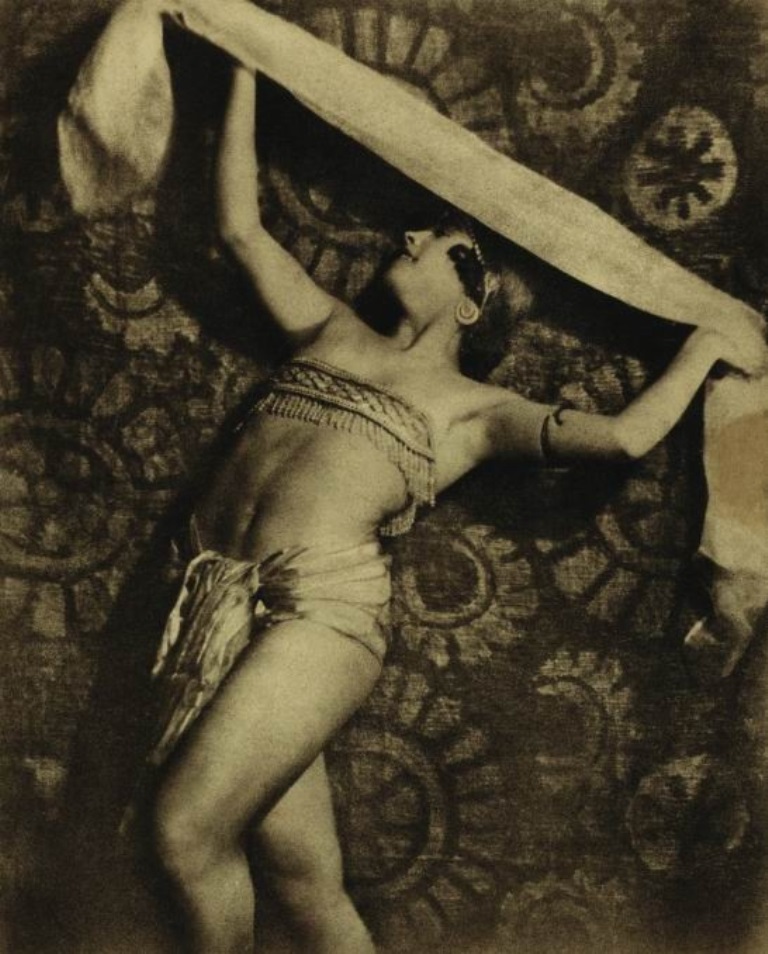
Alexander Grinberg. Mariya Peschanaya 1926

Alexander Grinberg . Study of movement 1926

Alexander Grinberg. Nude study

Alexander Grinberg. Nu 1915-1920
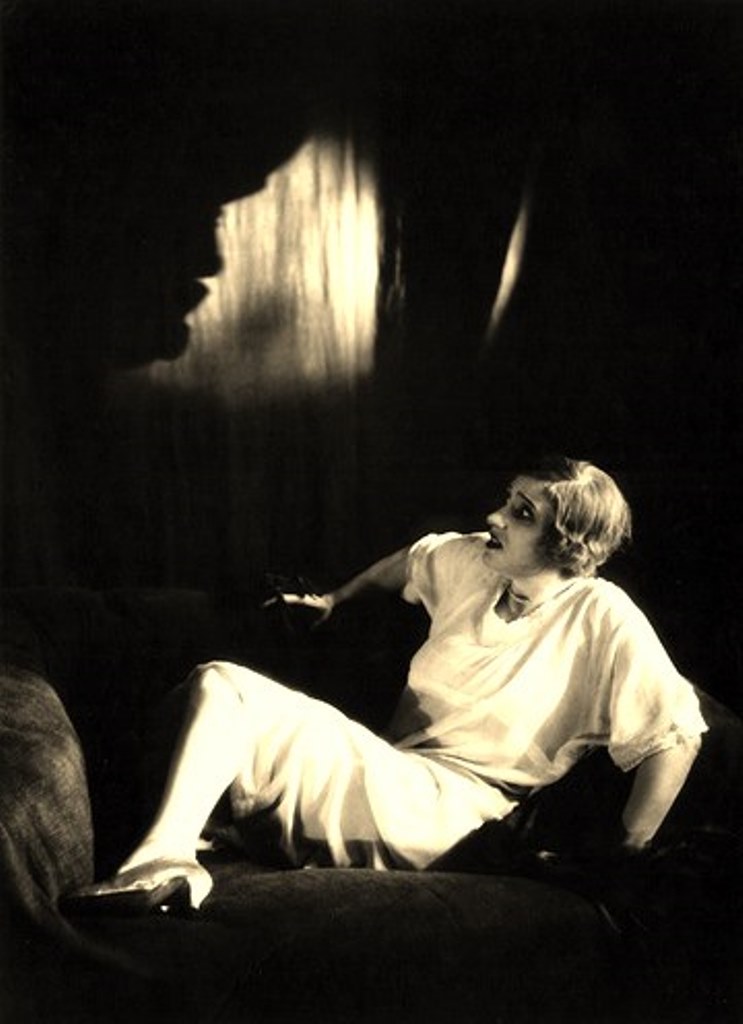
Alexander Grinberg. The art of symbolism 1920

Alexander Grinberg. The art of symbolism 1920

Alexander Grinberg. The antique theatre in Russian estate 1920
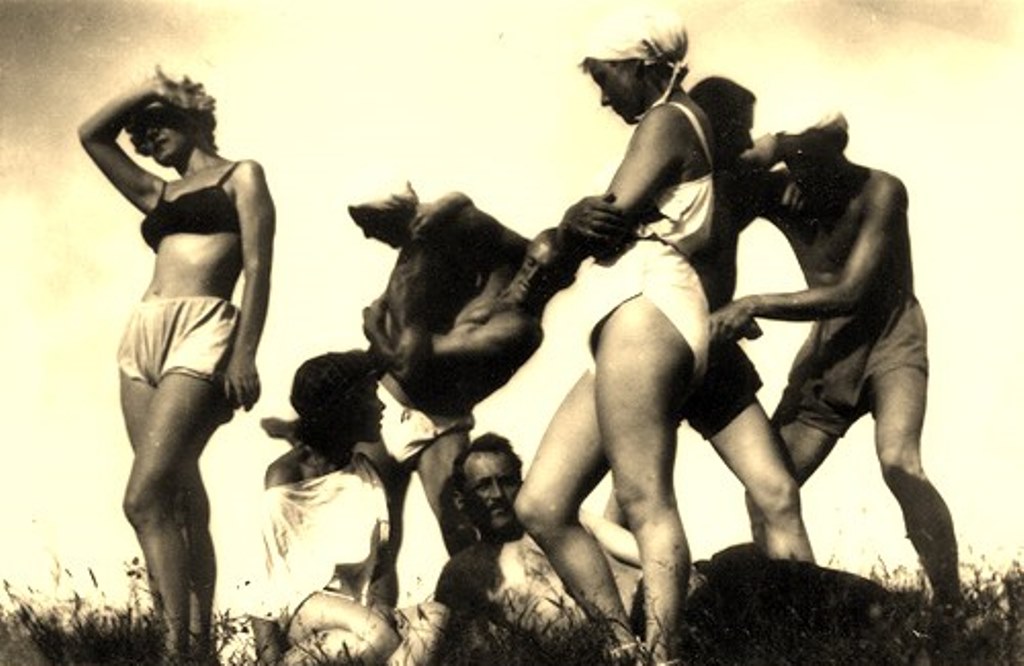
Alexander Grinberg. The Theatre of Meyerhold 1920

Alexander Grinberg. The Art of Movement 1920

Alexander Grinberg. The Antique Theatre in Russian Estate 1920

Alexander Grinberg. Nu 1915-1930

Alexander Grinberg. Nu 1910-1915
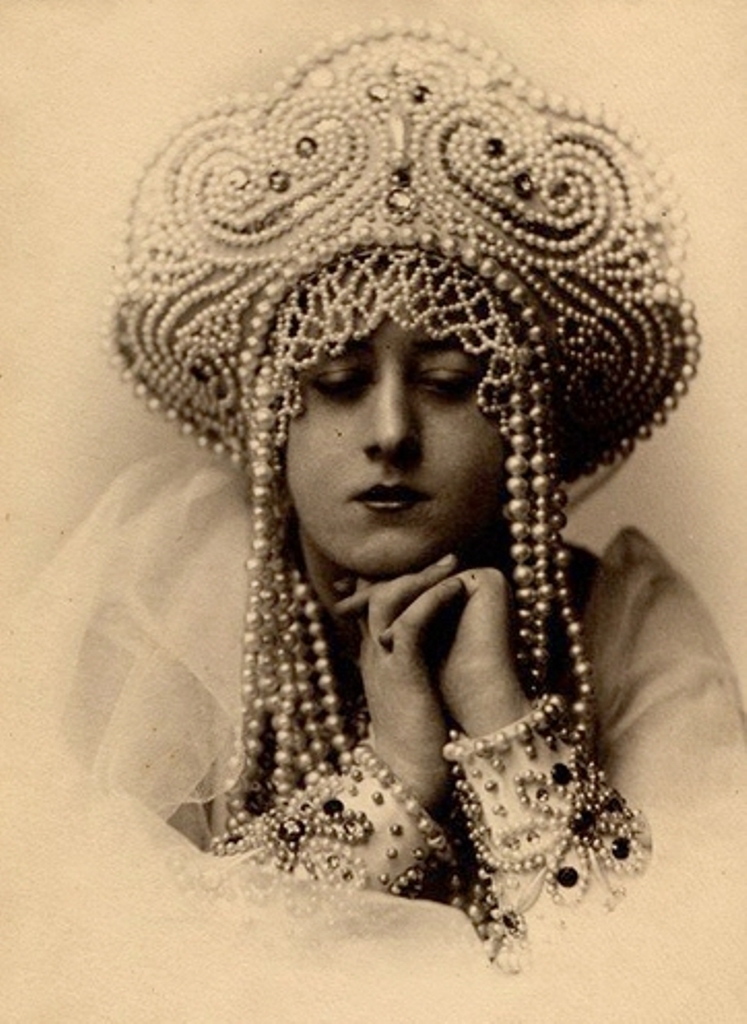
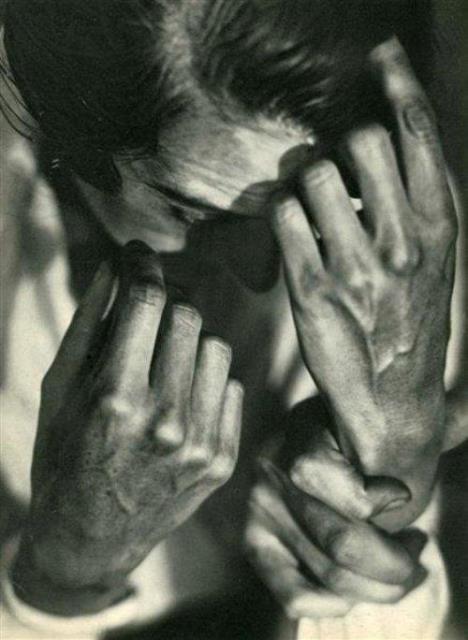
Alexander Grinberg. Portrait 1910-1915
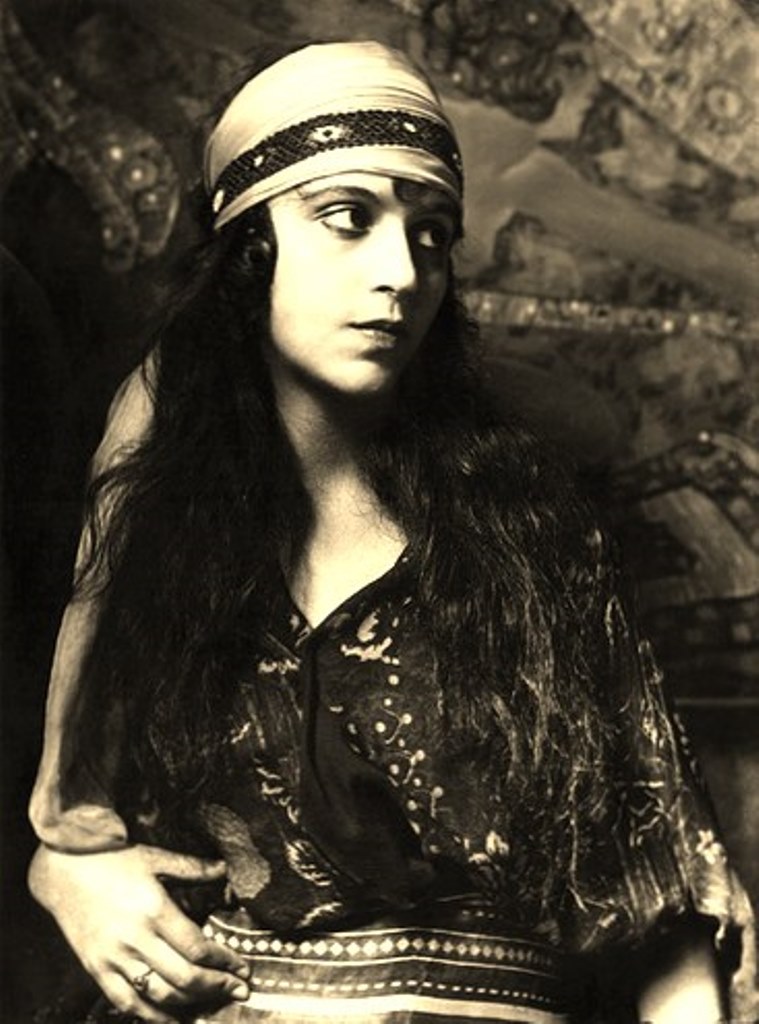
Alexander Grinberg. Portrait 1920
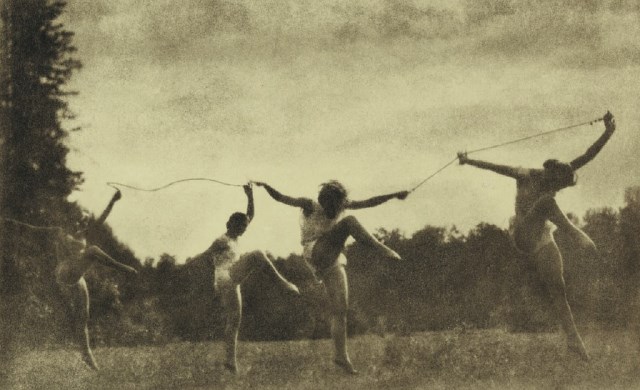
Alexander Grinberg. Study of movement 1928
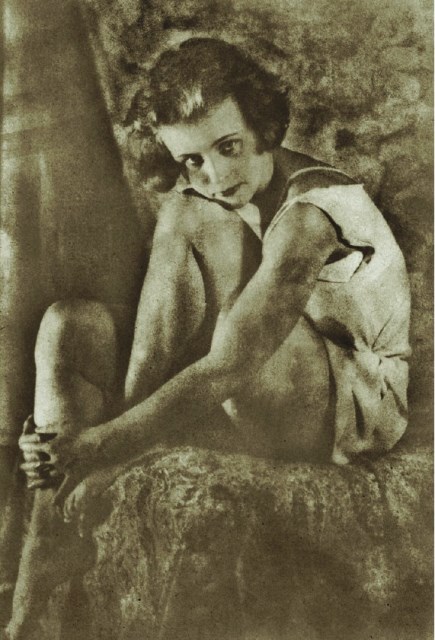
Alexander Grinberg. Sitting girl 1928
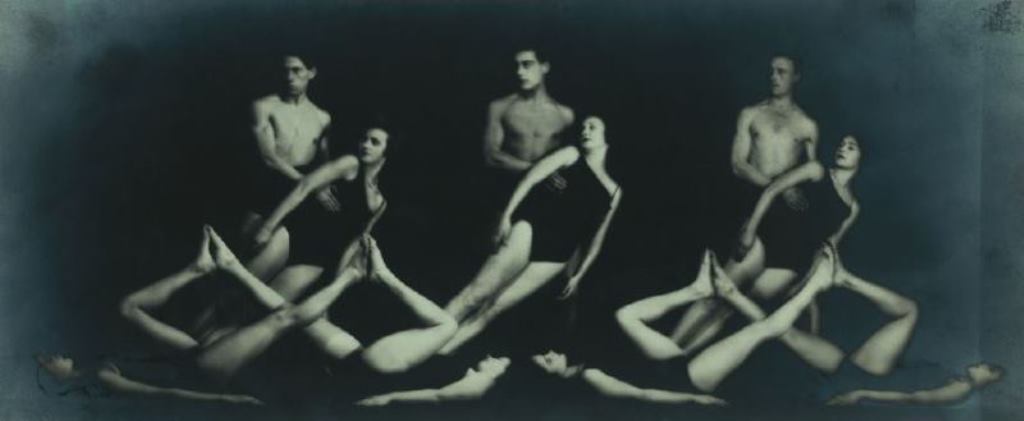
Alexander Grinberg. Study of movement 1925
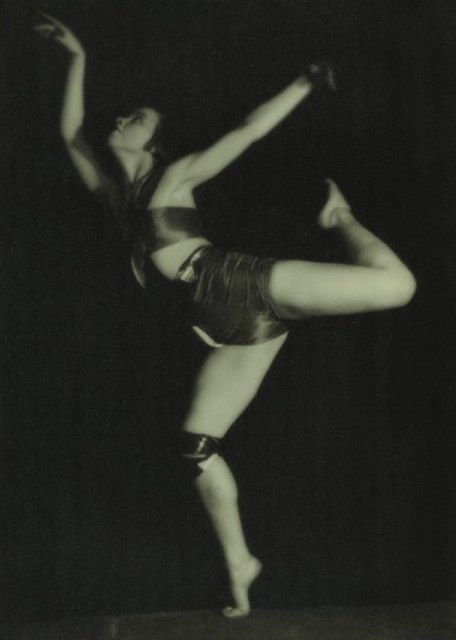
Alexander Grinberg. Study of Movement 1926-1928
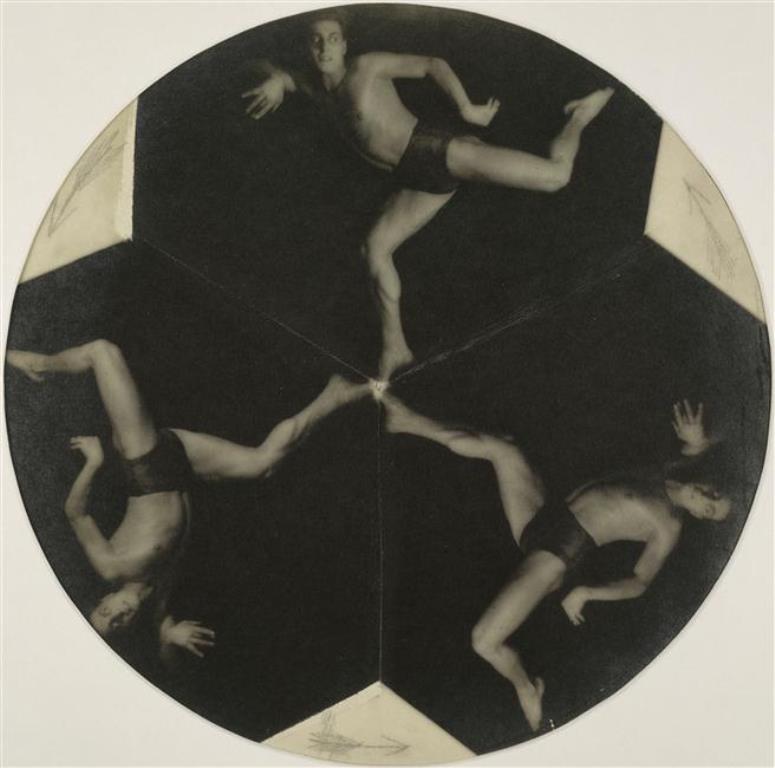
Alexandre Grinberg. L’art du mouvement 1928
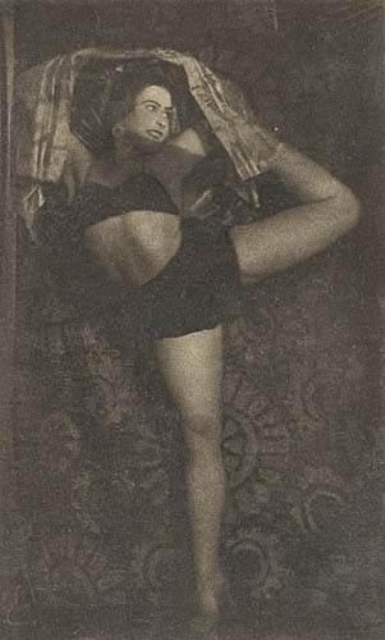
Alexander Grinberg. Danseuse 1926
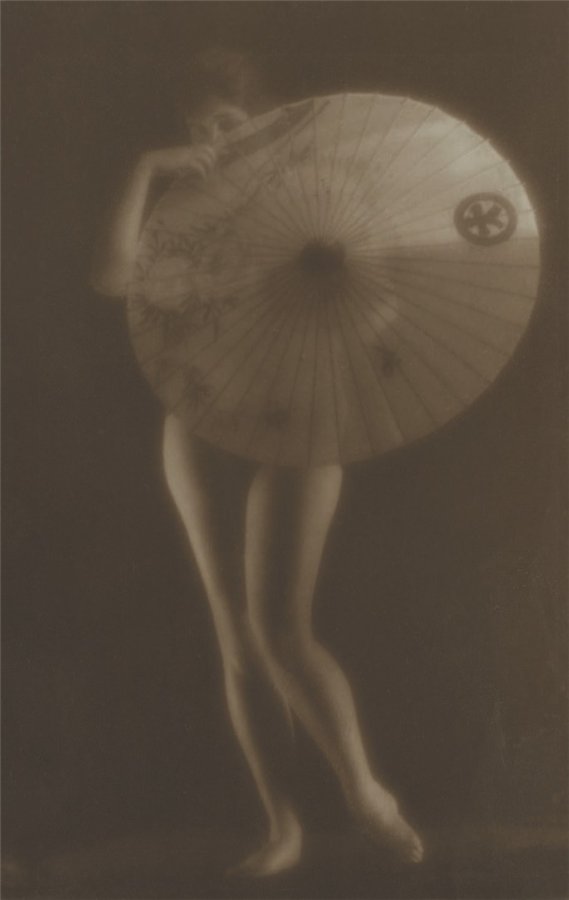
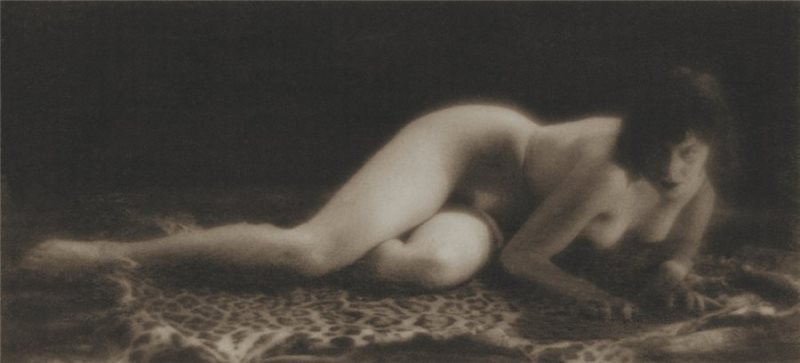
Alexander Grinberg 1926
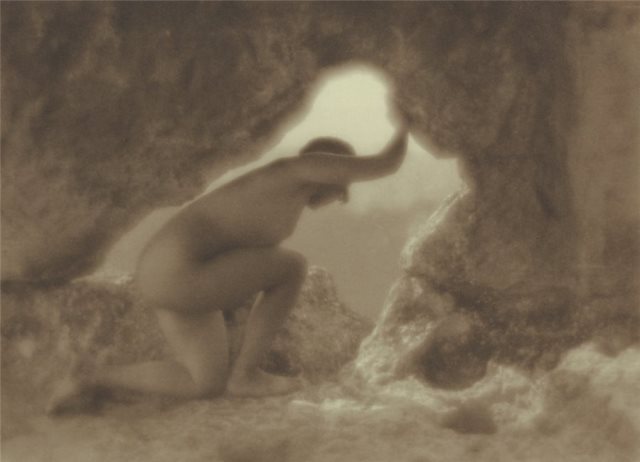
Alexander Grinberg 1930
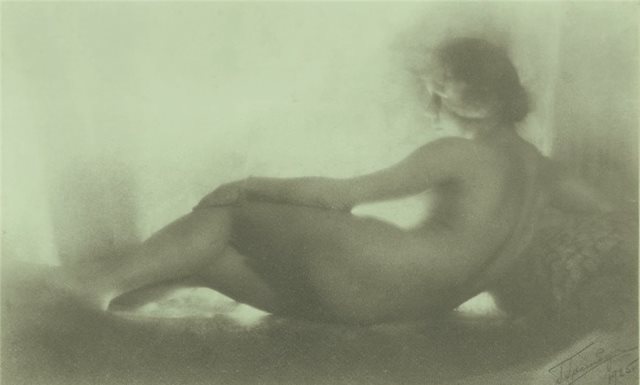
Alexander Grinberg 1926
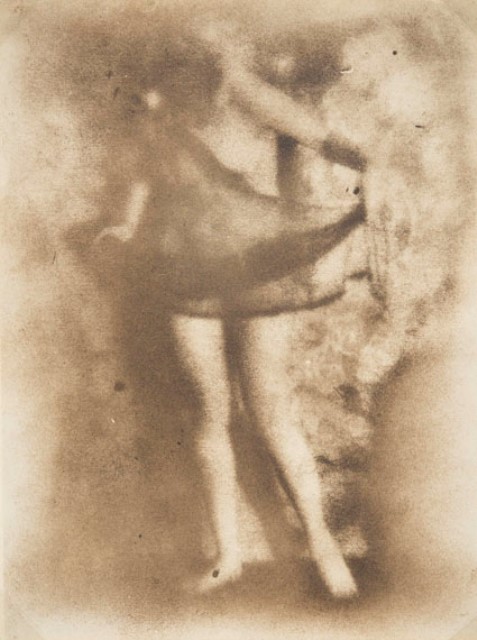
Alexander Grinberg 1925
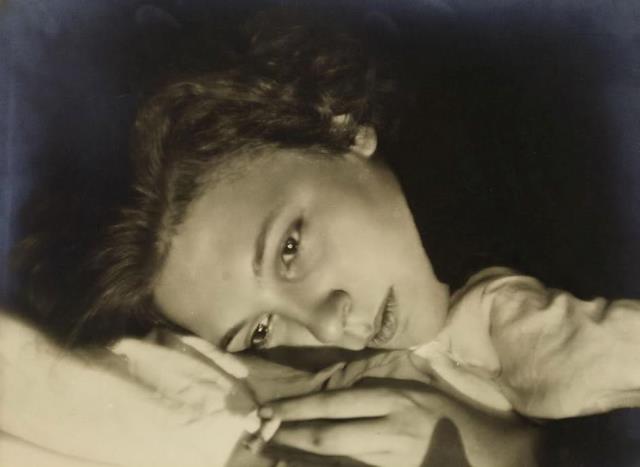
Alexander Grinberg. The Model 1920
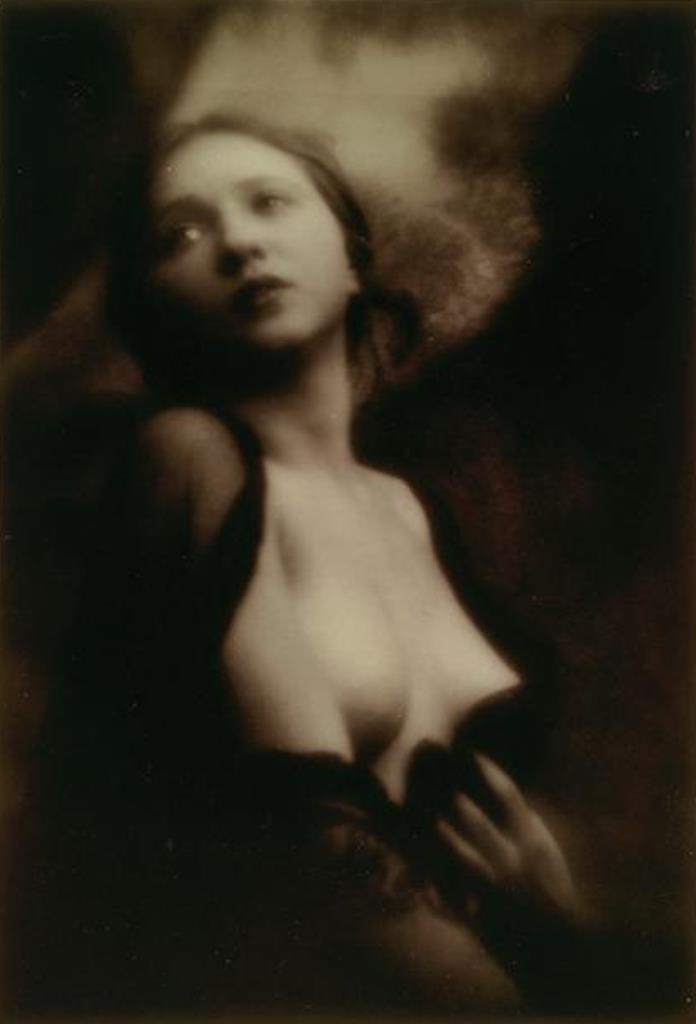
Alexander Grinberg. Portrait de femme vers 1913-1914
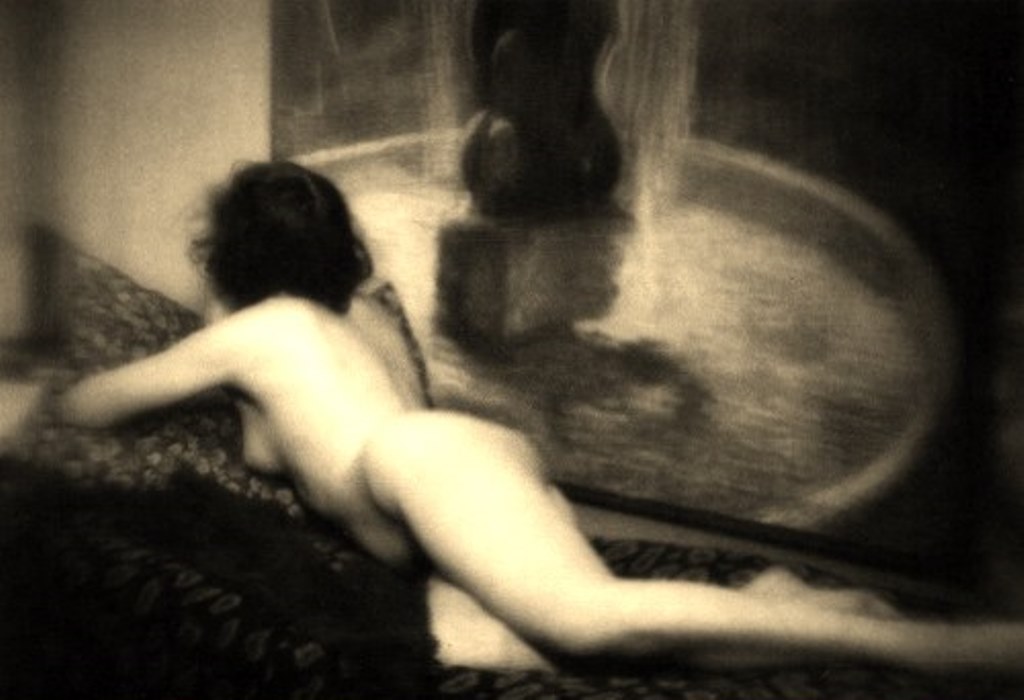
Alexander Grinberg. Nu 1915-1930

Alexander Grinberg. Nu 1915-1930

Alexander Grinberg. Nu 1915-1930

Alexander Grinberg. Nu 1915-1930
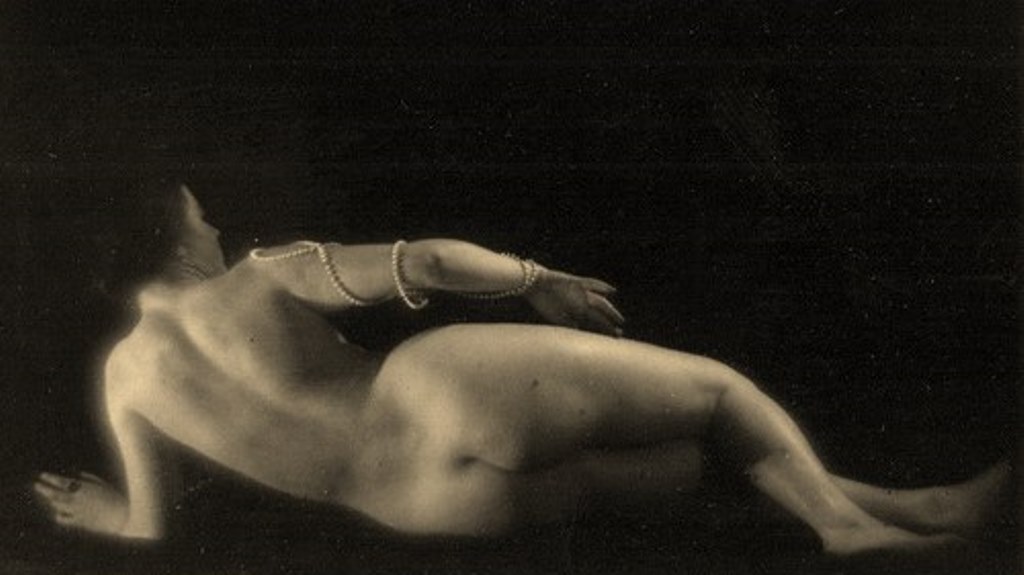
Alexander Grinberg. Nu 1915-1920

Alexander Grinberg. Nu 1915-1930
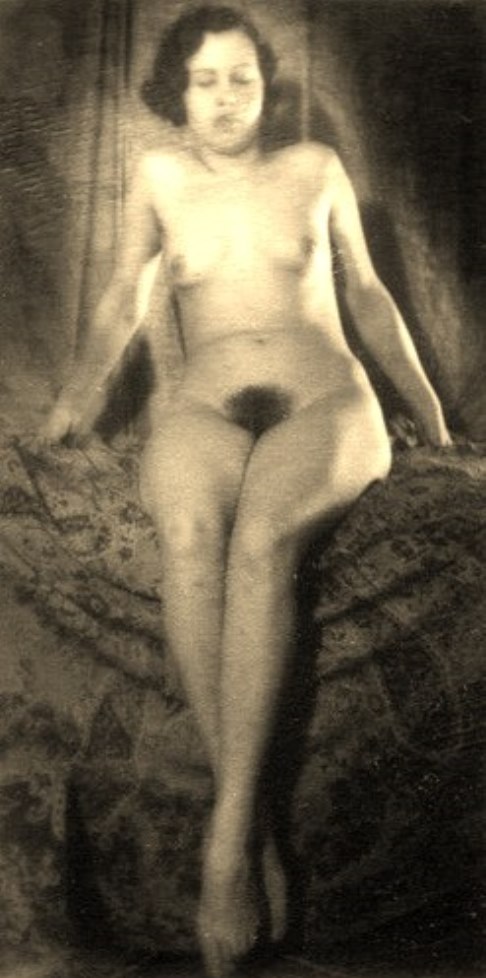
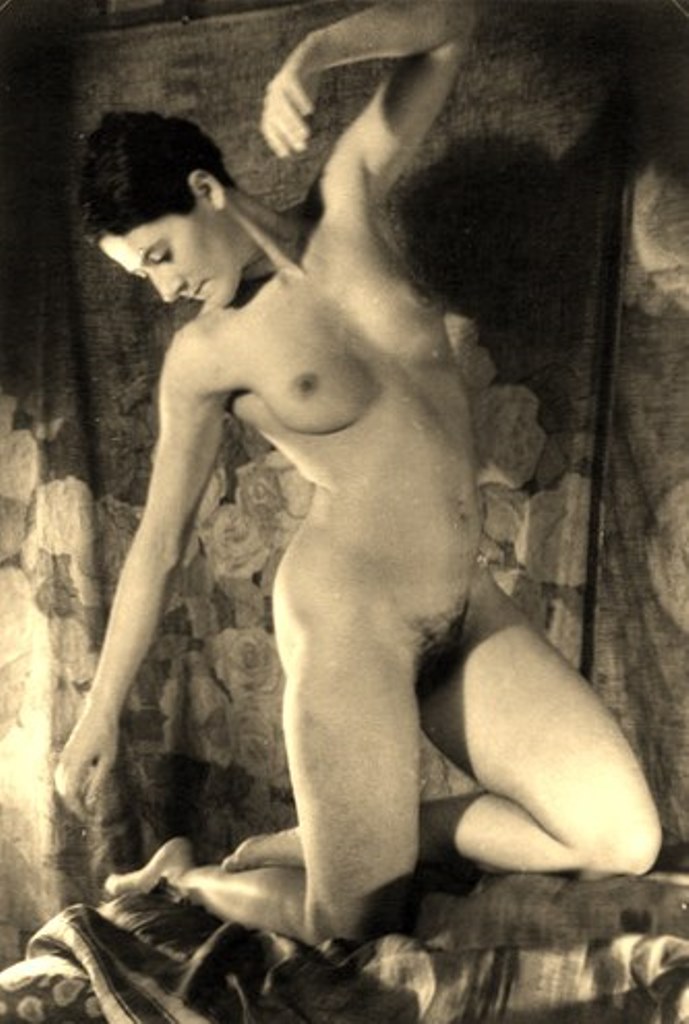
Alexander Grinberg. Nu 1915-1930
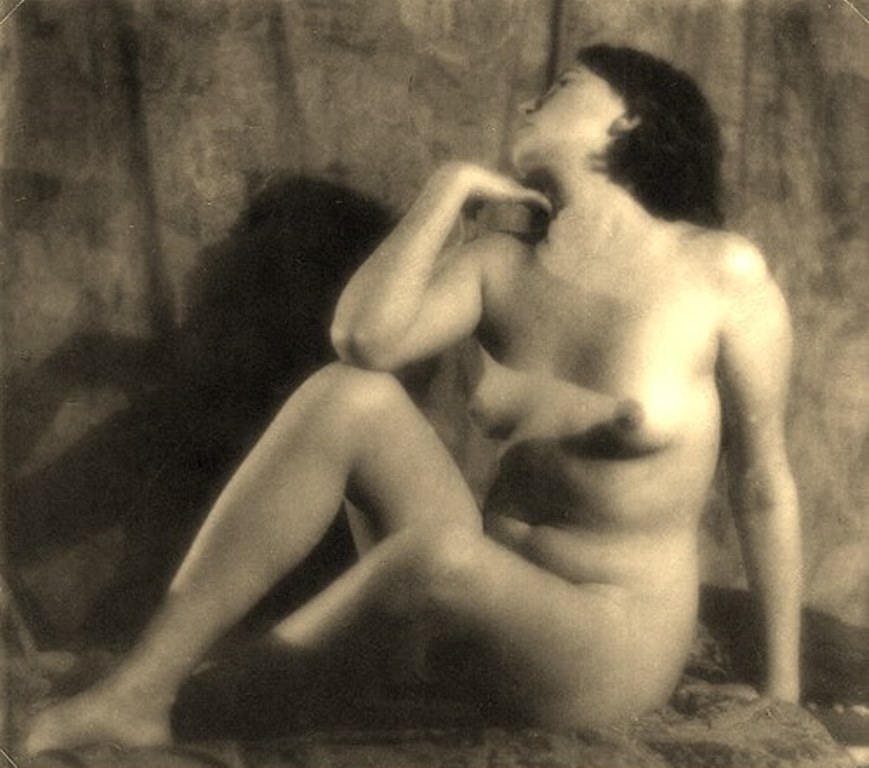
Alexander Grinberg. Nu 1915-1930
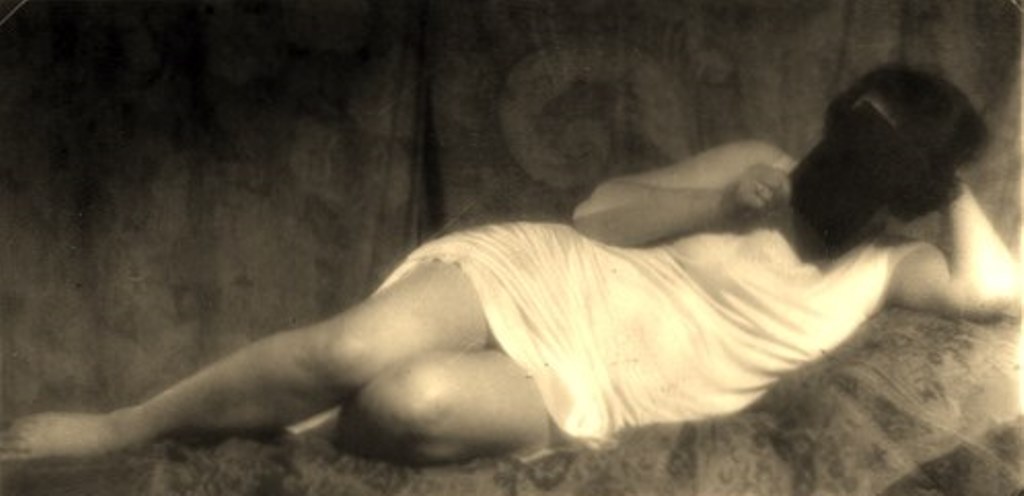
Alexander Grinberg. Nu 1915-1920
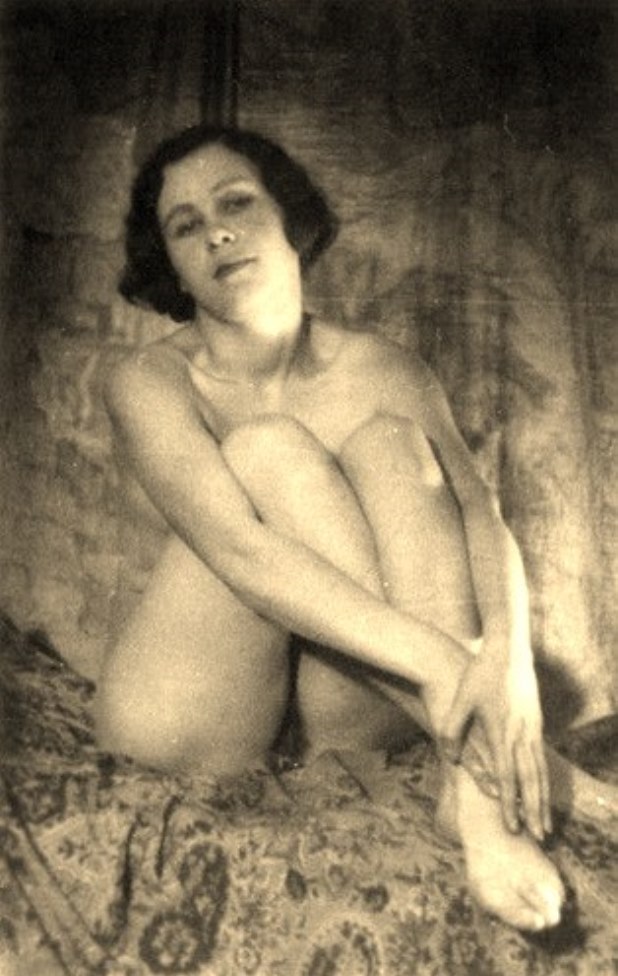
Alexander Grinberg. Nu 1915-1930

Alexander Grinberg. Nu 1915-1930 Via russianphotographs

Alexander Grinberg. Nu 1915-1920

Alexander Grinberg. Nu 1915-1920
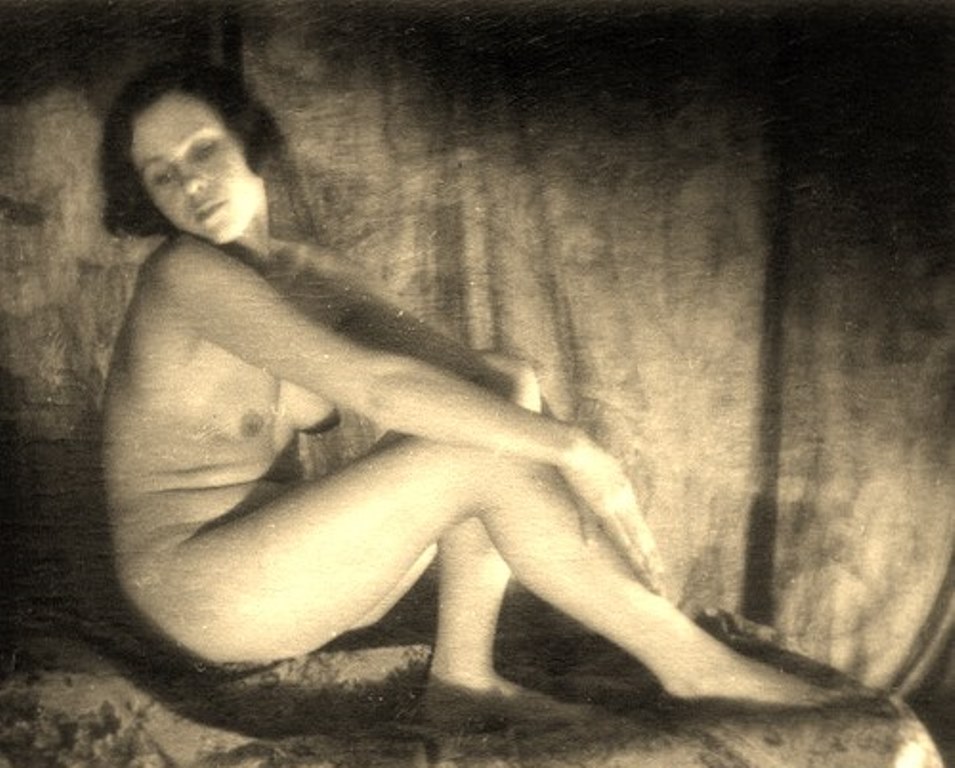
Alexander Grinberg. Nu 1915-1920

Alexander Grinberg. Nu 1915-1920

Alexander Grinberg. Nu 1915-1920
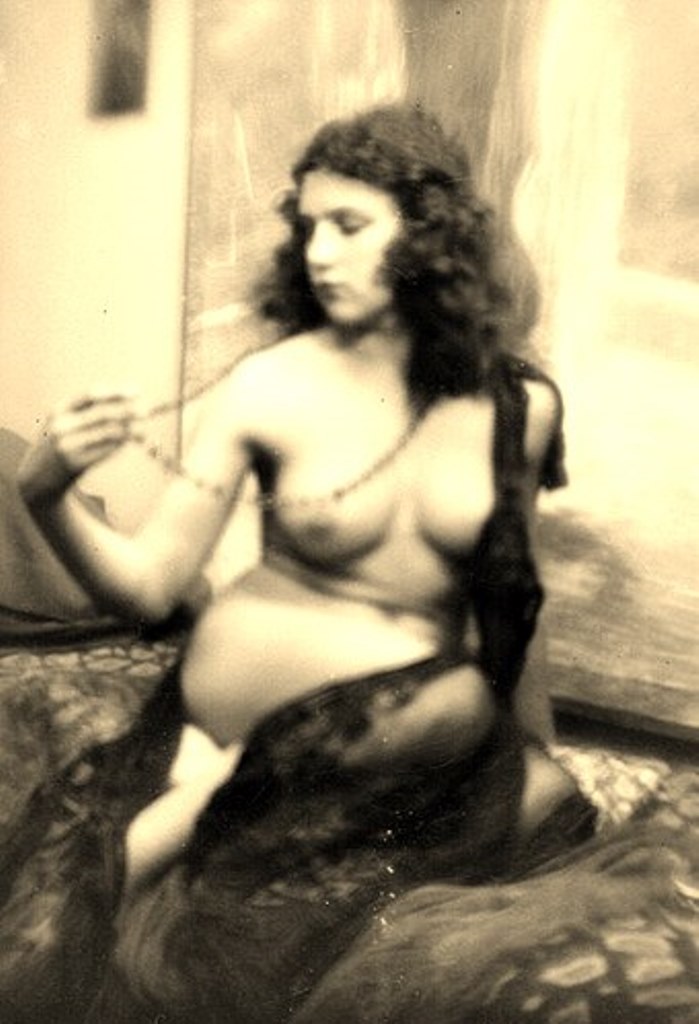
Alexander Grinberg. Nu 1915-1920
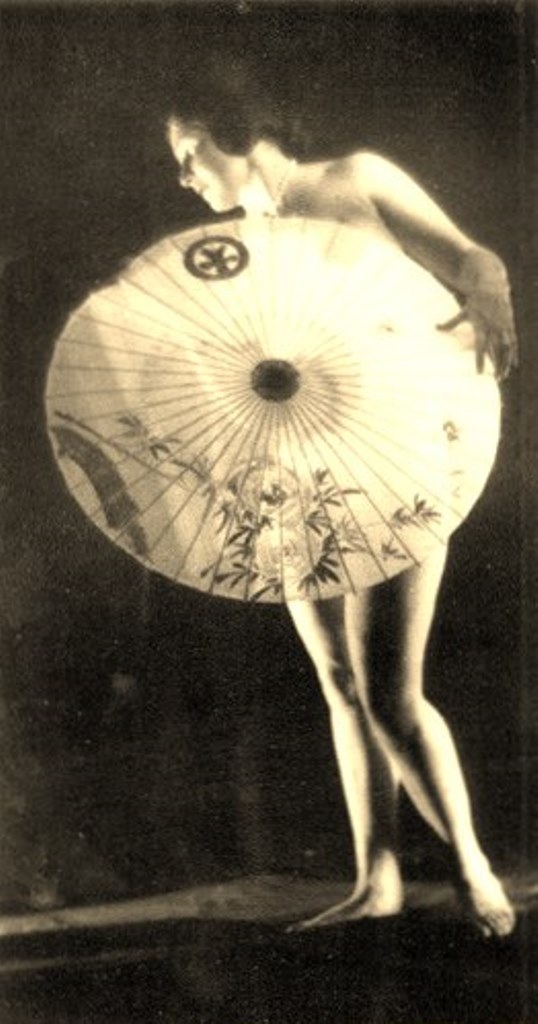
Alexander Grinberg. Nu 1915-1920
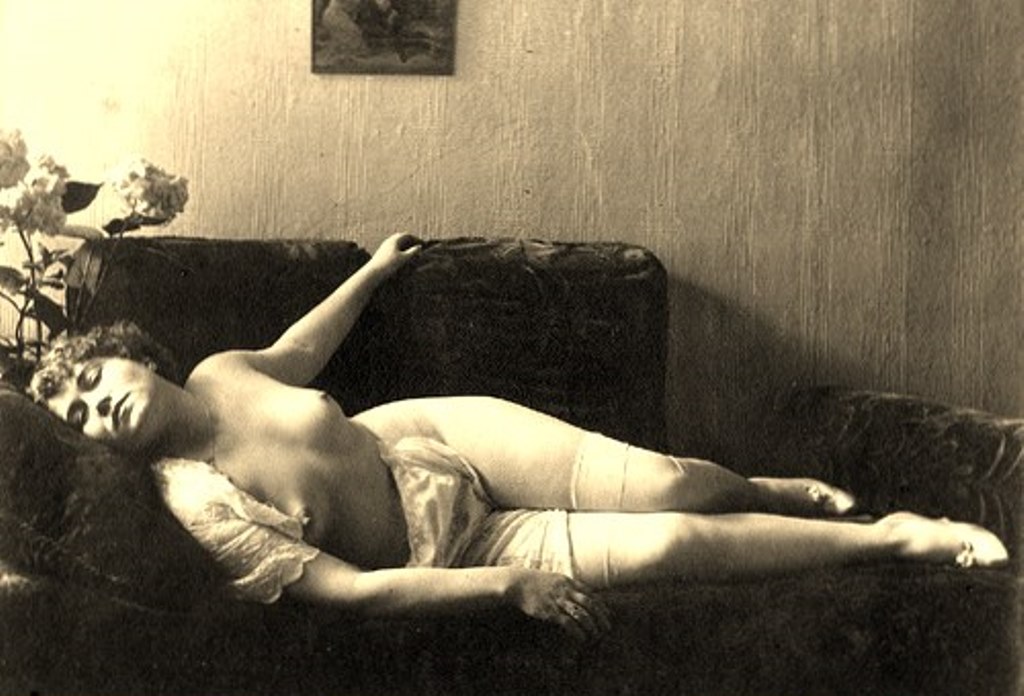
Alexander Grinberg. Nu 1915-1920
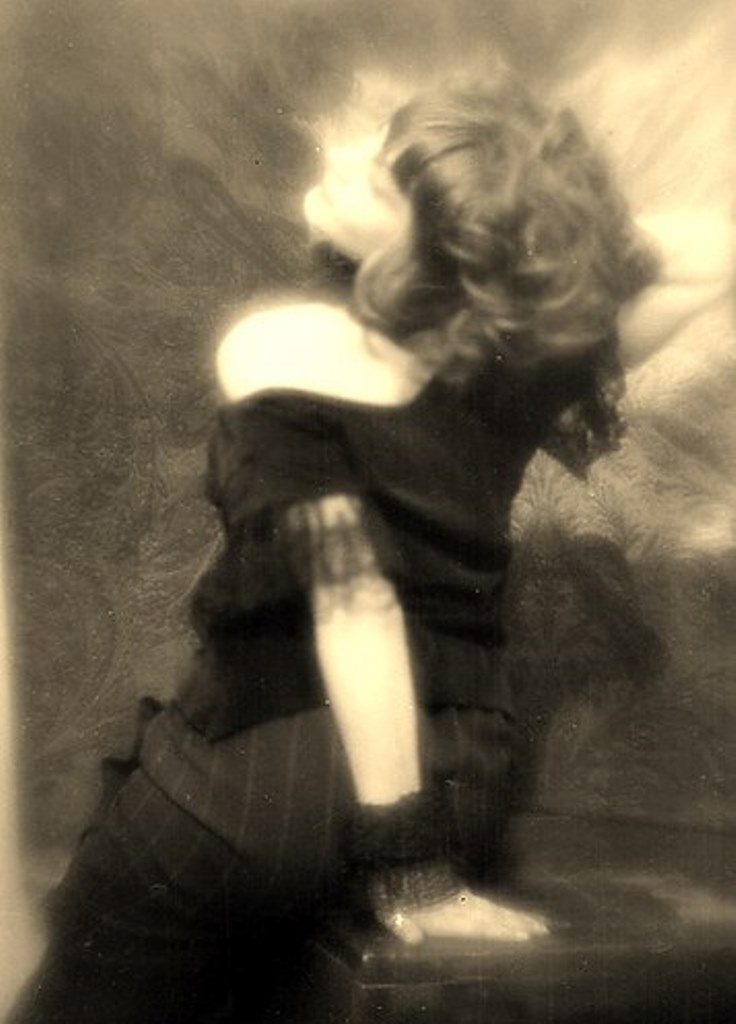
Alexander Grinberg. The art of symbolism 1920
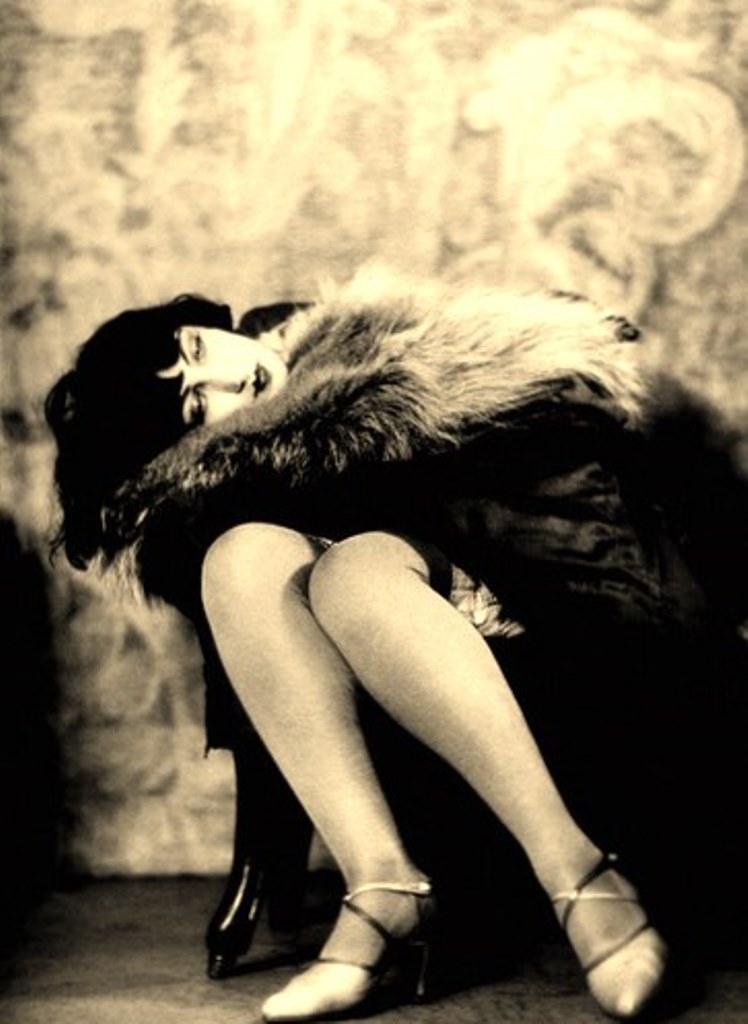
Alexander Grinberg. The art of symbolism 1920
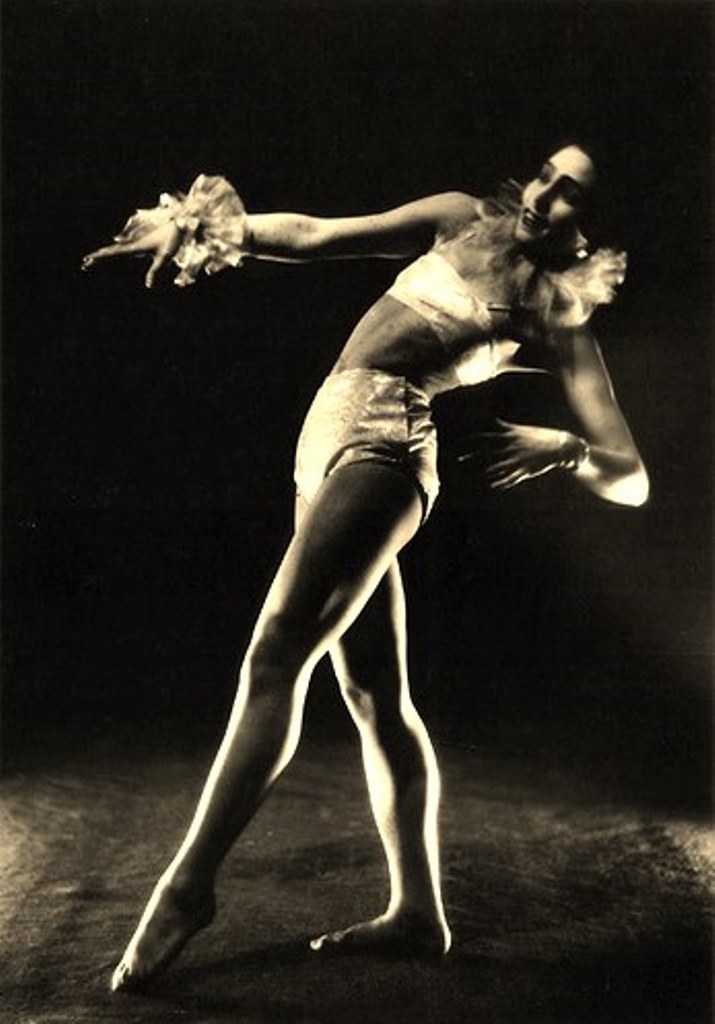
Alexander Grinberg. The art of symbolism 1920.

Alexander Grinberg. The art of symbolism 1920
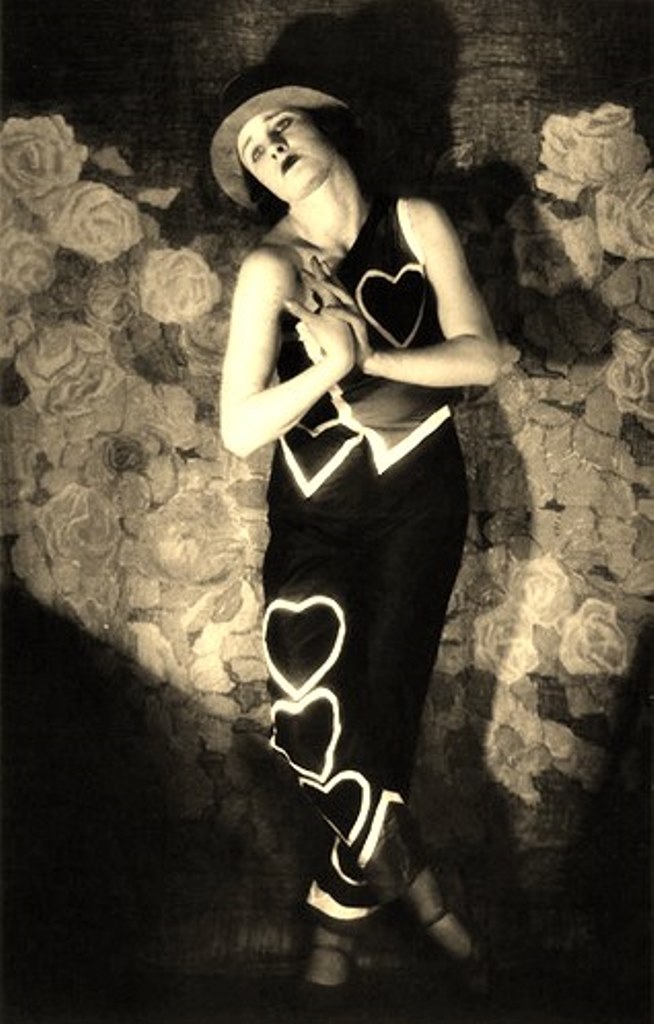
Alexander Grinberg. The art of symbolism 1920
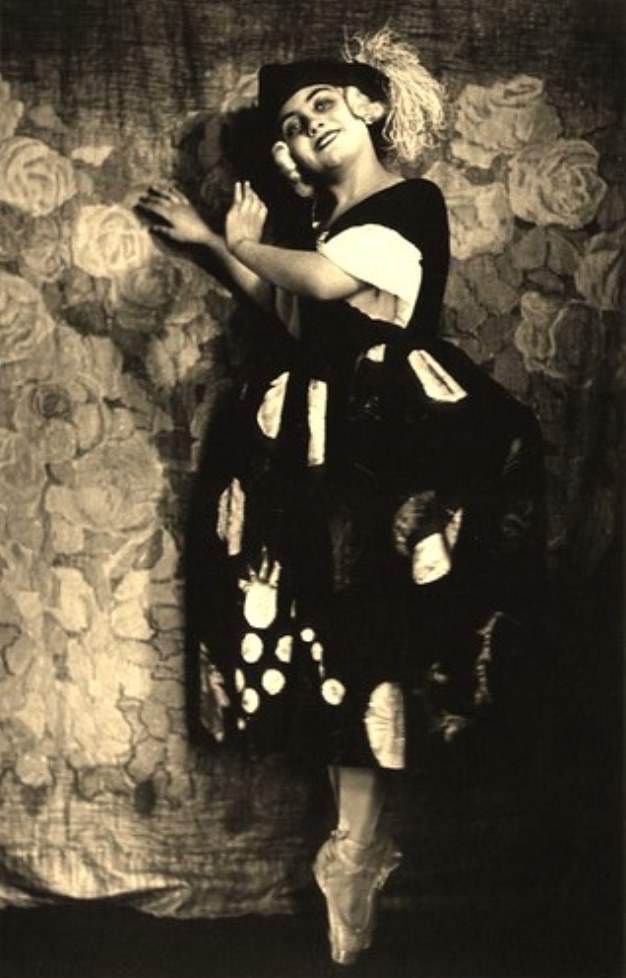
Alexander Grinberg. The Art of Symbolism 1920
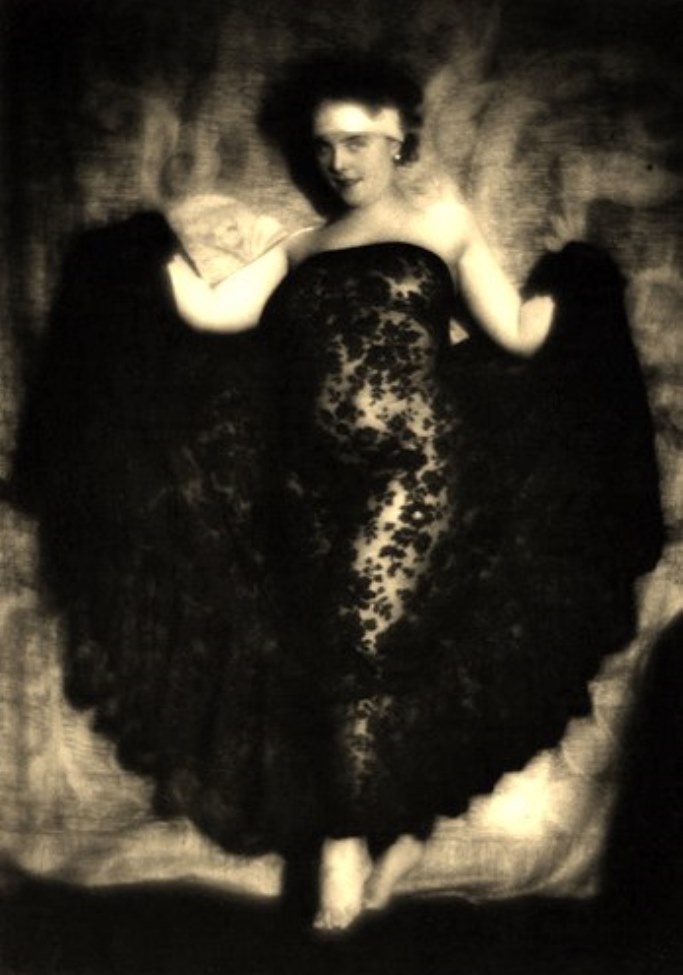
Alexander Grinberg. The art of symbolism 1920 Via russianphotographs
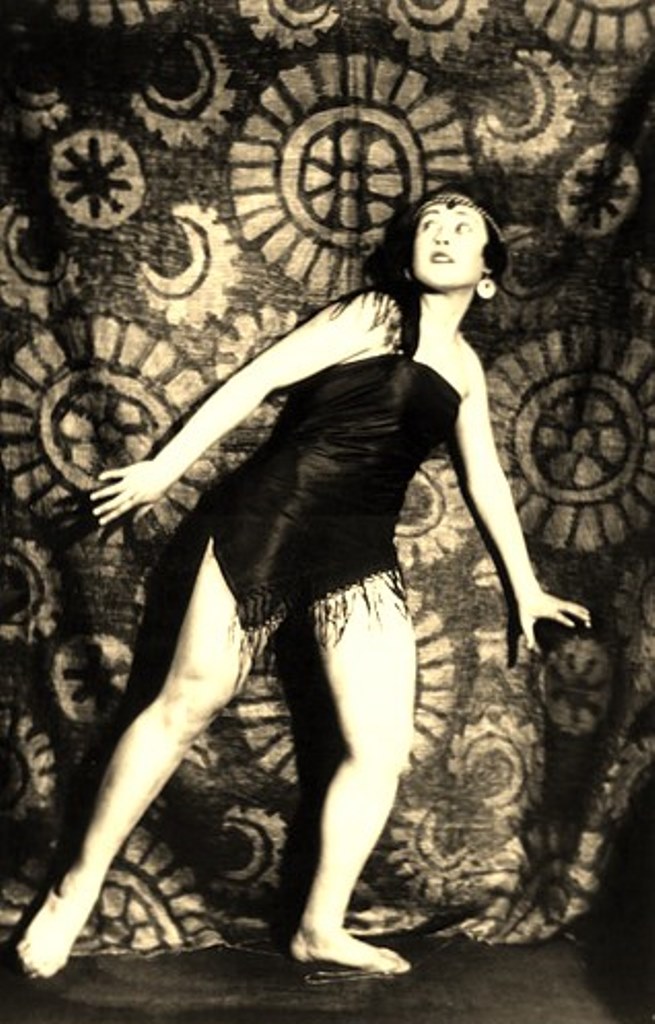
Alexander Grinberg. The art of symbolism 1920
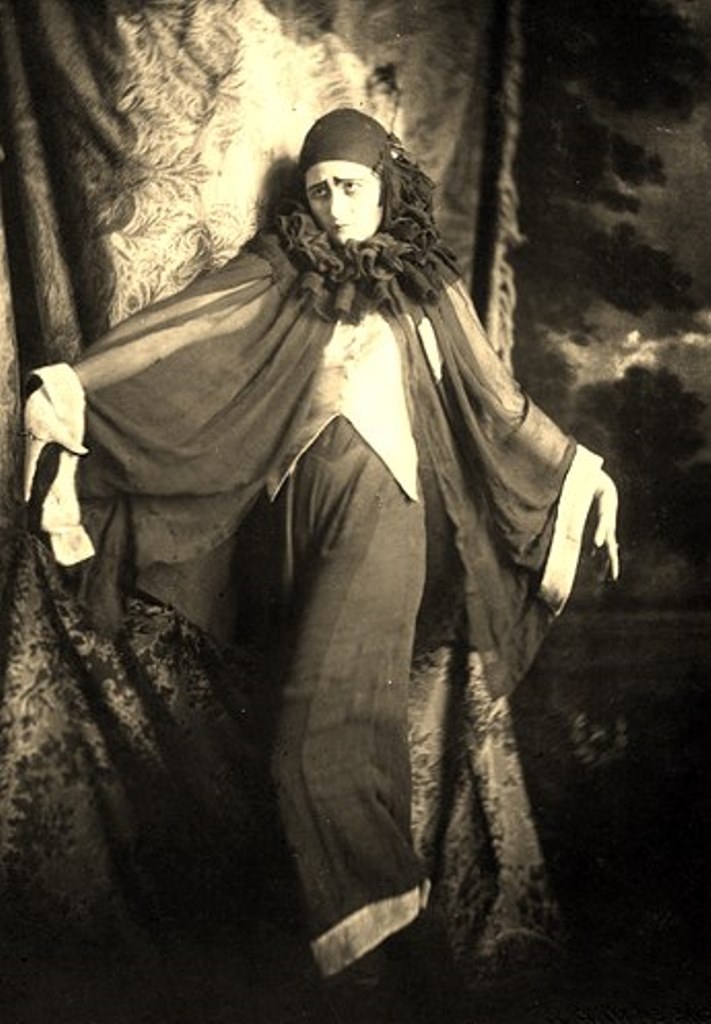
Alexander Grinberg. The art of symbolism 1920

Alexander Grinberg. The art of symbolism 1920
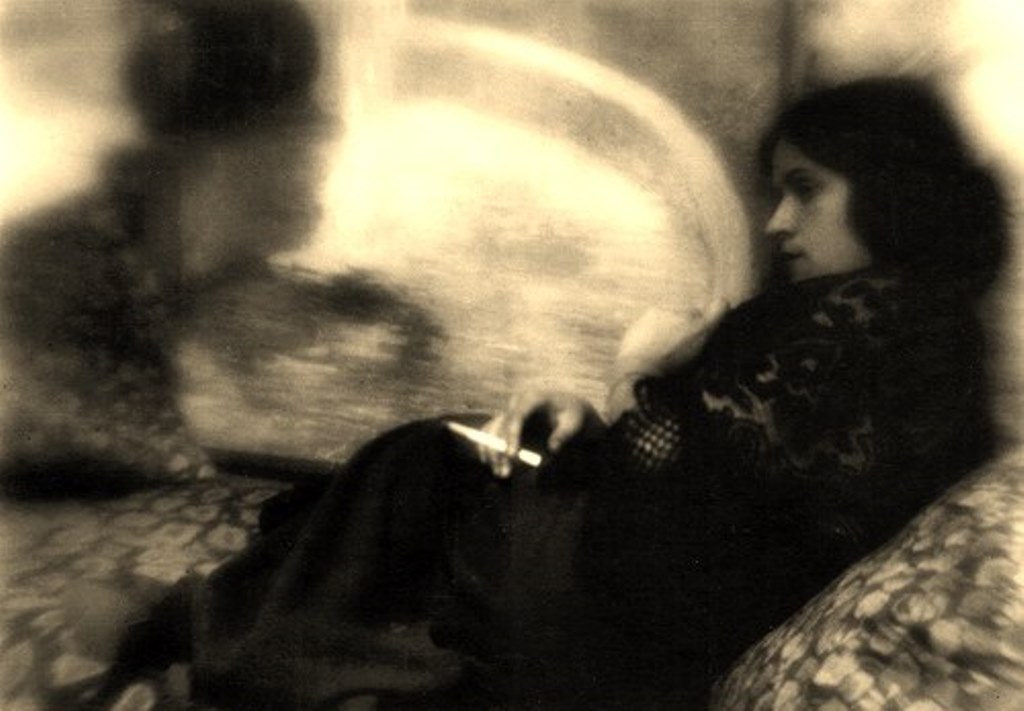
Alexander Grinberg. The art of symbolism 1920
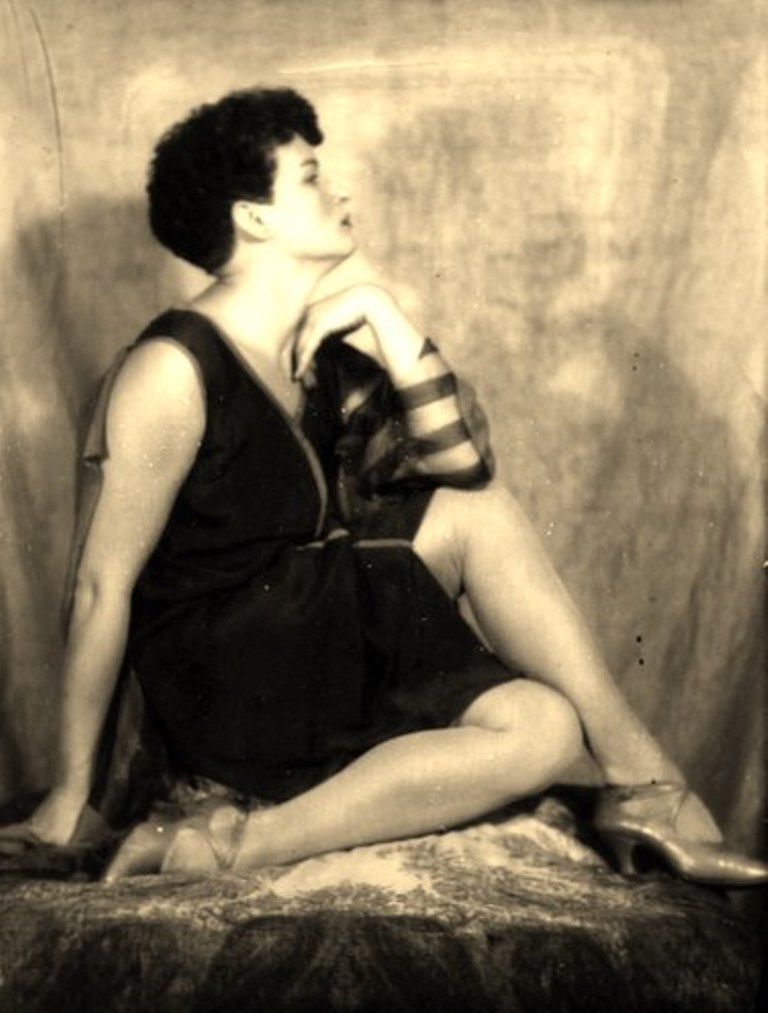
Alexander Grinberg. The art of symbolism 1920

Alexander Grinberg. The art of symbolism 1920

Alexander Grinberg. The art of symbolism 1920
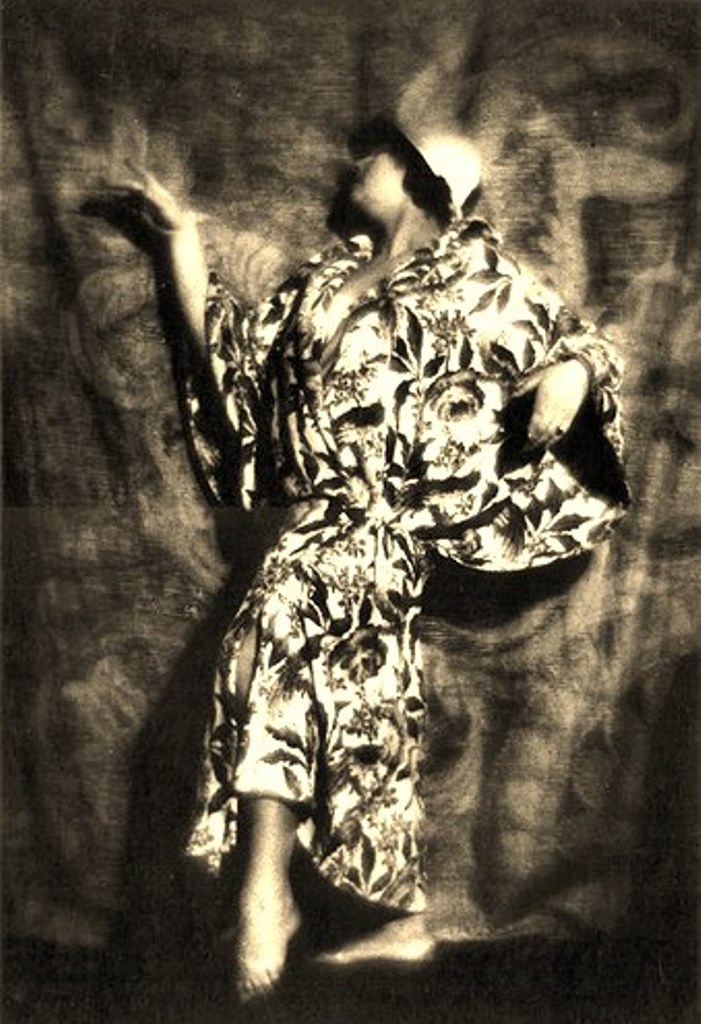
Alexander Grinberg. The art of symbolism 1920
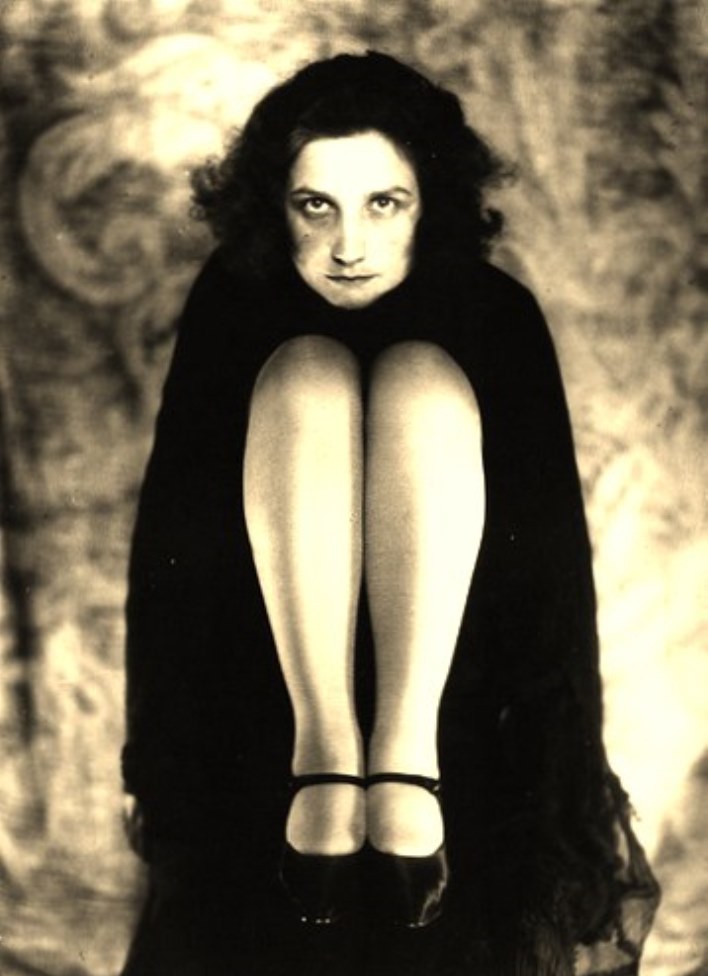
Alexander Grinberg. The art of symbolism 1920
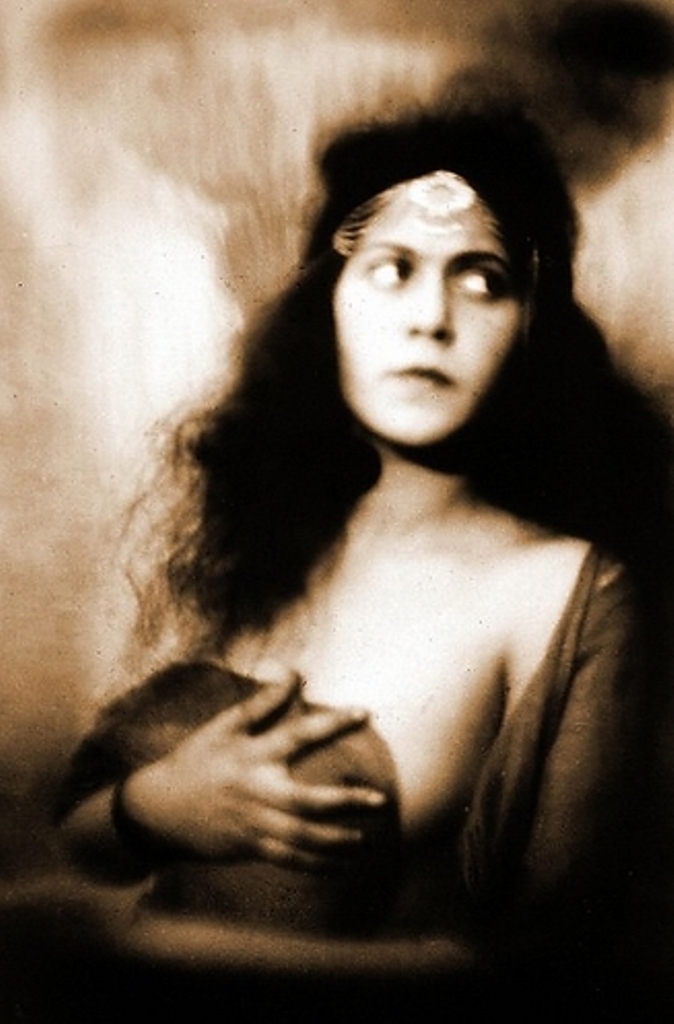
Alexander Grinberg. The art of symbolism 1920
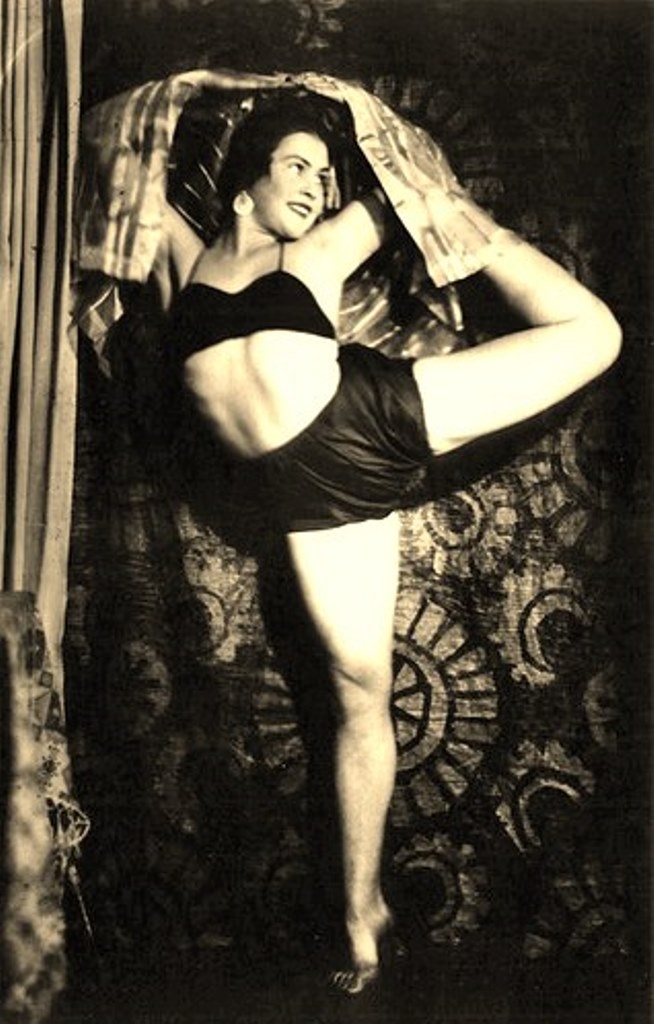
Alexander Grinberg. The art of symbolism 1920
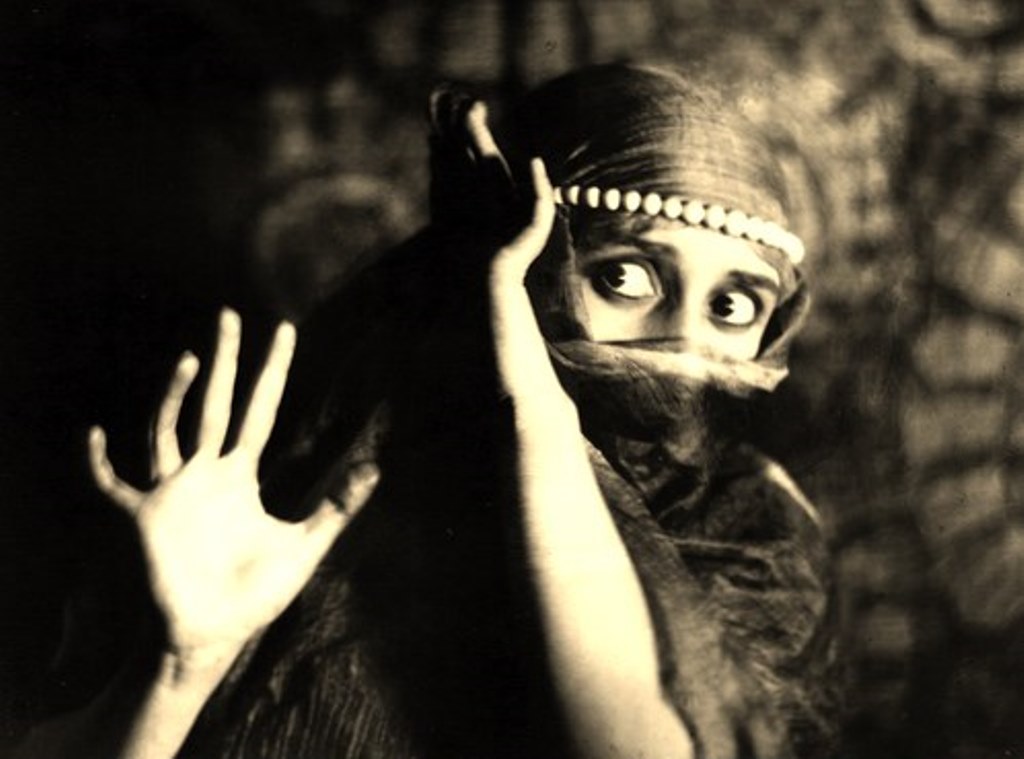
Alexander Grinberg. The art of symbolism 1920
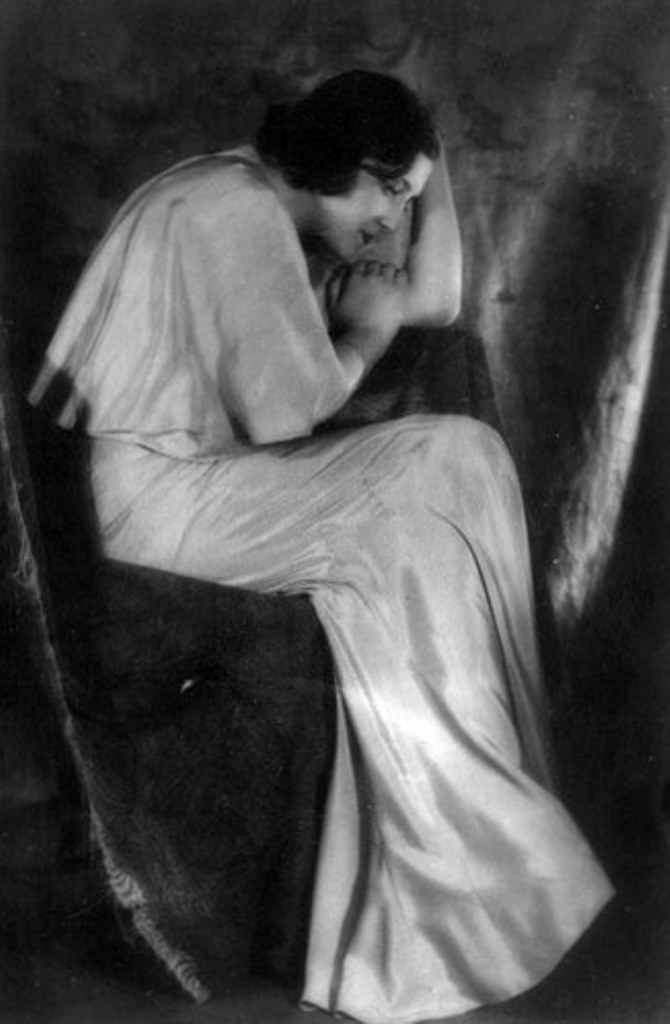
Alexander Grinberg. The art of symbolism 1920
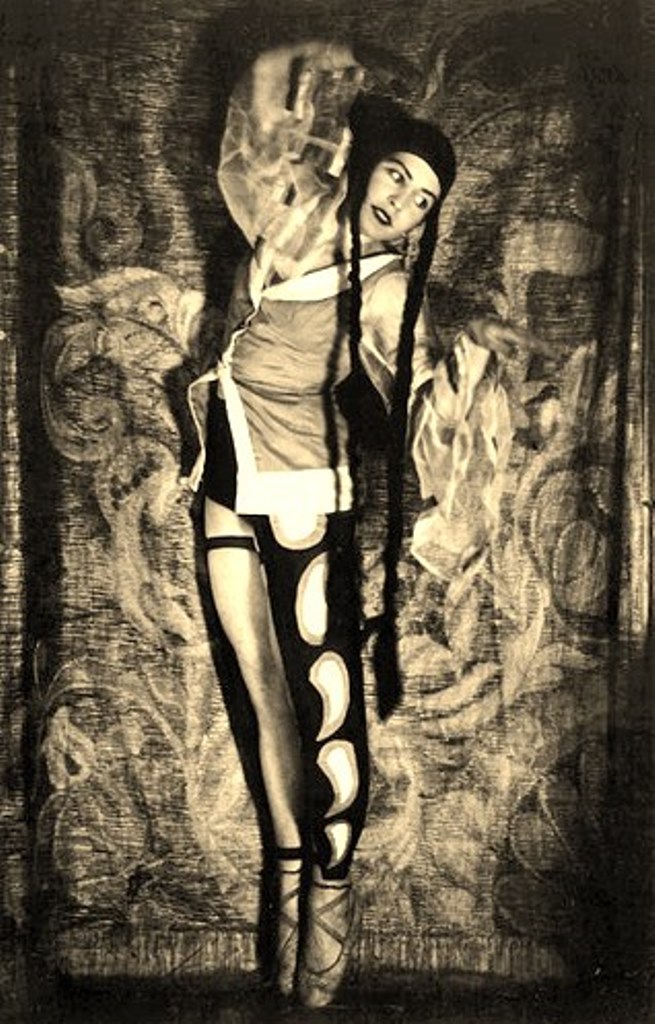
Alexander Grinberg. The Theatre of Meyerhold 1920
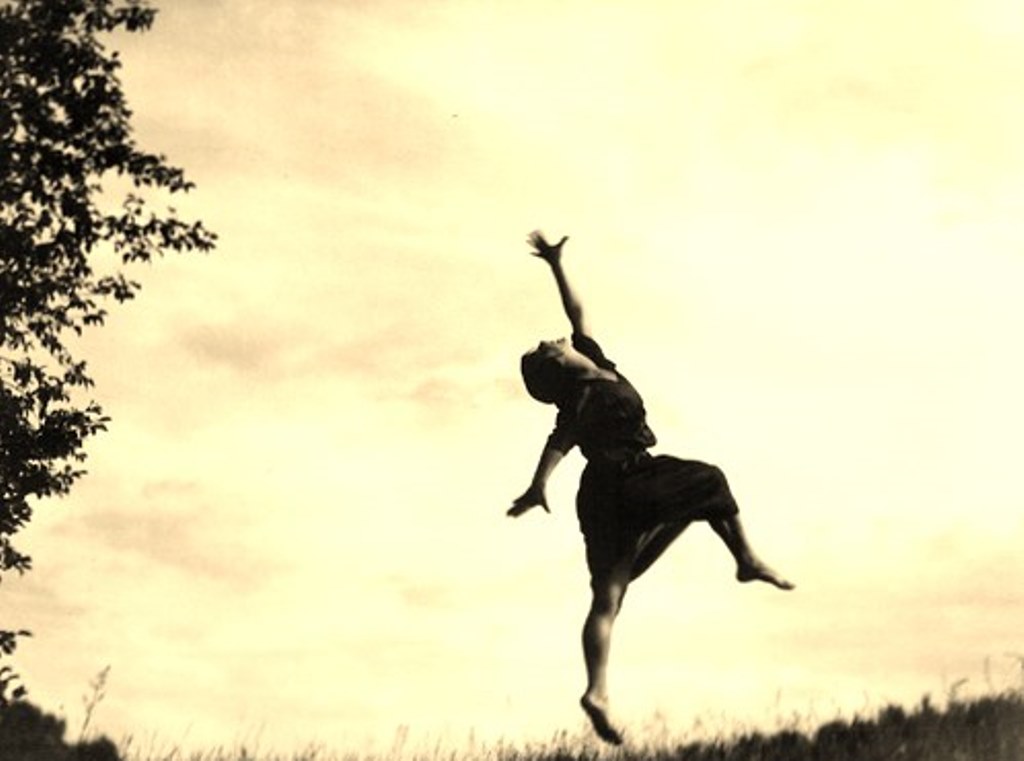
Alexander Grinberg. The Art of Movement 1920

Alexander Grinberg. The Art of Movement 1920
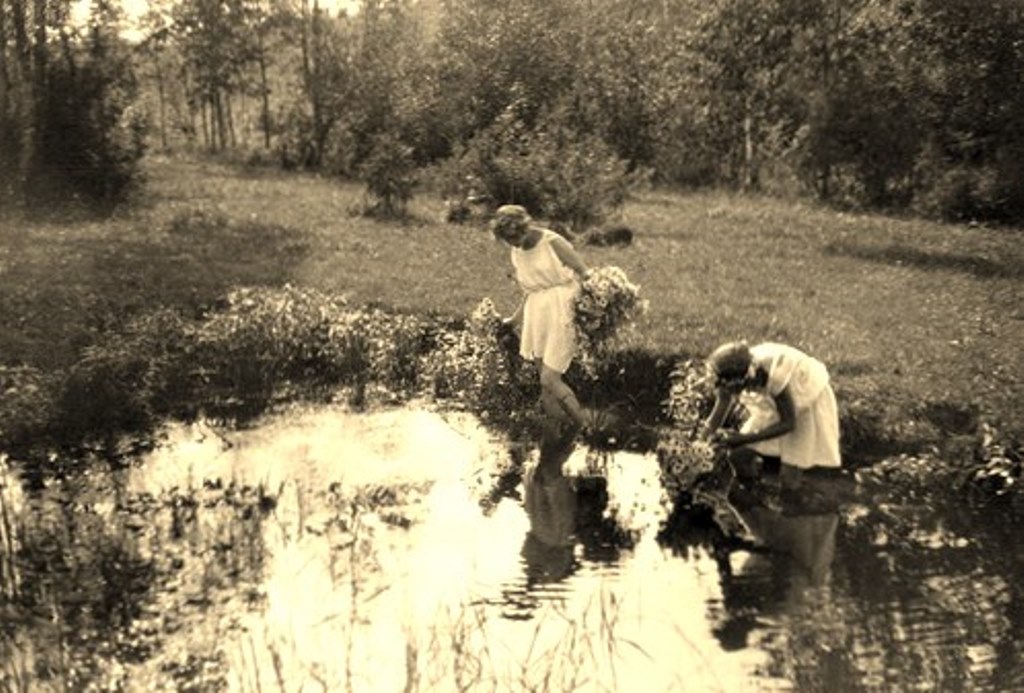
Alexander Grinberg. The antique theatre in Russian estate 1920

Alexander Grinberg. The Art of Movement 1920
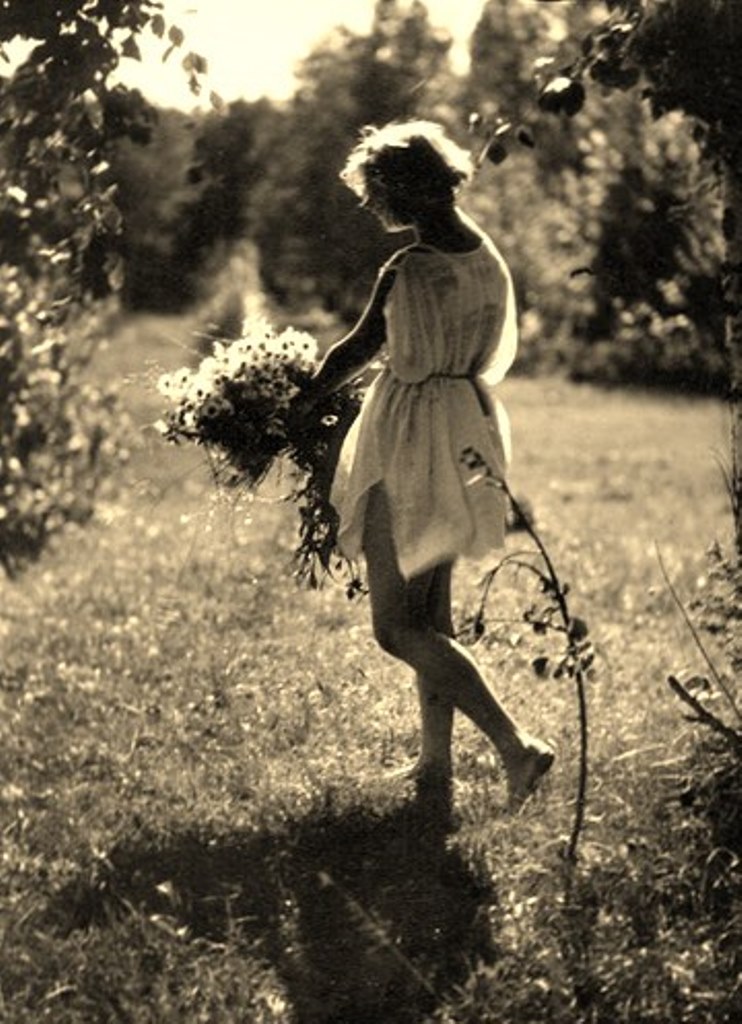
Alexander Grinberg. The antique theatre in Russian estate 1920
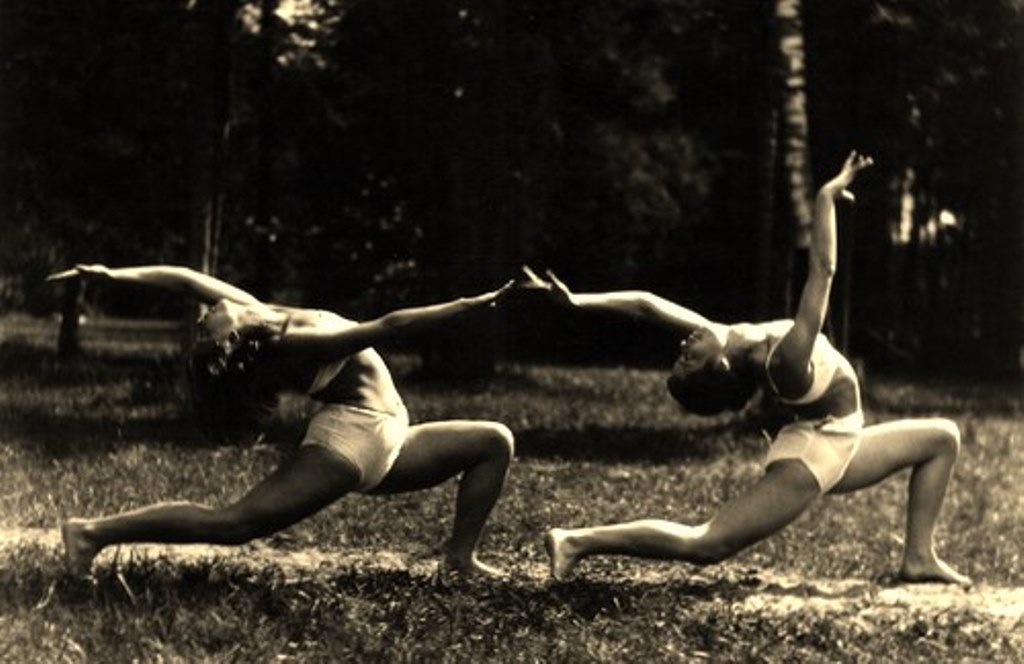
Alexander Grinberg. The Art of Movement 1920
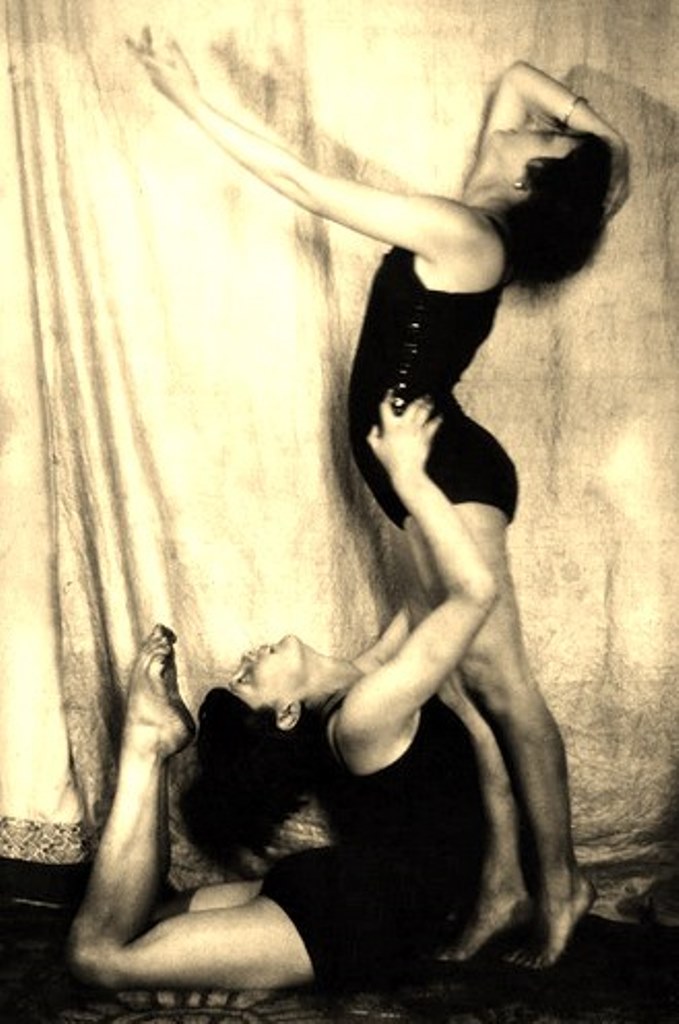
Alexander Grinberg. The Theatre of Meyerhold 1920

Alexander Grinberg. The Theatre of Meyerhold 1920
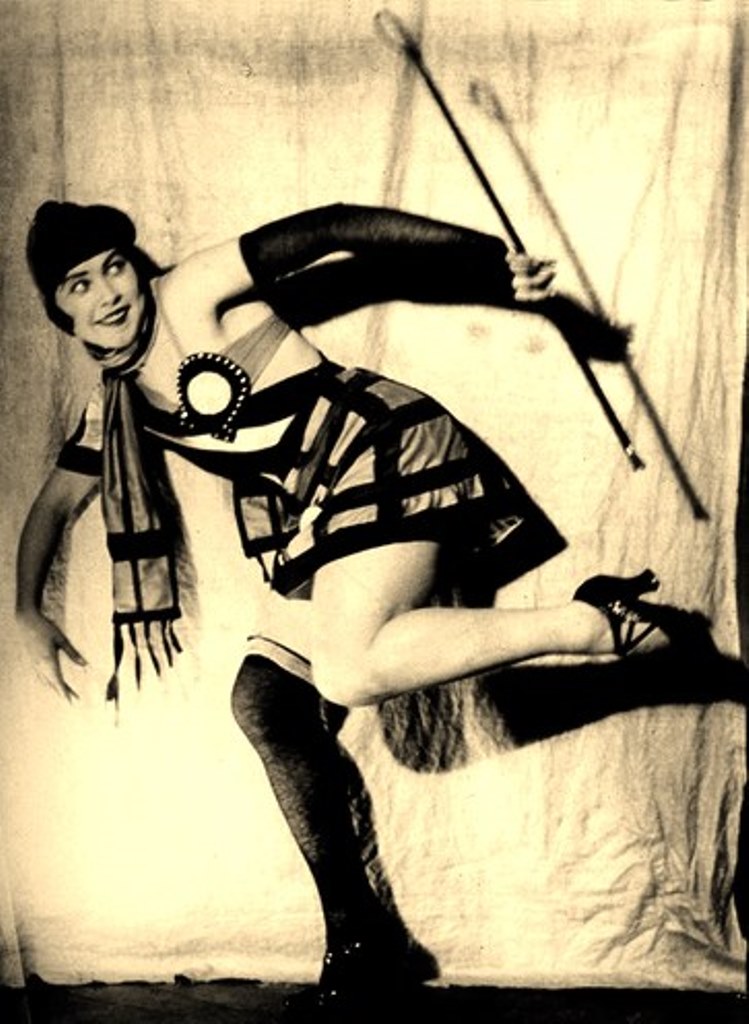
Alexander Grinberg. The Theatre of Meyerhold 1920
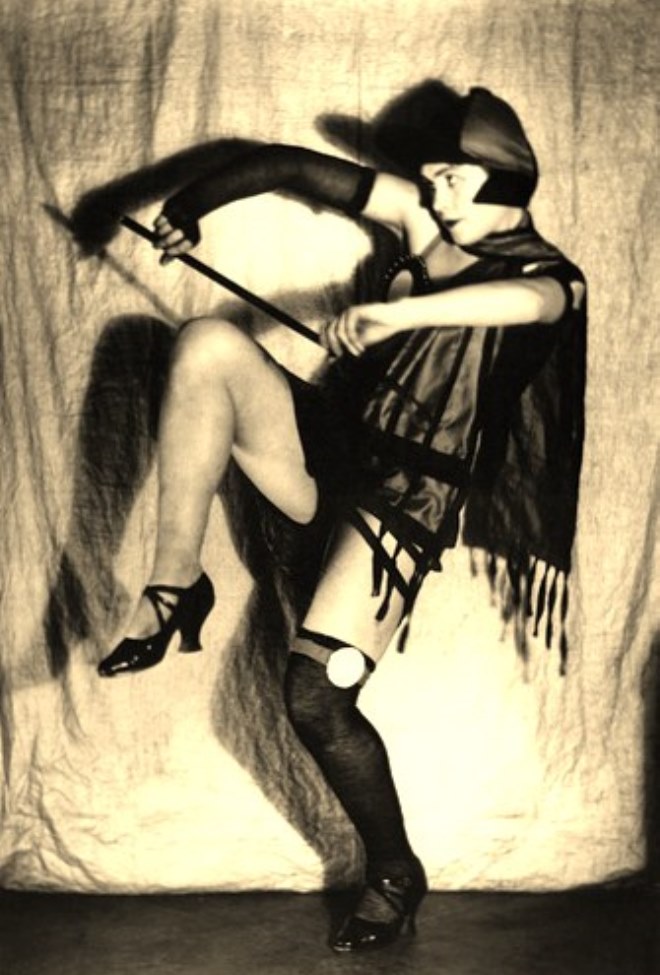
Alexander Grinberg. The Theatre of Meyerhold 1920
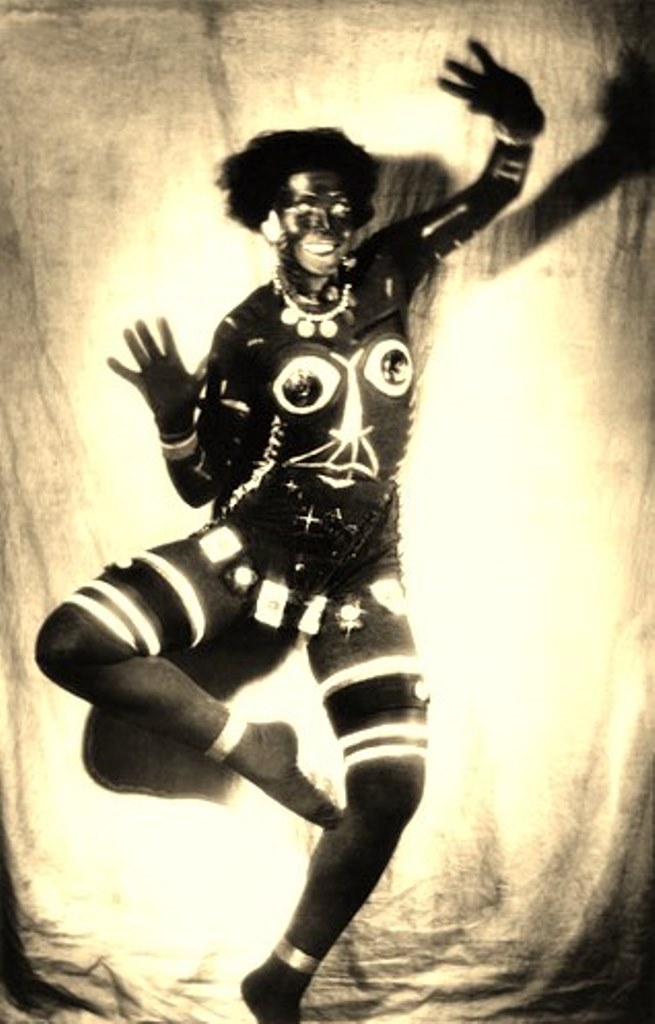
Alexander Grinberg. The Theatre of Meyerhold 1920

Alexander Grinberg. The Theatre of Meyerhold 1920

Alexander Grinberg. The antique theatre in Russian estate 1920
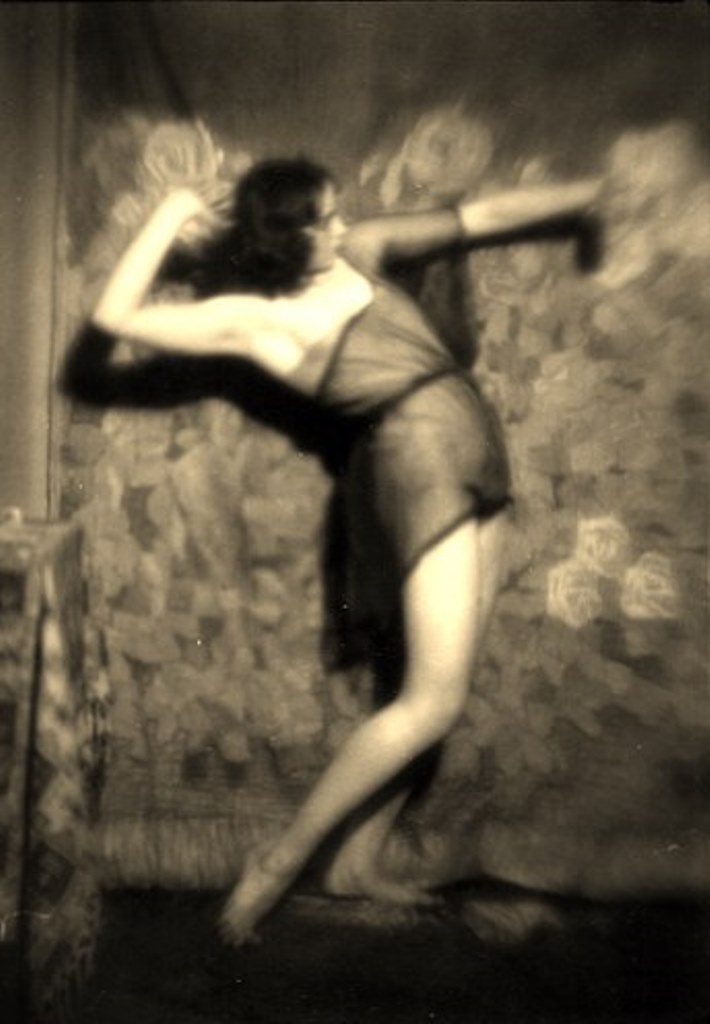
Alexander Grinberg. The Theatre of Meyerhold 1920
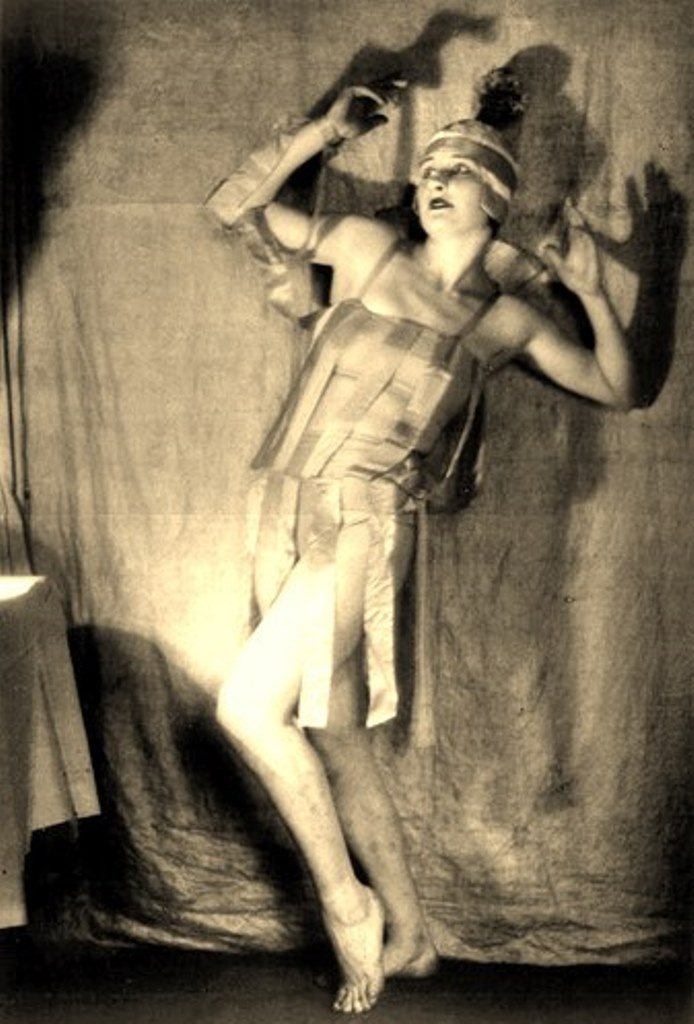
Alexander Grinberg. The Theatre of Meyerhold 1920

Alexander Grinberg. The Art of Movement 1920
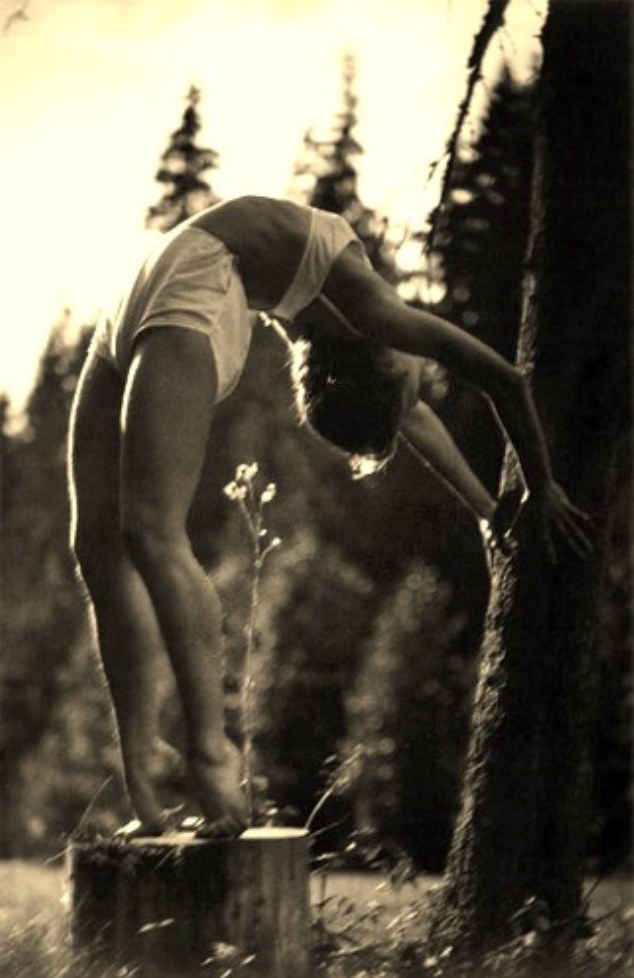
Alexander Grinberg. The Art of Movement 1920
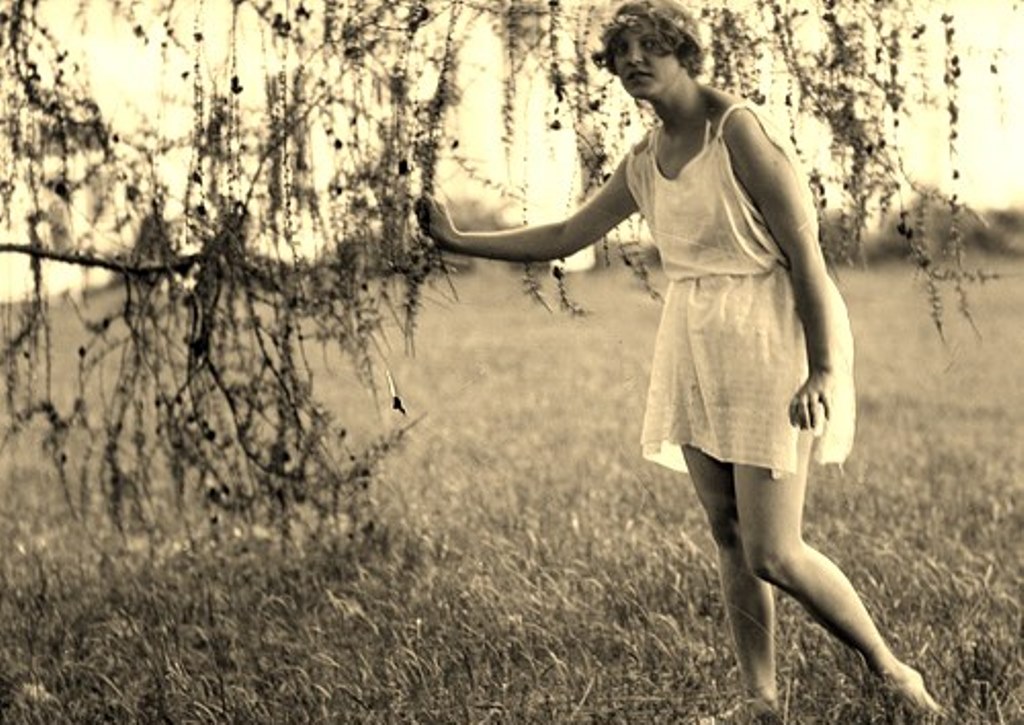
Alexander Grinberg. The Antique Theatre in Russian Estate 1920
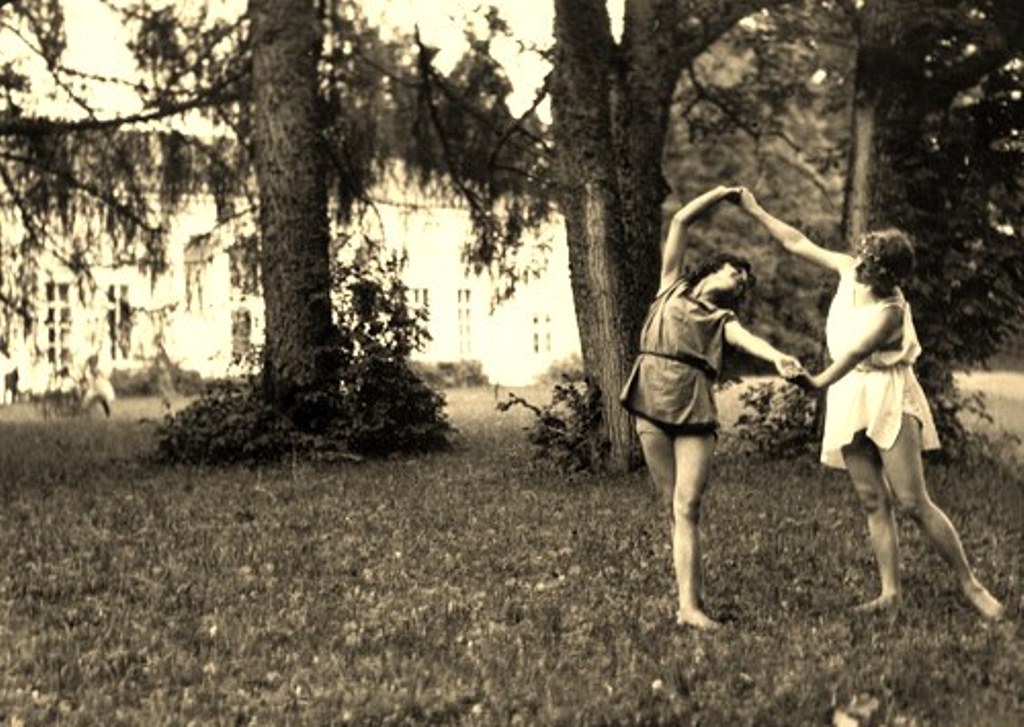
Alexander Grinberg. The Antique Theatre in Russian Estate 1920

Alexander Grinberg. Nu 1915-1930

Alexander Grinberg. Nu 1915-1930
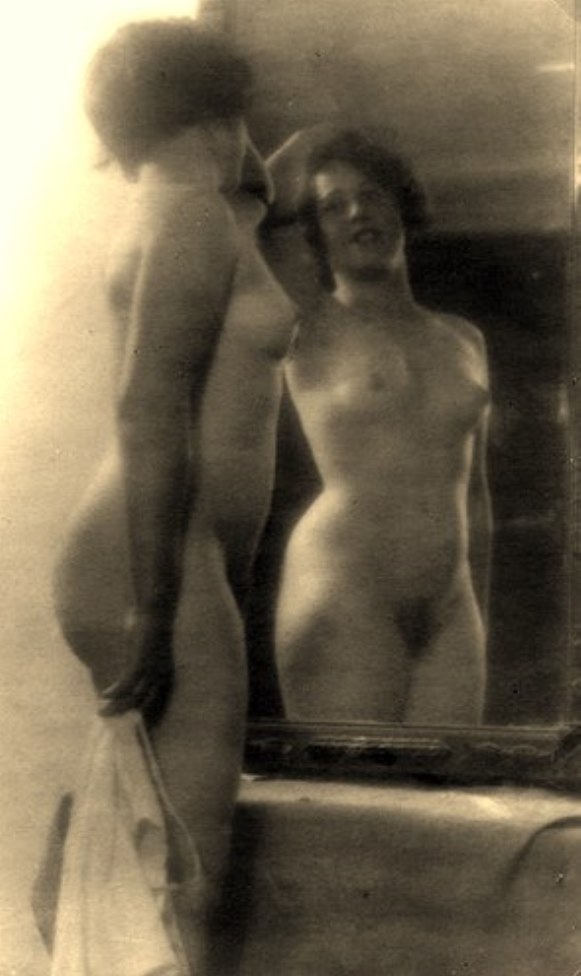
Alexander Grinberg. Nu 1915-1930
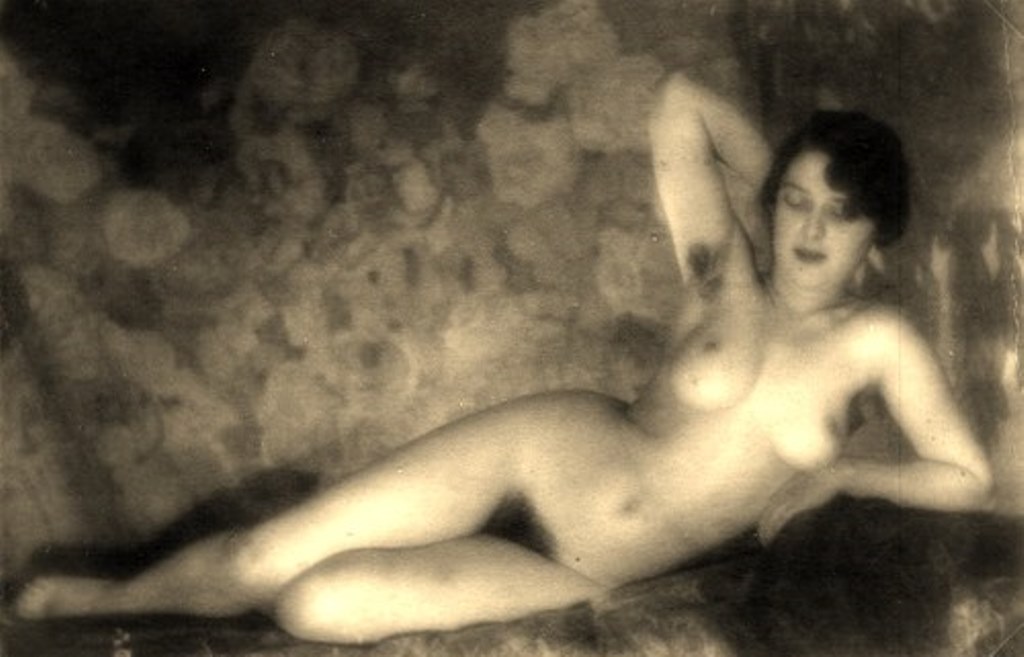
Alexander Grinberg. Nu 1915-1930
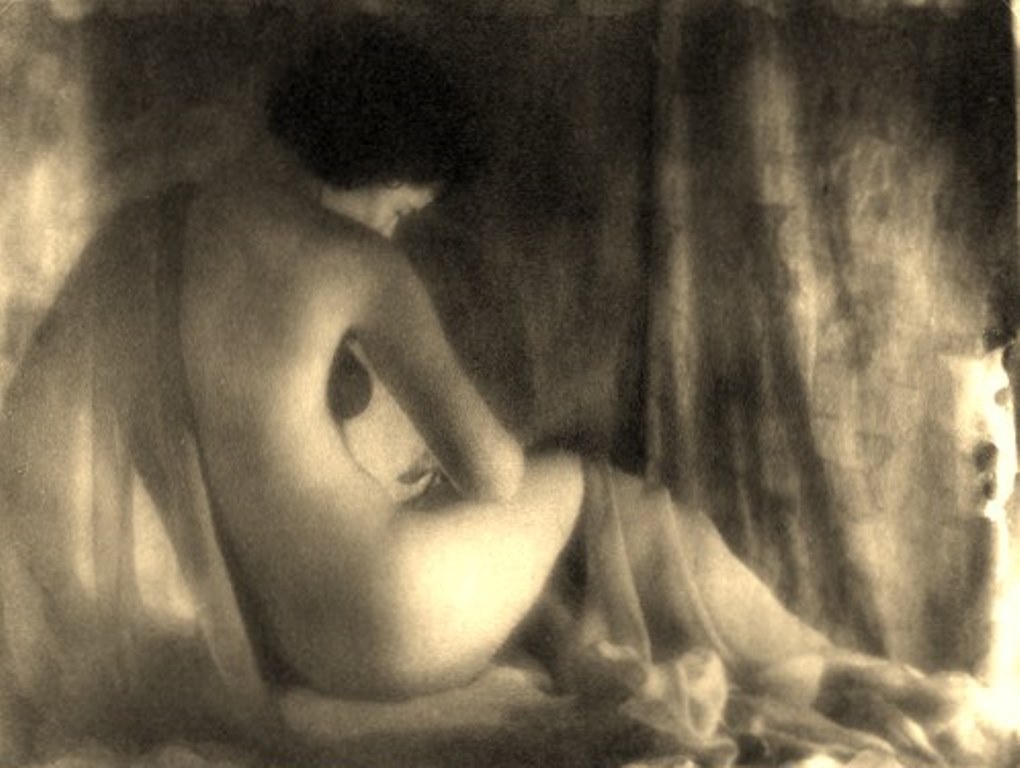
Alexander Grinberg. Nu 1915-1930

Alexander Grinberg. Nu 1915-1930
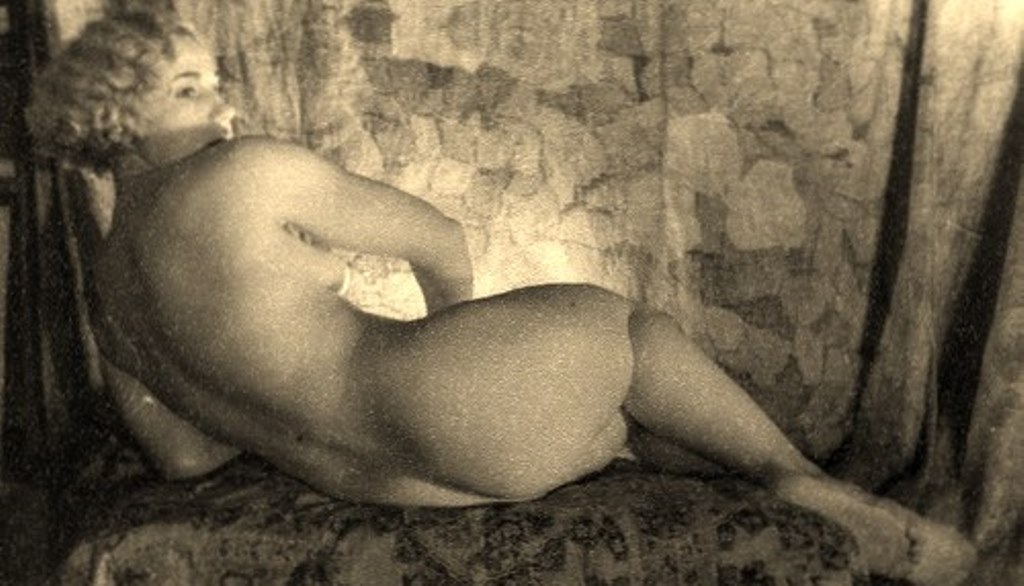
Alexander Grinberg. Nu 1915-1930
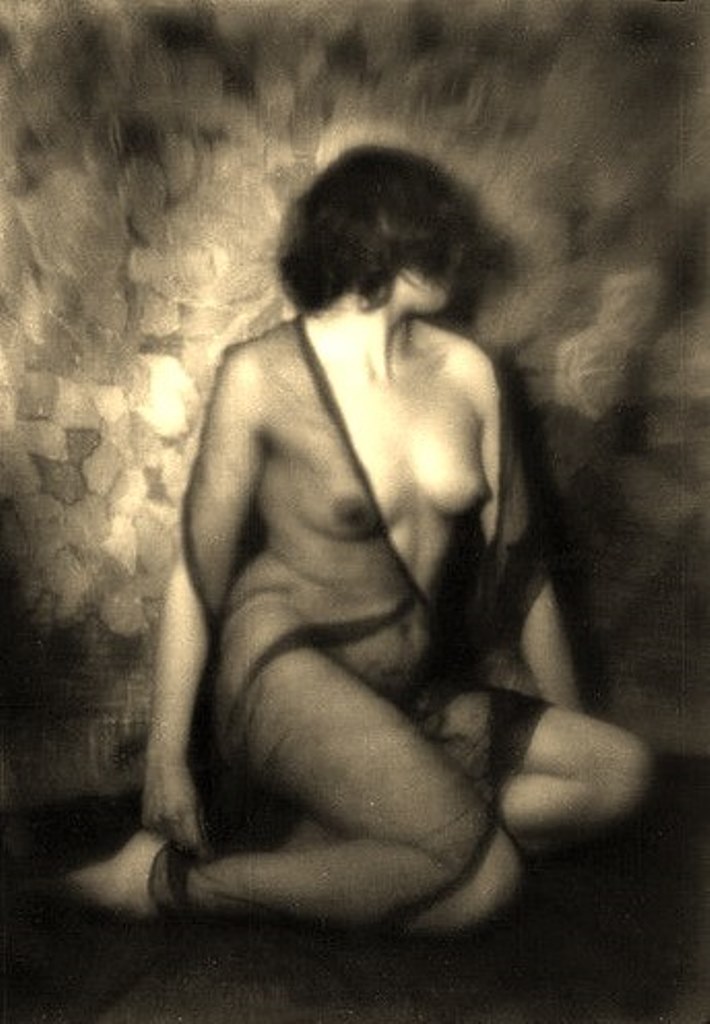
Alexander Grinberg. Nu 1910-1915
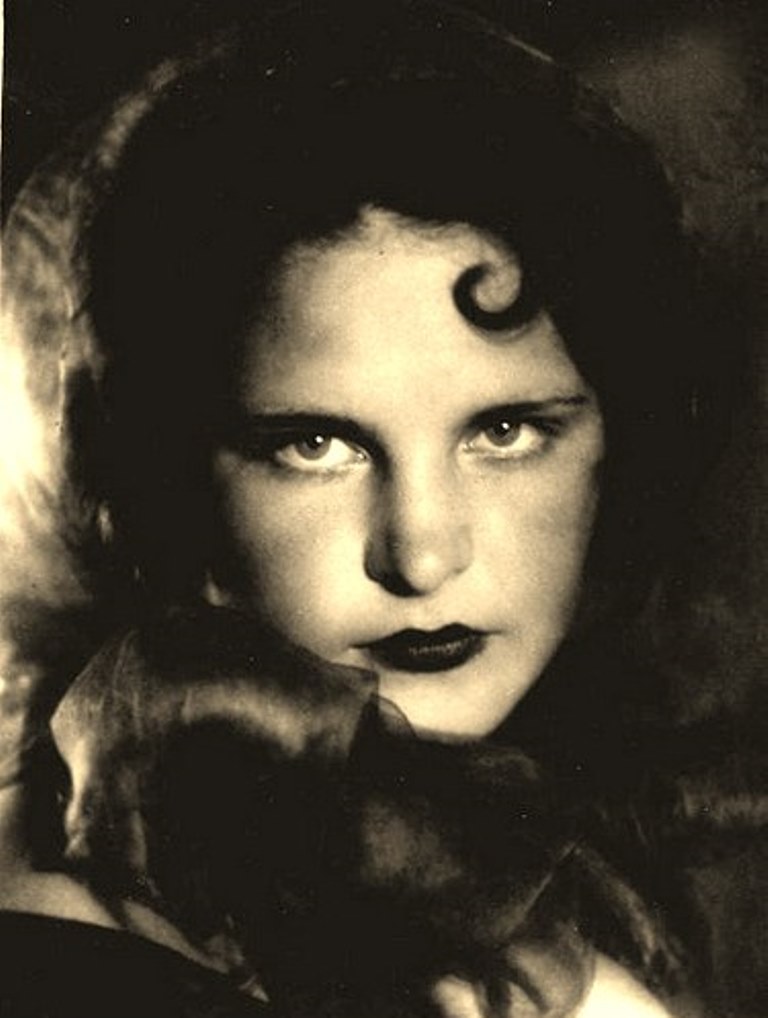
Alexander Grinberg. Portrait 1920
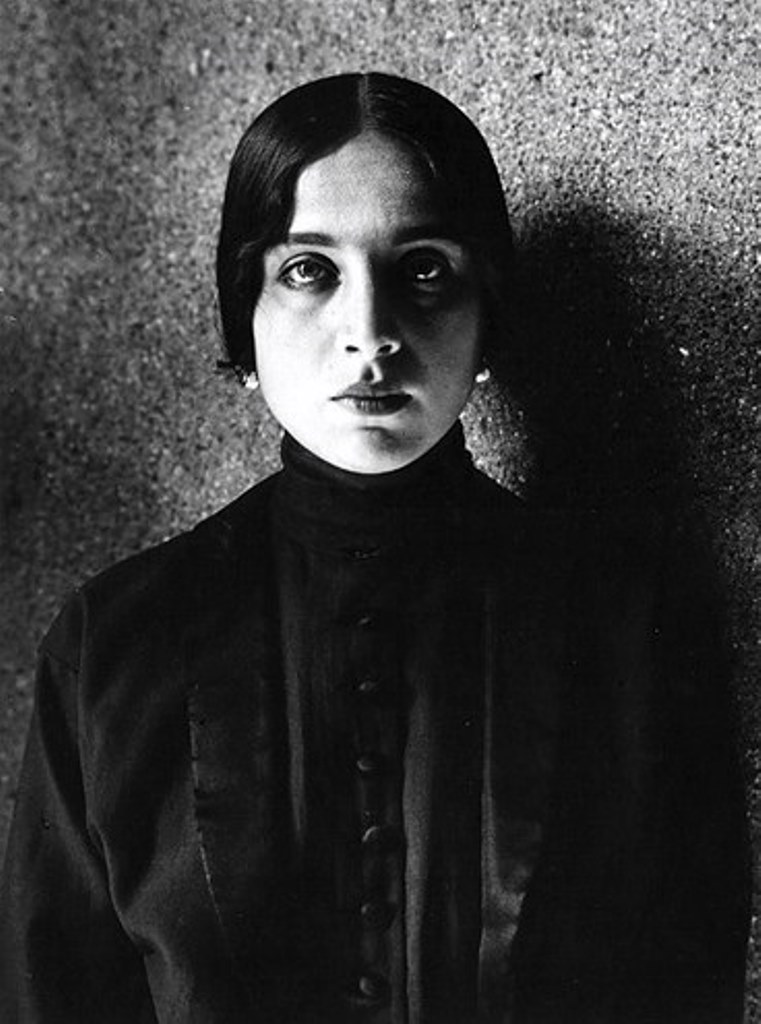
Alexander Grinberg. Portrait 1920

Alexander Grinberg. Portrait 1920

Alexander Grinberg. Portrait 1920

Alexander Grinberg. Portrait 1920
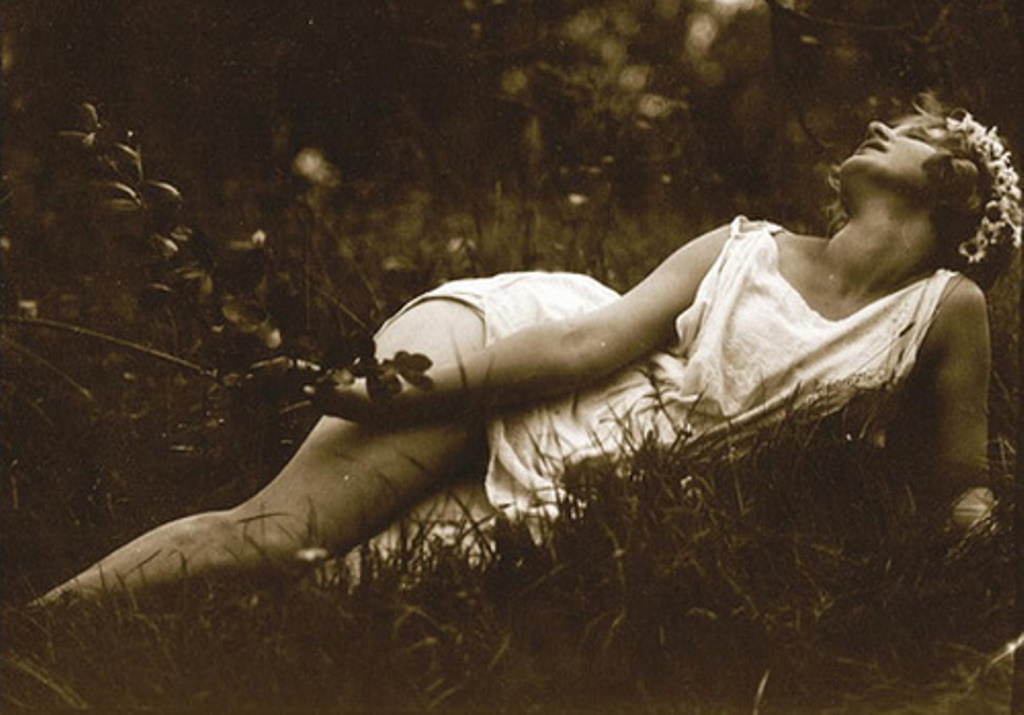
Alexander Grinberg. The Antique Theatre in Russian Estate 1920
 DantéBéa