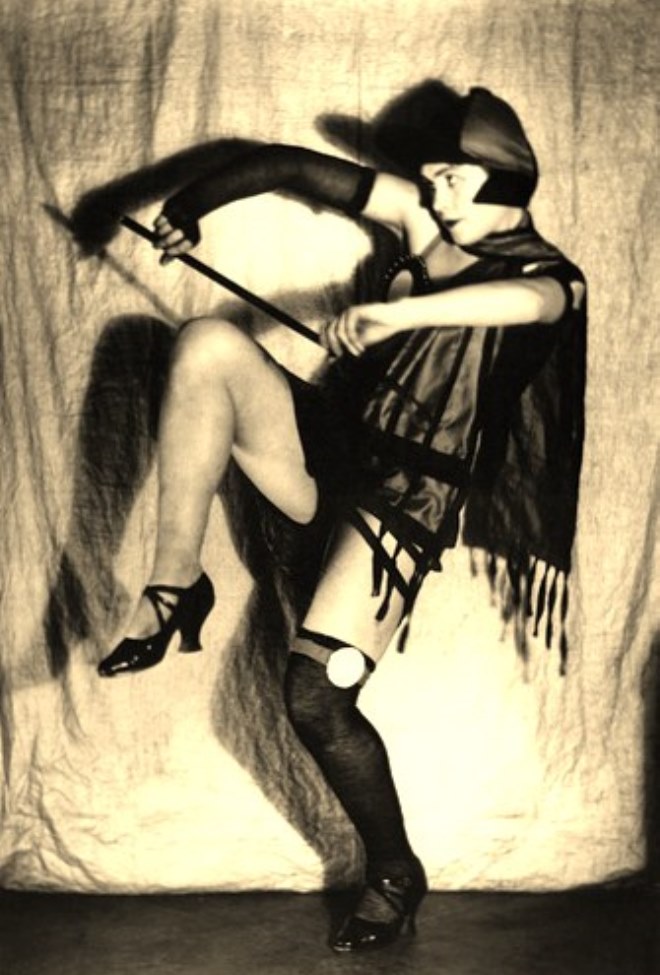
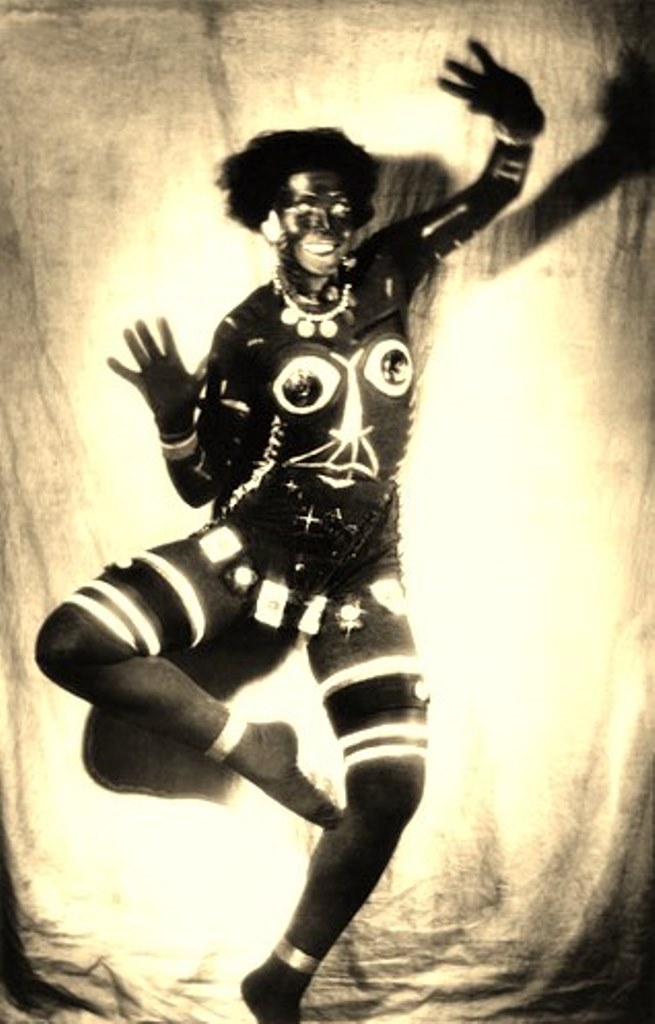
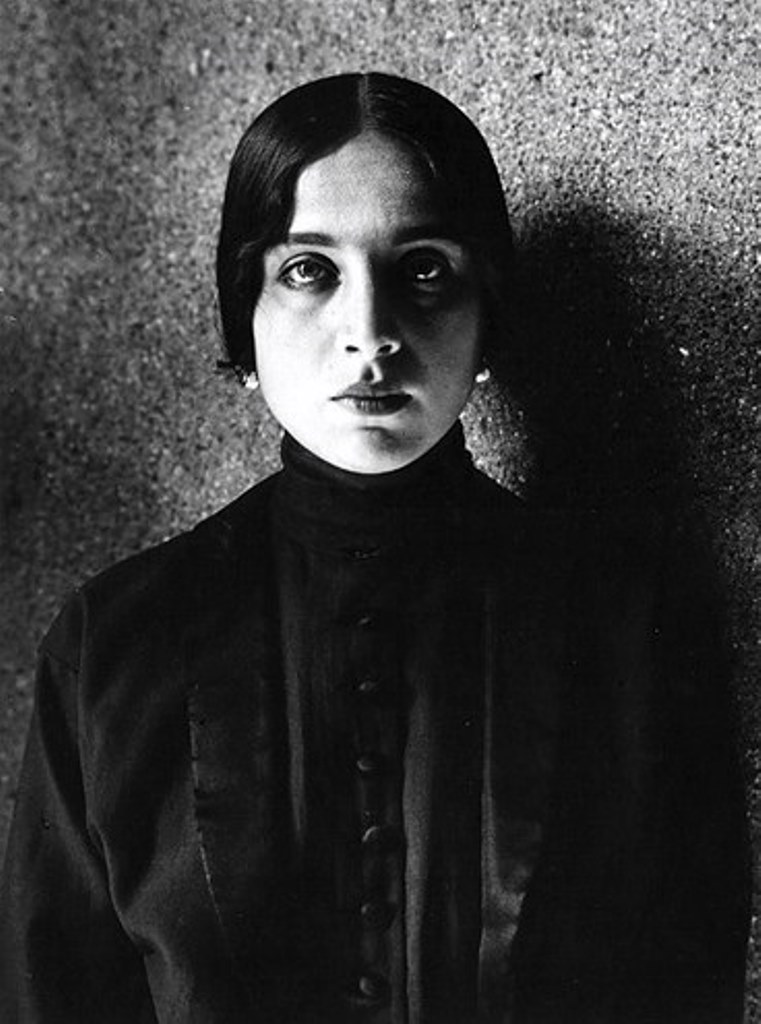
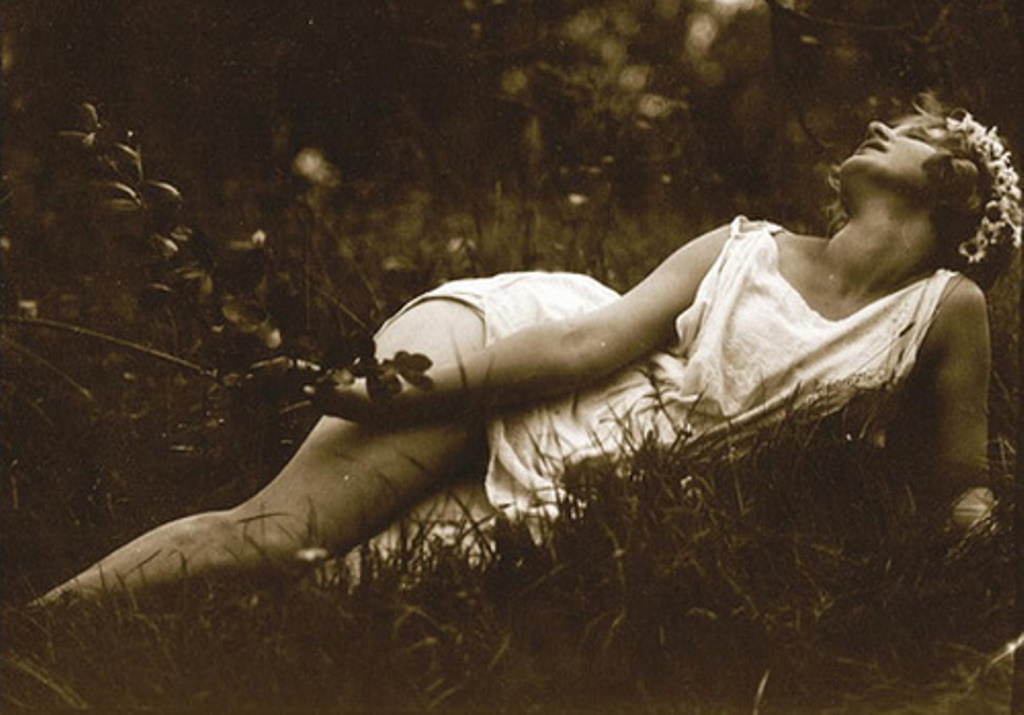
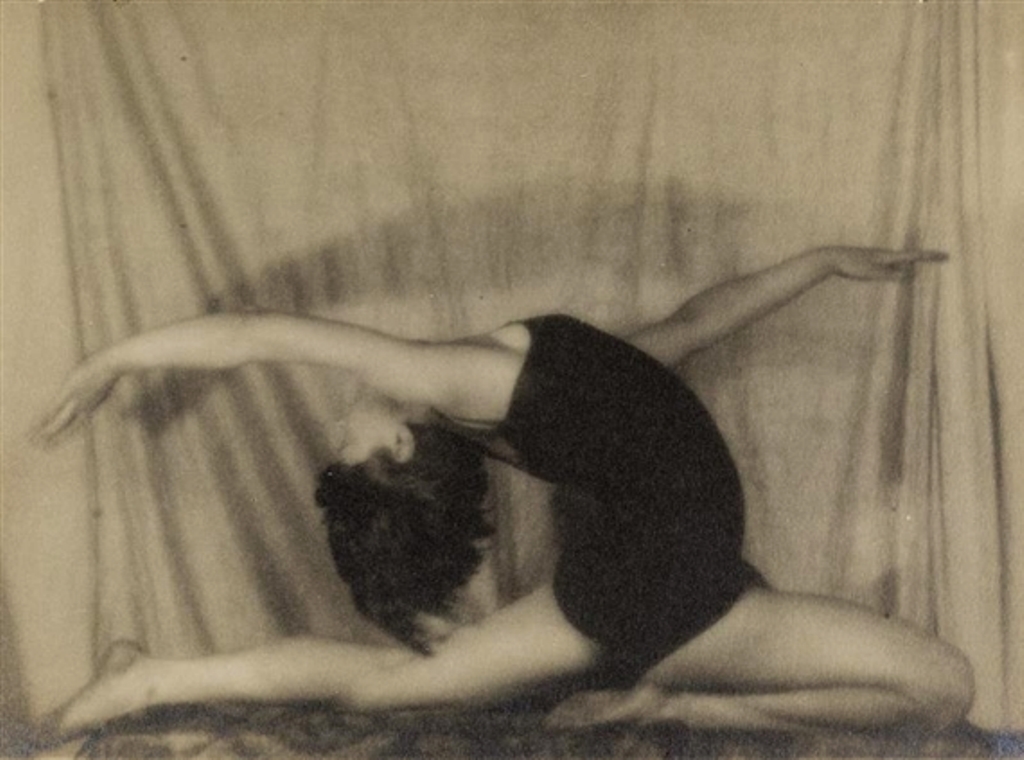
Max Dupain

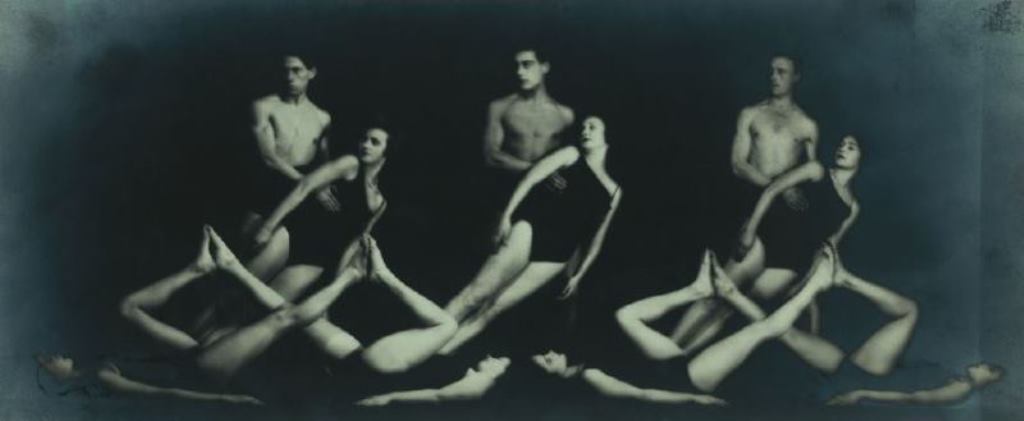
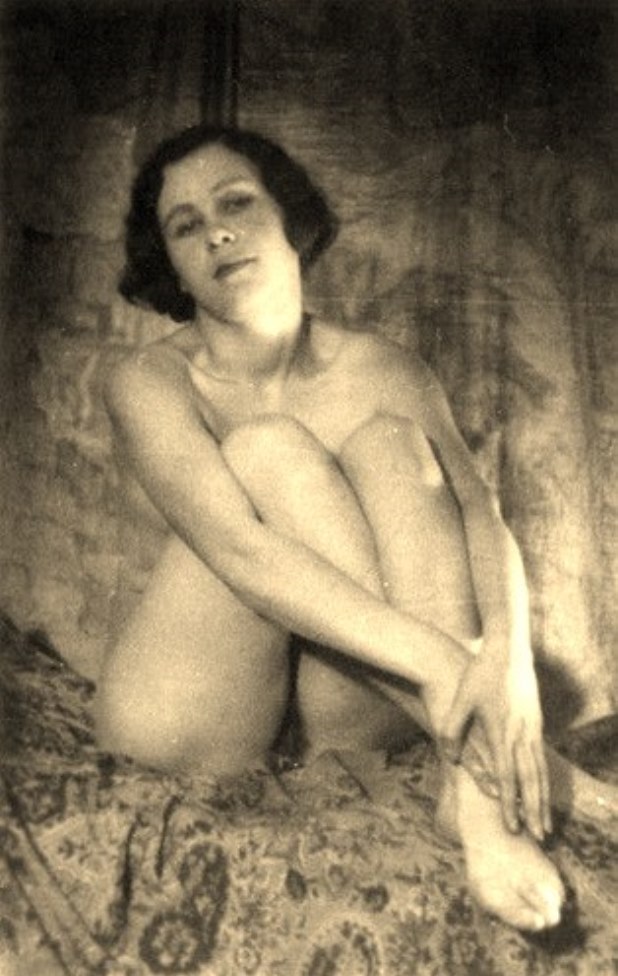
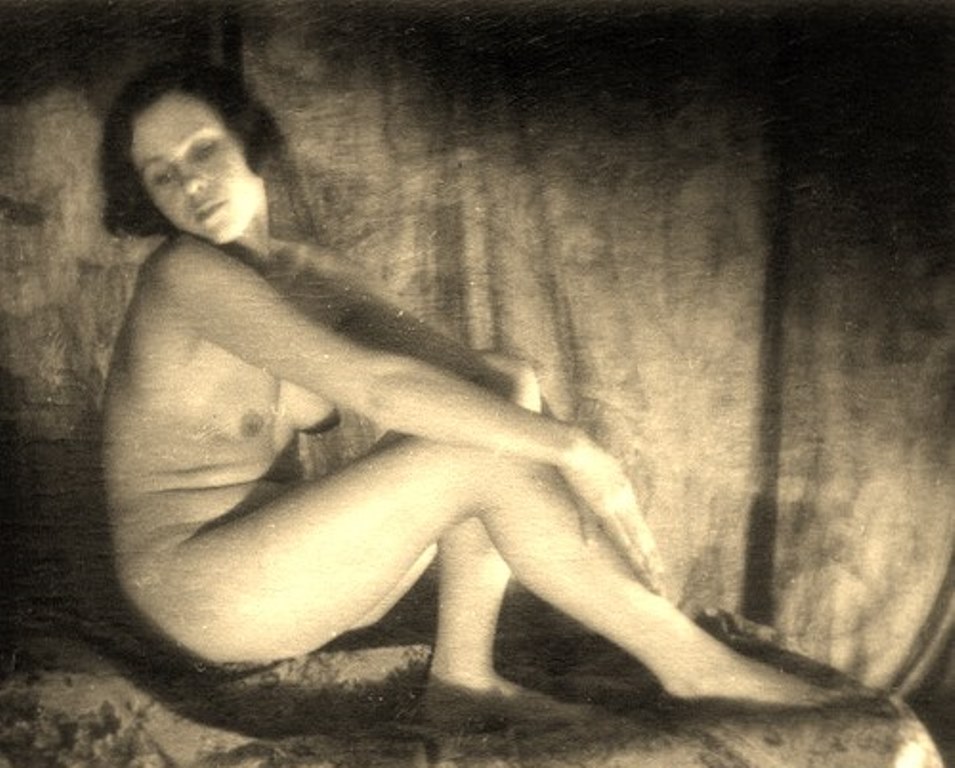
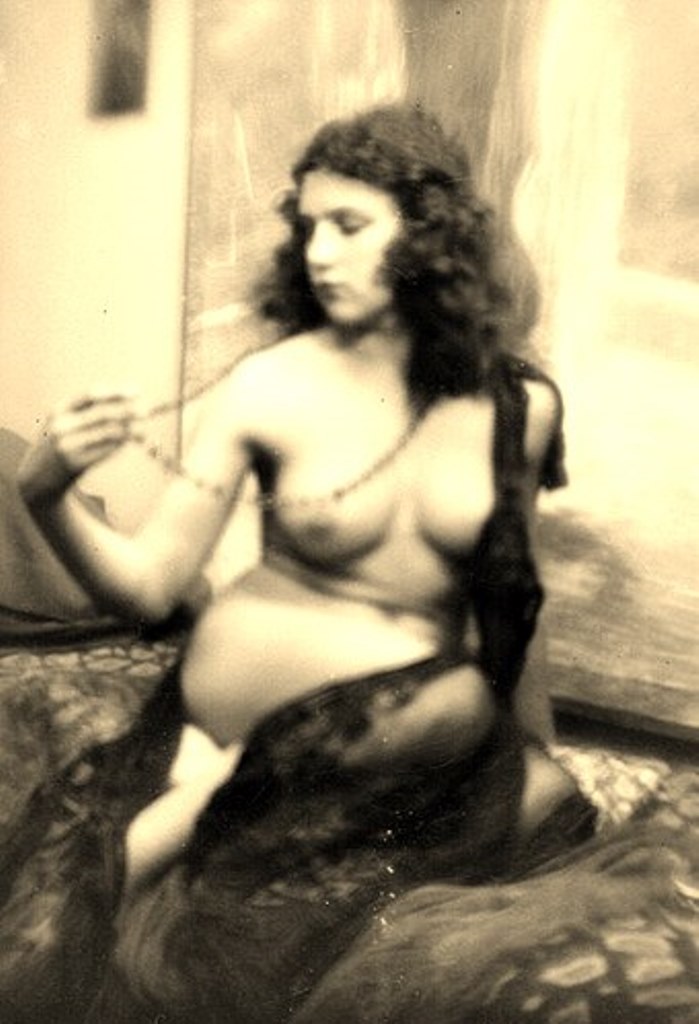
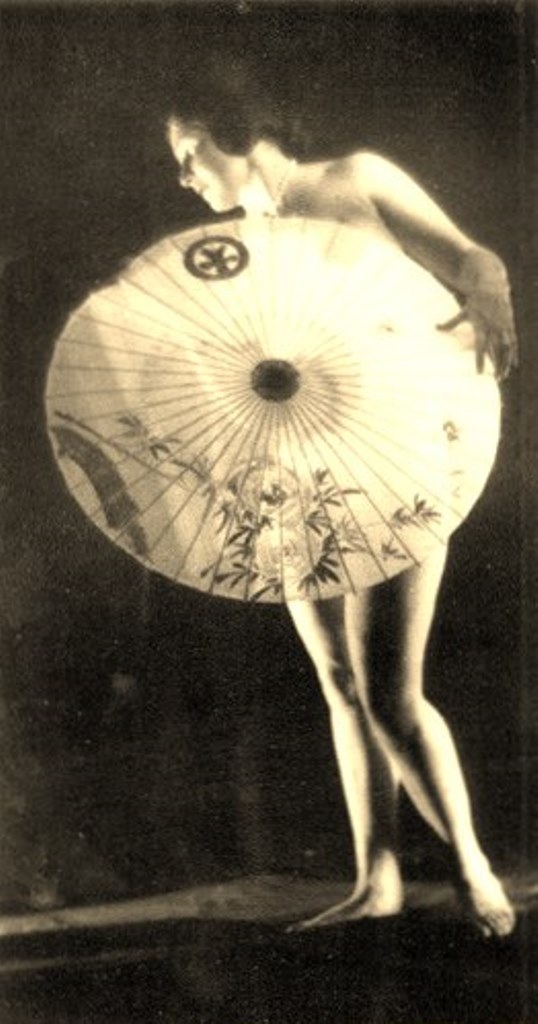
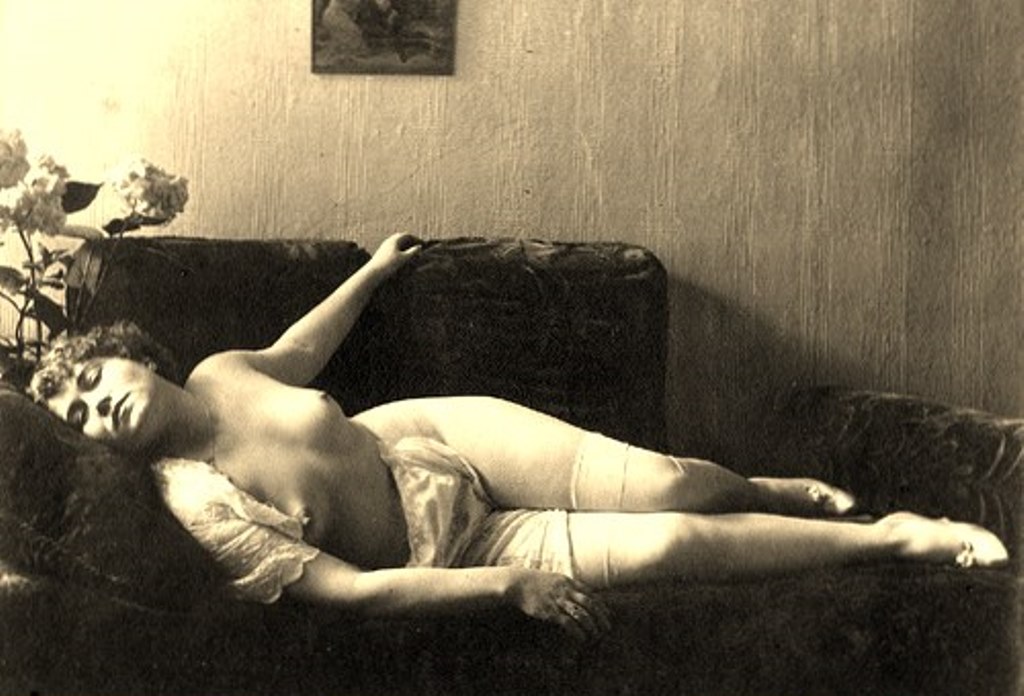
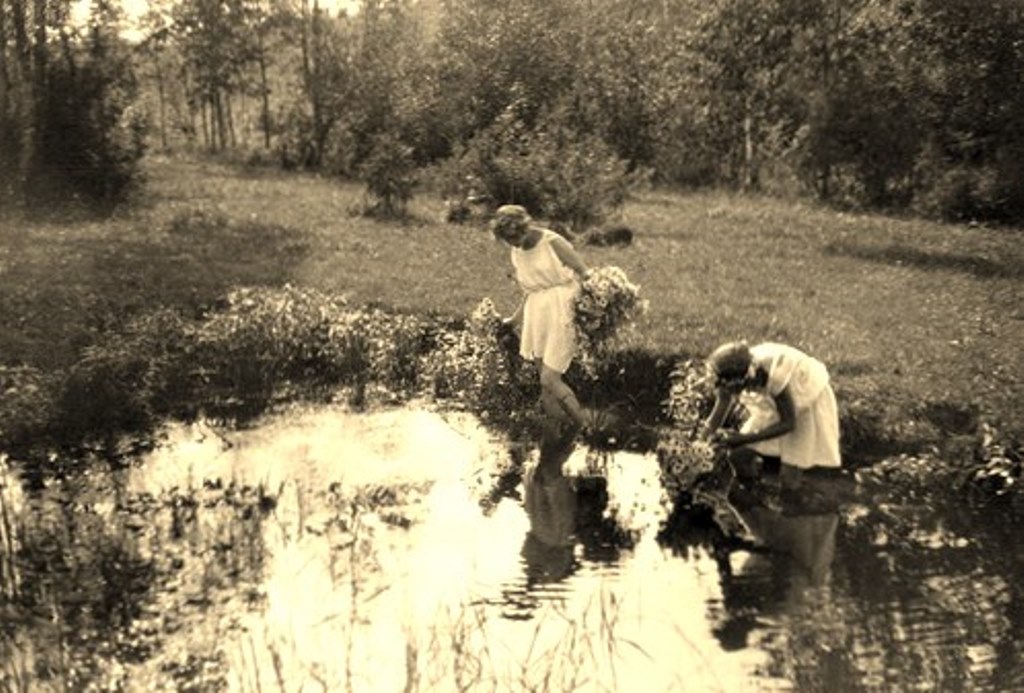
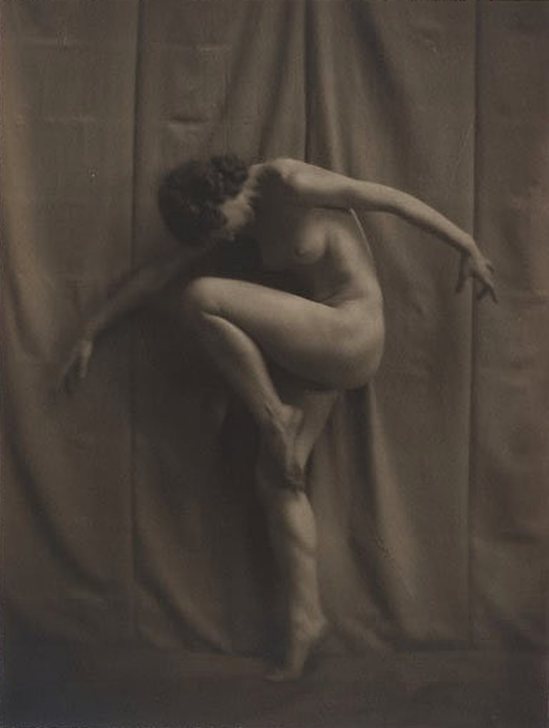
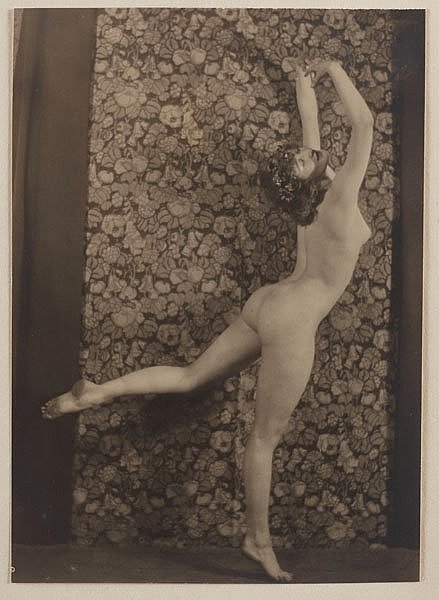
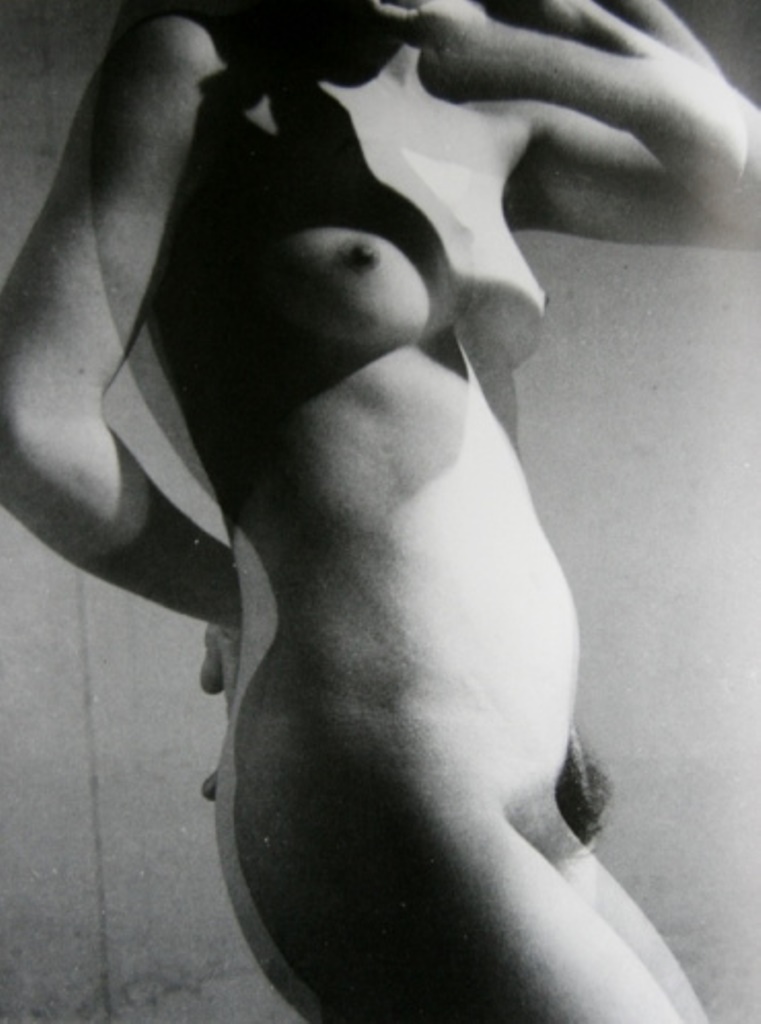
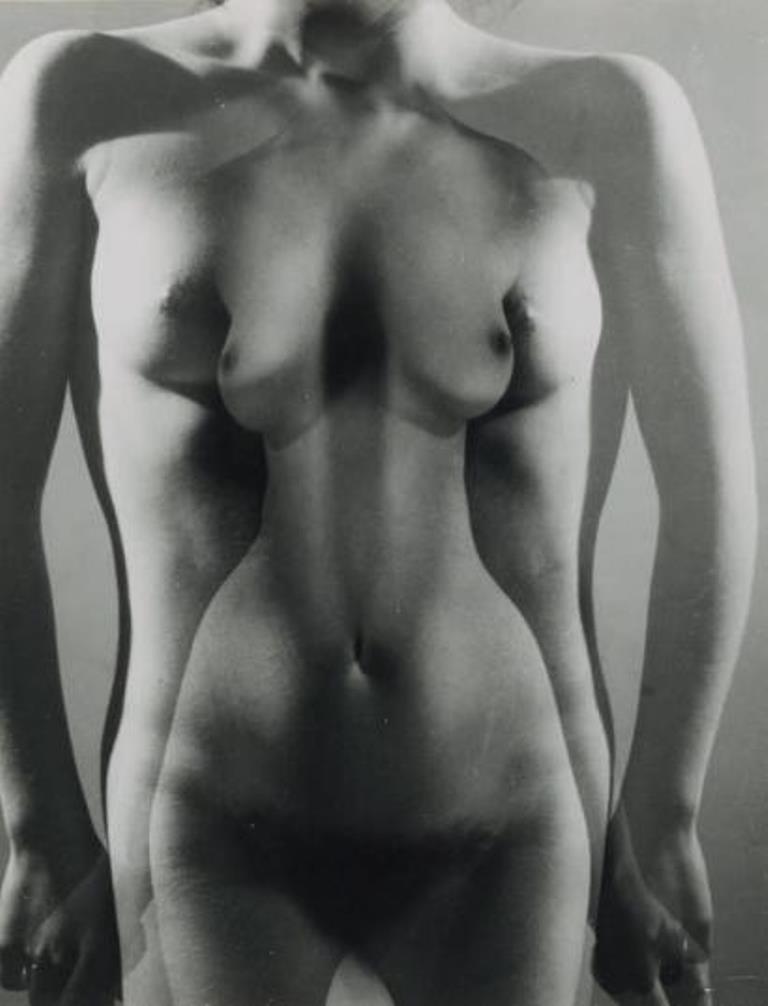
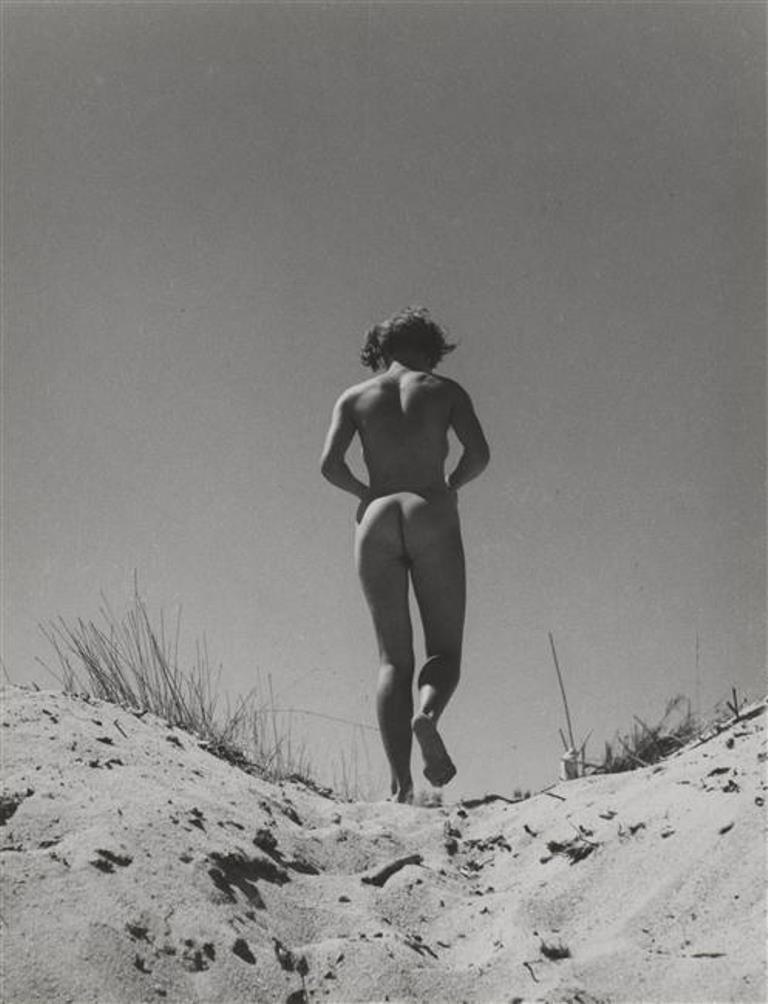
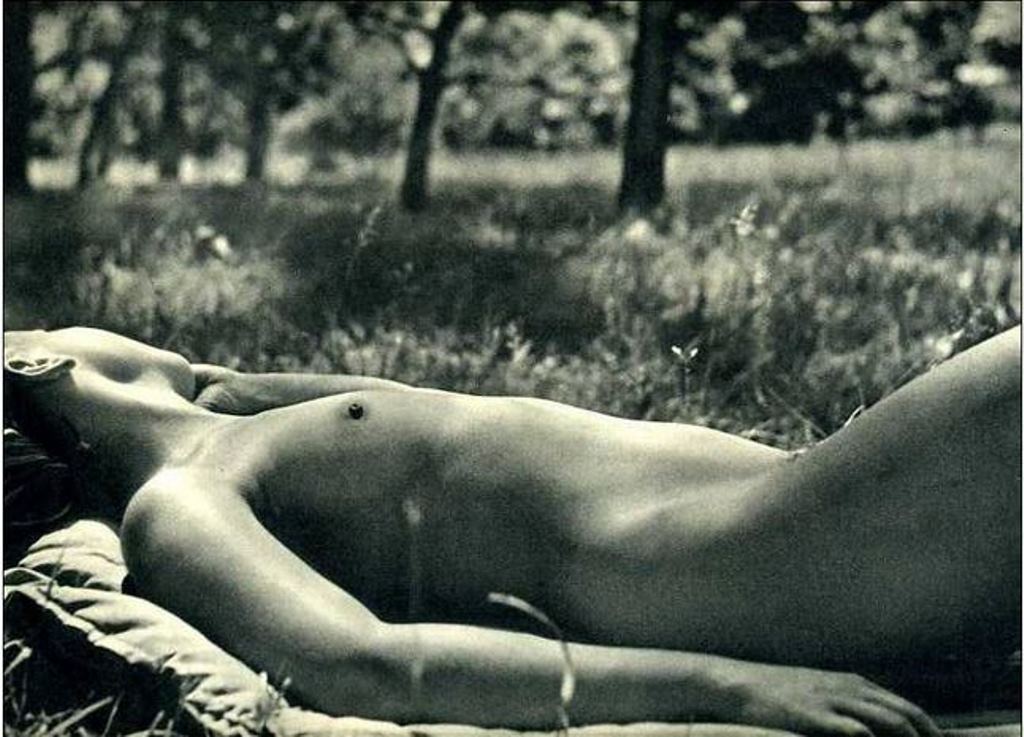
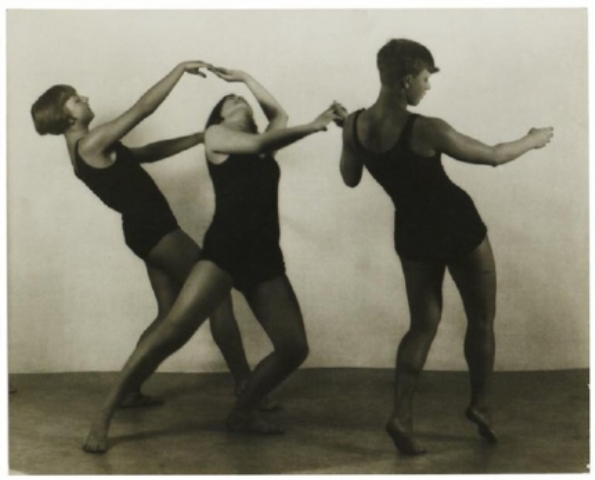
Max Dupain

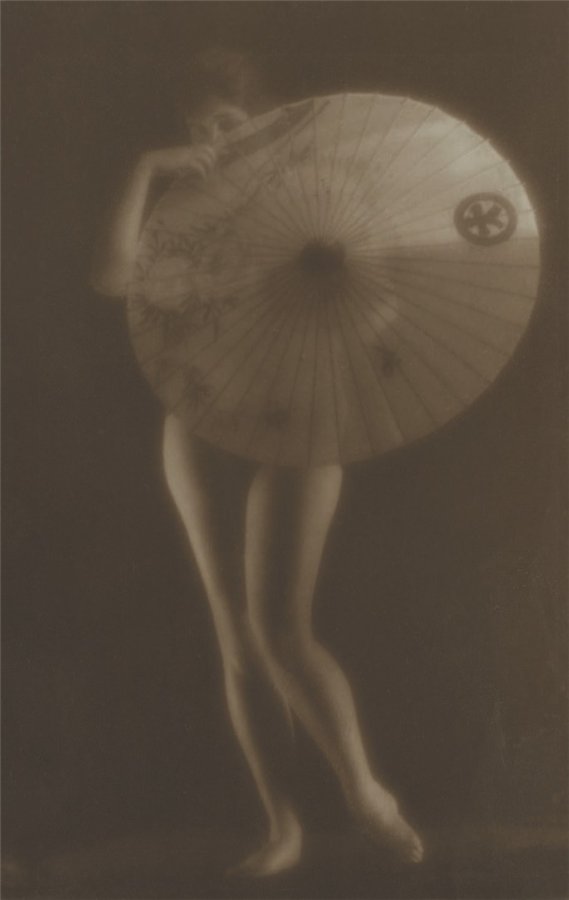
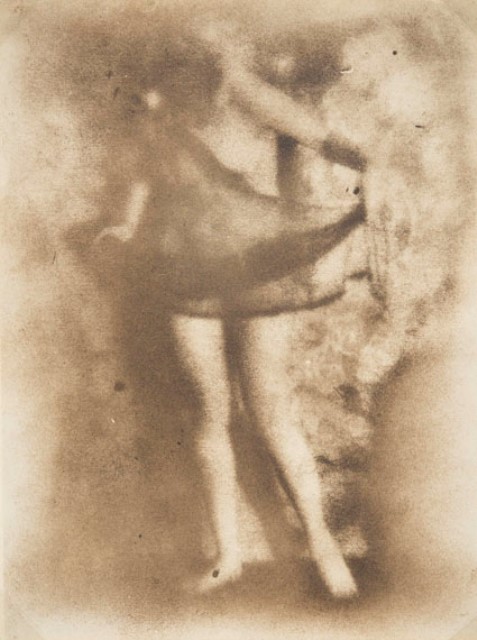
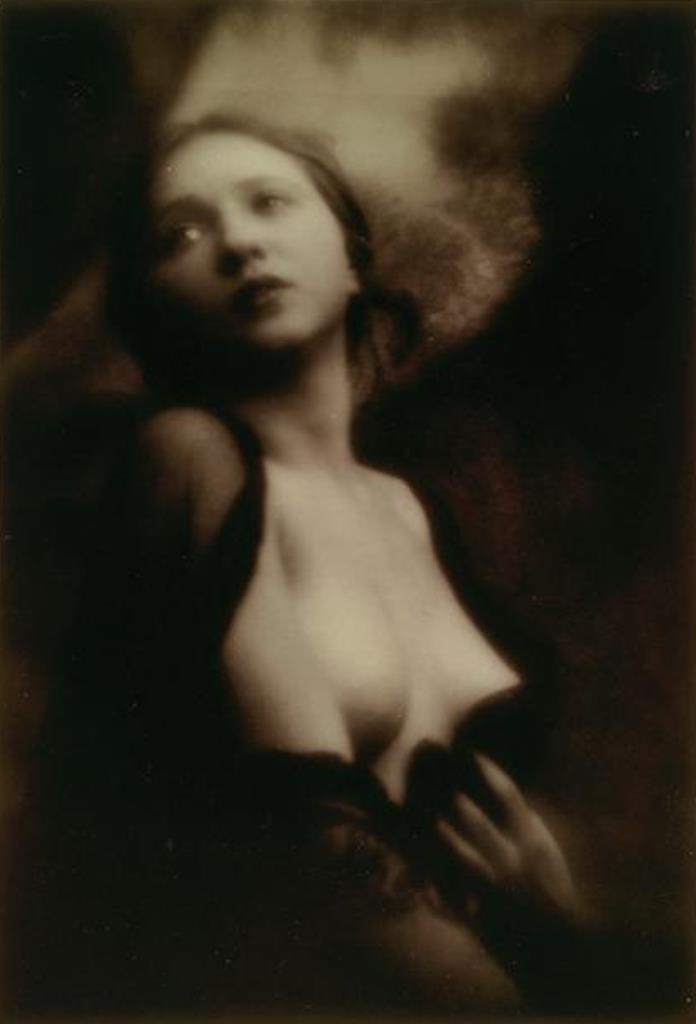
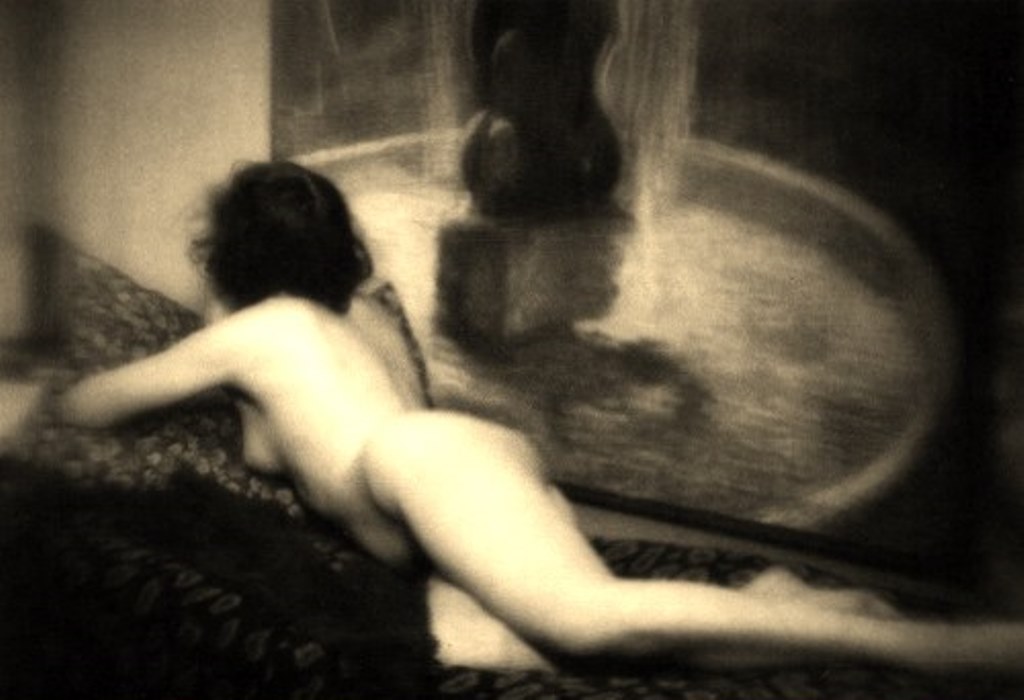
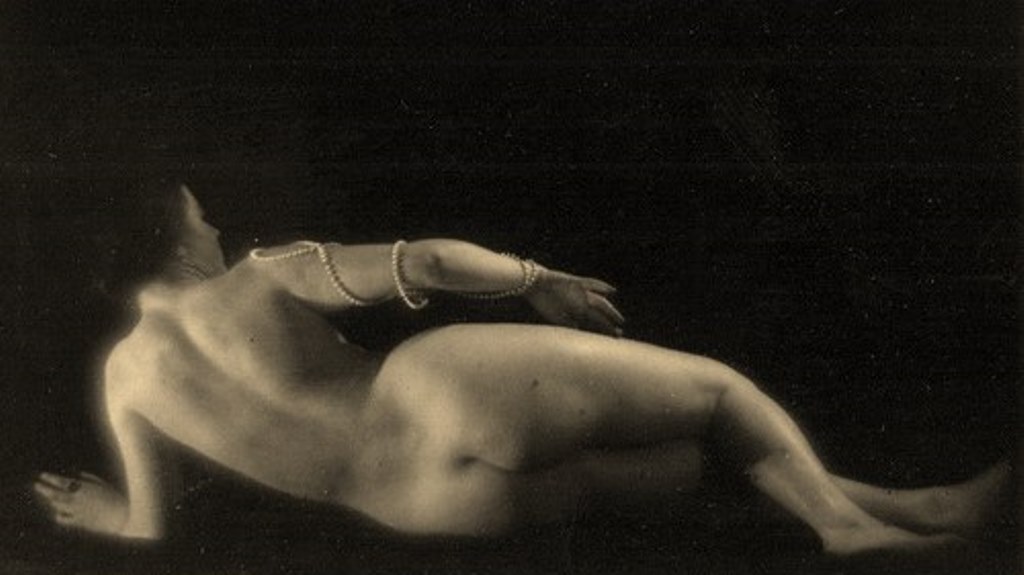
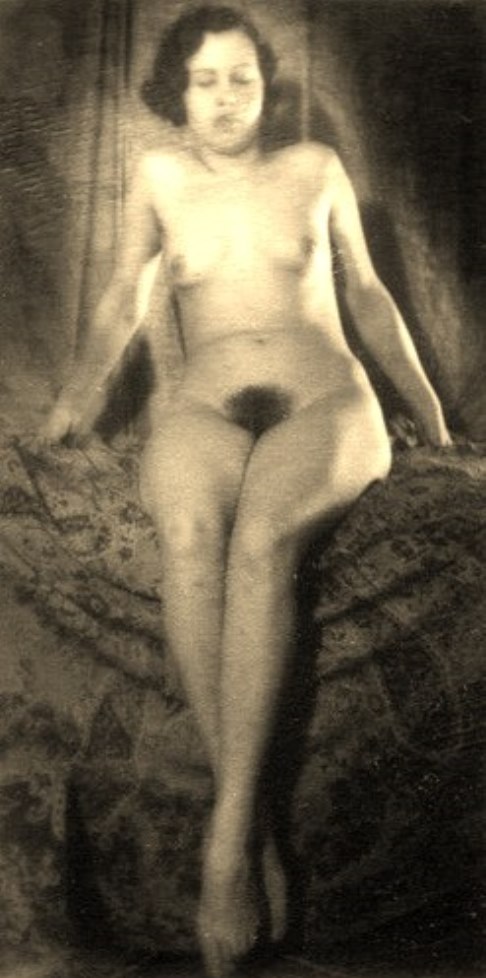
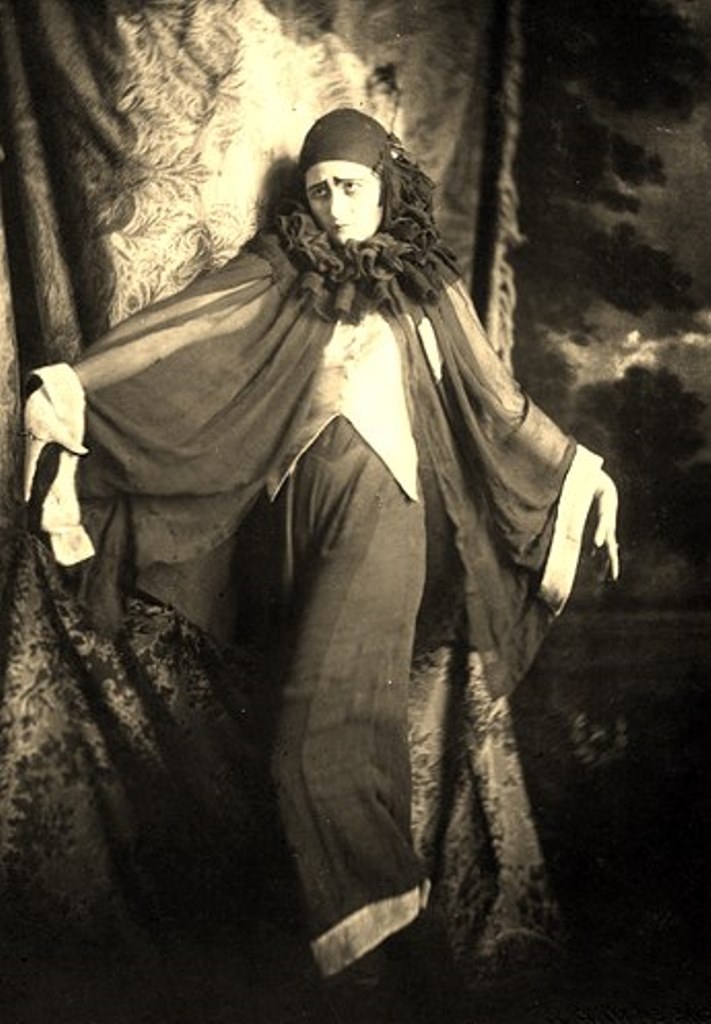
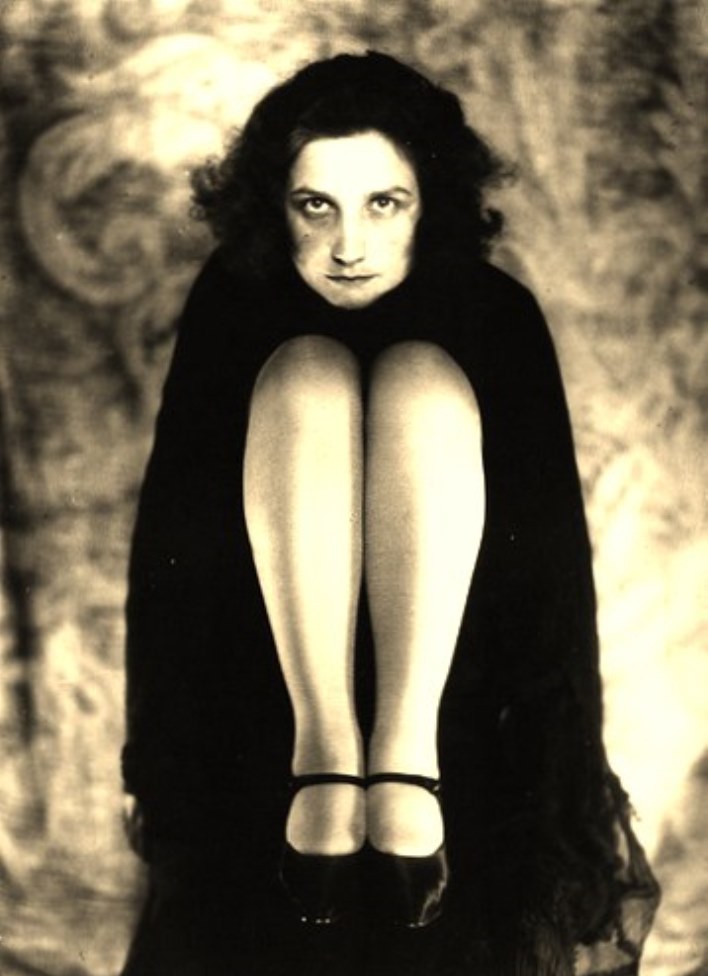
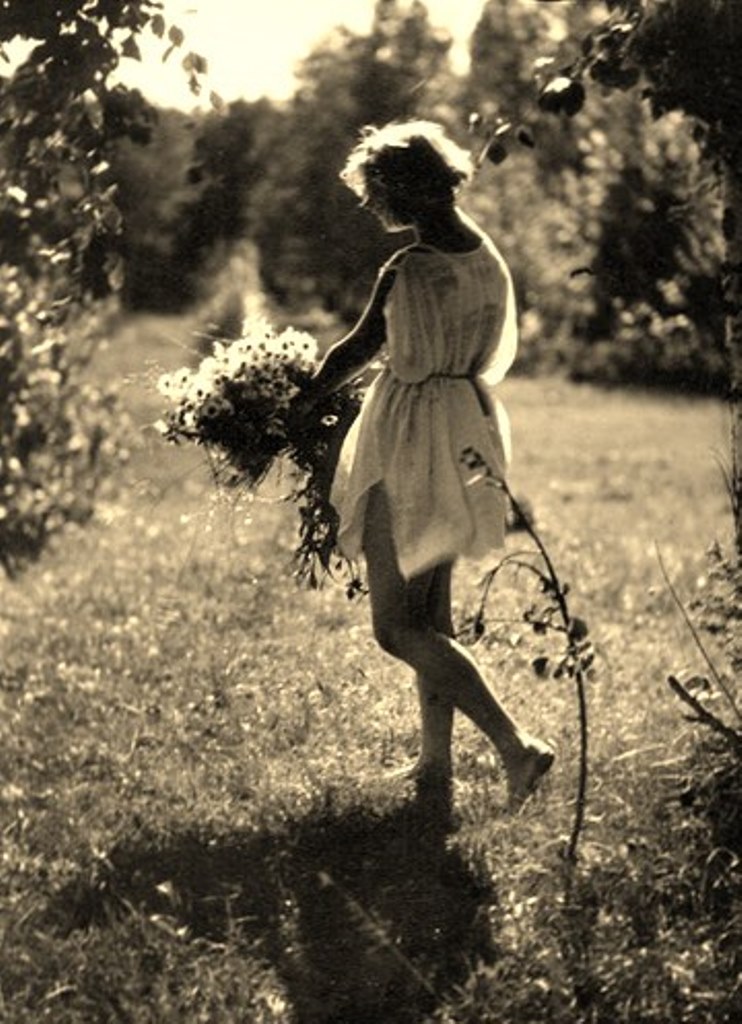
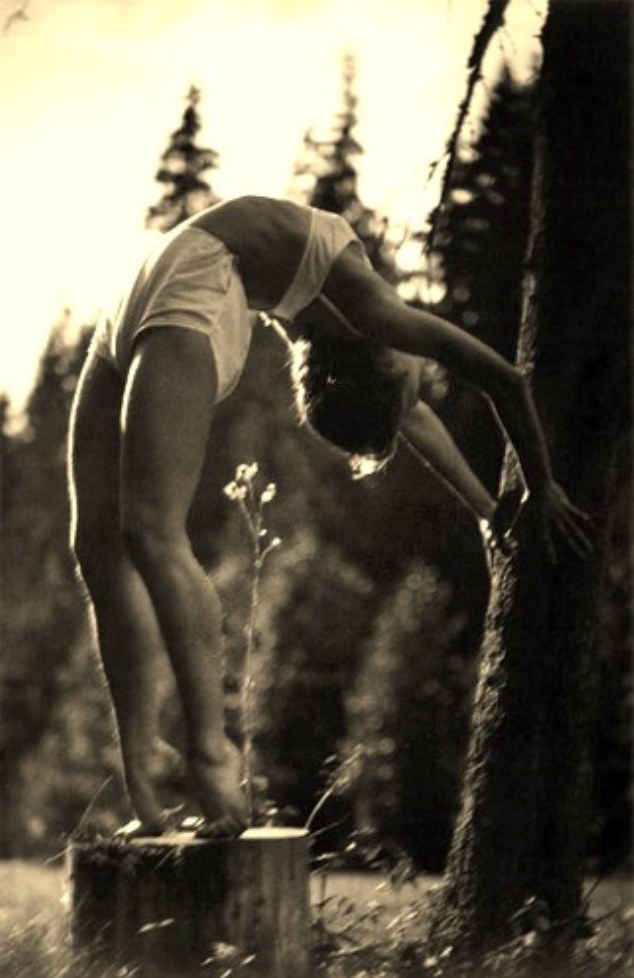
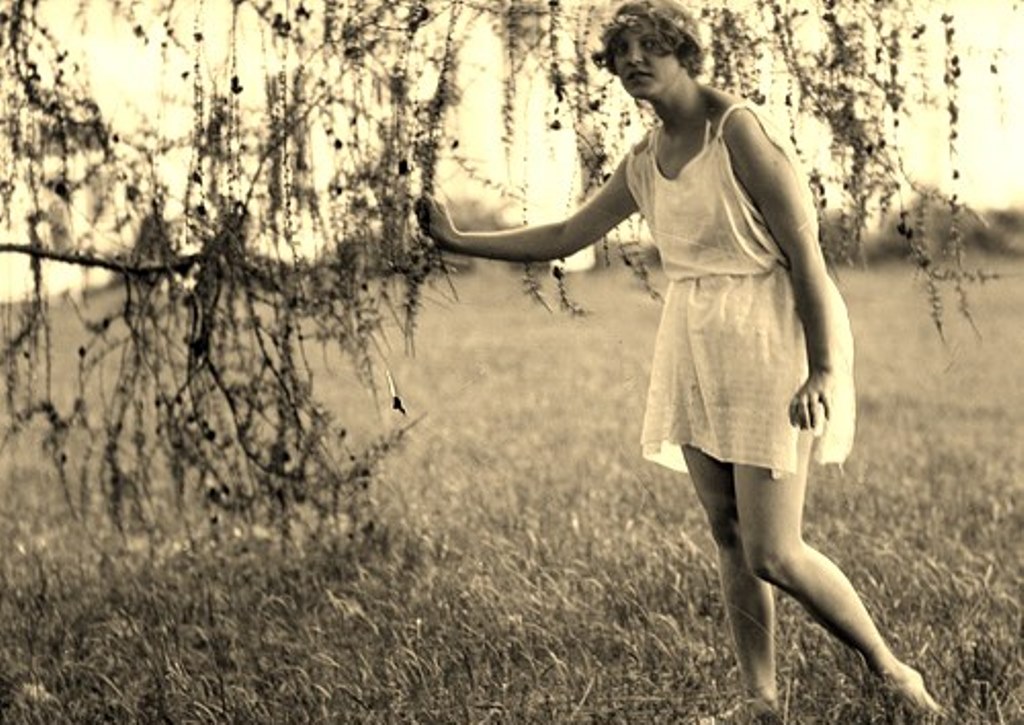
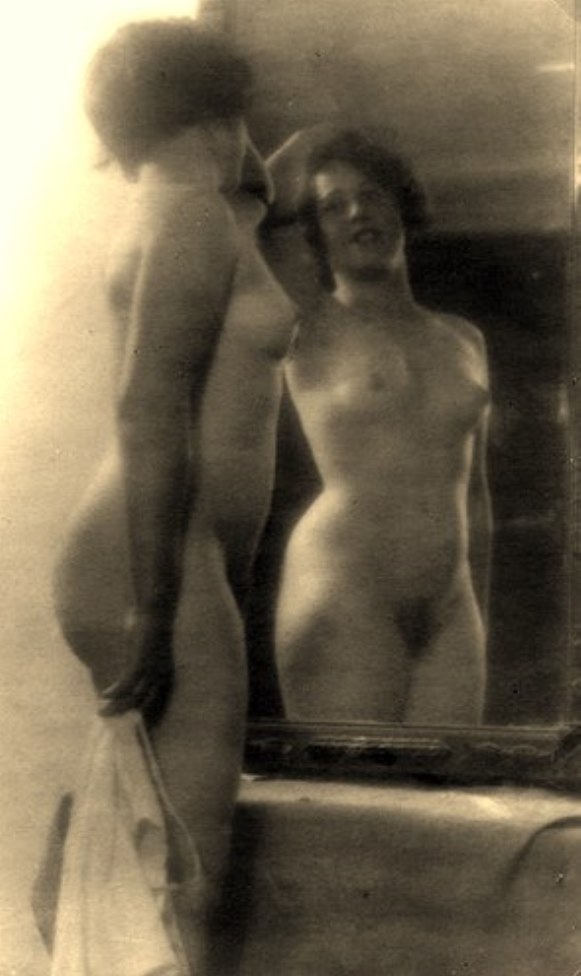
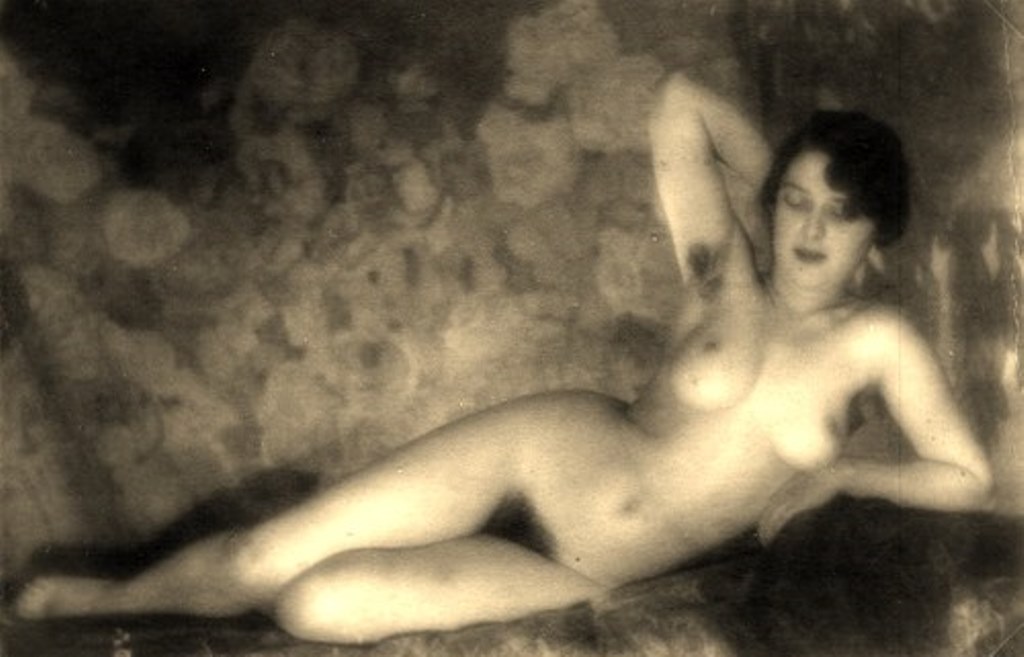
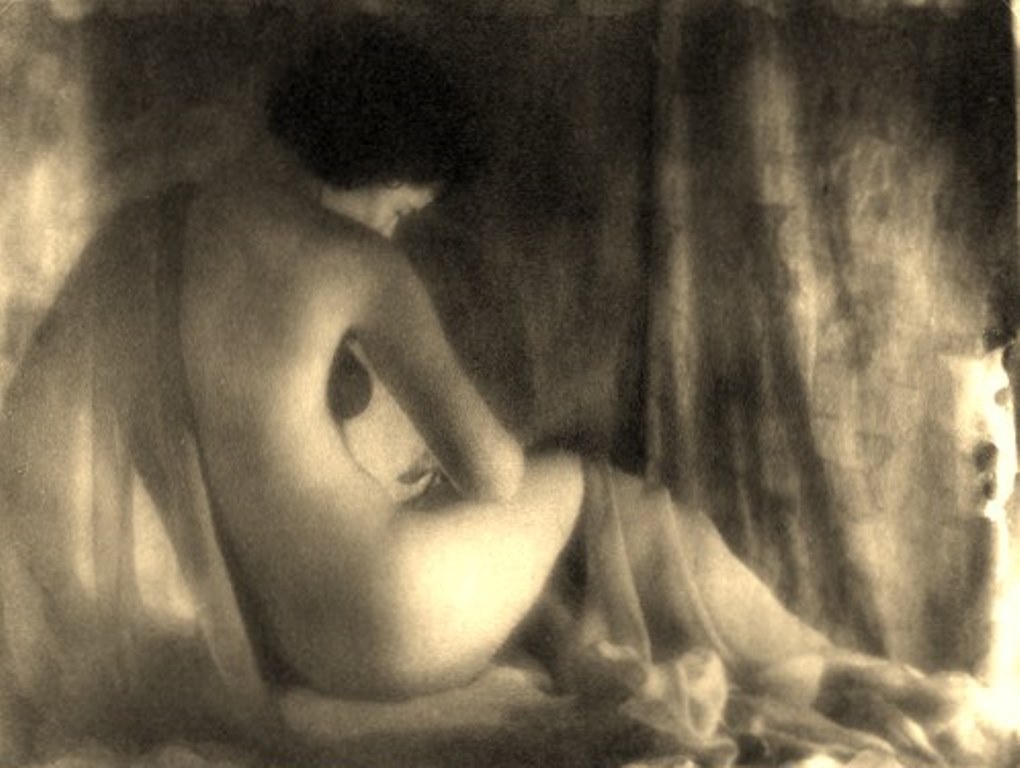
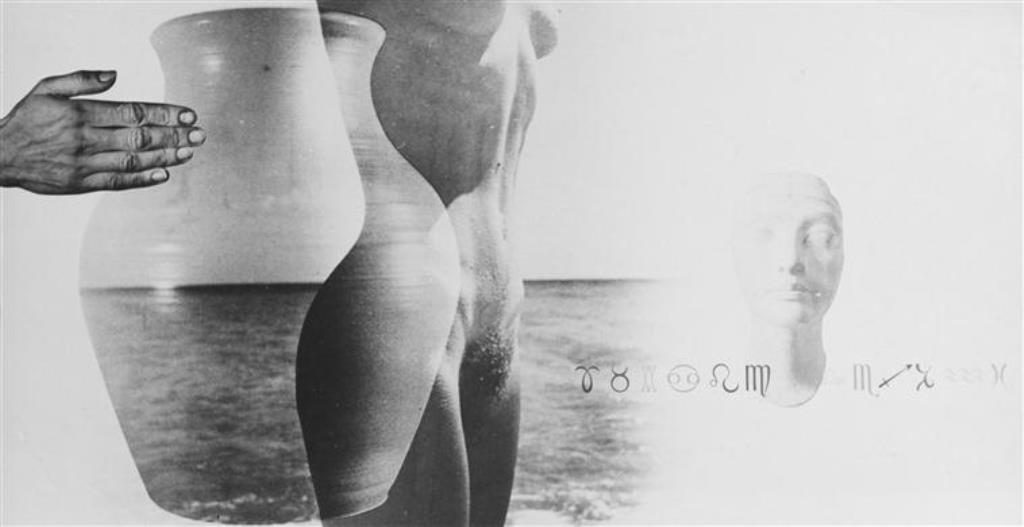
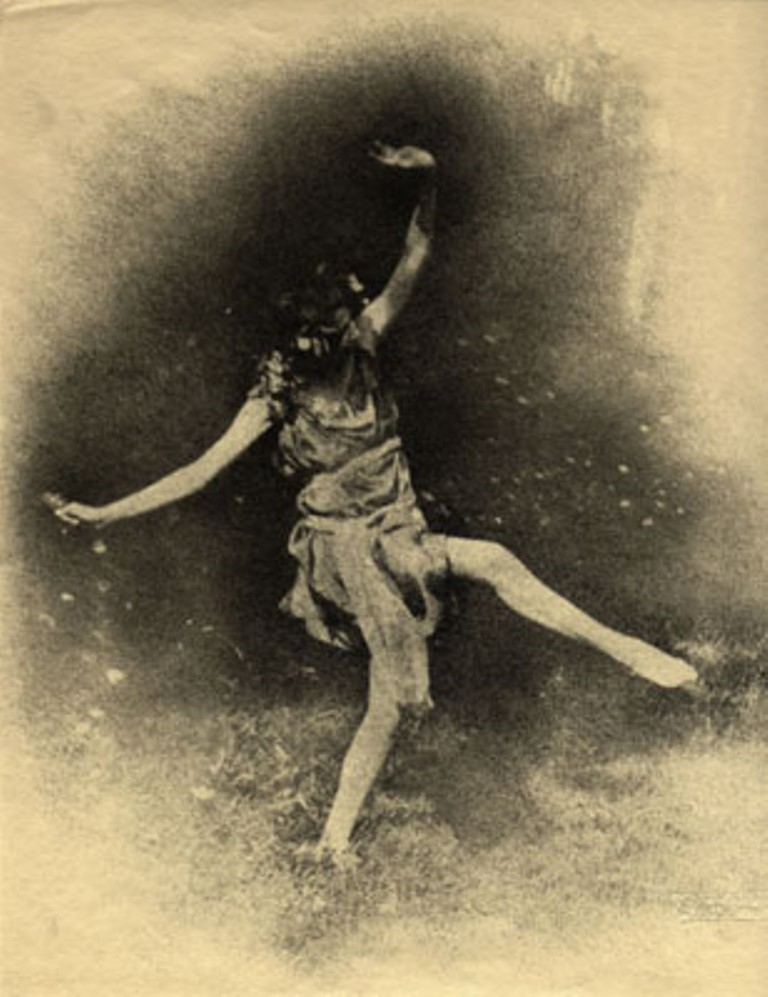
Max Dupain. Sans titre 1937. Via nsw

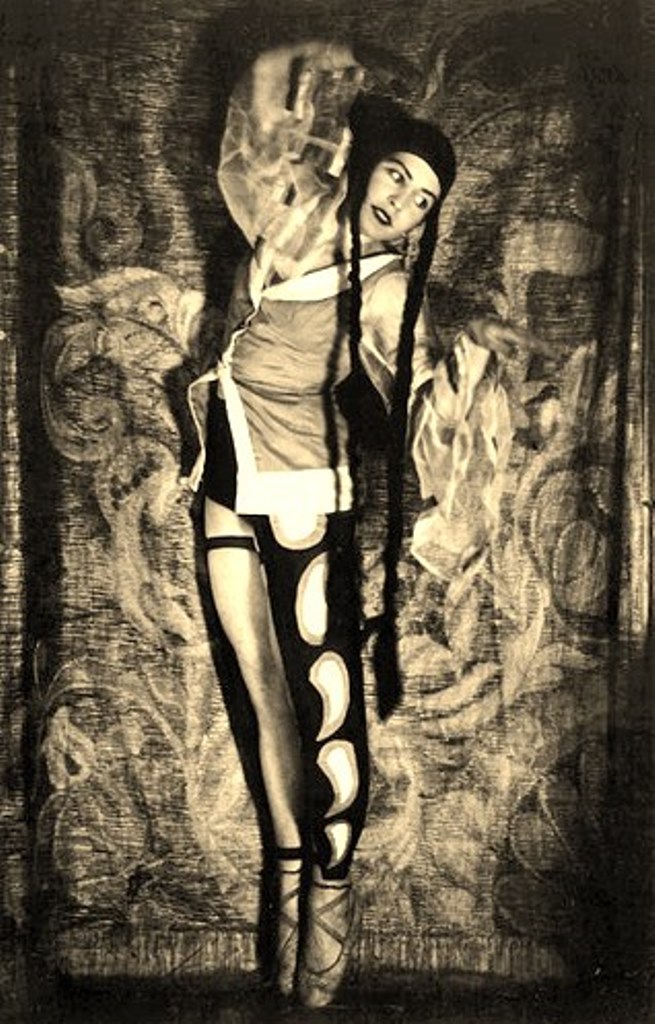
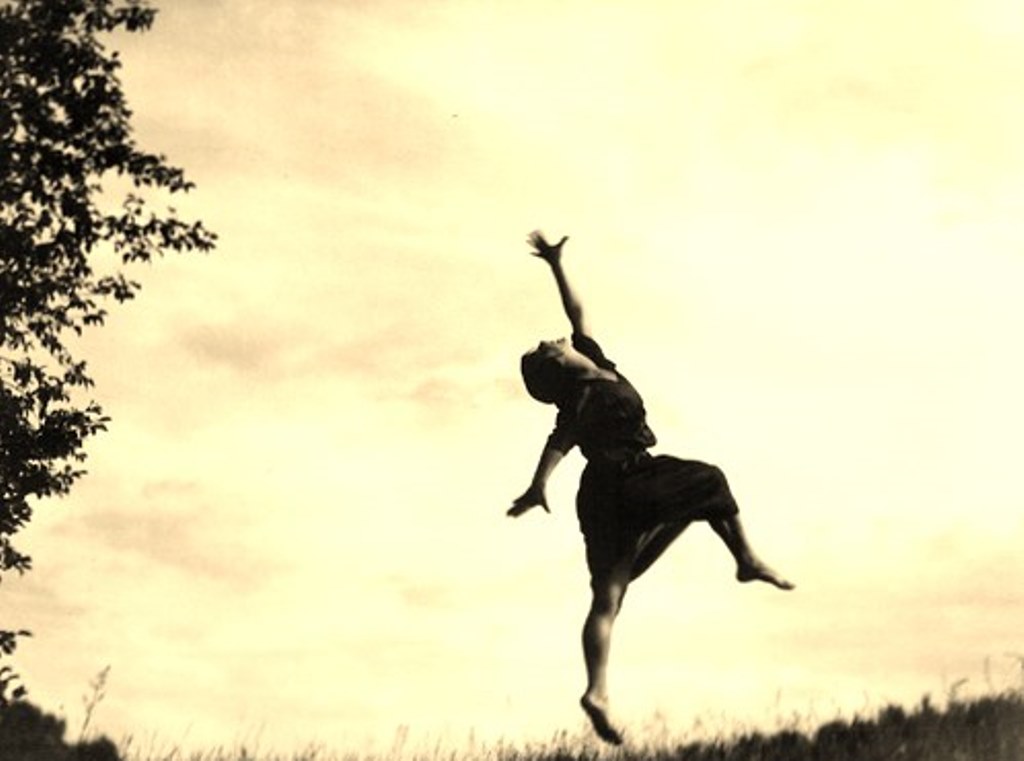
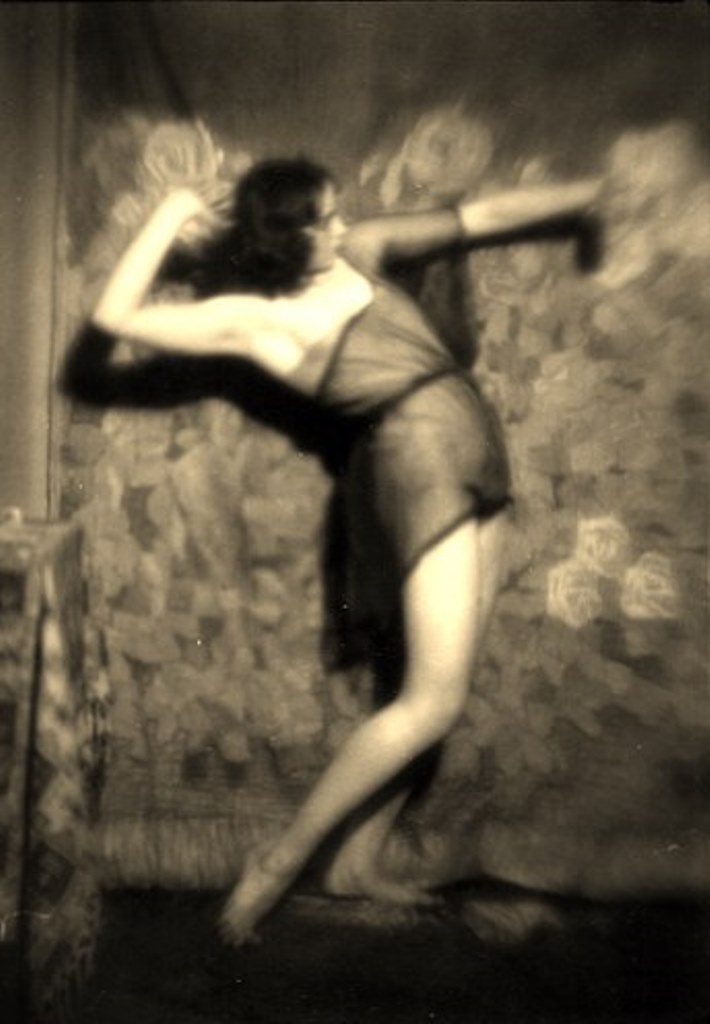
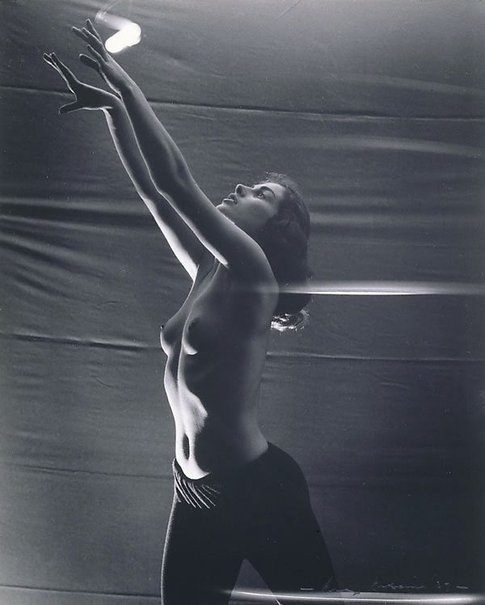
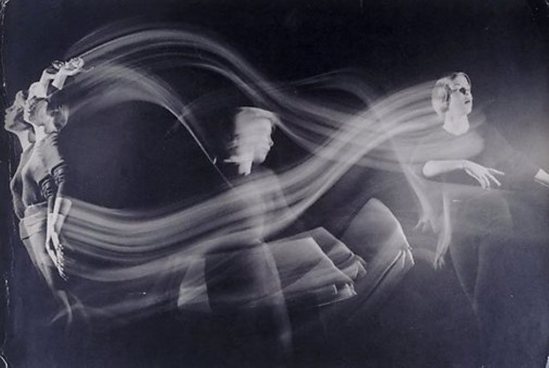
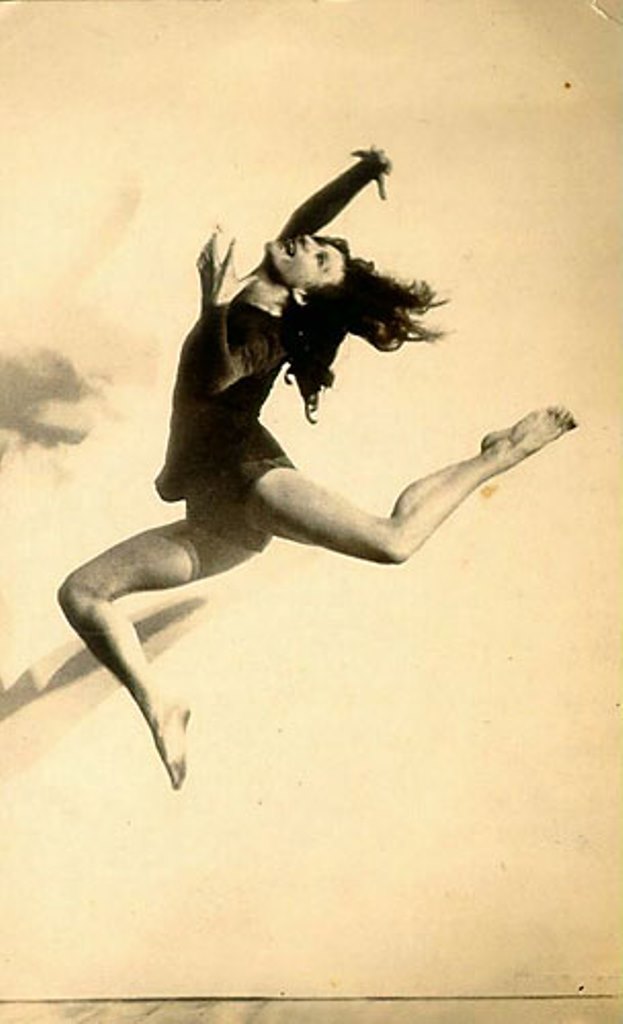
Laurence Le Guay

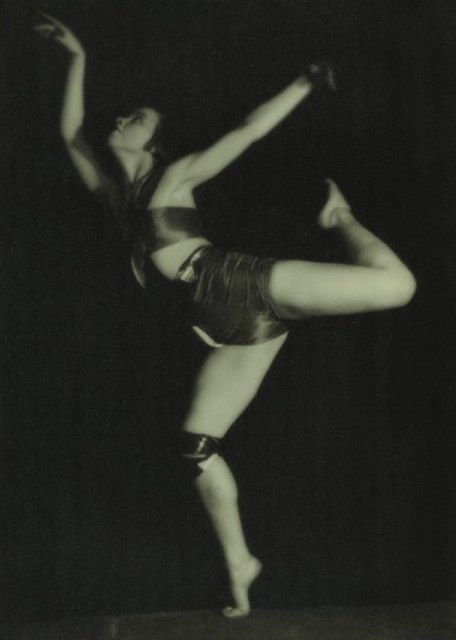
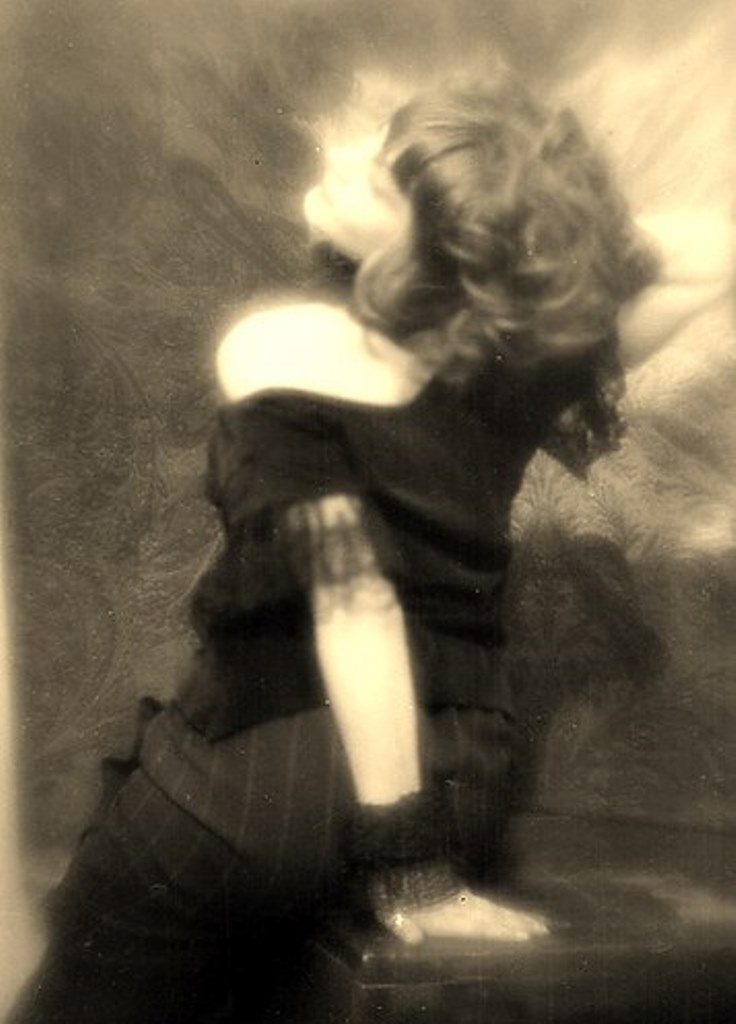
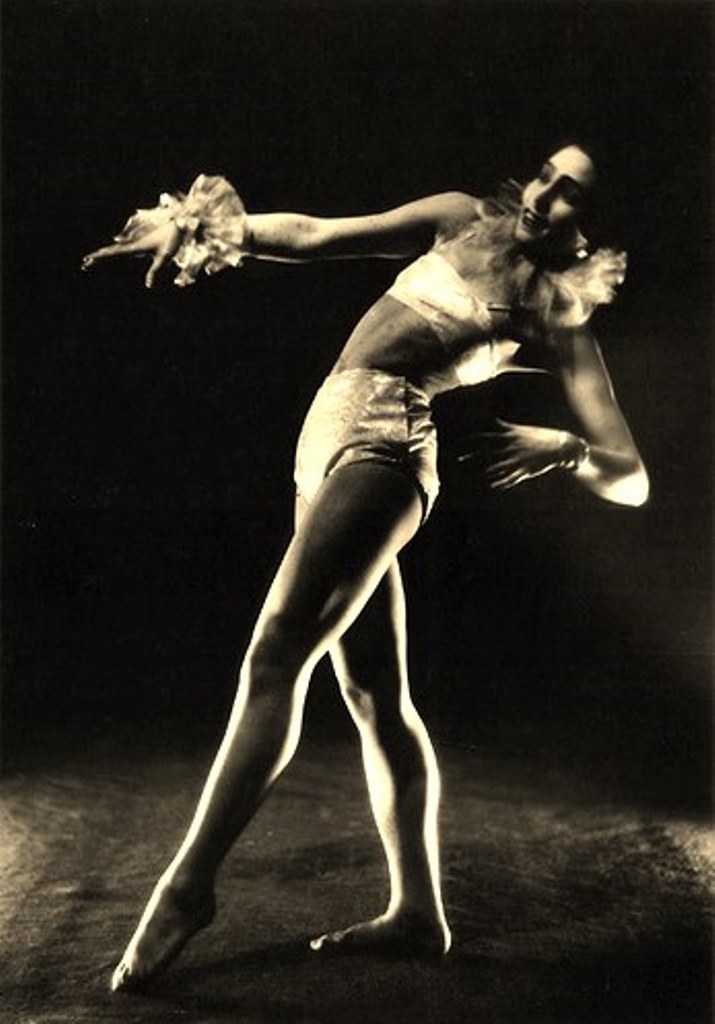
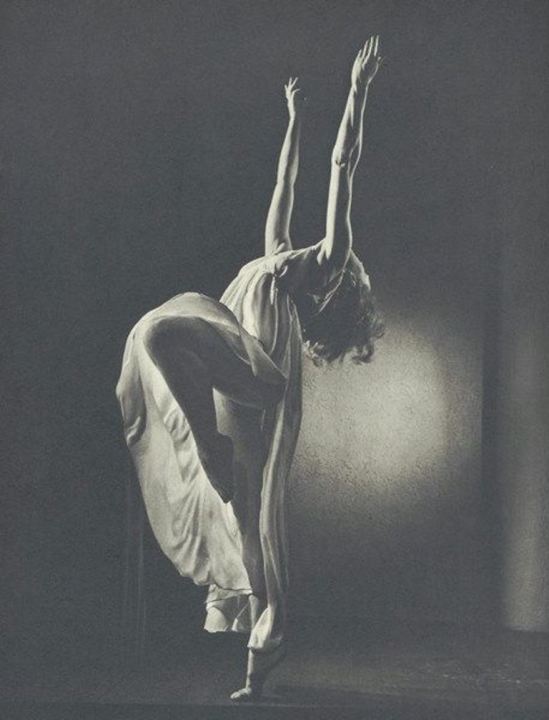
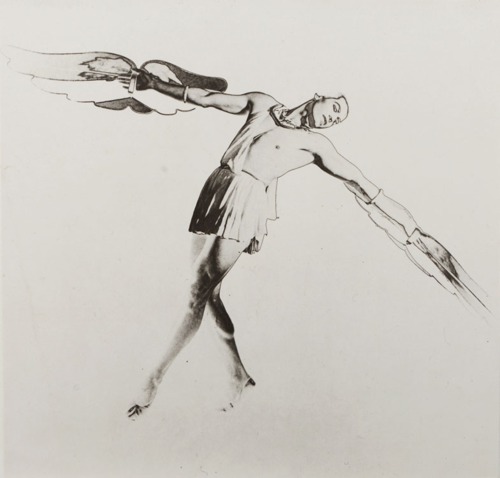
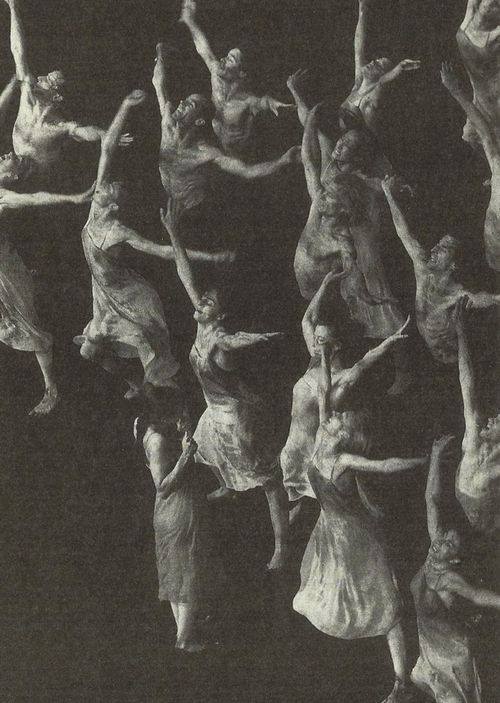
Laurence Le Guay

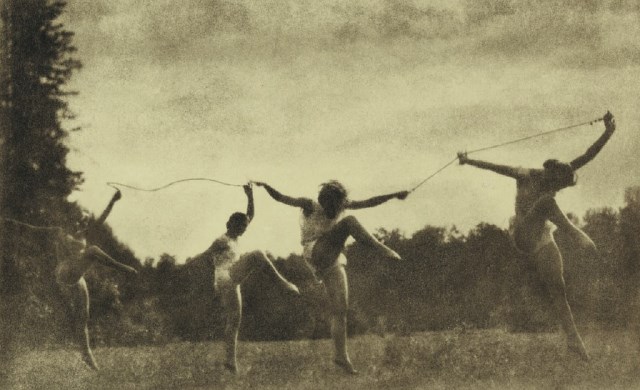
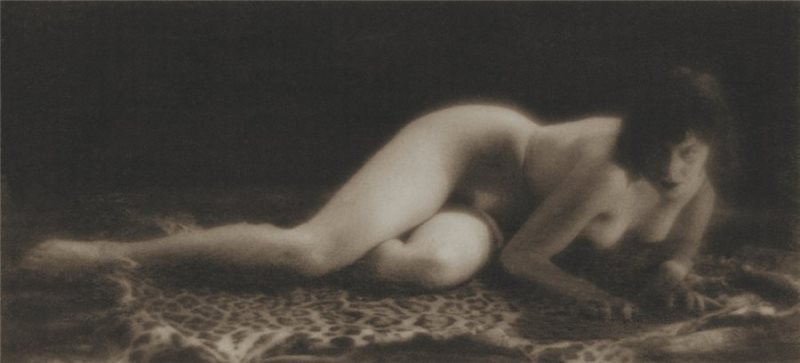
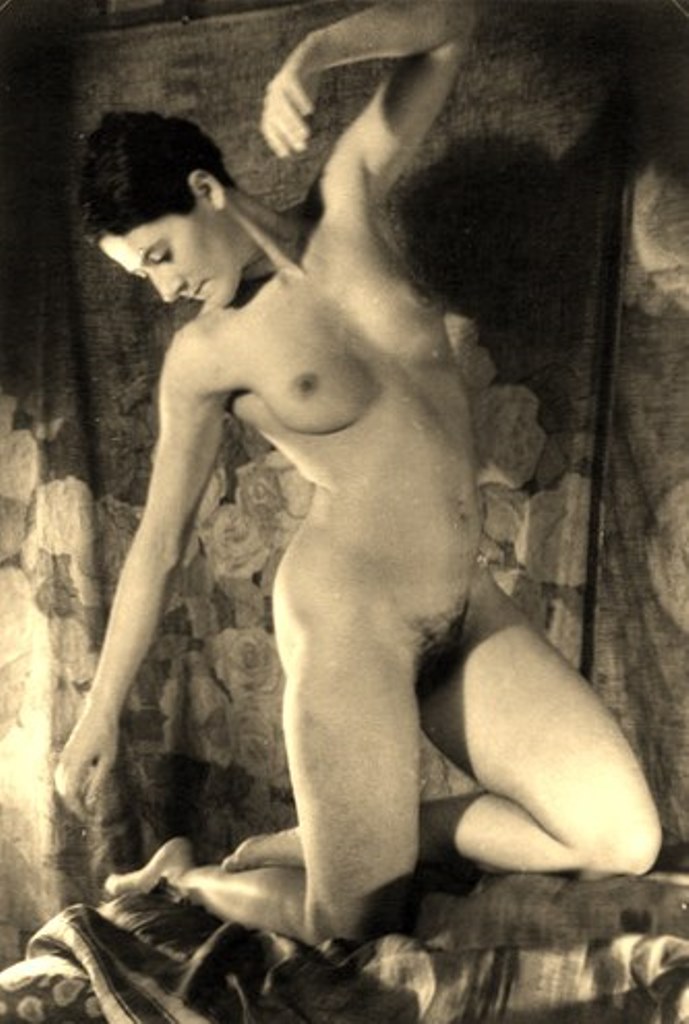
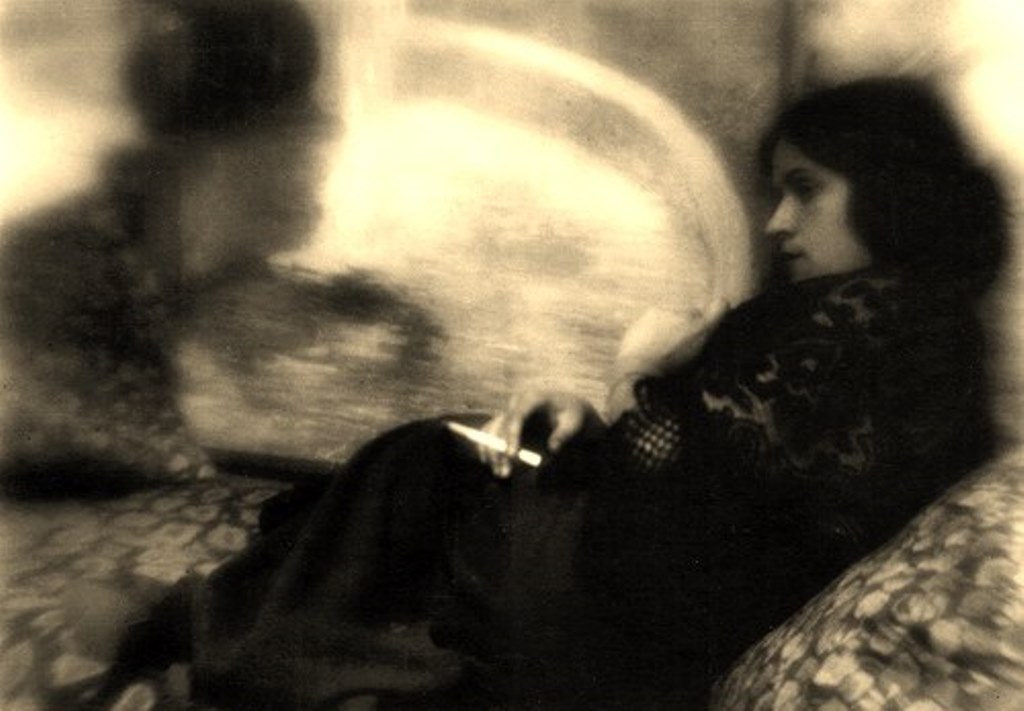
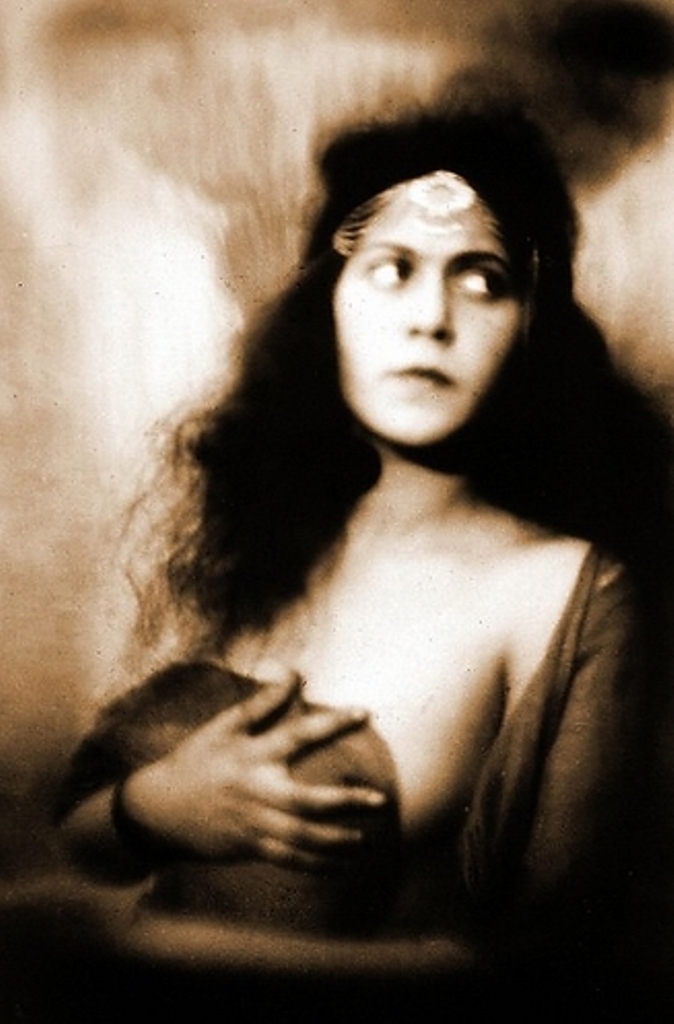
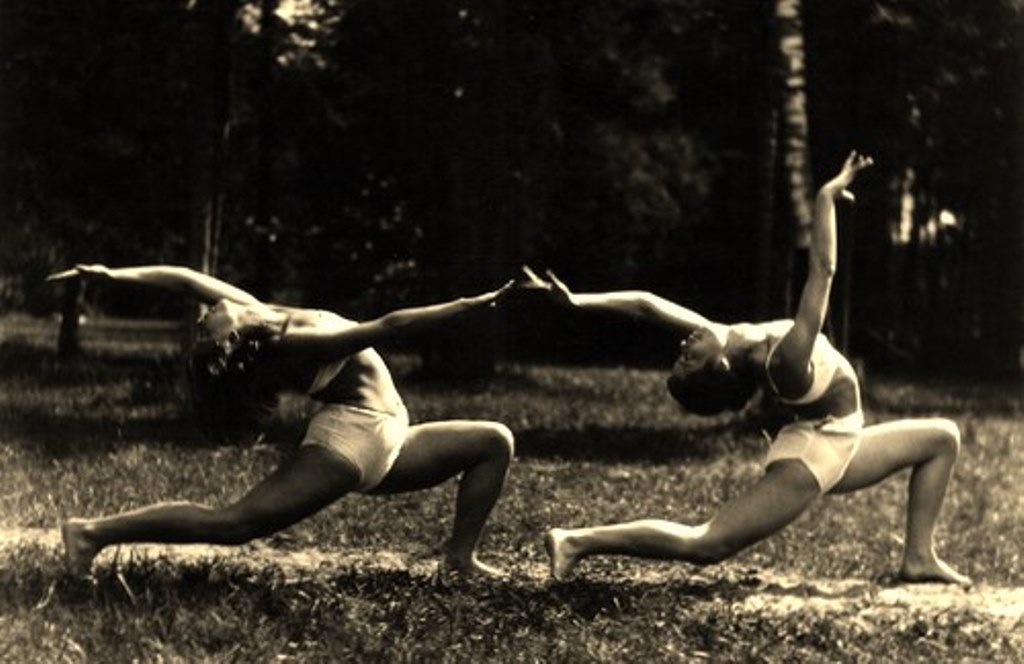
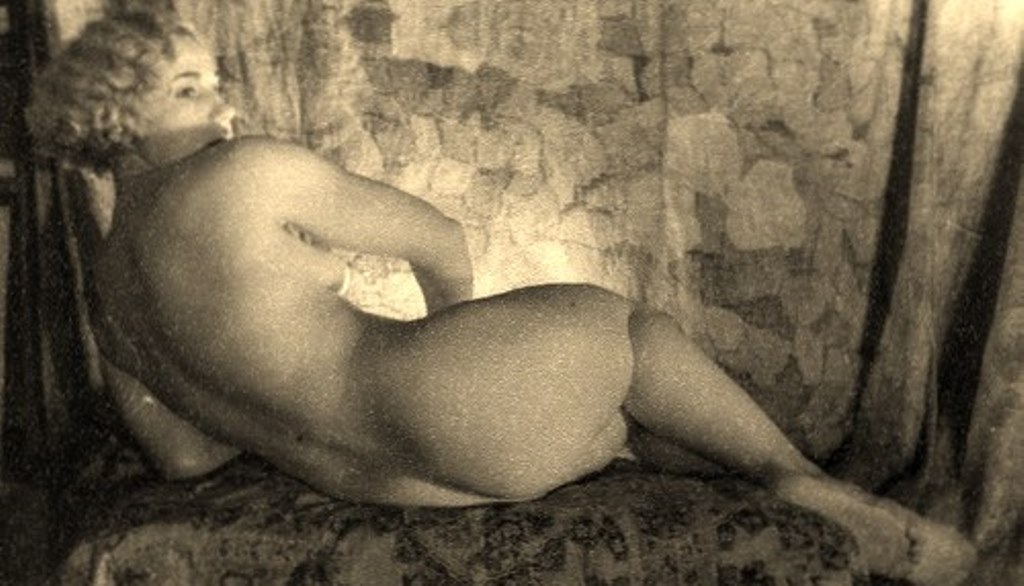
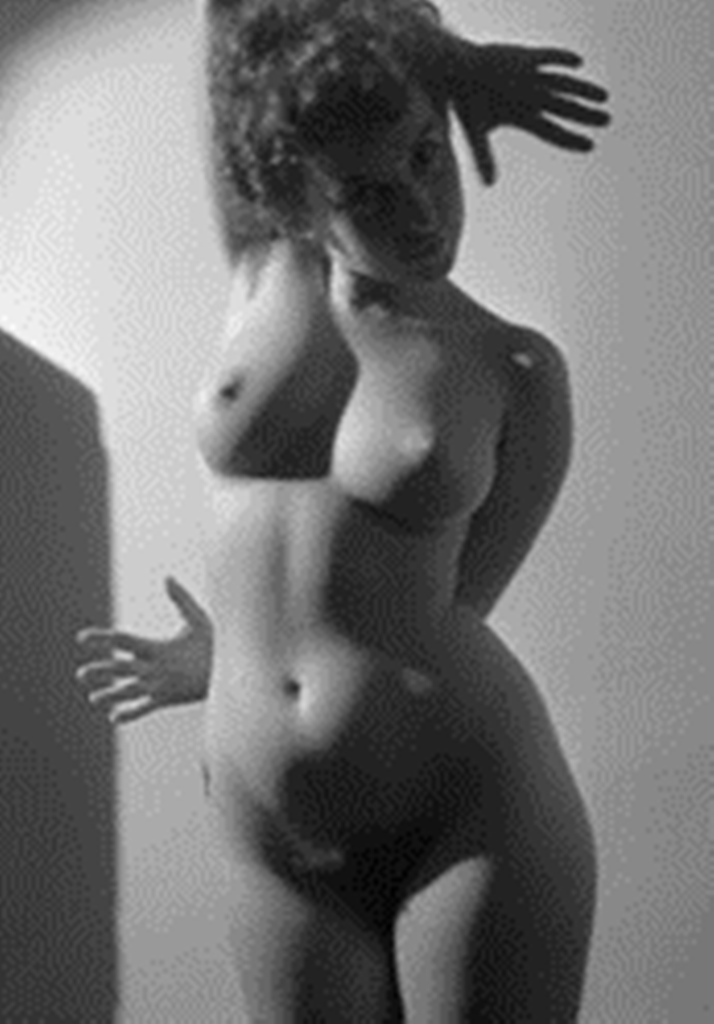
Laurence Le Guay. Dance movement 1946
Via nsw

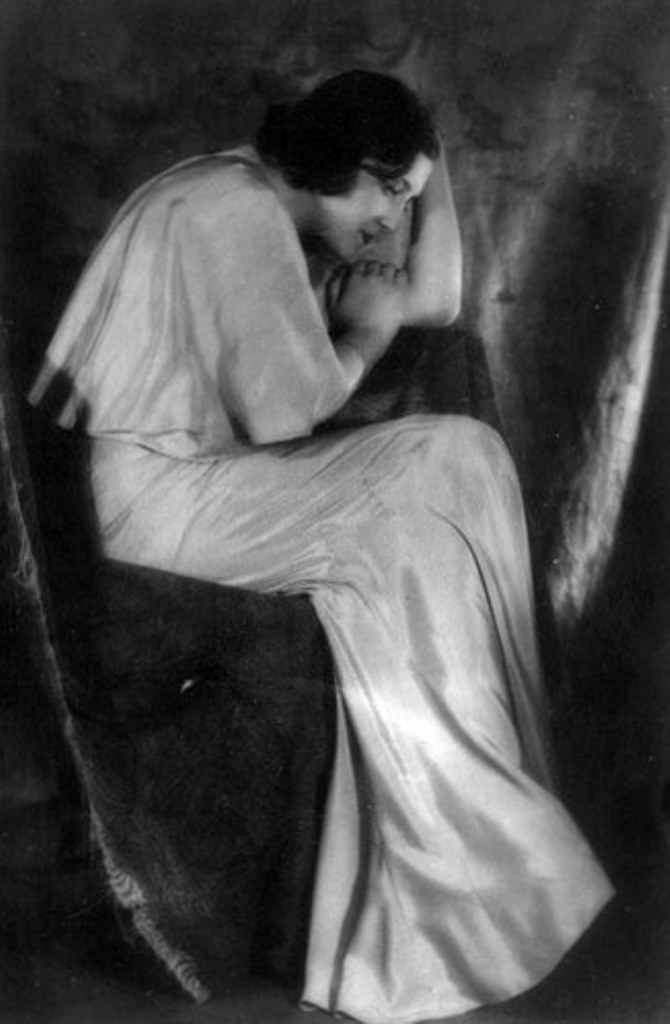
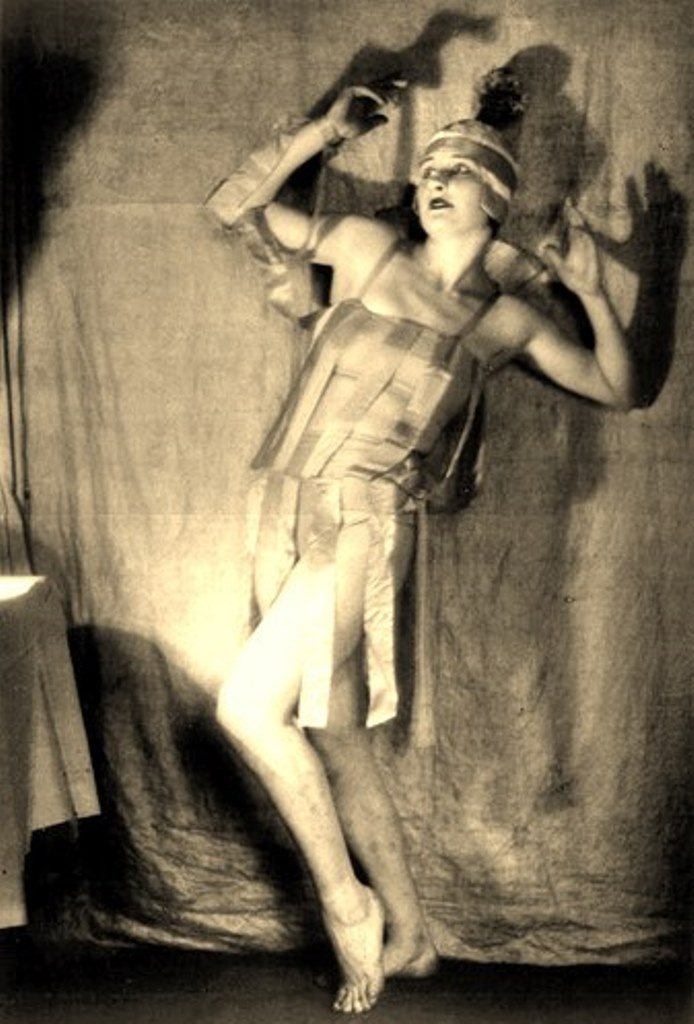
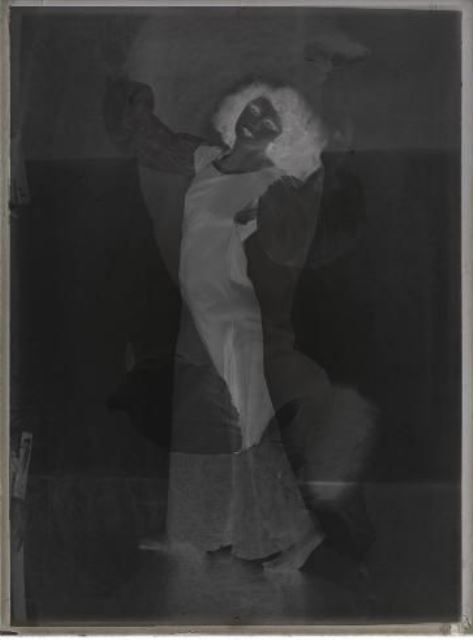
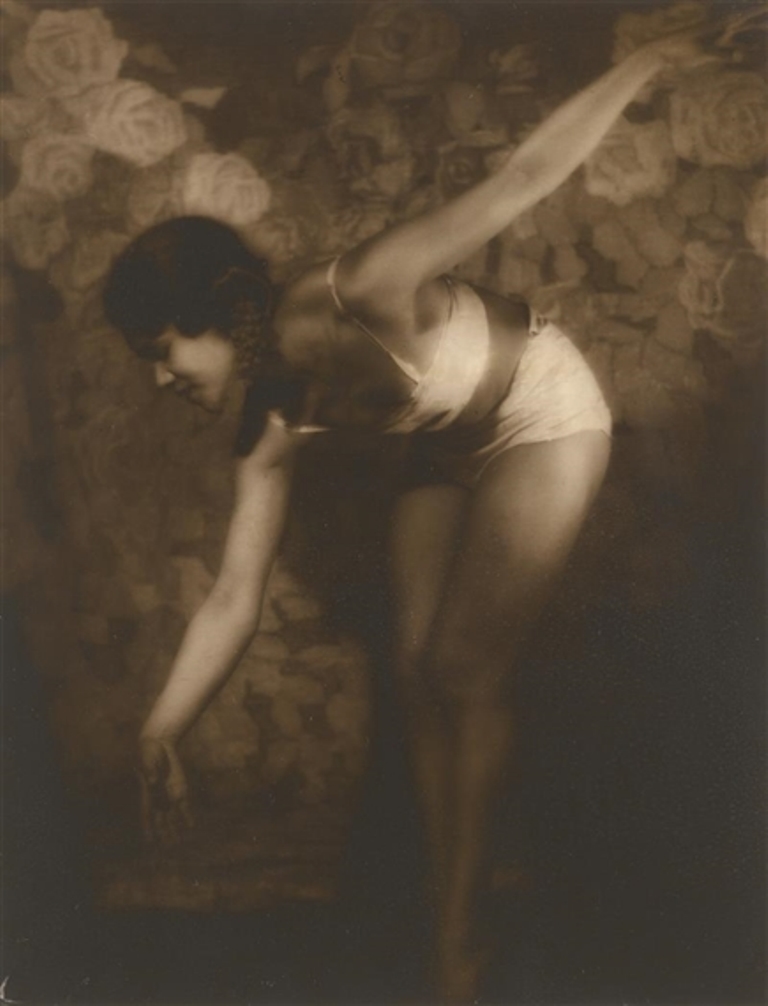
Hans Hasenpflug

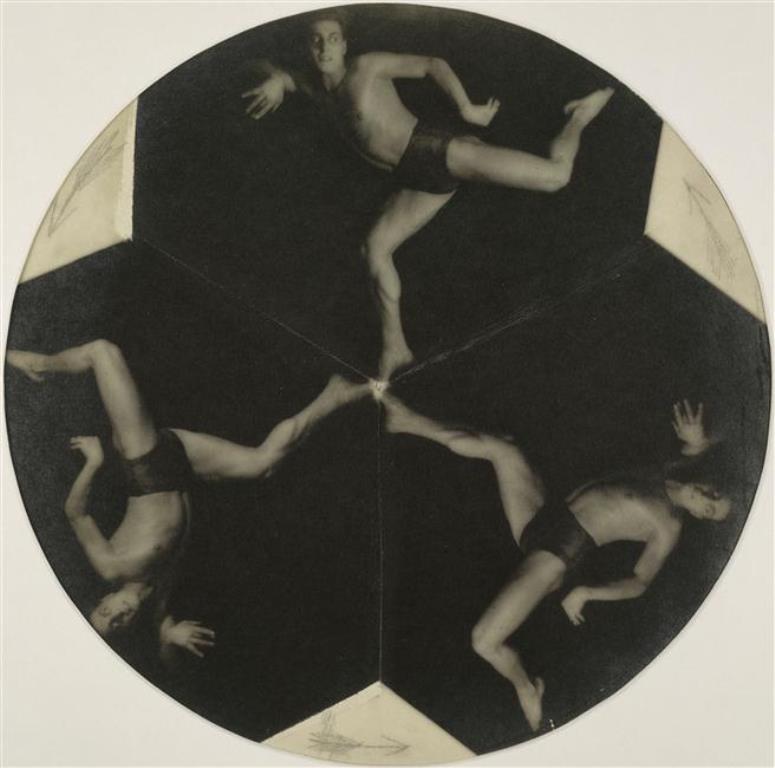
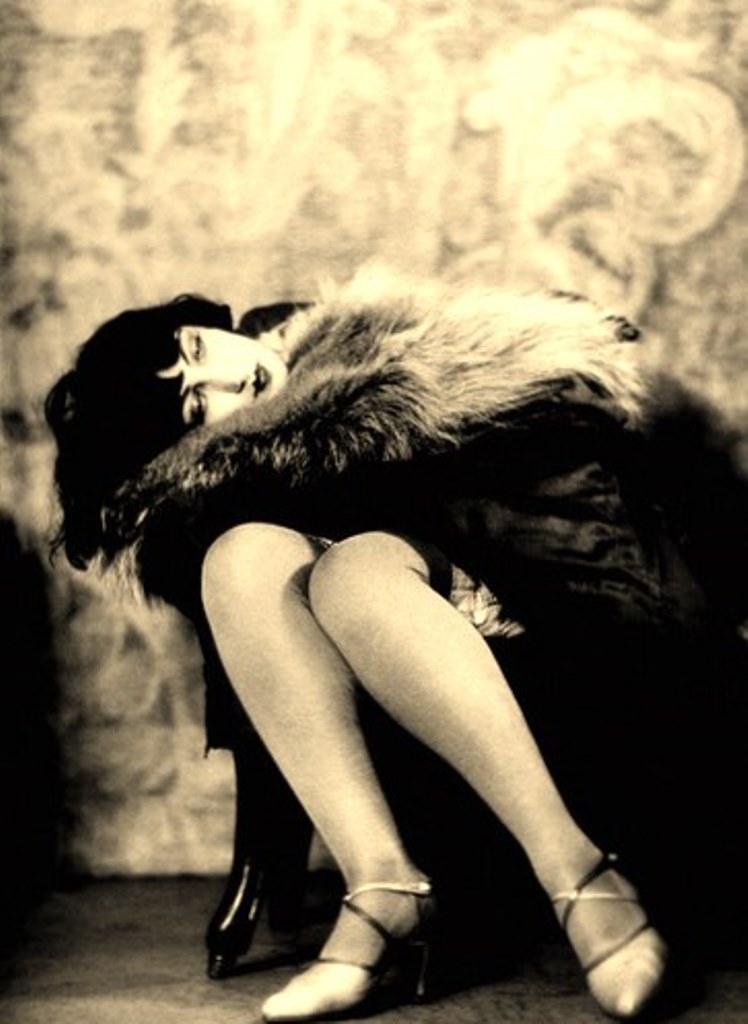
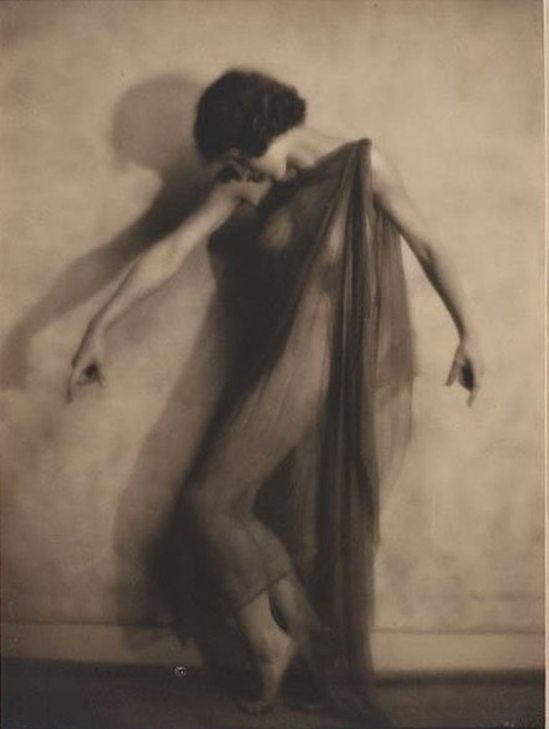
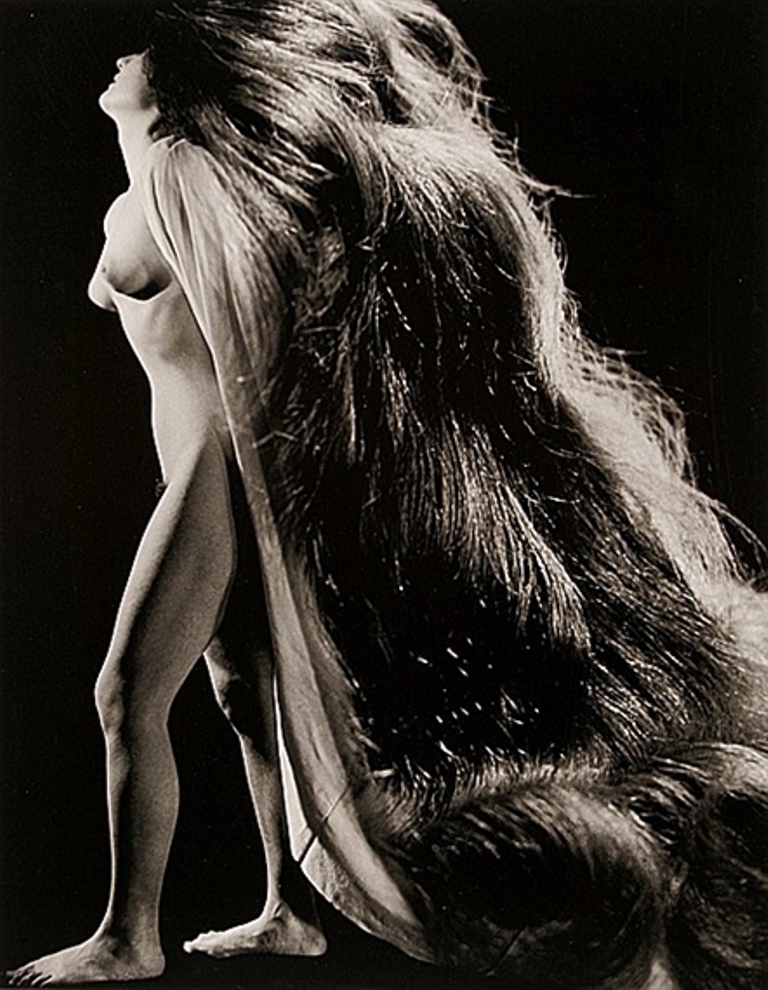
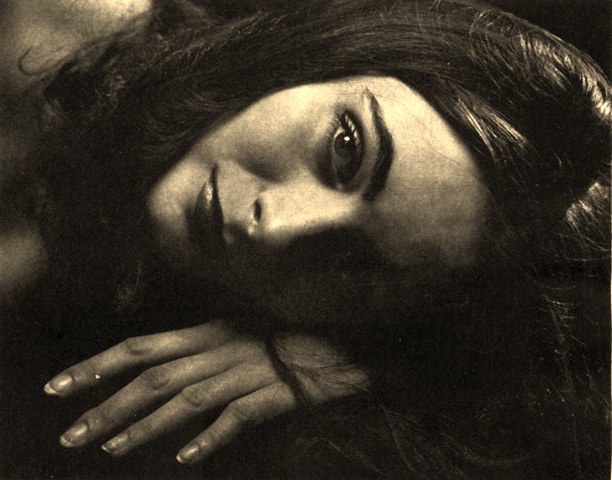
Hans Hasenpflug

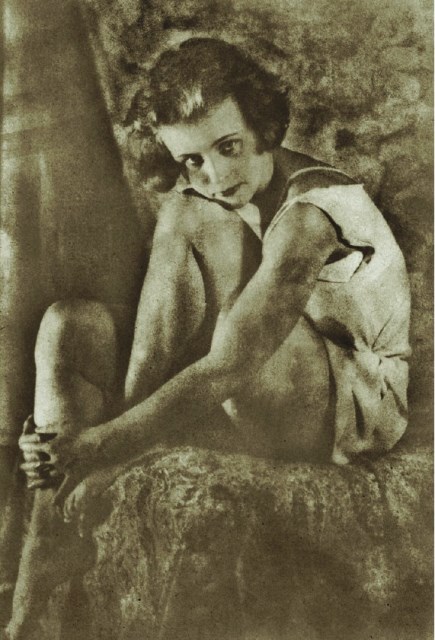
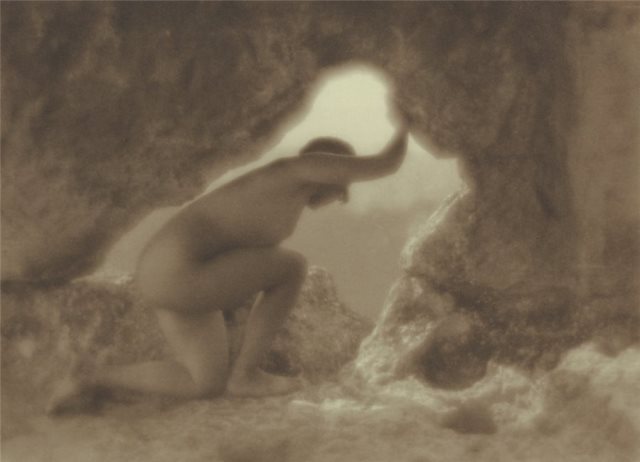
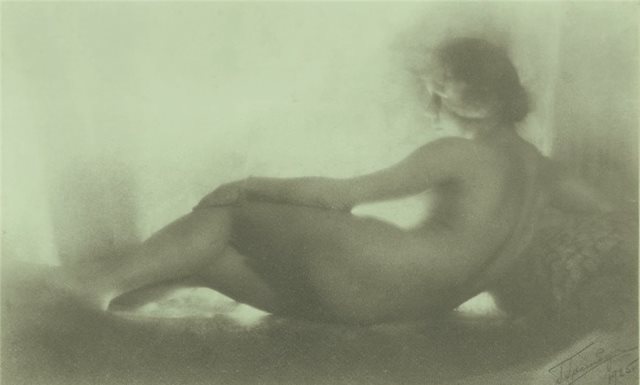
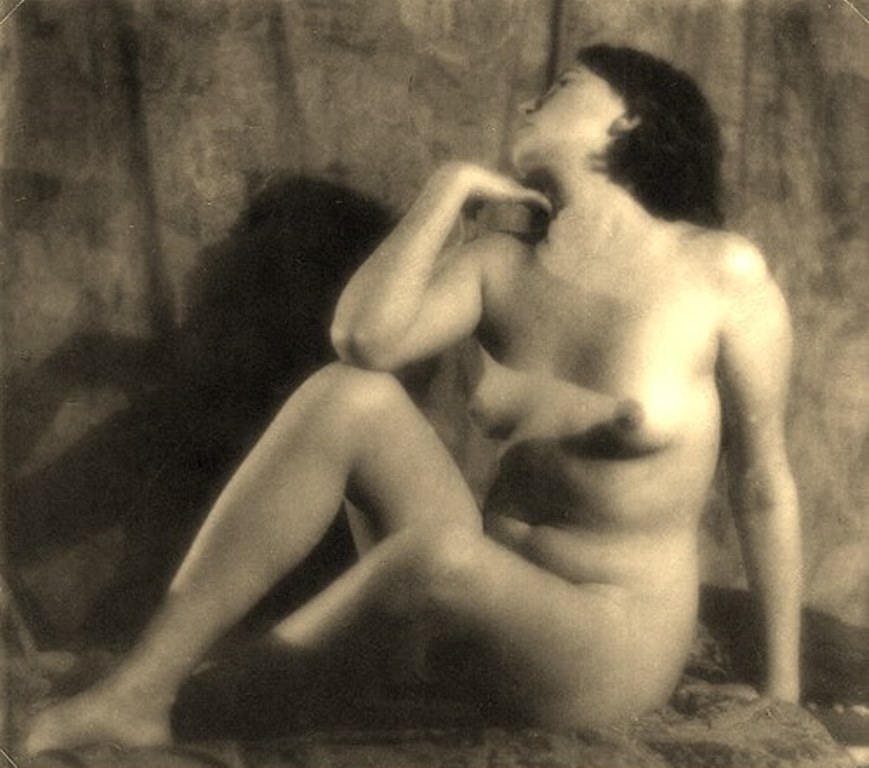
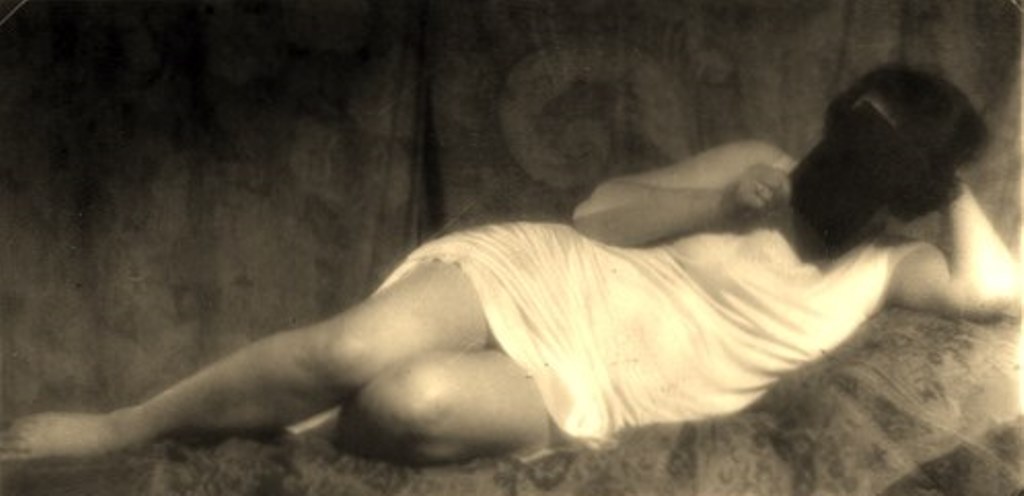
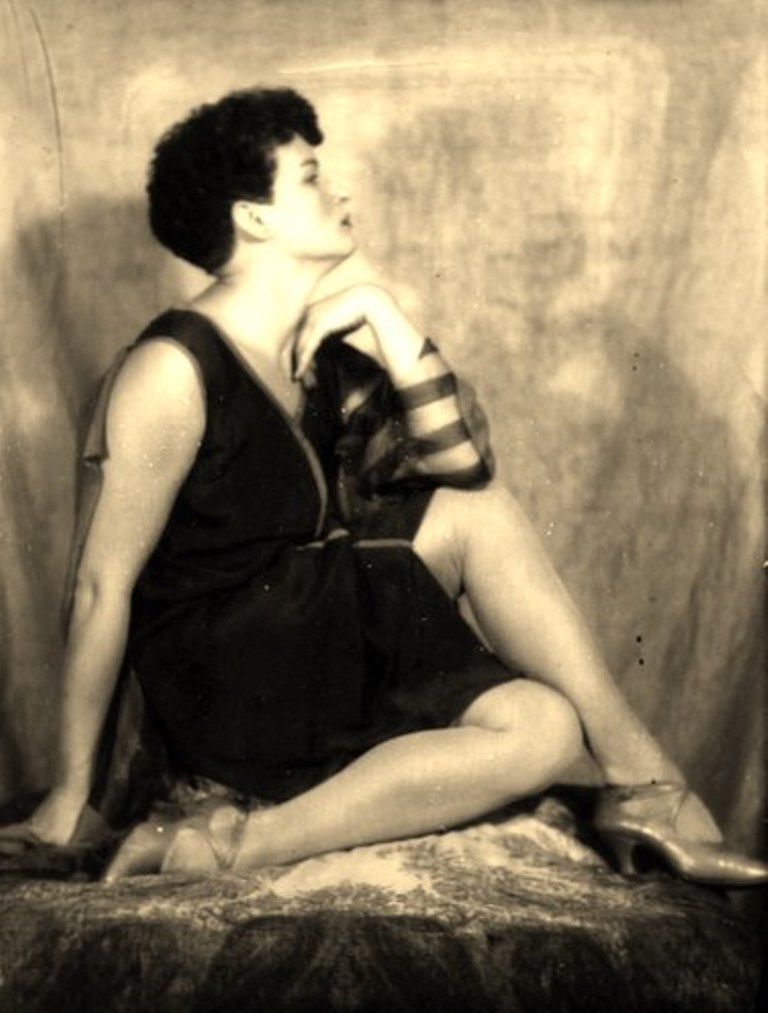
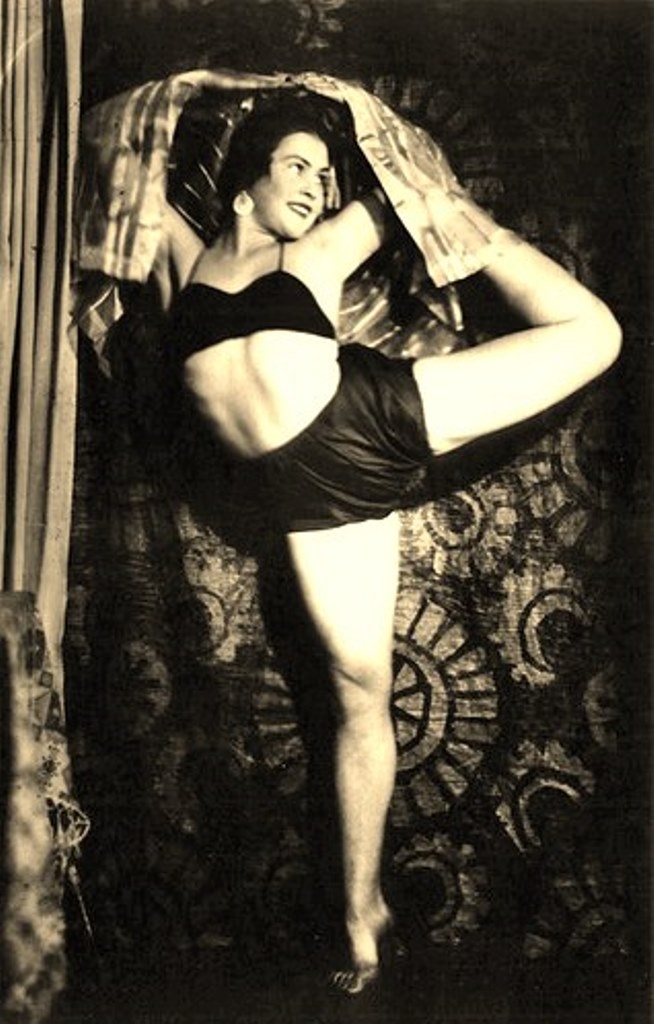
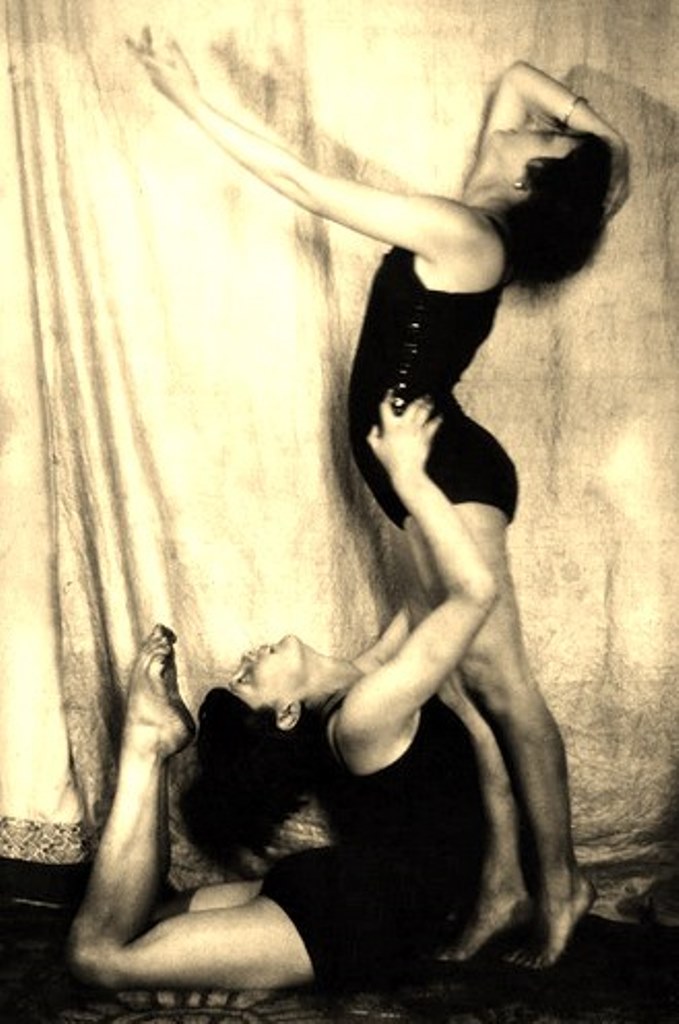
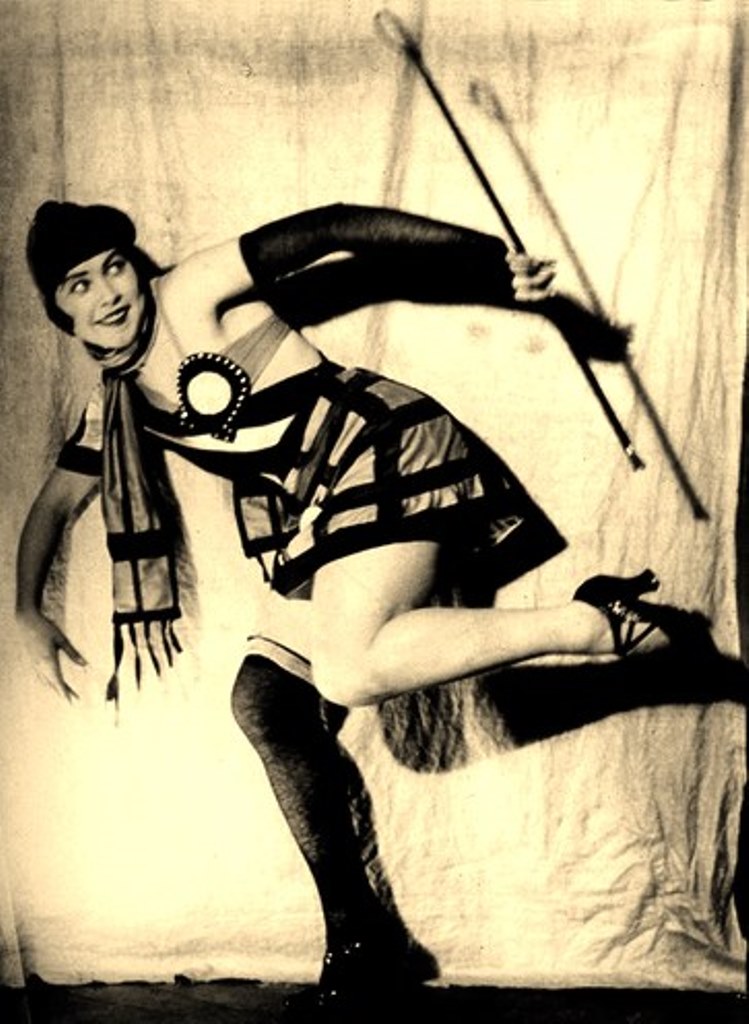
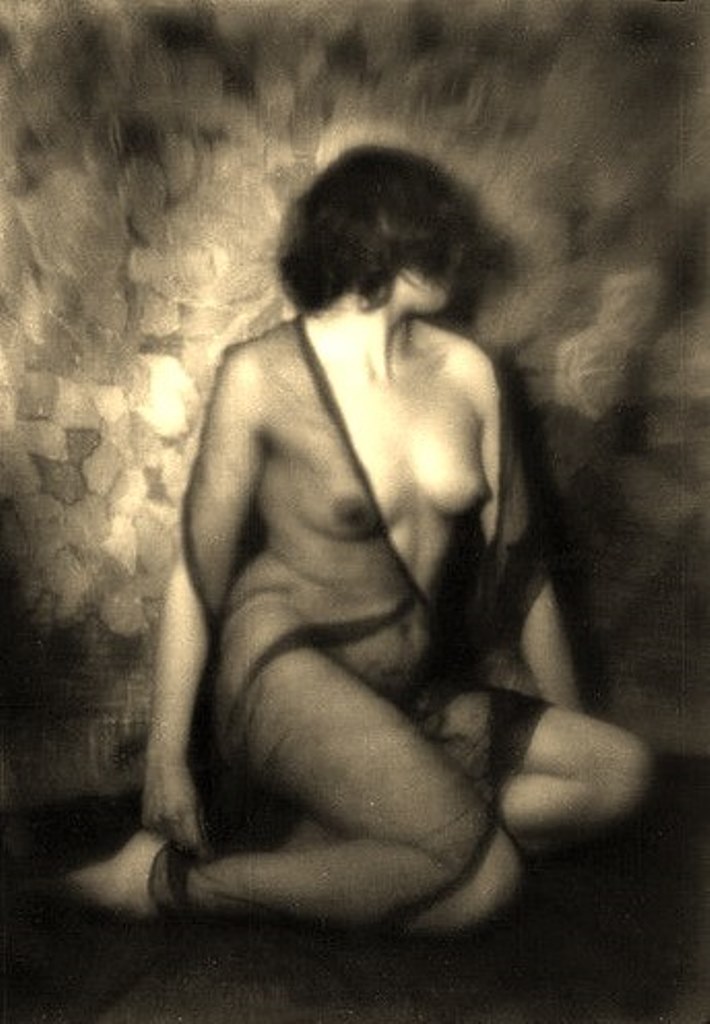
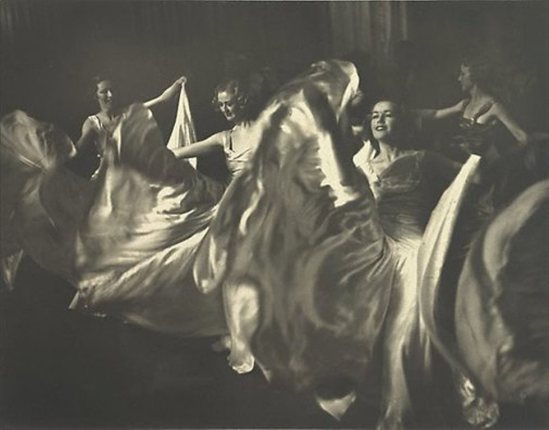
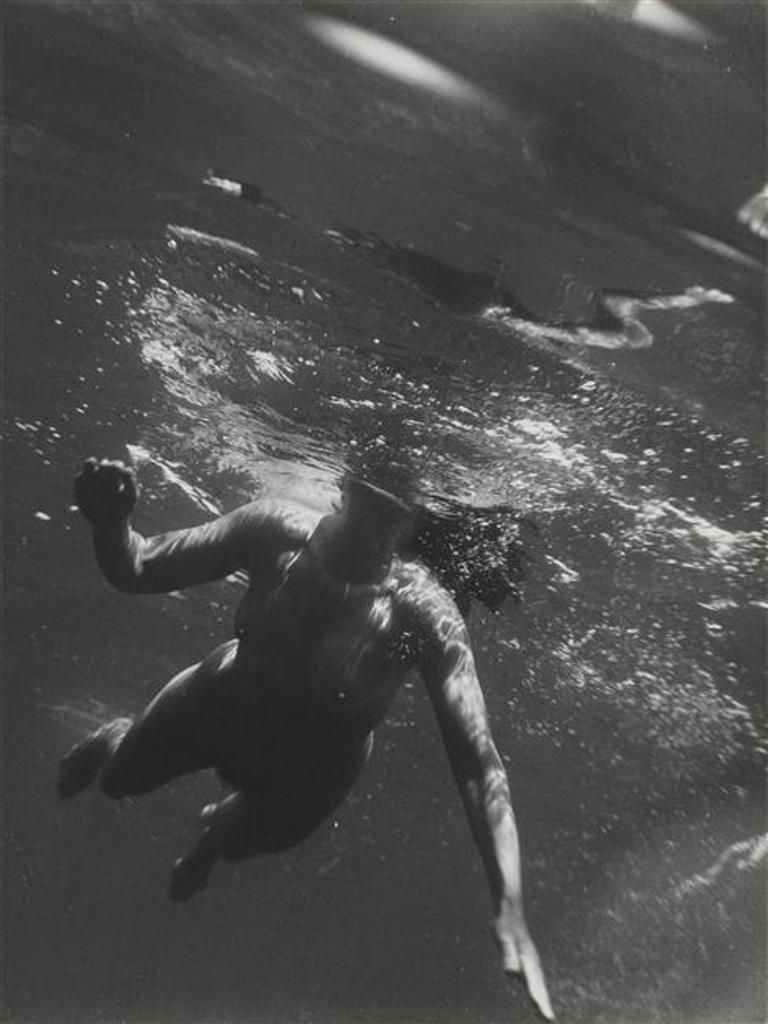
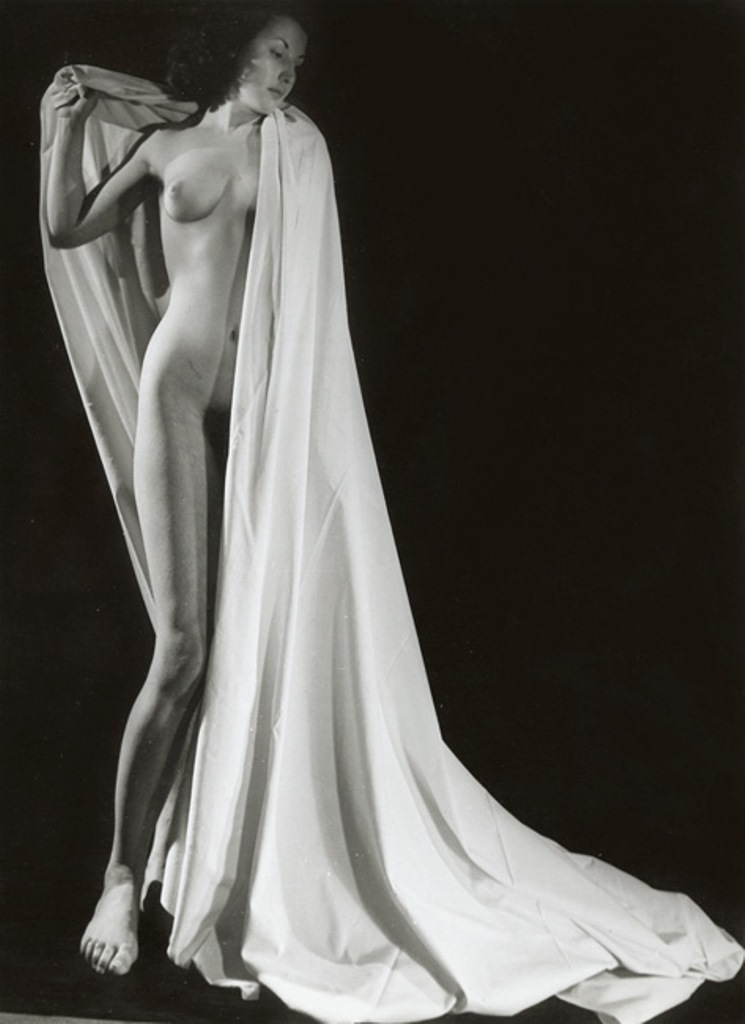
Hans Hasenpflug. Rhapsody in satin 1937
Via nsw

Pablo Picasso

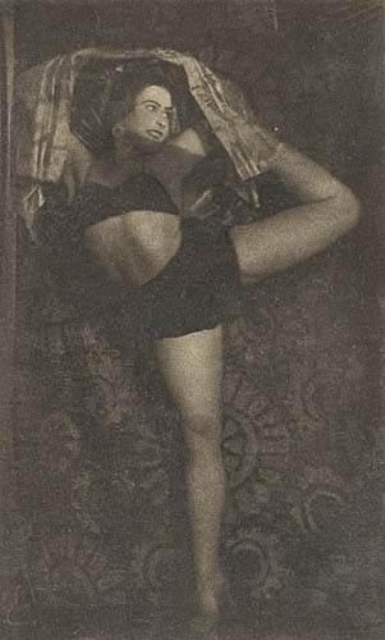
Pablo Picasso

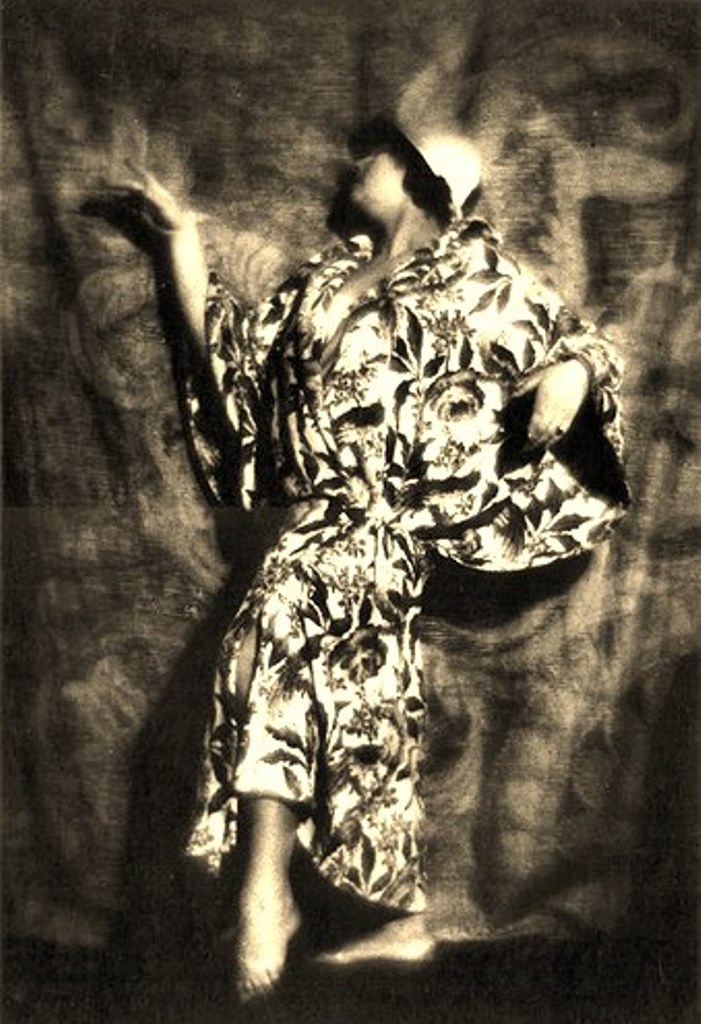
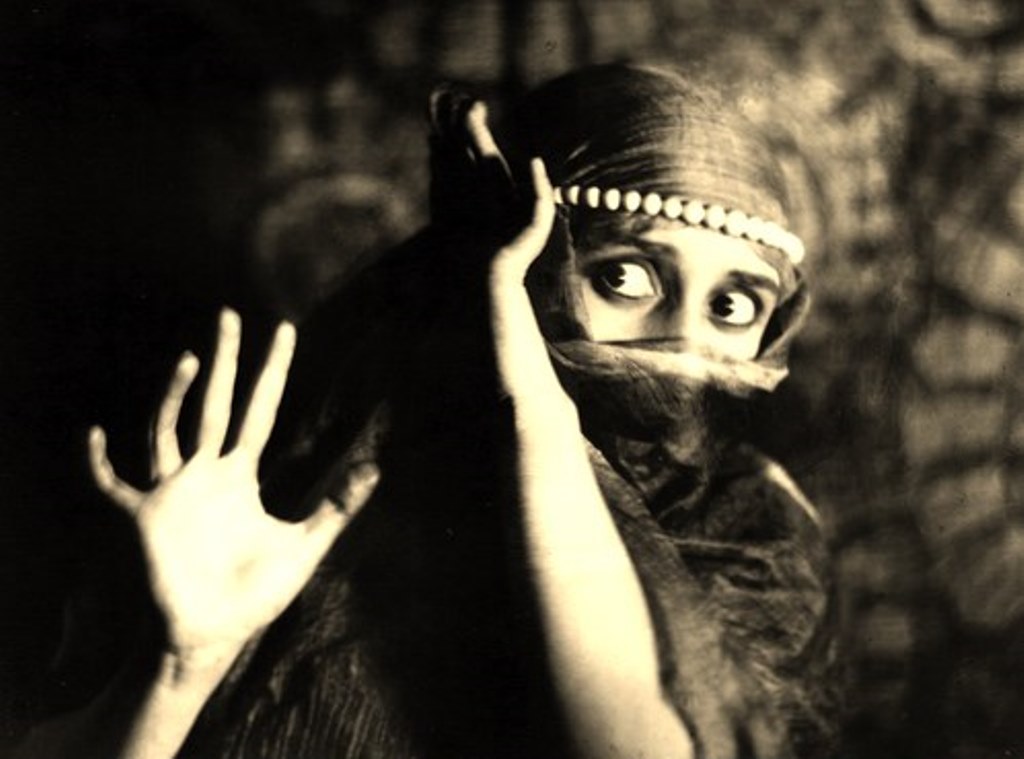
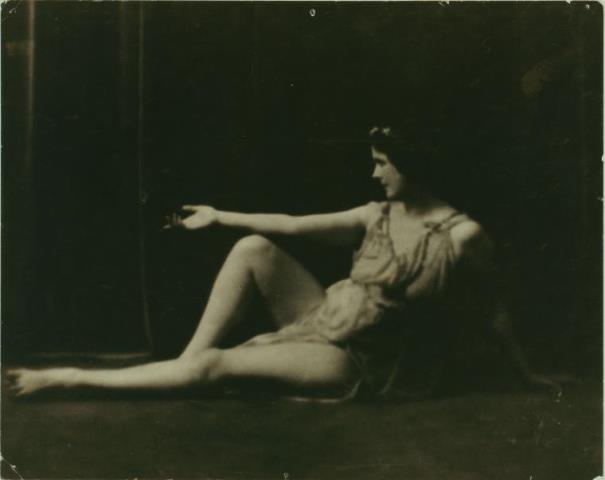
Pablo Picasso.Danseuse assise (Olga Picasso) 1920

Pablo Picasso

Pablo Picasso

Pablo Picasso. Group of Dancers. Olga Kokhlova is lying in the foreground 1919 – 1920

Armand Rassenfose

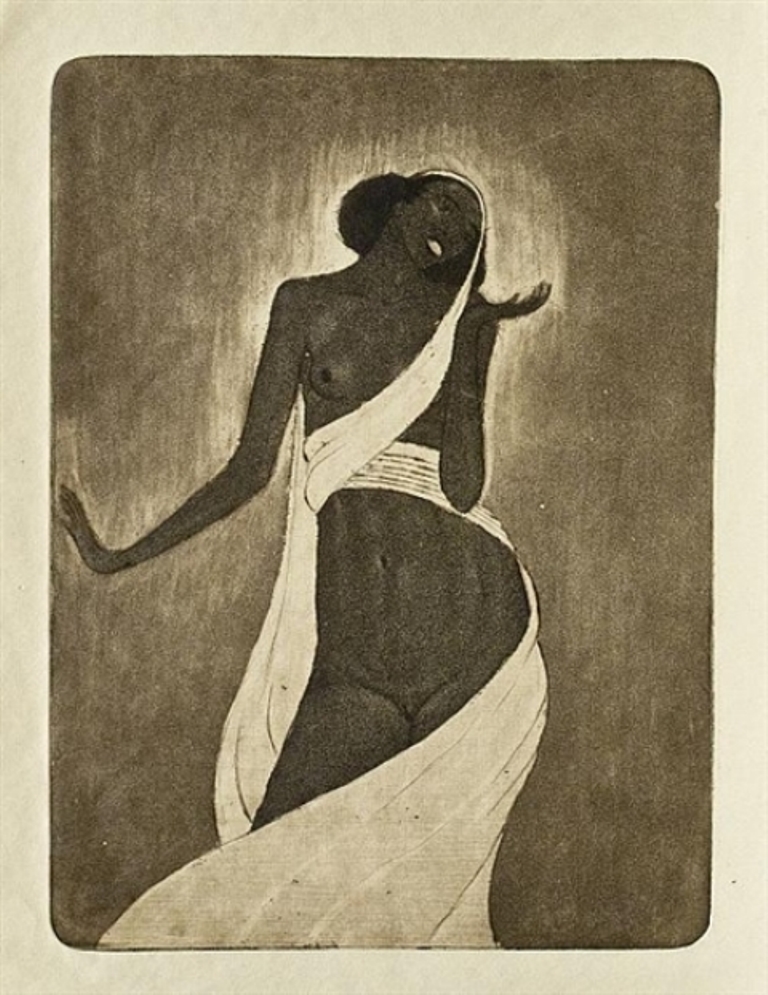
Armand Rassenfose

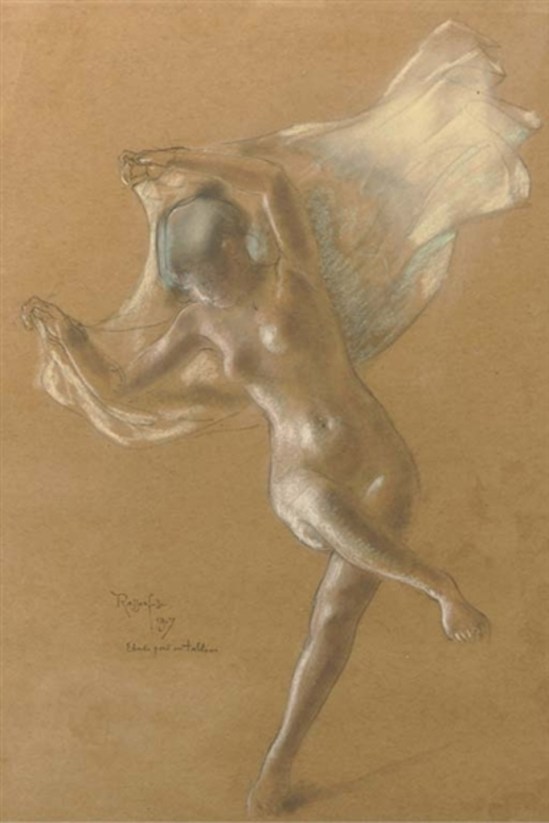
Armand Rassenfose. The dancer

Isadora Duncan

Isadora Duncan

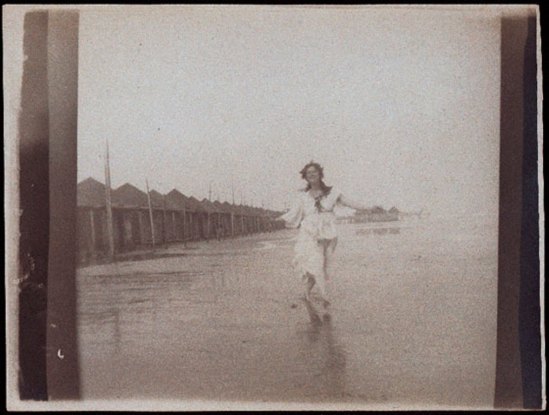
Anonyme. Isadora Duncan sur la plage à Venise vers 1903-1905
Via arnet

Edward Steichen

Edward Steichen

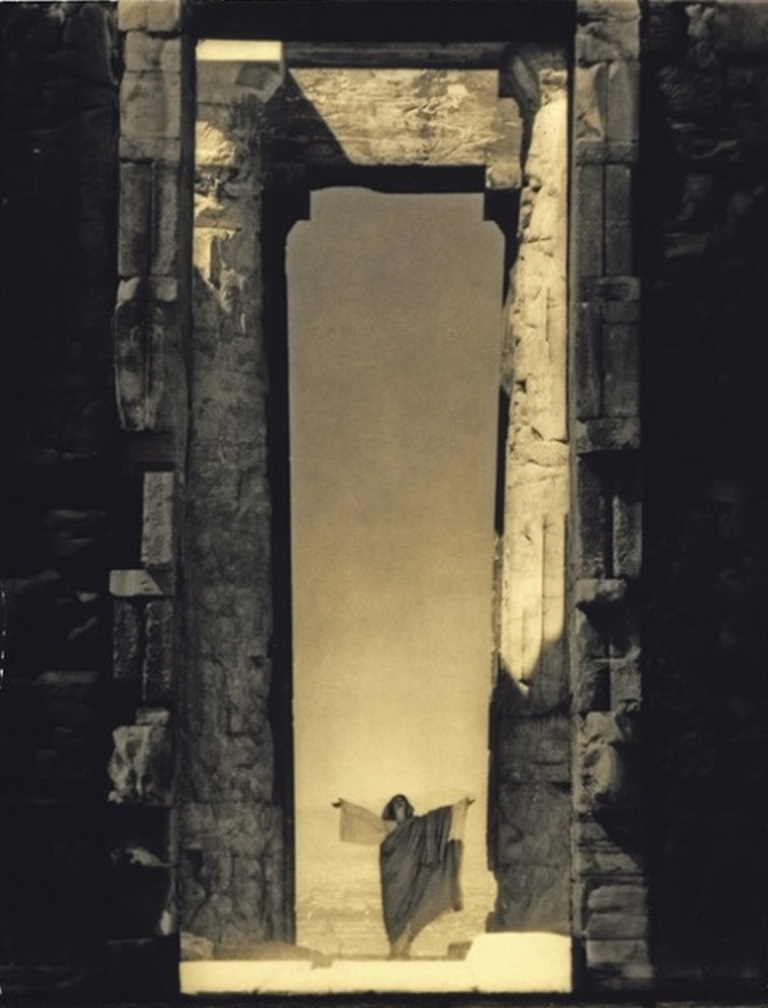
Edward Steichen. Isadora Duncan sous le portique du Parthénon à Athènes 1920
Via artnet

Masao Yamamoto

Masao Yamamoto

Masao Yamamoto
Via karinadwyer

Edgar Degas

Edgar Degas. Danseuse assiseEdgar Degas. Danseuse assise

Edgar Degas

Edgar Degas

Edgar Degas. Monotype

Edgar Degas

Edgar Degas

Edgar Degas. Danseuse le bras tendu vers 1895-1896. Solarisation ®BNF

Edgar Degas

Edgar Degas

Edgar Degas. Photo d’une danseuse vers 1900

Karl Struss

Karl Struss

Karl Struss. From 48 photographs of the female figure 1917
Via bukowski

Karl Struss.

Karl Struss.

Karl Struss. From 48 photographs of the female figure 1917
Via bukowski

Karl Struss

Karl Struss

Karl Struss. From 48 photographs of the female figure 1917
Via bukowski

Karl Struss

Karl Struss

Karl Struss. From  48 photographs of the female figure 1917. Via bukowski

Karl Struss

Karl Struss

Karl Struss. From  48 photographs of the female figure 1917. Via bukowski

Karl Struss

Karl Struss

Karl Struss. From  48 photographs of the female figure 1917. Via bukowski

Karl Struss

Karl Struss

Karl Struss. From  48 photographs of the female figure 1917. Via bukowski

Karl Struss

Karl Struss

Karl Struss. From  48 photographs of the female figure 1917. Via bukowski

Karl Struss

Karl Struss

Karl Struss. From  48 photographs of the female figure 1917. Via bukowski

Baron (Sterling Henry Nahum)

Baron (Sterling Henry Nahum)

Baron (Sterling Henry Nahum). Pamela may

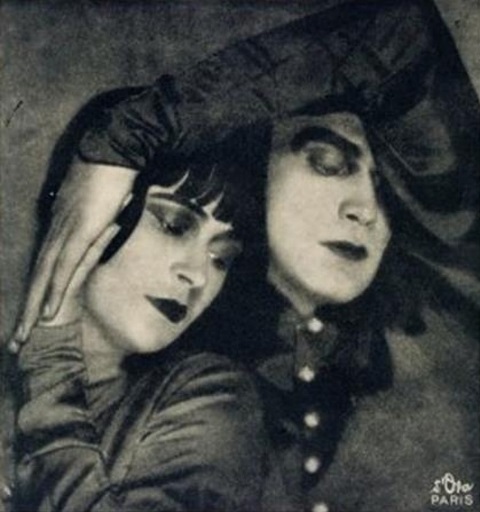
Madame d’Ora

Madame d’Ora. Harald Kreutzberg et Yvonne Georgi vers 1930

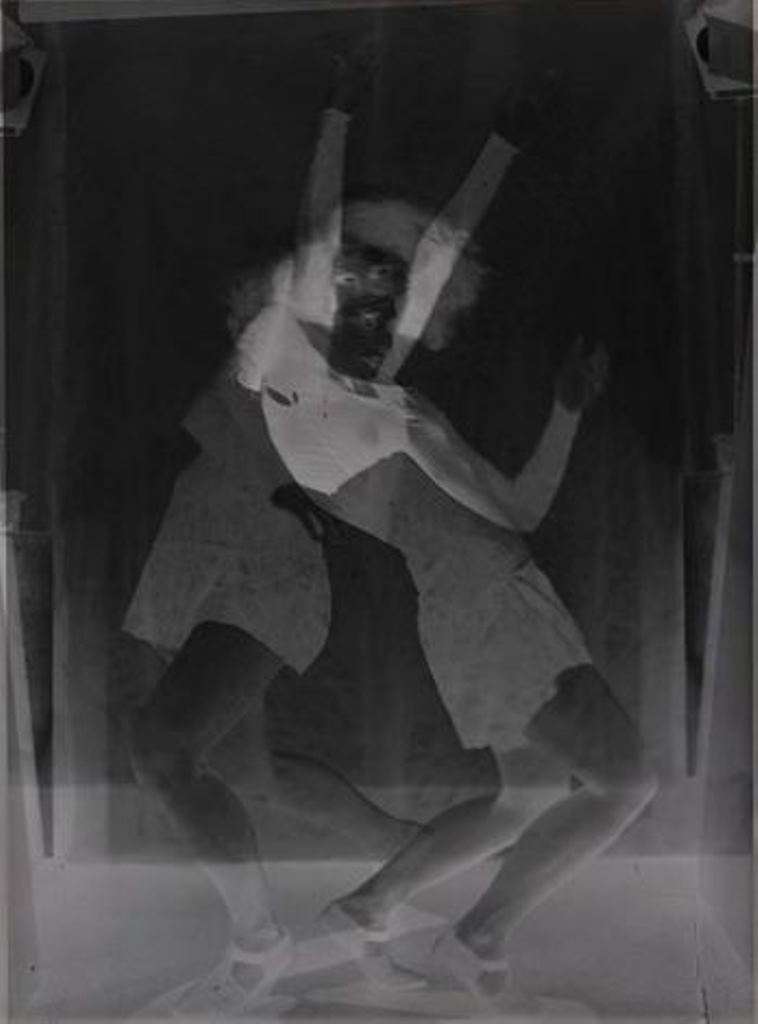
Man Ray

Man ray. Helen Tamiris vers 1930. Superposition de deux négatifs®Man Ray Trust


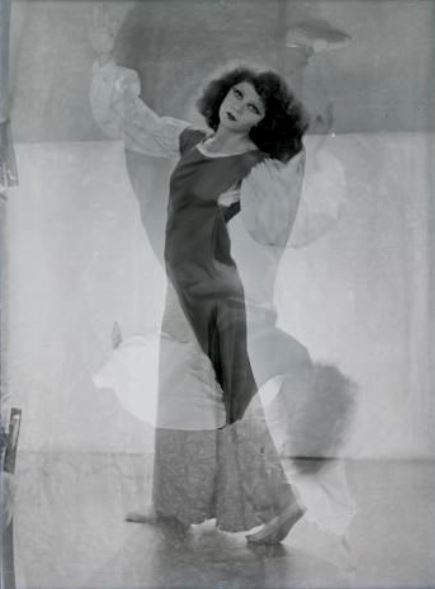
Man Ray. The dancer Helen Tamiris 1930. Montage de deux négatifs®Man Ray Trust
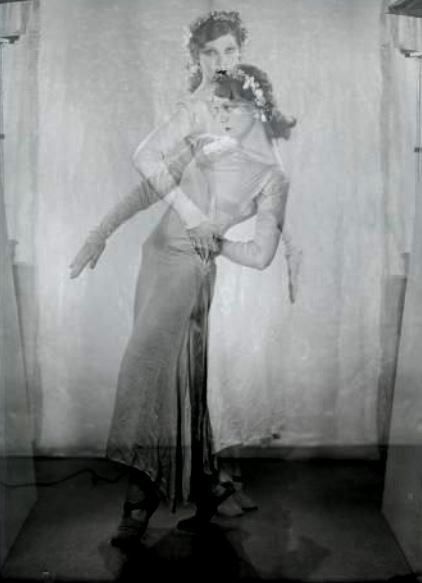
Man Ray. The dancer Helen Tamiris 1930®Man Ray Trust

André Kertész.

André Kertész.

André Kertész.. The dancing faun 1919
Via Getty

André Kertész

André Kertész

André Kertész..Untitled, Toronto, 1981 (Vanessa Harwood, principal dancer with the National Ballet of Canada)
Via mikserdekibeyin

Charlotte Rudolph

Charlotte Rudolph. Vera Skoronel 1925

Charlotte Rudolph

Charlotte Rudolph

Charlotte Rudolph. Le Saut de Palucca vers 1922-1923
Via centre pompidou

Nickola Muray

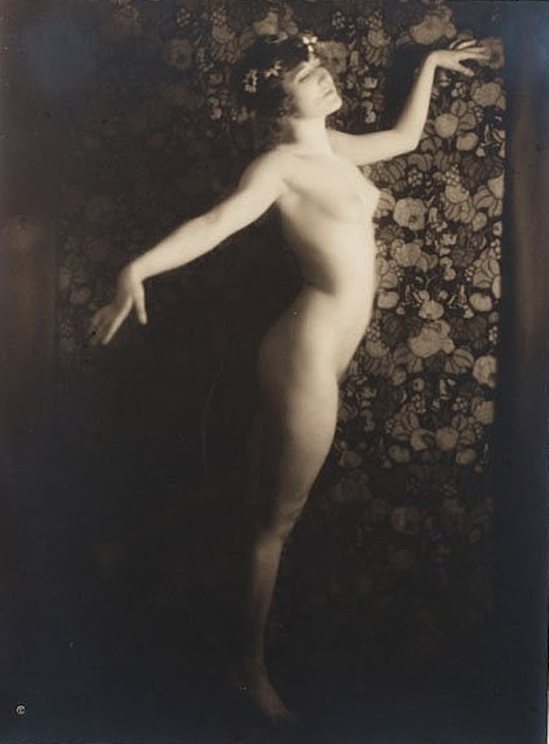
Nickolas Muray. Nude female dancer (Martha Lorber) 1925. Via liveauctioneers

Nickolas Muray. Nude female dancer (Martha Lorber) 1925. Via liveauctioneers

Nude Dancer (Possibly Martha Lorber) – Nickolas Muray – c. 1925

EDWARD STEICHEN

EDWARD STEICHEN

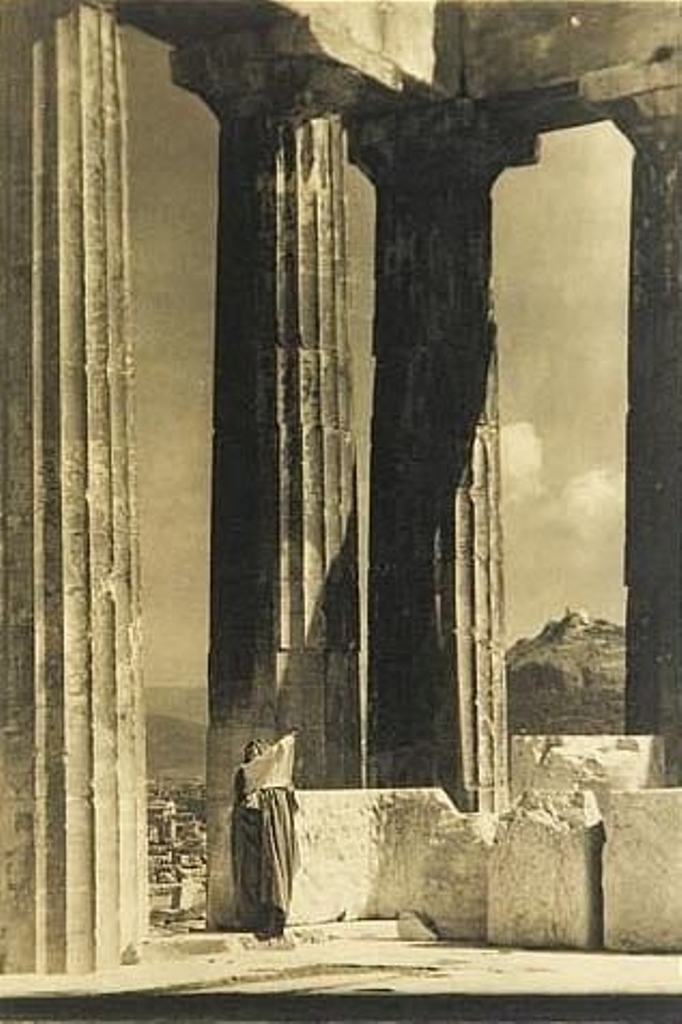
Edward Steichen. Isadora Duncan.The Parthenon
Via mutualart

EDWARD STEICHEN

EDWARD STEICHEN

Edward Steichen.Isadora Duncan 1923
Via mutualart

PIERRE BOUCHER (1908-2000)

Il étudie à l’École des Arts Appliqués avant de collaborer dans les années 1930 à la revue Arts et Métiers Graphiques. Sa proximité avec les studios publicitaires et sa connaissance des techniques graphiques modernes seront déterminantes dans sa démarche artistique. En 1934, il crée avec René Zuber l’agence Alliance-Photo. Au sein de cette agence, il impose le premier code déontologique du photographe et le respect de la signature des photographes lors de la publication dans les médias. De ses fréquents voyages en Espagne, Égypte, Maroc, Monaco, Russie, Pérou, Bolivie, Brésil ou encore les États-Unis, il rapportera une importante collection de photographies dont certaines donneront lieu à des expositions.

Mais il marquera surtout son temps pour avoir largement contribué à faire entrer la photographie dans la modernité, comme matériau artistique à part entière, en utilisant les techniques mécaniques d’imagerie à des fins détournées. Avec Pierre Boucher, le photographe sort de la chambre noire pour s’initier à d’autres métiers. Acteur du courant photographique de la Nouvelle Vision ou Nouvelle Objectivité, Pierre Boucher explore divers aspects de la photographie avant-gardiste. On lui doit des nus surréalistes inspirés par Man Ray, des photogrammes, des photocollages, des solarisations et des surimpressions. Pour cet infatigable novateur de l’après cliché, toutes les techniques sont bonnes à explorer.

Sa démarche artistique se décline aussi sur des travaux de commande comme des affiches publicitaires, des illustrations documentaires, des reportages industriels ou des illustrations pour l’édition, comme la célèbre Méthode française de ski de Émile Allais. Il avait pour le sport une attirance toute spéciale pour laquelle il s’exprime en ces termes : « Aujourd’hui je chasse aux images. Il faut se satisfaire d’un rapide coup d’œil, saisir les mouvements en plein vol, capter la vie dans ce qu’elle offre de plus mouvant, de plus insaisissable. » (via http://fr.wikipedia.org/wiki/Pierre_Boucher_%28photographe%29)

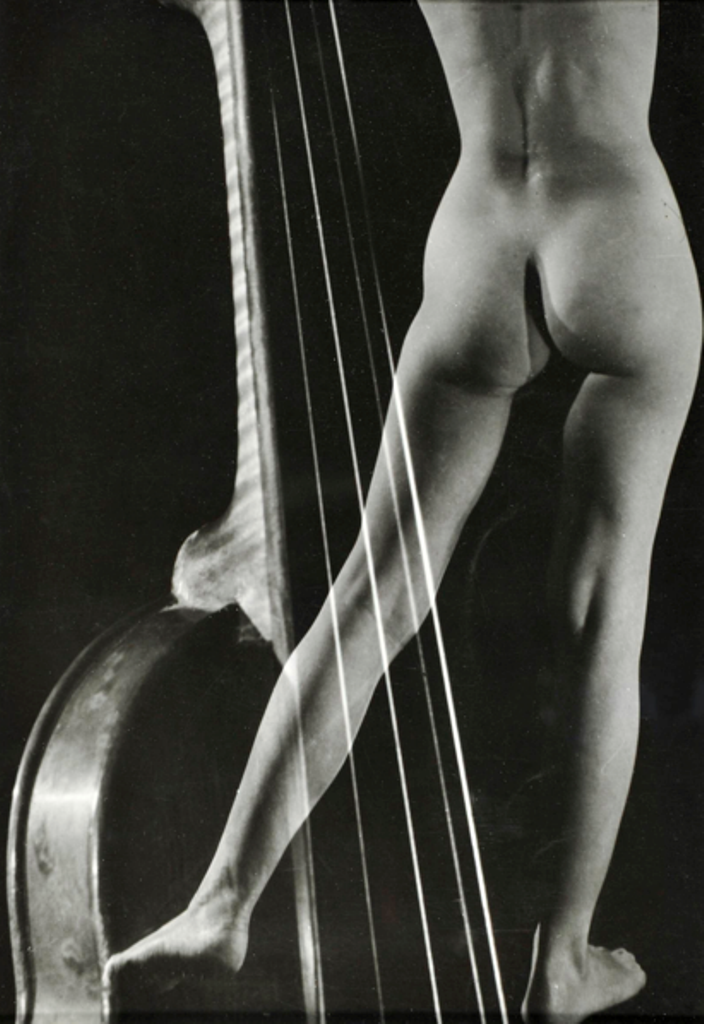
Pierre Boucher. Nu au violon, photomontage. 1938 Via drouot

Pierre Boucher. Nu au violon, photomontage. 1938
Via drouot

Pierre Boucher. Nu Via seimspeis

Pierre Boucher. Nu
Via seimspeis

Pierre Boucher 1908 Via invaluable

Pierre Boucher 1908
Via invaluable

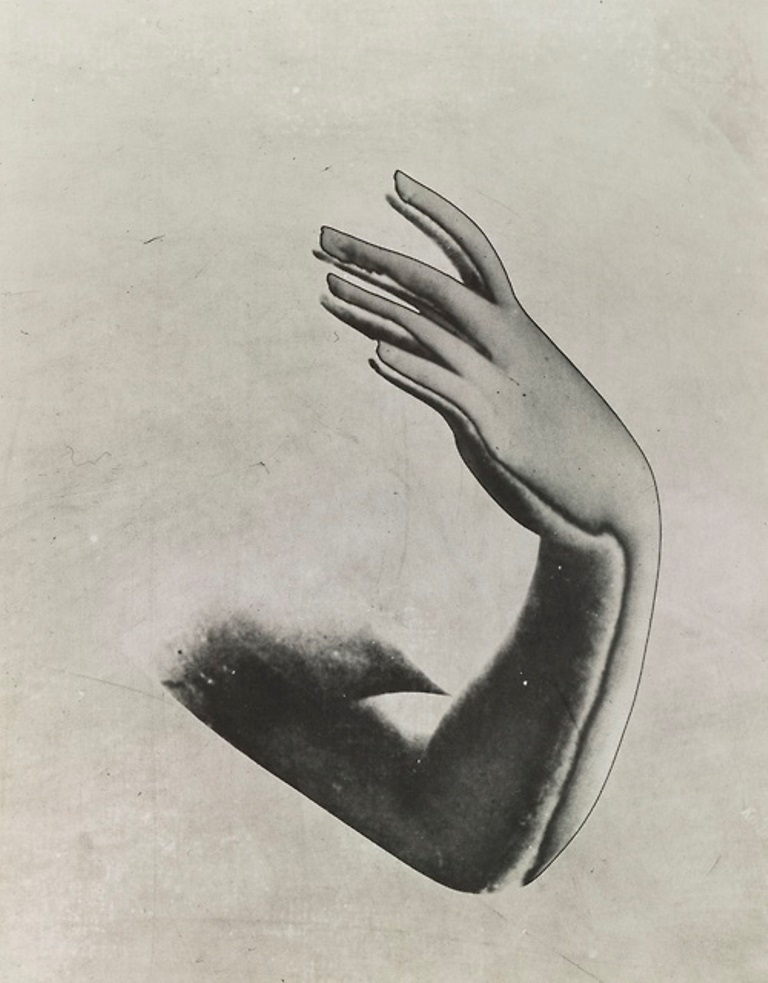
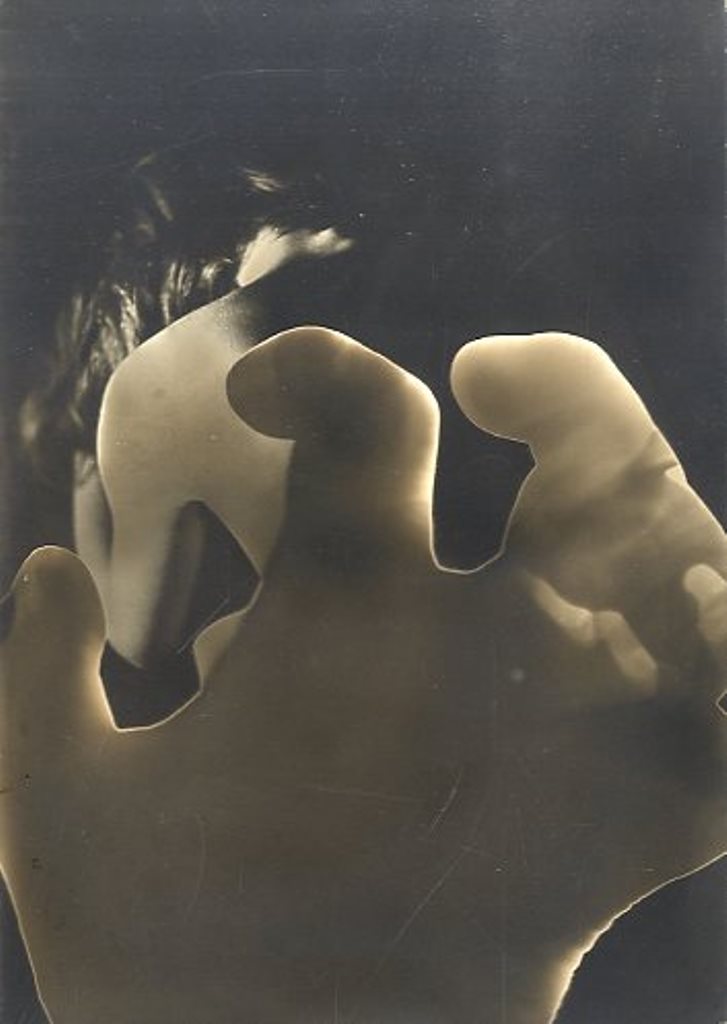
Pierre Boucher. Solarized arm and hand 1933

Pierre Boucher. Solarized arm and hand 1933

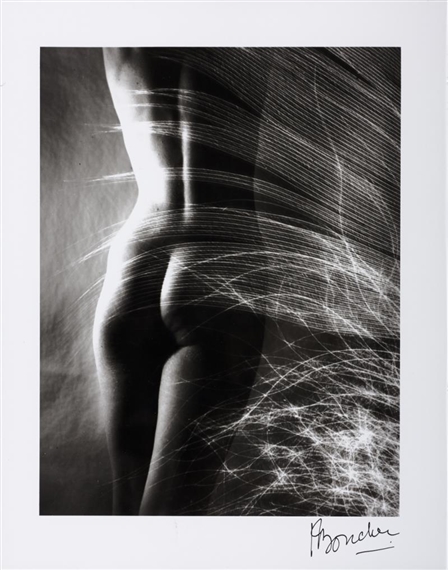
Pierre Boucher. Résille de lumière 1935 Via drouot

Pierre Boucher. Résille de lumière 1935 Via drouot

Pierre Boucher. Superposition, nu et plume 1932 Via mutualart

Pierre Boucher. Superposition, nu et plume 1932
Via mutualart

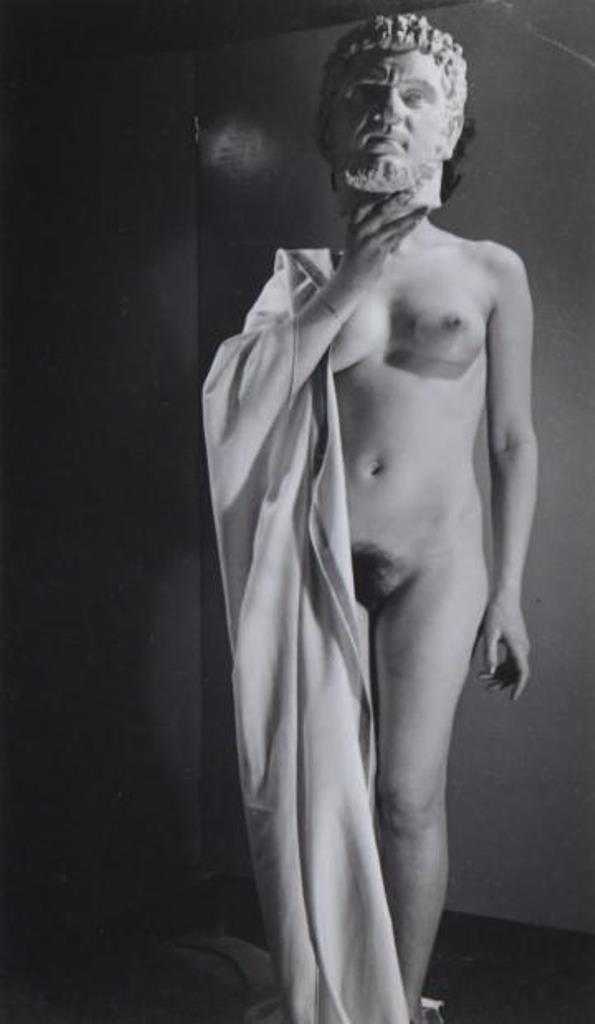
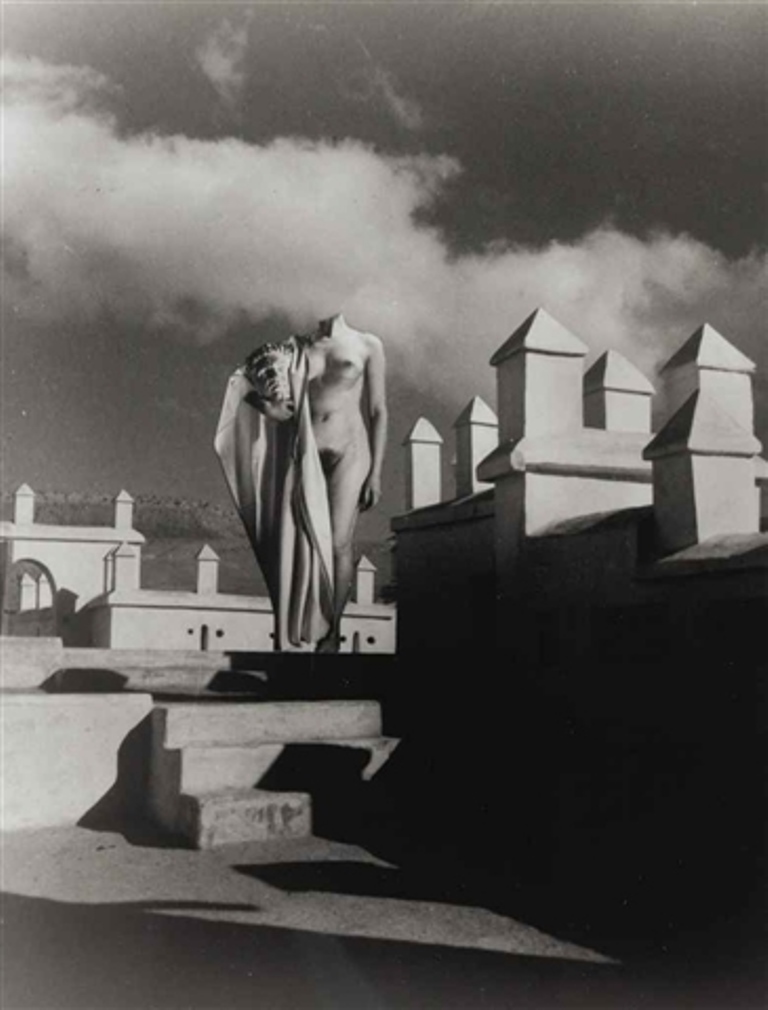
Pierre Boucher. Nu à la tête sculptée d'empereur, 1936 Via drouot

Pierre Boucher. Nu à la tête sculptée d’empereur 1936
Via drouot

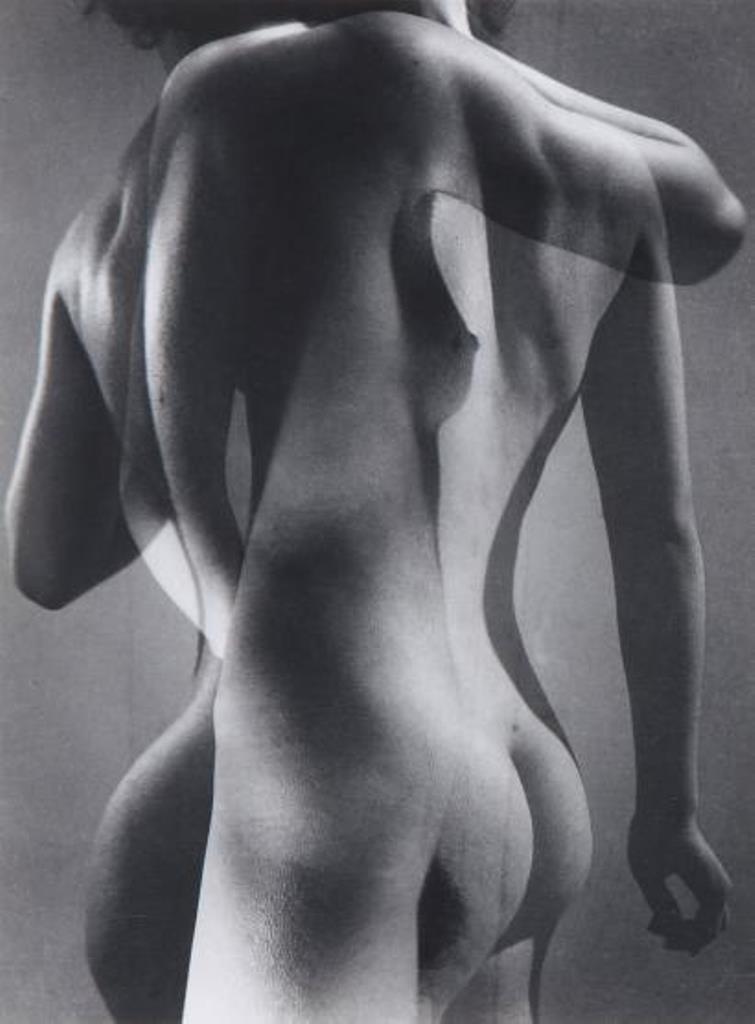
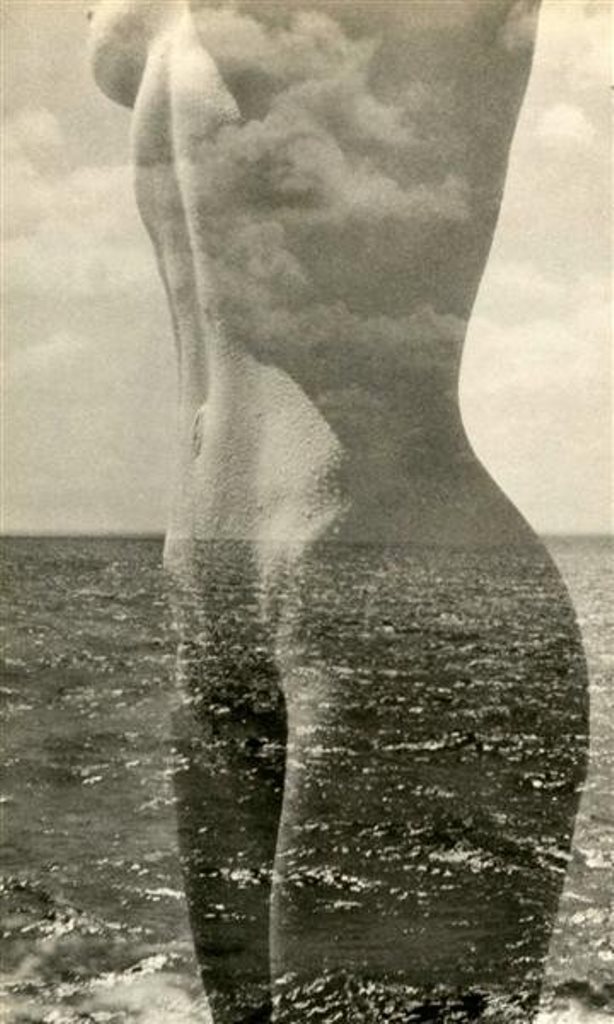
Pierre Boucher. Nus féminins, Surimpression 1935 Via drouot

Pierre Boucher. Nus féminins, Surimpression 1935
Via drouot

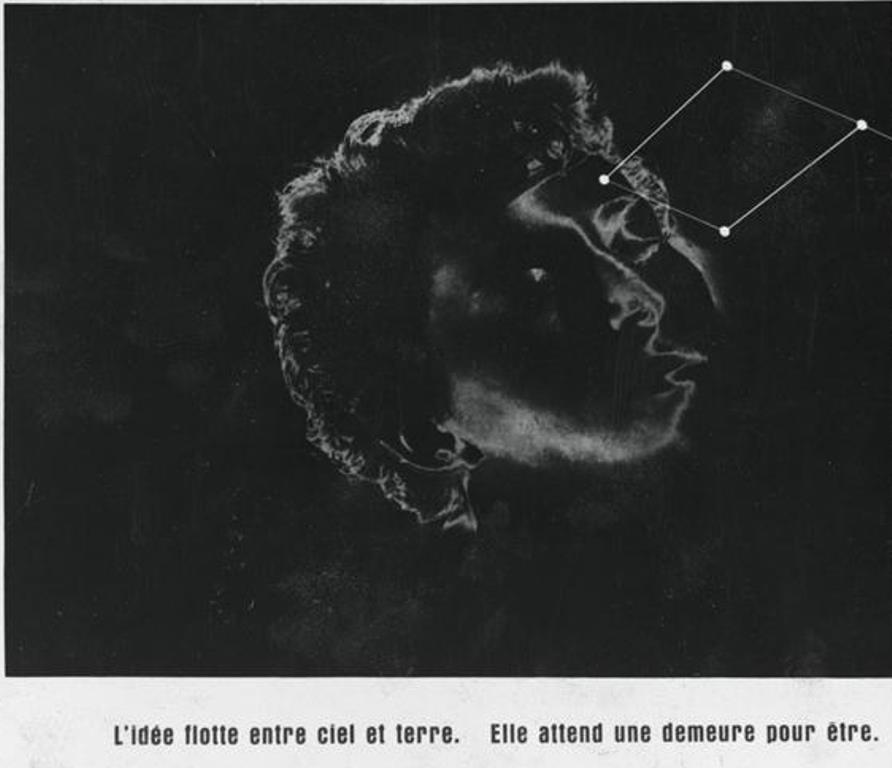
ImagePierre Boucher. Etude pour L’Esprit et la Matière 1939-1941

Image

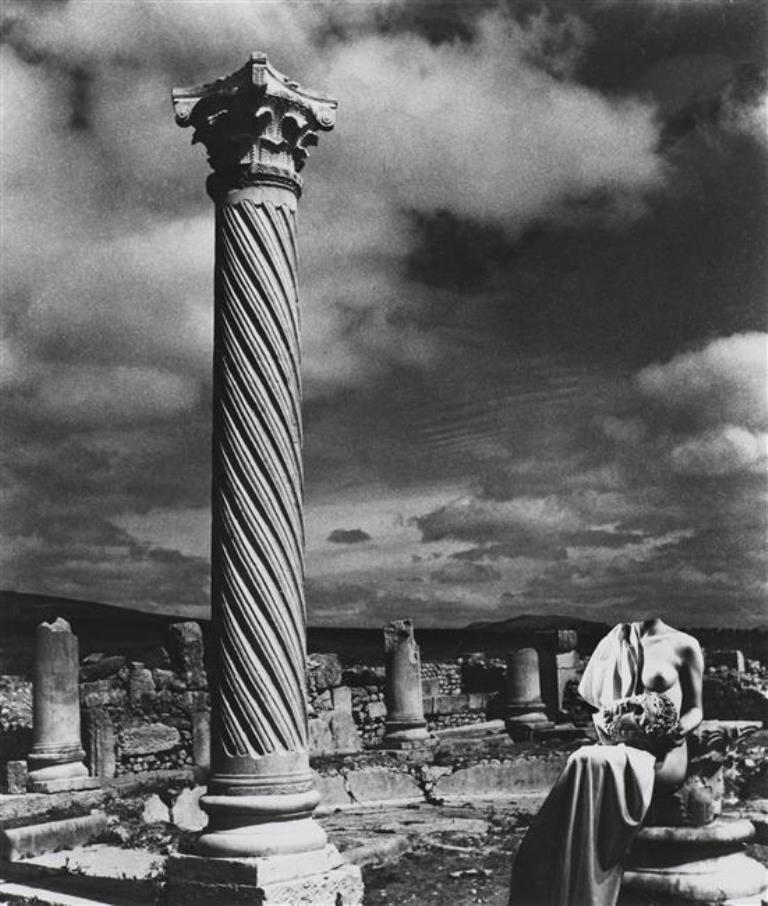
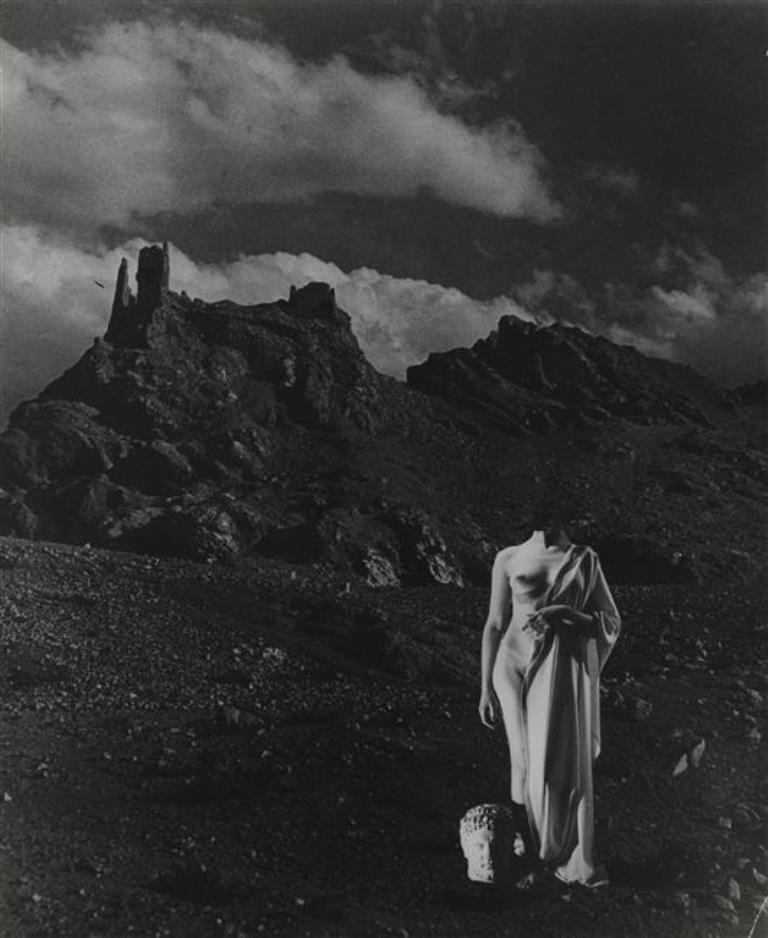
Pierre Boucher, Nude, Ruins of Volubilis, Morocco, 1936

Image

Pierre Boucher. Nu couché 1935

Image

Pierre Boucher, Untitled, 1937

Image

Pierre Boucher, Violin nude, date unknown

Image

Pierre Boucher, Nude phantasmagoria XI, c. 1937

Image

Pierre Boucher, Nude phantasmagoria XIV, 1937

Image

Pierre Boucher, The revolt, 1945

Image

Pierre Boucher, The fall of bodies, 1936

Image

Pierre Boucher, Female Nude, 1935

Image

Pierre Boucher (French, 1908-2000). Etude. Original vintage color photogravure

Image

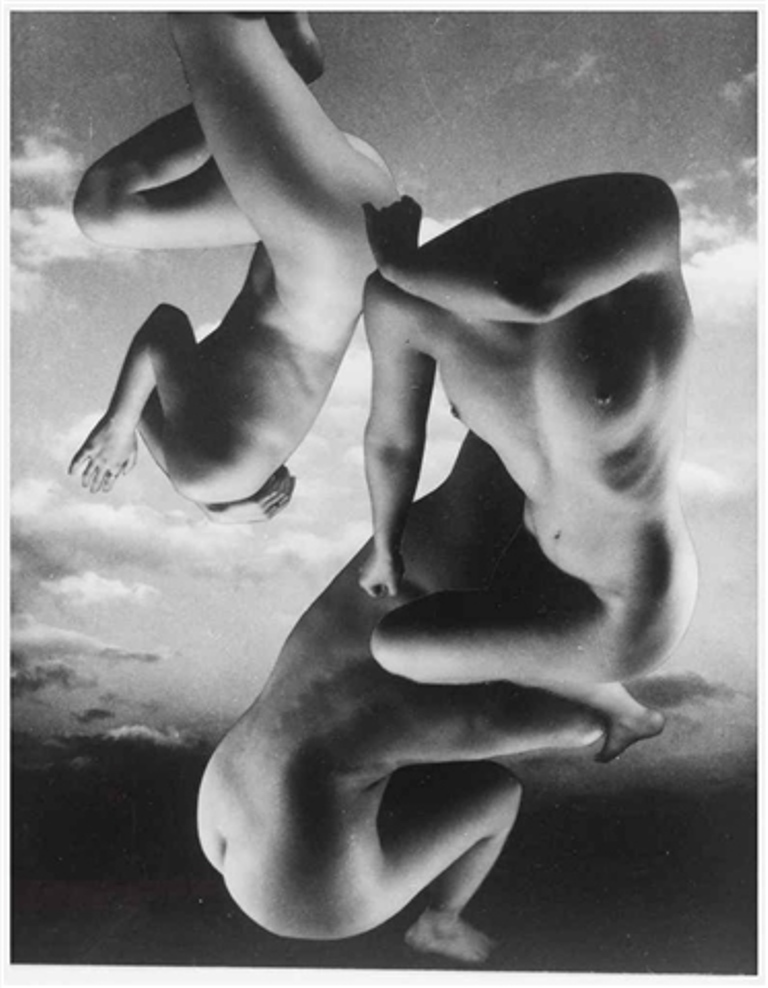
Pierre Boucher. La chute d’un corps, Photocollage, 1936

Image

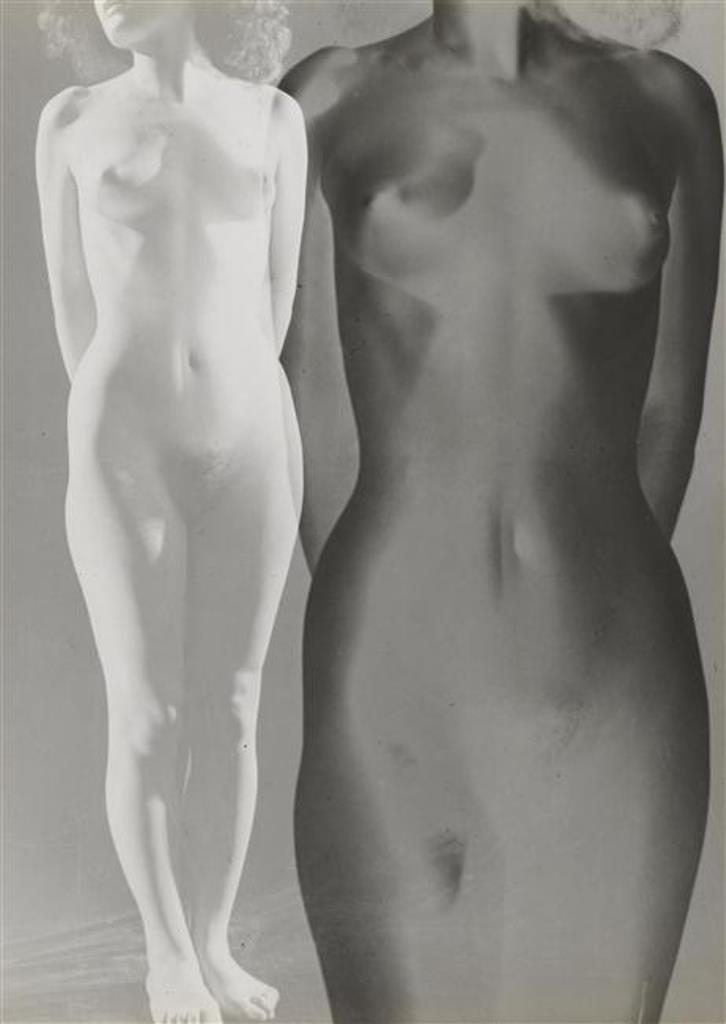
Pierre Boucher. Double nu féminin, Négatif-Positif 1935

pierre-boucher-etude-de-nu-rayogramme-photogramme-et-solarisation-via-verdeau

Pierre Boucher. Etude de nu. Rayogramme. Photogramme et solarisation. Via verdeau

Image

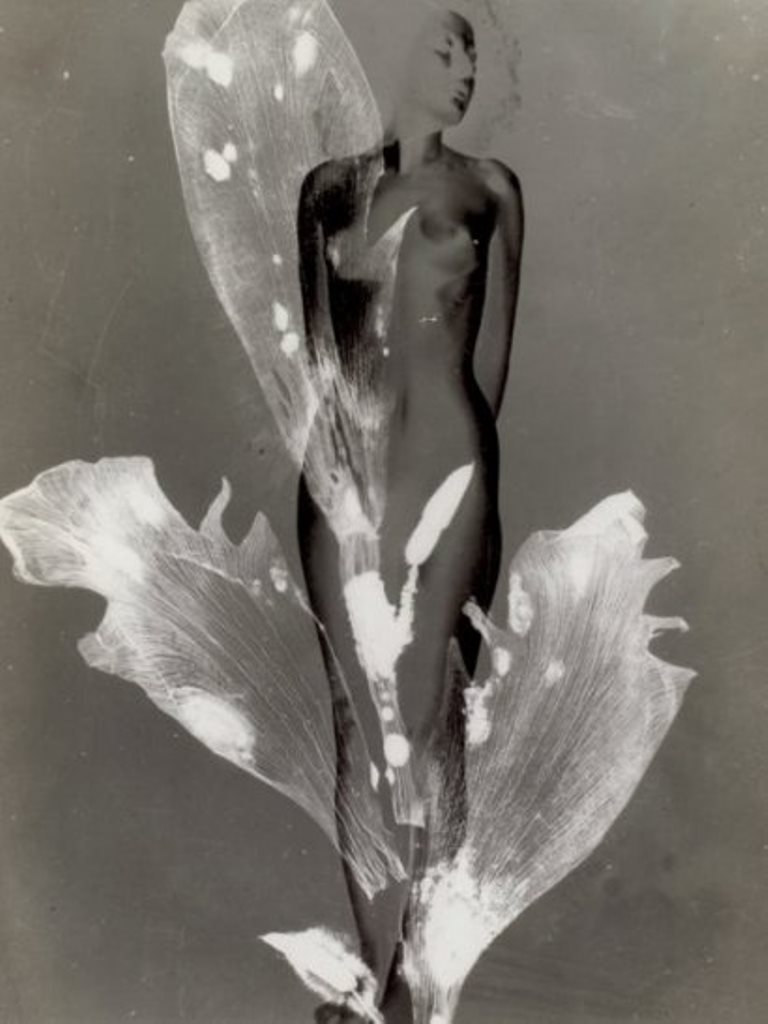
Pierre Boucher. Femme-fleur, inversion négatif-positif, solarisation et photogramme, 1937

Image

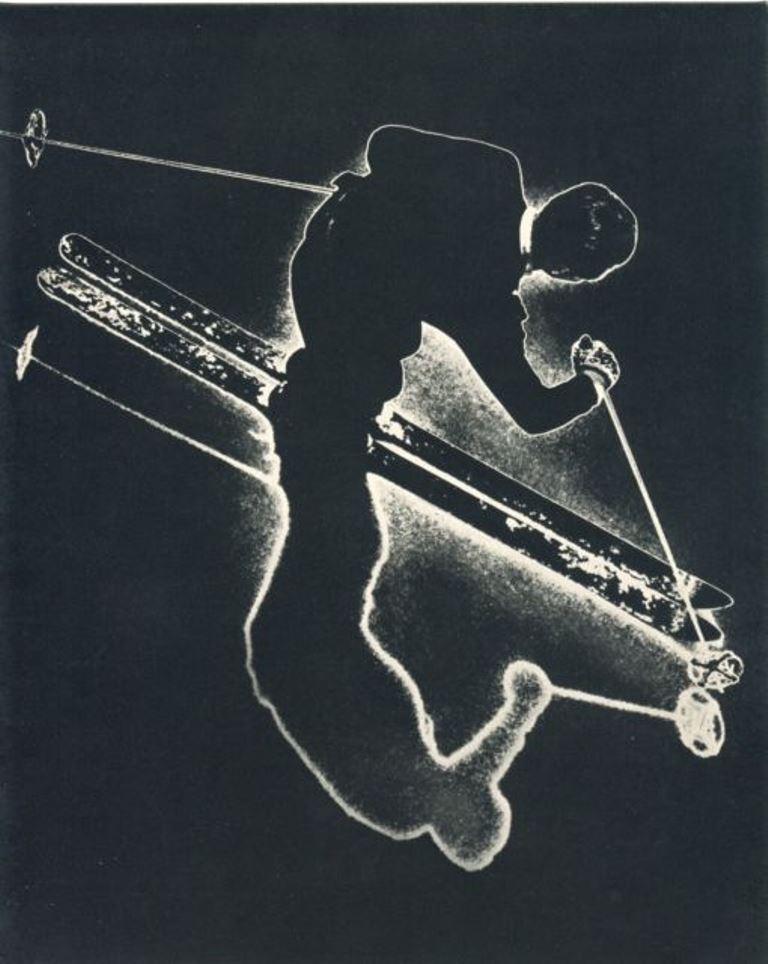
Pierre Boucher. Skier- solarisation 1948 photogravure

Image

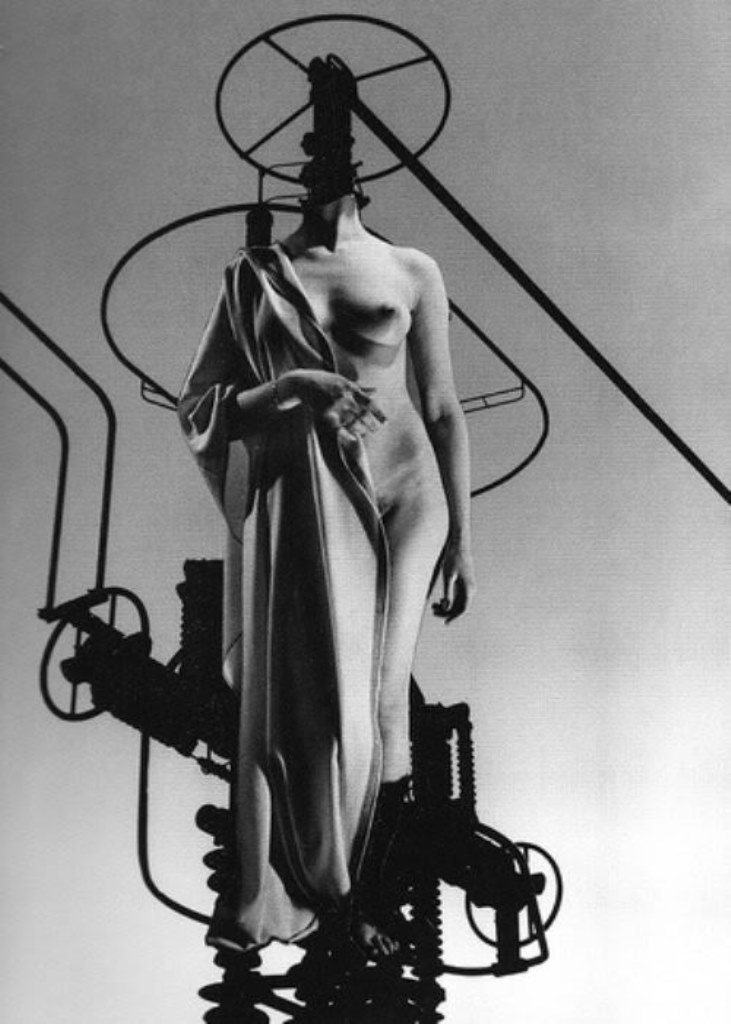
Pierre Boucher. Electra 1964

Image

Pierre Boucher 1942

Image

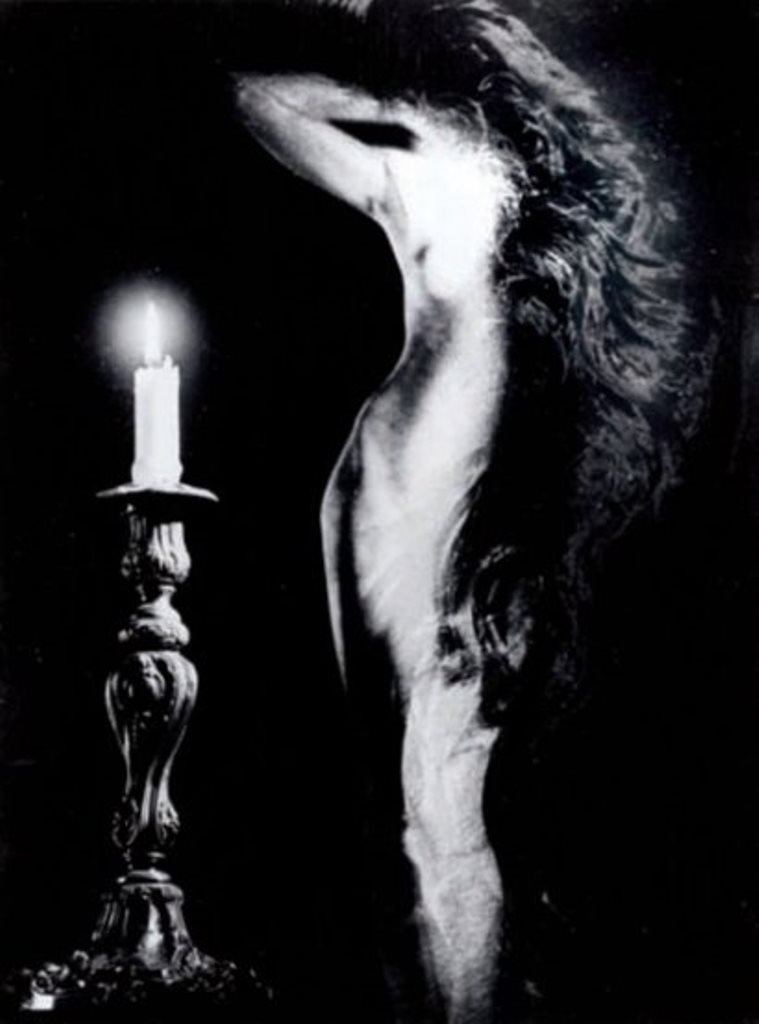
Pierre Boucher. Nu au chandelier, Surimpression, 1948

Image

Pierre Boucher. Nu à la plume, 1932

Image

Pierre Boucher. Nu à la flamme, solarisation 1937

Image

Pierre Boucher, Nude in Telouet, Morocco, 1936

Image

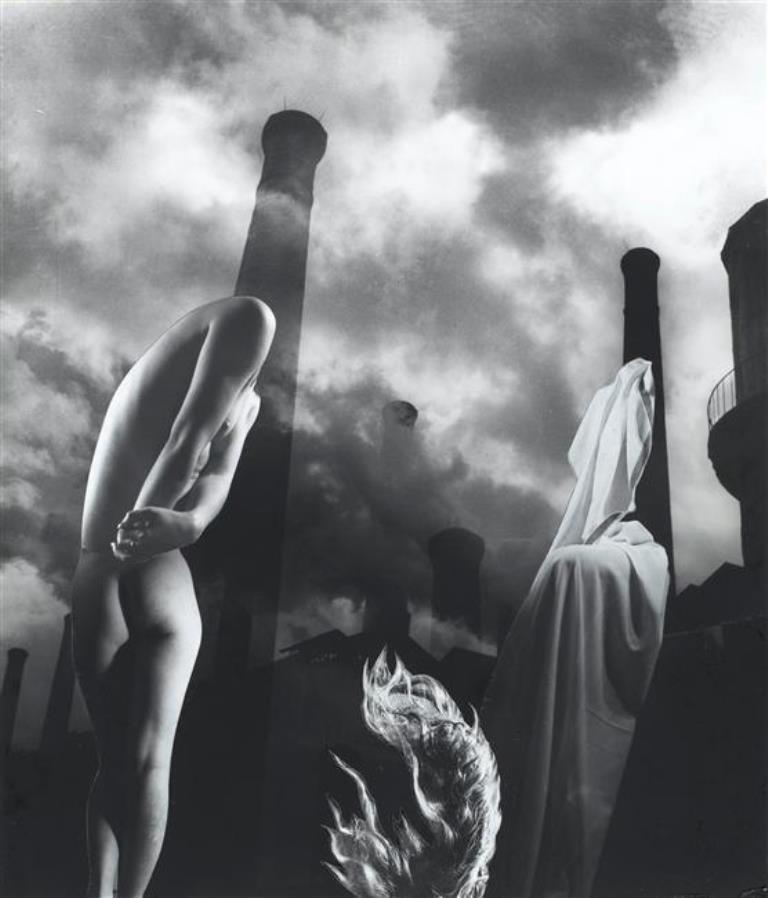
Pierre Boucher. Surimpression, 1934

Image

Pierre Boucher. Nu aux blés, 1936

Image

Pierre Boucher. Vernis à parquet (publicité pour un vernis à parquet)

Image

Pierre Boucher1. Etude pour L’Esprit et la Matière 1939-1941

Image

Pierre Boucher. Bras sur le Guadalquivir 1934

Image

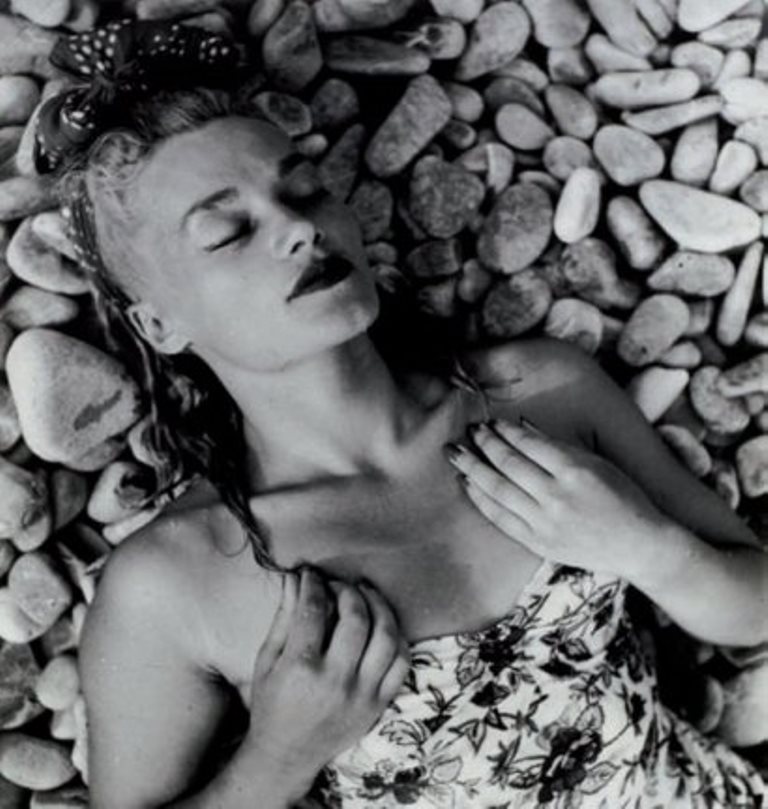
Pierre Boucher. Nu de dos sur la plage 1933

Image

Pierre Boucher. Etude pour l’esprit et la matière 1939-1941

Image

Pierre Boucher, Nude at the studio, 1938

Image

Pierre Boucher. Nageuse 1945

Image

Pierre Boucher. Serge Lifar dans « La Chute d’Icare »1938

Image

Pierre Boucher. Nu à la cape

Image

Pierre Boucher. Etude de nu n°19. Tiré du porte-folio Arts et Métiers

Serge Lifar in the ballet ‘Icare’, 1935 -by Pierre Boucher

Serge Lifar in the ballet ‘Icare’, 1935 -by Pierre Boucher

Pierre Boucher. Nu à la chevelure

Pierre Boucher. Nu à la chevelure


SOURCES: http://madivinecomedie.tumblr.com/

http://www.drouot.com/

http://www.ebay.fr/

http://www.rmn.fr/

theredlist.fr

www.delcampe.fr

Enregistrer

Pierre Boucher

Pierre Boucher. Etude pour L’Esprit et la Matière 1939-1941

PIERRE BOUCHER

Serge Lifar in the ballet ‘Icare’, 1935 -by Pierre Boucher

Pierre Boucher. Serge Lifar in the ballet « Icare »1935

viaMA DIVINE COMEDIE | chagalov: Serge Lifar in the ballet ‘Icare’,….

Serge Lifar in the ballet ‘Icare’, 1935 -by Pierre Boucher

FRANTISEK DRTIKOL

Frantisek Drtikol. Andante (Rhythmic gymnastics), Prague Via artnetFrantisek Drtikol. Andante (Rhythmic gymnastics), Prague

Ruth St Denis in the Vaudeville version of the “Dance of the flower” 1913. Arrangement: Ira L. Hill


ogamiii:

Le sacre du Printemps, Pina Bausch, 1975

Philippe Halsman

Philippe Halsman. Enrica Soma 1947

František Drtikol

Frantisek Drtikol. Danseuse 1920. Encre

František Drtikol

Frantisek Drtikol. Dance study 1920

Adolf Fassbender

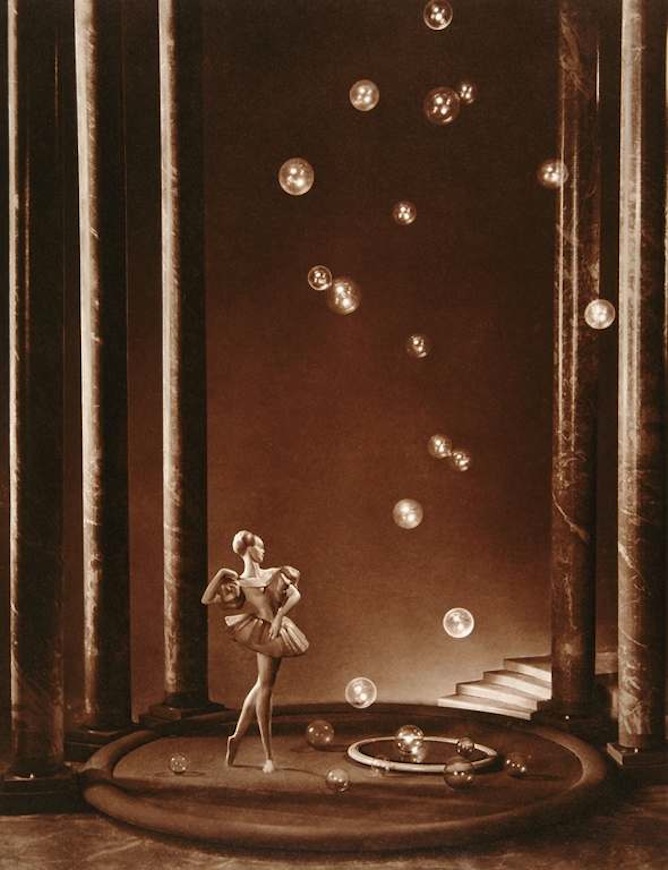
Adolf Fassbender. Dance of the bubbles 1948

Arnold Genthe

Arnold Genthe. Isadora Duncan 1916. Source: NYPL

Marcel Bovis

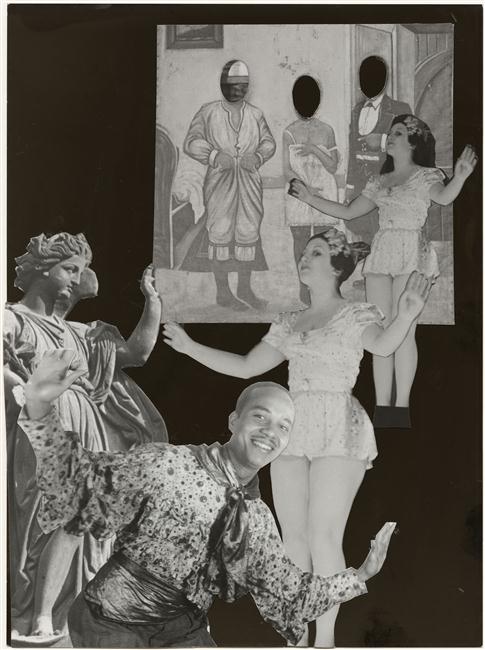
Marcel Bovis. Panneau de photographe, deux danseuses, un danseur créole, une sculpture académique 1990. Photomontage. Source: RMN

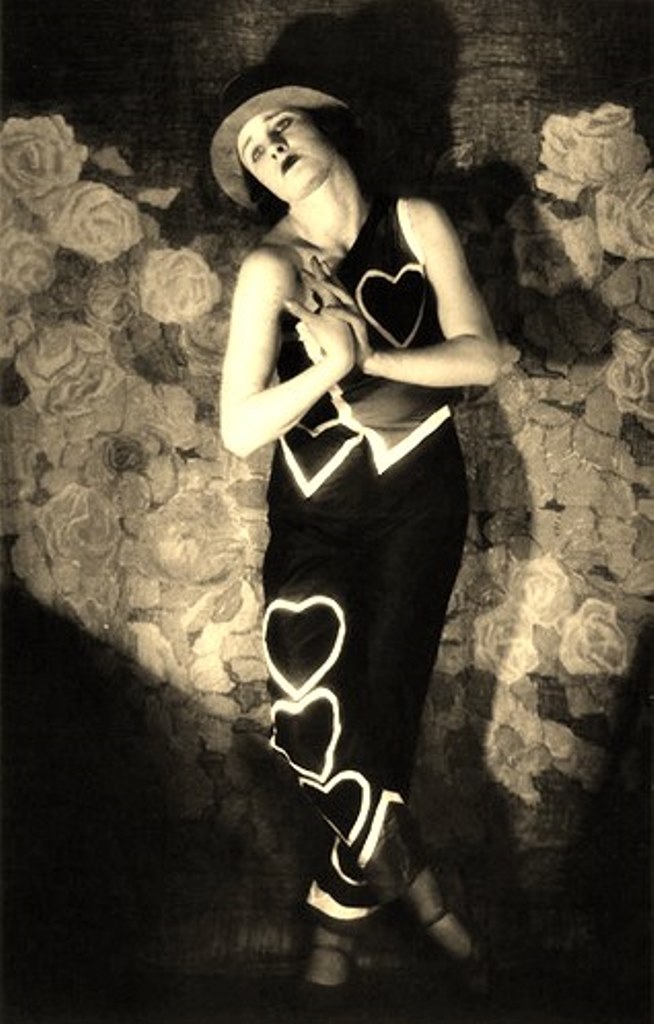
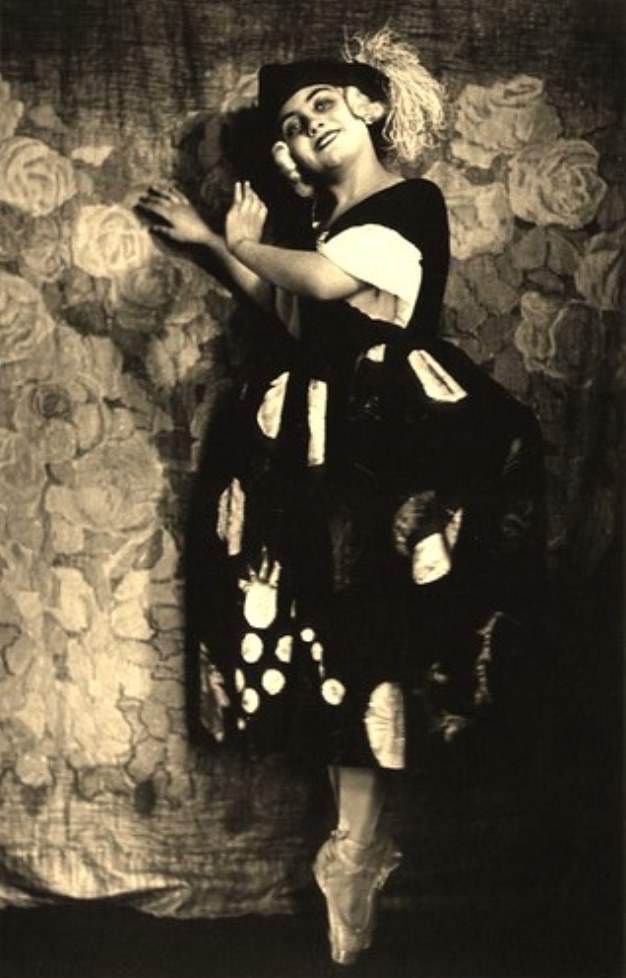
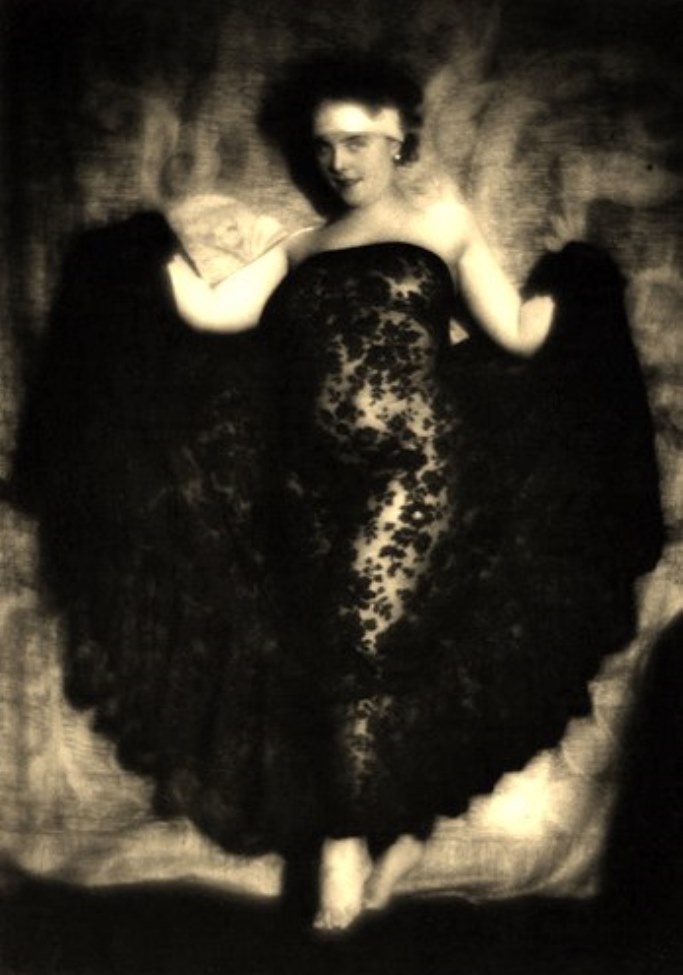
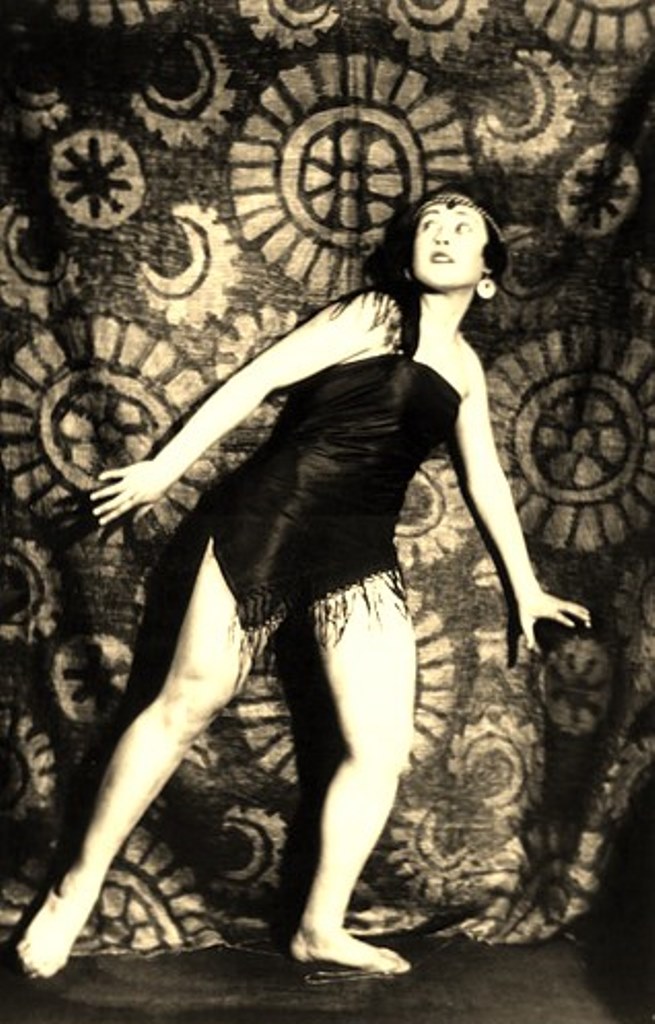
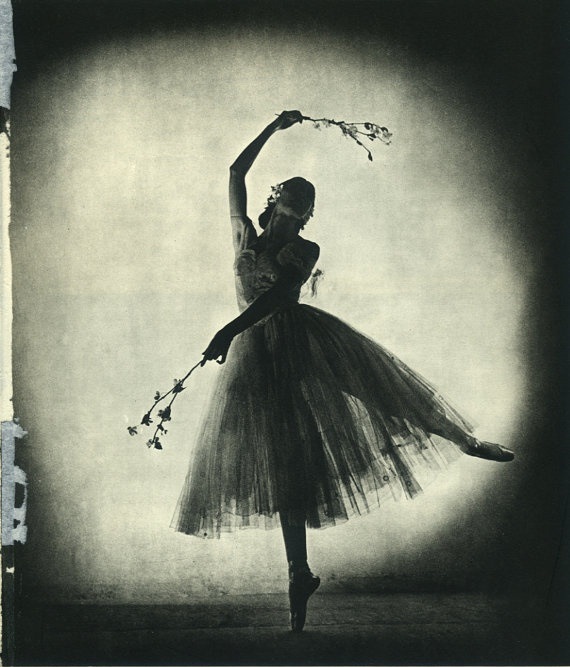
Baron (Sterling Henry Nahum). Alicia Markova as Giselle 1948. Source: etsy

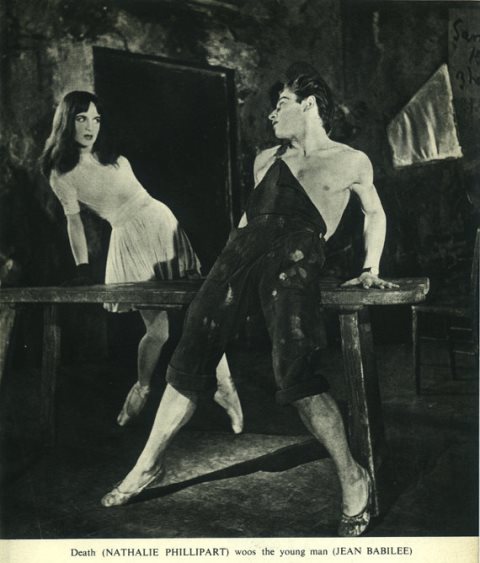
Baron (Sterling Henry Nahum). Le jeune homme et la mort, taken on the stage at the Winter Garden Theatre 1947. Source: etsy

Auguste Rodin (1840-1917) et la danse

Source pour le texte 

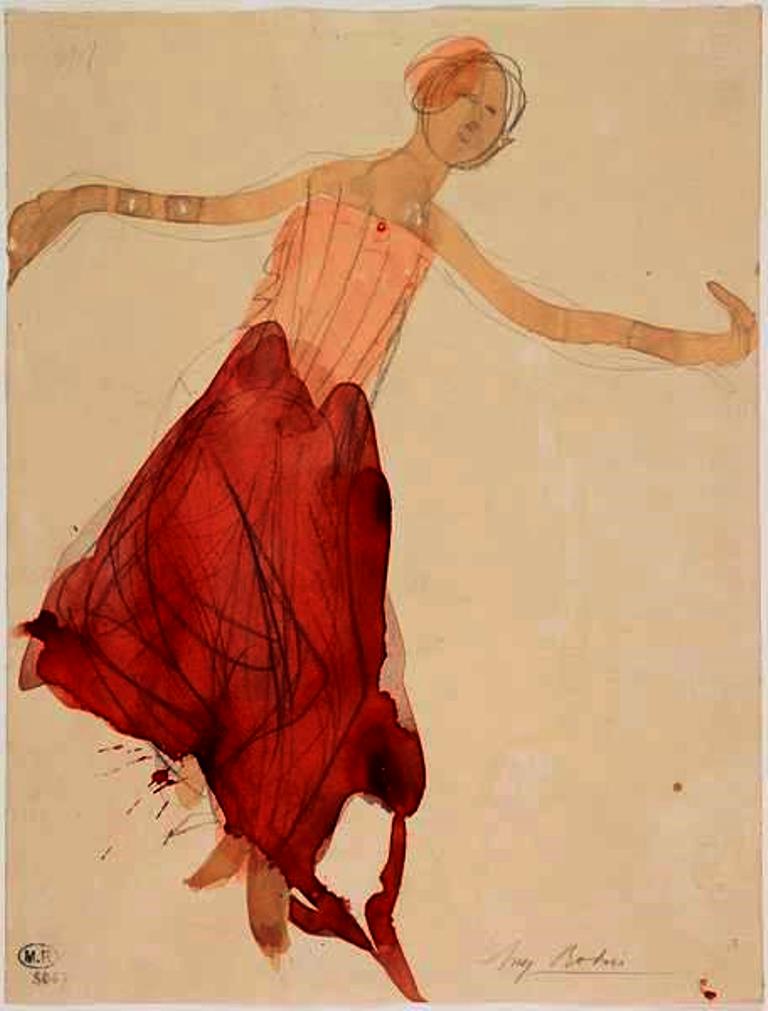
« Animé d’une curiosité insatiable qui le poussa tout au long de sa vie à élargir la vision de son art, Auguste Rodin ne pouvait qu’être amené un jour à s’intéresser à la danse qui, de par sa nature même, s’offrait à lui comme un véritable écho de son propre travail de recherche sur l’expression corporelle et les possibilités plastiques du corps humain.

Mais contrairement à un artiste comme Degas son intérêt ne se porta pas vers les ballets qu’il trouvait « trop sautillants, trop brisés ». Il leur préféra des créations novatrices comme celles de Loïe Fuller ou Isadora Duncan dont l’idée était de renouer avec les sources antiques de la danse en redonnant toute sa liberté au corps. Vaslav Nijinsky, qu’il appréciait particulièrement, lui accorda également quelques séances de pose en remerciement de son soutien après la polémique engendrée par son dernier ballet l’Aprés Midi d’un Faune de Debussy. Et la correspondance intéressante qu’il entretenait avec beaucoup de danseurs ainsi que le certain nombre de spectacles et de démonstrations dont il fut l’organisateur dans les jardins de l’Hôtel Biron (aujourd’hui Musée Rodin) témoignent de la place importante que prit cet art  dans sa vie.

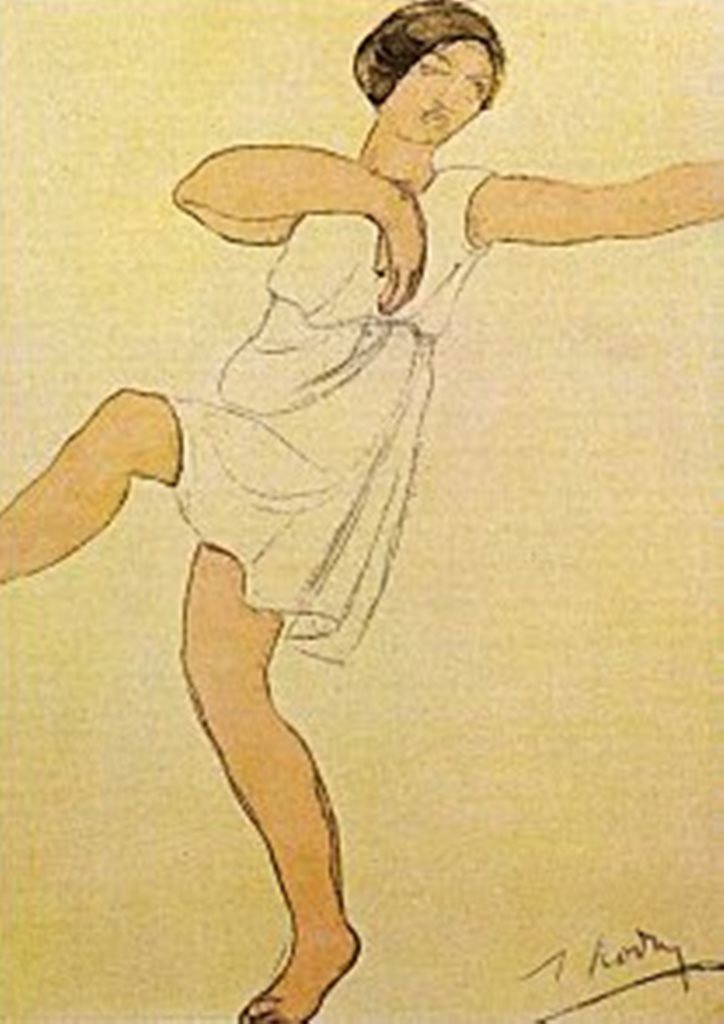
Auguste Rodin. Isadora Duncan

Auguste Rodin. Isadora Duncan

Bien qu’il ait réalisé de nombreuses sculptures de Nijinsky ou encore de la danseuse japonaise Hanako qui fut l’un de ses modèles favoris, la danse ne s’exprima bien pour lui que dans le dessin et l’esquisse. Car Rodin qui n’a jamais abandonné le dessin (c’est lui qui en 1887 illustra l’édition originale des Fleurs du Mal de Beaudelaire) y attachait en fait une très grande importance,

« Par lui l’oeuvre prend la puissance des choses naturelles, sans dessin pas de vérité » disait-il.

Auguste Rodin.  Hanako saluant 1907

Auguste Rodin. Hanako saluant 1907

Auguste Rodin. Hanako dansant  1907

Auguste Rodin. Hanako dansant 1907

Il ne faut donc pas s’étonner qu’il ait choisi ce support de prédilection pour traduire la danse dans tout ce qu’elle expose justement de vérité corporelle

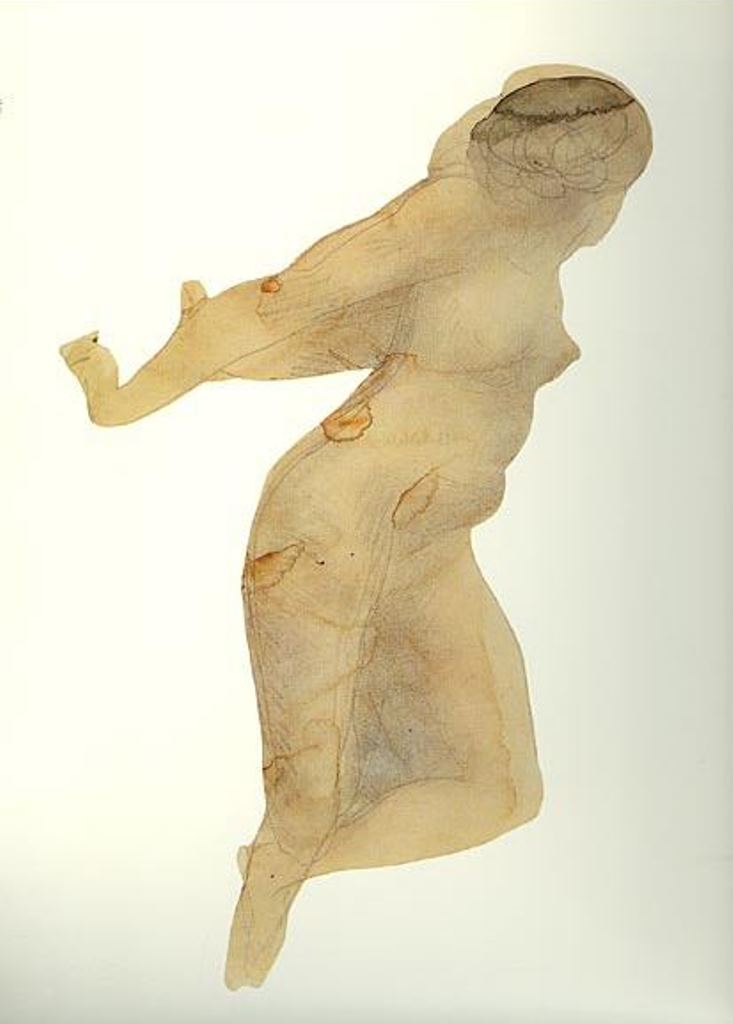
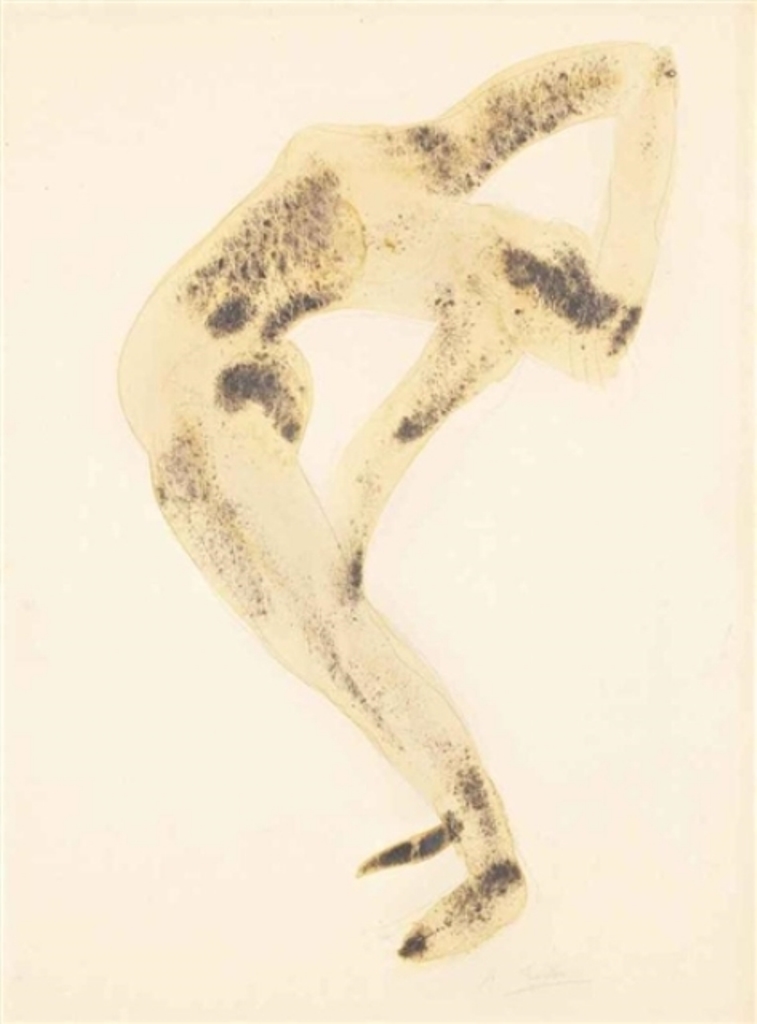
Auguste Rodin. Danseuse. Aquarelle

Auguste Rodin. Danseuse. Aquarelle

Auguste Rodin. Danseuse acrobate 1910

Auguste Rodin. Danseuse acrobate 1910

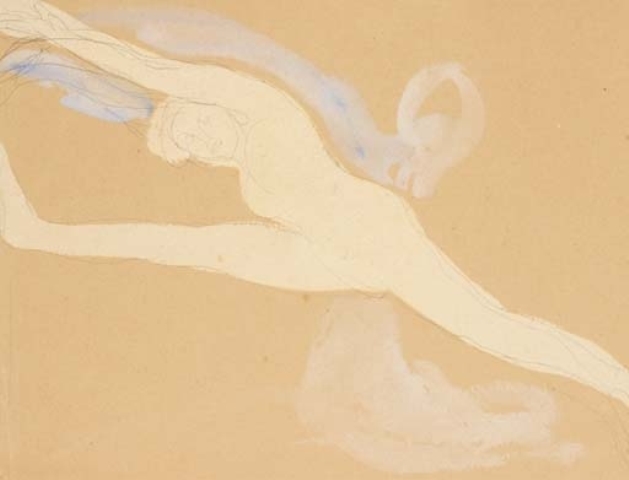
Auguste Rodin. Une danseuse faisant le grand écart

Auguste Rodin. Une danseuse faisant le grand écart

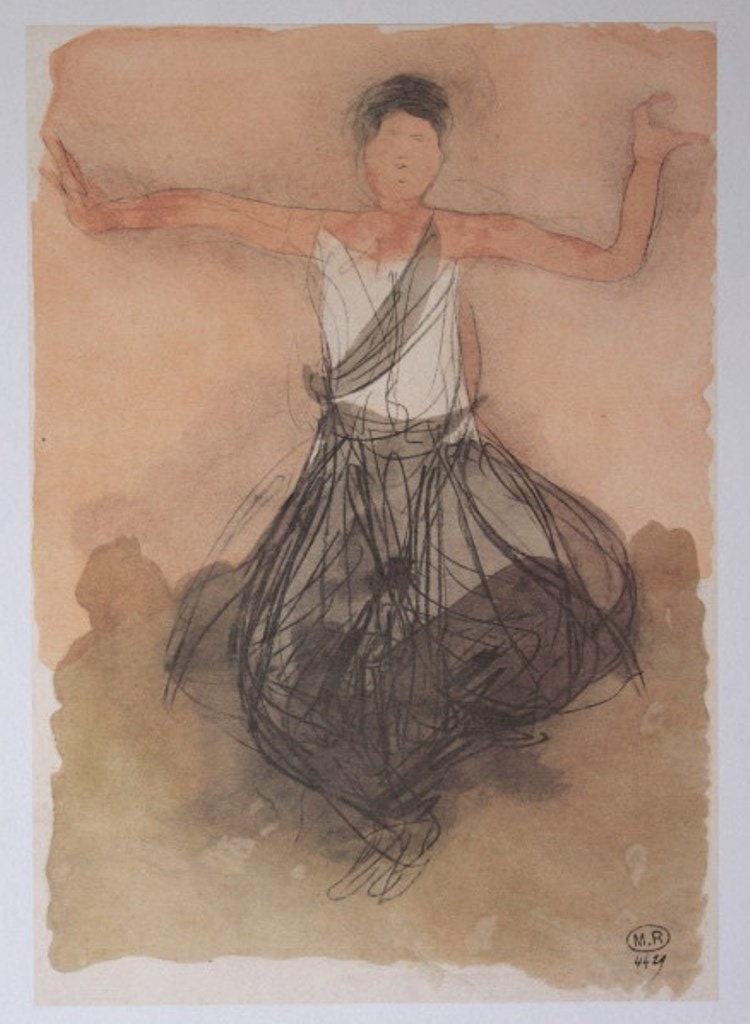
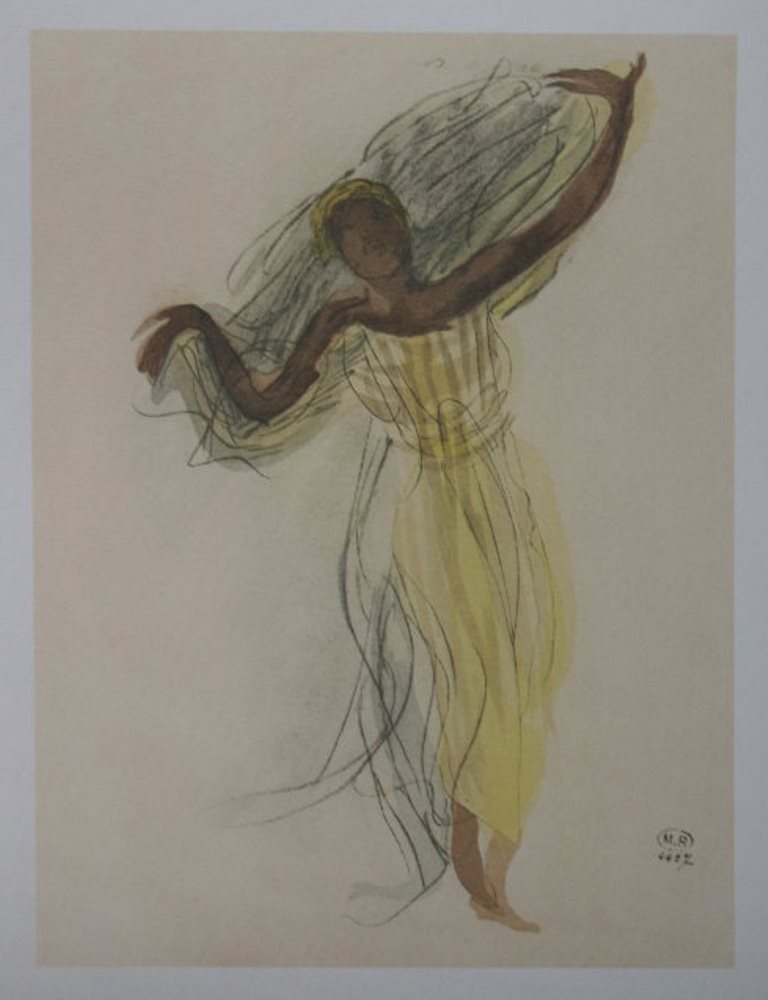
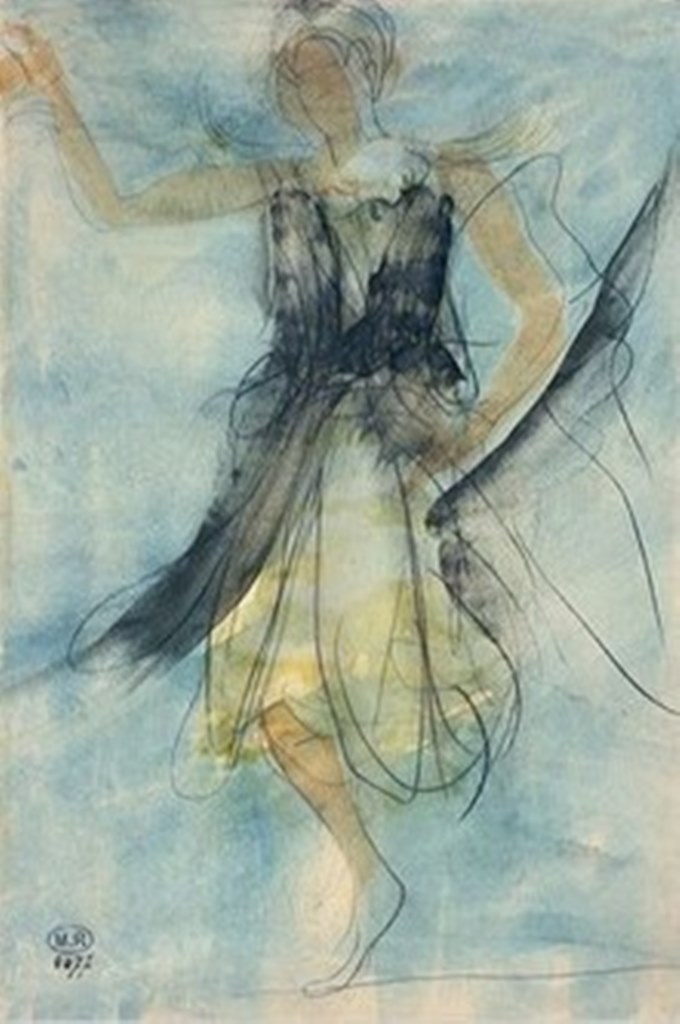
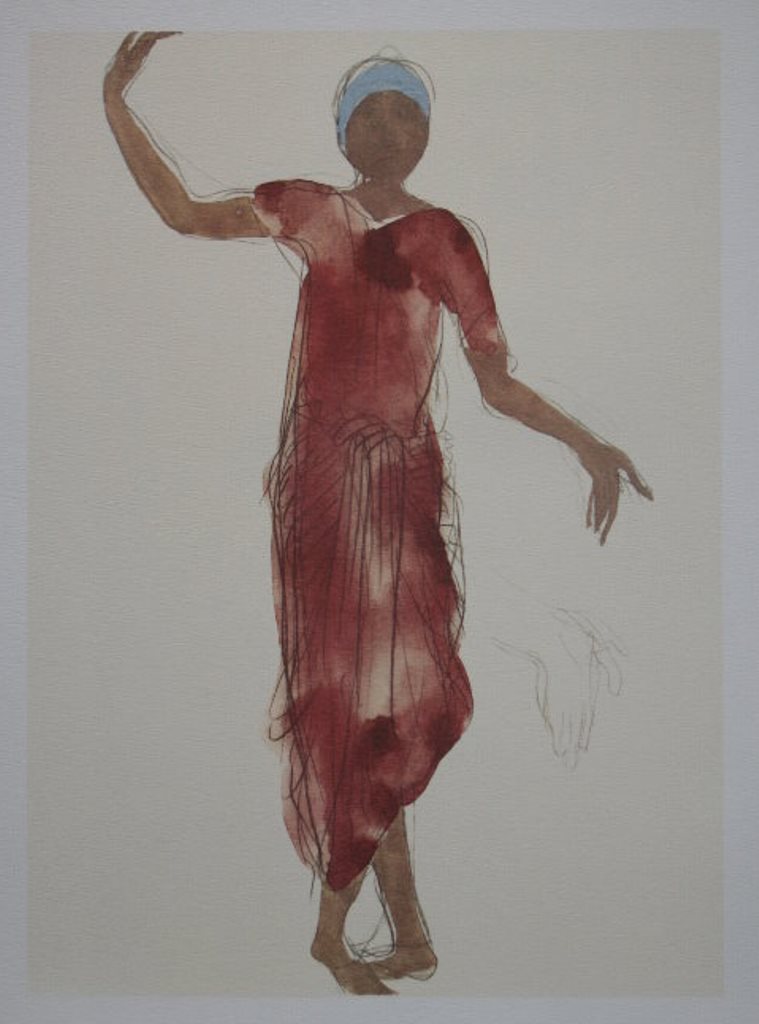
Son goût particulier pour la danse exotique se révéla lors de l’exposition universelle de 1889 où il assista au spectacle d’une troupe javanaise et, pris d’enthousiasme, en réalisa sur le champ quelques esquisses. Et c’est l’exposition coloniale de Marseille, organisée en 1906 par Jules Charles Roux, président de la compagnie Générale Transatlantique et de l’Union Coloniale, qui lui fournit l’occasion de renouer avec cet engouement.
Entre le 15 Avril et le 18 Novembre 1906 se tint en effet à Marseille, porte de l’Orient, la toute première de ces manifestations. Nous sommes en pleine apogée de la France coloniale, et celle ci contrôle le Cambodge depuis 1884. A cette occasion le roi Sisowath Ier qui venait d’être couronné fut reçu solennellement par la France, accompagné par le Ballet Royal, 42 danseuses qui avaient fait le déplacement depuis Phnom Penh.

Lorsqu’il rencontre la troupe pour la première fois lors de son passage à Paris pour la représentation exceptionnelle au théâtre du Pré Catelan, Rodin enthousiasmé par la pureté et la grâce des expressions, eut un véritable coup de foudre pour l’esthétique de cet art que représente la danse classique khmère.

 « Je les ai contemplées en extase. Quel vide quand elles partirent, je fus dans l’ombre et le froid, je crus qu’elles emportaient la beauté du monde » dira-t-il plus tard.

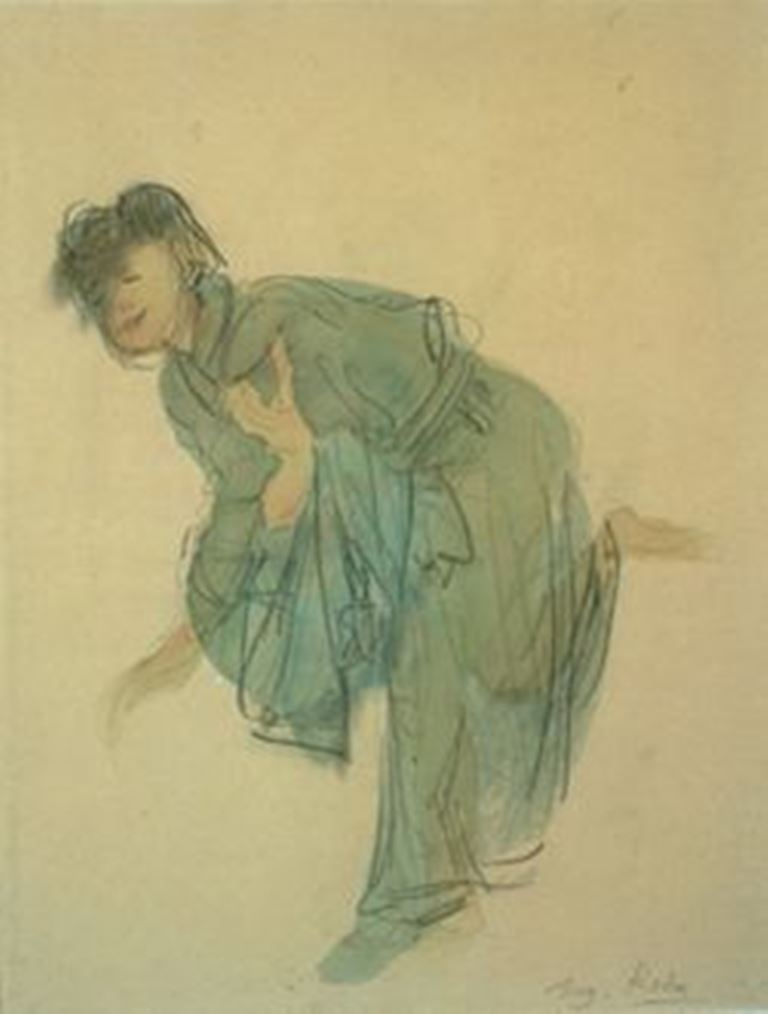
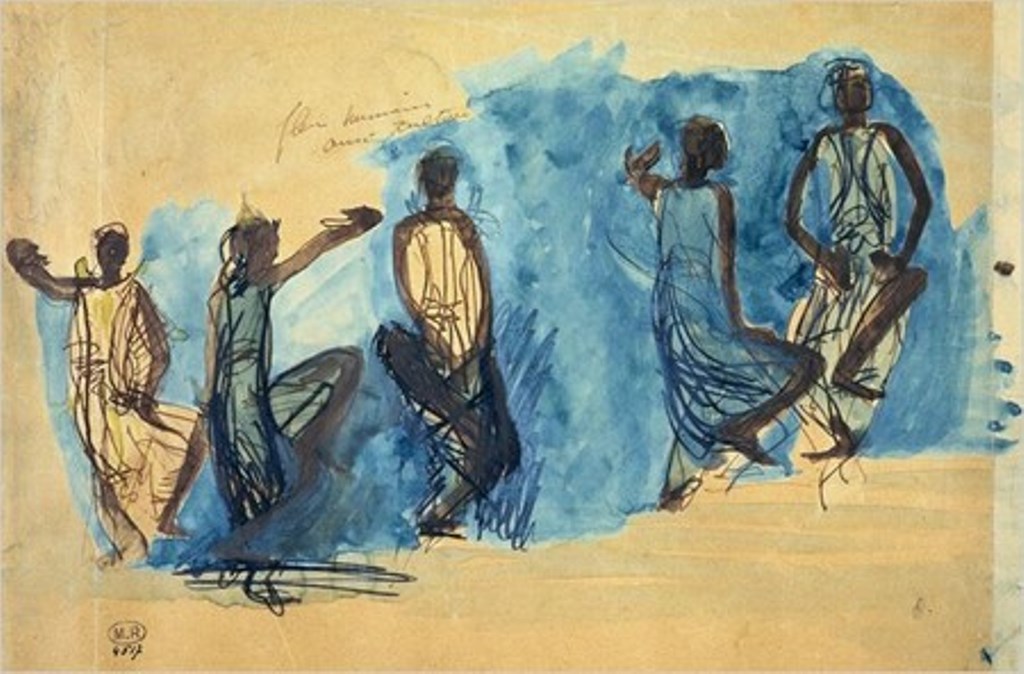
Auguste Rodin. Danseuse cambodgienne bleue  1906-1907

Auguste Rodin. Danseuse cambodgienne bleue 1906-1907

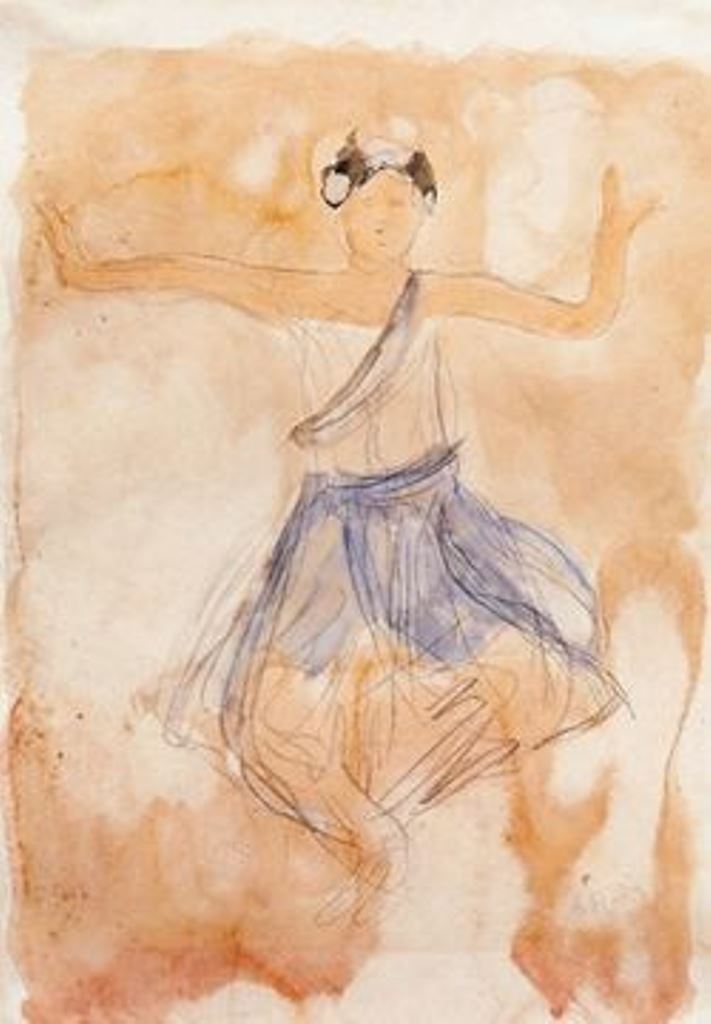
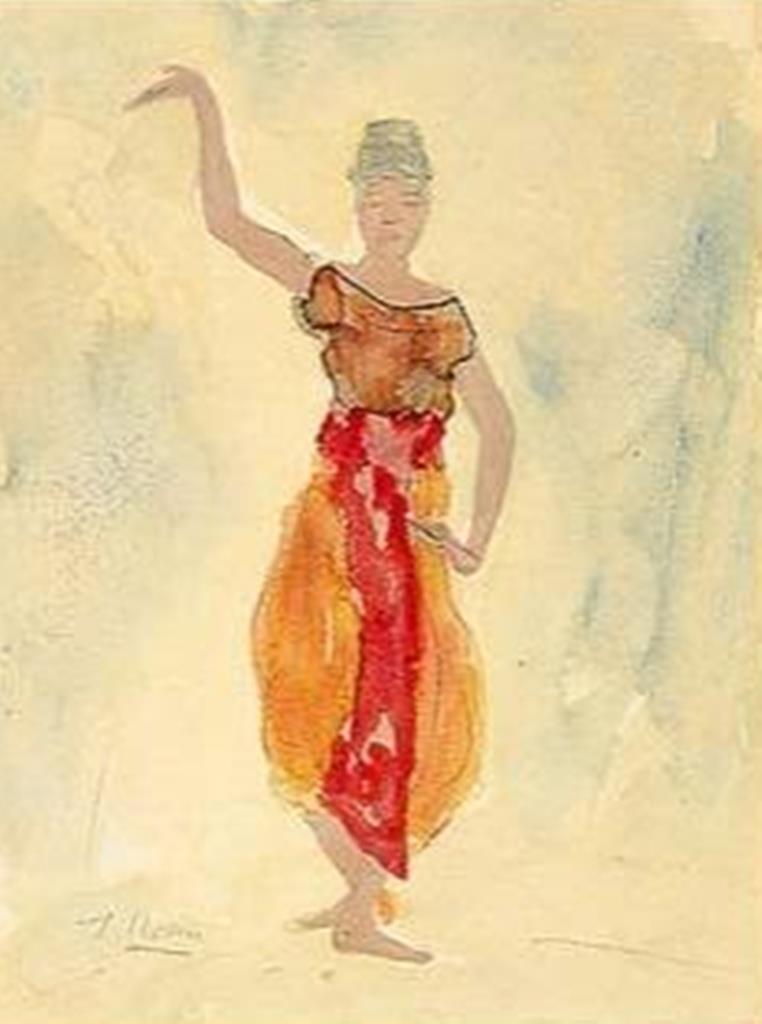
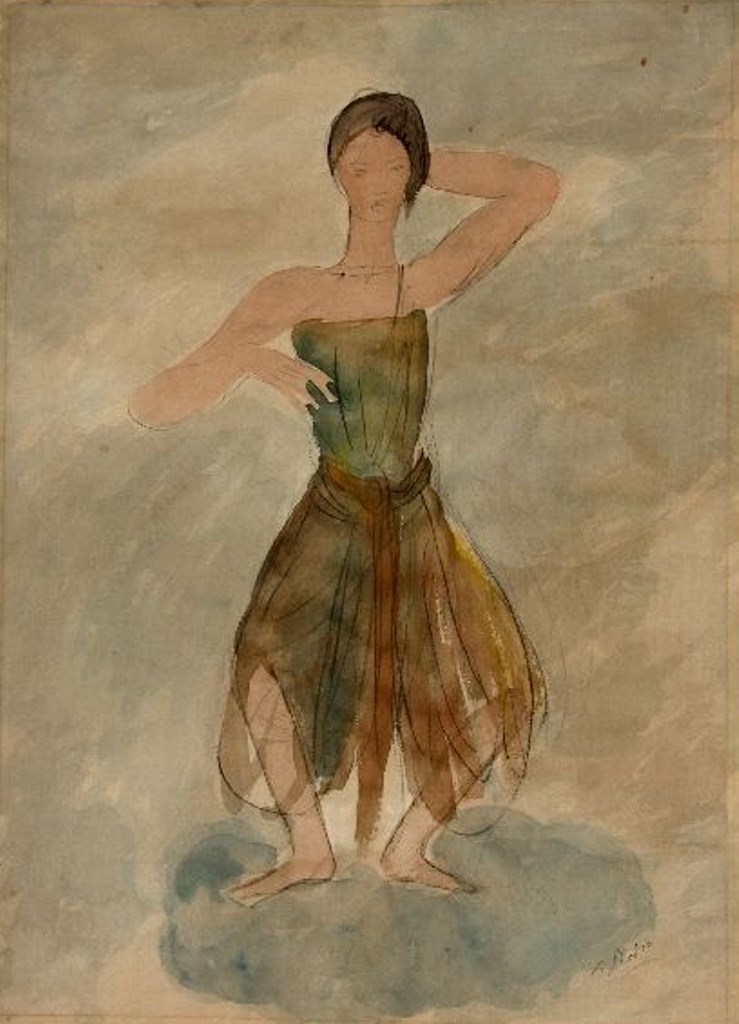
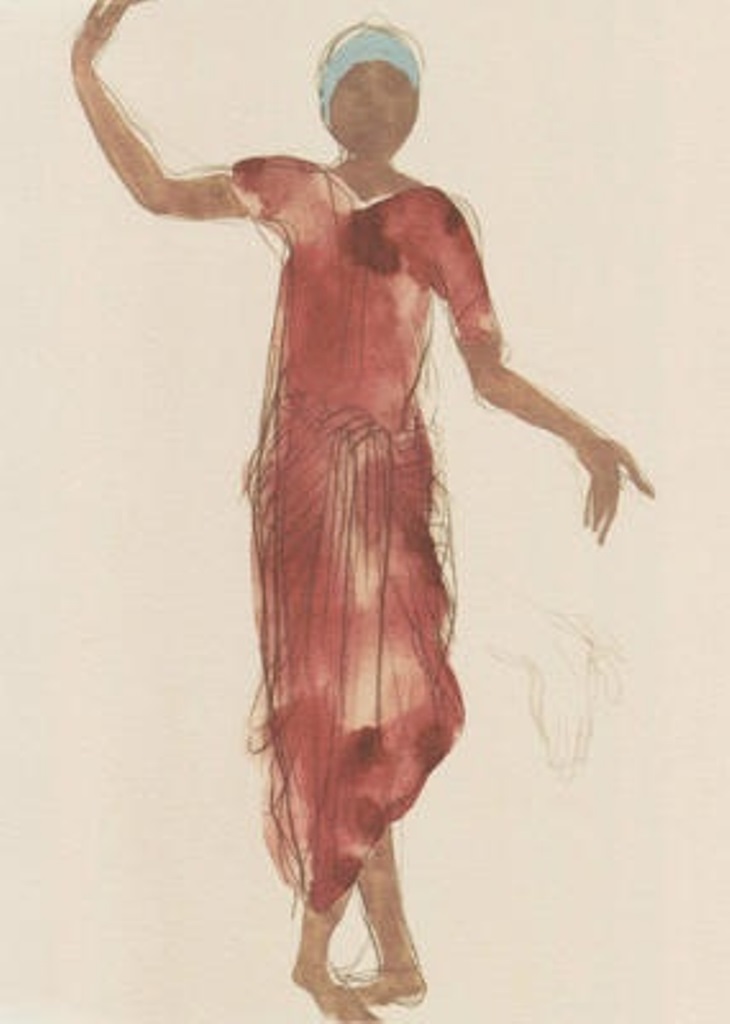
Auguste Rodin. Danseuse cambodgienne 1906

Auguste Rodin. Danseuse cambodgienne 1906

Auguste Rodin. Cambodian dancer 1906

Auguste Rodin. Danseuse cambodgienne 1906

Auguste Rodin. Danseuse cambodgienne 1906

Auguste Rodin. Danseuse cambodgienne 1906

Auguste Rodin. Danseuse cambodgienne 1906

Auguste Rodin. Danseuse cambodgienne 1906

Auguste Rodin. Danseuses cambodgiennes 1906

Auguste Rodin. Danseuses cambodgiennes 1906

Auguste Rodin. Danseuse cambodgienne  1906

Auguste Rodin. Danseuse cambodgienne 1906

Auguste Rodin. Danseuse cambodgienne 1906

Auguste Rodin. Danseuse cambodgienne 1906

Auguste Rodin. Danseuse cambodgienne 1906

Auguste Rodin. Danseuse cambodgienne 1906

Subjugué, l’artiste demanda alors de rejoindre les interprètes dans l’hôtel particulier où elles résident afin de saisir quelques poses et entama immédiatement une première série de dessins …

Mais les danseuses étaient attendues et doivent regagner Marseille… Alors sans plus réfléchir Rodin quitte tout pour les suivre…  Il semblerait même qu’il soit parti si précipitamment qu’il ait oublié son matériel à dessin et dut demander à un épicier du papier d’emballage pour pouvoir fixer ses impressions…

 « Elles ont fait vivre pour moi l’Antique… Elles m’ont fourni des raisons nouvelles de penser que la nature est une source intarissable à qui s’y abreuve… Je suis un homme qui a donné toute sa vie à l’étude de la nature et dont les admirations constantes furent pour les oeuvres de l’Antique: Imaginez donc ce que put produire en moi un spectacle aussi complet qui me restituait l’Antique en me dévoilant du mystère… Ces danseuses khmères nous ont donné tout ce que l’Antique peut contenir car il est impossible de porter l’art divin aussi haut ».

 Rodin retrouvait ici la pureté et l’universelle beauté qu’il avait découverte dans l’étude des Grecs et fut saisi et captivé par la spiritualité de cet art millénaire où les Apsaras, danseuses célestes, sont les messagères des rois auprès des dieux et des ancêtres.
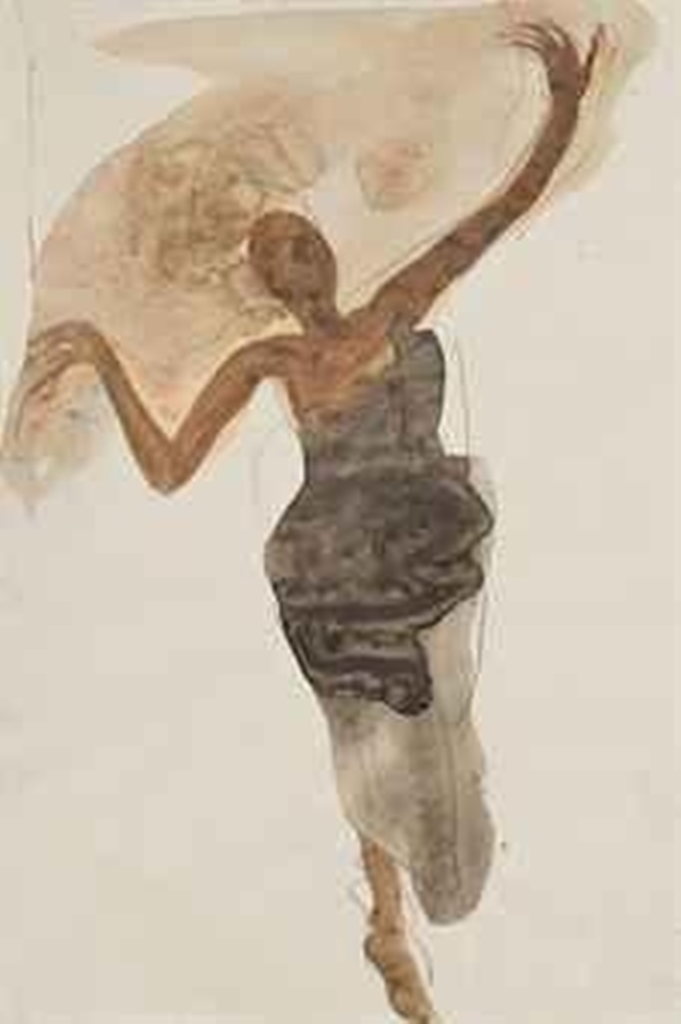
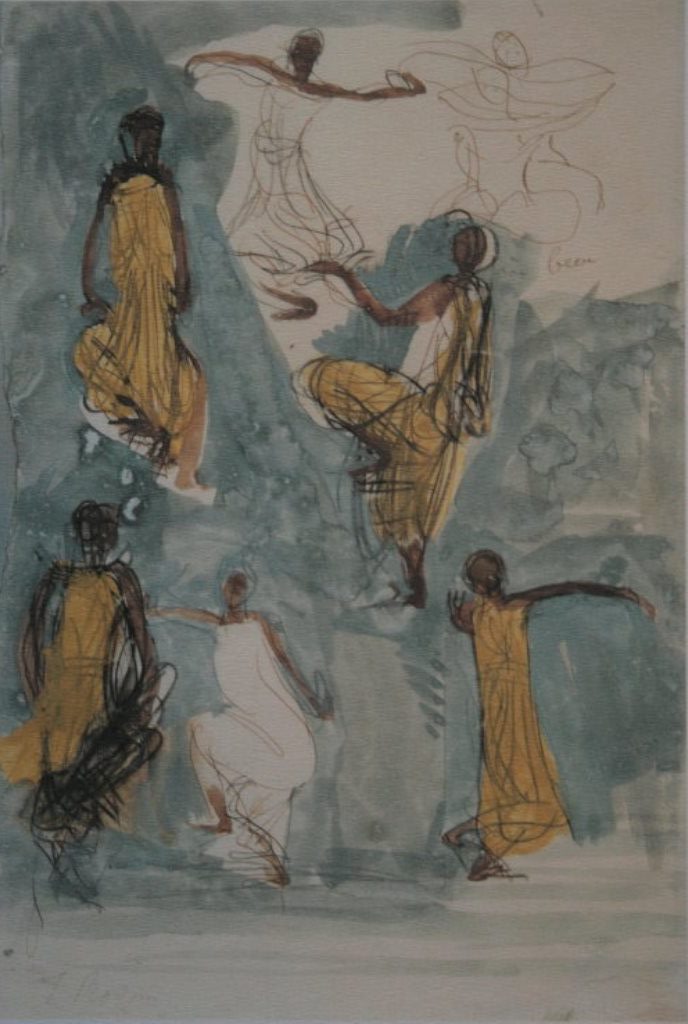
En une semaine il exécuta environ 150 dessins, retranscrivant ou interprétant les poses du ballet avec une fascination évidente pour les bras et les mains, dessins qu’il aquarella par la suite dans des harmonies d’un rare raffinement.

Auguste Rodin. Danseuse cambodgienne 1906

Auguste Rodin. Danseuse cambodgienne 1906

Auguste Rodin. Danseuses cambodgiennes 1906

Auguste Rodin. Danseuses cambodgiennes 1906

Auguste Rodin. Danseuse cambodgienne 1906

Auguste Rodin. Danseuse cambodgienne 1906

Auguste Rodin. Danseuse cambodgienne 1906

Auguste Rodin. Danseuse cambodgienne 1906

Très attaché à la série des danseuses cambodgiennes, l’artiste ne vendit que très peu de ses œuvres, en donna quelques unes, et surtout en exposa beaucoup, preuve de son attachement au travail graphique et à la pure beauté que celui-ci révèle,

 « C’est la peinture, la sculpture, la musique tout entières qui s’animent »…

Quelle plus belle définition pouvait donner de la danse celui qui par trois fois échoua au concours d’entrée des Beaux Arts car son travail ne correspondait pas aux conventions académiques et qui, précisément grâce à ce style impossible à inscrire dans un courant défini, atteint de son vivant la consécration internationale… »

Auguste Rodin. Danseuse cambodgienne 1906

Auguste Rodin. Danseuse cambodgienne 1906

Auguste Rodin. Danseuse cambodgienne 1906

Auguste Rodin. Danseuse cambodgienne 1906

Auguste Rodin. Danseuse cambodgienne 1906

Auguste Rodin. Danseuse cambodgienne 1906

Auguste Rodin. Danseuse cambodgienne 1906

Auguste Rodin. Danseuse cambodgienne 1906

Alexander D. Grinberg (1885-1979) – Photographe pictorialiste russe

1- Biographie (source: russianphotographs)

Alexander D. Grinberg (1885-1979) is one of the most respected Russian photographers of the twentieth century. Born at the end of the nineteenth century, and having lived ninety-four years, he experienced the Russian revolutionary, the Civil War, two world wars, stalinist repression along with numerous fluctuations in soviet political and cultural history. Even as a child Grinberg demonstrated a strong attraction to photography, taking his first photography at the age of ten.

By the age of twenty-two he was an active member of the Russian photographic society, where he became a leading creative force. In 1908 he was awarded the silver medal in the all-Russian photo exhibition in Moscow and the gold medal in the international photo-exhibition in dresden, which signaled the recognition of his talents on an international level.

In 1914 Grinberg was invited to work at the Khanzhankov film studio in Moscow. Becoming the head of the film advertising sections, he quickly established process for mass distribution and here he began his cinematographic career. He went on to work behind the camera for numerous studios. In the 1920’a his cinematographic experience led him to become an instructor at the state technical institute of cinematography where he began his association with Sergey Eisenstein who he photographed. His prestige was on the rise throughout the 1920s until 1929 when, under the storm of the cultural revolution the « old school » of Soviet photography came under fire as « depraved », and Grinberg fell out of favor.

The new cultural policy dictated that any eroticism in artistic forms was a remnant of bourgeois idleness, and inappropriate for soviet society. Nevertheless, Grinberg risked one more exhibition of his work in 1935 with images of partially dressed women, raising a storm of criticism, as well as prompting a few brave photographers to come to the defense of this artistic master. Consequently, for his unorthodox vision of photography he was arrested and sentenced to a labor camp for distribution of pornography. By 1939 he was released on early parole, for good behavior and industriousness, although by the time of his release he had permanently lost his sense of smell. He resumed to work as a photographer for a variety of institutions such as museums and taught photography.

His early work was not destroyed as would have normally happened because his older brother managed to hide the negatives for many years. During the second world war he worked to preserve and restore rare photo archives. After the war he worked in the house of models, photographing for fashion designers. In the 1950s he photographed various Soviet film starts and scientists.

His whole life was thus devoted to photography, which he never abandoned in the most difficult of circumstances.

2- La photographie russe et le communisme

Voir l’article ici: http://www.actuphoto.com/16573-la-photographie-russe-et-le-communisme.html
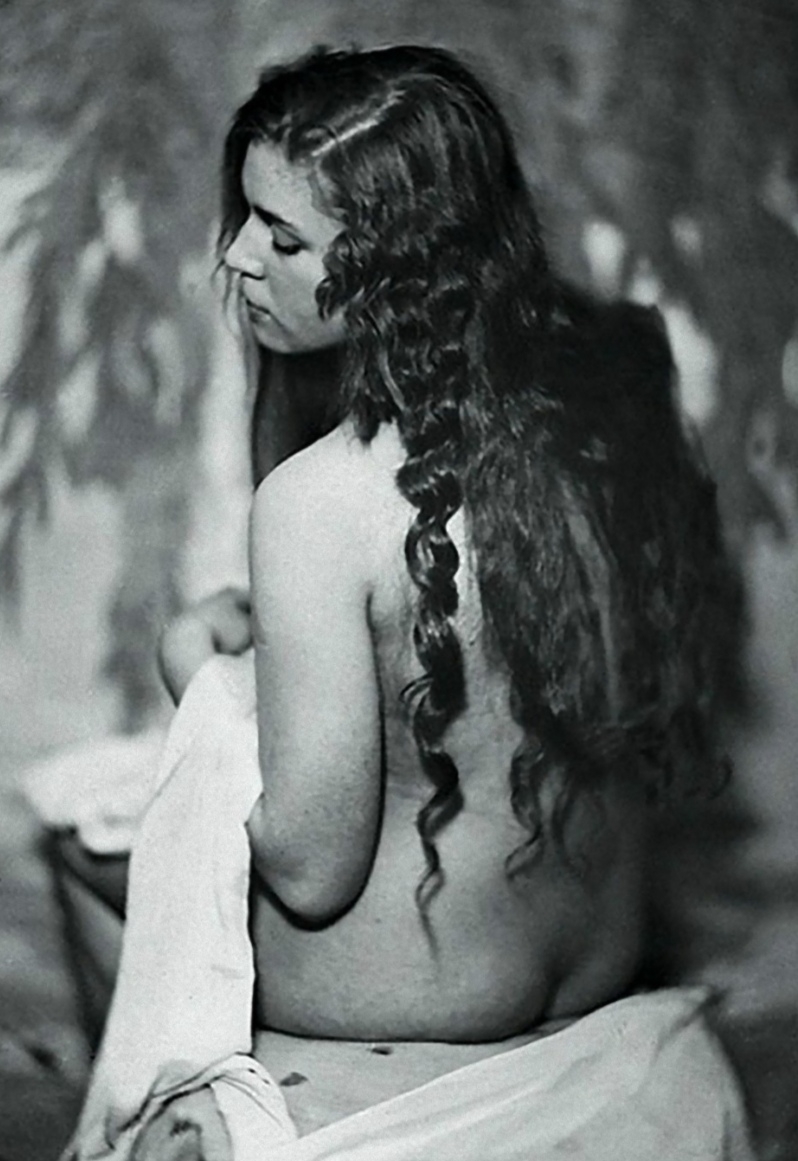
Alexander Grinberg. Bather 1924-1925

Alexander Grinberg. Natacha 1930s

Alexander Grinberg. Movement study 1928
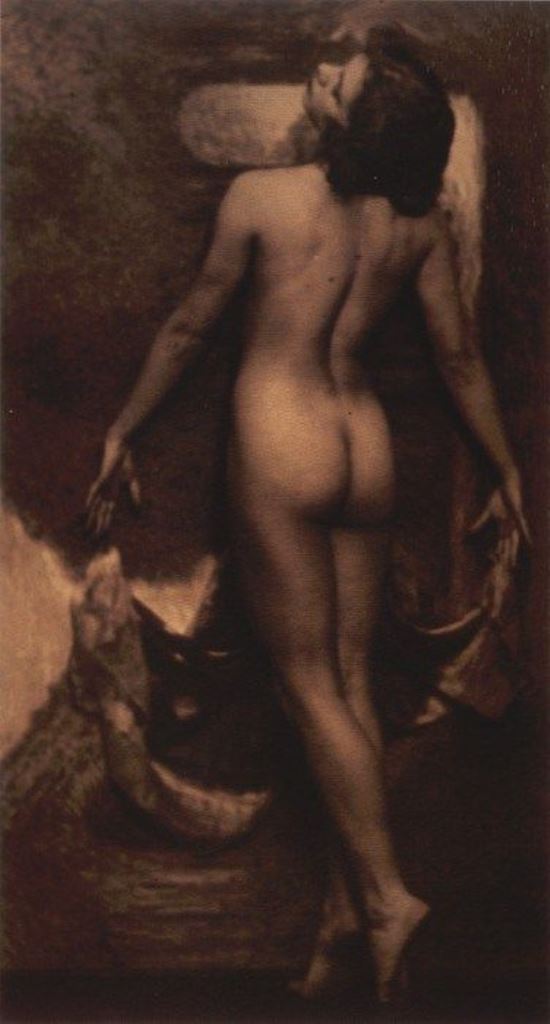
Alexander Grinberg Nu (1885-1979)

Alexander Grinberg (1885-1979). Nude study
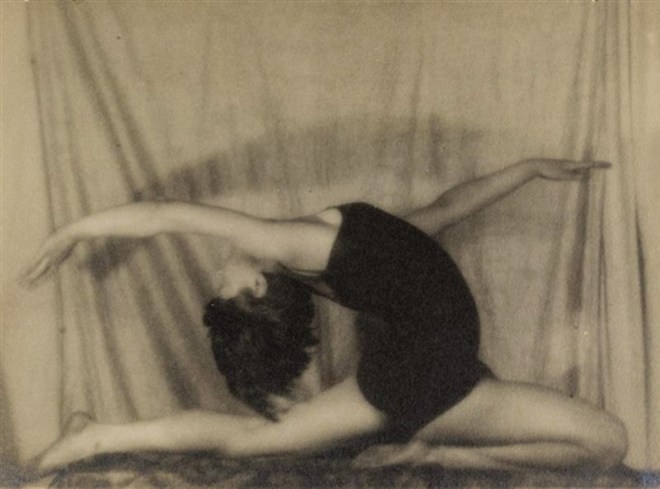
Alexander Grinberg. Maryia Peschanaya. Etude acrobatique. Via mutualart

Alexander Grinberg. Maryia Peschanaya. Etude acrobatique.

Alexander Grinberg. The dancer  Sylvia Chen. Via mutualart
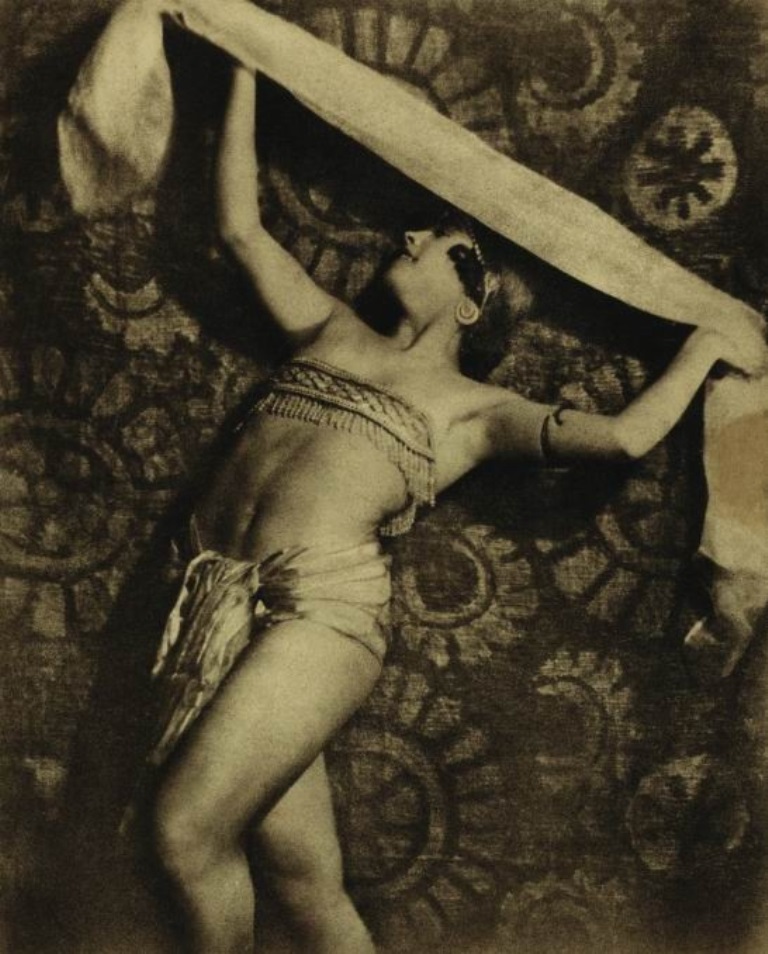
Alexander Grinberg. The dancer Sylvia Chen.

Alexander Grinberg. Mariya Peschanaya 1926. Via randomindex

Alexander Grinberg. Mariya Peschanaya 1926

Alexander Grinberg . Study of movement 1926 . Via billyjane

Alexander Grinberg . Study of movement 1926

Alexander Grinberg. Nu 1915-1930 Via russianphotographs.jpg2

Alexander Grinberg. Nude study

Alexander Grinberg. Nu 1915-1920 Via russianphotographs.jpg2
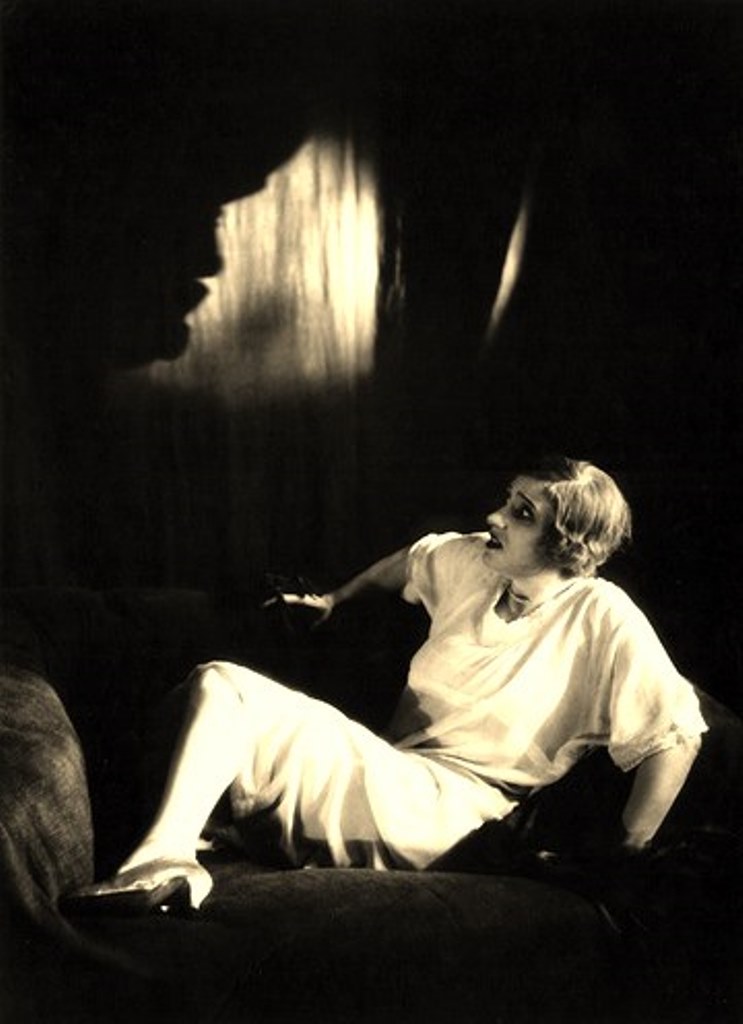
Alexander Grinberg. Nu 1915-1920

Alexander Grinberg. The art of symbolism 1920. Via russianphotographs.jpg2

Alexander Grinberg. The art of symbolism 1920

Alexander Grinberg. The art of symbolism 1920. Via russianphotographs

Alexander Grinberg. The art of symbolism 1920

Alexander Grinberg. The antique theatre in Russian estate 1920. Via russianphotographs.net

Alexander Grinberg. The antique theatre in Russian estate 1920
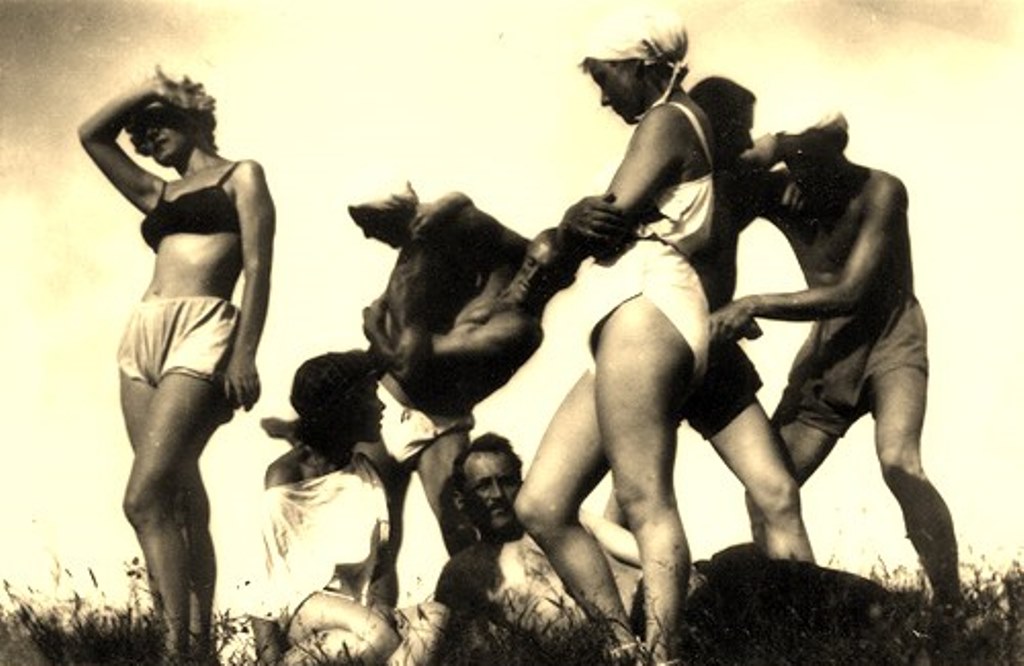
Alexander Grinberg. The Theatre of Meyerhold 1920. Via russianphotographs

Alexander Grinberg. The Theatre of Meyerhold 1920

Alexander Grinberg. The Art of Movement 1920. Via russianphotographs

Alexander Grinberg. The Art of Movement 1920

Alexander Grinberg. The Antique Theatre in Russian Estate 1920. Via russianphotographs.net

Alexander Grinberg. The Antique Theatre in Russian Estate 1920

Alexander Grinberg. Nu 1915-1930. Via russianphotographs.net

Alexander Grinberg. Nu 1915-1930

Alexander Grinberg. Nu 1910-1915. Via russianphotographs.net

Alexander Grinberg. Nu 1910-1915

Alexander Grinberg. Portrait 1910-1915. Via russianphotographs.net

Alexander Grinberg. Portrait 1910-1915

Alexander Grinberg. Portrait 1920. Via russianphotographs.net

Alexander Grinberg. Portrait 1920

Alexander Grinberg. Study of movement 1928. Via russianpictorialism

Alexander Grinberg. Study of movement 1928

Alexander Grinberg. Sitting girl 1928. Via russianpictorialism

Alexander Grinberg. Sitting girl 1928

Alexander Grinberg. Study of movement 1925. Via russianpictorialism

Alexander Grinberg. Study of movement 1925

Alexander Grinberg. Study of Movement 1926-1928. Via russianpictorialism

Alexander Grinberg. Study of Movement 1926-1928

Alexandre Grinberg. L'art du mouvement 1928. Via RMN

Alexandre Grinberg. L’art du mouvement 1928

Alexander Grinberg. Danseuse 1926. Via mutualart

Alexander Grinberg. Danseuse 1926

Alexander Grinberg 1926. Via koroleni

Alexander Grinberg 1926

Alexander Grinberg 1930. Via koroleni

Alexander Grinberg 1930

Alexander Grinberg 1926. Via korelani

Alexander Grinberg 1926

Alexander Grinberg 1925. Via koroleni

Alexander Grinberg 1925

Alexander Grinberg. The Model 1920. Via photography-now

Alexander Grinberg. The Model 1920

Alexander Grinberg. Portrait de femme vers  1913-1914. Via RMN

Alexander Grinberg. Portrait de femme vers 1913-1914

Alexander Grinberg01. Nu 1915-1930 Via russianphotographs.jpg2

Alexander Grinberg. Nu 1915-1930

Alexander Grinberg. Nu 1915-1930 Via russianphotographs.jpg2

Alexander Grinberg. Nu 1915-1930

Alexander Grinberg03. Nu 1915-1930 Via russianphotographs.jpg2

Alexander Grinberg. Nu 1915-1930

Alexander Grinberg37. Nu 1915-1930 Via russianphotographs.jpg2

Alexander Grinberg. Nu 1915-1930

Alexander Grinberg35. Nu 1915-1920 Via russianphotographs.jpg2

Alexander Grinberg. Nu 1915-1920

Alexander Grinberg29. Nu 1915-1930 Via russianphotographs.jpg2

Alexander Grinberg. Nu 1915-1930

Alexander Grinberg27. Nu 1915-1930 Via russianphotographs.jpg2

Alexander Grinberg. Nu 1915-1930 Via russianphotographs.jpg2

Alexander Grinberg. Nu 1915-1930

Alexander Grinberg45. Nu 1915-1930 Via russianphotographs.jpg2

Alexander Grinberg. Nu 1915-1930

Alexander Grinberg28. Nu 1915-1920 Via russianphotographs.jpg2

Alexander Grinberg. Nu 1915-1920

Alexander Grinberg7. Nu 1915-1930 Via russianphotographs.jpg2

Alexander Grinberg. Nu 1915-1930

Alexander Grinberg1. Nu 1915-1930 Via russianphotographs.jpg2

Alexander Grinberg. Nu 1915-1930 Via russianphotographs

Alexander Grinberg18. Nu 1915-1920 Via russianphotographs.jpg2

Alexander Grinberg. Nu 1915-1920

Alexander Grinberg17. Nu 1915-1920 Via russianphotographs.jpg2

Alexander Grinberg. Nu 1915-1920

Alexander Grinberg15. Nu 1915-1920 Via russianphotographs.jpg2

Alexander Grinberg. Nu 1915-1920

Alexander Grinberg8. Nu 1915-1920 Via russianphotographs.jpg2

Alexander Grinberg. Nu 1915-1920

Alexander Grinberg. Nu 1915-1920 Via russianphotographs.jpg2

Alexander Grinberg. Nu 1915-1920

Alexander Grinberg3. Nu 1915-1920 Via russianphotographs.jpg2

Alexander Grinberg. Nu 1915-1920

Alexander Grinberg2. Nu 1915-1920 Via russianphotographs.jpg2

Alexander Grinberg. Nu 1915-1920

Alexander Grinberg1. Nu 1915-1920 Via russianphotographs.jpg2

Alexander Grinberg. Nu 1915-1920

Alexander Grinberg28. The art of symbolism 1920. Via russianphotographs.jpg2

Alexander Grinberg. The art of symbolism 1920

Alexander Grinberg28. The art of symbolism 1920. Via russianphotographs.jpg2

Alexander Grinberg. The art of symbolism 1920

Alexander Grinberg26. The art of symbolism 1920. Via russianphotographs.jpg2

Alexander Grinberg. The art of symbolism 1920.

Alexander Grinberg25. The art of symbolism 1920. Via russianphotographs.jpg2

Alexander Grinberg. The art of symbolism 1920

Alexander Grinberg24. The art of symbolism 1920. Via russianphotographs.jpg2

Alexander Grinberg. The art of symbolism 1920

Alexander Grinberg23. The Art of Symbolism 1920. Via russianphotographs

Alexander Grinberg. The Art of Symbolism 1920

Alexander Grinberg22. The art of symbolism 1920. Via russianphotographs.jpg2

Alexander Grinberg. The art of symbolism 1920 Via russianphotographs

Alexander Grinberg21. The art of symbolism 1920. Via russianphotographs

Alexander Grinberg. The art of symbolism 1920

Alexander Grinberg20. The art of symbolism 1920. Via russianphotographs

Alexander Grinberg. The art of symbolism 1920

Alexander Grinberg19. The art of symbolism 1920. Via russianphotographs.jpg2

Alexander Grinberg. The art of symbolism 1920

Alexander Grinberg18. The art of symbolism 1920. Via russianphotographs

Alexander Grinberg. The art of symbolism 1920

Alexander Grinberg16. The art of symbolism 1920. Via russianphotographs

Alexander Grinberg. The art of symbolism 1920

Alexander Grinberg15. The art of symbolism 1920. Via russianphotographs

Alexander Grinberg. The art of symbolism 1920

Alexander Grinberg14. The art of symbolism 1920. Via russianphotographs

Alexander Grinberg. The art of symbolism 1920

Alexander Grinberg13. The art of symbolism 1920. Via russianphotographs.jpg2

Alexander Grinberg. The art of symbolism 1920

Alexander Grinberg12. The art of symbolism 1920. Via russianphotographs.jpg2

Alexander Grinberg. The art of symbolism 1920

Alexander Grinberg11. The art of symbolism 1920. Via russianphotographs

Alexander Grinberg. The art of symbolism 1920

Alexander Grinberg10. The art of symbolism 1920. Via russianphotographs.jpg2

Alexander Grinberg. The art of symbolism 1920

Alexander Grinberg9. The art of symbolism 1920. Via russianphotographs.jpg2

Alexander Grinberg. The art of symbolism 1920

Alexander Grinberg3. The art of symbolism 1920. Via russianphotographs

Alexander Grinberg. The art of symbolism 1920

Alexander Grinberg. The Theatre of Meyerhold 1920Via russianphotographs

Alexander Grinberg. The Theatre of Meyerhold 1920

Alexander Grinberg13. The Art of Movement 1920. Via russianphotographs

Alexander Grinberg. The Art of Movement 1920

Alexander Grinberg12. The Art of Movement 1920. Via russianphotographs

Alexander Grinberg. The Art of Movement 1920

Alexander Grinberg12. The antique theatre in Russian estate 1920. Via russianphotographs.net

Alexander Grinberg. The antique theatre in Russian estate 1920

Alexander Grinberg11. The Art of Movement 1920. Via russianphotographs

Alexander Grinberg. The Art of Movement 1920

Alexander Grinberg8. The antique theatre in Russian estate 1920. Via russianphotographs.net

Alexander Grinberg. The antique theatre in Russian estate 1920

Alexander Grinberg7. The Art of Movement 1920. Via russianphotographs

Alexander Grinberg. The Art of Movement 1920

Alexander Grinberg10. The Theatre of Meyerhold 1920. Via russianphotographs

Alexander Grinberg. The Theatre of Meyerhold 1920

Alexander Grinberg9. The Theatre of Meyerhold 1920. Via russianphotographs

Alexander Grinberg. The Theatre of Meyerhold 1920

Alexander Grinberg8. The Theatre of Meyerhold 1920. Via russianphotographs

Alexander Grinberg. The Theatre of Meyerhold 1920

Alexander Grinberg7. The Theatre of Meyerhold 1920. Via russianphotographs

Alexander Grinberg. The Theatre of Meyerhold 1920

Alexander Grinberg. The Theatre of Meyerhold 1920Via russianphotographs

Alexander Grinberg. The Theatre of Meyerhold 1920

Alexander Grinberg6. The Theatre of Meyerhold 1920. Via russianphotographs

Alexander Grinberg. The Theatre of Meyerhold 1920

Alexander Grinberg3. The antique theatre in Russian estate 1920. Via russianphotographs.net

Alexander Grinberg. The antique theatre in Russian estate 1920

Alexander Grinberg. The Theatre of Meyerhold 1920 Via russianphotographs

Alexander Grinberg. The Theatre of Meyerhold 1920

Alexander Grinberg. The Theatre of Meyerhold 1920 Via russianphotographs

Alexander Grinberg. The Theatre of Meyerhold 1920

Alexander Grinberg2. The Art of Movement 1920. Via russianphotographs

Alexander Grinberg. The Art of Movement 1920

Alexander Grinberg. The Art of Movement 1920Via russianphotographs

Alexander Grinberg. The Art of Movement 1920

Alexander Grinberg3. The Antique Theatre in Russian Estate 1920. Via russianphotographs.net

Alexander Grinberg. The Antique Theatre in Russian Estate 1920

Alexander Grinberg1. The Antique Theatre in Russian Estate 1920. Via russianphotographs.net

Alexander Grinberg. The Antique Theatre in Russian Estate 1920
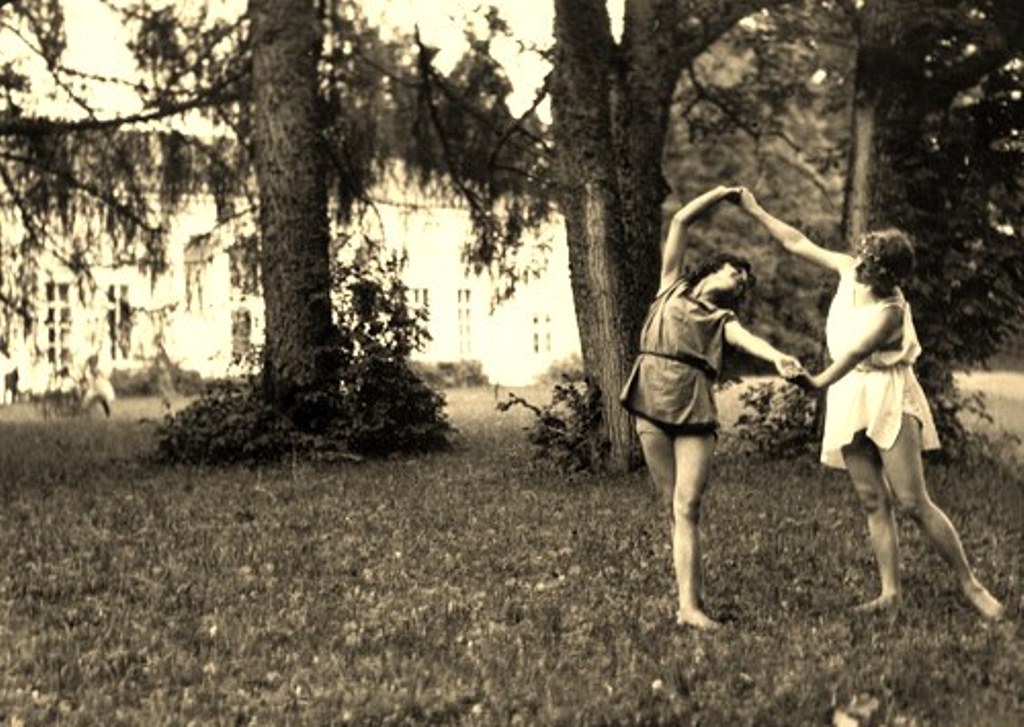
Alexander Grinberg9. Nu 1915-1930. Via russianphotographs.net

Alexander Grinberg. Nu 1915-1930

Alexander Grinberg8. Nu 1915-1930. Via russianphotographs.net

Alexander Grinberg. Nu 1915-1930

Alexander Grinberg7. Nu 1915-1930. Via russianphotographs.net

Alexander Grinberg. Nu 1915-1930

Alexander Grinberg6. Nu 1915-1930. Via russianphotographs.net

Alexander Grinberg. Nu 1915-1930

Alexander Grinberg5. Nu 1915-1930. Via russianphotographs.net

Alexander Grinberg. Nu 1915-1930

Alexander Grinberg4. Nu 1915-1930. Via russianphotographs.net

Alexander Grinberg. Nu 1915-1930

Alexander Grinberg3. Nu 1915-1930. Via russianphotographs.net

Alexander Grinberg. Nu 1915-1930

Alexander Grinberg1. Nu 1910-1915. Via russianphotographs.net

Alexander Grinberg. Nu 1910-1915

Alexander Grinberg6. Portrait 1920. Via russianphotographs.net

Alexander Grinberg. Portrait 1920

Alexander Grinberg5. Portrait 1920. Via russianphotographs.net

Alexander Grinberg. Portrait 1920
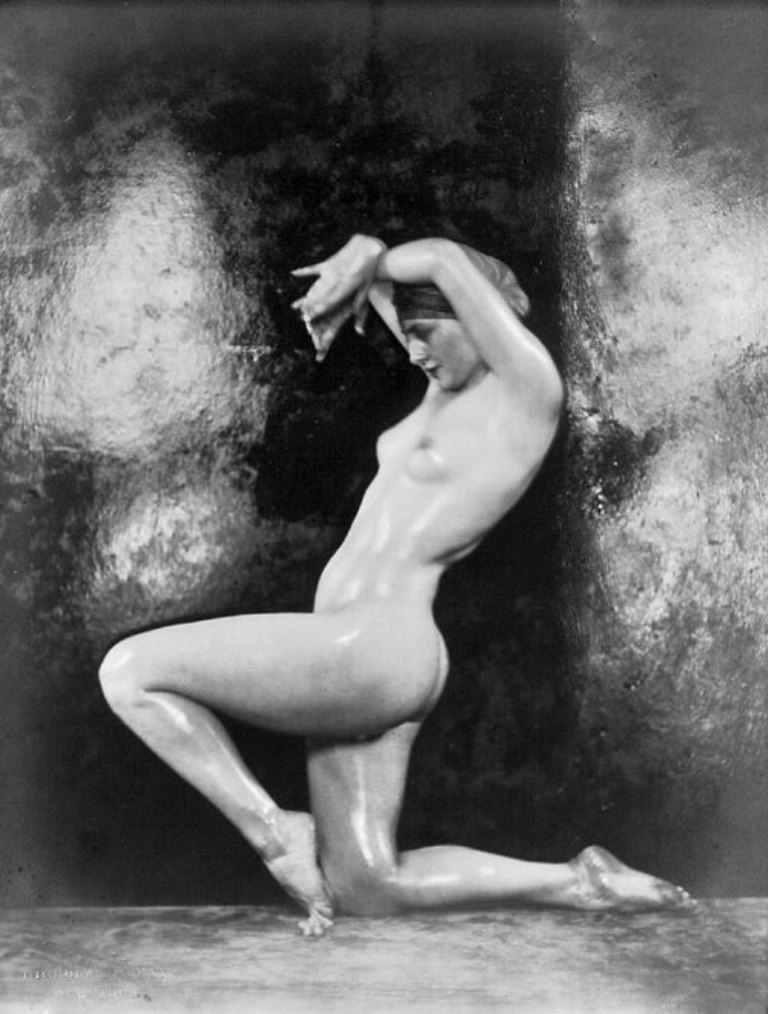
Alexander Grinberg4. Portrait 1920. Via russianphotographs.net

Alexander Grinberg. Portrait 1920
Alexander Grinberg2. Portrait 1920. Via russianphotographs.net

Alexander Grinberg. Portrait 1920
Alexander Grinberg1. Portrait 1920. Via russianphotographs.net

Alexander Grinberg. Portrait 1920

Alexander Grinberg2

Alexander Grinberg. The Antique Theatre in Russian Estate 1920